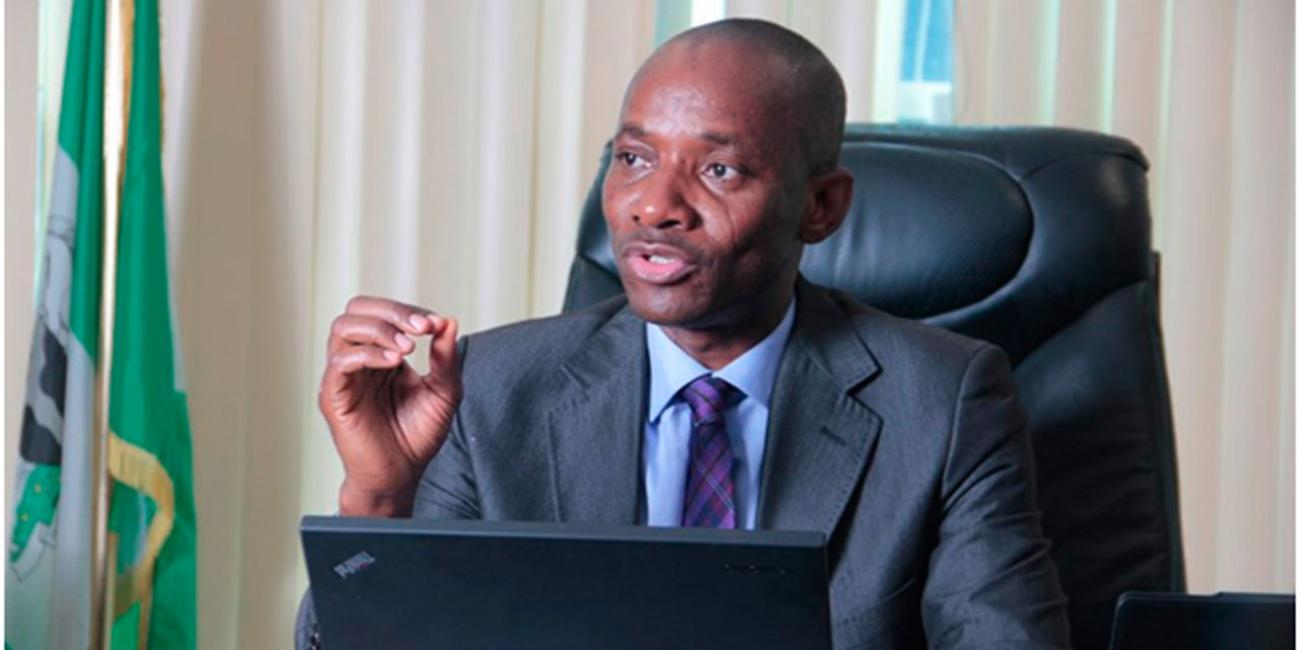
Dr. Sam Amadi, director of the Abuja School of Social and Political Thought, says the ongoing U.S. fact-finding mission on religious freedom and insecurity in Nigeria reflects Washington’s growing distrust of both the Nigerian government’s official narrative and the country’s mainstream media.
Speaking on ARISE News, Amadi said the visit by a high-level U.S. congressional delegation—and their meetings with victims, clerics and government officials—shows the Trump administration is independently verifying claims of targeted attacks, governance failures and deteriorating security. According to him, the mission follows former President Donald Trump’s declaration that Nigeria should once again be reviewed as a “country of particular concern.”
“When Trump makes what looks like a policy statement on Twitter or at a press conference, it doesn’t mean America acts exactly in that tone,” he said. “They calibrate—and congressional hearings had already taken place before this visit.”
Amadi said the U.S. team arrived with three major concerns: potential withdrawal of critical aid, visa restrictions already underway and, in an extreme scenario, limited strikes against terrorist groups. Their approach, he added, signalled seriousness.
“If it was a Nigerian delegation, they’d spend days in a hotel meeting everybody. These people met the NSA briefly—and went straight to the field,” he said.
The delegation, he argued, deliberately bypassed official messaging. “They don’t want only government statements. They want victims. They are saying clearly: we don’t trust your official narrative or your media.”
Amadi said the U.S. is likely to reaffirm that Christians are disproportionately targeted in northern Nigeria, while noting that extremists “attack whatever is before them.”
He dismissed France’s recent offer to support Nigeria’s counter-terrorism efforts. “France is gasping for breath. Macron is tired. They are looking to Africa to rejuvenate their youth. I don’t trust French intervention.”
Amadi warned against any foreign military adventurism in West Africa. “We should be careful about invading Benin for any reason. We don’t want a precedent of West African invasion—and we don’t want Trump going ablaze into Nigeria.”
On whether Nigeria could be removed again from the U.S. “Country of Particular Concern” list, Amadi was blunt: symbolism won’t help. “We were removed in 2020 because lobbyists worked in Washington. But we won’t get out unless the facts change.”
He pointed to three core issues: the existence of what he called “criminal Sharia” that creates “constitutional double citizenship,” ongoing violence across the Benue Valley and persistent violations of the rule of law. “The American fact-finder process is not narrative-based. It’s fact-based. Change the facts—you get redesignated.”
Amadi criticised Nigeria’s political establishment for failing to respond meaningfully. “This is like injecting cocaine. The government will act possessively. But without local ownership and pressure, nothing changes.”
He said the National Assembly has been virtually absent. “A foreign country is threatening to bomb you. Have they held a hearing? All we hear is ‘Trump is lost.’ That is childish and irresponsible.”
He said a bipartisan inquiry was needed, particularly one that engages Nigerians who have already testified before the U.S. Congress. Instead, he argued, political parties are ducking responsibility. “The ruling APC says nothing. The ADC is playing dead. Nobody wants the inconvenience of speaking honestly.”
Amadi predicted Nigeria will remain a “country of particular concern,” though without significant risk of direct U.S. military action.
He also warned that West Africa is structurally vulnerable. “It is the most fragile, poorest, most undemocratic region in the world,” he said, linking ethnic conflict, environmental crises and institutional collapse to what he called “irresponsible and unaccountable governance.”
Poverty and conflict, he said, reinforce each other. “People see leaders who don’t care. They are trapped in conflict and poverty. It creates the illusion that military rule may be better than democracy.”
Amadi argued that foreign military aid is not the solution. “The antidote is not aircraft and bullets. It is good governance, economic growth and prosperity shared equally.”