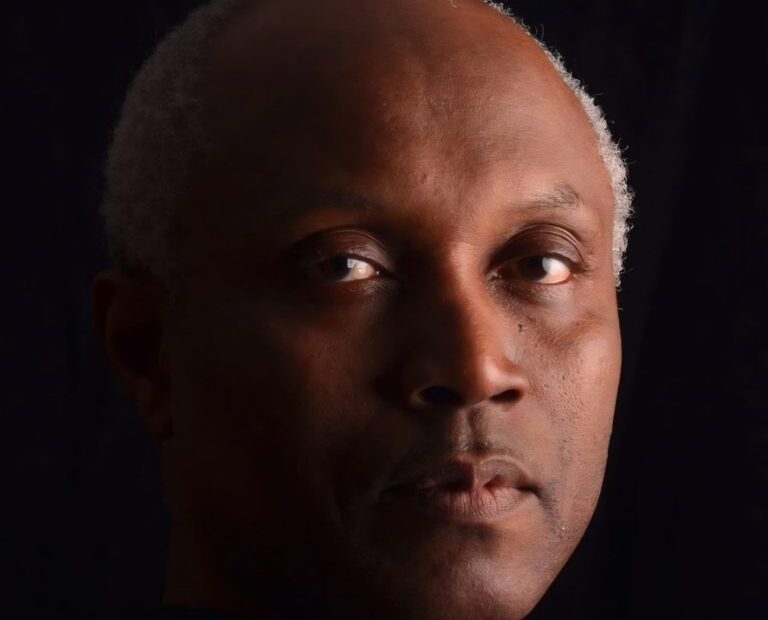
The Department of State Services (DSS) has pushed back against reports that it arrested or detained renowned author and columnist Professor Okey Ndibe at Lagos’ Murtala Muhammed International Airport, insisting that the interaction was part of an ongoing review process aimed at removing his name from a long-standing security watchlist.
In a statement issued Tuesday, the agency said claims that Ndibe was arrested on June 1 were inaccurate, describing the encounter as a routine interface connected to a broader effort to clean up watchlist records dating back decades.
“The Department of State Services (DSS) hereby clarifies that it did not arrest or detain Prof Okey Ndibe at Murtala Muhammed International Airport on June 1, 2026, or any other place on that date for that matter,” the agency said.
The statement, signed by the DSS Deputy Director of Public Relations and Strategic Communications, Favour Dozie, revealed that Ndibe had been on the Service’s watchlist since January 29, 2013.
According to the agency, his case has now been reviewed and downgraded, with the airport interaction forming part of the final process leading to the removal of his name from the list.
“In the same vein, Prof Ndibe has been on Watchlist since January 29, 2013. Meanwhile, his case has been reviewed and downgraded. Thus, the interface with him at the airport was geared towards the final delisting of his details from the Action,” the DSS stated.
The Bigger Revelation
While the DSS denied carrying out an arrest, its statement confirmed a fact likely to generate fresh debate: one of Nigeria’s most prominent writers remained on a security watchlist for more than 13 years.
The agency said the current leadership had initiated a review of legacy Watch-List Actions, some inherited from previous administrations and dating back to the military era, to prevent citizens from being unnecessarily subjected to travel-related embarrassment.
Officials explained that individuals on such lists are periodically interviewed while in transit to assess whether the reasons for their original designation remain valid.
The review process, according to the DSS, serves as a precursor to eventual delisting and is intended to align the agency’s operations with international best practices.
The Service noted that several Nigerians have already benefited from the exercise, citing media rights advocate Lanre Arogundade, whose removal from the watchlist was approved in 2025 after more than a decade under surveillance restrictions.
Ndibe’s Account
The DSS response followed reports that Ndibe, who has lived in the United States since 1998, was stopped upon arrival in Lagos, taken to the agency’s office at the airport and questioned over his watchlist status before being released.
According to accounts of the incident, security officials informed him that his continued appearance on the database triggered the stop and advised him to visit the agency’s headquarters in Abuja to facilitate his removal from the list.
Ndibe reportedly declined.
“I told the SSS that it’s a shame a country that rolls out the red carpet for criminals would harass a writer who wages war on corruption and the corrupt,” he was quoted as saying after the encounter.
The DSS, however, emphasized that the interaction lasted less than an hour and ended with Ndibe being cleared and escorted.
The agency further noted that the writer himself acknowledged the professionalism of its personnel during the encounter.
A History of Encounters
The latest episode has also revived scrutiny of Ndibe’s long and often contentious relationship with Nigeria’s security establishment.
The celebrated columnist and academic has previously alleged that he was detained at the same airport in 2011, with both his Nigerian and American passports temporarily confiscated.
Friends and associates say similar incidents have occurred on multiple occasions over the years, often ending with interventions from senior officials in Abuja and subsequent apologies from the agency.
Former Anambra State Commissioner for Information, Don Adinuba, described the latest incident as evidence of persistent bureaucratic shortcomings within the security system.
“It is a pity that this agency doesn’t update its database to enable the officers on duty at the airport to know that the agency no longer regards Prof Ndibe as a security threat,” Adinuba said.
According to him, each previous encounter followed a familiar pattern: airport officials detained the writer, contacted headquarters, received clarification and eventually released him.
Questions Beyond One Man
Beyond the disagreement over whether Ndibe was arrested or merely questioned, the controversy raises broader questions about the management of Nigeria’s security watchlists.
The DSS now insists it is undertaking a comprehensive review of legacy records and has invited Nigerians who believe they may be affected to contact its headquarters for assessment.
Yet the revelation that a prominent public intellectual remained on a watchlist for more than a decade despite repeated encounters with security agencies is likely to fuel debate about transparency, accountability and the safeguards governing such databases.
For critics, the issue is not simply what happened to Okey Ndibe at Lagos airport.
It is how many other Nigerians may still be navigating the consequences of watchlist decisions made years—or even decades—ago.