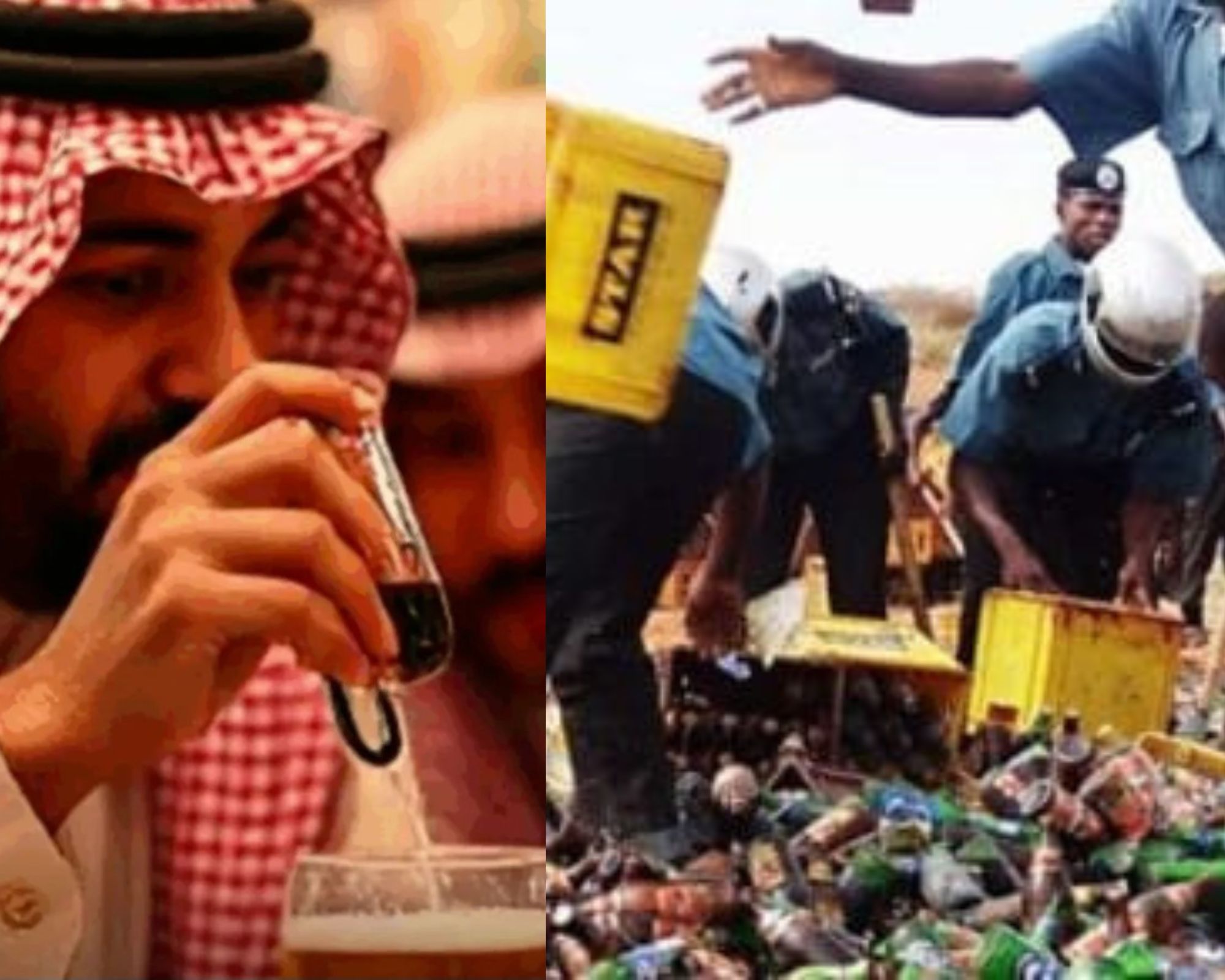
Some northern states, including Kano and Katsina, continue to destroy billions of naira worth of alcoholic drinks on religious grounds. These same states still benefit from alcohol-derived revenue shared nationally through the Federation Accounts Allocation Committee. The contradiction has drawn renewed scrutiny.
The debate intensified as Saudi Arabia quietly eased its decades-long alcohol ban. A liquor store in Riyadh now sells whiskey and champagne to wealthy foreign residents holding a premium residency visa. Only non-Muslims qualify. The New York Times reported that the shop opened without a public announcement from the Saudi government.
Shoppers described crowded aisles and frantic purchases running into thousands of dollars. The store operates under a dual pricing system. Diplomats pay one rate, while premium residents pay even higher prices. Several details point to government oversight, though officials have not confirmed involvement.
Saudi Arabia banned alcohol in the 1950s. For years, embassies imported large quantities through diplomatic shipments, which often ended up in the black market. That loophole ended in January 2024. The quiet shift reflects the kingdom’s broader social changes. Saudi women now drive, work, and travel freely. Mixed-gender entertainment events have also become common.
Back in Nigeria, Hisbah corps in northern states destroy alcohol under Sharia law. Their operations target sales, transport and possession of alcoholic drinks. Yet federal VAT and excise duties on alcohol continue flowing to all states, including those enforcing the strictest bans. The contradiction remains unresolved.
Analysts say the system pits national tax policy against regional religious enforcement. Alcohol producers generate large revenues for the federal government. Those funds support state budgets nationwide. Critics argue it is unfair for states that prohibit alcohol to profit from taxes generated by sales in other parts of the country.
The conflict shows the tension between Nigeria’s economic structure and local religious laws. Alcohol remains banned in several northern states, yet the proceeds from its sale continue to help fund the institutions that outlaw it.