By Lillian Okenwa
The 2026 NBA Annual General Conference ended in Port Harcourt on Friday. By Saturday, lawyers were making their way home. In 2002, Barnabas and Abigail Igwe also returned from the Bar’s annual gathering. They never made it back to their lives.
By Friday morning, the 66th Annual General Conference of the Nigerian Bar Association was drawing to a close in Port Harcourt. The formal programme ended with the swearing-in of the Association’s new national officers, after which delegates began leaving the city. By Saturday, the conference grounds had largely returned to normal, with lawyers heading home after a week of meetings, arguments, reunions and the familiar business of the Nigerian Bar.
There is nothing unusual about that annual ritual. The NBA has gathered its members in different cities for decades, and each year the lawyers eventually disperse and return to their chambers, courtrooms and families.
But this year’s departure carries a troubling echo.
Read Also: THE IGWE FILE (Part II): The State, the Bakassi boys and the politics of fear
Read Also: In Anambra State, the fox now guards the chicken coop
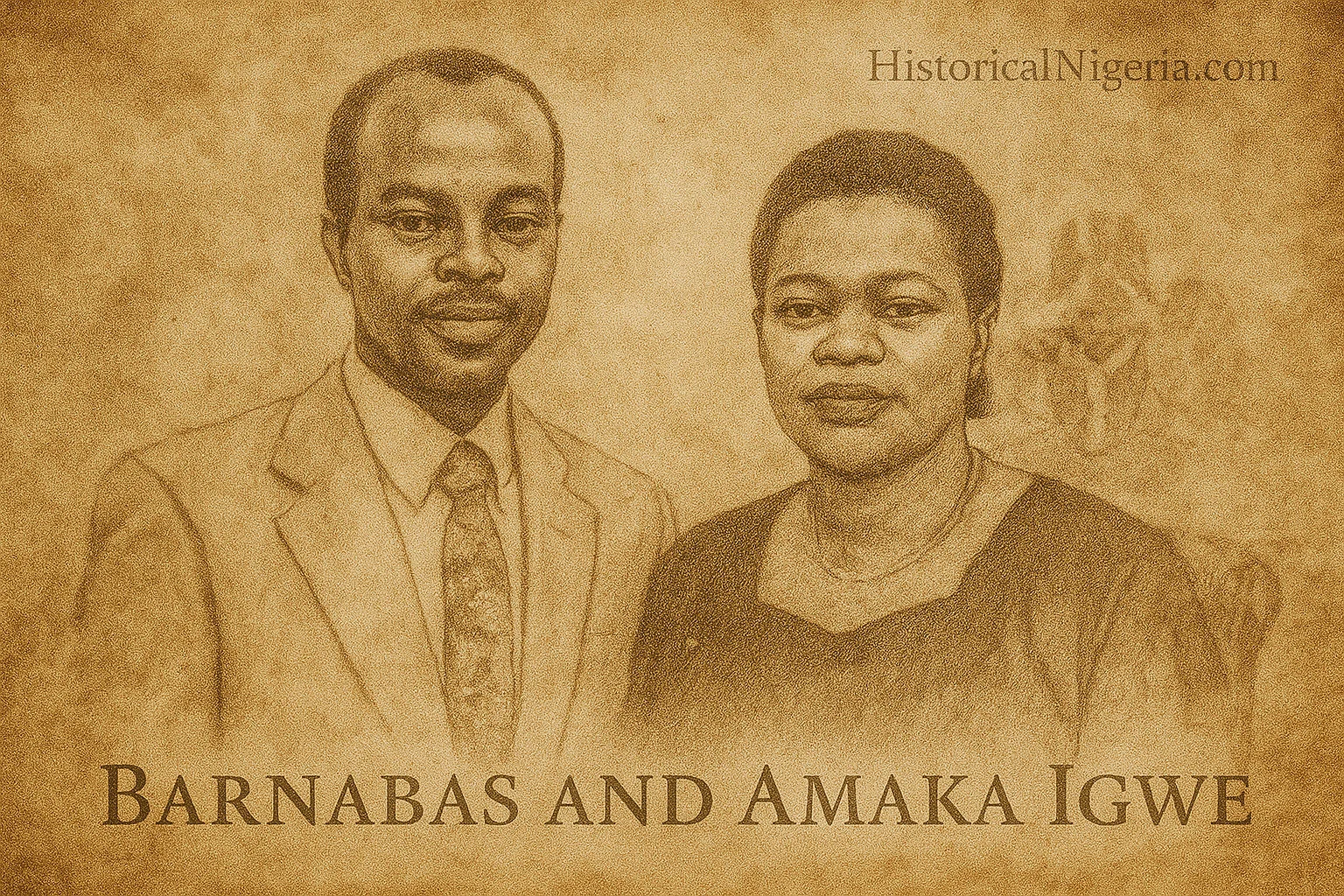
Twenty-four years ago, Barnabas Igwe and his wife, Abigail, also returned from the Bar’s annual gathering. They had attended the NBA conference in Ibadan. When they got back to Anambra, they expected to resume the lives they had left behind.
They never did.
On September 1, 2002, Barnabas, then chairman of the Nigerian Bar Association’s Onitsha Branch, and Abigail were brutally murdered in Onitsha. Abigail was pregnant.
The conference they had attended became, in retrospect, the last ordinary journey they would make together.
For the lawyers who have just left Port Harcourt, there is no reason to expect anything other than the ordinary conclusion to an annual professional gathering. They will return to their offices, their cases and their families. The coincidence of the calendar does not suggest otherwise.
But for the Nigerian Bar, the Igwe case remains a reminder of what can happen when a lawyer’s professional convictions collide with political power and violence.
The murders have never acquired the clean ending that a criminal case is supposed to provide. There have been arrests, allegations, investigations and years of legal proceedings, but the questions surrounding who organised the killings, who carried them out and whether those responsible were ever properly brought to account have survived successive governments and successive generations of lawyers.
The case was not allowed to disappear completely.
More than two decades after the killings, it was reopened in a different setting when the Anambra State Truth, Justice and Peace Commission examined the state’s history of political violence and unresolved killings. The Commission, chaired by Professor Chidi Odinkalu, revisited the circumstances surrounding the deaths of the Igwes and eventually submitted its report to the Anambra State Government in March 2024.
Its findings brought the case back into public view.
They also brought names back into the story.
Among them was Ken Emeakayi, whom Odinkalu has said was identified in records reviewed by the Commission as the person who led the operation that resulted in the murders. Odinkalu has also said that the Commission recommended reopening the case and taking steps to bring Emeakayi and those he allegedly commanded to account.
Those are serious allegations, and they should be described as such. A Commission’s findings are not a criminal conviction, and Emeakayi has not been convicted by a court for the murders. Even Odinkalu has acknowledged that the Commission did not pronounce him guilty; its concern was that the evidence and unresolved questions warranted further action.
The point cannot be lost in the controversy. The Commission’s findings form part of the record, but they do not amount to a criminal conviction. What followed therefore raises a different question: What should the State do when an official inquiry produces serious allegations that have yet to be tested in a criminal court?
Emeakayi is no longer simply a name associated with an old murder case. He is currently serving as Special Adviser on Security to Anambra State Governor Chukwuma Soludo, a fact that has prompted fresh questions from Odinkalu and others about what happened to the Commission’s recommendations after its report was submitted.
The development has given the Igwe case a new and unexpected life.
The question is no longer only what happened on that September morning in 2002. It is also what happened to the evidence gathered afterwards, why an earlier prosecution collapsed, what the Truth, Justice and Peace Commission found when it returned to the case years later, and what the government did with those findings.
That is where the story now leads.
Not back to the conference in Ibadan.
Forward, to the record of what happened after the murders—and to the people whose names appear in it.