


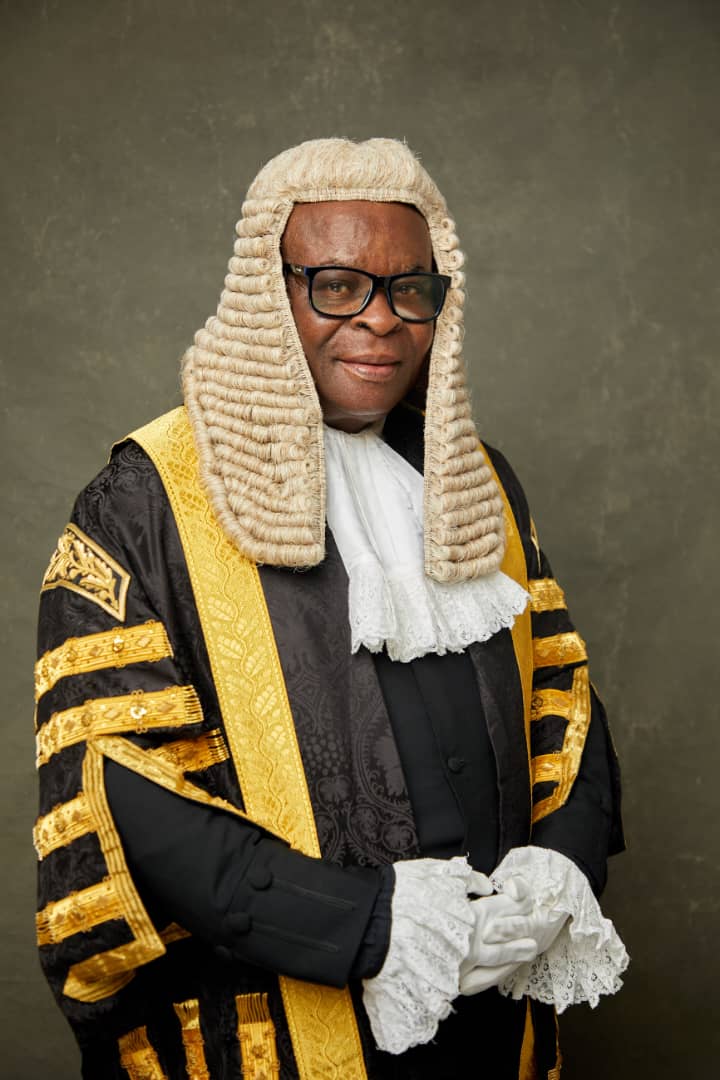
The African Bar Association (AFBA) has congratulated the former Chief Justice of Nigeria, Hon Justice Walter Samuel Nkanu Onnoghen (Rtd), on his appointment as an honorary professor by the University of South Africa.
AFBA in a statement signed by its president, High Chief Ibrahim Eddy Mark, said they are “gratified to see you make us proud and participate in your glorious exploit.”
The full text of the statement reads:
We will recall that upon the request of the University of South Africa, Faculty of Law, we nominated you to participate and deliver a lecture at the Faculty’s 10th Annual Law Conference, held from 25th March to 27th March, 2025, at the University Campus in Pretoria, South Africa.
We are in receipt of a letter appointing you as HONORARY PROFFESSOR in the Faculty of Law, University of South Africa (UNISA), due to your superlative and scholarly brilliant performance in delivering a resounding lecture titled: “Winds of Change in Africa and 30years of Democracy in South Africa: Reflecting on the Challenges of Africa in the 21st Century: A Multidisciplinary Account of the 21st Century Africa, including South Africa’s 30 years of Democracy.”
The University has a 152-year history of establishment.
We are gratified to see you make us proud and participate in your glorious exploit. As we quote from the letter the “An Honorary Professor is a person who has an established and sustained academic or professional reputation and standing. The purpose of an honorary professor is to:
• Enhance the profile and prestige of the university;
• Facilitate association between the academic community and other national or international persons or sectors in government, business or civil society.”
As an African star and a gift from Nigeria, we wish you success in your professorial duties as indicated in the letter of appointment.
We say congrats again.





“Congratulations to Ex-CJN Walter Onnoghen on this well-deserved honorary professorship! His appointment is a testament to his dedication to the legal profession and his impact on the African legal community.”