Countless Nigerian children sent away from home in search of a better future instead find themselves trapped in exploitation, neglect and abuse.
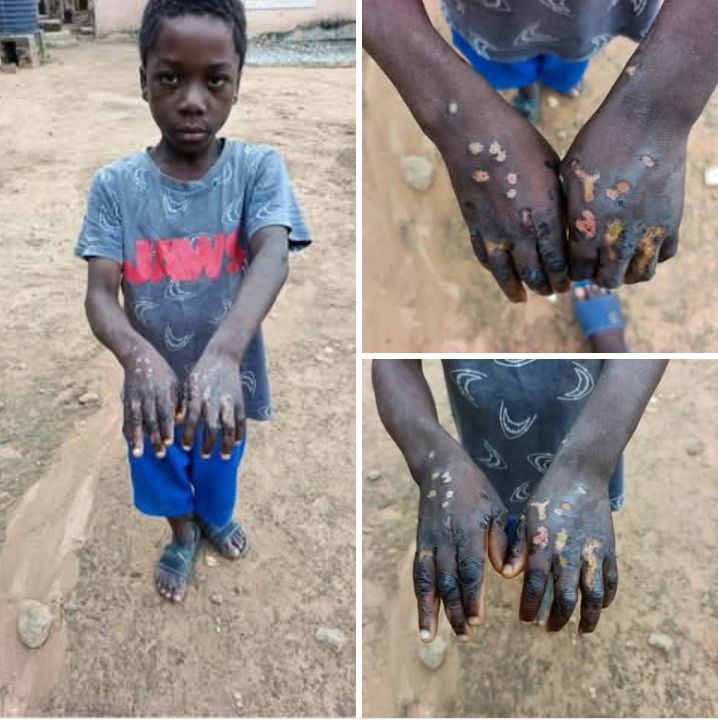
Calls for a police investigation are mounting after a minor was allegedly tortured with a heated object by the woman with whom the child was living in Makurdi, Benue State, in a case that has reignited concerns over the treatment of child domestic workers in Nigeria.
The alleged abuse occurred on Friday morning in the Old GRA area of Makurdi.
The incident came to public attention after Benue-based activist Zege Orkwande shared photographs of the child’s injuries on Facebook, alleging that the victim, who had been brought from a village to work as a domestic helper, was subjected to physical abuse.
“Happened this morning at Old GRA, Makurdi. Child abuse, assault, hard labour and slavery,” Orkwande wrote.
He further alleged that the woman responsible lives behind the Total filling station in Old GRA and described the treatment meted out to the child as “evil, slavery and inhumane.”
Read Also: Nursing mother allegedly murders maid for watching TV with her children
Read Also: 11 Year Old Maid Abused & Fed Cockroaches by Her Madam, but What Does the Law Say About Child Abuse
The activist called on the suspect to voluntarily report to any police division under the Benue State Police Command, warning that he would mobilise public support to ensure her arrest and prosecution if she failed to do so.
As of the time of filing this report, the Benue State Police Command had not issued an official statement on the allegation or confirmed whether an investigation had commenced.
A recurring national concern
The Makurdi incident is the latest in a troubling succession of cases involving children allegedly abused by guardians or employers entrusted with their care.
Only weeks ago, another case in Benue drew public attention after a woman was arraigned before a Makurdi Chief Magistrates’ Court over allegations that she trafficked two teenage girls for sexual exploitation. The prosecution followed the girls’ escape and subsequent report to law enforcement authorities.
Earlier this month, four girls believed to be victims of an alleged trafficking ring were intercepted in Makurdi while reportedly being moved to Ghana, highlighting the continued vulnerability of children to exploitation within and beyond Nigeria’s borders.
Similar incidents have surfaced in other parts of the country in recent months. In Lagos, authorities have prosecuted several cases involving domestic workers, including minors allegedly subjected to prolonged physical abuse and starvation. In Anambra and Delta states, police have also investigated allegations of severe violence against children placed with relatives or employers, while child protection organisations continue to warn that many cases remain hidden because victims are isolated, intimidated or financially dependent on their abusers.
Child rights advocates say the common thread is the informal practice of sending children from rural communities to live with relatives or strangers in urban centres under the promise of education or better opportunities, arrangements that can sometimes deteriorate into forced labour, physical abuse and exploitation.
What the law says
The Child Rights Act, 2003, which has been domesticated in Benue State, guarantees every child the right to dignity and protection from physical, emotional and psychological abuse. Depending on the circumstances, anyone found culpable may also face charges under the Criminal Code or Penal Code for assault causing grievous bodily harm, while cases involving recruitment or exploitation of children may attract prosecution under Nigeria’s anti-trafficking laws.
For child welfare advocates, the Makurdi allegation is another reminder that abuse within private homes often goes undetected until neighbours, teachers, health workers or community members speak up.
Whether the latest allegation results in prosecution will now depend on the findings of investigators, but campaigners insist that every reported case deserves a thorough inquiry to ensure vulnerable children are protected and those responsible, where culpability is established, are held accountable.