The International Federation of Women Lawyers (FIDA) Abuja Branch has raised fresh concerns over the plight of female inmates whose continued incarceration is linked not only to pending criminal cases but, in some instances, to their inability to pay court-imposed fines and compensation, following a monitoring visit to the Keffi Old Correctional Centre in Nasarawa State.
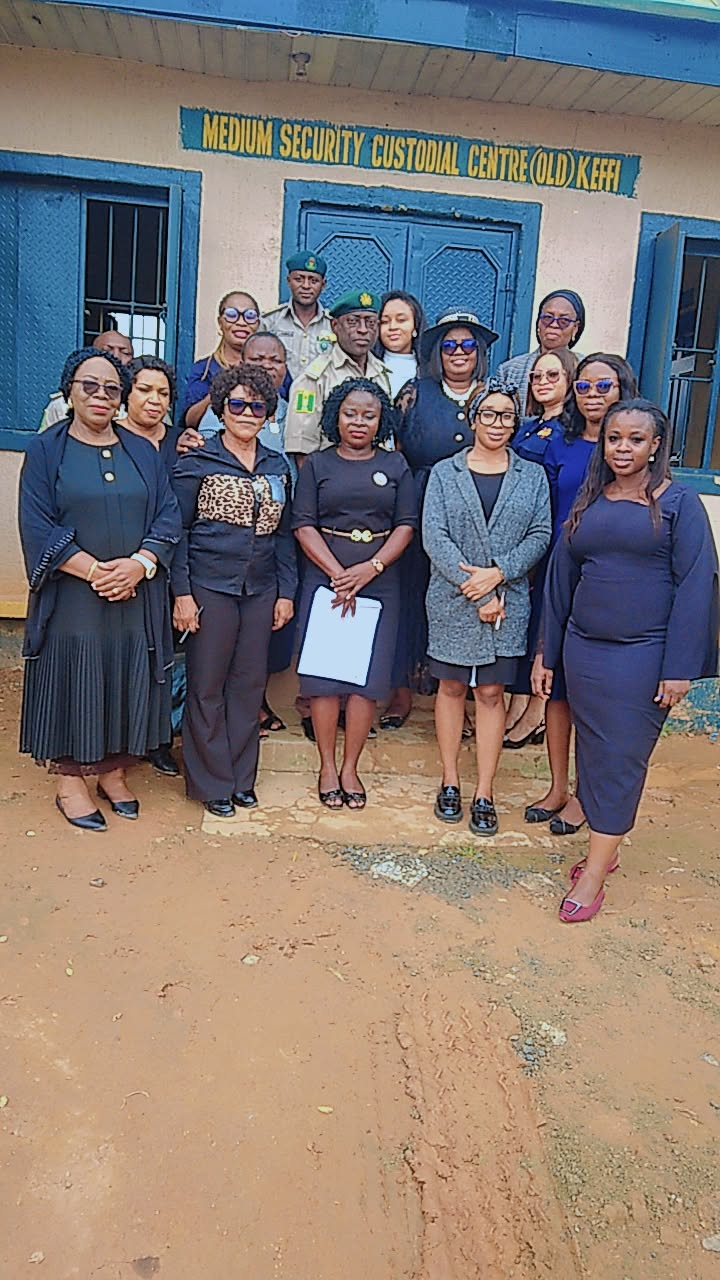
The concerns emerged during an official visit by FIDA Abuja’s Correctional Service Watch Committee on Thursday, where members conducted a legal clinic for female inmates, assessed their welfare conditions and identified cases requiring legal intervention.

The visit forms part of the Branch’s continuing efforts to promote access to justice for vulnerable women in custody and strengthen collaboration with the Nigerian Correctional Service to ensure that indigent inmates are not denied legal representation because of poverty. The Nigerian Correctional Service Act, 2019, places renewed emphasis on rehabilitation, humane custody and partnerships that improve inmates’ access to justice.
Leading the delegation, Chairperson of the Correctional Service Watch Committee, Mrs. Kate Olusuyi, said the exercise was designed to assess the legal and welfare needs of women in custody while identifying deserving cases for pro bono legal representation, mediation and other forms of assistance.
“Our responsibility goes beyond observing conditions within correctional facilities,” she said. “It is also to identify women whose circumstances call for legal intervention and ensure that access to justice does not become a privilege reserved only for those who can afford it.”
The FIDA team was received by Mr. Aya Sunday Luka, Assistant Comptroller at the facility, who commended the organisation for its sustained commitment to protecting the rights and welfare of women and children and for complementing government efforts through legal aid and humanitarian support.
During an interactive legal clinic, Committee members interviewed inmates individually to understand the circumstances surrounding their incarceration and the status of their cases.
The exercise revealed a diverse inmate population comprising women awaiting trial, convicted inmates serving custodial sentences, inmates sentenced with options of fine, those ordered to pay compensation and others with pending court proceedings.
Particular attention was drawn to inmates whose continued detention appeared closely linked to financial incapacity, especially women unable to satisfy fines or compensation ordered by the courts.
According to the Committee, information gathered during the exercise will undergo further legal assessment to determine cases suitable for pro bono representation, legal advice, mediation or other interventions within FIDA’s mandate.
Beyond legal assistance, the Committee also extended humanitarian support to the inmates by donating sanitary towels, toiletries, detergents, milk, Milo, sugar, biscuits, diapers, baby wipes and other essential personal-care items.
FIDA said the intervention reflected its belief that access to justice should be complemented by efforts to preserve the dignity, health and wellbeing of women in correctional custody.
The Committee observed that many female inmates continue to require legal guidance and representation, while welfare challenges—particularly access to hygiene materials and other basic necessities—remain significant.
It also noted that stronger collaboration between correctional authorities, legal practitioners and civil society organisations would help identify deserving cases early and improve access to justice for indigent inmates.
At the conclusion of the visit, the Committee recommended sustained legal clinics within correctional facilities, expanded pro bono legal services for vulnerable inmates, periodic monitoring visits and increased support from government agencies, development partners and public-spirited individuals to improve the welfare of women in custody.
The visit underscores FIDA Abuja Branch’s continuing commitment to ensuring that women deprived of their liberty are not denied justice because of poverty, lack of legal representation or social vulnerability.
For the Committee, meaningful correctional reform extends beyond incarceration; it also requires ensuring that every inmate has a fair opportunity to understand, exercise and defend her legal rights.