By Lillian Okenwa
The NDLEA continues to disrupt drug trafficking networks across the country. Health professionals say lasting progress will also depend on building a recovery system capable of helping those already living with addiction.
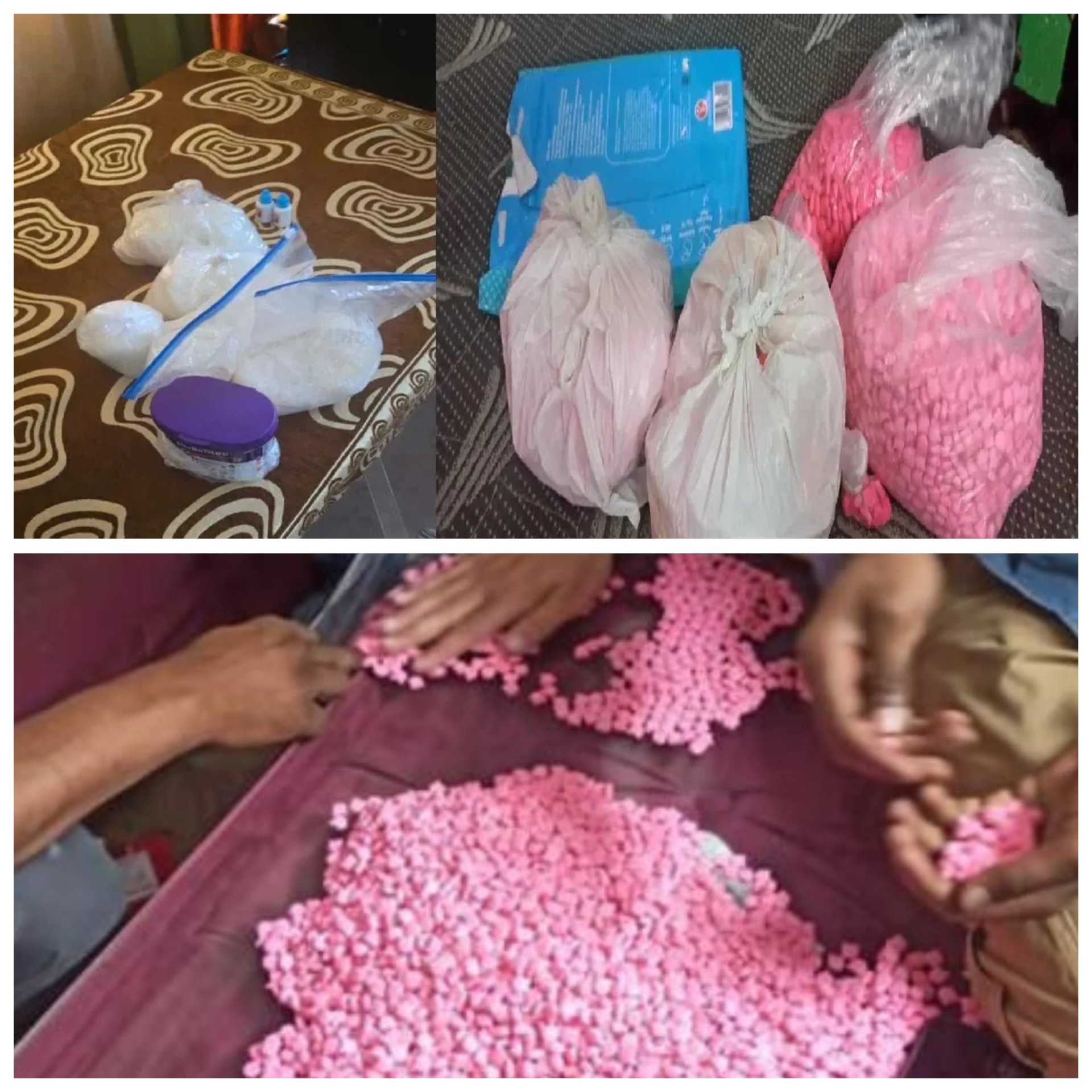
The destruction of illicit drugs worth billions of naira has become a familiar feature of Nigeria’s anti-narcotics campaign. Across the country’s airports, seaports, highways and communities, the National Drug Law Enforcement Agency (NDLEA) continues to intercept consignments, dismantle trafficking syndicates, prosecute offenders and expand preventive campaigns aimed at discouraging drug abuse, particularly among young people. Those efforts have earned recognition at home and abroad and reflect a determined commitment to reducing the supply of dangerous substances.
Read Also: From a Saudi Prince to Nigerian Streets: Why addiction is consuming rich and poor alike
Beyond every interception, however, lies another side of the crisis that attracts far less public attention. Long after the traffickers have been arrested and the drugs destroyed, thousands of Nigerians continue to grapple with dependency that has already taken hold. Their struggle rarely makes headlines, yet it is one that unfolds daily in homes, hospitals and rehabilitation facilities across the country.
For many families, addiction is not an abstract policy issue. It is the son who repeatedly drops out of school because of methamphetamine use, the daughter whose dependence on prescription medication gradually consumes her future, the successful professional hiding alcoholism behind a respectable career, or the teenager whose experimentation with drugs quietly develops into a medical condition requiring prolonged treatment.
Medical research has fundamentally changed how substance dependence is understood. International health authorities, including the World Health Organization, regard addiction as a chronic disorder shaped by a combination of biological, psychological and social factors. Brain chemistry, inherited vulnerability, mental illness, family experiences, trauma and environmental influences can all contribute to the development of dependency. Recovery therefore extends far beyond detoxification. It often requires continuous medical care, psychological treatment and sustained social support.
Many countries have responded by strengthening two complementary pillars of drug policy. Law enforcement continues to pursue traffickers and restrict the circulation of illicit substances, while health systems invest in treatment, rehabilitation and relapse prevention for those already affected. One approach seeks to reduce supply. The other seeks to restore lives.
Nigeria has increasingly recognised both responsibilities. Alongside its enforcement operations, the NDLEA has expanded drug demand reduction programmes, counselling initiatives and rehabilitation services. Even so, specialists in addiction medicine and mental health maintain that no single institution can shoulder the burden alone. Effective recovery depends on coordinated action involving hospitals, psychiatric services, schools, social welfare agencies, religious and community organisations, and families themselves.
Clinicians frequently discover that the substance is only part of the patient’s story. Histories of childhood neglect, domestic violence, sexual abuse, bereavement, depression, anxiety, prolonged unemployment and other forms of psychological distress often emerge during treatment. These experiences do not excuse addiction, but they frequently help explain why some individuals become vulnerable to it and why recovery can prove so difficult when the underlying wounds remain untreated.
For that reason, trauma-informed care has become an increasingly important component of modern addiction treatment. Rather than concentrating exclusively on stopping drug use, trained professionals seek to understand the emotional and psychological experiences that shaped the patient’s behaviour. Therapy addresses not only the dependency itself but also the trauma, grief, fear or mental illness that may have sustained it for years. Many specialists consider this approach indispensable in reducing relapse and helping individuals rebuild stable, productive lives.
Addiction has also exposed the limits of another enduring misconception—that it belongs almost exclusively to the poor. The death of Saudi royal Prince Abdullah bin Fahad bin Abdullah bin Abdulaziz bin Jalawi al Saud following the combined use of alcohol and drugs illustrated once again that wealth and privilege offer no protection against substance dependence. Around the world, addiction has claimed entertainers, athletes, business executives, lawyers, physicians and political leaders, just as it has devastated people living in poverty.
Nigeria reflects the same pattern. Economic hardship has undoubtedly pushed many vulnerable young people toward drugs, particularly in communities where unemployment and hopelessness remain widespread. At the same time, rehabilitation professionals increasingly encounter students from affluent homes, successful professionals and children of wealthy families struggling with dependence on alcohol, prescription medications, sedatives and synthetic drugs. Income may influence the substances available to an individual, but it does not determine who becomes addicted.
Stopping the movement of illicit drugs into communities remains an essential national objective. Helping those who have already developed substance dependence presents a different challenge altogether. Successful recovery requires far more than detoxification. Psychiatrists, addiction psychiatrists, child and adolescent psychiatrists, clinical psychologists, psychiatric nurses, trauma-informed therapists, occupational therapists, psychiatric social workers, addiction counsellors, peer recovery specialists and family therapists each contribute distinct expertise throughout the recovery process. Treatment is followed by rehabilitation, vocational support, family reintegration and continued monitoring aimed at preventing relapse.
Access to those services remains uneven across Nigeria. Specialist mental health professionals are concentrated in relatively few locations, leaving many communities without adequate support. Families often bear the financial and emotional burden of treatment with little professional guidance, while stigma continues to discourage many people from seeking help until addiction has reached an advanced stage.
The consequences extend far beyond individual patients. Schools lose students whose education is interrupted by substance dependence. Businesses lose skilled employees. Families exhaust savings attempting to finance repeated treatment. Communities contend with rising insecurity, broken relationships and declining productivity, while the healthcare system absorbs growing demands for specialised care.
Public discussion naturally focuses on spectacular drug seizures, high-profile arrests and criminal prosecutions because those outcomes are immediate and measurable. Recovery follows a very different path. It unfolds over months and, in many cases, years through psychiatric treatment, counselling, trauma therapy, family support, vocational rehabilitation and consistent follow-up. Those successes seldom attract public attention, although they ultimately determine whether an individual returns to society as a healthy, productive citizen or slips back into addiction.
Nigeria has demonstrated renewed resolve in confronting drug trafficking. Preserving that momentum will require equal determination to strengthen the systems that support recovery. Every successful interception protects communities from future harm. Every successful recovery restores a human life, strengthens a family and reduces the long-term social costs of addiction. Lasting progress will depend on sustaining both efforts together.