By Johnson Agu
How did sensitive voter information leave a restricted government system, and what does that say about the protection of citizens’ data?
ABUJA — A police investigation into the publication of Nollywood actor Emeka Ike’s voter registration records has exposed troubling questions about the security of Nigeria’s electoral databases.
The real story is not that Emeka Ike’s voter information appeared online. It is the apparent ease with which sensitive records from a restricted electoral database allegedly travelled beyond the walls of the institution charged with protecting them.
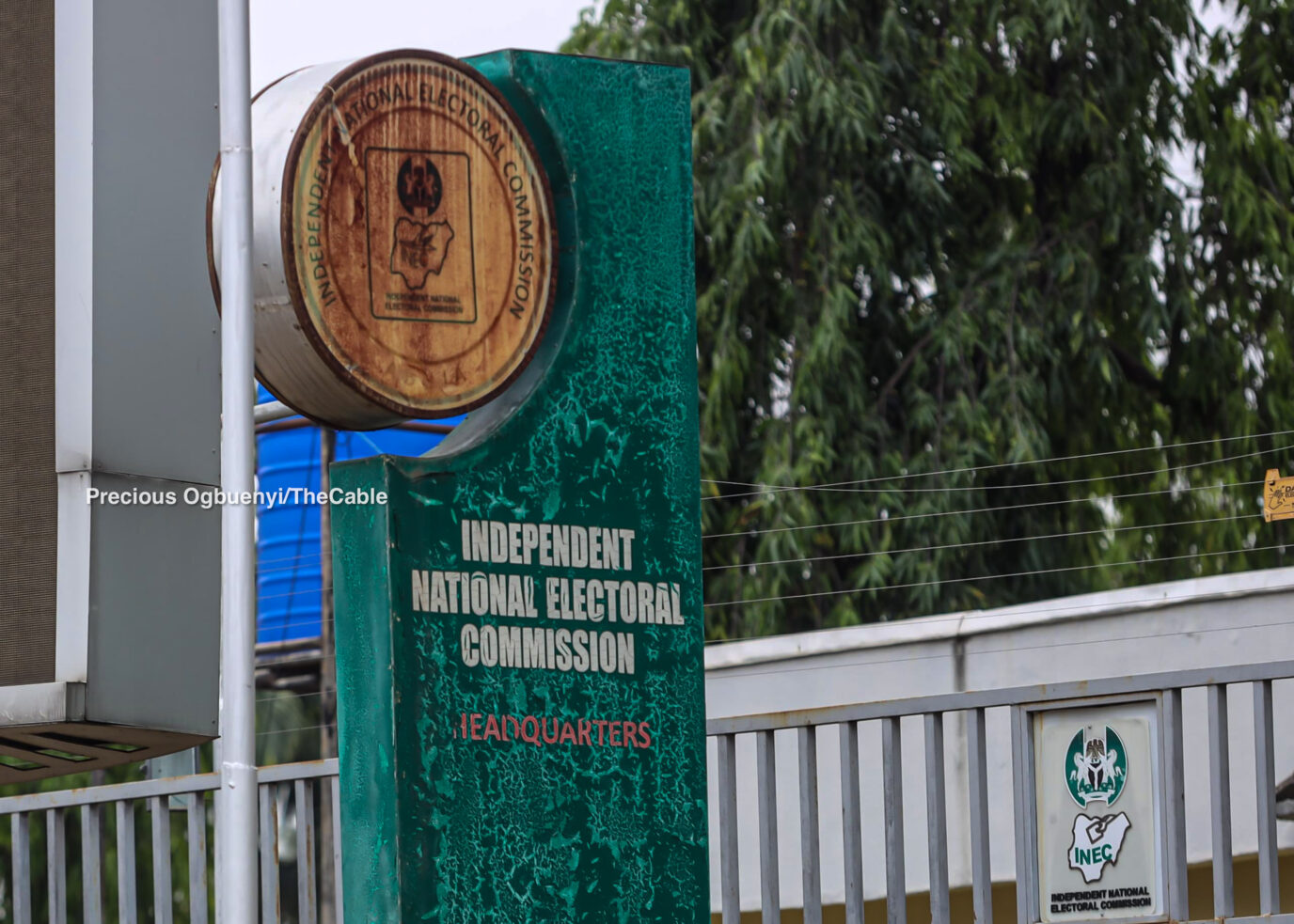
The incident has triggered investigations by the Independent National Electoral Commission (INEC), the Nigeria Police Force, and the Department of State Services (DSS), with authorities seeking to determine how confidential voter records were accessed, shared and ultimately published online.
Lere Olayinka, spokesperson to the FCT Minister, confirmed that he was questioned by police investigators on Tuesday.
“I was invited on Tuesday. I honoured their invitation,” he said.
But beyond the police investigation lies a broader concern that extends far beyond one politician, one actor or one disputed election.
For many observers, the episode has exposed a potentially dangerous vulnerability within Nigeria’s electoral infrastructure: the possibility that individuals entrusted with access to sensitive voter information may be able to retrieve and disseminate such data without sufficient safeguards.
The controversy erupted after Olayinka published screenshots on X showing details relating to Emeka Ike’s voter registration transfer from Imo State to the Federal Capital Territory. The images contained information ordinarily unavailable to the public, including Ike’s voter registration application details, profile photograph, registration centre, voter identification number and application status.
The disclosure immediately prompted public outrage and demands for answers regarding how information housed within INEC’s restricted administrative systems became publicly available.
INEC has since rejected suggestions that its Continuous Voter Registration (CVR) database was externally hacked.
Instead, the electoral commission disclosed that preliminary findings indicate the information was accessed through valid credentials assigned to authorised personnel involved in the ongoing voter registration exercise.
The explanation, while ruling out a cyber intrusion, has amplified concerns about insider misuse.
If confirmed, the incident would suggest that the greater threat to sensitive voter information may not come from external hackers but from individuals operating within systems designed to protect the personal data of millions of Nigerians.
INEC said an audit trail enabled investigators to identify the user account through which the information was retrieved and that relevant personnel had already been questioned.
The commission added that it is examining all technical, operational and administrative circumstances surrounding the incident, including whether internal access-control protocols were breached.
Yet the emerging details have raised difficult questions.
How did records from a restricted electoral platform allegedly move from an authorised account to a private individual with no official role in voter registration?
What controls exist to prevent authorised users from copying, sharing or exporting confidential information?
And if the records of a high-profile public figure can be circulated so easily, what assurances exist for millions of ordinary Nigerians whose personal information resides within the same system?
According to sources familiar with the investigation, police detectives are examining allegations of cyber infractions, unauthorised database misuse and the disclosure of classified documents.
Investigators are also probing reports that an electoral official may have initiated contact with Olayinka and transmitted the records through private communication channels.
A yet-to-be-identified electoral officer linked to the matter has reportedly been detained for questioning.
TheCable reported that investigators are examining whether the information was shared through Facebook Messenger and later transmitted via WhatsApp before being published online.
If established, such a chain of events would underscore concerns about the adequacy of existing controls governing access to sensitive electoral information.
The fallout has extended beyond institutional concerns.
Emeka Ike, who recently contested for a House of Representatives ticket in the Federal Capital Territory, described the publication of his voter information as a deeply disturbing invasion of privacy.
“For the first time, I’m feeling like, is anybody safe in this country anymore?” he said during an appearance on News Central Television.
The actor said the incident left him feeling vulnerable and exposed, arguing that it reflects a broader culture of impunity and abuse of authority.
“It is basically telling Nigerians that we’re in charge, we know you all, we’ll do what we want and we can get away with it,” he said.
Ike confirmed that he has commenced legal action and that his lawyers have formally written to INEC, the DSS, the police and other parties connected to the matter.
The case arrives at a time when concerns about data protection, digital privacy and public confidence in institutions are becoming increasingly significant in Nigeria.
For INEC, the stakes extend beyond the outcome of any criminal investigation.
The commission now faces the challenge of reassuring Nigerians that information entrusted to one of the country’s most important democratic institutions cannot be casually accessed, shared or weaponised for political purposes.
Again, the most troubling question raised by this controversy is not whether Emeka Ike’s data was leaked.
It is whether the safeguards protecting the personal information of millions of Nigerian voters are strong enough to prevent it from happening again.