By Ladidi Sabo
ABUJA — As dozens of schoolchildren remain in captivity following coordinated attacks in Oyo and Borno states, another question is rapidly gaining traction across Nigeria: How can armed groups openly broadcast videos on social media while remaining beyond the reach of security forces?
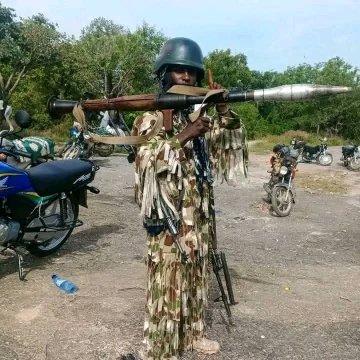
The question has resurfaced following a wave of viral TikTok videos showing suspected bandits displaying weapons, military-style uniforms and alleged ransom proceeds, even as authorities struggle to secure the release of abducted pupils and teachers.
For many Nigerians, the issue is no longer simply one of technology or terrain. It is becoming a test of public confidence in the state’s ability—and willingness—to confront the country’s most dangerous criminal networks with the same urgency seen in other high-profile investigations.
Security officials and analysts argue that the comparison is often misleading. Tracking an individual operating openly in a city with registered phone numbers, fixed addresses and traceable digital footprints is fundamentally different from locating heavily armed groups moving through vast forest corridors stretching across multiple states and international borders.
Yet public scepticism persists.
The frustration stems partly from the visibility of the threat. Bandits and terrorists have increasingly used social media platforms to project power, boast of operations and, in some cases, taunt security agencies. Each new video fuels a perception that criminals are operating with a degree of impunity that contrasts sharply with the speed at which critics, activists and social media personalities are sometimes identified and questioned by authorities.
That perception has only deepened as the government grapples with one of its most delicate hostage crises in recent years.
Multiple Presidency and security sources told The PUNCH that abductors holding pupils and teachers seized in coordinated attacks on schools in Oyo and Borno states are demanding the release of senior Ansaru terrorist commanders currently in government custody.
The demand has created a strategic dilemma for the Federal Government: whether to maintain its refusal to negotiate with terrorist groups or consider concessions that could secure the release of dozens of children but potentially return dangerous operatives to the battlefield.