


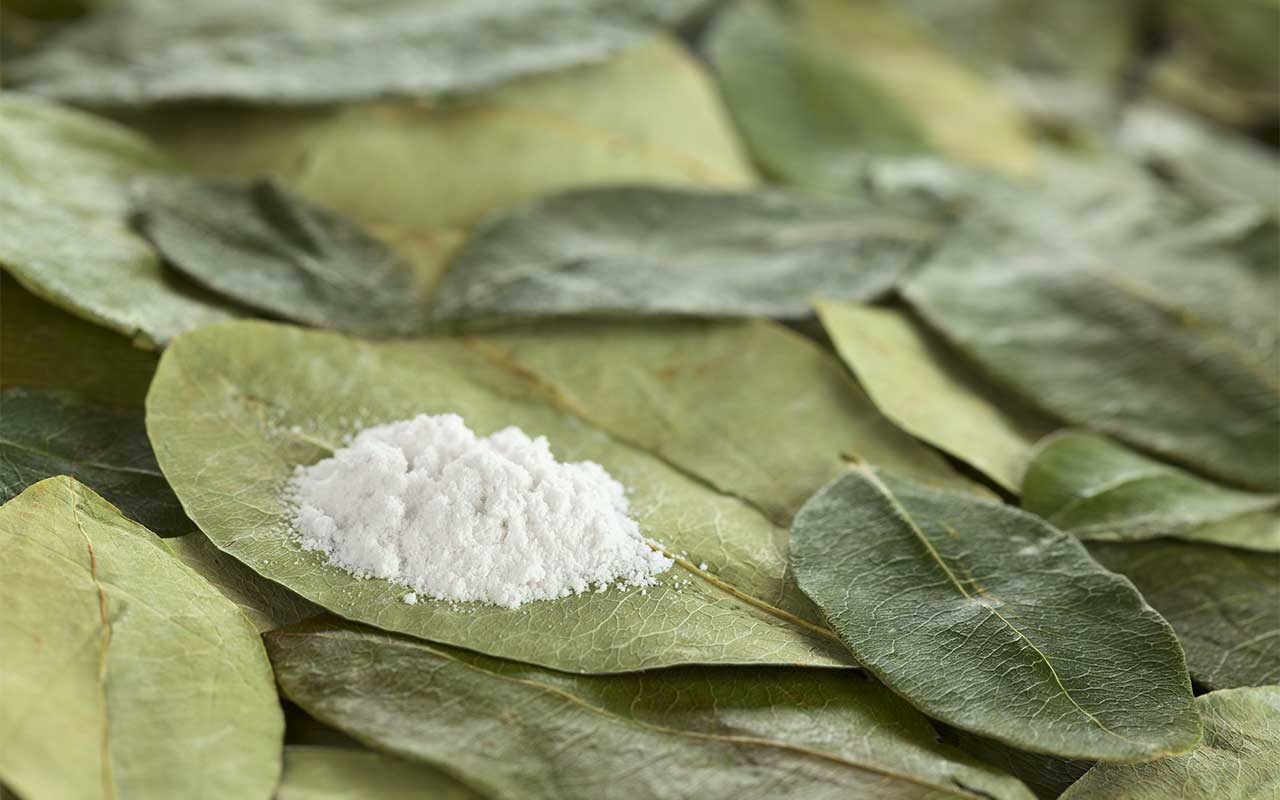
- As US trains Nigerian prosecutors, magistrates, law enforcement officers, and others on effective drug enforcement
The United Nations (UN) in a report published on Thursday said that the number of drug users worldwide rose to 316 million people in 2023.
According to the report, the number corresponds to 6 per cent of the world population aged between 15 and 64 using a drug not including tobacco or alcohol.
The UN Office on Drugs and Crime in Vienna said in its 2025 World Drug Report, which is based on 2023 data.
In 2013, 5.2 per cent of the world’s population had consumed a drug.
Cannabis remained the most consumed drug with 244 million users, followed by opioids (61 million), amphetamines (30.7 million), cocaine (25 million) and ecstasy (21 million), according to the report.
“This edition of the World Drug Report shows that organised drug trafficking groups continue to adapt, exploit global crises, and target vulnerable populations.
“We must invest in prevention and address the root causes of the drug trade at every point of the illicit supply chain.
“And we must strengthen responses by leveraging technology, strengthening cross-border cooperation, providing alternative livelihoods, and taking judicial action that targets key actors driving these networks,” said UNODC executive director Ghada Waly.
Among all drugs, the market for cocaine is growing the fastest, the annual report found.
Illegal cocaine production rose by more than a third year-on-year to a record 3,708 tons in 2023.
The number of consumers rose from 17 million to 25 million between 2013 and 2023.
According to the UN experts, the cocaine boom is not only leading to more drug-related deaths, but also to more violence between rival criminal organisations involved in drug smuggling.
This can also be observed in Western and Central Europe, they said.
In these two regions, more cocaine has been seized than in North America for several years now.
In a related development, Special Agents from the U.S. Drug Enforcement Administration (DEA) will host an advanced-level course for 35 law enforcement, prosecutors, magistrates, and training personnel from Botswana, Ghana, Nigeria, Senegal, Sierra Leone, The Gambia, and Togo.
According to a statement by the U.S. Embassy, “the training addresses the growing threat of transnational drug trafficking across West and Southern Africa, where criminal networks are increasingly using the region as a transit and distribution hub for illicit narcotics.”
The statement added that “the course strengthens participants’ capacity to lead complex investigations, with a focus on international controlled deliveries, conspiracy cases, inter-agency coordination, and operational planning—reinforced through scenario-based exercises.”
It added that all programmes at the International Law Enforcement Academy – Gaborone were intended to bring partner countries together to promote cross-border cooperation and enhance regional efforts to disrupt organized drug crime.
Established in 2000, the International Law Enforcement Academy (ILEA) Gaborone is Africa’s premier institution for law enforcement training and regional security cooperation.
It is a joint initiative between the United States and the Government of Botswana. ILEA Gaborone has trained over 18,000 law enforcement and justice officials from more than 38 African nations.
Backed by Botswana’s annual in-kind support and staffed by instructors from 16 U.S. agencies, ILEA delivers cutting-edge instruction on transnational crime, fostering lasting U.S.-Africa partnerships.






The growing global cocaine market and increasing number of drug users are concerning trends. Do you think the training of Nigerian prosecutors, magistrates, and law enforcement officers by the US will help address the issue of drug enforcement in Nigeria?