Home Blog Page 172

Gumi vs Omirhobo: Ultimatum, court threats and a nation deeply divided

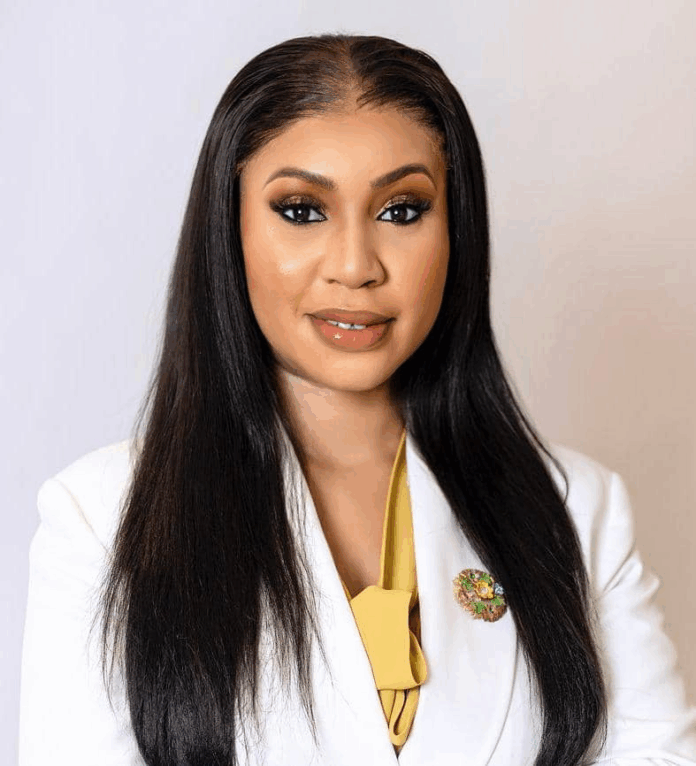
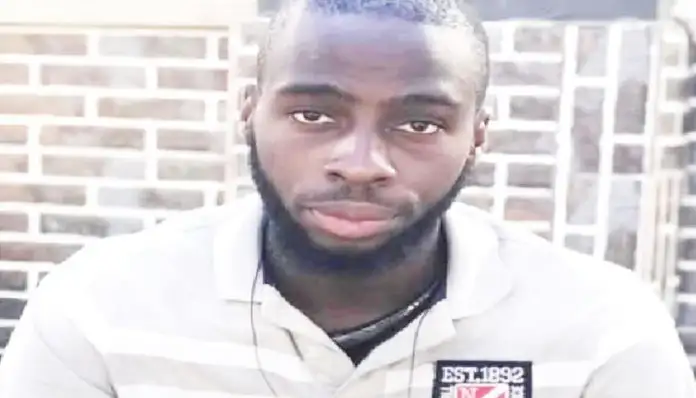
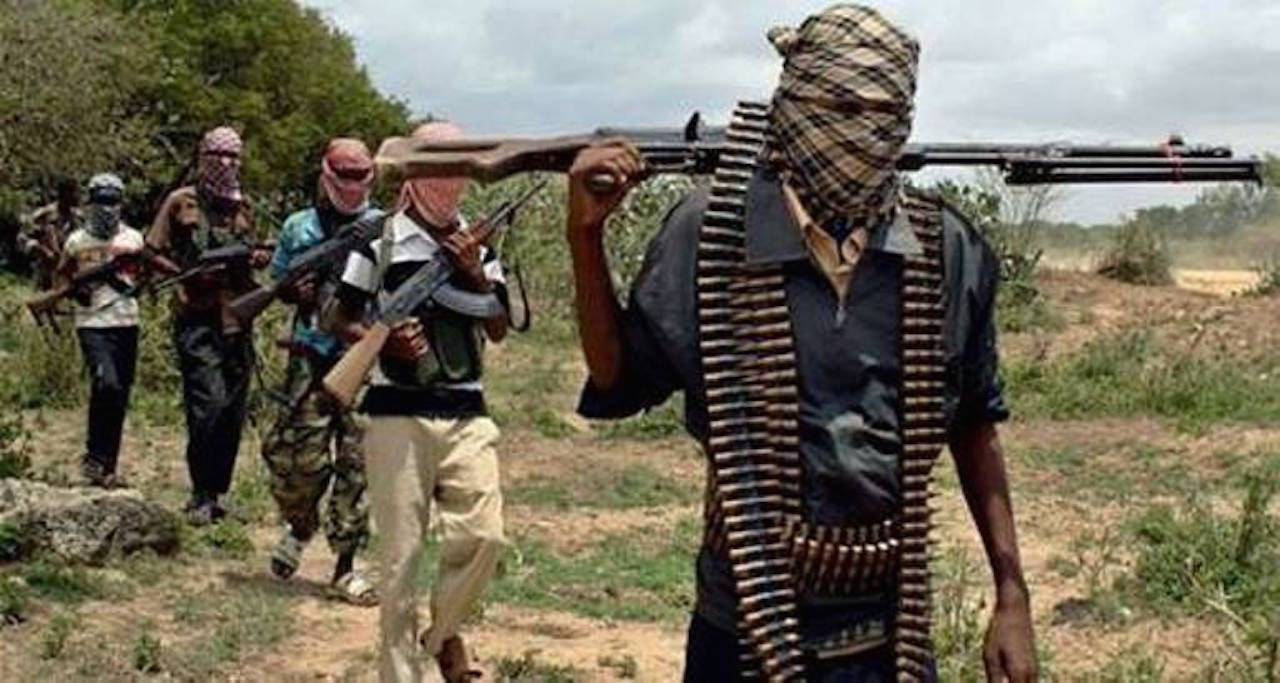
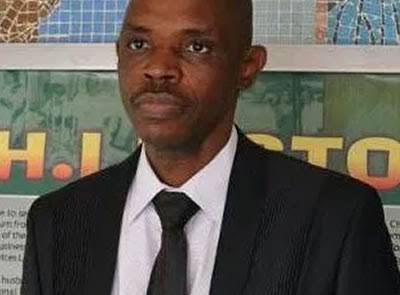
  • Our military has been infiltrated by so-called ‘repentant terrorists’, and we need help in dealing with terrorists — Chief Nkereuwem Udofia Akpan

Tension flared after Malcolm Omirhobo, a human rights lawyer, accused Sheikh Ahmad Gumi of defending terrorists.

Omirhobo urged security agencies and parliamentary committees to investigate Gumi’s statements and visits; accusing Gumi of consistently justifying bandits and emboldening criminal groups in the North.

Omirhobo warned that those statements could violate the Terrorism (Prevention and Prohibition) Act, 2022.

Quoting the Constitution, he argued such acts could amount to treason in extreme cases.
He asked the DSS, police, NSA office, and the National Assembly to act.

Public criticism of Gumi increased after his calls for dialogue with alleged criminals.

Some Nigerians saw his visits to bandit camps as dangerously sympathetic to terrorists.
Others argued his negotiation efforts aimed to reduce violence, not support criminals.

In response, Gumi issued a 48-hour ultimatum demanding a retraction and apology.

He threatened to sue Omirhobo for defamation and for stoking religious tensions.

Omirhobo refused to retract, calling his commentary constitutionally protected and fact-based.

He clarified he never labelled Gumi a terrorist, only asked for a lawful investigation, while insisting civic duty compelled him to call for transparency and accountability.

The clash reignited debate over Gumi’s role in Nigeria’s security and peace efforts.

Social media erupted with sharply divided views and heated online exchanges.

Some demanded Gumi’s arrest, accusing him of shielding terrorists through sympathy.

Others defended his calls for negotiation as misunderstood peacemaking efforts.

As of Friday, neither the DSS nor the Nigeria Police had issued official statements.

Meanwhile, constitutional lawyer Chief Nkereuwem Udofia Akpan warned that foreign intervention may come.

He accused some Muslim leaders of seeming to support or excuse continuing massacres, while urging acceptance of US help to eliminate ISWAP and Boko Haram.

Akpan claimed Western intervention was justified to stop the alleged genocide against Christians.

He warned that any opposition to foreign help risked revealing sympathies for terrorists.

“Now, since we agree that these terrorists are killing both Christians and Muslims it’s all the more reason we all should support the US government to eliminate them. Anyone who is losing his mind about the imminent arrival of US troops is clearly a terrorist sympathiser,” he said.

These contrasting voices show Nigeria’s security debate remains bitterly unresolved and urgent.

James Omotosho: A judge and his à la carte law

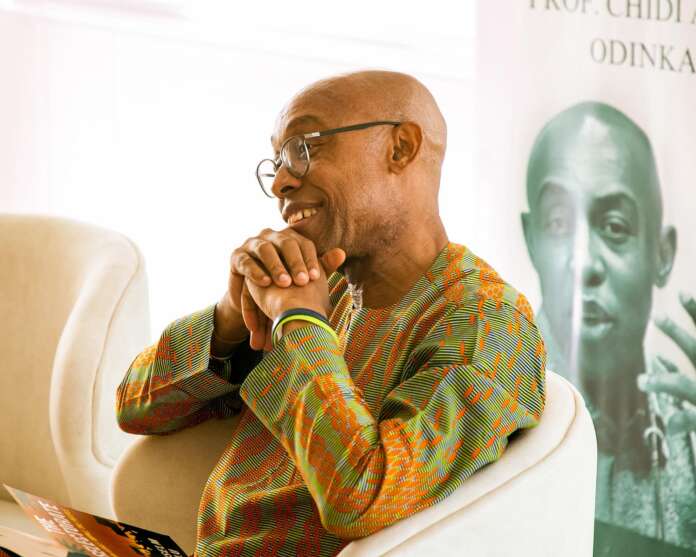
By Chidi Anselm Odinkalu

One month after President Bola Ahmed Tinubu proclaimed a state of emergency over Rivers State last March, on 18 April 2025, former Rivers State Governor, Minister of the Federal Capital Territory, and Life Member of the Body of Benchers, Nyesom Wike, held one of his beverage-powered media encounters in Abuja, during which he proclaimed with characteristic exuberance that his successor as Governor, Siminalayi Fubara, “should thank Mr. President” for the emergency proclamation.

On 22 October, 2025, this line officially made it into Nigerian jurisprudence when James Omotosho, a judge of the Federal High Court of Nigeria, decided in Suit No. FHC/PH/CS/53/2025 that the plaintiff “should be grateful” that the president proclaimed the emergency over Rivers State. The messenger through whom these words have now officially become law in Nigeria offers important insights into what has become the fate of judicial office in the country.

When he terminated the emergency rule in Rivers State in September 2025, President Tinubu took time to acknowledge “over 40 cases in the courts in Abuja, Port Harcourt, and Yenagoa” filed to challenge the declaration, noting with a touch of presidential menace that “some cases are still pending in the courts as of today.” On 22 April, James Omotosho decided one of those pending cases.

The plaintiff in the case was Samuel Amatonjie, who describes himself as a resident and registered voter in Rivers State, as well as a member of the Nigerian Bar Association, (NBA). That means he is also a lawyer. The six defendants in the case included the President of Nigeria, the President of the Senate, the Speaker of the House of Representatives, the Attorney-General of the Federation, the National Assembly, and the Military Administrator of the Emergency.

Although he filed the case at the Port Harcourt Division of the Federal High Court, Mr. Amatonjie’s case traveled inexplicably to Abuja where it inexorably ended up in the court of James Omotosho, a judge whose fixation with all matters in which Nyesom Wike has even the most tangential of interests has become plainly pathological. Some context is essential here.

In October 2023, a mere five months after the end of Mr. Wike’s tenure as governor of Rivers State, the State House of Assembly, the site of an early attempt to remove the governor, suffered a conveniently-timed fire incident. It became evident that the relationship between Mr. Wike and Siminalayi Fubara, his hand-picked successor, was hopelessly fractured. In the wake of that, the state legislature splintered into two factions, respectively loyal to the incumbent governor and to his predecessor.

On 6 November 2023, the faction loyal to the governor headed to the Federal High Court in Port Harcourt, the State capital, seeking judicial legitimation of its claims to being in lawful control of the parliamentary gavel. They applied in proceedings intended to be heard without the other parties present (ex-parte) for an order to restrain the other faction from interfering with their conduct of legislative duties. Delivering her ruling the following day in Suit No. FHC/PH/CS/240/2023, Phoebe Ayua, the presiding judge, declined this application; required that all sides be put on notice for a full hearing; and ordered that the parties “should not take any step concerning the subject matter, since the matter is already before this court.”

Three weeks later, on 29 November 2023, while this order remained undischarged, Martin Amaewhule, the Speaker of the faction in the State House of Assembly loyal to Mr. Wike and, himself a named defendant in the proceedings before Justice Phoebe Ayua, filed Suit No. FHC/ABJ/CS/1613/2023 before the same Federal High Court in Abuja on the same subject matter. Like the previous suit, Amaewhule sought judicial legitimation of a factional claim to control of the Rivers State legislature, asking the court to restrain federal authorities and institutions as well as the Governor of Rivers State from exerting financial or other pressures on them and ensuring release to them of all federal allocations standing to the credit of the Rivers State House of Assembly.

As with the previous suit in Port Harcourt, the plaintiffs in the case before the Federal High Court invited the judge in Abuja to grant them these reliefs without hearing the named defendants. The following day, on 30 November, James Omotosho, the judge who presided over the proceedings in Abuja, ruled swiftly and, unlike his colleague in the Port Harcourt case, promptly granted all the reliefs sought without hearing any other person.

This was not the first time that James Omotosho would portray himself as a fully subscribed, judicial Man Friday, granting curious orders deeply solicitous of the political interests of Mr. Wike. In the month originally preceding the governorship election in 2019, he issued an order restraining the All Progressives Congress (APC), the main opposition party in Rivers State, from presenting any candidate in the governorship election, all but ensuring that the governorship election in the State was Mr. Wike’s electoral non-event.

In February 2023, James Omotosho again issued another order restraining the Peoples’ Democratic Party (PDP) – who were not afforded a hearing –  from taking disciplinary measures against Mr. Wike on allegations of anti-party activities.

In January 2024, James Omotosho voided the Appropriations of Rivers State and issued a most remarkable of à la carte  judicial orders restraining the State Governor from “frustrating” the Amaewhule faction of the House of Assembly loyal to Mr. Wike.

On the last day of October 2025, the same judge struck again in proceedings filed by Mr. Wike’s loyalists, granting them an à la carte order to invalidate the proposed national convention of the PDP by restraining the Independent National Electoral Commission (INEC) from attending or recognizing it.

The sheer range of the magnetic forces that bind this judge with Mr. Wike’s interests is well beyond the ordinary laws of both physics and of judicial administration. Those forces were on full advertisement in this judgment on Samuel Amatonjie case. First, the judge held that he did not have jurisdiction over the subject matter. Next, he held that Mr. Amatonjie lacked the standing to bring the case anyway. Indeed, the judge held that the case was so void that “the originating process ought not to have been accepted for filing, let alone wasting the precious time of the court.”

The case ought to have ended there. But the judge would not be assuaged and his judgment, enthusiastically supported with the authority of Wikipedia, swiftly descended into farce.

Turning to the requirement for the National Assembly to approve emergency rule by a joint resolution of two-thirds majority, the James Omotosho ruled that “nowhere in section 305 of the Constitution is there any specific method” for reaching this resolution and, therefore, that “if the National Assembly in their discretion decide to use voice votes in approving the proclamation, they are within their constitutional powers to do the same.” The man has his unique Omotosho version of the Constitution.

Having held that he lacked jurisdiction and the claimant lacked standing to bring the case, James Omotosho, however, “dismissed” the case. But he reserved his best for last, rounding off with an audacious act of judicial malpractice by imposing costs of Nine Million Naira on the Plaintiff in favour of Respondents, each of whom was sued in institutional capacity.

The only thing more bizarre than the jurisprudence or the orders that emanate from the court of James Omotosho is the predictability with which all cases affecting the political interests of Mr. Wike at the Federal High Court improbably end up on his docket. That is a matter of à la carte law which can only be explained by the troika of Mr. Wike, his favorite judge, and the current Chief Judge of the Federal High Court.

190 years ago, when he wrote the classic, Democracy in America, Alexis de Tocqueville decided to devote a chapter to “judicial power”, which he described as “a political power of the first order.” In the Court of James Omotosho, de Tocqueville finds his proof as well as the falsification of his thesis. The ends may be political but can that also be said of the means by which they are procured?

A lawyer and a teacher, Odinkalu can be reached at [email protected]

The views expressed by contributors are strictly personal and not of Law & Society Magazine.

Nigerian London based banker jailed for faking sexual harassment claim against female boss

A London banker has been jailed for lying about being sexually harassed by a female manager.

Damilare Ajao, who worked at Commerzbank in 2019, made false claims against his former boss, identified as “Q.”

He alleged that she flirted with him, commented on his body, and tried to touch his Gucci belt.

After being fired from the bank’s client life cycle team, Ajao took the case to an employment tribunal.

Judge Anthony Snelson dismissed the allegations, calling them false and largely fabricated.
Commerzbank then took the matter to the High Court, where Ajao was found guilty of serious contempt of court.

He was sentenced to 20 months in prison and ordered to pay £150,000 towards the bank’s legal fees.

Justice Martin Spencer described Ajao’s lies as a “wicked assault” on his manager’s reputation.

Ajao had claimed the manager made advances toward him after he rejected her supposed flirtations.

He insisted she said, “I fancy you,” and made repeated comments about his shirt revealing his skin.

But Judge Snelson ruled that none of those events occurred, calling his claims completely unfounded.

He said there was no conduct by “Q” that could amount to harassment in any form.

In court, Ajao denied lying, saying it was his “perception” that he had been harassed.
However, Justice Spencer found his testimony full of inconsistencies and deliberate falsehoods.

He praised the manager’s honesty, saying her evidence was credible and consistent.

The judge said Ajao’s lies were part of a calculated plan to deceive the court for financial gain.

“These false claims were malicious and sustained over time,” Justice Spencer declared.
Ajao, a father of two from Kent, will serve at least eight months before possible early release.

The case has drawn attention as a rare example of a false harassment claim leading to jail time.

Global outcry as 21 groups demand probe into alleged plot to kill imprisoned whistleblower Nnamdi Emeh

At least 21 civil society organisations in Nigeria and abroad have petitioned the federal government over threats to Nnamdi Emeh’s life.

Emeh, a 27-year-old corps member and IT expert, has been in prison since 2023 after exposing alleged police crimes.

He accused Patrick Agbazue, a senior officer with the notorious Akwuzu SARS unit, of killings, extortion, and organ harvesting.

Despite meeting bail conditions in May 2024, Emeh remains detained at the Awka Correctional Facility in Anambra State.

Fresh fears have now emerged that he may be assassinated in prison.

In a statement titled “Save Whistleblower Nnamdi Emeh from Imminent Assassination in Nigerian Prison,” the CSOs raised alarm, urging top government officials to probe the alleged plot and protect Emeh’s life.

The appeal was directed to the Ministers of Justice, Interior, and Foreign Affairs, as well as the Inspector General of Police.

The National Human Rights Commission and the Nigerian Correctional Service were also asked to intervene immediately.

According to Emeh’s father, Professor John Emeh, a weapon was smuggled into the prison to stage a deadly attack.

He claimed there were instructions to provoke a fight and kill his son during the chaos.
This would not be the first attempt on Emeh’s life, the CSOs noted.

They said a previous plot during a prison transfer was stopped only after public outcry.

Emeh reportedly leaked documents exposing police corruption, illegal killings, and organ trafficking in Anambra State.

His whistleblowing identity was later exposed, forcing him to flee to Benin Republic for safety.

He was later arrested on an Interpol Red Notice and deported to Nigeria. Thereafter, the police charged him with money laundering, fraud, hacking, and illegal possession of firearms.

Despite multiple court rulings granting him bail, Emeh remains in custody, allegedly due to police interference.

The Inspector General of Police has yet to release findings from a 2023 panel investigating Emeh’s allegations.

CSOs stated that his continued detention reveals a disturbing pattern of retaliation against whistleblowers in Nigeria.

They demanded Emeh’s immediate release, an open investigation into the assassination plot, and publication of the police panel’s report.

Groups that signed the petition include Transparency International Ireland, Blueprint for Free Speech, and Whistleblowing International Network.

Others include the Civil Society Legislative Advocacy Centre, PPLAAF, and the African Centre for Media and Information Literacy.

The organisations warned that Nigeria’s democracy is at risk if whistleblowers continue to face persecution for exposing the truth.

Rights group cries foul as Police withdraws Judge’s orderly after ruling against Force

The Society for Rule of Law in Nigeria has condemned the withdrawal of a police orderly from a Rivers State High Court judge.

The group called the move worrisome, unconstitutional, and a blatant abuse of power.
Its Coordinator, Dr. Chima Ubeku, said the action threatens judicial independence and the rule of law in Nigeria.

He urged Inspector-General of Police, Kayode Egbetokun, to investigate and restore the judge’s security immediately.

“The Police must remember their power comes from the people, not above them,” the group stated.

SRLN called on the Nigerian Bar Association, National Judicial Council, and civil society to defend the judiciary’s independence, warning that leaving judges unprotected endangers Nigeria’s democracy.

The controversy followed a landmark ruling in Commissioner of Police v. Joy Uwheraka & Ors (PHC/1785/CR/2024).

The Rivers State High Court had exposed grave abuses and inconsistencies in the Police’s investigation.

Twelve citizens were wrongly accused of murder and later cleared of all charges.

The court described the investigation as a gross abuse of process that offends the conscience of justice.

Video evidence showed the defendants were unarmed and peaceful, contrary to police claims.

Witnesses reportedly gave false and contradictory statements under cross-examination, and the court condemned the Police for manufacturing evidence and coercing statements.

“All twelve defendants are discharged and acquitted,” the judge ruled, earning praise for judicial courage.

Shortly after the ruling, reports emerged that the judge’s police orderly had been withdrawn.

The move sparked outrage, seen by many as retaliation for the verdict against the Police Force.

“Punishing a judge for fairness sends a dangerous message,” SRLN warned.

The group said this incident tests Nigeria’s commitment to democracy and justice.

“This is the moment Nigeria must decide — protect judicial independence or let fear silence the fearless,” Dr. Ubeku said.

He added that the judiciary’s independence is the heartbeat of a free society.

Advocacy group says it warned Nigeria before Benue massacre—but authorities ‘did nothing’

A US-based group, Truth Nigeria, says it warned security agencies before the June 13 Yelwata massacre.

Founder Judd Saul accused President Bola Tinubu’s government of ignoring alerts about planned attacks in Benue State.

Nearly 300 people were killed when armed men stormed Yelwata village in a targeted attack on Christians.

Homes were burnt, families displaced, and survivors described it as a night of terror.
Saul said Truth Nigeria informed authorities weeks before the assault, but no preventive action was taken.

He accused the military of watching as residents were killed less than a kilometre from their post.

According to him, soldiers fired warning shots but never engaged the attackers.

Saul blamed government complacency and claimed the administration hides religious violence from the public.

He said local media operate under tight state control and often repeat official narratives.
Truth Nigeria was formed to expose what Saul calls “the truth behind Christian killings in Nigeria.”

He said incidents of violence in Plateau and Kaduna have gone largely unreported.
The group says it provides verifiable evidence to alert the international community.

Saul added that they issue terror alerts online and notify military and intelligence officials directly.

He claimed the government was warned again a day before the attack when armed groups began mobilising.

Despite repeated alerts, he said, “the government stood by and did nothing.”

Saul vowed that Truth Nigeria will continue to document attacks and demand accountability for the killings.

Chief Magistrate Nkechi Usani to speak on indigene bias and gender discrimination at Women in Law Webinar

Chief Magistrate Nkechi Yvonne Usani of Cross River State is set to lead a bold conversation on indigene discrimination and gender equity in Nigeria’s legal system.

She will address these issues at the Women in Leadership in Law (WILIL) webinar themed “Enhancing Work-Life Balance and Accessibility in Court Settings.”

The event, organized by the National Association of Women Judges of Nigeria (NAWJN) in collaboration with the International Association of Women Judges (IAWJ), aims to help women in law navigate the challenges of balancing career and family life.

Magistrate Usani will focus on how women can be protected from overt and subtle forms of discrimination linked to indigene status, while also calling for clear policies that promote fairness and inclusivity in the judiciary.

The webinar will bring together members of the Nigerian Bar Association Women Forum, FIDA, African Women Lawyers Association, Law Teachers Association, Magistrates Association of Nigeria (Women Wing), and Law Officers in the Public Sector.

Organizers say the discussion will raise awareness about the importance of family-friendly court facilities and highlight the pioneering efforts of the Abia State Judiciary, which recently established a creche and nursing room for working mothers.

Other goals of the forum include exploring accessibility features that make courts more inclusive, promoting career satisfaction among women in law, and encouraging stakeholders to adopt supportive workplace policies.

A graduate of the University of Lagos (Class of 2001) and a member of the Nigerian Bar since 2003, Magistrate Usani’s career spans private practice, government regulation, and judicial service. She joined the magistracy in 2014 and has presided over cases in civil, criminal, probate, and family courts.

In 2024, she was appointed to the Cross River State Local Government Election Petitions Tribunal and currently serves as Chief Registrar of the Cross River State Customary Court of Appeal, overseeing the administration of 304 customary courts across the state.

A Chartered Arbitrator and seasoned speaker, she has delivered papers at the National Judicial Institute and the Nigerian Bar Association’s Section on Legal Practice Annual Conference.

Beyond the bench, Nkechi Usani is a trustee of the Calabar Book Club, a passionate reader, and an avid gardener — a reminder that balance, even in law and life, is possible.

📅 Date: Thursday, 13th November, 2025.
🕙 Time: 10:00 AM (WAT).
💻 Platform: Zoom / YouTube Live.
Join Zoom Meeting
https://us06web.zoom.us/j/82458329448?pwd=VPuCDEzKjbXav76Yh0PVo8pLaxYPQq.1

Meeting ID: 824 5832 9448
Passcode: WILILTEAM

https://youtube.com/live/TBwt0vGHAF0?feature=shareJoin via YouTube:

From Royal Roots to Legal Heights: Meet Princess Muji Bisong, Nigeria’s youngest barrister making history

Breaking barriers and redefining brilliance, Barrister Princess Muji Bisong is capturing hearts and headlines across Nigeria. Born on June 10, 2005, in Abuja, this remarkable young woman from Boki Local Government Area, Cross River State, is rewriting what it means to achieve greatness early.

A proud daughter of the royal lineage of Her Royal Majesty Lady Maria Njija Bisong (Mama Boki of the Boki Nation), Princess Muji’s journey is one of resilience, intellect, and purpose. With every milestone, she proves that age is no barrier to excellence.

Her story is nothing short of inspirational:

  • Graduated from Baze University, Abuja at just 18
  • Completed the Nigerian Law School by 19
  • Officially called to the bar at age 20, on September 25, 2025

Princess Muji’s educational journey reflects her global exposure and relentless drive. From Hallfield Primary School in Westminster, London, to Sion Manning Roman Catholic Girls School in Ladbroke Grove, and later to the British International College in Johannesburg, she has built a rich academic foundation. She completed her final year of high school at Unique Blossom School, Maitama, Abuja — setting the stage for her groundbreaking success in law.

Her siblings, King Anthony Abang Bisong and Princess Laetitia Aroh Tony-Bisong, beam with pride as they celebrate this momentous achievement with her.

Today, Princess Muji Bisong stands as a beacon of hope for young Nigerians — proof that dedication, discipline, and a dream can make history. From royal roots to the courtroom, she is truly a trailblazer in law, inspiring a new generation to aim higher and break limits.

Outraged Mexican women ask, “If they can touch the President, what about us?”

Mexico is reeling after a man groped President Claudia Sheinbaum in public, sparking national outrage and solidarity among women.

The incident happened on Tuesday as Sheinbaum walked through a Mexico City crowd, greeting citizens and taking photos.

A man, reportedly drunk, tried to kiss her neck and grab her from behind before she pushed him away.

An aide quickly intervened, and the man was arrested soon after.

Sheinbaum announced she would press charges, calling the act a crime against all Mexican women.

“This is something every woman in our country experiences,” she said during her press briefing on Wednesday.

“If they can do this to the president, what happens to all the other women?” she asked firmly.

Many women saw their own fears reflected in the assault.

“It shows none of us are safe,” said Patricia Reyes, a 20-year-old student in Mexico City.

Feminist activist María Antonieta De la Rosa called the act “humiliating and infuriating.”

She linked it to Mexico’s ongoing crisis of gender violence, where an average of ten women are killed daily.

“Assault is just the beginning of a chain that ends in femicide,” De la Rosa explained.

Lawmakers from across political parties condemned the attack and demanded stronger protections for women.

Senator Alejandra Arias said, “If this happens to our president, imagine the silence of thousands who suffer daily.”

Opposition congresswoman Patricia Mercado added, “She lived what millions of women endure in public spaces.”

For everyday women, the assault hit home deeply.

Nurse Alicia Gutiérrez said she often avoids crowded buses after facing harassment herself.

“If they touched the president, what chance do we have?” she asked angrily.

Senator Laura Itzel Castillo said the act must be classified as sexual abuse nationwide.

“We must make this a serious crime across Mexico,” she urged.

Sheinbaum later called for tougher national laws on sexual harassment.

She urged state governments to simplify how women report such assaults.

“Women’s personal space must not be violated,” she said powerfully.

She also revealed she had faced harassment at age twelve while riding public transport to school.

The president vowed not to increase her security despite the incident.

She said she would continue walking among citizens to stay connected.

Meanwhile, opposition leader Alejandro Moreno claimed the incident was staged for political distraction.

De la Rosa condemned his remarks, calling them “revictimizing and shameful.”

House cleaner Sofia Landa said the president’s action gave her hope.

“She has the power to seek justice for all women,” Landa said.

Sheinbaum’s message was clear: silence is no longer an option.

“If this can happen to me,” she said, “it can happen to any woman—and that must change.”

Nigeria on the Brink: Retired Commodore warns of state collapse, links terror crisis to political sponsors

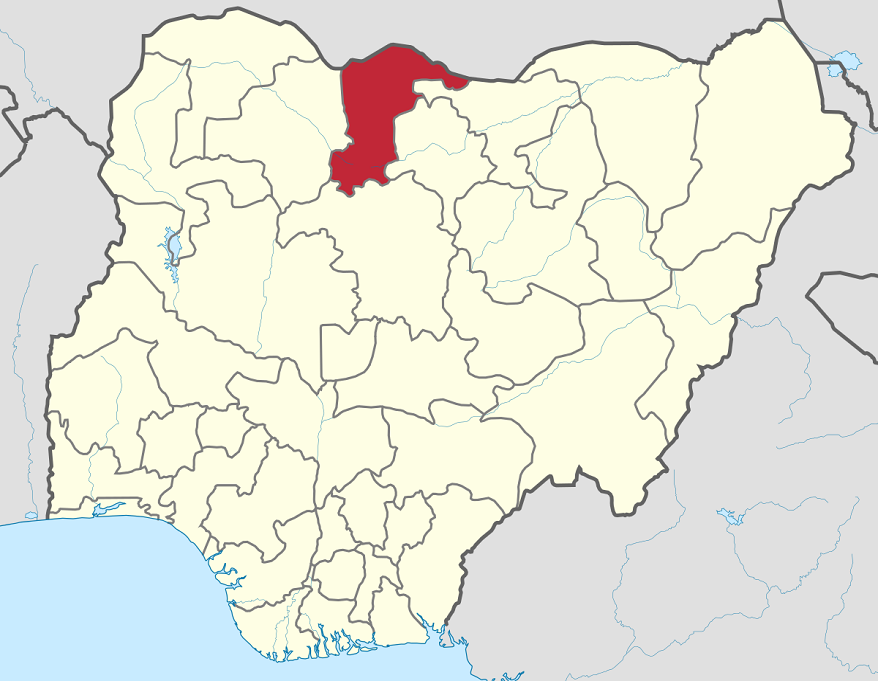
  • “Give me control and I’ll end banditry in two months” — Zamfara governor dares Abuja

A retired naval officer, Commodore Kunle Olawunmi, has warned that Nigeria risks total collapse if terrorist sponsors are not arrested.

He accused President Bola Tinubu of being too politically cautious in tackling terrorism and corruption in the country.

This is even as Zamfara State Governor, Dauda Lawal, says he can end banditry in two months if he controls security agencies.

According to Commodore Olawunmi, religion and socio-cultural divisions remain the greatest threats to Nigeria’s stability.

“The problem has worsened since I left service in 2017,” Olawunmi said in an interview.

He said President Tinubu must act fast or risk allowing terrorism to spread beyond control.

“Terrorists do not forgive errors,” he warned. “You can’t negotiate with them. You deal with them decisively.”

The retired officer condemned the recent public negotiation between northern leaders and armed bandits in Katsina.

He described it as “a symptom of a failed state,” accusing officials of legitimising terrorism.

“If militias can meet openly with leaders, then who is in charge of the country?” he asked.

Olawunmi warned that such actions could become a dangerous state practice that might eventually collapse Nigeria.

He accused some powerful individuals of shielding terrorist financiers for political gain.

“These people sponsored politicians into power and now control the system,” he said.

According to him, the sponsors use their influence to block investigations and protect their interests.

“You can’t arrest those who made you,” he said. “That’s why the government fears touching them.”

Olawunmi urged Tinubu to summon intelligence chiefs and order the arrest of both local and foreign financiers.

He claimed that some of the financiers made massive profits during the Buhari administration by looting the Central Bank.

“They are using stolen money to fund chaos,” he alleged. “Tinubu must trace the money and crush them.”

The former intelligence chief also condemned the government’s policy of rehabilitating and reintegrating terrorists.

He warned that it would backfire and create a future army of radical officers.

“These men will become generals in 20 years and turn the army into an Islamic force,” he said.

He dismissed comparisons between Boko Haram and Niger Delta militants, saying the latter had legitimate economic demands.

“You can’t compare resource control with mass killings,” he said. “These terrorists are foreign criminals.”

On the alleged Islamisation agenda, Olawunmi claimed it is real and part of a long-term plan.

“They want full control of Nigeria’s resources and to impose a religious order,” he declared.

He alleged that some generals secretly ordered the release of captured insurgents due to religious ties.

“Senior officers intervened to free terrorists we caught in combat,” he said. “It’s a dangerous pattern.”

Speaking on the rumoured coup plot, Olawunmi said it was unrealistic and a product of frustration.

“This is not how to plan a coup,” he said. “But the frustration in the system is real.”

He urged Nigerians never to support military rule, describing it as worse than democracy.

“Don’t let soldiers rule,” he warned. “They are not emotional and will destroy half the country overnight.”

Olawunmi revealed that he was once declared wanted for speaking against corruption but never fled Nigeria.

He said several foreign governments offered him asylum, but he refused to leave the country.

“I am safer in Nigeria than abroad,” he said. “I know how unsafe the outside world can be.”

He dismissed claims that he speaks out because he was denied promotion, saying his integrity matters more.

“Promotion to major general is political,” he said. “I thank God for my life and experience.”

Olawunmi insisted that loyalty, not merit, determines who rises to higher ranks in the military.

“At that level, intelligence doesn’t count,” he said. “It’s all about who the president can trust.”

As insecurity deepens, his words echo a growing frustration among Nigerians who feel the system is failing.

“Tinubu must rise above fear and political games,” he said. “If he doesn’t act now, Nigeria may not survive the next decade.”

In a viral video, the governor revealed he knows the exact locations of bandit leaders hiding across the state.

Lawal lamented that he lacks the authority to act because all security agencies in Zamfara take orders from Abuja.

“I swear to Almighty Allah, I know where every bandit leader is in Zamfara,” he declared passionately.

“With my phone, I can show you their locations today, but I have no power to act,” he said.

The governor became emotional while narrating how villagers are killed as security operatives wait for federal clearance.

He recalled an attack in Shinkafi where soldiers reportedly refused to move until Abuja gave orders.

“If I could command the forces myself, banditry would end in Zamfara within two months,” Lawal vowed.

He added that the politicisation of insecurity is worsening the crisis and hindering real progress in the state.

Despite lacking full control, Lawal said his administration has supplied 150 patrol vehicles to security agencies.

Thousands of community guards and 2,000 hunters from Borno and Yobe have also joined the anti-bandit campaign.

“The insecurity issue is being politicised,” he said. “It’s destroying Zamfara, but I won’t stop trying.”

Zamfara remains one of northern Nigeria’s worst-hit states, with rampant killings, kidnappings, and mass displacements.

Residents have protested in Gusau, accusing leaders of failing to protect them from relentless attacks.

Meanwhile, President Bola Tinubu recently said his government is considering creating state police forces to fight insecurity.

He also hinted at deploying drones and forest guards to flush out criminal elements across troubled regions.

As the debate over security control deepens, Nigerians watch to see if governors like Lawal will ever get the power they seek.

TIPS