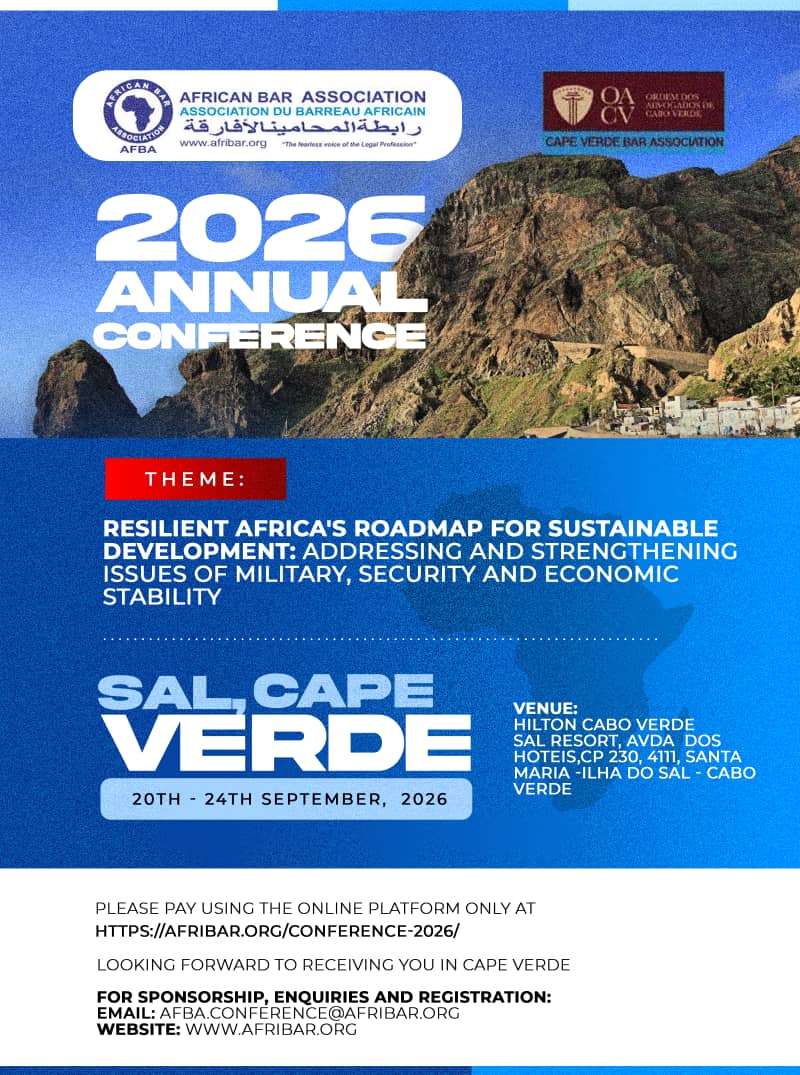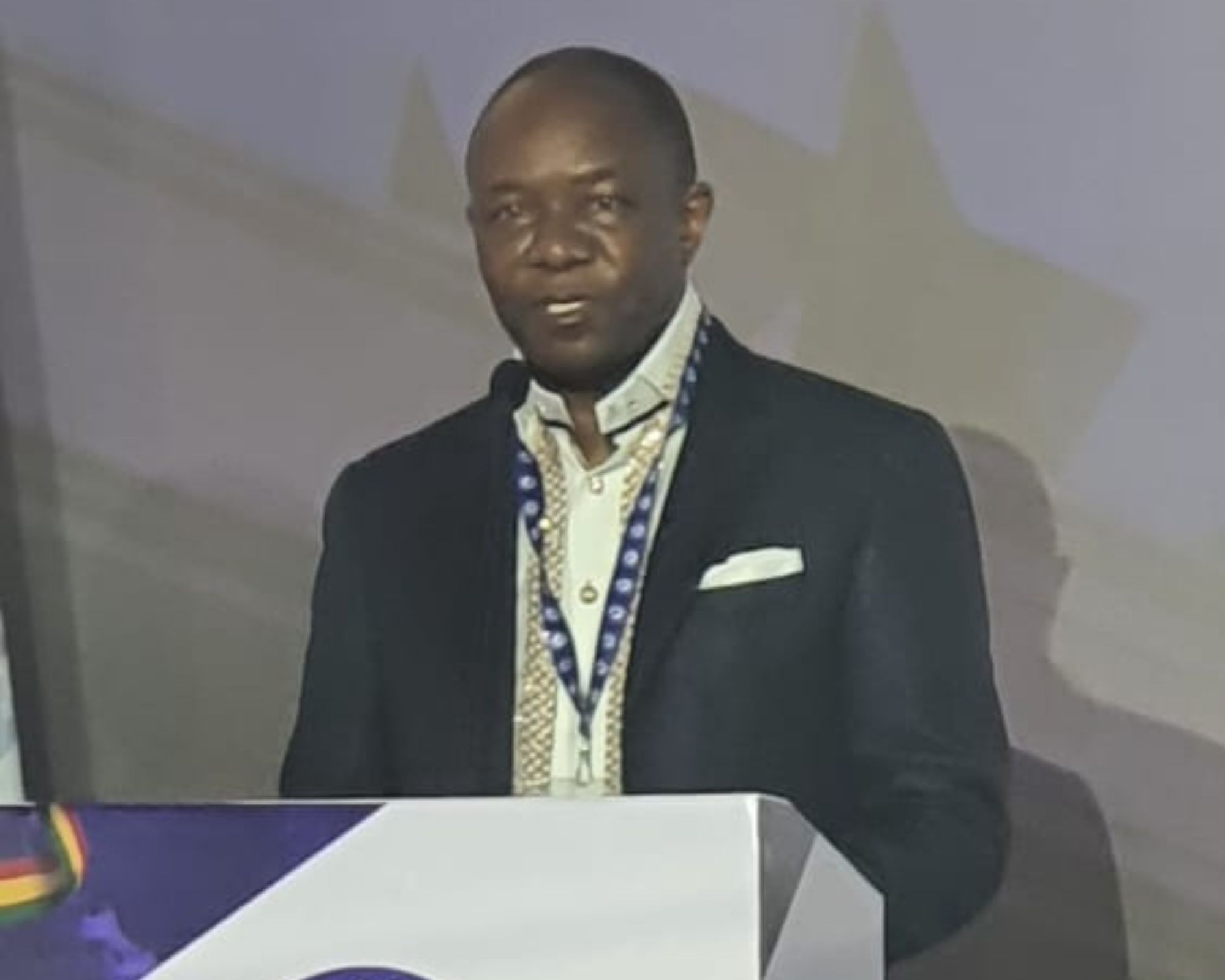
Prof. Ibe Kachikwu, a former Minister of State for Petroleum Resources of the Federal Republic of Nigeria, highlighted Africa’s urgent need to rethink its investment priorities and energy strategies at the AFBA 2025 Conference in Ghana.
He revealed that 60% of Africa’s oil investments are offshore, while 40% remain onshore.
According to Kachikwu, Egypt and the UAE lead current infrastructure investments, with the UAE alone investing $35 billion in five years.
Transitioning to East Africa, he noted the $5.6 billion crude oil pipeline between Uganda and Tanzania, which enhances regional oil movement.
Prof. Kachikwu then questioned the impact of these projects on African economies.
He stated that Niger’s GDP grew by 8.4% in 2024, with projections of 6.5% in 2025.
Senegal grew by 6.1%, and Côte d’Ivoire by about 6%, while others ranged between 2% and 4%.
Reflecting on his Harvard thesis, he recalled that African nations once feared foreign control of their resources.
He said African leaders worried about losing sovereignty rather than focusing on how to channel foreign investments strategically.
Prof. Kachikwu argued that investment control lies in smart policy, not fear.
However, he warned that foreign investments in oil are becoming scarce as global focus shifts to cleaner, carbon-free energy.
He emphasized that investors now prefer gas projects as transitional energy solutions.
He predicted that in the next decade, traditional oil investments will decline, while solar, wind, and hydrogen will dominate.
Yet, he lamented Africa’s lack of financial resources to develop its abundant energy assets.
Prof. Kachikwu criticized countries like Nigeria for failing to build sovereign wealth funds similar to Saudi Arabia, Qatar, or the UAE.
Without such reserves, he said, African nations remain tied to Western financial institutions.
He also noted that foreign investors naturally seek control when they provide full funding.
African governments, he said, must match investments with local capital to negotiate better terms.
Addressing technology transfer, Prof. Kachikwu urged African nations to actively acquire technologies instead of waiting for foreign handovers.
He praised Nigeria’s Local Content Law, which has inspired similar frameworks across Angola, Algeria, and Ghana.
He explained that by 2015–2019, Nigeria had reduced foreign content in oil projects from 90% to about 30%.
This policy ensured that 70% of skills and contracts now remain with Nigerians.
He warned, however, that global competition for capital is intensifying.
Europe and the U.S., he said, are redirecting funds to domestic recovery efforts, leaving Africa at a disadvantage.
To stay competitive, he urged African countries to focus on their comparative investment strengths.
He advised that not every nation should chase the same kind of investment.
Prof. Kachikwu recommended graduated investment frameworks, where local participation increases every five years.
He observed that Nigerian firms like SEPLAT and First Petroleum are now taking over onshore operations as foreign oil majors exit.
However, he warned that governments must ensure local companies pay proper taxes to prevent revenue loss.
He defined corruption as the “totality of unethical practices,” not just bribery.
He urged African governments to audit the revenue impact of local ownership to avoid “losing income through false accounting.”
Turning to financing, he cited the APPO Energy Fund, initiated under his leadership, now managed by Afreximbank.
He said the fund began with $1 billion and aims to mobilize up to $15 billion for African energy projects.
He called for collective wealth management structures across Africa to fund development internally.
He noted that Arab countries control over $2 trillion in sovereign funds, allowing them to shape global markets.
Prof. Kachikwu urged African nations to pool resources regionally and save collectively under the African Union.
He said Africa must move beyond dependency on Western or Asian capital.
He also criticized how foreign powers play African countries against one another.
He called for a continental investment code setting minimum standards for all deals.
Finally, he emphasized developing Africa’s internal market.
He praised Dangote’s refinery for serving regional demand but noted Africa still lacks refining capacity.
He warned that if Africa fails to act, Arab investors will dominate the continent’s energy markets.
With 1.2 billion people and $7 trillion in undeveloped resources, Africa, he said, remains the world’s last major frontier.
Prof. Kachikwu concluded that without coordinated investment, financing, and policy, Africa risks shifting “from European dependence to Chinese and finally Arab dependence.”