A few moments earlier, villagers in Kiliya had been celebrating Eid.
Men sat outside after Friday prayers. Families relaxed. Children moved between homes as the festive atmosphere settled over the community.
Then the gunfire started.
By the time the shooting stopped in the rural village in Katsina State’s Dutsinma Local Government Area, at least 16 people were reportedly dead. Others were missing. Survivors emerged from hiding to scenes of devastation.
One resident recalled sheltering inside a house after spotting armed men entering the community.
“When we came out, we found about 16 lifeless bodies,” he said.
Among the dead were relatives, neighbours and friends.
For many Nigerians, the attack felt painfully familiar.
Another village. Another massacre. Another community left counting bodies.
But increasingly, the debate that follows these attacks is no longer focused solely on the perpetrators. It is also becoming a conversation about accountability, criticism and whether public outrage is being directed at the right targets.
Another Attack, Familiar Questions
According to local accounts, the attackers arrived on motorcycles shortly after Juma’at prayers before opening fire and targeting parts of the village.
Residents believe the assault may have been retaliation for the reported killing of two suspected bandits by local vigilantes’ days earlier.
The Katsina State Police Command had not publicly commented on the incident at the time reports emerged.
The attack comes amid continuing violence across several regions of Nigeria.
In Oyo State, dozens of schoolchildren, teachers and school administrators remain in captivity following coordinated attacks on schools in Oriire Local Government Area.
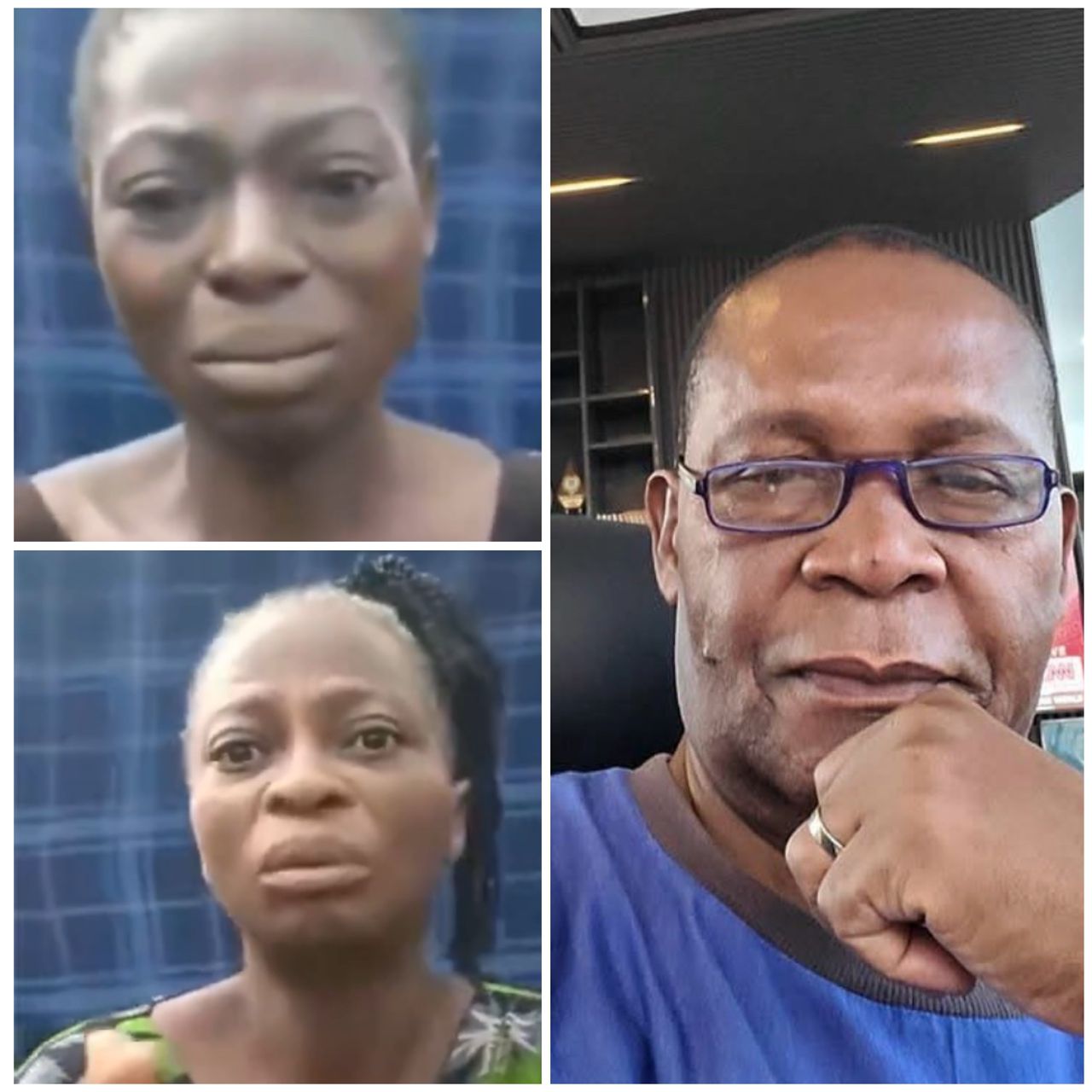
Disturbing videos released by the kidnappers have heightened public anxiety. A recent video emerged showing a school principal and teacher pleading for intervention and rescue.
For affected families, each passing day deepens fear. For many citizens watching from afar, frustration is turning into anger.
The Politics of Insecurity
That anger intensified after comments by prominent political figures appeared to shift attention toward political calculations rather than the victims themselves.
Following the Oyo abductions, APC chieftain Joe Igbokwe suggested in a social media post that those hoping the kidnappings would damage President Bola Tinubu’s chances in the 2027 election would be disappointed.
The remarks triggered widespread criticism online, with many Nigerians arguing that public attention should remain focused on the safety of the abducted children rather than electoral implications.
The reaction reflected a broader national frustration.
As attacks continue across the country, many citizens increasingly question why public debates often become politically polarized rather than centered on confronting armed groups responsible for killings, kidnappings and mass displacement.
A Growing Complaint
Civil society groups, journalists and human rights advocates have for years argued that Nigeria’s political environment sometimes appears more confrontational toward critics than toward the insecurity they criticize.
Particular attention has focused on the use of provisions within the Cybercrimes Act, which rights organizations have repeatedly said have been used to arrest, detain or prosecute journalists, activists and government critics over online speech.
Supporters of the law argue it is necessary to combat cyberstalking, misinformation and online abuse.
Critics counter that it has too often been deployed against dissenting voices.
The perception has fuelled growing public debate.
Why, some activists ask, do outspoken critics frequently face interrogation, detention or legal battles while communities continue to endure recurring attacks from heavily armed groups?
The question has become increasingly prominent across social media, civil society forums and public discourse.
The Crisis of Confidence
The issue extends beyond politics. At its core is a crisis of public confidence.
Many Nigerians acknowledge that insecurity is a complex challenge with roots in poverty, weak governance, criminal networks, regional instability and longstanding social grievances.
But they also increasingly measure governments not by promises but by outcomes. And the outcomes remain troubling.
Villages continue to be attacked. Schoolchildren remain in captivity. Entire communities are displaced. Families still bury loved ones after nearly every major holiday.
Each new attack deepens the perception that the state remains reactive rather than decisive.
“Where Is the Outrage?”
Perhaps the most striking feature of recent public discussions is the growing sense that outrage itself has become contested.
After major attacks, some government supporters direct their frustration toward opposition politicians, activists or critics they accuse of exploiting insecurity for political gain.
Critics respond that demanding better security is not political opportunism but a basic civic expectation.
The resulting arguments often dominate public debate while the victims themselves fade from view.
In Kiliya village, however, politics offers little comfort. Families are mourning. The dead are being buried.
Survivors are trying to understand how a festive afternoon turned into a massacre.
And across Nigeria, from Katsina to Oyo, a growing number of citizens are asking whether the country’s political class is spending enough time confronting the people carrying guns—and too much time confronting those demanding answers.
That question may prove increasingly difficult to ignore as the death toll rises and public patience wears thin.