For millions of Nigerians who have spent years trapped in a cycle of blackouts, soaring generator fuel costs, and digital isolation, the World Bank believes the next six years could mark a major turning point—provided its latest development blueprint delivers.
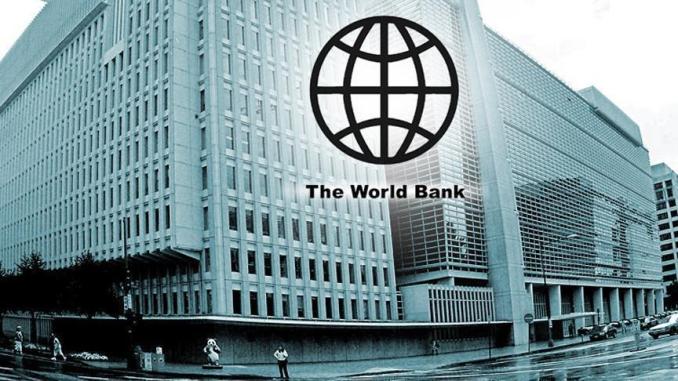
Under its 2026–2032 Country Partnership Framework, presented at a Nigerian Economic Summit Group (NESG) forum in Lagos, the World Bank has set targets to expand electricity access to 32 million people and extend broadband internet to 58 million. The plan positions energy and digital infrastructure as the twin engines intended to drive Nigeria’s economic transformation through 2032.
The initiative arrives amidst one of Nigeria’s most enduring economic crises. Despite its position as Africa’s largest economy, chronic grid instability forces households and businesses to rely on costly diesel and petrol generators. This self-generation tax significantly inflates the cost of living, squeezes commercial margins, and hampers essential services like healthcare and education.
To prevent overstating the scope of the intervention, the World Bank’s baseline distinction is critical: the target of 32 million beneficiaries covers a combination of first-time grid or off-grid connections and households experiencing significantly improved service reliability, rather than 32 million entirely new infrastructure builds from scratch.
By pairing power expansion with broadband access for 58 million people, the framework targets the mutually reinforcing pillars of modern growth. Without stable power, digital infrastructure fails; without high-speed internet, modern commerce and financial inclusion stall.
While Nigeria has endured decades of failed power reforms, privatizations, and recurring grid collapses, the World Bank’s framework signals a renewed attempt to address these structural bottlenecks. If executed successfully, the strategy could bridge the gap between Nigeria’s vast economic potential and the daily operational realities of its people.