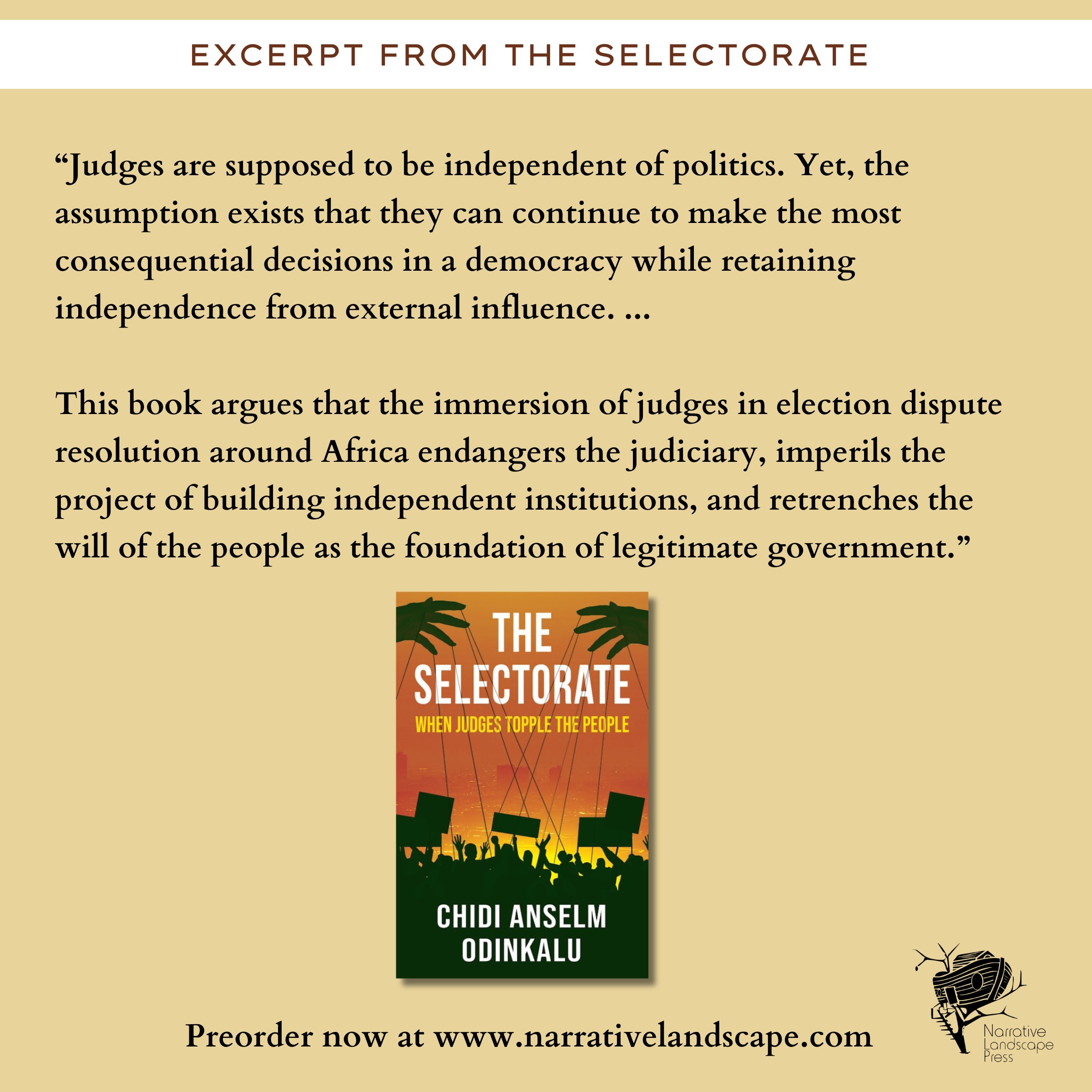
When law teacher and former National Human Rights Commission (NHRC) Chairman, Prof. Chidi Odinkalu labeled Nigeria’s proposed NGO Regulation Bill the most dangerous piece of legislation since the country’s 1999 return to civilian rule, he was not resorting to hyperbole.
Beneath the bill’s sanitized rhetoric of transparency, national security, and foreign funding oversight lies a statutory apparatus capable of systematically dismantling West Africa’s most vibrant civic ecosystem.
Rather than modernizing governance, the bill introduces a centralized regulatory authority empowered to decide who may speak, organize, or assemble. By creating a precarious two-year relicensing cycle, state planners effectively place a sword of Damocles over the head of every non-governmental actor in the nation. An organization that challenges official corruption or demands electoral integrity on a Tuesday could find its legal status revoked by Friday under the guise of statutory discretion.
┌─────────────────────────────────────────────────────────────────┐
│                  THE CIVIC STRANGULATION ARCHITECTURE            │
├───────────────────────────────┬─────────────────────────────────┤
│ Statutory Mechanism           │ Democratic Impact               │
├───────────────────────────────┼─────────────────────────────────┤
│ 24-Month License Expiration   │ Institutional Self-Censorship   │
│ Broad Enforcement Criteria    │ Weaponized Executive Discretion │
│ Duplicate Regulatory Bodies   │ Bureaucratic Friction & Redundancy│
│ Criminalization of Oversight  │ Chilling Effect on Dissent      │
└───────────────────────────────┴─────────────────────────────────┘
The danger extends far beyond watchdog groups and political activists. Owing to expansive statutory drafting, the law’s net sweeps up community-based associations, humanitarian missions, and religious bodies—from neighborhood mosques to mega-churches. By duplicating oversight functions already handled by existing bodies like the Corporate Affairs Commission (CAC), the state is not closing compliance gaps; it is erecting administrative hurdles to choke off independent action.
  Existing Governance Framework           Proposed Regulatory Framework
  ┌───────────────────────────┐           ┌───────────────────────────┐
  │  Corporate Affairs Comm.  │           │   NGO Regulatory Board    │
  │   (Legal Registration)    │           │ (Discretionary Licensing) │
  └─────────────┬─────────────┘           └─────────────┬─────────────┘
                │                                       │
                ▼                                       ▼
  ┌───────────────────────────┐           ┌───────────────────────────┐
  │ Statutory Accountability  │           │ Absolute Executive Power  │
  └───────────────────────────┘           └─────────────┬─────────────┘
                                                        │
                                                        ▼
                                          ┌───────────────────────────┐
                                          │ Committee Stage (Stalled) │
                                          └───────────────────────────┘
Despite fierce public pushback stalling its progress, the legislation remains an active policy threat. Officially titled “A Bill for an Act to Provide for the Establishment of the Non-Governmental Organisations Regulatory Commission for the Supervision, Co-ordination and Monitoring of Non-Governmental Organisations, Civil Society Organisations etc. in Nigeria,” the proposed law cleared its First and Second Readings in the House of Representatives before mounting public outrage forced a pause.
The bill currently sits in the legislative pipeline, referred to the House Committee on Civil Society Organizations and Development Partners.
While stalled ahead of a mandatory public hearing and Third Reading, its persistent resurfacing underscores an ongoing political ambition to restrict civic autonomy. As rights groups like Amnesty International have noted, healthy democracies require independent voices to audit power, expose corruption, and safeguard constitutional guarantees. If passed, the NGO Regulation Bill will not reform civil society—it will end it as an independent force in Nigerian public life.
An analysis of Prof. Chidi Odinkalu’s detailed breakdown of the proposed legislation offers further context on how these regulatory mechanisms threaten civic freedoms.
The video below provides direct commentary from Prof. Chidi Odinkalu outlining the structural dangers the NGO Regulation Bill poses to civil society, fundamental freedoms, and democratic governance in Nigeria.
Here it is. Prof Chidi NGO BILL