LAW & SOCIETY MAGAZINE SPECIAL INVESTIGATION
PHASE II
The Men Government Chose to Negotiate With
For years, government officials insisted that talking to bandits could succeed where bullets had failed. Critics warned that every handshake with armed groups risked sending another message entirely: that terror had become a bargaining chip. This chapter examines how Nigeria embraced negotiations, the men who benefited, and why the policy continues to divide the country.
Peace may require dialogue. But lasting peace requires justice.
The Dilemma
By 2019, violence had overwhelmed large parts of Zamfara, Katsina, Kaduna, Sokoto and Niger states. Entire communities had emptied, schools shut their doors and farming, the economic lifeblood of the region, was collapsing under relentless attacks.
Kidnapping had become a multibillion-naira criminal enterprise. Rural residents were paying levies simply to remain on their ancestral land, while thousands of families abandoned homes they had occupied for generations.
Faced with a crisis military operations appeared unable to contain, several state governments began exploring another option. Rather than relying solely on force, they opened communication channels with armed groups in the hope that dialogue could persuade them to lay down their weapons.
At the time, many Nigerians welcomed the initiative. If negotiations could stop the killings and return abducted victims’ home, they argued, the country had little to lose.
Others were less convinced.
Read Also: When Terror Pays: Inside Nigeria’s controversial experiment with “repentant” bandits
When Dialogue Became Government Policy
No state embraced negotiations more openly than Zamfara.
Beginning under former Governor Abdulaziz Yari and continuing, with modifications, under Governor Bello Matawalle, officials met repeatedly with armed groups operating across forests stretching into Katsina, Sokoto and Kaduna.
The peace meetings often culminated in carefully staged ceremonies. Bandit leaders surrendered rifles before television cameras, motorcycles were displayed as symbols of disarmament and government officials announced fresh ceasefires that were presented as evidence that peace had finally arrived.
For a short period, attacks declined in some communities but he optimism proved short-lived.
Within months, reports of fresh kidnappings, village raids and mass killings resurfaced. Analysts observed that many armed factions had never joined the peace process, while others allegedly returned to violence after benefiting from government concessions.
Residents soon became familiar with a familiar cycle. Peace was declared. Violence slowed briefly. Then the attacks resumed.
The Rise of the ‘Repentant Bandit’
Out of those negotiations emerged one of the most controversial phrases in Nigeria’s security vocabulary.
Repentant bandits.
Government officials increasingly argued that fighters willing to surrender deserved rehabilitation and reintegration rather than continued confrontation. Supporters maintained that every conflict requires an exit strategy and that military force alone rarely ends insurgencies.
For critics, however, the policy raised a more uncomfortable question.
Repentant according to whom?
Few of those publicly celebrated during surrender ceremonies were prosecuted over allegations of murder, kidnapping or the destruction of entire communities. Victims who had buried relatives or remained displaced saw little evidence that those accused of terrorising them would ever face justice.
To many survivors, the policy appeared less like accountability and more like absolution.
Auwal Daudawa: From Kankara to Controversy
No individual illustrates the controversy surrounding reintegration more vividly than Auwal Daudawa.
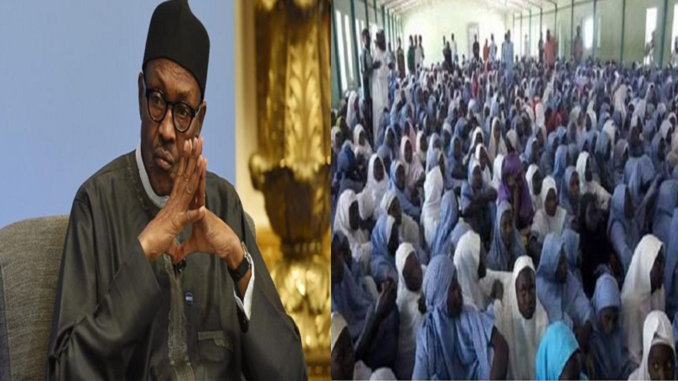
Security agencies and numerous media reports linked Daudawa to the December 2020 abduction of more than 300 students from Government Science Secondary School, Kankara, one of Nigeria’s most notorious school kidnappings.
Months later, Daudawa reportedly surrendered under a government-backed peace initiative. Images of him renouncing violence and handing over weapons circulated widely as officials celebrated the development as proof that dialogue was working.
The celebration proved premature.
Subsequent security reports alleged that Daudawa returned to criminal activity before he was eventually killed during clashes involving rival armed groups. Although aspects of those reports remain disputed and many allegations were never tested in court, critics argue the episode exposed the weaknesses of the reintegration strategy.
If one of the country’s most notorious kidnapping suspects could allegedly return to violence after being welcomed into a peace programme, they ask, how reliable were similar agreements with other armed groups?
Bello Turji and the Limits of Negotiation
If Daudawa became the symbol of failed reintegration, Bello Turji came to represent the limits of negotiation itself.
Despite repeated military offensives and periodic peace initiatives, Turji has continued to feature prominently in security reports linking his network to deadly attacks across Zamfara, Sokoto and neighbouring states.
His continued influence exposed one of the greatest weaknesses of Nigeria’s dialogue strategy.
Negotiating with one commander did not necessarily influence another.
The armed groups were fragmented, loosely organised and frequently competed among themselves. Even where one faction embraced dialogue, another often stepped in to continue the violence.
Security analysts say the absence of a unified command structure meant that agreements reached with individual leaders rarely translated into lasting peace across the wider region.
Sheikh Gumi’s Gamble
No civilian has become more closely associated with negotiations than Islamic cleric Sheikh Ahmad Gumi.
Beginning in 2021, Gumi repeatedly visited camps occupied by armed groups and argued that many fighters were willing to negotiate if government created safe channels for engagement.
His role sharply divided public opinion.
Supporters described him as a mediator trying to save lives where military operations had failed. Critics accused him of legitimising groups responsible for years of killings and kidnappings.
The debate resurfaced in 2026 after Gumi criticised the Federal Government’s designation of bandits as terrorists, warning that it had closed the last remaining avenue for dialogue.
Victims’ groups viewed the issue differently. They argued that negotiations should never replace accountability for communities devastated by years of terror.
Justice Delayed, Justice Denied?
Perhaps the most enduring criticism of Nigeria’s reintegration programmes is not that dialogue occurred, but that accountability often appeared absent.
While Nigeria’s Constitution guarantees every accused person the right to a fair hearing, critics argue that allegations involving mass killings, terrorism and kidnapping demanded transparent investigations and prosecution wherever evidence existed.
Instead, many survivors watched public ceremonies celebrating reconciliation while they remained displaced, grieving or struggling to rebuild shattered lives.
For them, justice appeared increasingly distant.
The Question Nigeria Cannot Escape
Years after the first peace initiatives were launched, Nigeria remains deeply divided over whether negotiating with armed groups prevented greater bloodshed or merely rewarded violence.
Supporters insist dialogue saved lives that military operations could not.
Opponents argue that every celebrated reintegration without visible accountability sends a dangerous message to future criminals: violence can become a pathway to negotiation, influence and eventual acceptance.
As fresh attacks continue across Zamfara, Katsina, Sokoto, Niger and Kaduna, the question has become impossible to ignore.
Can a nation negotiate its way to peace while leaving justice behind?
To be continued.