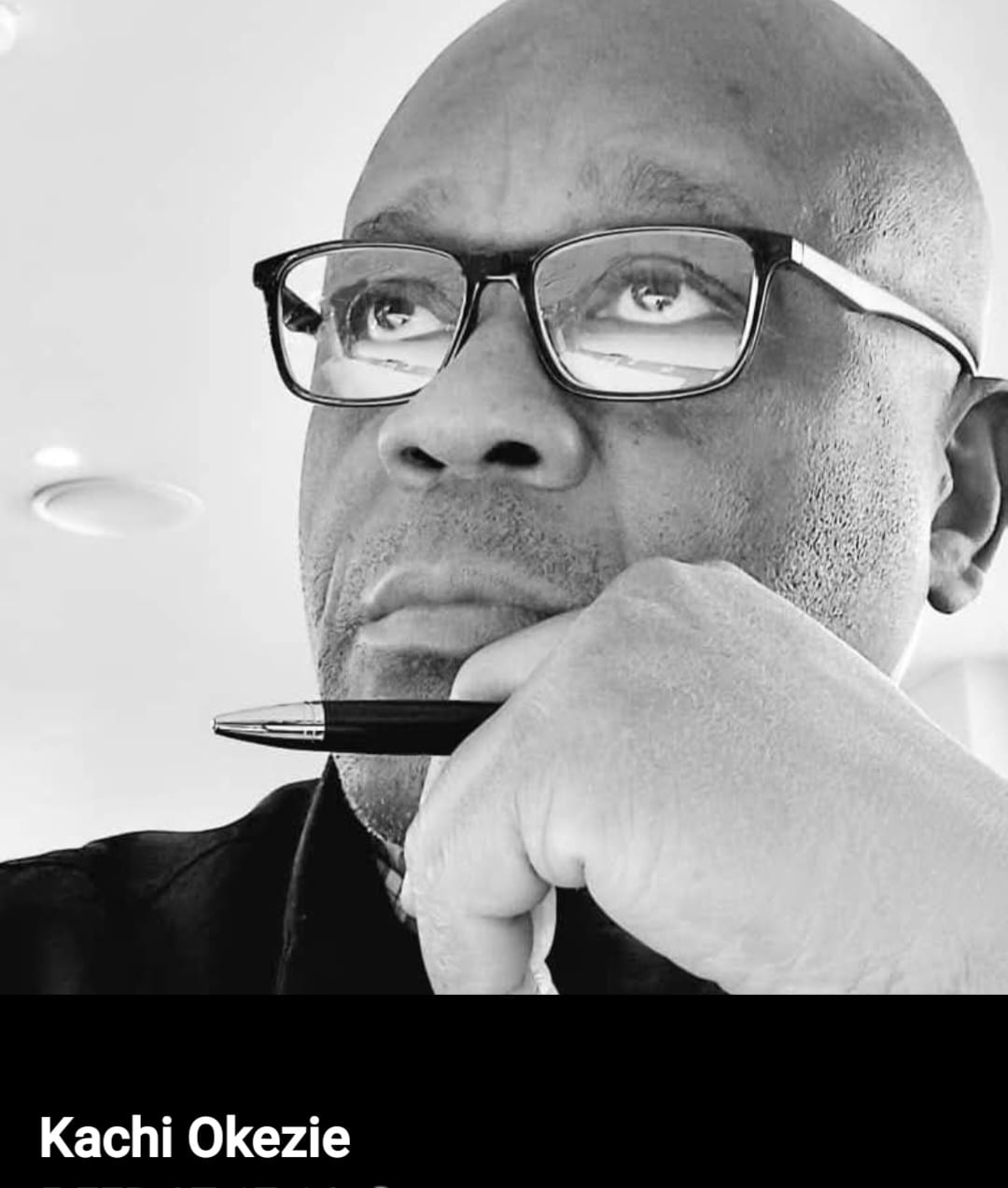
By Kachi Okezie, Esq.
On Saturday, 31 August 2026, in Maiduguri, the Borno State Commissioner for Youth and Sports Development, Sainna Buba, stood before a crowd at a City Boy Movement inauguration and delivered a warning that should chill every Nigerian who still believes in democracy. And, mercifully, there are many.
“Whoever raises their fingers against us, we will do the same to them. If you raise your fingers again, we will cut them off,” he said in a video that went viral. He added: “This is our administration, follow us and drink the honey. Whoever does not follow us will be flogged”.
Days later he told journalists the words were “figurative” and meant only for aggrieved APC members. That clarification was daft. In a country where political violence has cost thousands of lives, a commissioner of the state does not get to joke about cutting off fingers eighteen months to a general election. The message was received exactly as intended: comply, or pay a price.
The question Nigerians must now ask is simple: how are such utterances tolerated when the law is clear? The Electoral Act 2022 criminalises voter intimidation. The Penal Code punishes criminal intimidation and incitement. The Constitution guarantees the right to vote and to freedom of association. The Cybercrimes Act covers the spread of threats online. Yet the pattern is familiar. A video surfaces. Civil society shouts. Amnesty International calls for investigation. The police say they are “looking into it”. And then silence.
This selective enforcement is the real disease. When laws are enforced only after the President directs, or not at all, they cease to be law and become a political tool. It tells every public officer: you are safe until the top says you are not. It tells every voter: your safety depends on who you support.
Buba is not an isolated case. In the same week, the chairman of Kuje Area Council in the FCT was recorded telling residents it was “either you are doing APC or leave the area council”. Two officials, two states, same script: benefits for loyalists, punishment for dissent. This is how elections are rigged even before ballot papers are printed.
To see how abnormal this is, just look to places where democracy has matured. Take the United Kingdom. In the last UK general election, there were no armoured trucks outside polling units. There were no commissioners threatening to break fingers. There was no “honey for us, flogging for you.”
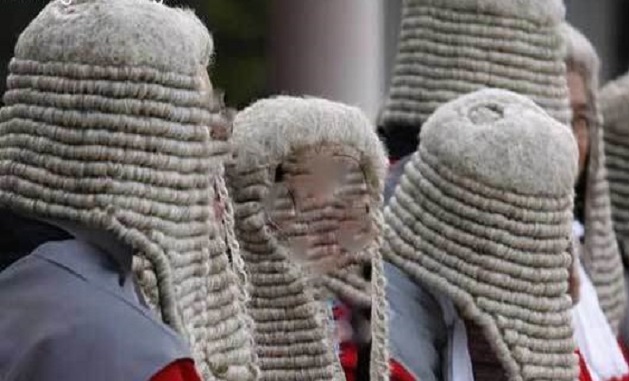
What the UK does have is boring, and that is the point. The Electoral Commission runs the process. The police are present but discreet, there to protect, not to intimidate. Voters walk to their local school or church hall, show ID, collect a paper ballot, and leave unmolested. Campaigns are regulated. Hate speech by public officials draws immediate condemnation and, where necessary, police action. The state does not distribute “empowerment items” at party rallies and then threaten those who refuse to attend. Public office and party office are kept separate.
The difference is not culture. It is consequence. In the UK, a minister who threatened voters would be sacked within hours and likely prosecuted. The law does not wait for the Prime Minister to issue a directive. Institutions act because their very legitimacy depends on it.
Nigeria does not lack laws. What we lack is that culture of consequence. And so we normalise what should be outrageous. We hear “cut off fingers” and debate whether it was figurative. We hear “flogged” and move on because the commissioner claims he meant only party members. But democracy does not have an APC section and an opposition section. The right to choose belongs to every citizen, and the duty to protect it belongs to every public officer. At least so I was taught in Jurisprudence.
There are three lessons from the Maiduguri incident that must shape 2027. First, impunity must be interrupted early. The police, DSS and INEC cannot wait for petitions to gather dust. They must invite Buba, investigate and charge him, if the evidence warrants it. A public statement is not enough. Prosecution is the only language that deters the next commissioner.
Second, we must depersonalise the state. “This is our administration” is the language of ownership, not service. Phrases like “Government honey” and “government floggings” treat public resources as party property. Until MDAs stop being campaign structures, voters will be treated as subjects, not citizens.
Third, citizens must enforce the law by using it. Record. Report. Petition. Tag INEC, the NHRC and the NPF. Copy civil society groups who litigate. The reason UK voters are unmolested is not because Britons are braver. It is because institutions know they will be held to account the next day in Parliament, in court, and in the press.
The 2027 elections are already being shaped by fear. Fear that your name will be taken if you don’t attend a rally. Fear that your community will be denied “empowerment” if you vote the other way. Fear that raising a finger in dissent will cost you that finger through extra-judicial amputation. That is not democracy but coercion dressed in campaign colours.
Nigeria deserves the boring kind of election. The kind where you vote and go home. The kind where commissioners talk about policy, not punishment. The kind where the law does not wait for a presidential order to work.
Until then, every viral video like Buba’s must be treated as what it is: a test. If we fail to respond with investigation and prosecution, we are telling every other official that the honey is for loyalists, and the rest of us can be flogged.
We must choose. And the choice must be made before 2027, not after.
-Okezie is a legal practitioner, chartered mediator and consultant.
The views expressed by contributors are strictly personal and not of Law & Society Magazine.