What should have been a routine fibroid surgery ended in tragedy for a Nigerian woman, after her family alleged that a surgical instrument was left inside her body for days, triggering complications that doctors could not reverse.
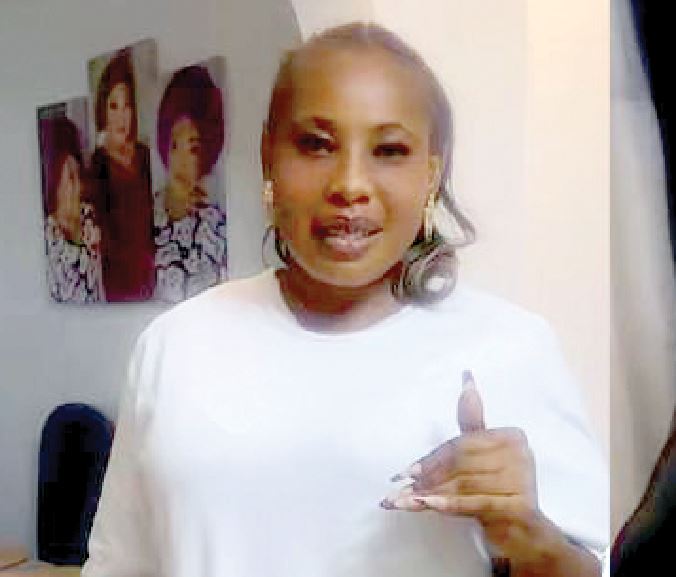
Beady Nnanna, a media personality and publisher, says her 44-year-old sister, Blessing Okolie, died after what she describes as a cascade of medical failures at a private facility in Abule-Egba, Lagos.
According to Nnanna, Okolie underwent a myomectomy on March 28, 2026, after battling a large fibroid that had disrupted her life and marriage. But what was meant to be a routine procedure quickly spiralled into what the family now calls a preventable tragedy.
“She kept complaining of severe abdominal pain, but they kept dismissing it,” Nnanna said, recounting days of escalating distress after the surgery. “I begged for a scan, but they said nothing was wrong and accused me of trying to teach them their job.”
Read Also: Months of Pain, Then Death. Another Preventable Death? Kano woman allegedly killed by surgical error
As Okolie’s condition deteriorated—marked by swelling, weakness, and the drainage of greenish fluid—Nnanna said her repeated pleas for further investigation were ignored. It was not until nearly a week later, after a second doctor intervened, that a scan was finally conducted at an external facility.
The result, she said, was devastating: a metallic object lodged in her sister’s abdomen.
“I saw it in the report. There was metal inside her body,” she said.
What followed was a second emergency surgery at the same hospital to remove the object. But by then, Nnanna believes the damage had already been done.
“She had gone days without food or water. Her body was too weak,” she said. “Even after they removed it, she didn’t recover.”
Nnanna described chaotic conditions in the hours leading up to her sister’s transfer, including a power outage at the facility while her sister was on oxygen support—an incident that forced the family to transport her in a private vehicle without medical escort.
“She was dying, and they said they didn’t have fuel for the generator,” she said.
Okolie was eventually taken to Lagos State University Teaching Hospital, where doctors attempted to stabilize her. She was slated for intensive care, but died hours later after suffering cardiac arrest.
The case has triggered a wave of anger online, with many Nigerians pointing to systemic failures in healthcare regulation, emergency response, and patient safety, particularly in smaller private facilities.
Nnanna insists her sister’s death could have been prevented.
“If they had done a scan early, she might still be alive,” she said. “Instead, the infection spread. Her organs were already damaged.”
The family says it has reported the case to the police and is demanding accountability, including the closure of the hospital.
“That place should not be allowed to operate,” she said. “My sister is gone, but others must not go through this.”
In response, the medical director of the facility, Abiodun Ojifinni, confirmed that Okolie underwent surgery at the hospital but disputed aspects of the narrative, describing circulating claims as “half-truths.”
Ojifinni said complications from sepsis developed days after the procedure and that the patient was referred to LASUTH at the family’s request. He declined to confirm whether a surgical instrument was left inside the patient, urging the public to await the outcome of an ongoing coroner’s inquest.
“The real cause of death will be determined by histopathology,” he said. “We should allow the process to take its course.”
But for Okolie’s family, the wait for official findings offers little comfort.
Behind the legal process lies a broader question, one that continues to resonate across Nigeria: how a routine surgery turned fatal, and whether a broken system allowed it to happen.