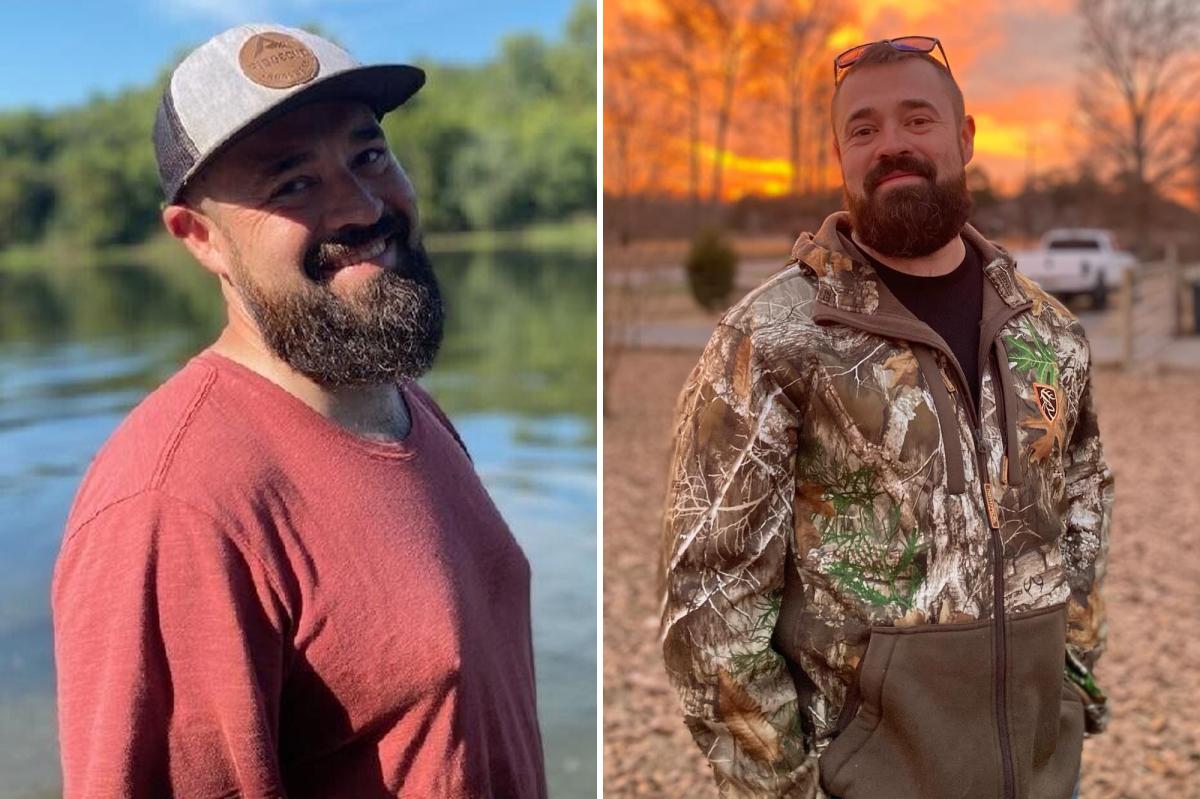
LITTLE ROCK, Arkansas — A judge has dismissed a murder charge against an Arkansas man accused of killing the alleged sexual abuser of his 13-year-old daughter, delivering a stinging rebuke of law enforcement conduct and bringing an abrupt end to one of the state’s most closely watched criminal cases.
The ruling was not based on a finding that Aaron Spencer acted lawfully when he shot and killed 67-year-old Michael Fosler in 2024.
Read Also: Heartbroken father says, “I’ll never forgive the schoolteacher who raped my four daughters
Instead, Special Circuit Court Judge Ralph Wilson Jr. concluded that law enforcement’s handling of crucial evidence was so deeply flawed that the prosecution could no longer proceed.
“The court finds that conduct by law enforcement was so egregious that dismissal of this case is warranted,” Wilson wrote in a decision issued Thursday.
The extraordinary ruling came just weeks before Spencer was due to stand trial on a second-degree murder charge.
The case has drawn intense public attention not only because of its emotionally charged facts, but also because Spencer is now the Republican nominee for sheriff in Lonoke County and will appear on the ballot in November.
At the heart of the dispute was a missing memory card from a dashboard camera that may have captured key moments surrounding the fatal shooting.
Court records show that investigators recovered the dash camera from Fosler’s truck after the incident. However, the device’s internal settings were not preserved, its battery was allowed to drain, and the memory card that was reportedly inside the camera when it was seized later disappeared.
The judge’s decision paints a troubling picture of evidence management.
According to court filings, the detective who collected the camera acknowledged that it was not immediately logged into evidence and was instead kept in his personal office rather than secured in an evidence room.
By the time forensic examiners received the device, potentially critical data had been lost.
Spencer’s legal team argued that the missing footage and audio could have supported his claim that he acted to protect his daughter from a man accused of repeatedly abusing her.
Fosler was out on bond at the time of the shooting after being charged with dozens of sexual offences involving Spencer’s daughter.
According to court records, Spencer woke up on the night of the incident to discover his daughter missing. He later found her in the passenger seat of a vehicle being driven by Fosler.
Prosecutors argued that Spencer deliberately pursued and killed Fosler and could have contacted law enforcement instead.
But Spencer consistently maintained that he acted to protect his child from a dangerous predator.
The dismissal represents a remarkable collapse of a prosecution that had been expected to test the boundaries between vigilantism, parental protection and the criminal justice system.
For Judge Wilson, however, the decisive issue was not the morality of Spencer’s actions.
It was whether a defendant could receive a fair trial after investigators failed to preserve evidence that may have been central to determining exactly what happened.
The answer, he concluded, was no.
The ruling effectively ends a case that had become a lightning rod for debate over parental rights, child protection and accountability within the justice system.
But it also leaves behind a separate and troubling question: how evidence that may have captured the most important moments in the case disappeared while in the custody of law enforcement.