Armed bandits operating across northern Nigeria have issued a rare and provocative public warning, expressing anger over the alleged detention of their members and accusing authorities of reneging on a purported agreement.
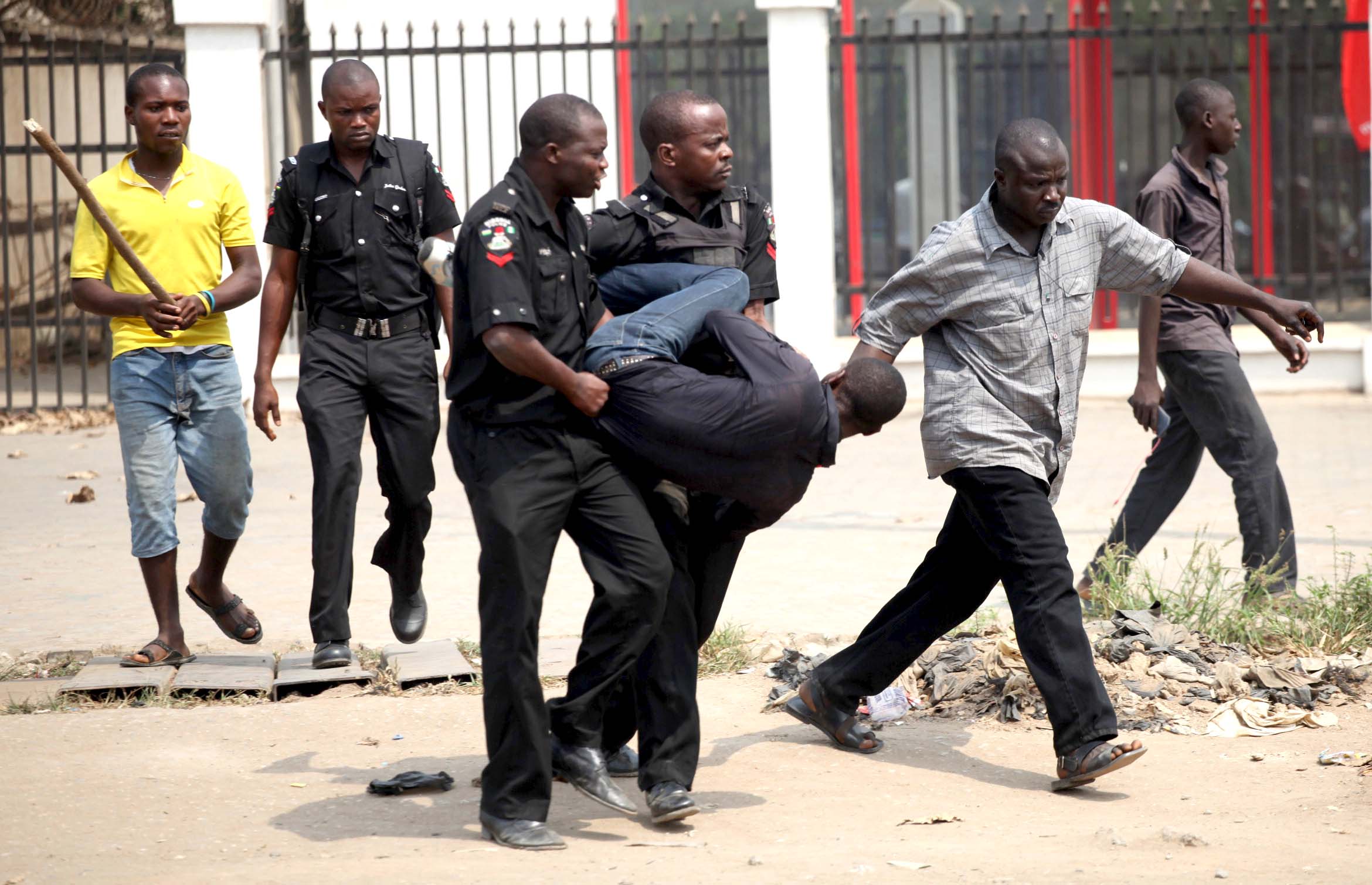
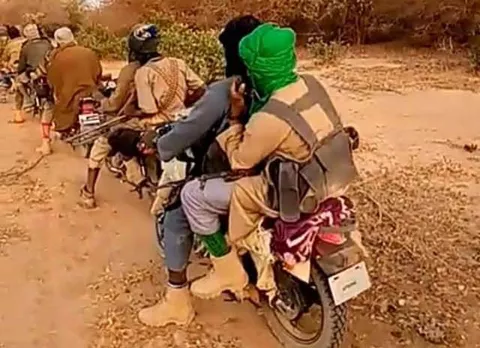
In a viral video circulating on social media, a yet-to-be-identified bandit leader, flanked by heavily armed fighters, voiced frustration with Nigerian authorities, demanding the immediate release of detained members across Kaduna and Kano states, as well as the Federal Capital Territory, Abuja.
The footage, shared Monday by security analyst Makama Zagazola on X, shows the group alleging that government officials had previously engaged them in negotiations and struck a deal that has since been broken.
“We had an agreement,” the masked leader said in the video, claiming that representatives of the government approached the group and reached an understanding, the terms of which were not disclosed.
He further alleged that several of their members, including women, are currently in detention nationwide, and accused authorities of ignoring repeated demands for their release.
Allegations of Secret Negotiations
The claims come amid longstanding reports of informal contacts between local authorities and armed groups operating in forested regions of northern Nigeria, allegations that have remained highly controversial.
While some reports have suggested that intermediaries or officials have held meetings with bandits in attempts to broker peace or secure the release of abducted victims, both state and federal authorities have consistently denied entering into any formal agreements or paying ransom.
Government officials have repeatedly maintained that negotiations with criminal groups are not part of official policy, emphasizing instead a security-led approach to tackling banditry and insurgency.
Rising Tensions
The emergence of the video is likely to further inflame concerns over Nigeria’s fragile security landscape, particularly in the northwest and central regions where kidnapping, armed raids, and extortion have become widespread.
Analysts say such bold statements by armed groups, especially those invoking alleged agreements, are unusual and may signal internal pressure or attempts to influence public perception and government response.
As of now, authorities have not issued an official response to the latest claims in the video.
The development adds another layer of complexity to Nigeria’s ongoing fight against banditry, raising fresh questions about accountability, strategy, and the possibility, real or perceived, of backchannel dealings between the state and non-state armed actors.