By Ladidi Sabo
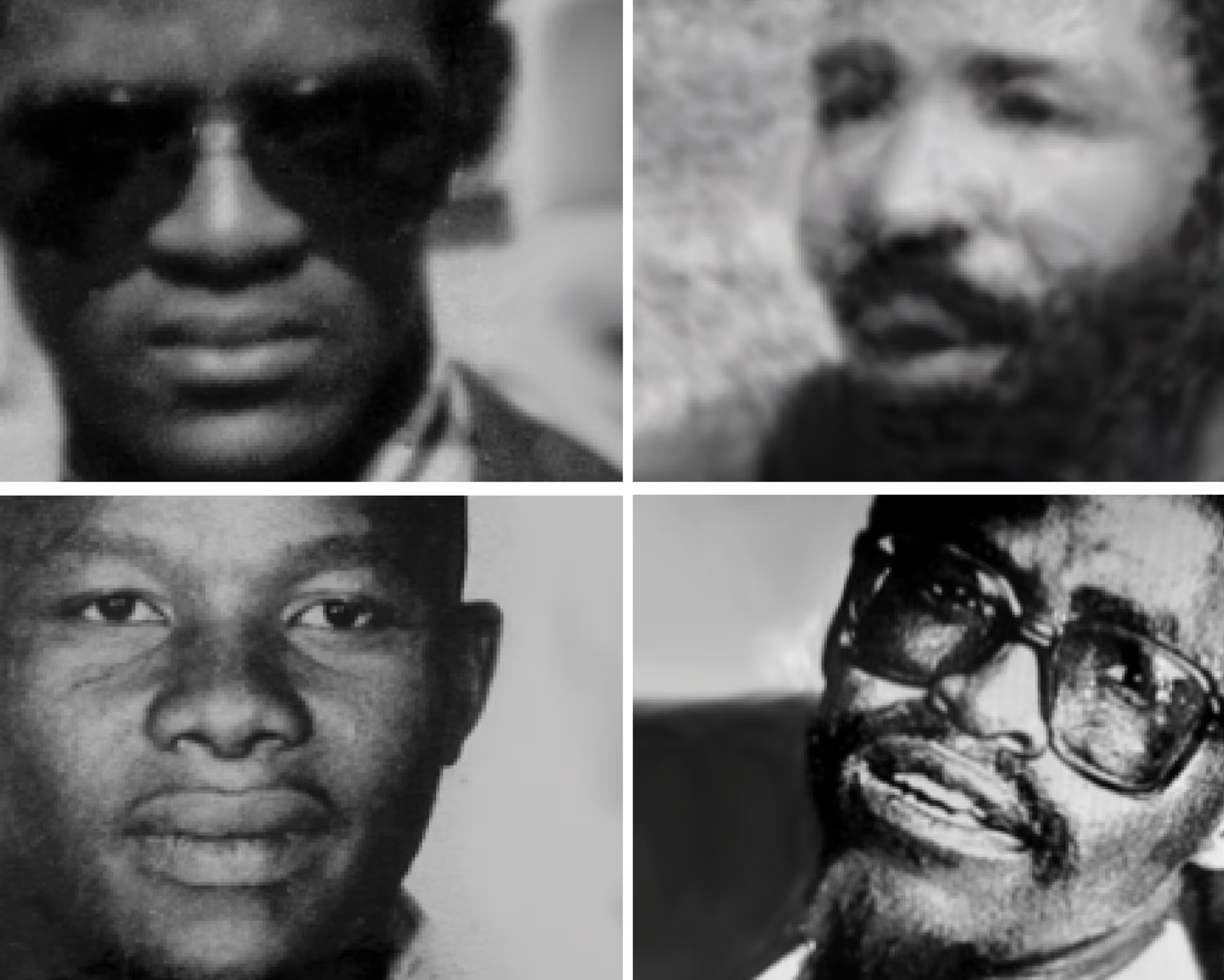
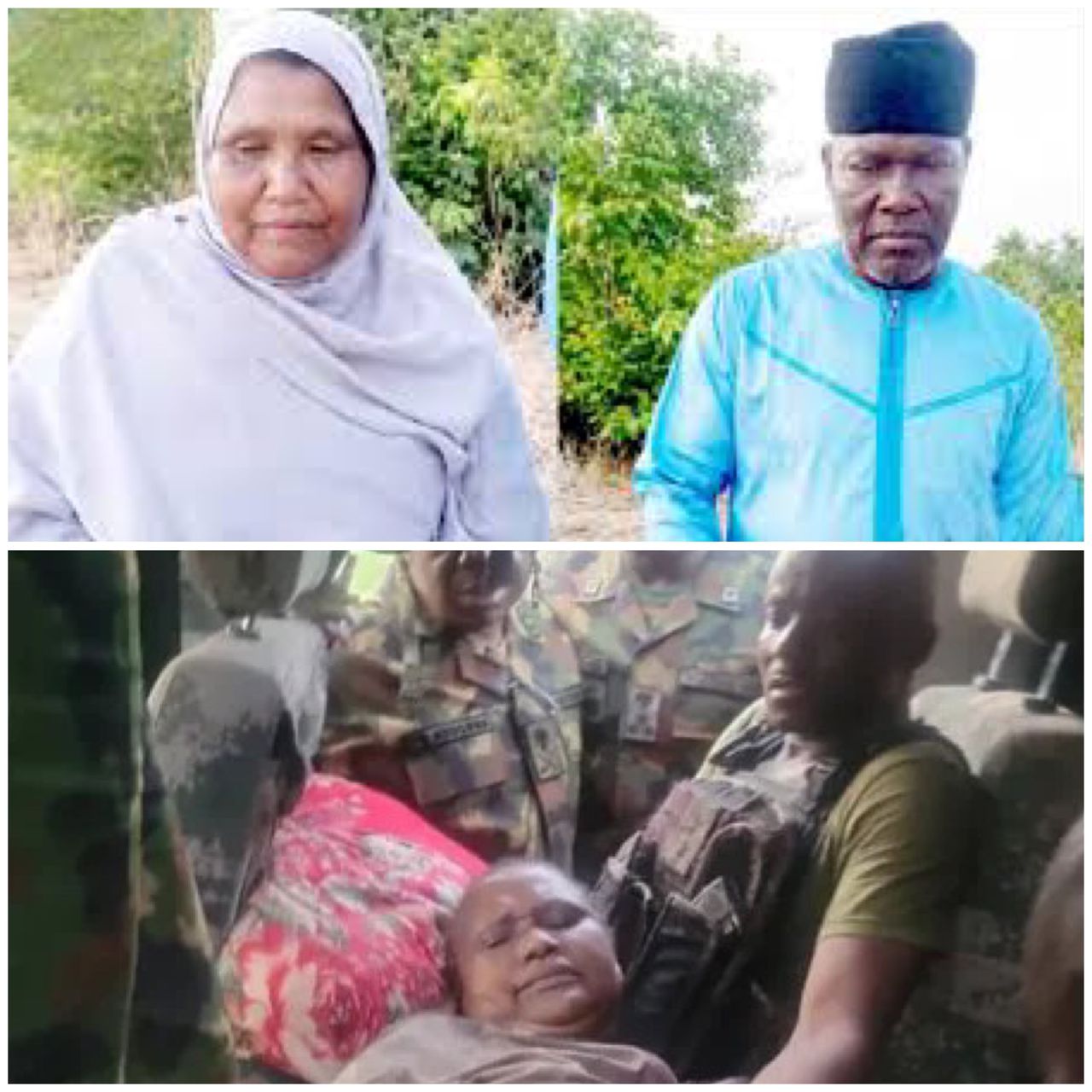
The death of Maj. Gen. Rabe Abubakar in captivity, the conflicting accounts surrounding his final moments, and the dramatic rescue of his wounded wife have reignited broader questions about the Nigerian government’s ability—and resolve—to confront the country’s worsening security crisis.
Nigeria’s military leadership now argues that global conflicts have complicated efforts to procure critical weapons and equipment. Defence officials have pointed to the wars in Ukraine and the Middle East, as well as heightened demand from major powers, saying arms-producing nations are prioritising their own militaries and buyers able to make substantial upfront payments, leaving countries like Nigeria facing procurement delays.
Yet critics argue that such explanations sit uneasily alongside the apparent sophistication and firepower of the criminal groups terrorising communities across the country.
From heavily armed bandit camps in the North-West to terrorist enclaves and kidnapping syndicates operating with military-grade weapons, non-state actors have repeatedly demonstrated access to rifles, explosives and other advanced equipment. The contrast has fuelled a troubling public question: if the state struggles to acquire weapons, how are criminal organisations continuing to replenish their own arsenals?
The concern is not confined to rural conflict zones.
On Sunday in Benin City, armed men reportedly stormed the Vegetable Market in the Government Reserved Area (GRA) in broad daylight and attempted to abduct a man, who managed to escape after resisting. According to eyewitness accounts, his wife was less fortunate. The attackers allegedly chased her through the market, dragged her across the road and forced her into a waiting vehicle before fleeing.
Witnesses also claimed that several armed police officers in the vicinity retreated when the kidnappers began shooting. The incident reportedly unfolded just metres from the residence of a former minister and roughly 500 metres from a divisional police station, yet no immediate intervention prevented the abduction.
Taken together with the killing of a retired major general in captivity, such incidents have intensified criticism that Nigeria’s security architecture remains reactive rather than preventive, raising uncomfortable questions about intelligence gathering, operational readiness and the state’s capacity to deter increasingly emboldened criminal networks.
The unanswered mystery surrounding how Maj. Gen. Abubakar’s body was recovered only adds to those concerns. As his son put it, even the family does not know who returned the remains or under what circumstances—a striking admission in a case involving one of the country’s most senior retired military officers.
For many Nigerians, the issue is no longer simply whether the security forces can defeat terrorists and bandits, but whether the political will, transparency and institutional coordination exist to match the scale of the threat.