A Nigerian lawyer has filed a high-stakes lawsuit against the Corporate Affairs Commission (CAC), alleging systemic failure and negligence in the operation of its online business registration portal.
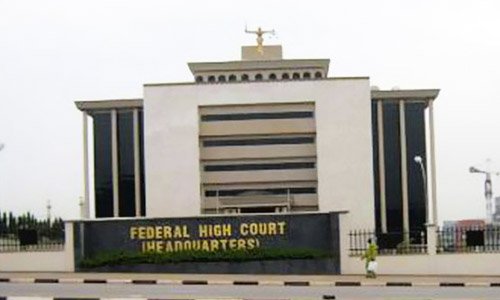
Prince Ezeabata Chibuzor, managing partner of Princeston Law Firm, brought the suit before the Federal High Court in Abuja, accusing the commission of breaching its statutory and constitutional obligations after a business registration process stalled despite full payment.
According to court filings, Chibuzor initiated the upgrade of a business name to a private company limited by shares via the CAC’s official portal. He said he completed all required steps and paid the prescribed fees, including stamp duties processed through the federal government’s payment platform, Remita.
However, the CAC allegedly failed to reflect the payment or finalize the registration. Instead, the system reportedly continued to display a “no payment information found” status, leaving the application in limbo.
Chibuzor told the court that repeated attempts to resolve the issue, including formal complaints, visits to CAC offices in Abuja, and direct engagement with officials, yielded no solution. In one instance, he claims, a staff member suggested he simply “pay again.”
The lawsuit raises broader questions about accountability in Nigeria’s digital public services. At its core is whether the CAC, established under the Companies and Allied Matters Act (CAMA) 2020, is legally obligated to ensure that payments made through its electronic platform are properly processed and acted upon within a reasonable timeframe.
The plaintiff argues that the commission’s failure amounts to negligence, breach of statutory duty, and a violation of constitutional principles of transparency and administrative fairness.
He also alleges that continuing to accept payments on a malfunctioning platform exposes users to financial loss and business disruption, describing it as “gross administrative misconduct.”
Chibuzor is seeking multiple declaratory reliefs, including a court ruling affirming the CAC’s duty to process payments efficiently, a finding that the commission breached its legal obligations, and a declaration that such failures violate protections under Nigeria’s 1999 Constitution.
He further asks the court to rule that the CAC cannot rely on immunity under the Public Officers Protection Act in cases involving negligence and breach of duty.
The lawyer said the stalled registration has had significant consequences for his work, including preventing him from commencing operations, opening a corporate bank account, and securing contracts requiring company status. He also cited reputational damage and lost business opportunities.
Legal analysts say the case could set a precedent for how Nigerian courts interpret the responsibilities of government agencies in an increasingly digital economy.
The matter has been assigned to Binta Nyako of the Federal High Court, Abuja, with a hearing scheduled for June 1.
The outcome may test the extent to which public institutions can be held accountable for service failures in the digital age—and what remedies are available to citizens when government systems break down.