The killings continue—unabated—despite presidential orders, military deployments, and repeated assurances that the tide has turned.
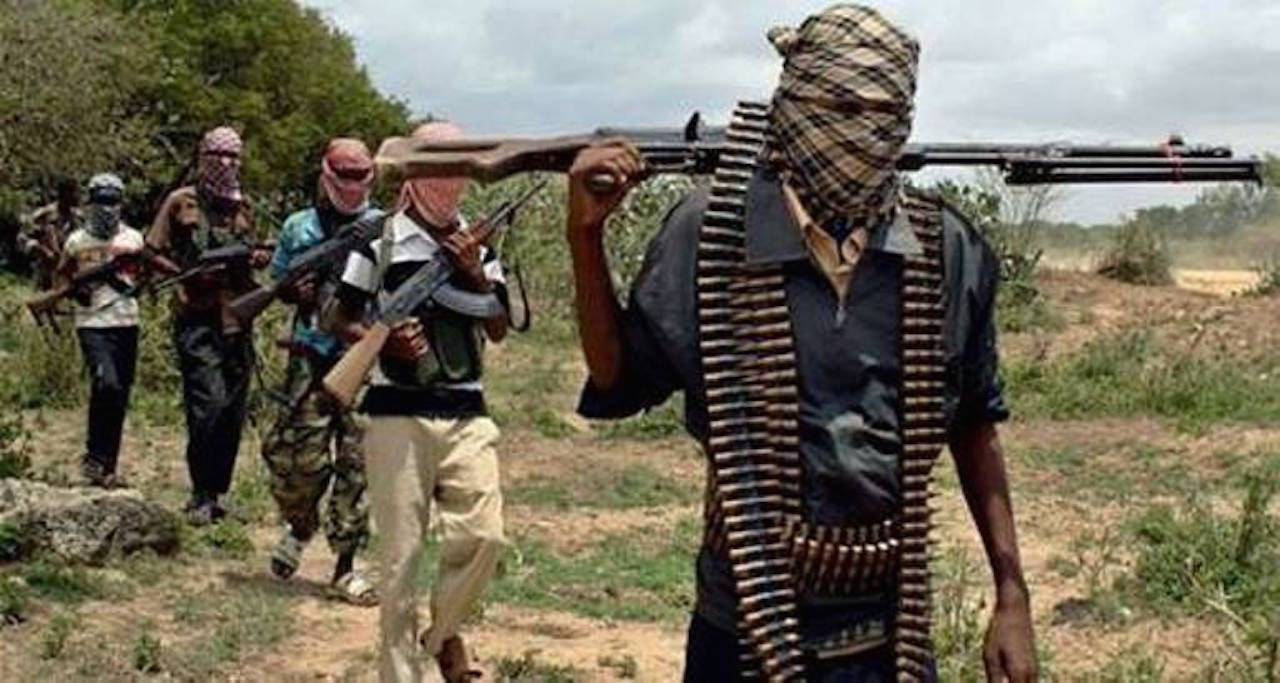
In the early hours of Saturday, suspected armed militants stormed Karku community in Kauru Local Government Area of Kaduna State, abducting a Catholic priest and at least 11 others while killing three residents. The attack, residents said, was swift, coordinated, and executed with military-style precision.
The kidnapped priest, Rev. Fr. Nathaniel Asuwaye, is the parish priest of Holy Trinity Catholic Church, Karku, according to the Catholic Archdiocese of Kafanchan. Church officials confirmed that Asuwaye was taken alongside 10 villagers during the assault, which began around 3:20 a.m.
Witnesses described gunmen arriving in large numbers, firing indiscriminately as they moved from house to house before retreating into nearby forests with their captives.
“This attack has left our community devastated,” said Jacob Shanet, Chancellor of the Kafanchan Diocese, who confirmed that three residents—Jacob Dan’azumi, Maitala Kaura, and Alhaji Kusari—were killed during the raid.
The violence extended beyond Kauru.
In Kagarko Local Government Area, the Chief Imam of Janjala Central Mosque, Bello Abdullahi, and a Fulani community leader, Shehu Bello, were abducted in separate but related attacks. Armed groups reportedly struck multiple villages, abducting residents, rustling cattle, and forcing families to flee overnight.
A community leader said the attackers, armed with AK-47 rifles, arrived around 9 p.m., targeting community leaders first.
“They went straight for the imam. Then they took the Fulani leader. That was when people started running for their lives,” the source said.
Residents fled to nearby towns, while others slept in surrounding bushes, fearing further attacks.
Security sources said joint military and police units engaged the assailants in gun battles, but residents say such statements have become routine, rarely followed by arrests or rescues.
The kidnappings occurred days after armed groups reportedly issued a seven-day ultimatum demanding ₦6 million ransom for a previously abducted woman and her four children—an ultimatum that expired without visible security intervention.
Police authorities declined to comment. Repeated attempts to reach the Kaduna State Police spokesperson were unsuccessful.
Religious leaders warn that the attack reflects a deepening national crisis.
“The kidnapping of priests and innocent citizens has become unbearable,” said Rev. Joseph Hayab of the Northern Christian Association of Nigeria. “Despite repeated promises, the violence continues.”
A Familiar Pattern, a Failing State
Public affairs analyst Sa’adiyyah Adebisi Hassan says Kaduna is no anomaly.
“Kwara. Benue. Kaduna,” she said. “Different locations. Same script—massacres, condolences, deployments, silence, repeat.”
Nigeria, she argues, continues to misdiagnose terrorism as criminality rather than organized ideological violence sustained by financing, recruitment networks, and political hesitation.
Other nations confronted similar threats and prevailed by abandoning ambiguity. Sri Lanka dismantled the Tamil Tigers by reclaiming territory and crushing command structures. Colombia broke insurgent networks through intelligence and financial disruption. Egypt, Indonesia, Morocco, Saudi Arabia, and France asserted state authority through surveillance, religious regulation, elite counterterror units, and zero tolerance for enablers.
Nigeria, Hassan argues, has done the opposite—negotiating with killers, protecting narratives, and surrendering territory.
“Nigeria wants to defeat terrorism without offending anyone,” she said. “That is not how states survive.”
Why the Violence Persists
According to Hassan, Nigeria’s failure rests on five realities it refuses to confront:
Terrorism in Nigeria is ideological, not accidental.
Extremists operate with political, religious, and financial enablers.
Negotiation culture emboldens violence.
The state does not control large swathes of its territory.
Narratives are protected more than lives.
As long as armed groups dictate movement, worship, and survival in rural communities, no number of operations or press statements will restore security.
The Choice Ahead
Ending the violence, Hassan argues, requires naming terrorism as terrorism, criminalizing incitement, dismantling funding networks, reclaiming territory, and building elite, intelligence-driven counterterror units.
Above all, it requires political resolve.
“Terrorism does not defeat states,” she said. “Indecision does.”
For communities like Karku and Janjala, the consequences of that indecision are already written—in empty homes, mass graves, and abducted leaders.
Until Nigeria chooses authority over ambiguity, tomorrow will bring another kidnapping, another condolence message, and another promise that changes nothing.