By John Azu
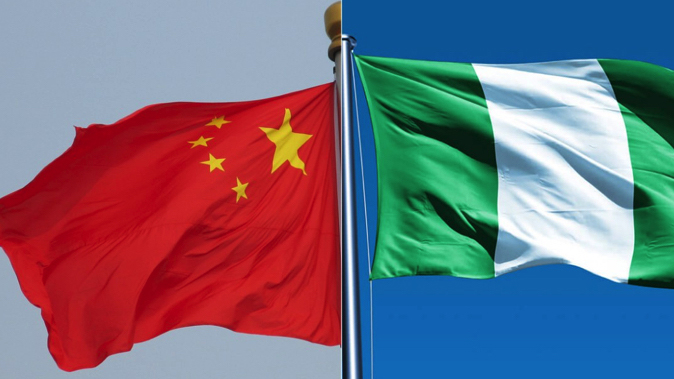
The Nigerian and Chinese governments have stressed on the importance of promoting cultural ties between both countries.
The two countries made the pledge during the cultural event, titled “Maritime Silk Road Impressions: Immersive Salon of Intangible Cultural Heritage from Ancient Zayton Port,” held at the China Cultural Centre and jointly organised by the Embassy of the People’s Republic of China in Nigeria and the China Centre of International Cultural Exchange and Tourism Promotion.
The salon brought together diplomats, cultural stakeholders, government officials and art enthusiasts to explore traditional Chinese cultural expressions through tea ceremonies, Guqin performances, ceramics exhibitions and incense rituals.
Speaking during the event, the Minister at the Chinese Embassy, Zhou Hongyou, recalled the cultural ties that developed between China, Europe and Africa through the ancient Silk Road and continues to promote relations today.
Zhou highlighted the role of the Silk Road in strengthening bilateral cultural relations through deeper people-to-people engagement and creative collaboration, especially the tea culture, which he said spanned over 5,000 years and evolved into a medium for cultural dialogue and mutual understanding.
“The Silk Road carried not only silk, porcelain and spices, but also the values of peaceful cooperation, openness, inclusiveness and mutual learning,” he stated.
“Tea unites the world,” Zhou said, adding that it had been included in the UNESCO’s list of intangible cultural heritage in 2022, adding that the same ideals continue to underpin contemporary China-Nigeria relations, particularly under the Belt and Road Initiative.
Also speaking, the Permanent Secretary of the Federal Ministry of Art, Culture, Tourism and Creative Economy, Abdulkarim Ozi Ibrahim, praised the organisers for strengthening cultural diplomacy between both nations.
Ibrahim, who was represented by the Director of International Cultural Relations, Mr Envadu Yohanna Ayaka, said the tea culture reflects values that resonate strongly with Nigerian traditions of unity, hospitality and communal interaction.
“Tea is far more than a beverage; it is a vessel of history, a symbol of harmony and a medium of cultural exchange,” he said.
The permanent secretary said government efforts are focused on supporting tea-related festivals, cultural hubs, agro-artistry and bilateral collaborations capable of expanding Nigeria’s participation in the global creative and cultural economy.