


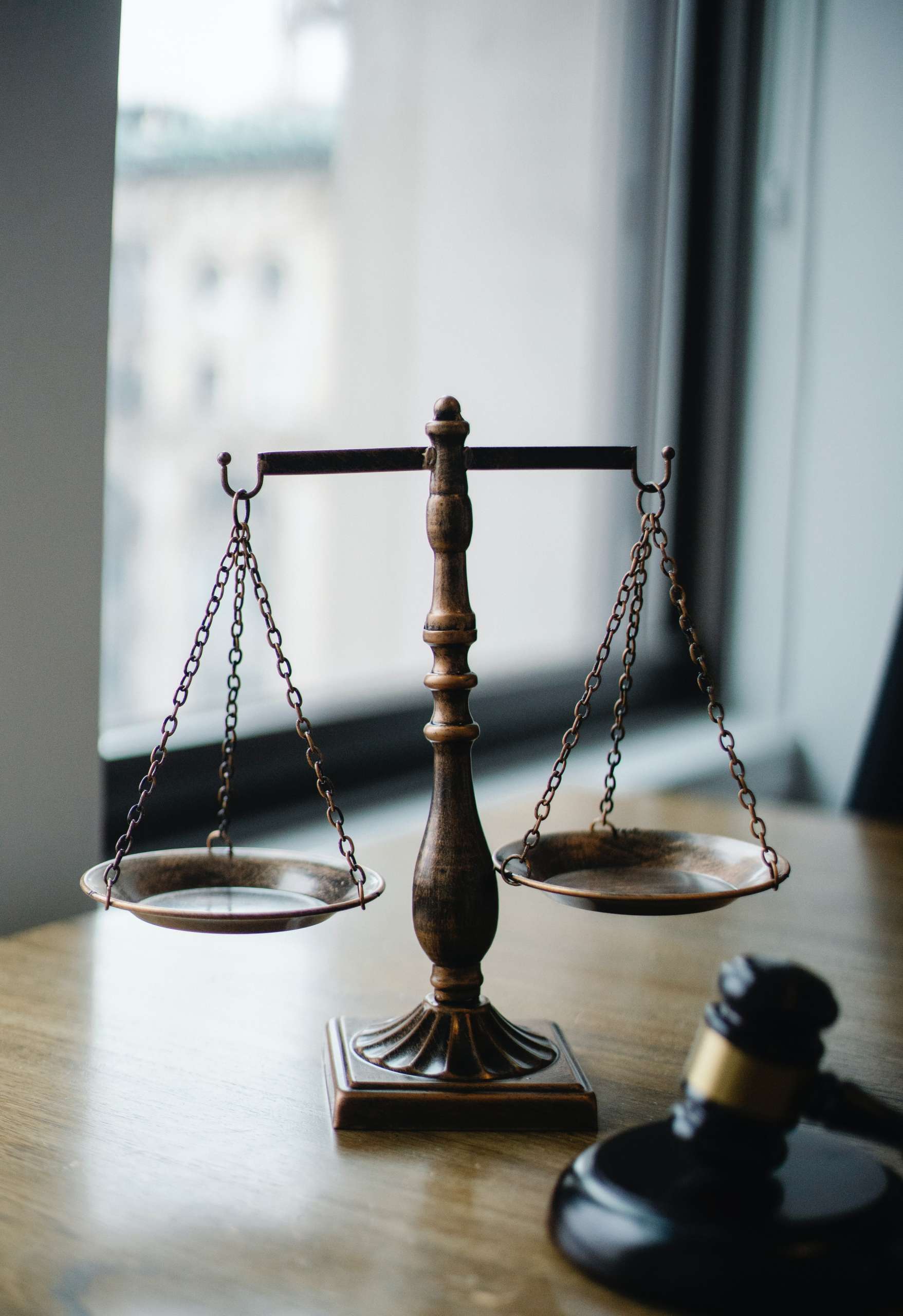
The Malawi Constitutional Court has declared Section 200 of the Malawi Penal Code, which criminalises defamation, unconstitutional.
While delivering its ruling on Wednesday, 16 July, the High Court of Malawi, sitting as a constitutional court, ruled that the criminalisation of defamation infringes on the right to freedom of expression.
The court argued that although safeguarding individuals’ reputations is important, imprisoning someone for defamation is an excessive measure.
The defamation lawsuit was filed by political activist Joshua Mbele, who had been facing criminal charges after allegedly making remarks about a government official.
In his suit, Mr Mbele argued that the law was being used to silence critics and stop public debate.
He contested the constitutionality of the law, asserting that it suppressed legitimate criticism and silenced dissenting voices.
Ruling in his favour, the court compared Malawi’s defamation laws with those in other African and Commonwealth countries, noting a growing trend toward decriminalisation in jurisdictions that uphold freedom of expression as a fundamental right.
“The threat of imprisonment under section 200 has a chilling effect on public discourse and democratic participation,” the court noted, adding that the broad wording of the law made it susceptible to abuse and arbitrary enforcement.
The court then ordered that section 200 of the Malawi penal code be struck down with immediate effect, effectively barring any future prosecutions under the provision. The government can appeal the ruling.
Defamation is criminalised in Nigeria
In Nigeria, defamation remains both a civil and criminal offence.
According to Sections 373–375 of the Criminal Code and Sections 391–395 of the Penal Code, individuals found guilty of criminal defamation can face imprisonment, fines, or both.
Many Nigerian scholars, journalists, and human rights advocates have argued that criminalising speech undermines democratic values.
Experts and analysts have called for decriminalising defamation, stating that it fails to meet the international human rights standard.
“All laws that support criminal defamation in Nigeria’s criminal jurisprudence should be immediately repealed and cases initiated under those laws should be struck out by the courts,” said Jibrin Ibrahim, a professor of Political Science.
In practice, these Nigerian laws have often been weaponised by powerful individuals to target journalists, whistleblowers, and critics. Many journalists and activists have been arrested, detained, or dragged through lengthy legal processes.
Legal experts also say that the continued use of criminal defamation laws enables Strategic Lawsuits Against Public Participation (SLAPPs), a tactic used by politicians, corporations, and other influential figures to silence legitimate criticism by burdening defendants with costly and time-consuming legal battles.
CPJ welcomes ruling
The Committee to Protect Journalists (CPJ) described the Malawi Constitutional Court’s ruling on repealing the criminalisation of defamation as a major landmark.
In a statement issued on Monday, the CPJ said, “Malawi’s Constitutional Court has taken a monumental step towards protecting press freedom and affirmed that criticism and dissent are essential to democracy by ruling criminal defamation to be unconstitutional.”
“Authorities should immediately comply with the judgment, and other laws that may unduly restrict the work of journalists must also be reformed,” Muthoki Mumo, CPJ’s Africa programme coordinator, also noted.
In the unanimous decision in Malawi, three constitutional court justices ruled that the defamation law was a “disproportionate and unjustifiable limitation on constitutional freedom,” according to a summary of the judgment reviewed by CPJ.
Similarly, the Malawian chapter of the Media Institute of Southern Africa and other civil society organisations urged the government not to appeal the ruling.
They also called for reform of other laws that restrict free expression.
Read Also: In the Matter of Dele Farotimi before the Star Chamber






Progress in Malawi! Their court rightly ruled that criminal defamation violates freedom of expression. Meanwhile, Nigeria still treats defamation as both a civil and criminal offence — a troubling stance in a democratic society. Time for reform?