Nigeria’s fragile confidence in its judiciary has once again come under intense scrutiny following a public clash between two of the country’s most prominent legal figures, laying bare deep fractures within both the legal system and the nation’s political discourse.
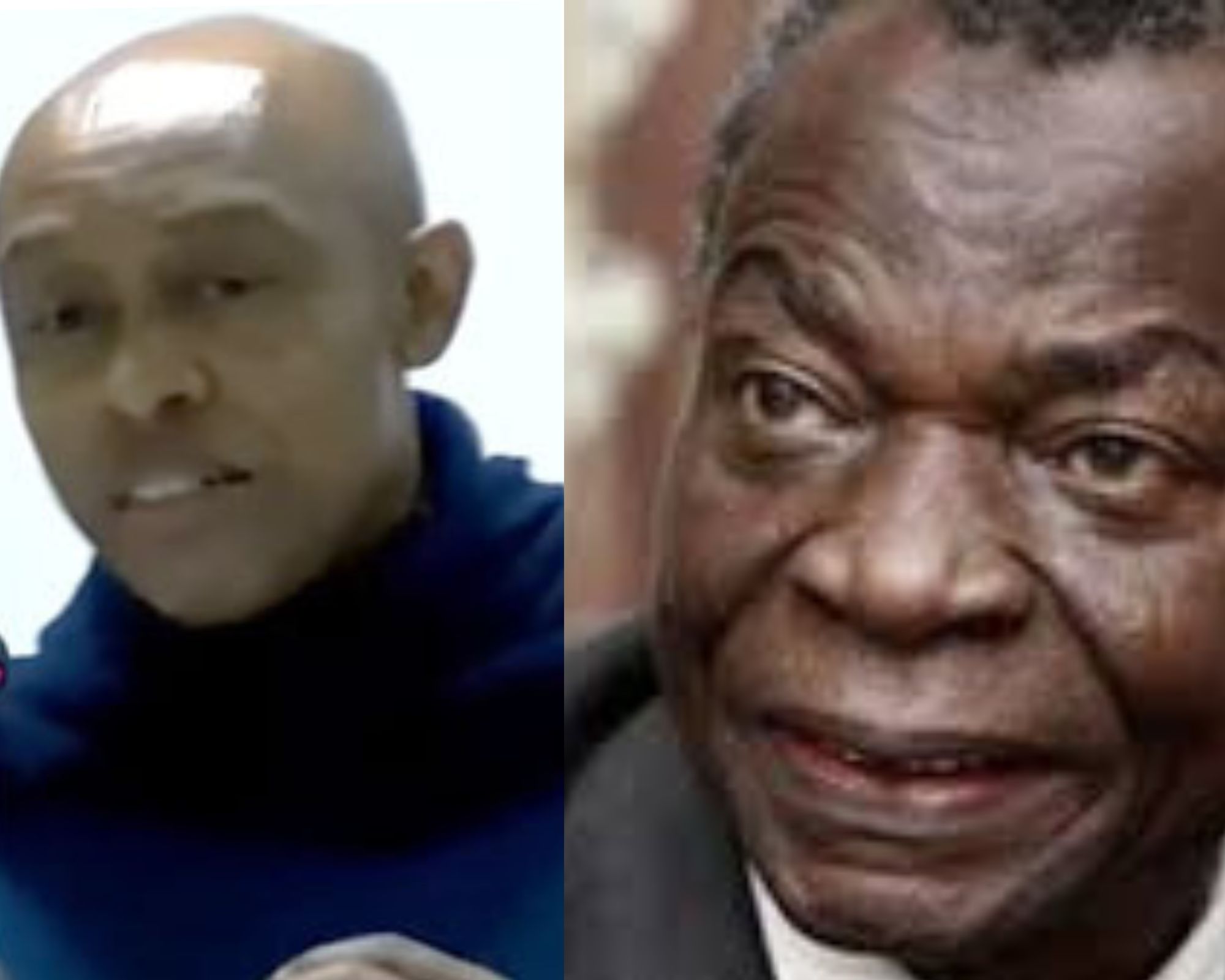
The latest controversy erupted after Isa Salami, a retired President of the Court of Appeal, reportedly described the emergence of Peter Obi as a presidential candidate in the 2023 elections as a “judicial error”—a remark that has sent shockwaves through legal and political circles.
Salami’s assertion, which he linked to what he characterized as declining judicial standards and growing incompetence within Nigeria’s courts, has reignited longstanding concerns about the judiciary’s role in shaping electoral outcomes.
For many observers, the statement struck at the heart of Nigeria’s democratic process—raising difficult questions about how judicial decisions intersect with political legitimacy.
But the most explosive response came swiftly.
A Sharp Rebuttal—and Old Wounds Reopened
Human rights advocate and former chairman of the National Human Rights Commission, Chidi Odinkalu, fired back in a pointed and deeply personal rebuttal that has since intensified the controversy.
Taking to X (formerly Twitter), Odinkalu openly challenged Salami’s credibility to pass judgment on judicial competence—reviving references to the retired jurist’s own troubled past.
“I am sure I will find the report of the NJC Panel of 2011 into Justice Salami. I want to read it again…..,” Odinkalu wrote, in a remark widely interpreted as a veiled but unmistakable reminder of the circumstances surrounding Salami’s suspension over a decade ago.
The comment did more than respond—it reopened unresolved chapters in Nigeria’s judicial history.
A Debate Bigger Than Two Men
What began as a critique of judicial standards has now evolved into a broader reckoning over accountability, memory, and moral authority within Nigeria’s legal establishment.
Legal analysts say the exchange underscores a persistent dilemma: can figures with contested legacies credibly critique systemic failures, or does their past diminish the weight of their interventions?
For supporters of Salami, his remarks reflect a legitimate concern about the judiciary’s trajectory—particularly in politically sensitive cases where court decisions often carry far-reaching consequences.
For others aligned with Odinkalu’s stance, however, criticism of the judiciary must come from voices whose own records are beyond reproach—lest it deepen public cynicism rather than restore confidence.
Judiciary, Politics, and the Battle for Public Trust
At its core, the controversy exposes a deeper and more troubling reality: Nigeria’s judiciary remains entangled in a complex web of perception, politics, and institutional memory.
Salami’s comments have amplified concerns about declining standards within the courts, while Odinkalu’s response highlights how unresolved allegations and past disciplinary issues continue to shape present-day credibility.
The result is a legal system where debates are rarely confined to law alone—they are also battles over trust, history, and legitimacy.
As reactions continue to ripple across Nigeria’s legal and political landscape, the clash serves as a stark reminder that the credibility of the judiciary is not only determined by its rulings—but also by the integrity, perception, and accountability of those who speak in its name.