By Law & Society Magazine Editorial Board
Somewhere tonight in forests in northern and South-Western Nigeria, frightened children are likely trying to sleep on bare ground. Some may still be calling out for home in the darkness. Others may already have fallen into the numb silence fear often brings.
Back in Abuja and across the country’s political corridors, however, conversations are increasingly shifting toward something else entirely: the 2027 elections.
That contrast, between children in captivity and politics proceeding almost undisturbed, has become one of the most disturbing symbols of modern Nigeria.
As the country marked Children’s Day on May 27, public anger erupted online and across civil society over the continued abduction of schoolchildren and teachers in Oyo and Borno states. Using the hashtag #BringBackOurStudents, celebrities, activists and ordinary Nigerians accused political leaders of responding to national trauma with familiar statements but little visible urgency.
For many citizens, this year’s Children’s Day celebrations felt painfully hollow.
Three-year-old Sikiru Salami and 18-month-old Christiana Akanbi remain among dozens of children reportedly still held by abductors following attacks on schools in Oyo State. Other victims include toddlers barely old enough to understand the violence surrounding them.
The plight of the other schoolchildren abducted from schools in Mussa, Askira-Uba Local Government Area of Borno State on May 15, 2026, the same day the Oyo school abductions occurred, can only be imagined.
That reality has shaken many Nigerians more deeply than official statements appear to acknowledge.
President Bola Tinubu eventually addressed the issue 13 days after the incident, in his Children’s Day message, assuring grieving families that the abducted children had “not been abandoned” and that security agencies had been directed to intensify rescue efforts.
“As a father and your President: you are not forgotten,” he said.
The problem for many Nigerians is not necessarily the words themselves. It is that they have heard similar words repeatedly over the years while insecurity continues to spread.
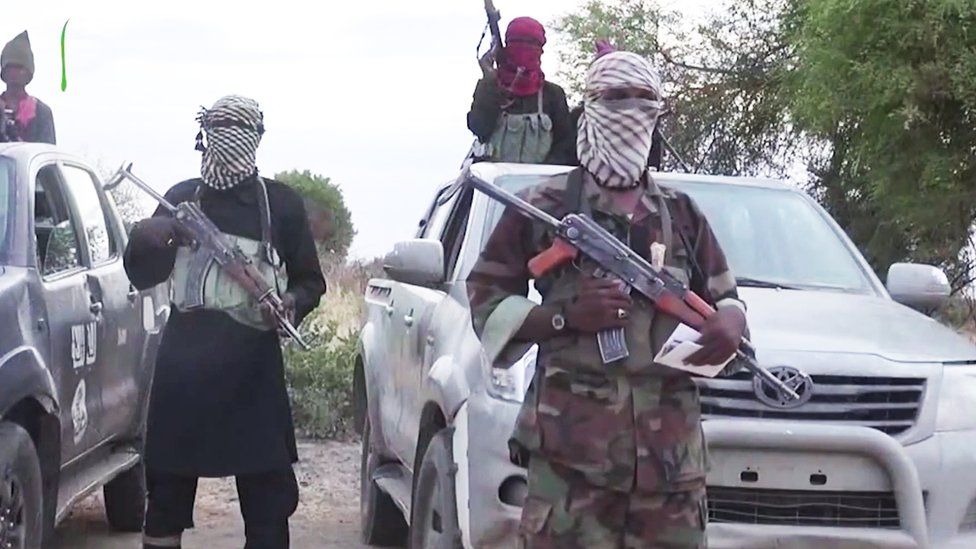
Since the 2014 abduction of the Chibok schoolgirls under former President Goodluck Jonathan, mass kidnappings have evolved from national shock events into recurring headlines. Entire communities across parts of northern and central Nigeria now live under the constant threat of abductions, raids and mass killings.
Schoolchildren, once considered untouchable, have increasingly become targets.
That is partly why comparisons to the #BringBackOurGirls movement resurfaced so quickly this week.
Former Education Minister Obiageli Ezekwesili, one of the leading voices behind the Chibok campaign, openly criticised what she described as performative leadership during Children’s Day commemorations.
“Do not dare stand in front of cameras,” she wrote in a widely shared statement, accusing political leaders of celebrating children while many remained trapped in captivity.
Her criticism resonated because public frustration appears to be extending beyond insecurity itself into something deeper: the perception that national suffering no longer interrupts political business.
Even symbolic moments now carry outsized meaning.
When President Tinubu recently visited Plateau State following deadly attacks around Jos, many Nigerians expected images of a leader walking through grieving communities and devastated villages. Instead, reports that the visit remained largely around the airport — with selected victims brought there to meet him — triggered criticism online and reinforced perceptions of emotional distance between political leadership and ordinary citizens.
Meanwhile, politicians across party lines continue holding meetings, negotiating alliances and quietly positioning for the next electoral cycle.
To many Nigerians, the timing feels jarring.
The contrast becomes even more painful when viewed through the eyes of affected families. Parents of abducted children are living through an emotional nightmare that is difficult to fully describe: waiting endlessly for information, fearing ransom videos, imagining what frightened children may be experiencing in remote forests.
Some of the abducted children are younger than five.
Others are teenagers taken from classrooms alongside teachers and relatives.
And beyond the immediate horror lies another concern experts and activists increasingly raise: trauma.
Nigeria’s insecurity crisis is often discussed in terms of military operations, casualty figures and political accountability. Far less attention is given to the long-term psychological impact on children repeatedly exposed to violence, displacement and fear.
What happens to a society where children grow up watching schools become targets and governments struggle to guarantee basic safety?
That question has become harder to ignore.
Many Nigerians also point to broader structural failures feeding instability across the country — including mass youth unemployment, widespread poverty, poor education systems and the growing number of vulnerable children surviving on the streets.
Across several northern cities, including Abuja, Almajiri children can still be seen roaming major roads carrying bowls and searching for food. To critics, the image reflects a deeper national crisis: millions of children growing up around neglect, inequality and hopelessness while political elites remain consumed by power struggles.
“A nation that cannot protect its children is not merely losing its future,” one activist wrote this week. “It is breeding tomorrow’s anger.”
That warning may sound dramatic, but many Nigerians increasingly believe the country is entering dangerous territory psychologically as well as politically.
After years of repeated attacks, public reactions themselves appear to be changing. There is still outrage, but also visible exhaustion. A sense that mass abductions, killings and displacement are slowly becoming normalised.
Perhaps that is the greatest danger of all. This is because once a society becomes emotionally accustomed to children disappearing into forests, something deeper than security has already started collapsing.
And that is why this moment feels bigger than politics.
Children’s Day is supposed to celebrate innocence, safety and possibility. Instead, this year’s observance forced Nigeria to confront a troubling national question:
What does it say about a country when toddlers remain in terrorist camps while political conversations move on almost as if nothing happened?