While Israel Adeniyi emerged as the Nigerian Law School’s overall best graduate, Nehemiah Danjuma’s journey from silence to the Bar became one of the defining moments of the 2026 Call to Bar ceremonies.
The legal profession welcomed 6,010 new practitioners last week, but amid the celebration of academic excellence and professional achievement, one young lawyer’s journey stood out as a powerful reminder that barriers can be broken when determination meets opportunity.
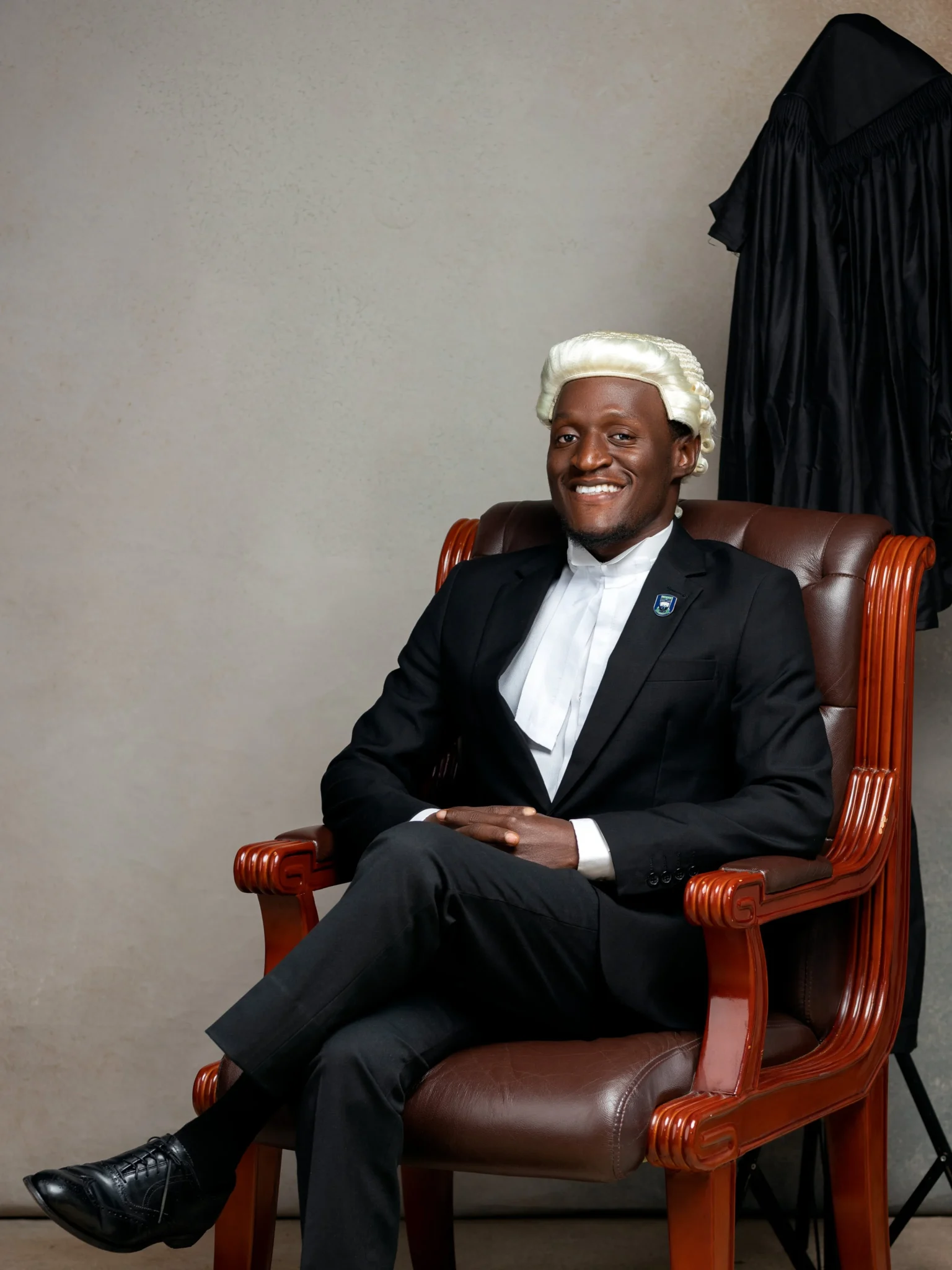
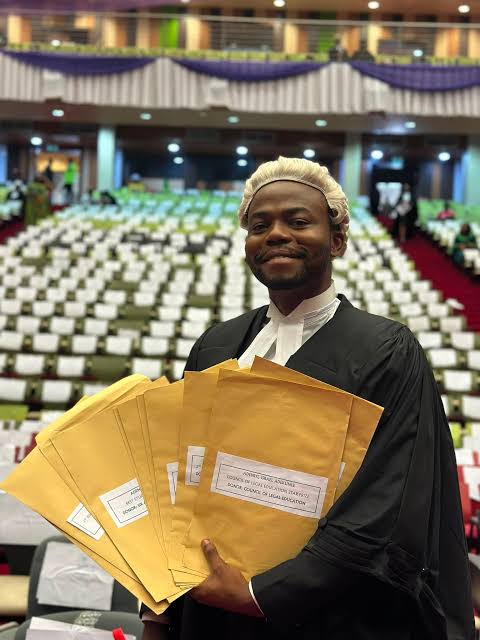
Nehemiah Danjuma, a deaf law graduate from Kaduna State, was called to the Nigerian Bar after completing his training at the Abuja Campus of the Nigerian Law School, becoming what is believed to be the first deaf lawyer from Northern Nigeria.
For many observers, his admission to the Bar represented more than a personal triumph.
It marked another milestone in the gradual expansion of opportunities for persons with disabilities within Nigeria’s legal profession—a profession historically criticised for not doing enough to accommodate aspiring lawyers with disabilities.
Sharing the moment on X shortly after taking the oath, Danjuma captured years of perseverance in a few words.
“First Deaf Lawyer from Northern Nigeria. Called to the Bar. History made.”
Behind that brief declaration lies a journey shaped by resilience.
Born in Jaba Local Government Area of Kaduna State, Danjuma earned a Second Class Upper degree in Common Law from the University of Ilorin before proceeding to the Nigerian Law School in Abuja for the vocational training every lawyer must complete before enrolment as a legal practitioner.
His journey was rarely straightforward.
Before eventually securing admission to study Law in 2018, he had initially been offered Primary Education Studies by the University of Ilorin. Rather than abandon his dream, he declined the admission and tried again.
“I clicked ‘reject’ with the speed of light,” he later recalled.
That decision would ultimately alter the course of his life.
Changing Lives Beyond the Classroom
Those who studied alongside him say Danjuma’s greatest impact extended beyond academic performance. One of his closest friends at the Nigerian Law School, Chukwu Nzubechukwu, said he learnt sign language simply so their friendship would not be limited by silence.
“I got tired of using notes. Nemmy changed my life,” he wrote while congratulating the new lawyer.
The gesture reflected a broader lesson in inclusion—that accessibility is often created not only by institutions but also by individuals willing to bridge communication barriers.
An Advocate Before Becoming a Lawyer
Long before he wore the wig and gown, Danjuma had established himself as a prominent advocate for disability rights.
At the University of Ilorin, he represented students with disabilities in the Students’ Union Senate and later served two terms as National President of the National Association of Nigerian Deaf Students (NANDS).
During his tenure, the association held its first national conference, launched NANDS Magazine and expanded advocacy for inclusive education. His work also attracted international recognition.
Between 2021 and 2024, he served as a Youth Adviser on Human Development on the European Union Youth Sounding Board in Nigeria, contributing to discussions on education, health and social protection.
He later became a Coelho Law Fellow at Loyola Law School in Los Angeles, receiving specialised training in disability law and policy through the Coelho Center for Disability Law, Policy and Innovation.
During his time at the Nigerian Law School, he completed externships at the High Court of the Federal Capital Territory and the Office of the Attorney General of the Federation, gaining practical experience in legal research, drafting and courtroom procedure.
Now serving as Programmes Lead at the Voice of Disability Initiative, Danjuma says he hopes to build a career advancing disability rights, human rights and labour law.
He also acknowledged organisations that helped make his legal education possible, including the Voice of Disability Initiative for supporting the cost of sign-language interpretation and the JASAN Foundation, which awarded him a full Nigerian Law School scholarship.
Celebrating Academic Excellence
The 2026 Call to Bar ceremonies also celebrated exceptional academic achievement.
Israel Adeniyi Adekunle, who previously graduated as the overall best student from the University of Ilorin with an outstanding CGPA of 4.83, emerged as the Overall Best Graduating Student of the Nigerian Law School after completing his Bar Part II programme at the Lagos Campus.
His remarkable performance earned him an extraordinary twelve academic prizes, including the prestigious Council of Legal Education Star Prize, the award for Best Student in Corporate Law Practice and the Overall Best Student Prize.
He also received the Abubakar Bukola Saraki Foundation Prize, accompanied by a ₦2 million cash award.
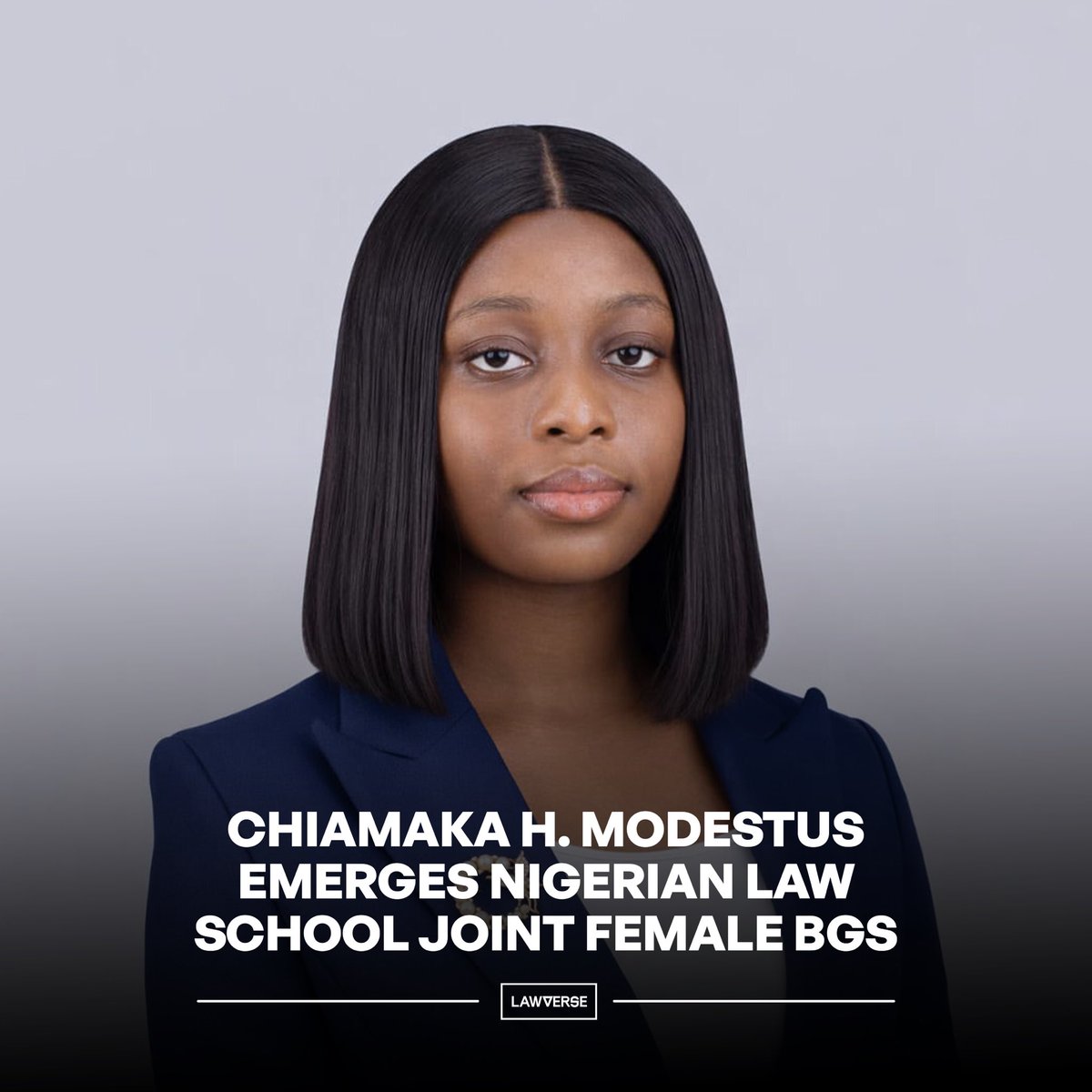
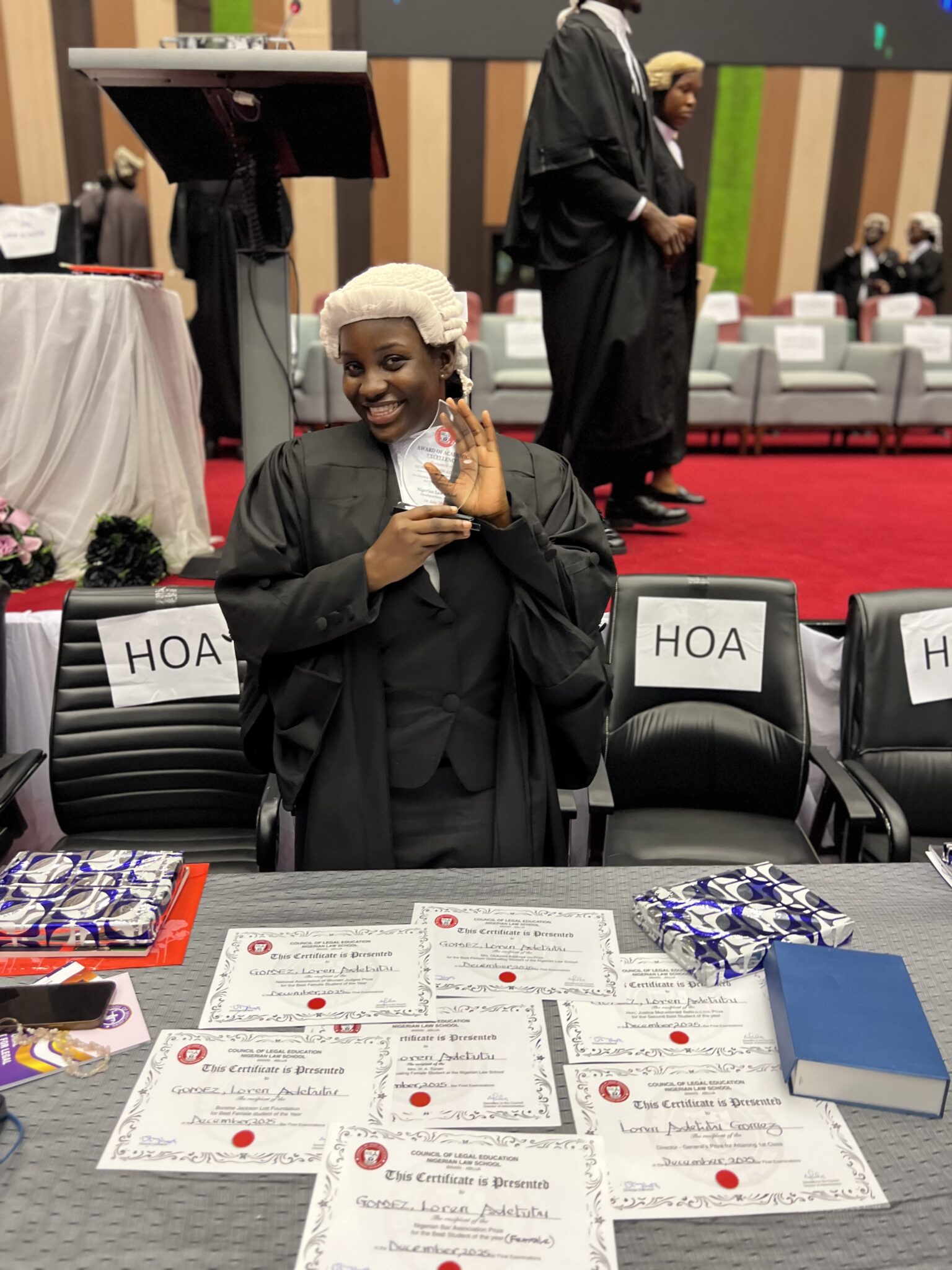
Sharing the honours were Chiamaka Happiness Modestus of the Port Harcourt Campus and Adetutu Loren Gomez of the Abuja Campus, who finished as Joint Second Overall Best Graduating Students and Joint Best Female Graduating Students.
A Profession Becoming More Inclusive
The Nigerian Law School’s 2026 Call to Bar ceremonies, held between July 7 and July 10, admitted 6,010 new lawyers from its seven campuses across the country. For the legal profession, the ceremonies celebrated more than academic distinction.
They reflected the growing diversity of a new generation of lawyers bringing different experiences, talents and perspectives into legal practice.
For disability rights advocates, Danjuma’s Call to Bar carries particular significance.
Although Nigeria’s Constitution guarantees equality before the law and the country enacted the Discrimination Against Persons with Disabilities (Prohibition) Act, 2018, persons with disabilities continue to face substantial barriers in accessing education, employment and professional opportunities.
Many public institutions and court facilities remain physically inaccessible, while sign-language interpretation and other reasonable accommodations are still far from routine in legal proceedings.
Against that backdrop, Danjuma’s achievement is being celebrated not simply because he became a lawyer. It is being celebrated because it signals what becomes possible when determination is matched by inclusion.
As the newest members of the Bar begin their professional journeys, the Class of 2026 will be remembered for producing one of the country’s brightest legal scholars.
It may also be remembered for welcoming a young lawyer whose success quietly expanded the boundaries of who can stand before the courts and speak for justice—even without hearing a word.
Read Also: Full List of 2026 Outstanding Graduating Students from Nigerian Law School Emerges
Read Also: Nigerian Law School Graduates Are Breaking the Internet With Their Call to the Bar Stories