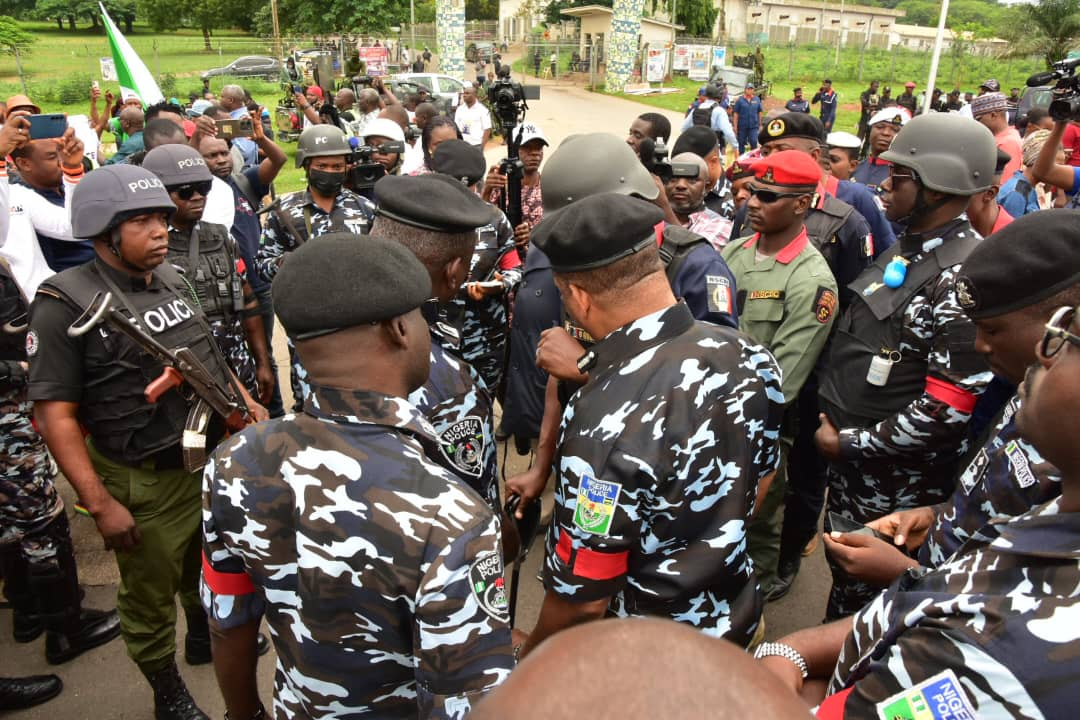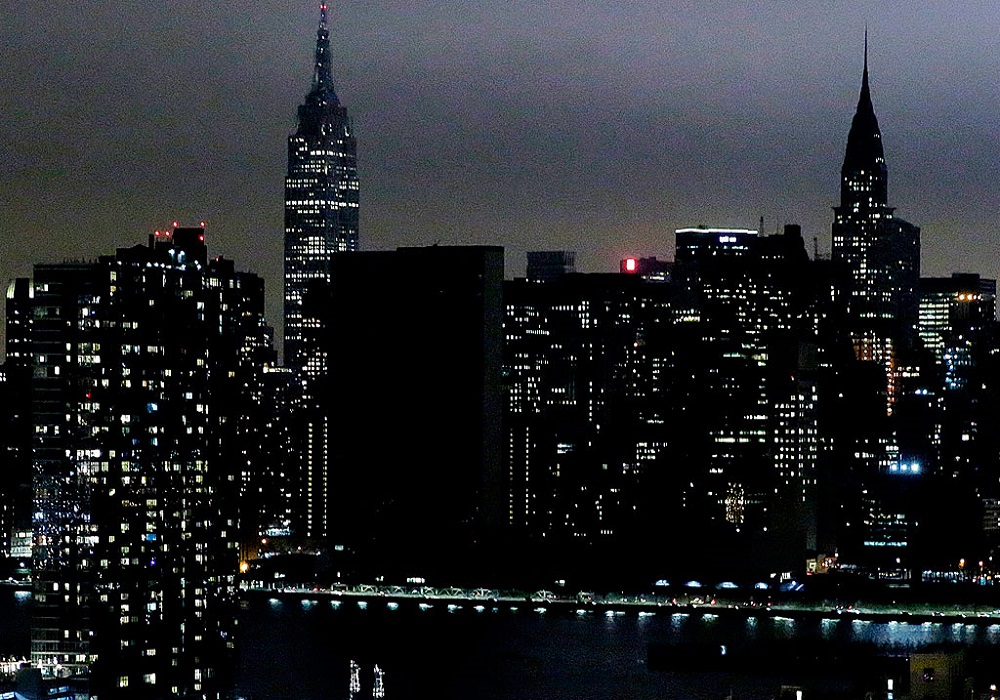
Nigeria’s fragile electricity grid faces another stress test.
The Nigerian National Petroleum Company Limited (NNPC Ltd.) announced Thursday that its joint venture partner, Seplat Energy Plc, will shut down its gas production facilities for four days—from February 12 to February 15, 2026—for routine maintenance. The temporary halt is expected to reduce gas supply to thermal power plants and moderately impact electricity generation nationwide.
In most countries, scheduled maintenance would barely register. In Nigeria, where average grid generation hovers between 4,000 and 5,000 megawatts for a population of over 200 million, even minor disruptions can ripple into nationwide blackouts.
“The public is hereby informed that Seplat Energy Plc… has scheduled routine maintenance on its gas production facilities,” said NNPC Chief Corporate Communications Officer Andy Odeh. The company described the exercise as mandatory, industry-standard maintenance designed to ensure long-term safety and reliability.
During the four days, gas supply into the NNPC Gas Infrastructure Company (NGIC) pipeline network will decline, potentially limiting feedstock to power plants that generate more than 70 percent of Nigeria’s installed electricity capacity.
No timeline shifts are expected, and NNPC says it is engaging alternative gas suppliers to cushion the shortfall. “Upon completion of the maintenance exercise, full gas supply… is expected to resume promptly,” the company said.
But for businesses already battered by erratic supply, reassurance offers limited comfort.
Manufacturers Bleed as Power Failures Persist
At the 10th Presidential Media Luncheon hosted by the Manufacturers Association of Nigeria (MAN) in Lagos, industry leaders warned that unreliable electricity has become a structural chokehold on the economy.
Manufacturers spent ₦676.6 billion on energy in the first half of 2025 alone, according to MAN President Francis Meshioye—largely due to self-generation using diesel and gas-fired alternatives.
More than 60 percent of manufacturers have reportedly exited the national grid entirely, choosing to generate their own power rather than endure unpredictable outages.
“Erratic public power supply has become a major structural bottleneck,” Meshioye said. “Without sustained investment in grid modernization and affordable energy solutions, the sector’s resilience could be further stretched.”
Although inflation eased in 2025—from 27.61 percent in January to 15.15 percent in December—price levels remain elevated, and consumer demand is fragile. Energy instability compounds the strain.
President Bola Tinubu himself has described Nigeria’s roughly 4.5 gigawatts of generation capacity as “shameful” for a country of its size.
Within weeks of the new year, the national grid collapsed twice—on January 23 and January 27—following a similar collapse on December 29, 2025. Each event sent generation plunging to near-zero levels, plunging cities into darkness.
Experts cite ageing transmission infrastructure, gas supply vulnerabilities, liquidity shortfalls, and chronic underinvestment as root causes.
A Gas-Dependent Grid in a Sun-Drenched Nation
Nigeria’s power architecture remains overwhelmingly dependent on gas-fired plants linked to upstream producers in the Niger Delta. Pipeline vandalism, payment arrears, and technical disruptions frequently trigger generation shortfalls.
The Seplat maintenance shutdown underscores the delicate chain reaction: upstream gas hiccups translate directly into national darkness.
Yet Nigeria sits in one of the world’s most solar-rich regions.
The country receives an average of 5 to 7 hours of strong sunlight daily across most regions—translating into vast untapped solar potential estimated at tens of gigawatts. Northern Nigeria, in particular, ranks among Africa’s highest solar irradiation zones.
Despite this, grid-scale solar contributes only a small fraction to national generation. Wind, hydro expansion, battery storage systems, and embedded generation remain underdeveloped relative to demand.
Energy analysts argue that without aggressive diversification—solar farms, decentralised mini-grids, battery storage, and wind corridors—the grid will remain exposed to periodic gas constraints.
“Nigeria cannot continue to run a 21st-century economy on a single-point gas dependency,” one energy economist noted privately. “The country has sunlight in abundance. What it lacks is scale and execution.”
Ghana’s Contrast: A Regional Wake-Up Call
The contrast with neighbouring Ghana has sharpened the debate.
While not immune to its own energy challenges, Ghana has maintained comparatively greater grid stability and, at times, exported power through the West African Power Pool. Recent discussions have even explored a barter arrangement in which Ghana could export surplus electricity to Nigeria in exchange for natural gas.
The optics are striking: Africa’s largest oil producer potentially importing power from a smaller neighbour.
For Nigerian manufacturers and households, the reality is starker. They effectively pay twice—first for unreliable public power, then for private generators.
Security concerns compound economic anxiety. Reports of armed groups migrating across regions heighten fears that infrastructure vulnerability could intersect with broader instability.
The Cost of Darkness
NNPC insists the current maintenance is routine and necessary. In isolation, that is true.
But in a system operating with razor-thin margins, routine maintenance becomes a national risk.
With grid output often stuck below 5,000MW, far below the estimated demand of over 20,000MW, even modest supply reductions can cascade through distribution networks.
Stakeholders say reform must go beyond gas optimisation. It requires:
- Grid modernisation and redundancy
- Large-scale solar and hybrid renewable deployment
- Energy storage systems
- Decentralised embedded generation
- Transparent market liquidity reforms
Until then, Nigeria’s economy will continue to bleed from what critics describe as a self-inflicted power crisis.
The country has gas.
It has the sun.
What it lacks is stability.