There was a time when Nigeria believed deeply in excellence.
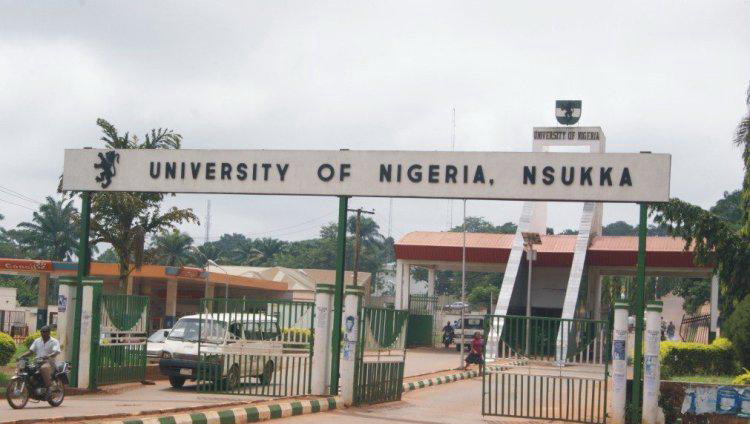
Not the kind spoken about in political slogans or campaign speeches, but a genuine belief that the country could build institutions capable of competing with the best in the world. That belief shaped the founding of the University of Nigeria, Nsukka in 1960.
Dr. Nnamdi Azikiwe did not establish UNN simply to create another university. He wanted to build a new kind of institution for a newly independent African nation. It was designed on the American educational model and built to produce thinkers, innovators, professionals and leaders who would help shape Nigeria’s future.
UNN quickly became more than a university. It became a symbol of national ambition and intellectual confidence. Its motto, “To Restore the Dignity of Man,” reflected the vision behind it.
Today, that vision feels painfully distant.
Many of the hostels are overcrowded. Rooms originally designed for four students now contain far more. In some cases, students sleep on mattresses spread across floors. Broken facilities, poor water supply and deteriorating living conditions have become part of daily life for many students on campus.
Read Also: Built for Greatness, Now Breeding Survival: The tragedy of UNN
The physical decay is obvious, but the deeper concern is what it says about the country’s attitude toward education and young people.
Universities are supposed to nurture ideas, confidence and personal growth. Students are expected to learn, think critically and prepare for the future. But it becomes difficult to achieve those goals when basic living conditions are poor and survival itself becomes a challenge.
Environment matters. It affects learning, discipline, mental health and even self-worth. Across the world, respected universities invest heavily in student welfare because they understand that quality education goes beyond classrooms and examinations.
The contrast is difficult to ignore. While world-class universities continue to modernize their campuses and improve student life, many Nigerian public universities struggle with infrastructure that has been neglected for decades.
UNN’s decline is especially painful because of what the institution once represented.
This was one of Africa’s boldest educational projects. It produced generations of accomplished graduates across law, medicine, business, politics, academia and the arts. Many of Nigeria’s most influential figures passed through Nsukka at one point or another.
That is why the role of the university’s alumni can no longer be ignored.
Around the world, strong alumni networks play a major role in sustaining great institutions. Former students contribute to infrastructure projects, research funding, scholarships and campus development. They understand that preserving the institution that shaped them is also a way of preserving their own legacy.
UNN needs that kind of intervention now more than ever.
Government support remains essential, but alumni, private sector leaders and philanthropists also have a responsibility to help restore the institution’s standards. The university requires modern hostels, improved facilities, research support, better healthcare services and sustainable infrastructure.
Most importantly, it needs renewed purpose.
Nigeria cannot continue to speak about national development while its universities deteriorate. No country builds a strong future by neglecting the institutions responsible for educating its young people.
The condition of many public universities today reflects a broader national problem: the gradual normalization of decline.
What makes the situation at UNN particularly heartbreaking is that the university was founded on the idea of dignity. Not just academic excellence, but dignity in learning, living and thinking.
That ideal still matters.
The question now is whether Nigeria is prepared to fight for it again.