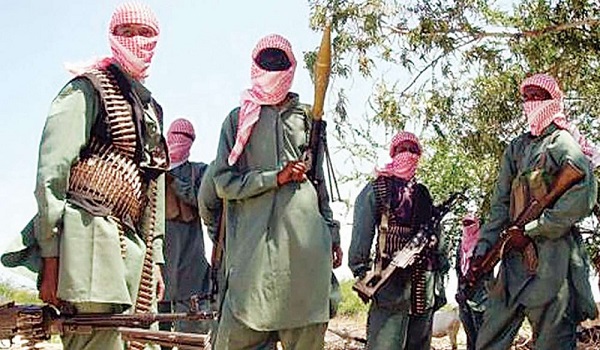
A wave of coordinated attacks across northern Nigeria has shattered Easter celebrations, leaving at least 16 people dead, dozens abducted, and entire communities displaced, while conflicting accounts from authorities and local residents deepen a growing crisis of trust.
From church services in Kaduna to rural communities in Benue, the violence highlights persistent insecurity and raises fresh questions about the effectiveness of security operations in Africa’s most populous country.
Churches Turned Killing Grounds
The most alarming incident occurred in Ariko village, located in Kaduna State’s Kachia Local Government Area, where heavily armed attackers stormed two Christian worship centres during Easter services.
Witnesses say the gunmen opened fire indiscriminately, killing at least five worshippers and abducting dozens into nearby bushland.
The affected churches, First ECWA Church and St. Augustine Catholic Church, became scenes of chaos as congregants fled in panic.
Local official Mark Bawa described the attack as highly coordinated.
“They surrounded the area and began shooting sporadically… many were taken away,” he said.
Army Claims Victory—Community Pushes Back
Shortly after the attack, the Nigerian Army announced what it described as a successful rescue operation, claiming troops freed 31 abducted civilians after a “fierce firefight” forced the attackers to abandon hostages.
But that account has been strongly disputed.
A local community group, the Kuturmi Unity Development Association, rejected the military’s claims, calling them “entirely false and misleading.”
According to its president, J.D. Ariko, families remain in contact with the kidnappers—who reportedly insist the victims are still alive and being held in captivity.
“This clearly invalidates any claim of a successful rescue operation,” the group said in a statement.
The association warned that inaccurate reports could mislead the public, give false hope to families, and undermine trust in official communication.
As of the time of filing this report, the Nigerian Army has not responded to the denial.
Benue Killings: Market Day Turns Deadly
In Benue State, suspected armed herders attacked the communities of Mbalom, Mbatsada, and Agana in Gwer East Local Government Area, killing at least 10 people and injuring several others.
The attack, which occurred during a busy market day, triggered panic as residents fled to safer areas.
Local government chairman Timothy Adi confirmed the incident.
“Nine corpses have so far been recovered,” he said, noting that the attack took place between 5 p.m. and 6 p.m.
Governor Hyacinth Alia condemned the violence as “barbaric” and called for urgent federal intervention.
Renewed Violence in Katsina and Borno
Elsewhere, insecurity continued to spread.
In Katsina State, bandits killed a police officer during attacks on Tangani and Sayaya communities, despite ongoing peace agreements between local authorities and armed groups.
In Borno State, suspected Boko Haram fighters attacked Awapul community in Chibok Local Government Area, burning homes and shops and forcing residents to flee.
The Borno attack came less than 24 hours after another assault on an internally displaced persons camp and a police facility in Damasak and Nganzai, where four police officers and a civilian hunter were killed.
Residents described prolonged attacks carried out by armed men on motorcycles, often lasting more than an hour.
“What we need is protection,” one resident said. “Not food, security.”
Read Also: Shock Video: Outrage as Katsina Lawmaker calls bandit leader “Grand Commander of Peace”
A Growing Crisis of Confidence
Beyond the rising death toll, the attacks reveal deeper concerns about Nigeria’s security architecture—particularly the gap between official statements and realities on the ground.
The dispute over the alleged rescue in Kaduna has amplified concerns about transparency and accountability, with analysts warning that conflicting narratives has added to the eroded public trust and complicated security operations.
Pressure Mounts on Authorities
With no comprehensive official casualty figures released and limited police response so far, pressure is mounting on federal authorities to provide clarity and restore confidence.
For families in Kaduna still awaiting news, however, the situation is painfully clear.
Their loved ones, they say, have not been rescued. And until proven otherwise, they remain in captivity.