The Intellectual Property Institute Nigeria will join the World Intellectual Property Organization (WIPO) to mark the 2021 World Intellectual Property Day with the theme: “SMEs: Bringing Your Ideas to Market”.
IPIN Director, Mr. Damilola Amore said the global event would be marked with a symposium on Monday, 26th April via Zoom.
He added that the event which would be marked all over the world will focus on helping small and medium scale businesses grow their intellectual assets.
He said speakers at the event would discuss ways in which Nigerian Businesses can benefit from and protect their Intellectual Property.
The Intellectual Property Institute Nigeria is dedicated to the promotion of intellectual property, intellectual capital and the creative industry.
Said Mr. Amore “The event will hold at 11:00 AM on Monday, 26th April, 2021 on Zoom with ID: 853 9833 0065 and Passcode: WIPD2021”.
According to him “The event is supported by Trumann Rockwood Solicitors, Borrow To Own Concepts Limited, (Abuja’s No. 1 pay-small-small retail company, Caya Productions (an award-winning boutique audio post-production & recording studio in Wuse 2, Abuja) and ProEdge Events.
Representatives of Regulators, SMEs and the Creative Industry are expected to attend the event.
Other speakers include IP Lawyer, Mr. Folarin Aluko; Founder and Head, Engineer at Caya Productions, Melissa Ibrahim; and Lead Talent Manager at Hyers Elite Athletes & Talents (HEAT) Limited, Mr. Basorun Aderoju.
When I find myself in times of trouble, Mother Mary comes to me, speaking words of wisdom, Let it be!
And in my hour of darkness, She is standing right in front of me, Speaking words of wisdom, Let it be!
And when the broken hearted people living in the world agree, There will be an answer, Let it be!
For though they may be parted, there is still a chance that they will see, There will be an answer, Let it be!
Words & Music by John Lennon of the Beatles, 1968
Some of the finest people I have met are moslems, full of integrity, dwelling in peaceful and harmonious coexistence with non-moslems, possessing utmost regard for human life. They represent the true meaning of the word, Islam- Peace!
Unbelievably, there are renegade believers who twist and turn good to bad and say that evil is good. They abound in all faiths, in this case, both Islam and Christianity. That is a problem!
Because of the inward witness of the Spirit, nothing can shake my Christian faith, yet in 1993, based on sectarian Christian teachings, David Koresh and his members of the Branch Davidian Church in Waco Texas, withstood the BATF in a long drawn siege and shoot out, after which they ultimately decided to set themselves ablaze. Men, women and children burned to the horror of a watching world, shocked beyond belief and to the embarrassment of the then American President, George Bush snr.
Sadly and incorrectly, in the name of Islam, Osama Bin Laden’s Al-Qaeda has committed some of the worst atrocities in the world, especially, the 9-11 attacks on the USA in 2001 which took the life of over 3000 persons. He was rightly condemned by many Moslems as violence against innocent life cannot be associated with Islam, a religion of peace.
What is right or wrong should not be blurred or confusing. Standard principles and practice of faith are clearly stated in the holy books. They do not contradict civil laws. It is therefore easy to know those who deviate from the true practice of faith and religion. Again, the problem is when we no longer know what is right from wrong; what is good or evil; and what is the truth or lie. What then is left of such a society? Certainly, a country that lacks a clear-cut national ethos is a disaster waiting to happen.
Alluding to the Augustinian philosophy regarding political authority, every leader, including President Buhari is appointed by God and must be accorded love, prayers, respect and cooperation to govern well, by obedience to his lawful authority, yet I have never seen a leader in Nigerian history that has bungled so many opportunities to unite Nigerians along the principles of justice, truth, equality and fairness. The President’s manner of appointments are most divisive. The same applies to his selective application of standards to persons perceived to be enjoying some form of the regional and religious preferences of the Presidency, thereby creating in the polity, a sense of injustice and discrimination. That is not how to run the Presidency of a federation as Nigeria. But the problem is bigger than just the Presidency.
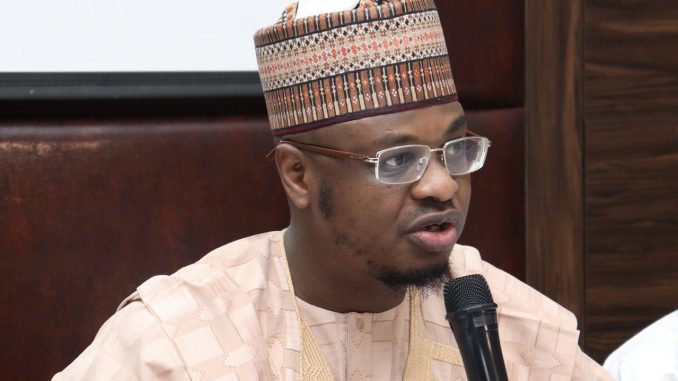
Isa Pantami at one time in his life praised and endorsed Al-Qaeda and the Talibans. Considering what boko haram has done to Nigeria, does anyone really think that Pantami would be appointed a Minister of the Federal Government of Nigeria, if Nigerians knew of his earlier sympathies for terrorists?
Emerging, unsubstantiated reports indicate, that the Nigerian intelligence community gave copious information about Pantami to the Senate which screened and approved him to made a Minister. Does it mean that there was not one Senator who could question Pantami on his sympathies for terrorists? Wouldn’t that have given him the opportunity to clear the air on the matter and permanently lay it to rest?
Was the Senate of the Whole which acted as Ministerial Screening Committee bribed? Even if that was a possibility, was the entire Senate bribed or it was just a mere connivance on their part to conceal information to the Nigerian public which they represent? To what purpose would that serve?
Take another look at the people in the Senate and consider each of them. They suppressed the information on Pantami and approved him as Minister. Shouldn’t they and the people they represent remain forever silent on the matter?
Again, to President Buhari, what signals does he send to Nigerians and the international community? Is it that he values loyalty to party, religion and self more than a destructive perception to the detriment of Nigeria? For the sake of sending a strong message of intolerance to terrorism and any uncertain association with it, shouldn’t the President ask Pantami to resign?
And finally to Pantami, does he love Nigeria above himself? If yes, then he is not qualified to be a leader of the Nigerian people. Shouldn’t Pantami now realize that his continued stay as Minister despite his repentance for such wrongful comments in the past, actually does more harm to the Buhari presidency and the image of Nigeria in the international community?
When all of the above issues are being politicised and reduced to a battle between North and South or Christians versus Moslems, forgetting about what’s right or wrong, what’s good or bad or what is the truth or a lie, it shows a terrible lack of national ethos in Nigeria. Nigerians really need to pray for solutions to its problems which seem defiant of all earthly attempts.
▪︎ Tietie is a Human Rights Lawyer based in Abuja.
I recall when I came to London in 2009. My dad was at Heathrow Airport to welcome me. He bought an Oyster card for me. The card is your ticket to ride on all London buses and trains. You can buy a weekly, monthly, daily or ‘Pay As You Go’ pass.
The Oyster card opens the barriers before you board the train or exit the train station. So, as my dad used his ticket, the barriers opened, he went through and just before it would close, I quickly followed him behind and passed through.
I don’t know why I did that. But my first guess would be, it was the Naija sharp guy thinking that made me pass quickly without paying. My dad was terribly upset and asked me to return and pay.
A few months later, I got on a bus and with the same mindset of a ‘sharp guy’, I didn’t pay. Normally, there are no ticket inspectors on the bus or trains. They come occasionally, but you cannot tell when. So, on this fateful day, they came, checked, and noticed I did not use my card. Instantly I was fined £20 on a journey that would have cost me only £1.30 had I used my Oyster card. A big lesson I learnt. Since then, I have never entered the public transport without paying the appropriate fare.
Later when I settled and got my apartment, I went with my dad to buy a second-hand television at a charity shop. We bought it for £25. Within one week, I got a letter from TV Licensing that I was to pay £145 each year for watching a TV. My Naija Mindset kicked in again. I said to myself, “TV that I bought for £25 I will now spend £145 to watch?” “for What? As in Why?” I continued to murmur. Then I heard stories about people who often refuse to open their doors to the TV licensing officials who come to check if you own a TV (again, they don’t tell you they are coming, they just appear).
Since I refused to pay the money. I also made up my mind not to be opening my door to strangers. One Saturday morning, I heard a knock on the door. I peeped and couldn’t tell who the person was, so I didn’t open the door. The person left a letter for me through the letterbox. I opened it and saw that it was from the TV Licensing. These were the exact words in the letter, “IT IS NOT IF WE CATCH YOU, IT IS WHEN WE CATCH YOU” and the letter ended with, “YOU WILL BE FINED UP TO A MAXIMUM OF £1,000.”
I paid the £145 immediately. I paid because I was tired of playing hide-and-seek. I paid because I couldn’t afford a £1,000 fine. Since then, I have paid my TV Licensing fee every year for 12 years now and the charge is now £159/year.
In 2014, while on my way to church, I parked at a bus stop. A week later, a penalty notice was sent to my address with a photo of my car on the bus lane. They also included a link for me to watch the video evidence. I was fined £140. I challenged their decision and explained that the back door of the car was not shut so I stopped to check. That I did not want to endanger other road users. I asked them to watch the clip again to see how I stopped, came down, and checked the back door before driving off. After their investigations, they accepted my explanation and cancelled the fine.
You see how an effective system has helped to change my mindset?
Let me share other examples of effective systems in the UK:
(1) The police can use your car’s plate number to retrieve the name of the owner, the registered address and can check whether the car is road worthy or insured.
(2) Financial institutions can use your name, date of birth and address to check whether you are credit worthy. They have a database for people’s credit history.
(3) Education (state-funded) is free from nursery up to secondary school for every child in the UK whether they are citizens or not. Healthcare is also free.
(4) When you reach 40 years, your doctor sends you a letter that you are due for a FREE full medical check-up.
(5) Nobody is above the law. Politicians pay parking fines. The police too get parking tickets.
(6) A lecturer marks your script and gives you feedback on what you did wrong and what you ought to have done. If you are unhappy with your grade, your work is given to another lecturer to mark and this second marker’s score will be used to decide your score.
These and many more, are examples of how systems help governments and organisations to function effectively.
Sadly, the Naija Mindset we have is that of cutting corners, refusing to be accountable, breaking the law, rewarding criminals, showing off, it’s our turn now, it’s my person, and who we know, etc. No wonder when two Nigerians get into an argument, you hear them say, “Do You Know Who I Am?” and “I Will Deal with You”.
We are agitating for the restructuring of Nigeria. But while we are at it, let us restructure our mindsets too.
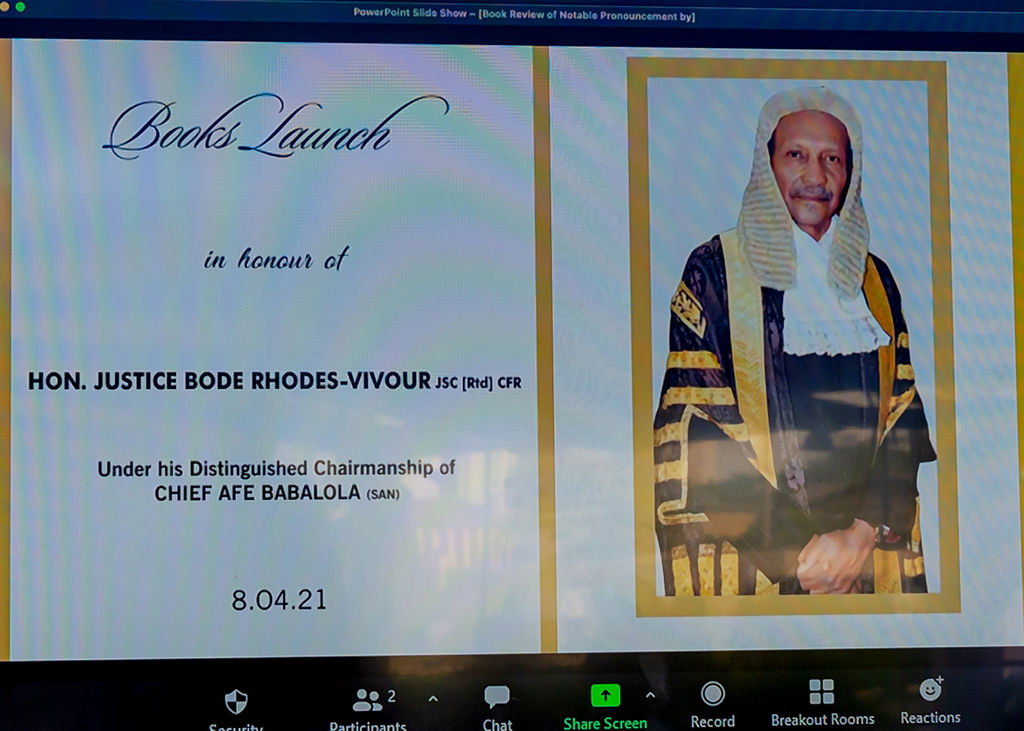
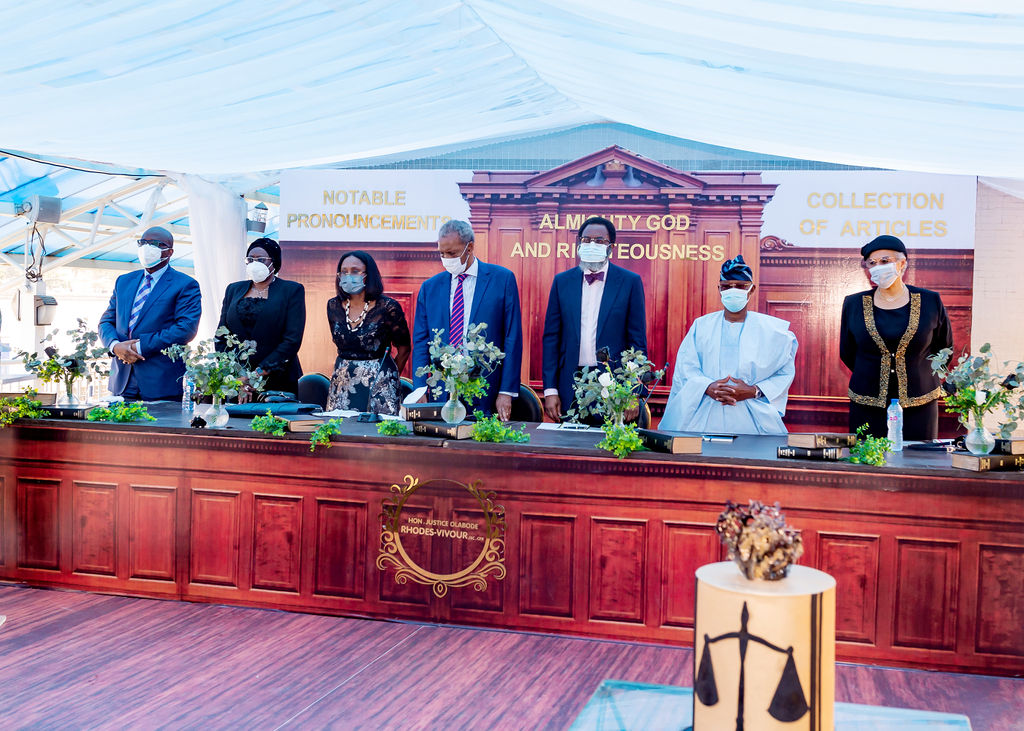
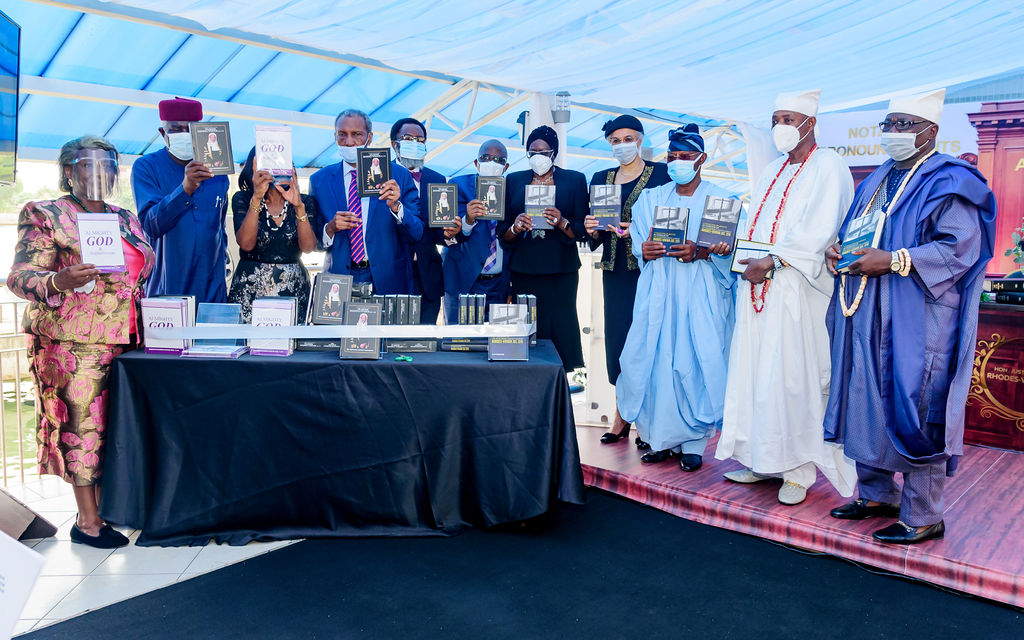
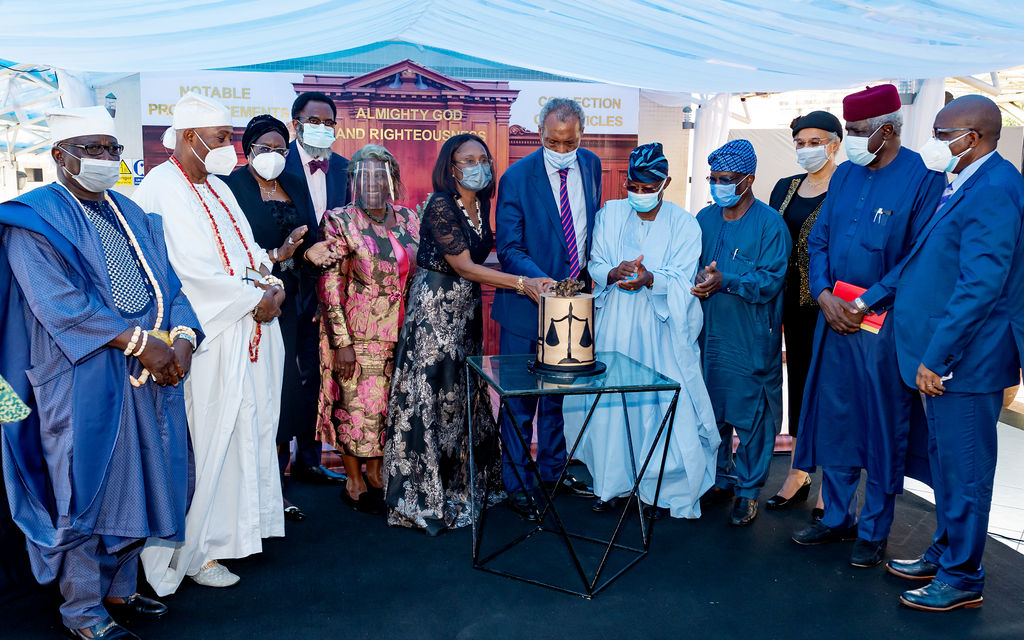
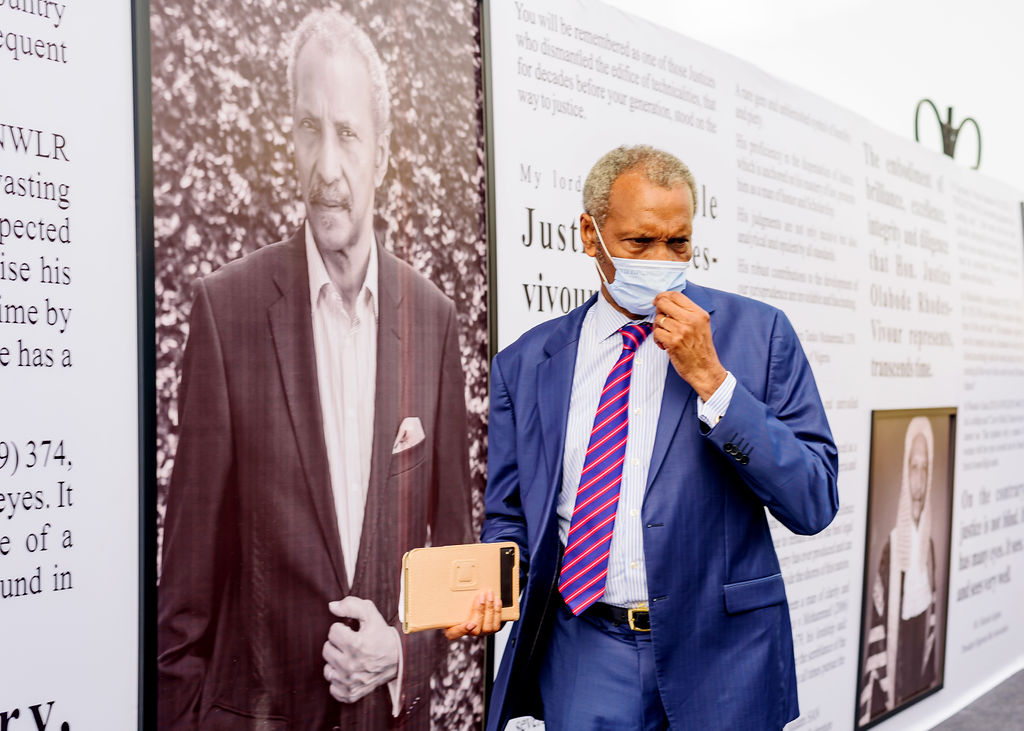
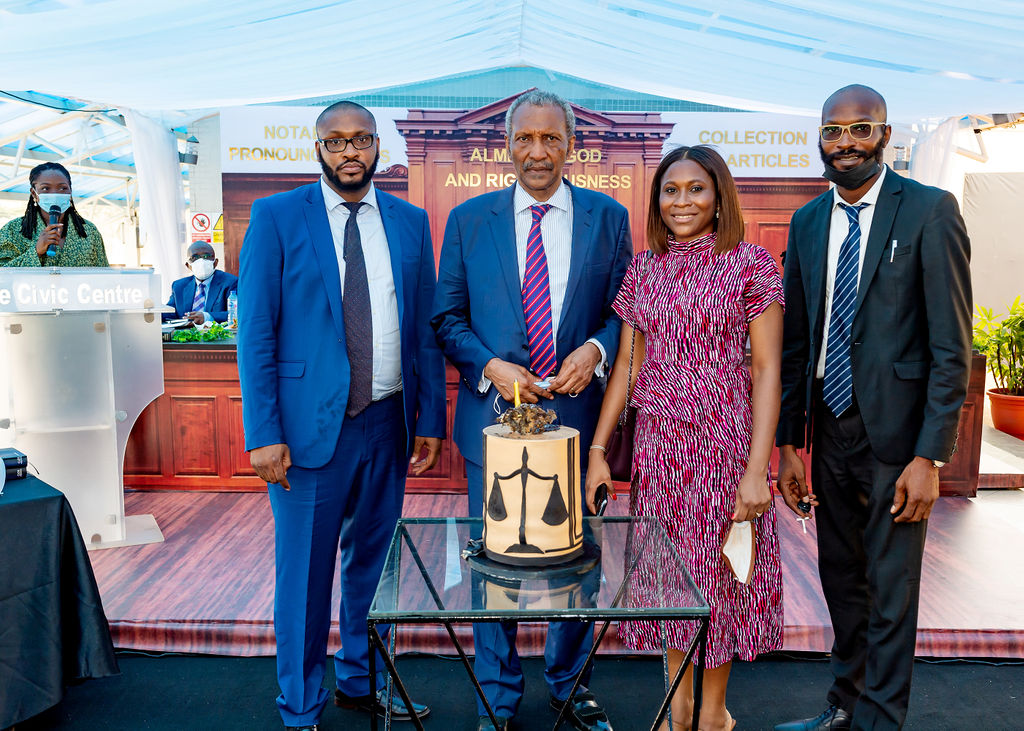
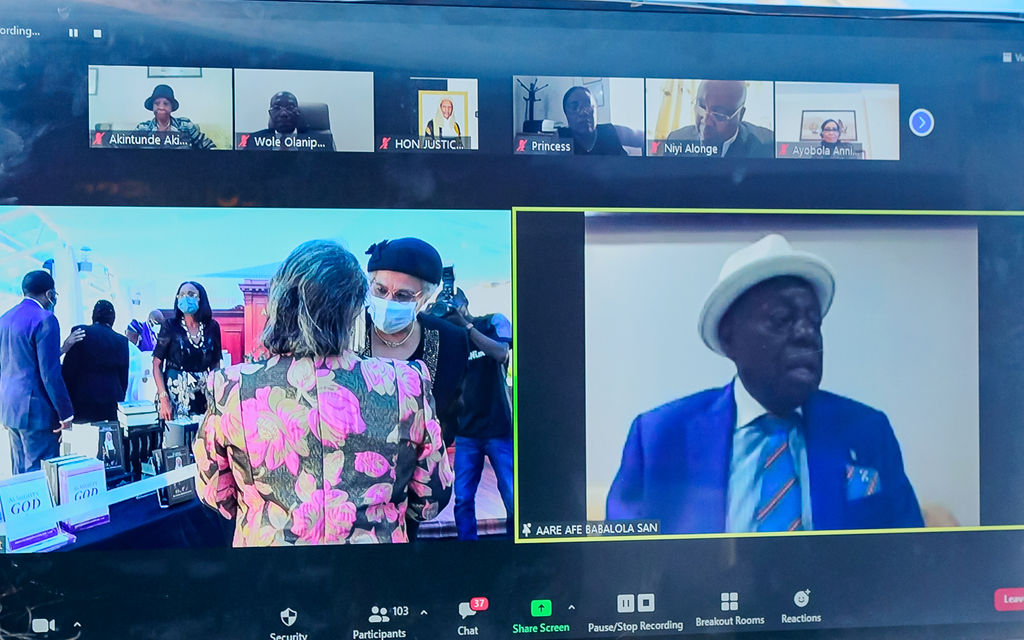
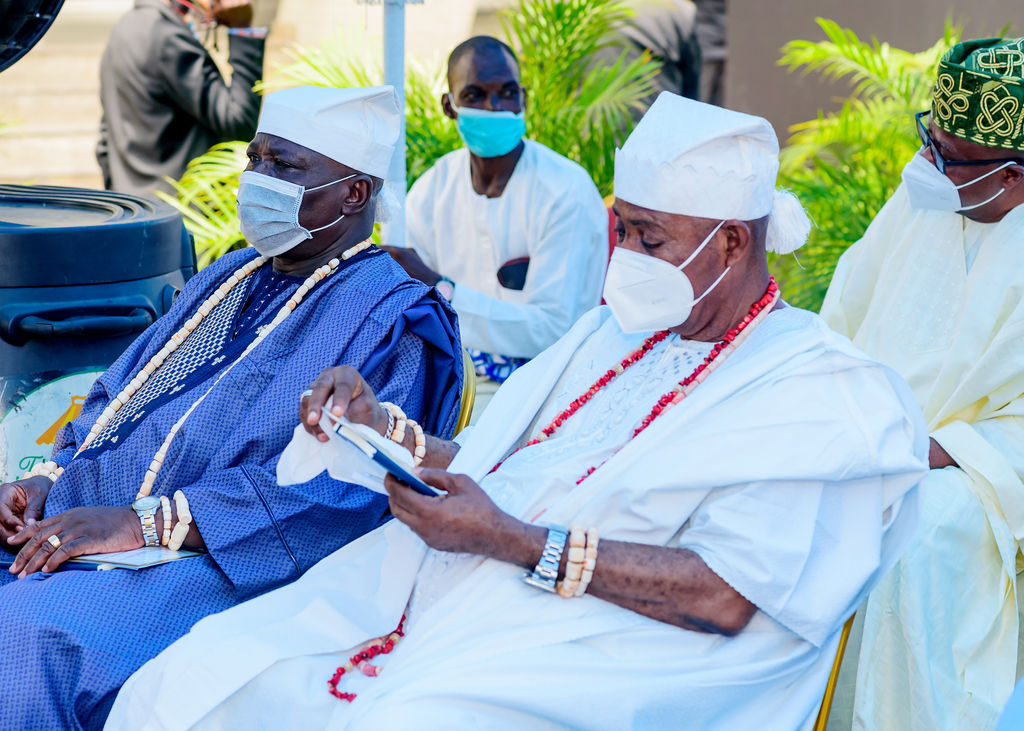
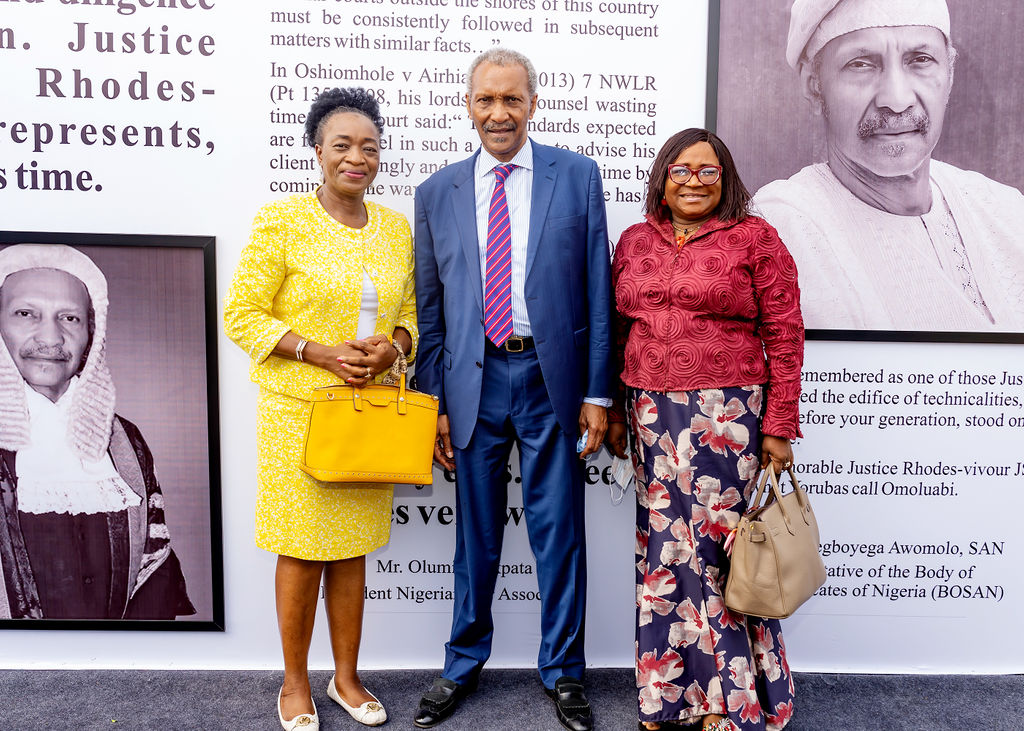
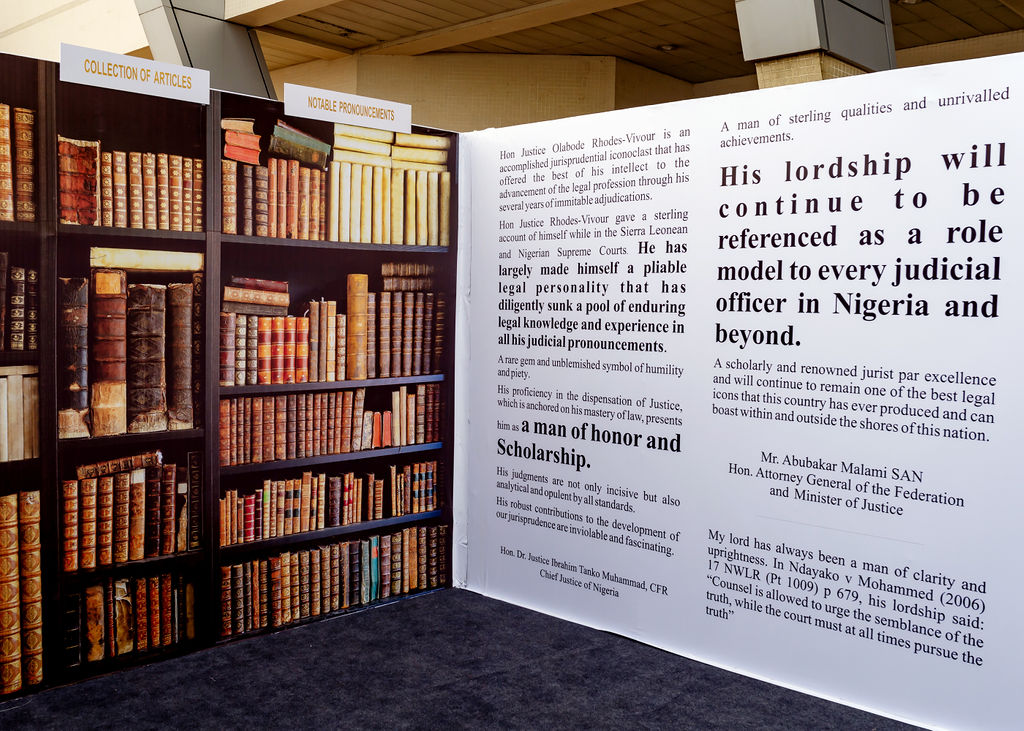
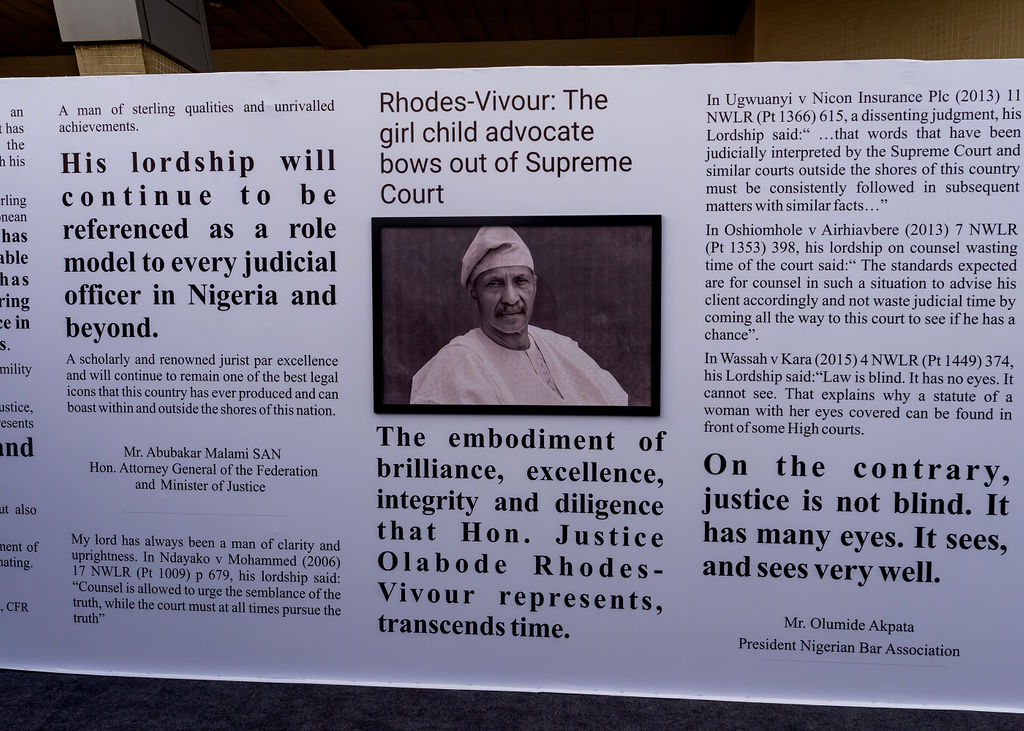
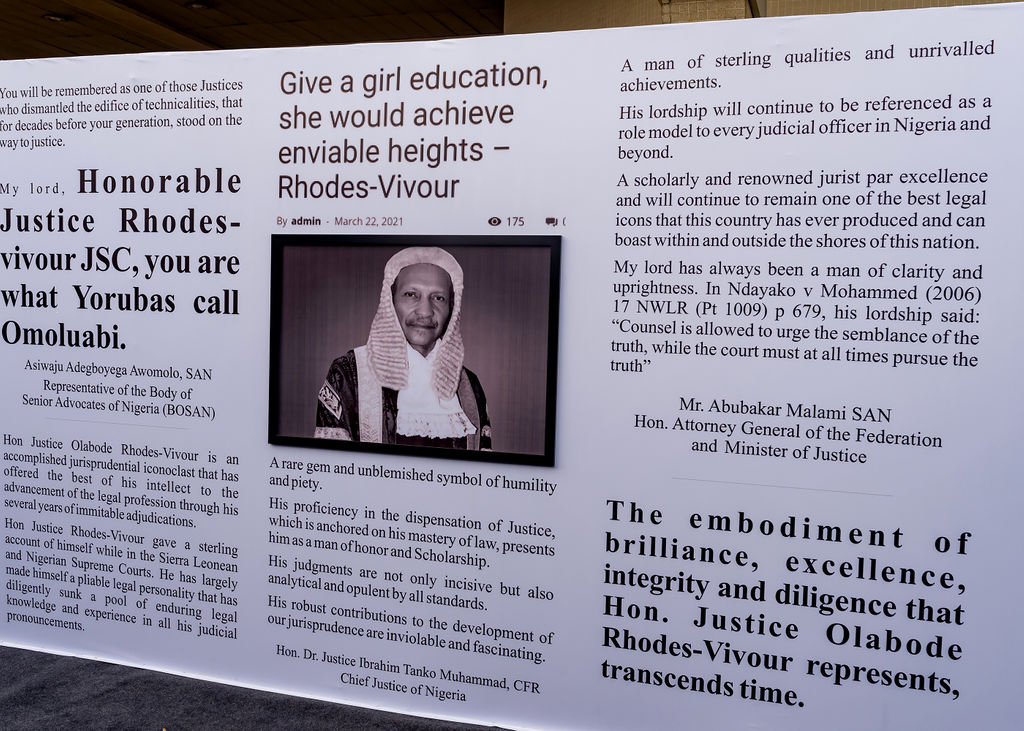
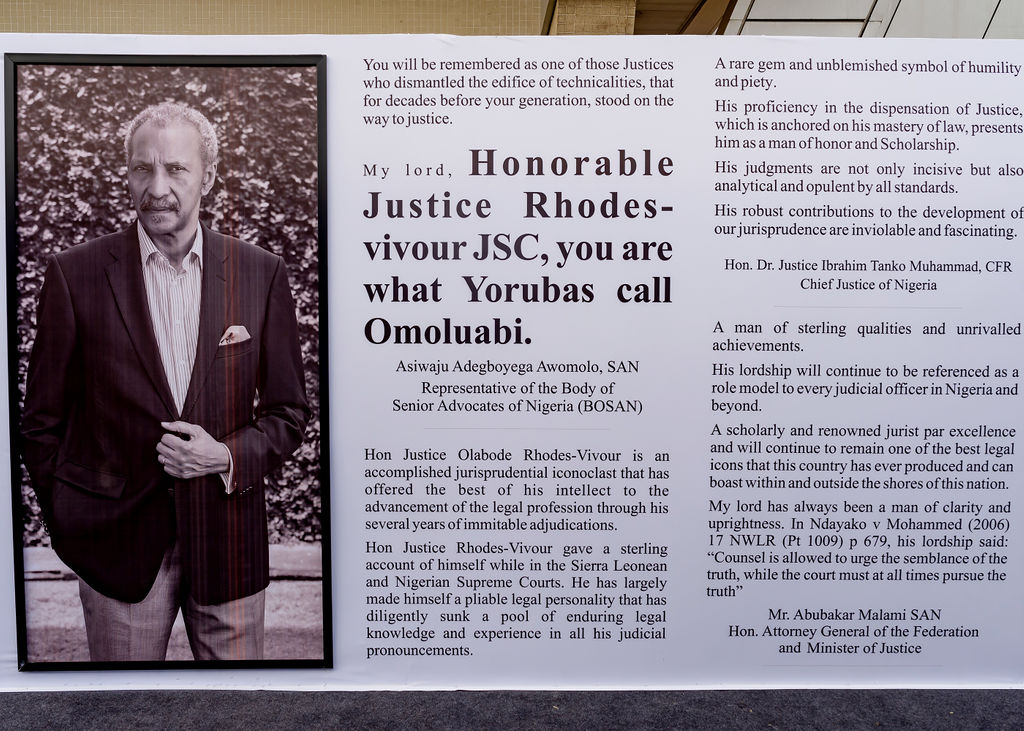
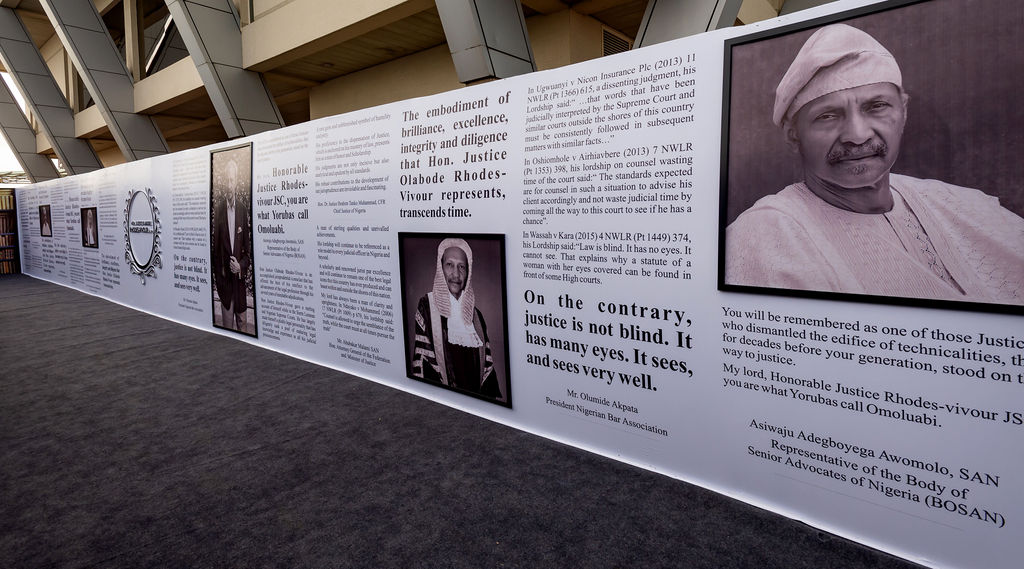
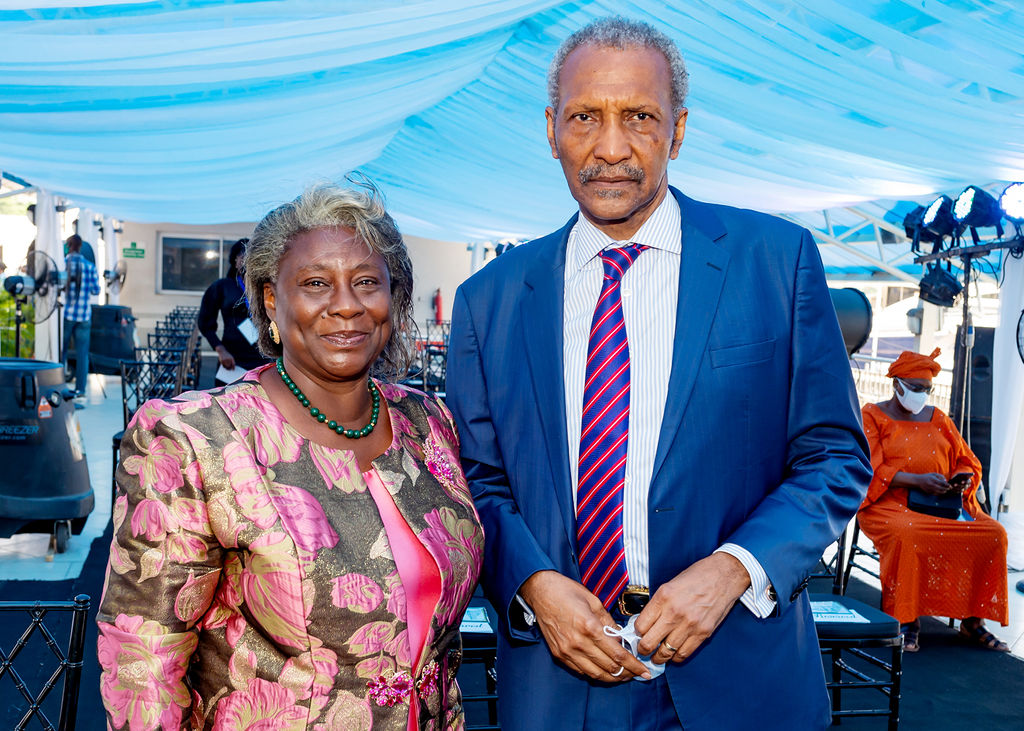
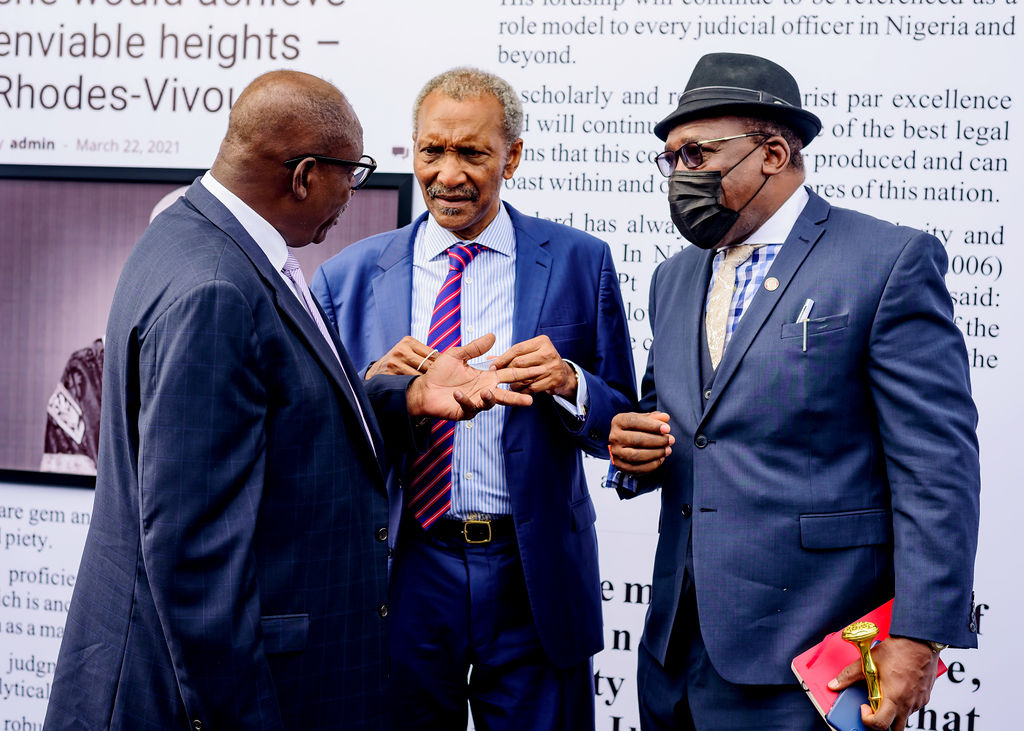
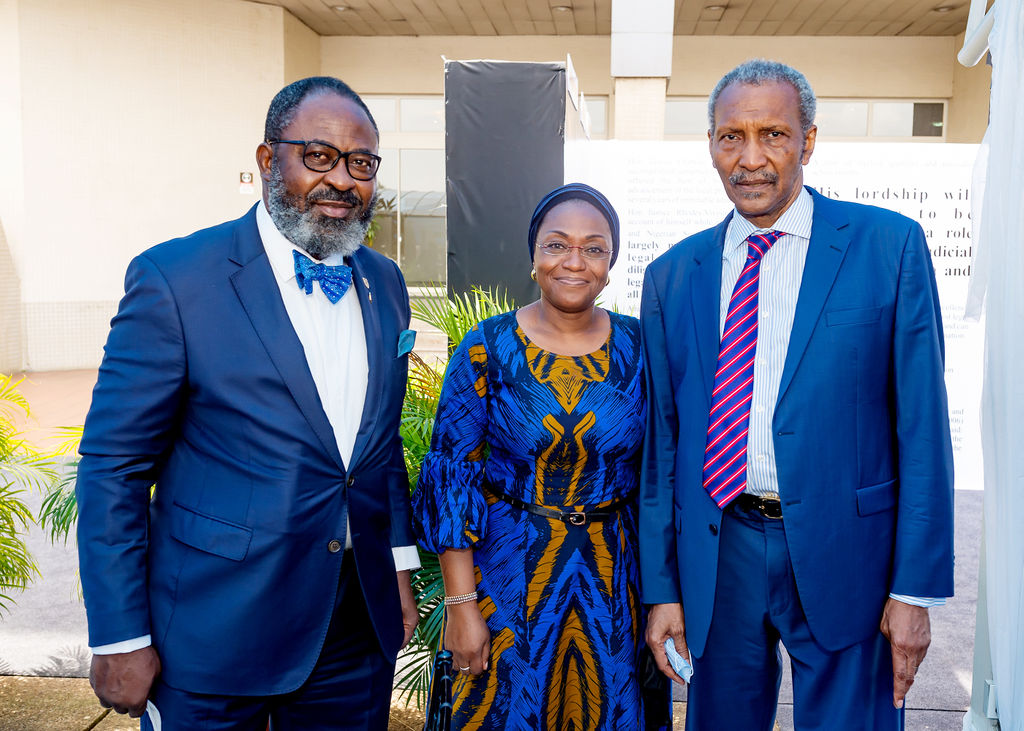
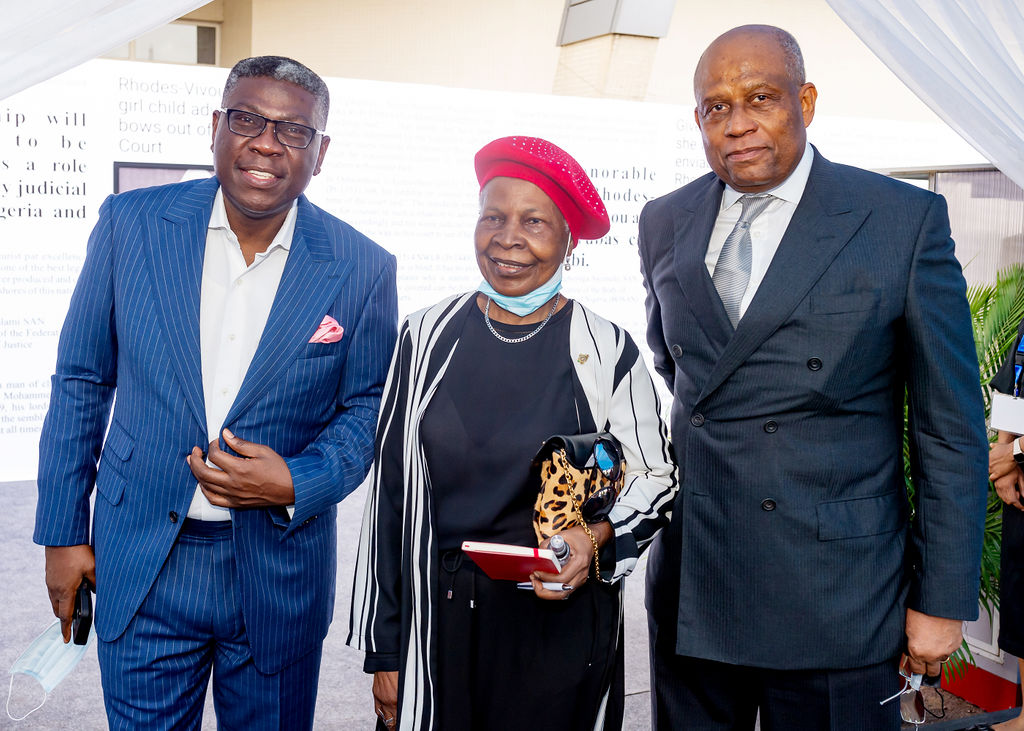
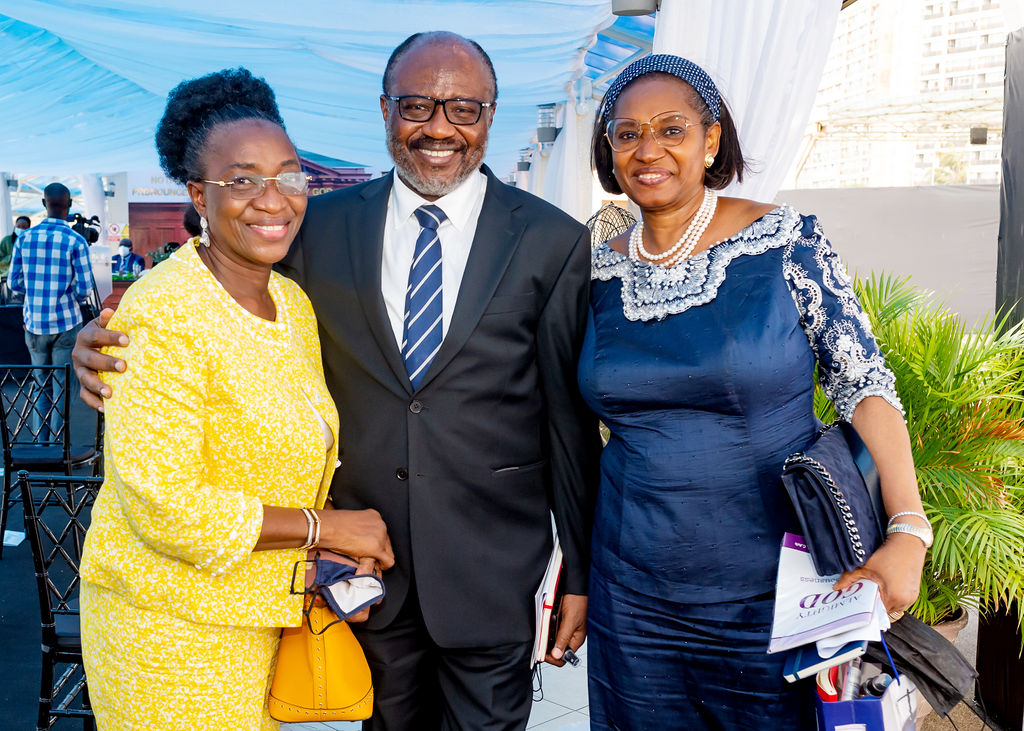
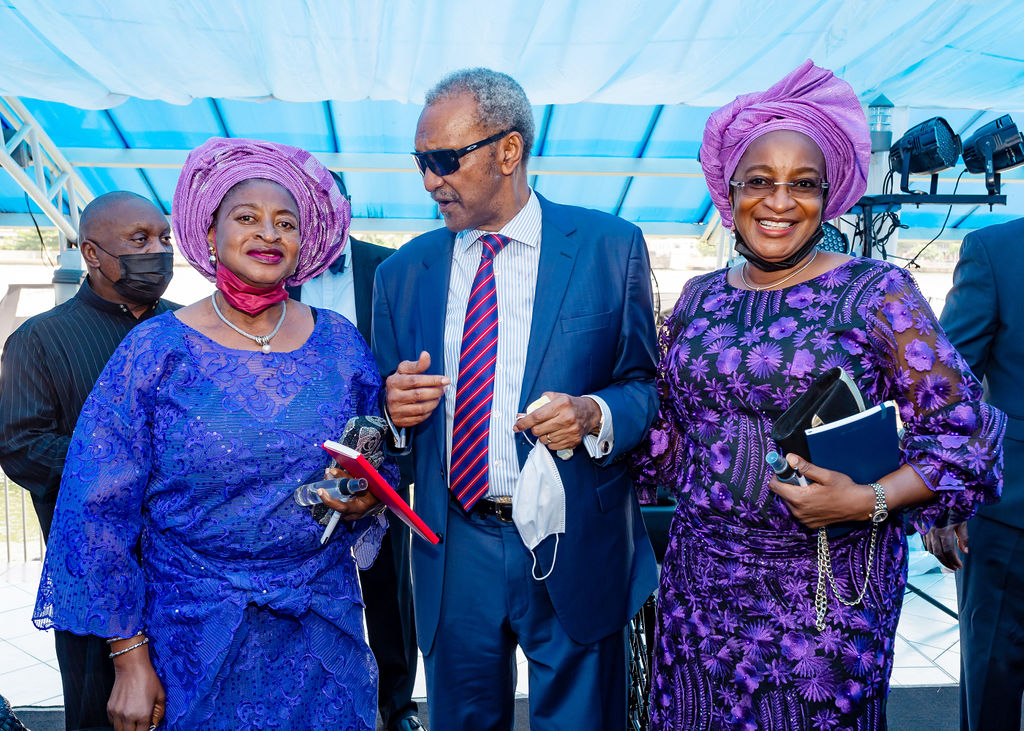
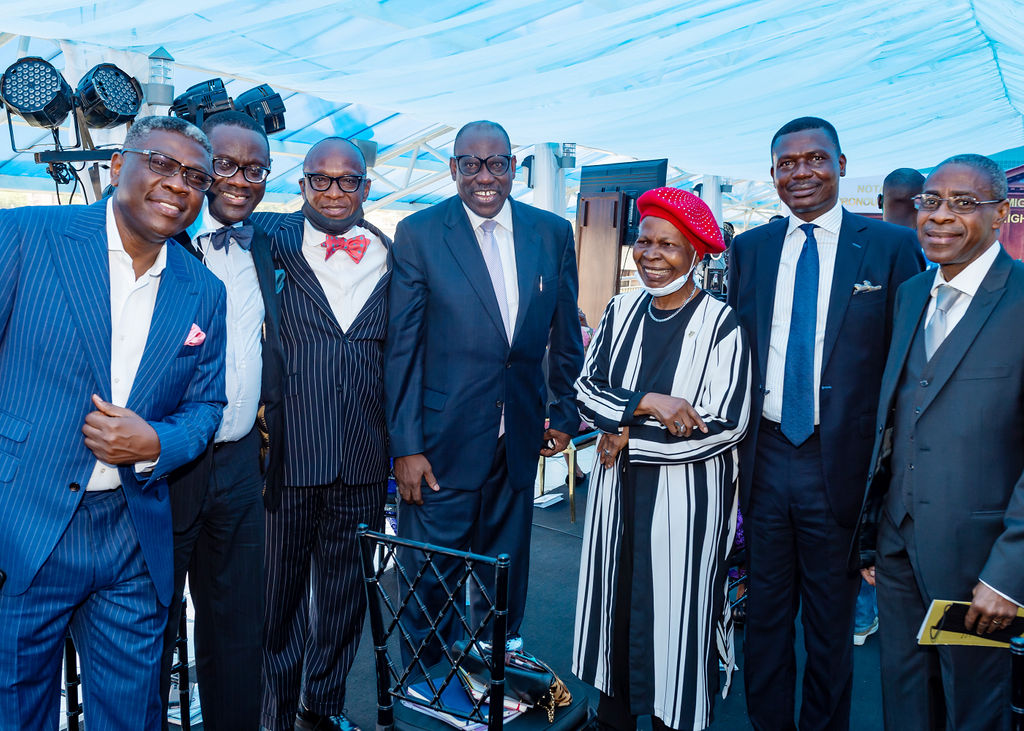
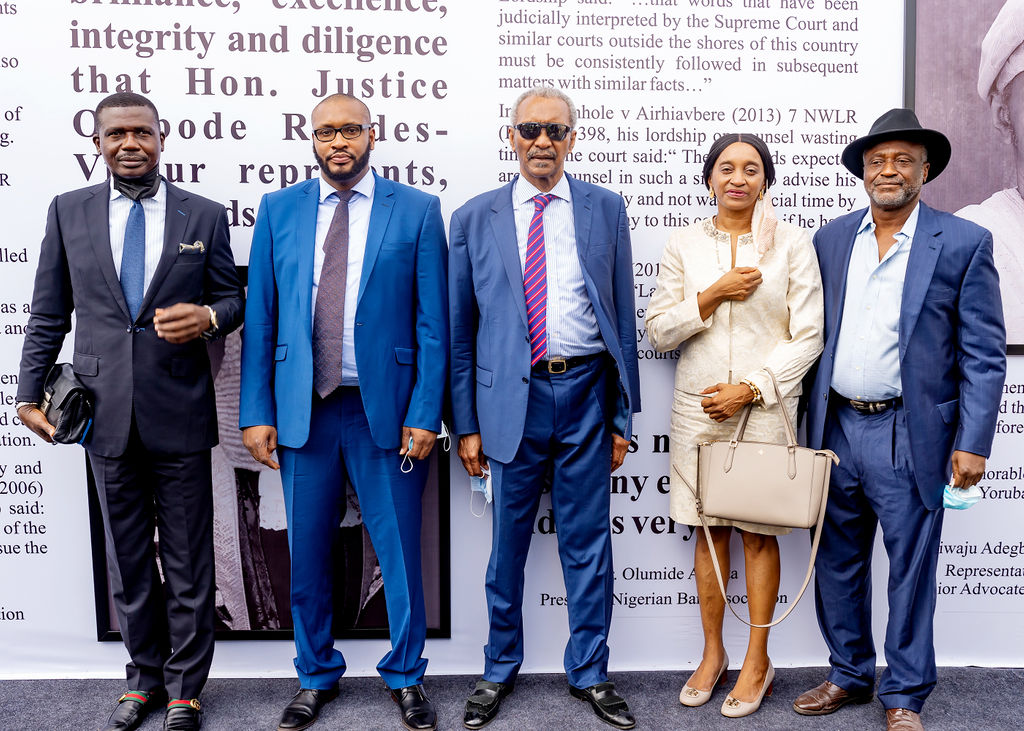
On the 8th of April 2021, the just retired Justice of the Supreme Court, Olabode Rhodes-Vivour pulled a most distinguished gathering of the Bar and Bench to Civic Centre, Ozumba Mbadiwe, Victoria Island, Lagos.
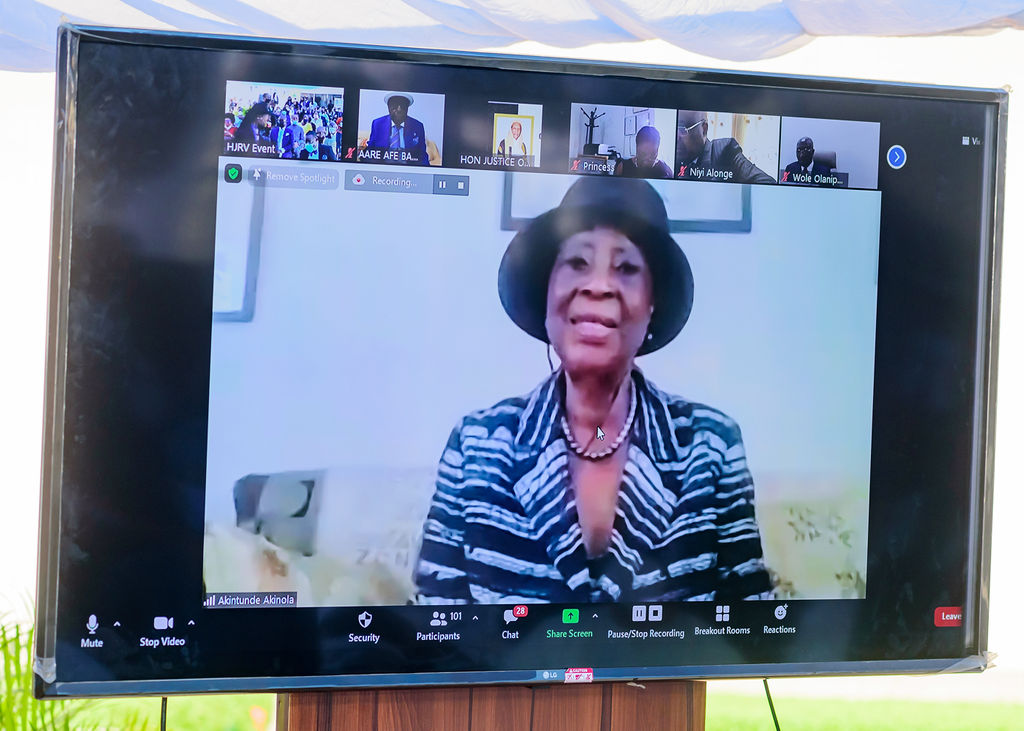
The event which saw the presentation of three books had the larger attendees linking in by zoom and was chaired by Aare Afe Babalola, SAN.
Rhodes-Vivour who retired from the Supreme Court on his birthday (22nd of March, 2021) having attained the mandatory retirement age of 70 years spent 11 years at the High Court, 5 years at the Court of Appeal and another 11 years at the Supreme Court.
Says extensive reforms that directly affect lives of inmates in Correctional Centres imperative
“Sexual harassment of women and girls, even of toddlers and infants in our society…has become increasingly alarming and by all accounts has assumed something of an epidemic! Sexual assaults…in the farms, in the alleys, in the pathways, in the markets, at home, in the offices high and low… It has become a scourge!” – Ngozi Okogbue
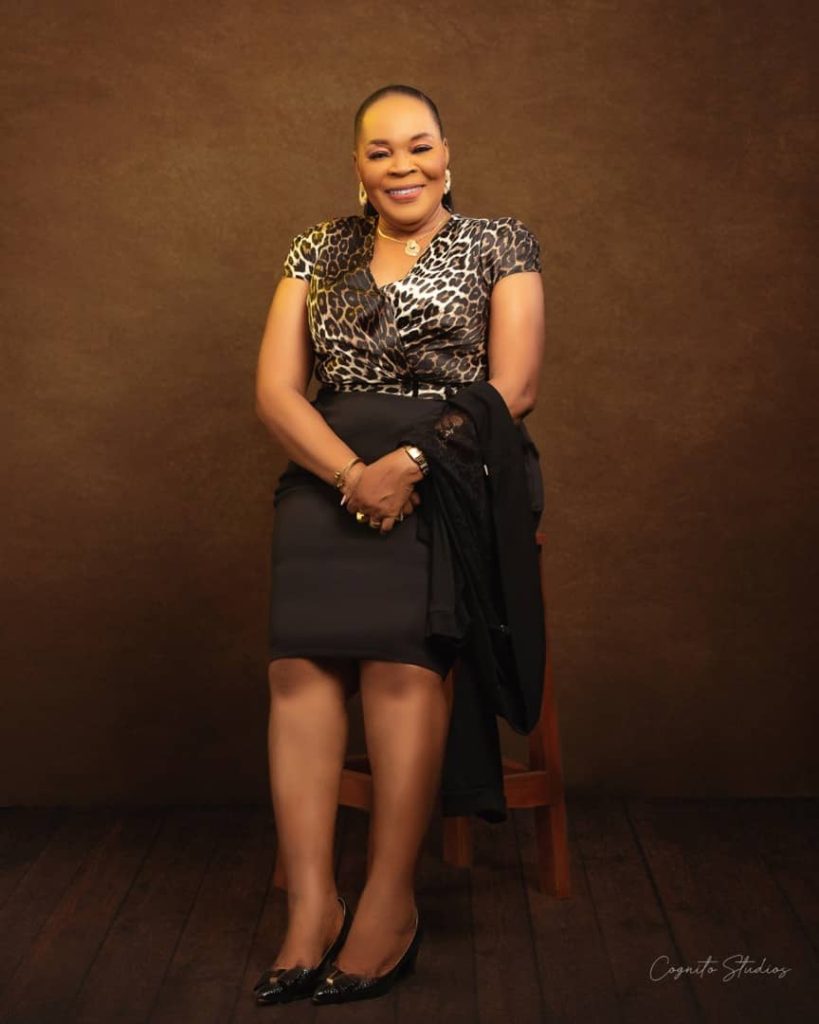
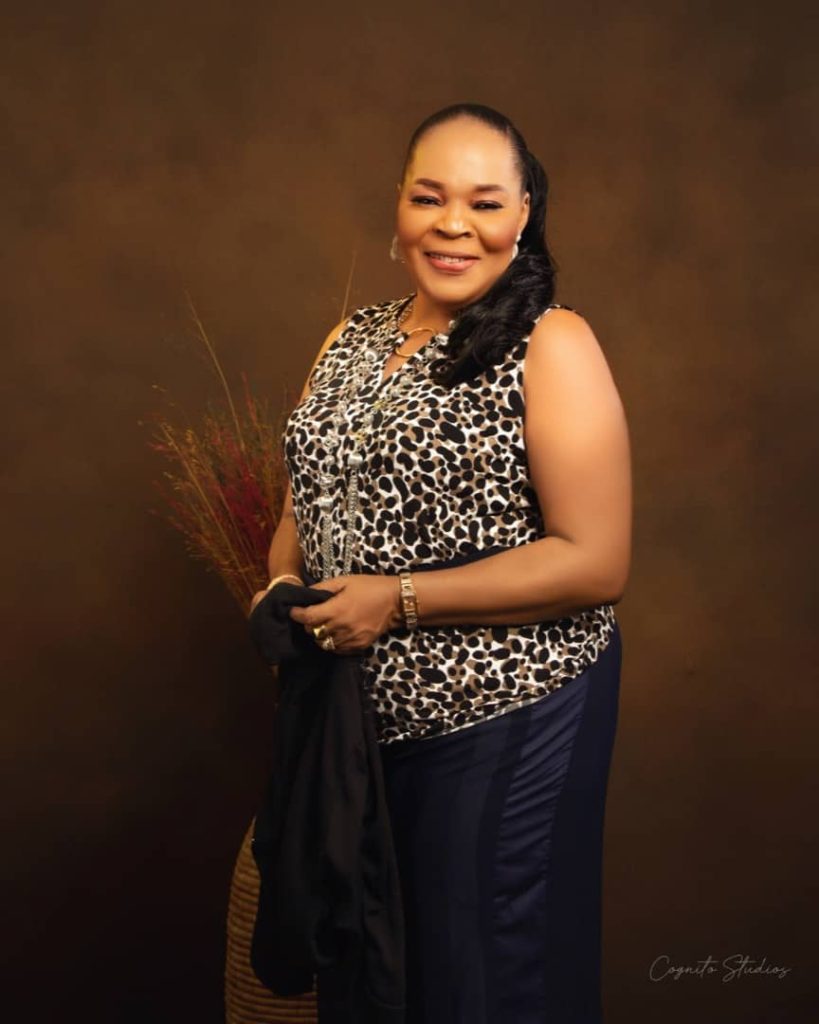
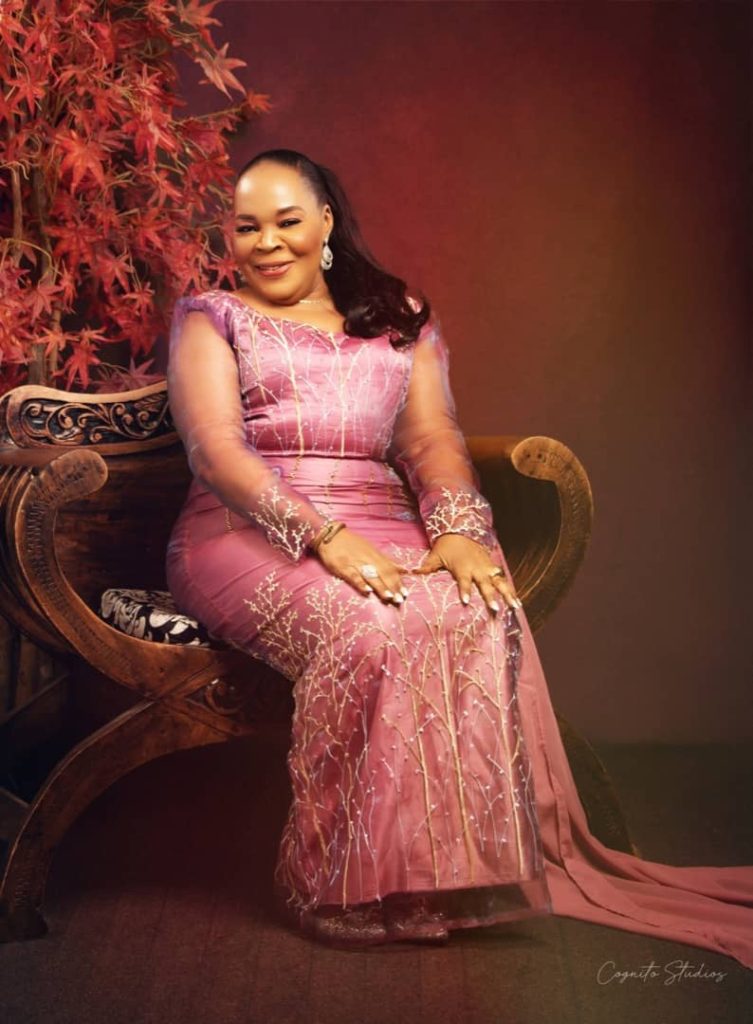
For Lady Ngozi Okogbue, KSJI, sexual harassment is not just predatory – “submission to it robs the female … of her life, her peace and her integrity.” Speaking with the Law & Society Magazineteam, this Chairperson of FIDA Nigeria Abuja Correctional Services Centres Committee also called for more extensive reforms in different areas affecting lives of inmates in Correctional Centres.
The swelling population in Nigeria’s ill maintained and decrepit correctional centres (prisons) has been attributed to excessive use of pre-trial detention, and the use of prison for minor, and petty offences. As reported by Patrick Okon, content developer at InfoGuideNigeria.com: “Any crime committed by an individual, be it misdemeanour or felony, is punishable by law. An incarcerated individual still has his or her rights although some may be restrained… A lawbreaker is not sentenced to imprisonment to die due to congestion, transmittable diseases, poor quality food or any of the plethora of deplorable conditions plaguing all Nigerian prisons…” But the Nigerian story is far from ideal. Ngozi Okogbue maintains that beyond improvements in physical structures in Correctional Centres extensive reforms are required in that directly affect lives of inmates.
L&S: Tell us about Lady Ngozi Okogbue.
Answer: I was born to my wonderful parents, Ezeani Ichie Simeon Obegolu of Obeledu, in Anambra State, then a teacher, and his loving wife Bernadette Obegolu nee Okoye. Way back then, they put me through school somewhat early in life. I literally ran through the systems, emerging later as a Science graduate, BSc. Zoology, of the University of Nigeria, Nsukka in 1975. In 1988 I obtained a Post Graduate Diploma in Education (PGDE) from the University of Port Harcourt.
Towards the last quarter of my tour of duty in the Federal Public Service with theNational Directorate of Employment (NDE), where I finally attained the rank of a Director prior to my retirement, I enrolled to study Law. I graduated from the Faculty of Law, University of Abuja in 2005 and was called to the Nigerian Bar in 2007. Law is therefore a second degree for me.
L&S: How has the Law practice been for you?
Answer: As we all know, Law as a discipline is indeed gargantuan so to speak, bestriding all aspects of life and human endeavour. Without therefore necessarily involving oneself in the more obvious areas of litigious or even corporate or commercial Law, one finds sufficient satisfaction in employing the knowledge of the Law in the numerous other aspects of normal living especially for the benefit of ordinary people, women and children. It has been a great experience.
L&S: You are the Chairperson of the FIDA Nigeria Abuja Correctional Services Centres Committee; a Committee that has been doing exceptionally well in reaching out to the inmates in our correctional facilities. What are the challenges your committee has encountered in the course of your visits of the correctional centres?
Answer: Thank you so much for the generosity of your commendation. Indeed, I have been the Chair of the Correctional Service Centres Committee, formerly the Prisons Visitation Committee for the terms of two Excos of FIDA in a row, a rather long period of time by the nature of such appointments. However, it has indeed been some experience and has tended to open even more to me the esoteric vista of life in society particularly the importance and imperatives of citizens staying within the bounds of the law.
Life in custodial centres can be quite limiting, restricting and a drudgery. My Committee in trying to assuage some of those experiences, fairly regularly undertakes visits to the inmates, more especially the female inmatesin order to interact with them and determine their areas of need and therefore our areas of possible intervention. As Lawyers, our expertise is applied in the areas of their legal needs, and they are often many, which we ascertain through mounting of Legal Clinics for the inmates. Such exercises help them to exhale, as it were, enabling them to ventilate their manyissues and concerns.
Over and beyond this, we attempt to provide a variety of necessaries and other provisions for the inmates. These all have financial implications, finances which we must source ourselves either from amongst us as FIDAns or also from other public spirited individuals as well as through collaborations with some philanthropic and other organizations. Funding and finance are therefore without a doubt, a veritable challenge.
In addition to the above, with the advent of the COVID-19 pandemic, it has become, unlike the pre-pandemic period, almost herculean to obtain access to some of the Centres, understandably, one should add.
L&S: Are correctional centres in Nigeria equipped to dispense their duties?
Answer: Upfront, I would say that from the facilities one has observed in the Correctional Services Centres and their state and capacity, a lot of work and upgrade is not just necessary but mandatory. As we all know, some of these facilities constructed decades ago were designed to provide for and accommodate very few people but they have now becomehome to multiples of the numbers originally intended.
It goes without saying of course, that in upgrading such facilities, due and necessary advertence must be had to such other issues as the occasional inadvertent incarceration of young children, some at the breast, who willy-nilly serve out terms of imprisonment with their mothers for crimes they are clearly innocent and entirely oblivious of.
Over and beyond the improvements in the physical structures and facilities in the Correctional Centres suggested, more extensive reforms in the different areas affecting the lives of the inmates are seriously, very seriouslyadvocated. And they are many.
L&S: What is your take on alleged sexual harassment and violations of female inmates?
Answer: Sexual harassment of women and girls, even of toddlers and infants in our society, from reports in the public space, has become increasingly alarming and by all accounts has assumed something of an epidemic! Sexual assaults appear to be simply ubiquitous currently – in the farms, in the alleys, in the pathways, in the markets, at home, in the offices high and low, in various types of institutions, everywhere, it seems, even in healing homes, spiritual and otherwise. It has become a scourge! So, although no case of sexual abuse was personally reported to me in the Correctional Centres, given the audacity with which such acts reportedly go on in the larger society where people are ostensibly relatively free, the fate of the vulnerable anywhere confined as they arein this case would therefore be better imagined. And this would be where the work of my Committee would come in, inan interventionist capacity if during the Legal Clinics earlier mentioned such reports are received.
Meanwhile, the Authorities of the Centres would be called upon to rise up to the challenge and not only mete out adequate punishments to such sexual villains whenever and if discovered but also ensure that only individuals of proven integrity are to be found within the ranks of the workforce of the Correctional Centres at any time material.
L&S: Some female lawyers have also alleged sexual harassment in their workplaces. What best strategy can they use?
Answer: As I had pointed out earlier, offices and workplaces of variousdescriptions have reported their own fair share of sexual assaults and sexual harassment. It has become a plague!
In an office situation, I would be inclined to regard that phenomenon as a predator/prey scenario, the preys being the more disadvantageously positioned and therefore, again thevulnerable since as workers, they must depend on such sexual predators, usually their bosses and superior officersfor their continued stay at their jobs which ultimately assures their daily bread.
But quite frankly, a female lawyer must realize that she is sui generis in these situations, she is a creature apart, a lady ahead of the pack and if she truly earned and deserves that appellation of ‘Lawyer’, she just must walk the talk for as it is said, noblesse oblige. And nobody in her right mind should accept to eat the bread that lodges immovable in her throat choking the life out of her, least of all, a Lawyer. Submission to sexual predation is even worse. It rubs the female lawyer of both her life, her peace and her integrity.
My advice? Take a walk with your head held high and your integrity (and by the way, it is also the integrity of your parents and family) intact. When one door closes, a better one opens, is conventional wisdom. You will survive, if you dare well yourself to. Hard it may be, but everyone who is determined ultimately does.
L&S: What can you say about the effect of COVID-19 on the Correctional Centres in Nigeria and the inmates in particular?
Answer: Correctional Service Centres are generally receptacles for large numbers of people in our society,people who have found themselves at the wrong end of the law. The Authorities are therefore understandably wary of interactions and contacts of the inmates with visitors during disease outbreaks such as the current COVID-19 pandemic. In addition, they try to observe the necessary COVID-19 protocol as best they can. It would appear that all that have paid off because not much in terms of reports of outbreaks of the COVID-19 have been heard among the inmates.
The reduction in the number of visitors might have resulted however in the reduction of various forms of aids available to the inmates, all told.
L&S: In discharging your duties as the Chair of the Correctional Services Centres Committee, do you collaborate with other organisations to ensure that inmates get the best help they can?
Answer: O yes, we do. I already made some allusion to that earlier. The human life and the human condition in its variegatedness demands different types of attention virtually all the time. In undertaking our mandate therefore, we endeavour to consider the various aspects of need of the inmates. The aspect of the human health is of primary importance and therefore we often collaborate with the Medical Women Association to provide for the medical needs of the female inmates as well as Optometric services by Women in Optometry and other medical needs.
The various media arms are also some of our very importantcollaborators. They visit the Centres with us and report on what we do. With respect to various other items such as foodstuff, the Al Muhibbah foundation is a collaborator of note. They have indeed been quite supportive and have on occasions helped us in offsetting some of the fines which at times hold back otherwise discharged inmates in custody. In addition to all these, we also have some other occasional collaborators.
Kindly permit me to use this opportunity to thank all of them and tocommend them and all else including very importantly, members of FIDA, Abuja Branch, who have always in one way or the other enriched our activities and become part of our success story through their donations and generosity.
L&S: What can you say about the justice system in Nigeria, is it really the last hope of the common man?
Answer: The society of man is a society of the Law. Structured law is what makes us human and distinguishes us from the lower forms of life, even of primates. A society without laws is a society of anarchy.
Before the advent of law as we now know it, it was Thomas Hobbes that held that man lived in a state of nature where life was “nasty, brutish and short!“ Modern man is therefore governed by laws and statutes, the infringement of which are to be visited by known punishments without regard to personal social status, all persons being equal before the Law.
It is the Justice system of any country that ensures that the laws of the land are obeyed. The system stands as the Impartial Arbiter between individuals, persons and groups ensuring that justice is not only done but seen to have been manifestly done between the parties regardless of any other considerations but the facts of each matter and the applicable law. To that extent and for as long as that is the case, the Justice system remains the last hope of the Common man both in Nigeria and elsewhere. It remains for the Ministers in that hallowed Temple of Justice to guard well their hands, their heads and their spirit in their own interest and the interest of posterity, aware of the dictum of Justice Chukwudifu Oputa, JSC, who described Justice as a three-way street.
L&S: At over 60, what is the secret of your good looks?
Answer: Well, thank you for being generous to me with your compliments.
For one thing, I firmly believe that if our Mighty God and Creator of the Universe at the end of creation pronounced everything beautiful, then we are all definitely beautiful. And in the nature of things, every age has its own inner beauty. I just try to appropriate mine. Thanks again.
L&S: Given the opportunity of another life, would you study law?
Answer: It is not for nothing that Lawyers are regarded as “learned” and further described as persons belonging to the “noble profession.” Information maketh a man, information is power. A lawyer by the nature of his or her calling though deeply knowledgeable in Law, is expected to know at least something of every aspect of life, every other discipline or at least, to seek that knowledge especially when necessary.
Being myself initially a student of the Sciences, I found my foray into the study of the discipline of Law, though demanding in terms of the time requirement, an exhilarating experience. Studying Law, one becomes now exposed to rather more familiar concepts and issues of the human nature, issues more readily identifiable with. And one is placed better in a position to help solve some human problems and suggest solutions to others.
Yes, I would not hesitate to study Law again.
L&S: What is your advice to young lawyers who look up to you as a role model?
Answer: Well, that Rome was not built in a day but that for the period the building was going on, it was a lot of hard work demanding that the eyes be effectively trained on the ball. That with focus and commitment, it is all doable. The place of prayer in all of that should never be taken lightly too.
L&S:You’re now a retiree and grandmother of many, how do you relax?
Answer: At times, I do wonder if I do really relax in actual sense, for although I am retired from regular paid employment, there is always and always one thing or the other that needs my time, energy and attention, requests to do this or that, to attend this meeting or the other, to go helpdo this or the other. And by the way, my WhatsApp messages bearing most of these and which I must necessarily attend to are enough to make me demand a salary from any willing person! Things are such that when for all of one hour or soI am not apparently doing anything, I feel almost like … something is not right!
Not forgetting that there’s money to be made, of course.
In addition, I like to think that I generally like and respect people. I therefore like engaging in good natured, enlightening and enlivening banter with great friends and family. But for all of that, hanging out with my children and grandchildren is the real aphrodisiac!
L&S: What are your hobbies?
Answer: Not much really under the circumstances but I like to sing a bit and to do the occasional walk.Window shopping when possible can be exciting.
And in Abuja, I like to watch and listen to the rains whenever they return.
By the way, where was the DSS which was supposed to screen Pantami before his name was sent to the Senate?
Mallam Isa Pantami is no ordinary Nigerian. He is a Minister of the Federal Republic of Nigeria. Pantami is also no ordinary Minister. He is charged with the sensitive portfolio of Communications and Digital Economy. Before his ministerial appointment, he had headed the very sensitive and delicate position of Director-General of the National Information Technology Development Agency. As Minister, Pantami oversees the critical agencies of NCC, NITDA, NIPOST, NIGCOMSAT and GALAXY BACKBONE. In this digitalised world, Pantami by his office has access to Nigerians’ private communications, NIN, identities, etc.
Ordinarily, this would not have posed a problem at all, since someone, a Nigerian, out of our 210 million population, must head the Ministry any way. But, his antecedents are quite worrisome.
That is what has led to the sudden bedlam and ruckus by Nigerians generated through the traditional and social media routes. How? Why? I will tell you. Isa is an acclaimed Islamic fanatic, fundamentalist and supporter of extremist Islamic sects.
Taught in Saudi Arabia by fiery Muhammad Inn Uthaymin (nicknamed “giant of Islam, a Cleric who once opposed women driving for fear of mixture of men and women at petrol stations, traffic lights and Police checkpoints), Pantami as a Graduate Assistant, started preaching and leading prayers in mosques right from his days at the Tafawa Balewa University, Bauchi, where he had graduated from.
He is said to be the Chief Imam of the Al Mannar mosque, Abuja, where he preaches. There is nothing wrong about one being close to his maker, including his present tafsir teaching during the Ramadan fasting season (Ramadan Kareem).
So, I do not begrudge him of his passionate pastime. To me, it is even a plus that as Minister, he still finds time to worship his God. After all, the Holy Prophet Mohammed (peace be on to him), when asked by the pagans of Mecca (Makkah) to worship their gods, answered: “Say, O disbelievers, I do not worship what you worship. Nor are you worshippers of what I worship. Nor will I be a worshipper of what you worship. Nor will you be worshippers of what I worship. For you is your religion, and for me is my religion” (Surah Al-Kafirun109:1). What he was simply emphasising was the freedom and individuality of religion and conscience between a person and his God. We call this secularity. It is entrenched in section 10 of the 1999 Constitution of Nigeria.
But, does Isa Pantami realise this in his earlier fiery teachings of extremism and religious intolerance, and bigotry, even as far back as nearly 20 years ago? I think not. Let me show you a sample of his expressed mindset and why Nigerians are united, in reactions that have since gone viral, are calling for his immediate resignation or outright sack.
Amongst other in his Salafist ideology and spine- chilling teachings in support of two of the globally most acclaimed deadliest terrorist groups in the world (the Taliban and al-Quaeda), some years ago, Patanmi had said unapologetically, “Oh God, give victory to the Talibans and to the al-Quaeda…
This jihad is an obligation for every single believer, especially in Nigeria”. He also reportedly endorsed the killings of “unbelievers” (non-Moslems).
In a video that has since gone viral (which he was later forced to own up after initially denying his previous incendiary and inflammatory statements), he openly castigated then President Goodluck Jonathan, for sending the military to kill boko haram insurgents whose blood he regarded as “our Muslim brother’s blood”.
Hear him: “We are praying to God to answer all our prayers. It is our right and obligation before all Muslim leaders, politicians, government appointees, academics. All of us should not fold their arms and watch helplessly how they shed our Muslim brothers’ blood and cheat them in vain.
Even if the Boko Haram fighters commit a crime but can we justify the way and manner they are being killed? Just look at how they are killing people as if they are shooting pigs, even though they committed a crime why the extrajudicial killing?
Take them before the law for a fair trial. You caught someone sleeping and you killed them. If it is not Muslims that undergo such treatments who else?
The Niger Delta people did something similar to this. They massacre people, stole weapons, killed expatriates and kidnapped some of them, yet you still accept them back, opened a ministry for them, gave them a minister and put them on a monthly salary pay without work.
The militants did more harm compared to what Boko Haram boys did. But why will they do something like this? Why selective justice?
He even prayed for the day when the images on the naira notes and the “Gregorian date, the Calendar of the infidels”, will be wiped out: “And therefore, we are praying to God, that based on our understanding, we pray for a day when the images on the notes in our pockets will be removed. No Muslim Cleric has ever spoken against these images as forbidden. May be self-sufficient enough not to need this currency. It is against the Religion to put even the images of Companions of the Prophet on the currency. May Allah help us to see that day when the Gregorian date, the Calendar of infidels that on the notes ….”
Boko haram was thereby given the necessary muscle and many Muslims were innocently led to believe that Killing boko haram insurgents amounted to Killing Muslims. Nigerians have today, witnessed the corrosive and deadly consequences of boko haram’s killings, maiming, arson and the general insecurity enthroned and watered by such dangerous hate preachments. Boko Haram has since abducted the Chibok, Dapchi, Kankara, Kagara and Jangebe girls; blown up the UN headquarters; engaged in serial cases of maiming, killings and kidnaps in Kaduna, Maiduguri, Bauchi, Damaturu, Madalla, Mubi, Gamboru, Yola, Gombi, Kano, Baga, Bunu Yadi, Konduga, Gwoza, to mention just a few places.
Reeling under the weight and yoke of damning public criticisms by a wide spectrum of Nigerians, Pantami (who had earlier denied making the statements), summersaulted and claimed that he has since changed his views and extreme religious ideology, which he claimed had been based on youthful ignorance. Said he: “Some of the comments I made some years ago that are generating controversies now were based on my understanding of religious issues at the time, and I have changed several positions taken in the past based on new evidence and maturity,”
“I was young when I made some of the comments; I was in university, some of the comments were made when I was a teenager. I started preaching when I was 13, many scholars and individuals did not understand some of international events and therefore took some positions based on their understanding, some have come to change their positions later”.
Has he really changed? What has changed? Can a leopard ever change its spots? In saner climes, Pantami should have resigned immediately without more. Or be sacked forthwith. Lifting the veil off his purported transformation or assumed transfiguration is so easy when viewed against the background of his new acts even as Minister. Only recently, On March 22, 2021, Patami’s Ministry hosted a virtual flag-off ceremony for a capacity development programme empowering 600 people with VSAT Installation Skills. Patami himself was present and he even spoke at the event. It was a Virtual Flag-off Capacity Development Programme on VSAT Installation Skills and TVRO Systems for 600 youths by Patami.
The ceremony was not covered by AIT, Channels, NTA, TVC, ITV, or even FM Youtube channels. Rather, a very little-known Islamic TV channel called Al-Afrikiy was contracted to relay an event organized by a whole Federal Government of Nigeria. It must be borne in mind that Al-Afrikiy is not merely an Islamic-influenced learning TV station, it is also an Islam-only TV channel. It broadcasts strictly religious matters.
Why did President Muhammadu Buhari nominate Patami in the first place? Can he, as Commander-In-Chief, claim not to have access to information regarding Patanmi’s dangerous antecedents? I think not. Or, don’t you know the reason? Simple: his usual infamous inclination towards prebendalism, cronyism, sectionalism, tribalism, favouritism, religiosity and mediocrity.
By the way, where was the DSS which was supposed to screen Pantami before his name was sent to the Senate? Why did it turn its focus away from these destructive extremist views of the very Minister in charge of Nigerians’ information data, with unabridged access to same, including NIM, BVN, biodatas, etc?
What about our fawning rubber stamp “take-a-bow” Senate that was supposed to do a very thorough screening of Pantami? Why did it simply allow the Carmel to pass through the needle’s eye? When will it winnow out the chaff from the real wheat? Why has it turned a sacred duty on behalf of Nigerians into a “yes sir” party affair, which suggests that President Buhari can do no wrong, or make any mistake? This is reminiscent of Boxer’s slogan of “Napoleon is always right”, in George Orwell’s Animal Farm. For me, Mallam, (Sheikh, Dr, Cleric) Isa Pantami should honorably resign, as Mrs Kemi Adeosun, former Finance Minister, once did. Where he fails to do this, Buhari should immediately relieve him of his ministerial position. His antecedents loudly proclaim him as a clear and present danger to Nigeria’s asphyxiatingly fragile unity, harmony and religious and ethnic tolerance. I know Buhari will not do it. At least, make we “siddon look”.
THERE is a tendency to blame politicians for the appalling way Nigeria is run. Rightly so: the buck must stop with them. But the government environment is also inhabited by another species: civil servants. While politicians should provide leadership and set vision, civil servants should translate the vision into workable policy and effective delivery.
The relationship is symbiotic. A state without visionary leaders who can provide the right political leadership and the right vision is doomed to fail. But, as Max Weber, the German sociologist, said, the state cannot conduct its affairs without the bureaucracy. And truth is, no country has ever truly developed without a first-class civil service.
Sadly, Nigeria has one of the worst civil services, one of the most mediocre public services, in the world: excessively bloated, poorly skilled, utterly unmeritocratic and wholly unprofessional, with an appalling reputation for corruption, indiscipline and inefficiency. But the situation wasn’t always like this.
For a start, the British left a legacy of first-class bureaucracy. In his book, There was a Country, Chinua Achebe wrote: “There was a very highly competent cadre of government officials imbued with a high level of knowledge of how to run a country.”
He added: “I am not justifying colonialism. But it is important to face the fact that British colonies, more or less, were expertly run.” Achebe was right: the colonial civil service in Nigeria was outstandingly efficient! Which was why the future of the Nigerian civil service was discussed during the debate on Nigeria’s independence in the UK House of Commons on July 15, 1960.
A body of senior colonial civil servants, known as the “Association of Senior Civil Servants of the Federation of Nigeria”, had petitioned the British Members of Parliament, MPs, saying that while they wanted to remain in Nigeria after independence, neither the Nigerian nor the British government was willing to pay them international-level salaries.
Several MPs expressed strong concerns that the departure of the colonial bureaucrats would weaken the administrative capacity of the newly independent Nigeria. To some extent, the fears were unfounded. The Western and Eastern Regions, which had operated self-government for six years before Nigeria’s independence, had each created a strong cadre of well-trained expert administrators, modelled on the British system.
Furthermore, there were attempts to train other Nigerian civil servants to maintain a strong and effective administration and civil service after independence. So, at independence, Nigeria inherited and subsequently developed a meritocratic and efficient civil service. Indeed, in the 1960s and 1970s, Nigeria had one of the best and most meritocratic civil services in Africa.
Today, however, Nigeria has one of the worst bureaucracies in Africa. Why? What went wrong? Well, some blame decades of military rule. In truth, the politicians who ran Nigeria immediately after independence in 1960 had begun to politicise the civil service, but the military bastardised it by filling civil service positions with people who lacked requisite skills and competence.
The last straw was the introduction of the Federal Character Principle in the 1979 Constitution, which sets a quota of how many people are to be appointed into the public service from each state. Of course, a recruitment process based on a Quota System will inevitably sacrifice merit to mediocrity, as some from the least educated states will, by virtue of the quota system, get jobs they are less qualified for and could even be ranked above better-qualified persons.
But the consequence will be a poorly-skilled, demoralised and unattractive civil service. A few years ago, in an interview with this newspaper, Chief Philip Asiodu, a distinguished and highly-respected former permanent secretary, said that the Federal Character and Quota System “have destroyed the administrative class system”, adding that the civil service “is no longer the destination for highfliers”.
But when a civil service lacks a strong policy cadre and it’s not attractive to highfliers, well, what do you have except a mediocre, third-rate bureaucracy? In Britain, first-class graduates of Oxford, Cambridge, LSE and similar top universities want to join the civil service through the prestigious Fast-Stream scheme, and government introduced a policy profession scheme that provides specialised training and progression for policy professionals.
Nigeria, by contrast, has a predominantly low-skilled civil service. In her book, Reforming the Unreformable, Dr. Ngozi Okonjo-Iweala, former minister of finance, now Director-General of the World Trade Organisation, wrote that in her ministry, “only 13 per cent were graduates of universities or other tertiary institutions” and “just eight per cent had degrees related to accounting or economics”.
Now, if Nigeria’s ministry of finance, the nerve-centre of its economic policymaking, is not bursting at the seams with some of the best brains in economics, finance and accounting, how can it be innovative and creative in finding solutions to Nigeria’s economic mess?
By the way, Okonjo-Iweala also wrote: “70 per cent of federal civil servants had no more than a high school diploma, with less than five per cent possessing modern computer skills”. Of course, such a mediocre public service cannot support the private sector, cannot meet the needs of foreign investors and cannot deliver basic services to the citizens.
Put simply, with such an appalling public service, Nigeria lacks capacity for essential functions. Recently, the Federal Government was livid that Twitter opened its first Africa Office in Ghana, not in Nigeria. But Ghana has been attracting more foreign investments than Nigeria, and part of the reasons is its respected public service. In 2018, I attended an international investment conference in London.
The CEO of a multinational company said: “When I meet government agencies across Africa, I use Ghana as an example.” He was referring to the transparency and efficiency of Ghana’s public service. Well, hardly any foreign investor has anything positive to say about Nigeria’s public servants! In 2015, President Buhari vowed to restore the civil service’s “old glory”. Six years on, the civil service is more utterly politicised and mediocre. Little wonder serious investors are shunning Nigeria!
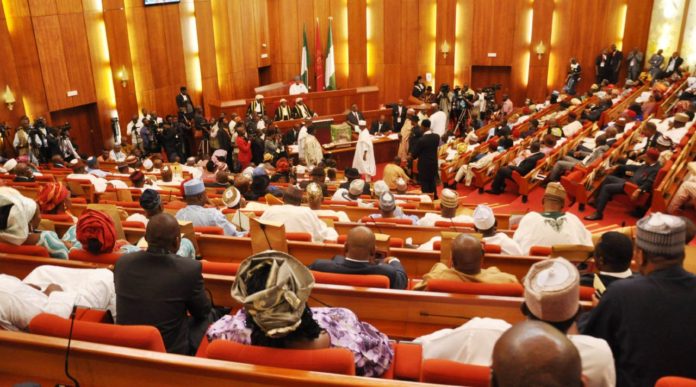
The Senate on Wednesday approved $1.5billion and €995million external loan requests From President Mohammadu Buhari.
The approval was sequel to the consideration of the report of the Senate Committee on Local and Foreign Debts presented by its Chairman, Sen. Clifford Ordia (PDP-Edo) during plenary.
The president had in May 2020 sent a letter to the senate seeking its approval for another batch of external loans to enable the administration finance the 2020 budget deficit, critical projects and support some states of the federation.
The Federal Government said the loans would be used to execute priority projects and support state governments in stimulating their economy adversely hit by the COVID-19 pandemic.
In his presentation, Ordia noted that the borrowings were loans with low interest rates and a reasonable moratorium and payback period.
He said “No unusual or onerous conditions attached to the terms of the loans and do not in any manner compromise the sustainability of the Nigerian economy or impugn the integrity and independence of Nigeria as a sovereign nation.
“The loan is in the immediate best interest of the Nigerian state and its citizens in dealing with the COVID-19 pandemic in a way that the economy will be positioned for quick recovery and resume growth.
“While Nigeria’s total public debt stock is on the increase, it is still relatively low vis-à-vis the country’s GDP and the increased borrowing requirements is needed to sustain economic recovery.”
The approved loans are as follows: “$750 million from the World Bank for states, fiscal transparency, accountability and sustainability (SFTAS) programme to provide fiscal support to states.
“World Bank’s $750 million for the COVID-19 Action Recovery and economic stimulus programme to support state level efforts to protect livelihoods, ensure food security and stimulate economic activity (N-CARES).” (NAN)
A bill seeking to create a database for cows in the country has elicited a flurry of reactions.
The Nation learnt the bill for an act to provide for National Livestock Bureau scaled second reading at Tuesday’s plenary session.
According to the proposed law sponsored by Senator Muhammad Enagi (Niger South), the agency will be in charge of identification, traceability and registration of livestock such as cows and goats to among other things curb cattle rustling.
It will also ensure the protection, control and management of all livestock in Nigeria.
Enagi said in addition to checking cattle rustling, the bill will help address the diseases and other threats to human lives caused by the movement of livestock.
He said the agency in charge will also ensure that animal products being imported into, or sold in, Nigeria are easily traced to ensure human safety.
The Senator said livestock identification by the agency will include ownership and other details including their origin, birthplace, sex and breed.
But Nigerians on social media carpeted the Senate for considering such bill, describing it as irrelevant.
Social commentator Adetutu Balogun said: “A country yet to complete a National Database for people is proposing a National Database for Cows. Thank you you United Kingdom for my citizenship.”
Co-founder and Chief Operations Officer PiggyVest Odunayo Eweniyi tweeted:”Not a single unified database for the people, but sureeeee let’s do it for the cows.”
Dr Olufunmilayo said: “Twitter to open Africa HQ in Ghana. Amazon to put Africa HQ in South Africa. Germany to open Global Pandemic Prevention Centre in Ghana.
“Guess what Nigeria is doing? Nigeria to have National Database for Cows. Pls don’t laugh. This is a true life story from the Giant of Africa.”
Sodiq Tade wrote: “Serious Countries are putting in place policies to attract huge Investors, but in Nigeria we are working on creating National database for cows. Sigh”
Ifa Funsho argued: “If Nigeria is not a zoo, how can senators be talking about database for cows not data base for Nigerians?” (The Nation)
Recently, the Nigerian Court of Appeal made a pronouncement, encouraging litigants to sue their lawyers for any professional negligence. This was in the case of Fasehun & Ors v. Adesida & Ors [2021] 4 NWLR (Pt. 1767) 514 at 525. In that case, Hon. Justice Danjuma, JCA declared:
I must reiterate that the scenario of this appeal brings to the fore, the painful effect of delays, injustice and avoidable costs that are foisted on litigants by learned Counsel who do not observe the law in the taking out of court processes as in this matter on appeal. I had umpteenth times observed and in particular thus: “that the time has come for such incompetent suits not to be in our courts’ dockets and that lawyers should be sued by their clients for professional negligence and for damages. I shall say no more.
The trigger
One does not need any analysis to realise that his Lordship seemed ‘upset’ to warrant the making of such a” “dangerous” statement quoted above. But what triggered it? It happened that the Appellants were involved in a land tussle which eventually landed them and their adversaries (The Respondents) to court. Displeased with the trial Court’s decision, Counsel to the Appellants filed an appeal on behalf of the Appellants. The Respondents raised a preliminary objection to the competence of the appeal on the ground that the originating process (writ of summons) used to commence the case in the first place was signed by a law firm and not a legal practitioner known to law. The Court of Appeal sustained the objection and struck out the appeal, the implication being that the entire suit was incompetent right from the beginning.
Explainer
There is a big difference between signing a court process in the name of a lawyer and signing in the name of a law firm. For instance, the law does not permit lawyers to sign a court process in the name of their law firms without indicating the name of the particular legal practitioner(s) who signed. The lawyer must first of all indicate his name before writing the name of his firm, address and other details.
On the surface, you might wonder what the big deal is, and why such a mistake should not be treated as a mere oversight. Well, the Supreme Court was unable to be persuaded in myriads of cases. It held that such an oversight is so grave that it goes to the root of the court action, and nullifies it in toto. Okafor v. Nweke [2007] 10 NWLR (Pt. 1043) 521; SLB Consortium v. NNPC [2011] 9 NWLR (Pt. 1252) 317; e.t.c are ready examples.
Many lawyers in Nigeria, not only the Appellants’ Counsel in this case, had been found wanting and therefore, became victims of the Supreme Court’s position on signing of court processes. The error of signing court processes only in the name of law firms was prevalent through the years. Lawyers inadvertently passed down the erroneous practice from generations to generations, until the Supreme Court made a policy statement that clarified the existing law and affirmatively put an end to it.
Thus, being faced with the issue in the Judgment delivered on 16 June 2020, Danjuma, JCA appeared irritated by the fact that after all these years, such an issue could pop up again. But the reality was that the case was actually filed in 2010, going by the suit number (HOD/47/2010), at the High Court of Ondo State. Although this is not an excuse, but at least, during this period, the heat of controversy was still on. Suffice it to say that today, it is no longer common to find any lawyer committing such fatal error.
Suing a lawyer for professional negligence
Having said that, let us briefly consider the call made by the Court of Appeal, encouraging clients to sue their lawyers for professional negligence. Without further ado, clients are perfectly within their rights to sue their lawyer for professional negligence. The relationship between a client and a lawyer is mostly contractual – the lawyer renders legal services in exchange for professional fees. Aside the contractual obligation of the lawyer to deliver the legal services for which he was hired, the lawyer is bound by the creed of the legal profession (and as an ethical consideration) to be at his best in the discharge of his professional duties to his client. Thus, if he is found wanting, the client reserves the right to seek legal compensation by way of damages.
Nonetheless, it might pose to be a herculean task proving the negligence in certain cases. For instance, losing a case you strongly believed you ought to win does not amount to negligence by that singular fact. In instances such as the one that played out in the case of Fasanu v. Adesida, it could be easier. But bear in mind that, except in extreme cases, an average lawyer would not work against his learned friend and colleague for any case founded on professional negligence.
Having said that, and in the light of the pronouncement by Danjuma, JCA, it behooves on lawyers to uphold the highest level of professional discipline, diligence and competence expected of a legal practitioner. To achieve this, lawyers are encouraged to avoid purely solo practice. Legal documents should be properly vetted and pass through the eyes of more than one person.
Our site uses cookies. By clicking “Accept All Cookies”, you direct Law and Society Magazine to store cookies on your device and disclose information in accordance with our Cookie Statement: cookie policyACCEPTREJECT
Privacy & Cookies Policy
Privacy Overview
This website uses cookies to improve your experience while you navigate through the website. Out of these cookies, the cookies that are categorized as necessary are stored on your browser as they are essential for the working of basic functionalities of the website. We also use third-party cookies that help us analyze and understand how you use this website. These cookies will be stored in your browser only with your consent. You also have the option to opt-out of these cookies. But opting out of some of these cookies may have an effect on your browsing experience.
Necessary cookies are absolutely essential for the website to function properly. This category only includes cookies that ensures basic functionalities and security features of the website. These cookies do not store any personal information.
Any cookies that may not be particularly necessary for the website to function and is used specifically to collect user personal data via analytics, ads, other embedded contents are termed as non-necessary cookies. It is mandatory to procure user consent prior to running these cookies on your website.