Home Blog Page 957

Buhari’s tough talk and selective reactions

President Muhammadu Buhari subtly spoke yesterday in person, like reassuring the people he is still there.

For a very long time, what speaks to us is the Presidency and not the President

The last time we heard from him was sometime towards end of October last year after the #EndSars protests. His address was less than two minutes after being coerced to

We don’t want to discuss the issue of what he delights to address, and it’s only when he hears IPOB.

I don’t subscribe to IPOB or give support to its modus in any form. What I give my support are those issues that gave birth to IPOB… the unfairness of Nigeria to the Igbo, especially a Buhari that has not and will not forgive even the Igbo not yet born when he went through what he said he went through fighting a war for 30 months.

This morning on AIT live discussion Mike Ozekhome (SAN) asked and challenged Buhari on how he has made any effort to act the 3Rs speech to end the Civil war. He asked why no Igbo man is in any security position of the country where decisions of how to secure the country is taken

Buhari runs a system that sits down to draw plans on how to possibly ‘run’ the Igbo in the guise of implementing security rules in Igboland to the exclusion of the Igbo. And to him, threats are the only way to solve a myriad ancient and deliberate knotty issues tugging the country at the seams to tear it apart. 

It doesn’t take expertise to know he was referring to IPOB in his bile laden words.

It’s so worrisome that after over 5000 people have been killed in banditry and terrorism, including that by the criminals among Fulani herdsmen, mass abduction of school kids and many more in the past one year, Buhari never saw any reason to address Nigeria. 

The dirge and songs of Restructuring have rang for years and Buhari never said a word to Nigeria about it.

President Buhari has never drifted from his mum-is-the-word culture as anger rages in Nigeria over the threat of armed Fulani herdsmen killings all over Nigeria. Even the frontal allegations by Governor Samuel Ortom of Benue State that he gives support to the herdsmen kinsmen of his to overrun other Nigerian ethnic groups and take over their lands never made Buhari react in person

The major threat to the future of the country through the repeated kidnapping of thousands of school kids has not been an issue for Buhari to react to.

Nigerians have complained endlessly about Buhari’s lopsided and nepotistic appointments in the past six years in favour of his Fulani. That has not deserved his response. 

As Buhari threatens IPOB which we know is threat on the Igbo since the military has already been killing as many as they want in Igboland and tagging them IPOB, 

Buhari we know must address the Igbo in hurting language and that’s why he singles out, from old hatred, those in Igbo agitating, and didn’t worry about other issues and other groups that also call for the same out of the same frustration his regime created. 

While Buhari talks tough only about the Igbo, he doesn’t care about the general tradition of his lopsided favours and how his actions submerged Nigeria in this mess

We also don’t want to discuss if anyone in power is deliberately planting arsonists in Igboland from other parts to find a reason to mow down a hated people

I refer Buhari to a statement from Hope Uzodinma, governor of Imo State last week, that 70% of people arrested in connection with burning Imo State are not Igbo. This is a time we ask many more questions and also alert the world about Buhari’s selective retribution targeting the Igbo just like his selective compensation that sidelines the Igbo. 

President Buhari is one of the living prosecutors of the internecine and most shameful war steeped in genocide which he repeatedly makes allusion to without drawing a lesson from it

He cajoles the Igbo with it all the time with a blackmail slant but never drew a lesson from it to correct the injustices that led to that war: a case of treating symptoms and leaving the cause of the ailment untouched.

It’s good to know that in whatever state of mind he is, the Igbo hate syndrome that rings loud in his nuclear person must always nudge him back into alertness: a case of an old woman never getting too old in the dance steps of her youth (africachinapresscentre)

Nigeria’s Security Debacle and the Need for New Leadership.

By. Pelumi Olajengbesi Esq.

I read with unbelief Mr. President’s twitter-thread last night where he all but threatened an entire tribe with Civil War 2.0 and, juxtaposed with his soft appeal to the real criminals (bandits, killer herdsmen and kidnappers) only a few weeks ago to please lay down their arms, I came to the common conclusion that our President had lost all sense of decorum and had betrayed his bias against non-kinsmen. For a leader who had uttered no words condemning the ethnic cleansing in Benue and Kaduna state recently which claimed a combined 150 lives only last week to suddenly find his mojo against those he famously referred to as 5 percenters, it became glaring that his selective style of leadership was infused with undemocratic aloofness and ethnic bias. Indeed, we are in trouble and Mr. President represents the biggest threat to Nigeria’s unity as yet.

More and more, the state of the Nigerian nation occupies my thought but not in a good way. Our current crop of leaders lead from behind on issues of gross national importance, choosing to play the ostrich on agitations that are symptomatic of our dysfunctional society. While we continue to tick the boxes of a failed state, we have been even more unfortunate to be led in such a perilous time especially by a person like President Buhari with an aversion for truth, fairness and justice.

It is necessary to point out that all news out of Nigeria are as depressing as they are achingly tiring. There are simply no new issues but an endless torrent of recycled leadership failures that have dragged the nation back, all of which now threaten government’s legitimacy and sovereignty. I say this because it is very necessary to properly situate the recent calls for independent nation-states across the southeast, southwest and middle-belt parts of Nigeria. All of these calls are a judgement on the failure of government and governance in developing an intractable national identity devoid of the twin evil of ethnicity and religious bigotry, and the security of lives and property while providing an enabling environment for all citizens.

The President Muhammadu Buhari regime have continued to demonstrate incomprehensible ineptitude in dealing with the insecurity crisis that has crippled businesses and cost families the lives of their loved ones. Children are being murdered or kidnapped in droves nation wide, mothers and daughters are being raped, maimed and murdered while our young and old men suffer either the same untimely death in the hands of these men of the underworld or are arbitrarily arrested by the authorities. Only city states like Abuja and Lagos appear to be insulated from the security reality of the present times, but even this fact can be contested against the backdrop of recent spates of kidnappings within the Federal Capital Territory and civil unrest in Lagos state.

Rather than approach insecurity as a real issue destroying human lives and properties, they politicize it as an attempt by the opposition or dissent groups to make the country ungovernable for them. This failure to address the prevailing instability in the country is reflective of a government that have lost touch with the people and who are insulated by the perks and quirks of office from the common man’s plight.

It is this apathy and lack of action on the part of government over the insecurity in the country, juxtaposed with the nepotic tendencies of the Buhari-led Federal Government that has led to disaffection with the country, occasioning calls for secession, or mildly assessed, restructuring of the country into politically and economically autonomous regions.

Indeed, the calls for restructuring or even secession is a difficult but necessary conversation that must be had as I believe it is an honest agitation that speaks to our current reality. If for nothing else, Nigerians must be allowed the right to re-negotiate the terms of our common existence to set before the nation a new and encompassing social contract with the requisite instruments for their enforcement.

However, it is just as important for us to find a common ground for unity and aim towards creating a single national identity that eschews all discriminations on the basis of tribe, region or religion. None of these, however, can be achieved under a hostile and non-responsive political leadership and this is why my advise tarries that having learnt that elections have consequences, and with the country heading to the ballot in 2023, we must be wiser as electorates in the process of picking a new set of leaders in the future.

I say this mindful of the existential crisis we now face all over the country. Indeed, our preoccupation should be with dousing the tension and flames that have consumed the nation in recent times. As a people, we must err on the side of caution, and be dutiful to the virtues of our humanity which underpins mutual trust and respect. We must watch our utterances in these times, careful not to lend tribal or religious undertones to every probabilities before us. We must actively work to eschew violence partly by self vigilance and through demanding purposeful action from those vested with authority over the security apparatus of Nigeria.

We live in a perilous time and our only currency at the moment is hope. We must look within ourselves for the resilient spirit that has brought us this far and forge a new morale to take us on. I believe we can do so much through a united front against the challenges before us, and as such we must persevere and push on.

May I, in good faith, urge our political leaders to stop politicising issues and find within themselves the political will to address the serious crisis before us. This is not the time to see national issues through the prism of party, tribal or religious affiliations. Actions must be taken, and NOW. The very sovereignty and integrity of this nation is being threatened and only effective leadership at all levels can see the country through.

Pelumi Olajengbesi Esq., is a Legal Practitioner and the Principal Partner at LAW CORRIDOR, Nigeria.
[email protected]

BUHARI AND ANTI-GRAZING LAWS

By Sonnie Ekwowusi

President Buhari faults anti-grazing laws. He slams Governors of Southern States for banning open grazing in their respective States. This is preposterously nauseating. Whereas Mr. President objects to open grazing prohibition he keeps mute over the murder, rape, battery, assault and other crimes being committed by the AK-47-weliding Fulani herdsmen in the course of rearing their cattle and cows. President Buhari is biased in favour of his fellow Fulani kinsmen against other ethnic nationalities that make up Nigeria. Why should a President of a country who ought to see the whole country as his constituency condescend to the low level of putting the cattle–rearing profit-making and private business of the Fulani herdsmen over and above public right and public interest.

Nigeria is bigger than Fulani herdsmen. If Nigeria is a multi-lingual, multi-ethnic and multi-national society, why should Mr. President hold brief for Fulani herdsmen; an attitude which does not reflect the shared visions and aspirations of the variegated interest groups and nationalities that constitute Nigeria?. Where has this President been all these six years in which the murderous Fulani herdsmen have been freely going about killing, maiming, and raping their victims and dispossessing them of their farm lands? Has it not dawned on this President that the Fulani herdsmen have killed or maimed thousands of innocent Nigerians in the last six years under his watch? Why has human life become so cheap in this Buhari government? Is President Buhari aware that in the last three years different Nigerian courts have consistently affirmed the right of Nigerian State governments to implement anti-grazing laws in their respective States? Is the President aware that the implementation of anti-grazing laws in different States of the Federation has brought relative calm and peace and security of lives in the aforesaid States? Is Mr. President aware that the Northern Governors Forum banned open grazing before their Southern counterpart? Is President Buhari aware that the Governors of the 36 States of the Federation have banned open grazing in their respective States? Is the President aware that the Federal High Court, Abuja has recently rejected a suit seeking to compel President Muhammad Buhari to direct security agencies to enforce the Benue anti-grazing law? Anyway, the Southern State Governors have ignored President Buhari’s flawed and uninformed objection in the same manner they ignored the laughable infantile anti-grazing opinion recently expressed by the Federal Attorney-General and Minister for Justice. Anti-grazing laws have come to stay. State Governors are poised to enforce the laws to the letter no matter whose ox is gored.

The problem is that Mr. President does not still understand the meaning and import of Presidential democracy which Nigeria operates. And this problem is compounded by the fact that the President’s managers and handlers are failing in their duty of helping the President to have organized, intelligent and coherent thoughts on vital issues of governance. It beats the imagination that the President is querying Southern State Governors for banning open grazing in their respective States. Mr. President should be reminded again and again that we are no longer under a military autocracy. Under military autocracy an autocratic Buhari can issue a command from Abuja and it would be binding on the Governors of all the 36 States of the Federation. During Nigerian military interregnum, the country operated a monolithic and hierarchical government that did not admit of power sharing. Only the Head of State or the Federal Military Government or the Supreme Military Council, was everything. But not so under presidential democracy which we are operating in Nigeria today. Under Presidential democracy the Houses of Assembly and Governors of the 36 States of the Federation, as could be gleaned from the devolution of powers in the Exclusive, Concurrent and Residual Lists under the 1999 Constitution and under the Land Use Act, can enact anti-grazing laws to be binding in their respective States in order to protect the lives of the citizens of their respective States.

I had expected Mr. President to raise an alarm over the terrible crimes being committed by the Fulani herdsmen across the country. Instead of raising such an alarm, President Buhari is raising an alarm that the criminals are not being protected or granted “grazing right” by the Governors of Southern States. Does Mr. President understand that right, in the words of the late Supreme Court Justice Chukwudifu Oputa, is not a one-way traffic? Right is reciprocal. Right is intertwined with and conditioned by duties. For example, the “right” of Fulani herdsmen to kill their fellow citizens in the course of rearing their cattle stops where the right to life of their fellow citizens begins. Besides, what is good for the goose is equally good for the gander. If Mr. President is raising an alarm that the Fulani herdsmen are denied open grazing right, why is he not equally raising an alarm that the same Fulani herdsmen are killing, maiming and raping Nigerian citizens? Has it not dawned on the President that by virtue of the Land Use Act all the lands in Southern Nigeria are exclusively vested in Southern State Governors (not in the Presidency or Fulani herdsmen) who are at liberty to grant or convey or assign the use or title of them to any applicant who has fulfilled the conditions for such grant or conveyance or assignment ?

As you know very well, Nigerians from different walks of life have literally been begging President Buhari to eliminate nepotism and provincialism that breed secessionist and separatist agitations in Nigeria but he has refused to do so. Nigerians have also been urging him to correct the skewed political appointments in the country but he has also refused to correct the skewed political appointments. Instead of correcting the skewed political appointments, Mr. President keeps on uttering sanctimonious sermons on non-negotiability of the unity of Nigeria. Nigeria’s unity is under a serious threat today owing to President Buhari’s nepotism, provincialism and small-town outlook. It is worthy of note that prior to Buhari coming to power, the Fulani herdsmen rearing cattle in Southern Nigeria were not armed with AK-47 guns let alone killing, maiming and raping their victims with alacrity. But unfortunately since Buhari came to power, these Fulani herdsmen rearing cattle in the South have started carrying guns and indulging in all sorts of criminal activities. Now instead of bringing these criminals to justice President Buhari is advocating for their “right” to open grazing. Does this perfectly square up with simple logic? No.

Consequently in order to unify the country and thus pave way for the much-vaunted true Nigerian progress Mr. President should first and foremost shed the cloak of his nepotism, provincialism, narrow-mindedness and Fulani-herdsmen-myopism. Unity of Nigeria has a price tag. It is not something imposed from Abuja through executive fiat. You cannot be telling me that the unity of Nigeria is not negotiable while at the same time you are ignoring the killing, maiming and raping and other crimes being committed by the Fulani herdsmen across Nigeria.

Unknown-Court-Staff & The Affidavits Obtained During Court Strike.

Daily Law Tips (Tip 802) By Onyekachi Umah, Esq., LL.M, Aciarb(UK)

Introduction:
To ensure there is judicial autonomy, (specifically, financial autonomy of courts) the courts staff closed all courts and embarked on a nationwide strike. The strike has been on since 6 April 2021. This means that court premises are locked, cashiers are not receiving revenue, Commissioners of Oaths are not working and Judges are at their homes.

Surprisingly, some Nigerians have been obtaining court documents and affidavits from the closed courts that have no workers in them. While the court documents cannot be obtained remotely and without payments to the court cashiers, it is said that “Unknown-Court-Staff” are providing fraudulent services in some closed courts across Nigeria. This work focuses on the growing fraud in some of the locked courts and the legality or otherwise of fraudulently obtained documents. It reveals the offences that the concerned court staff and their customers should face. Also, alternatives to the court staff that are on strike (the Notaries Public for Nigeria) are provided.

Unknown-Court-Staff and their Trade: 

One annoying but growing word in Nigeria is “Unknown-Gun-Men”. This term covers masked and unmasked persons that have destroyed or that may destroy public properties in Nigeria. They are no records of the true identity of “Unknown-Gun-Men” in Nigeria but their works are glaring and evident across Nigeria.

Like the “Unknown-Gun-Men”, there is a growing web of “Unknown-Court-Men” (Unknown-Court-Staff). The Unknown-Court-Men are said to be court staff that still work secretly during the court strike for their selfish interests. Before you jump to celebrate the Unknown-Court-Men, note that the Unknown-Court-Men engage in fraud with court tools to make money for themselves while the court is on strike. They deprive the courts of revenue and sabotage of the court strike. They Prepare court documents and affidavits without following the laid down processes for such documents.

There are departments and sections in courts responsible for different roles, all designed to promote justice. For example, a person desirous of having an affidavit from a court, will visit the court and pay the statutory fees for affidavits to the selected bank account of the court. After payment is made, the proof of payment will be taken to the Finance Department of the court for verification. After verification of payment, the person in need of the affidavit is presented before a Commissioner for Oath. The Commissioner of Oath is a court staff, authorized to administer oaths and sign affidavits in courts.

So, where there is a court strike and closure of courts, all the departments in courts and the courts are closed. Hence, the courts staff cannot perform their duties and the courts cannot issue court processes and affidavits. It is rather disturbing that although the courts in Nigeria are closed due to the ongoing strike, many Nigerians are still obtaining affidavits, certified documents and other court processes from the closed courts.

The present activities of the Unknown-Court-Staff are disturbing and disruptive. They have raised several questions.  Who receives monies and revenues generated from the activities of the Unknown-Court-Staff, since courts are closed? Who performs the roles of court staff and Commissioner of Oaths, since court staff are on strike? Who signs and stamps the court documents that are being obtained from courts during the court strike? Where are the receipts and proof of payment of statutory fees for services obtained from courts during court strike? Who are the court staff that are signing and stamping documents with false dates, falsely pre-dating the court strike (6 April 2021)? Who are the court staff that are ordinarily in possession of the court stamps, receipts, seals and other sensitive materials before the court strike? Will the infamous conducts of the Unknown-Court-Staff be investigated now and after the court strike? Who are the Unknown-Court-Staff and Unknown-Court-Men?

Perjury and the Invalidity of Affidavits Obtained by Fraud:

Affidavits are one of the commonest documents Nigerians seek from courts across Nigeria. It could be for a change of name, loss of items, and the submission of bids and forms. So, aside litigants, majority of visitors to the Nigerian courts and the law firms of lawyers are in search of affidavits. Affidavits are solemn declaration of facts, made before the Chief Justice of Nigeria, a Justice of the Supreme Court, the President and Justices of the Court of Appeal, any judge of the Federal High Court, a Notary Public, and any Commissioner for Oaths.

The continued closure of courts across Nigeria has shutdown most court businesses across Nigeria. So, the departments of the courts that must interact for courts services to be performed are incapacitated. The closure of courts makes it impossible for the Chief Justice of Nigeria, a Justice of the Supreme Court, the President and Justices of the Court of Appeal, any judge of the Federal High Court, and any Commissioner for Oaths to perform his statutory duties, including the making of affidavits and authentication of courts. Although, the stamps and seals of courts can be in the possession of Commissioners of Oath and court staff, they cannot be used unless appropriate statutory fees are paid and verified in the courts. Commissioners of Oath and court staff are not to deprive government of its revenue, by making affidavits during court strike, when it is impossible to genuinely pay the needed statutory fees. The Unknown-Court-Staff should cease and desist from their despicable trade and avoid being prosecuted for economic sabotage and corrupt practices.

Commissioners of Oath are not to sign affidavits without sighting deponents (the persons making affidavits). The present practise of Unknown-Court-Staff is alleged to offer affidavits without the sighting deponents, since courts are closed and their services are shady. Affidavits made outside the presence the Chief Justice of Nigeria, a Justice of the Supreme Court, the President and Justices of the Court of Appeal, any judge of the Federal High Court, a Notary Public, and any Commissioner for Oaths is invalid. Also, the deponent could be charged with perjury for lying on oath. The punishment for perjury in the Northern part of Nigeria is 7 years or life imprisonment and 14 years imprisonment or life imprisonment in the Southern part of Nigeria. The concerned deponents and the Unknown-Court-Staff should also be prosecuted for bribery and corruption.

Conclusion: 

The ongoing court strike is really biting hard on all Nigerians. However, the court strike does not or should not affect Nigerians that are in need of affidavits since, private legal practitioners who are Notaries Public have powers to sign affidavit and perform all duties of a Commissioner for Oath. My earlier work, titled, “How to Certify Documents & Make Affidavits Without Courts” <https://learnnigerianlaws.com/how-to-certify-documents-make-affidavits-without-courts/> explains the role of Notaries Public. There is no need to engage in bribery and corruption over affidavits and services that can be easily obtained from a Notary Public.

Affidavits and court documents that are unlawfully obtained are invalid. The Independent Corrupt Practices and other related offences Commission (ICPC) should take note of the activities of the Unknown-Court-Staff, who loiter around most courts across Nigeria or act through their aids.

My authorities, are:

  1. Sections 1, 2, 3, 4, 5 and 6 of the Constitution of the Federal Republic of Nigeria, 1999.
  2. Sections 1, 10, 11, 12 of the Oaths Act, 1963
  3. Sections 1 and 2 of the Notaries Public Act, 1936
  4. Section 1, 112, 113, 114, 115, 117, 258 and 259 of the Evidence Act, 2011
  5. Sections 117 and 118 of the Criminal Code
  6. Sections 156 and 158 of the Penal Code
  7. The Judgment of the Supreme Court of Nigeria (on the functions of Notary Public for Nigeria) in the case of Buhari V. INEC & ORS (2008) LPELR-814(SC)
  8. The Judgment of the Supreme Court of Nigeria (on the effect of Power of Attorney not Executed before a Notary Public) in the case of MELWANI V FIVE STAR INDUSTRIES LTD (2002) 1 SC 120
  9. The Judgment of the Court of Appeal (on the effect of Power of Attorney not Executed before a Notary Public) in the case of CHIEF G.N. OKOYE v. MR. NONSO DUMEBI (2014) LPELR-24155(CA)
  10. BBC News, “JUSUN Strike Update Today: FG, Staff Union to Meet as Nigeria Judiciary Paralyze” (BBC, 19 April 2021) <https://www.bbc.com/pidgin/tori-56798871> accessed 1 June 2021
  11. Onyekachi Umah, “Banks Should Not Refuse Affidavits/Documents Made By Notaries Public” (com, 28 April 2021) <https://learnnigerianlaws.com/banks-should-not-refuse-affidavits-documents-made-by-notaries-public/> accessed 1 June 2021
  12. Onyekachi Umah, “FALSE TESTIMONY IS A CRIMINAL OFFENCE” (com, 25 April 2018) <https://learnnigerianlaws.com/daily-law-tips-by-onyekachi-umah-esq-tip-88-false-testimony-is-a-criminal-offence/> accessed 1 June 2021
  13. Onyekachi Umah, “How to Certify Documents & Make Affidavits Without Courts” (com, 14 April 2021) <https://learnnigerianlaws.com/how-to-certify-documents-make-affidavits-without-courts/> accessed 27 April 2021
  14. Onyekachi Umah, “Effect of Power of Attorney Not Executed Before a Notary Public” (com, 23 March 2021) <https://learnnigerianlaws.com/effect-of-power-of-attorney-not-executed-before-a-notary-public/> accessed 14 April 2021
  15. Onyekachi Umah, “You Don’t Need To Register Any Agreement In Courts or With A Notary Public” (com, 2 December 2020) <https://learnnigerianlaws.com/you-dont-need-to-register-any-agreement-in-courts-or-with-a-notary-public/> accessed 1 June 2021
  16. Onyekachi Umah, “How To Make Power Of Attorney To Be Genuine And Acceptable.” (com, 16 April 2019) <https://learnnigerianlaws.com/how-to-make-power-of-attorney-to-be-genuine-and-acceptable-daily-law-tips-tip-312-by-onyekachi-umah-esq-llm-aciarb-uk/>  accessed 1 June 2021
  17. Onyekachi Umah, “Agreements in Nigeria Do Not Require Signatures of Notaries Public or Magistrates or Court Staff to be Legal and Binding” (com, 13 January 2018) <https://learnnigerianlaws.com/daily-law-tips-by-onyekachi-umah-esq-tip-121-agreements-in-nigeria-do-not-require-signatures-of-notaries-public-or-magistrates-or-court-staff-to-be-legal-and-binding/> accessed 1 June 2021
  18. Onyekachi Umah, “Stamps and Seals of Courts and Commissioners for Oath Are Not Needed for Agreements To Be Valid.” (com, 8 June 2018) <https://learnnigerianlaws.com/daily-law-tips-by-onyekachi-umah-esq-tip-118-stamps-and-seals-of-courts-and-commissioners-for-oath-are-not-needed-for-agreements-to-be-valid/> accessed 1 June 2021
  19. Onyekachi Umah, “Requirements For A Lawyer To Be Appointed As A Notary Public For Nigeria” (com, 3 June 2020) <https://learnnigerianlaws.com/requirements-for-a-lawyer-to-be-appointed-as-a-notary-public-for-nigeria/> accessed 1 June 2021
  20. Onyekachi Umah, “It Is Not “Notary Public Of Nigeria” But  “Notary Public For Nigeria” (com, 30 January 2020) <https://learnnigerianlaws.com/it-is-not-notary-public-of-nigeria-but-notary-public-for-nigeria/> accessed 1 June 2021
  21. Onyekachi Umah, “Power Of Attorney Can Not Transfer Ownership/Title Of A Property” (com, 19 July 2018) <https://learnnigerianlaws.com/daily-law-tips-by-onyekachi-umah-esq-tip-145-power-of-attorney-can-not-transfer-ownership-title-of-a-property/?> accessed 1 June 2021
  22. Onyekachi Umah, “Contents of a Valid Affidavit of Change of Name” (com,17 May 2018) <Contents of a Valid Affidavit of Change of Name> accessed 1 June 2021
  23. Onyekachi Umah, “Things that Cannot Be Contained In An Affidavit” (com, 15 May 2018) <https://learnnigerianlaws.com/daily-law-tips-by-onyekachi-umah-esq-tip-101-things-that-cannot-be-contained-in-an-affidavit/> accessed 1 June 2021
  24. Onyekachi Umah, “An Alternative to Courts for Human Rights Cases” (com, 14 May 2021) <https://learnnigerianlaws.com/an-alternative-to-courts-for-human-rights-cases/> accessed 1 June 2021
  25. Onyekachi Umah, “Details of State Offices of National Human Rights Commission” (com, 27 October 2020) <https://learnnigerianlaws.com/details-of-state-offices-of-national-human-rights-commission/> accessed 1 June 2021

Sabi Law Projects:

#SabiLaw

#DailyLawTips

#SabiBusinessLaw

#SabiElectionLaws

#SabiHumanRights

#SabiLawOnTheBeatFm

#SabiLawLectureSeries

#CriminalJusticeMonday

#SabiLawVideoChallenge

Speak with the writer, ask questions or make inquiries on this topic or any other via [email protected], [email protected] or +2348037665878 (whatsapp). To receive free Daily Law Tips, join our free WhatsApp group via https://chat.whatsapp.com/L7h4f1exItZ38FeuhXG4WN or Telegram group, via the below link: https://t.me/LearnNigerianLaws

To keep up to date on all free legal awareness projects of Sabi Law Foundation, follow us via

Facebook Page:@LearnNigerianLaws,

Instagram:@LearnNigerianLaws,

Twitter: @LearnNigeriaLaw,

YouTube: Learn Nigerian Laws,

WhatsApp Groups via (https://chat.whatsapp.com/L7h4f1exItZ38FeuhXG4WN),

Telegram Group: (https://t.me/LearnNigerianLaws),

Facebook group: (https://www.facebook.com/groups/129824937650907/?ref=share)

or visit our website: (www.LearnNigerianLaws.com)

Please share this publication for free till it gets to those that need it most. Save a Nigerian today! NOTE: Sharing, modifying or publishing this publication without giving credit to the author or Sabi Law Foundation is a criminal breach of copyright and will be prosecuted. This publication is the writer’s view not a legal advice and does not create any form of relationship. You may reach the writer for more information.

This publication is powered by www.LearnNigerianLaws.com {A Free Law Awareness Program of Sabi Law Foundation, supported by the law firm of Bezaleel Chambers International (BCI).} Sabi Law Foundation is a Not-For-Profit and Non-Governmental Legal Awareness Organization based in Nigeria. For sponsorship and partnership, contact: [email protected], [email protected] or +234 903 913 1200.

The woman who gave God a name (1)

Evangelist (Mrs) Bella Rhodes Vivour-Nwaogu

By Evangelist (Mrs.) Bella Rhodes Vivour-Nwaogu

Genesis 16: 13 And she called the name of the Lord that spoke unto her, THOU GOD SEEST ME, for she said, have I also here looked after him that seeth me?

Thereafter, Hagar used another name to refer to the LORD, who had spoken to her. She said, ‘You are the God who sees me.’ NLT

                     Jehovah El Roi

Hager the Egyptian was just another slave maid in the house of Abraham and Sarah, a family that had migrated from Mesopotamia. She became Sarah personal maid, ministering to her personal needs. As time went on there was a bonding which yielded trust on the one part and submission on the other.

Sarah was a sad woman as she ached with pain at not being able to give Abraham a child. She was a realist as she pondered these threatening issues that so boldly mocked her. There was Eleazer, head of all that her husband had. Would he now inherit all as there was no heir? Would her loving husband go without a seed?

She knew she had long passed her time. The herbal practitioners and seers had done their best. She had endured mocking as it echoed within the tents about her. Yes, it was noised abroad that the great Abraham had no heir to succeed him and it was her fault. Accusations of all kinds were levelled against her. Why had she not made any provision? Selfish woman. Greedy. She does not want to share her husband with any one. Her chest welled up with pain intermittently, a sigh always escaping her lips as she glanced at the children of their servants playing and laughing. She reflected on the fact that so many young ones had now grown up, gotten married, carrying their babies, while she progressing in old age had no joy of her own. These were troubling years for her.

Also, she had issues with Jehovah. Why was he relating only with Abraham? Every time her husband would come telling of a vision, conversations and encounters but why had Abraham’s God allowed her pass childbearing age? Why wouldn’t he speak with her too?

One day she took a good look at her confidant who was always encouraging her as she sobbed uncontrollably. She knew her feelings and pain. Hagar would be the one. At least she is humble, so she did not anticipate any issues with her. She knew her anguish and had sympathy for her. All she need do is convince her husband to consider Hagar.

Abraham was reluctant but eventually agreed, reassuring her of his love. She returned to Hagar with her proposal. Hager was shocked. Attempted to decline but with no choice as a slave, she submitted. The deal was sealed.

Hager lay awake in the stillness of the night ahead of her contact with her master and wondered how she could be so luckily. What a promotion! She is one step away to becoming a wife and a preferred choice in his eyes. Excited she shared with her friends in the quarters. Unbelievable but she became envy of her peers. Hager saw so much advantage as she prepared herself to give the wealthy Patriarch a child. The glamour and the splendour captivated her.

It was no surprise that when Hager saw she was with child that her attitude changed towards Sarah. We are mates now. What you couldn’t do I have done. She was now expecting privileged treatment. But to her consternation and utter disbelieve, she had to continue as servant to Sarah and Abraham did take sides with her.

In anger she rebelled against Sarah’s authority. These times brought a fresh. Excruciating pain to Sarah as she had thought Hagar would hide and cover her shame. On the contrary the gossip mill was agog with how Hagar was pregnant for Abraham. As the news reverberated through the community, Sarah became lonely and full of regret at her choice. The shame and mockery became so much to bear that she let it out on Hagar. Unable to bear the brutal treatment, Hager fled with the child.

As Hagar wondered in the wilderness looking for a caravan route to help her escape, she arrived at Shur. It was a small oasis built around springs. Here she would have her encounter with Abraham’s God. To her surprise the Angel knew her, gave her a promise about her child, gave the baby’s name, telling her to go back. Hager Faith was stronger now as she appreciated God. Breaking out in worship, she gave God a name Thou God sees me – El Roi. She had heard in the corridors of the tents whispers about Abraham’s conversations with Jehovah but for her to be considered by this Jehovah – what joy! What a joy that she was not alone. Far from family, fearless that no punishment of death would come her way, she arose and made her homeward journey back. Yes, Abraham had interceded for her and the unborn baby that the Lord would preserve his seed.

Video: Nasarawa Governor’s adviser, Chinese national, Police detective arrested over alleged rail tracks theft

A Special Adviser to the Nasarawa Governor, Mr. Yusuf Mada, a Chinese national, Police Inspector, a National Security and Civil Defence Corps officer, and lawyer were among many the Police in Nasarawa State paraded in Lafia, the state capital, for cutting and stealing rail tracks and other parts.

Another sum of N650,000.00 was also displayed as money an unnamed lawyer attempted to bribe the Police with to free the suspects.

A television clip showed the Governor’s Special Adviser denying knowledge that the rail tracks and other parts were stolen.

1

Credit:Everyday

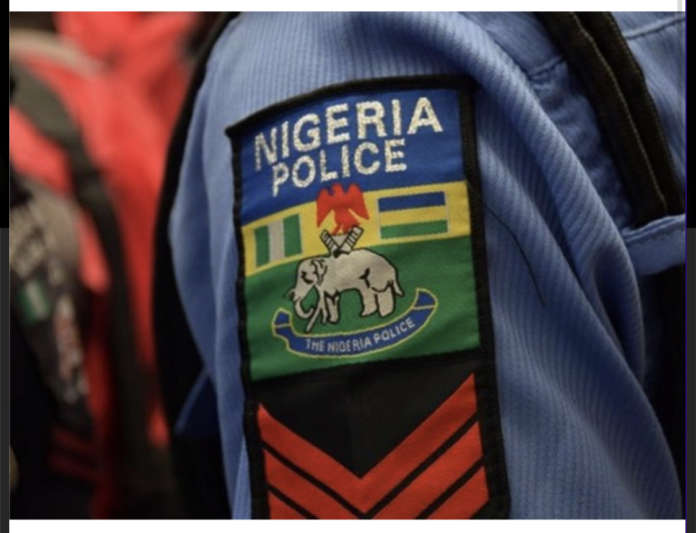
The Duration for Police to Investigate Misconducts of Police Officers.

The Duration for Police to Investigate Misconducts of Police Officers. Daily Law Tips (Tip 799) by Onyekachi Umah, Esq., LL.M, ACIArb(UK)

Introduction:    

Since man is never perfect, the institutions of man can never be perfect. Hence, there is always room for lapses to be detected, investigated and treated. The Nigeria Police Force is established to protect lives and properties. However, there are many Police Officers that have shortened lives and damages properties of persons in Nigeria. So, having an internal mechanism for the investigation and punishment of Police Officers for their misconducts is inevitable. 

Delay in justice is almost synonymous to judicial and administrative processes in Nigeria. Since justice delayed is justice denied, having a timely investigation of complaints made against Police Officers is a leap on to justice. The 2020 Nigeria Police Act has changed the old days, when investigation of misconducts of Police Officers by the Nigeria Police Force would take forever, since there was no statutory maximum period for investigations. 

This work reveals the mandatory duration provided by the Police Act, for the Nigeria Police to complete investigations on complaints made against police officers. It also shows the relevant department in the Nigeria Police Force that must receive complaints made against Police Officers and the what the outcome of an investigation should be. 

Reporting and Investigation of Police Officers’ Misconducts: 

According to Marvellous Iheukwumere; “Nigeria has a serious problem with police corruption, at all levels. At the top, senior police officials embezzle staggering sums of public funds. To take just one example, in 2012, the former Inspector General of Police, Sunday Ehindero, faced trial for embezzling 16 million Naira (approximately US$44,422). Meanwhile, at the lower levels, rank-and-file Police Officers regularly extort money from the public, and crime victims must pay bribes before the police will handle their cases.” 

The violation of the Nigeria Police Act, 2020 (the federal law that regulates the Nigeria Police Force) and its Regulations or any other law in Nigeria is a misconduct. The Nigeria Police Act expects the general public to report every case of misconduct to the nearest police station, for an investigation to be carried out. 

By section 131 of the Nigeria Police Act, the Inspector General of Police (the highest police officer in Nigeria and head of the police) is to create a Police Complaints Response Unit at the headquarters of the Nigeria Police Force. He is to also have the Police Complaints Response Unit in every Police Command in each state in Nigeria and in the Federal Capital Territory. The Police Complaints Response Unit is to be under the Public Relations Section of the Nigeria Police Force. 

The Police Complaints Response Unit is to receive complaints or information on the misconducts of police officers, from the general public and from police officers, too. The complaints may include; misconducts of Police Officers that resulted to death or grievous body injury of any person or a violation of human rights of any person. Other acceptable complaints, are complaints that a police officer may have committed a criminal offence or be engaged in any form of professional misconduct. So, any complaint against a Police Officer in any part of Nigeria, should be sent to the Police Complaints Response Unit in the headquarters of police or in the nearest Police Command. 

The Duration of Investigation of Police Misconduct: 

Investigations are never too last forever. The Police Complaints Response Unit is to investigate every complaint received from any person, against a police officer. The Police Complaints Response Unit is by law to complete its investigation within 21 days from the day that the complaint was made. 

Counting from the day a complaint is made against a police officer for misconduct, the Police Complaints Response Unit must be law complete and conclude its investigations within 21 days. During the investigations of the Police Complaints Response Unit, the police officer that has a complaint against him, should be allowed to defend himself. The result of the investigation must be a report and a recommendation, to be forwarded to the Inspector General of Police or the Commission of Police in the State. The report and recommendation are to be sent through the Force Public Relations Officer or the Public Relations Officer in the State or in the Federal Capital Territory, respectively. 

Conclusion: 

Gone are the days when the investigation of a police officer for misconduct by the Nigeria Police Force took forever. Like we say in Nigeria, such investigations where often “inconclusive” (abandoned and frustrated). By the federal law that regulates Police Officers in Nigeria, the Police Complaints Response Unit must accept and complete investigations against any Police Officers for misconduct, within 21 days from the day a complaint was made against a Police Officer.

My authorities, are:

  1. Sections 1, 2, 3, 14, 16, 17, 33 to 45, 214, 215, 216, 318 and 319 of the Constitution of the Federal Republic of Nigeria, 1999.
  2. Sections 1, 2, 3, 4, 5, 31, 90, 96, 131, 132, 133, 134 of the Nigeria Police Act, 2020.
  3. Sections 2, 7, 8, 13 and 14 of the Anti-Torture Act, 2017. 
  4. Police Corruption Perceptions Index <https://www.indexmundi.com/surveys/results/1> accessed 25 May 2021
  5. Marvellous Iheukwumere,, “Fighting Police Corruption in Nigeria: An Agenda for Comprehensive Reform” (GAB, 6 September 2019) <https://globalanticorruptionblog.com/2019/09/06/fighting-police-corruption-in-nigeria-an-agenda-for-comprehensive-reform/> accessed 25 May 2021.
  6. Onyekachi Umah, “How to Report and Discipline Police Officers” (LearnNigerianLaws.com, 25 May 2021) <https://learnnigerianlaws.com/how-to-report-and-discipline-police-officers/> accessed 27 May 2021
  7. Onyekachi Umah, “Warrant of Arrest: Contents and Issuance” (LearnNigerianLaws.com, 19 April 2021) <https://learnnigerianlaws.com/warrant-of-arrest-contents-and-issuance/> accessed 25 May 2021.
  8. Onyekachi Umah, “12 Situations Where Police Officers Can Arrest Without Warrant” (LearnNigerianLaws.com, 18 June 2019) <https://learnnigerianlaws.com/12-situations-where-police-officers-can-arrest-without-warrant/> accessed 25 May 2021.
  9. Onyekachi Umah, “An Ordinary Person Can Arrest A Criminal Suspect Even Without A Warrant In Nigeria” (LearnNigerianLaws.com, 17 July 2018) <https://learnnigerianlaws.com/an-ordinary-person-can-arrest-a-criminal-suspect-even-without-a-warrant-in-nigeria/> accessed 25 May 2021.
  10. Onyekachi Umah, “When Can Police Search A House Without A Warrant” (LearnNigerianLaw.com, 11 March 2019) <https://learnnigerianlaws.com/when-can-police-search-a-house-without-a-warrant/> accessed 25 May 2021.
  11. Onyekachi Umah, “The Right Of Police To Break/Damage Any House In Search Of Suspects Even Without Warrant To Search” (LearnNigerianLaws.com, 18 February 2019) <https://learnnigerianlaws.com/the-right-of-police-to-break-damage-any-house-in-search-of-suspects-even-without-warrant-to-search/> accessed 25 May 2021.
  12. Onyekachi Umah, “Contents of Police Monthly Reports To Magistrates” (LearnNigerianLaws.com, 17 November 2020) <https://learnnigerianlaws.com/contents-of-police-monthly-reports-to-magistrates/> accessed 25 May 2021.
  13. Onyekachi Umah, “Qualifications for an Inspector General of Police” (LearnNigerianLaws.com, 4 February 2021) <https://learnnigerianlaws.com/qualifications-for-an-inspector-general-of-police/> accessed 25 May 2021.
  14. Onyekachi Umah, “Can the Appointment of an Inspector General of Police be Extended?” (LearnNigerianLaws.com, 2 February 2021) <https://learnnigerianlaws.com/can-the-appointment-of-an-inspector-general-of-police-be-extended/> accessed 19 April 2021.
  15. Chris Admin, “Onyekachi Umah Speaks To ChannelsTv On SARS & The New Police Act” (LearnNigerianLaws.com, 9 November 2020) <https://learnnigerianlaws.com/onyekachi-umah-speaks-to-channelstv-on-sars-the-new-police-act/> accessed 25 May 2021.
  16. Onyekachi Umah, “Minimum Information That Must Be In Database Of All Arrested Persons At Federal And State Levels In Nigeria” (LearnNigerianLaws.com, 16 September 2019) <https://learnnigerianlaws.com/minimum-information-that-must-be-in-database-of-all-arrested-persons-at-federal-and-state-levels-in-nigeria-daily-law-tips-tip-415-by-onyekachi-umah-esq-llm-aciarb-uk > accessed 25 May 2021.
  17. Onyekachi Umah, “Head of a Police Station Must Make Monthly Report of Arrests to a Magistrate” (LearnNigerianLaws.com, 24 August 2020) <https://learnnigerianlaws.com/head-of-police-station-must-make-monthly-report-of-arrests/ > accessed 25 May 2021. 
  18. Onyekachi Umah, “Police Stations Now Have Supervising Magistrates” (LearnNigerianLaws.com, 9 October 2020) <https://learnnigerianlaws.com/police-stations-now-have-supervising-magistrates/ > accessed 25 May 2021.
  19. Onyekachi Umah, “Is Nigerian Police to Investigate Cases of Missing Persons After 24 hours?” (LearnNigerianLaws.com, 11 May 2021) <https://learnnigerianlaws.com/is-nigerian-police-to-investigate-cases-of-missing-persons-after-24-hours/> accessed 25 May 2021.
  20. Onyekachi Umah, “An Alternative to Courts for Human Rights Cases” (LearnNigerianLaws.com, 14 May 2021) <https://learnnigerianlaws.com/an-alternative-to-courts-for-human-rights-cases/> accessed 23 May 2021. 
  21. Onyekachi Umah, “Stripping Suspects Naked is Torture and it’s a Crime” (LearnNigerianLaws.com, 16 February 2021) <https://learnnigerianlaws.com/stripping-suspects-naked-is-torture-and-its-a-crime/> accessed 23 May 2021
  22. Onyekachi Umah, “Can Police Punish Unlawful Protesters?” (LearnNigerianLaws.com, 15 February 2021) <https://learnnigerianlaws.com/can-police-punish-unlawful-protesters/> accessed 23 May 2021
  23. Onyekachi Umah, “When Can A Protest Become A Riot?” (LearnNigerianLaws.com, 6 November 2020) <https://learnnigerianlaws.com/when-can-a-protest-become-a-riot/> 23 May 2021
  24. Onyekachi Umah, “#EndSarsNow: Punishment For Police (SARS) Torture” (LearnNigerianLaws.com, 6 October 2020) <https://learnnigerianlaws.com/endsarsnow-punishment-for-police-sars-torture/> accessed 23 May 2021
  25. Onyekachi Umah, “#EndSarsNow: Nigeria Police Lacks Power To Punish” (LearnNigerianLaws.com, 7 October 2020) <https://learnnigerianlaws.com/endsarsnow-nigeria-police-lacks-power-to-punish/> accessed 23 May 2021
  26. Onyekachi Umah, “#EndPoliceBrutality: How To Sue the Nigeria Police Force and Police Officers” (LearnNigerianLaws.com, 14 October 2020) <https://learnnigerianlaws.com/endpolicebrutality-how-to-sue-the-nigeria-police-force-and-police-officers/> accessed 23 May 2021
  27. “Demand justice for Police Brutality in Nigeria” (Amnesty International) <https://www.amnesty.org/en/get-involved/take-action/nigeria-end-impunity-for-police-brutality-end-sars/> accessed 23 May 2021
  28. Onyekachi Umah, “Who Can Be Lawfully Killed In Nigeria?” (LearnNigerianLaws.com, 26 October 2020) <https://learnnigerianlaws.com/who-can-be-lawfully-killed-in-nigeria/ > accessed 23 May 2021
  29. Femi Falana, “Police Permit Not Required For Rallies in Nigeria” (Premium Times, 23 January 2014) <https://www.premiumtimesng.com/opinion/153860-police-permit-required-rallies-nigeria.html> accessed 23 May 2021
  30. Onyekachi Umah, “Can A Person With A Nigerian Flag Be Shot Or Killed?” (LearnNigerianLaws.com,23 October 2020) <https://learnnigerianlaws.com/can-a-person-with-a-nigerian-flag-be-shot-or-killed/ > accessed 23 May 2021
  31. Onyekachi Umah, “#EndPoliceBrutality: When & How Can Government Prohibit Protest In Nigeria?” (LearnNigerianLaws.com, 19 October 2020) <https://learnnigerianlaws.com/when-and-how-can-government-prohibit-protest-in-nigeria/ > accessed 23 May 2021
  32. Onyekachi Umah, “#EndPoliceBrutality: The Right To Protest Is A Human Right.” (LearnNigerianLaws.com, 15 October 2020) <https://learnnigerianlaws.com/endpolicebrutality-the-right-to-protest-is-a-human-right/ > accessed 23 May 2021
  33. Onyekachi Umah, “#EndPoliceBrutality: Do You Need A Police Permit To Protest?” (LearnNigerianLaws.com, 16 October 2020) <https://learnnigerianlaws.com/endpolicebrutality-do-you-need-a-police-permit-to-protest/> accessed 23 May 2021
  34. Onyekachi Umah, “Does The President/Governors Have Powers To Lockdown Any Part Of Nigeria Or Restrict Human Rights?” (LearnNigerianLaws.com, 31 March 2020) <https://learnnigerianlaws.com/does-the-president-governors-have-powers-to-lockdown-any-part-of-nigeria-or-restrict-human-rights-daily-law-tips-tip-537-by-onyekachi-umah-esq-llm-aciarbuk/ > accessed 23 May 2021
  35. Onyekachi Umah, “Human Rights That Can Never Be Restricted Even In War, Pandemic or State of Emergency (LearnNigerianLaws.com, 2 April 2020) <https://learnnigerianlaws.com/human-rights-that-can-never-be-restricted-even-in-war-pandemic-or-state-of-emergency-daily-law-tips-tip-539-by-onyekachi-umah-esq-llm-aciarbuk/> accessed 23 May 2021
  36. Onyekachi Umah, “Duty of Government to Pay Compensation for Damages Caused By Riot.” (LearnNigerianLaws.com, 4 November 2020) <https://learnnigerianlaws.com/duty-of-government-to-pay-compensation-for-damages-caused-by-riot/> accessed 23 May 2021
  37. Onyekachi Umah, “Who Pays For Properties Damaged or Lost In A Riot In Nigeria” (LearnNigerianLaws.com, 6 August 2018) <https://learnnigerianlaws.com/daily-law-tips-by-onyekachi-umah-esq-tip-157-who-pays-for-properties-damaged-or-lost-in-a-riot-in-nigeria/ > accessed 23 May 2021
  38. Onyekachi Umah, “List of Fundamental Human Rights In Nigeria.” (LearnNigerianLaws.com, 22 October 2020) <https://learnnigerianlaws.com/list-of-fundamental-human-rights-in-nigeria/> accessed 23 May 2021
  39. Chris Admin, “Onyekachi Umah Speaks To ChannelsTv On SARS & The New Police Act” (LearnNigerianLaws.com, 9 November 2020) <https://learnnigerianlaws.com/onyekachi-umah-speaks-to-channelstv-on-sars-the-new-police-act/> accessed 23 May 2021
  40. Onyekachi Umah, “What Is The Punishment For Any Person Including Police Officers That Tortures Another Person” (LearnNigerianLaws.com, 18 December 2018) <https://learnnigerianlaws.com/daily-law-tips-by-onyekachi-umah-esq-tip-251-what-is-the-punishment-for-any-person-including-police-officers-that-tortures-another-person/> accessed 23 May 2021
  41. Onyekachi Umah, “Is Obeying “Orders From Above” a Defence for Torture in Nigeria” (LearnNIgerianLaws.com, 7 September 2019) <https://learnnigerianlaws.com/is-obeying-orders-from-above-a-defence-for-torture-in-nigeria-daily-law-tips-tip-409-by-onyekachi-umah-esq-llm-aciarb-uk/> accessed 23 May 2021
  42. Onyekachi Umah, “Being Present During Torture Without Participating In It, Is A Crime” (LearnNigerianLaws.com, 25 November 2019) <https://learnnigerianlaws.com/being-present-during-torture-without-participating-in-it-is-a-crime-daily-law-tips-tip-464-by-onyekachi-umah-esq-llm-aciarb-uk/> accessed 23 May 2021
  43. Onyekachi Umah, “New Punishment for Security Officers Involved in Torture in Nigeria.” (LearnNigerianLaws.com, 27 August 2017) <https://learnnigerianlaws.com/new-punishment-for-security-officers-involved-in-torture-in-nigeria-daily-law-tips-tip-401-by-onyekachi-umah-esq-llm-aciarb-uk/> accessed 23 May 2021
  44. Onyekachi Umah, “Watching Torture but not Participating in it, is Torture.” (LearnNigerianLaws.com, 19 November 2019) <https://learnnigerianlaws.com/watching-torture-but-not-participating-in-it-is-torture-daily-law-tips-tip-460-by-onyekachi-umah-esq-llm-aciarb-uk/> accessed 23 May 2021
  45. Onyekachi Umah, “Any Security Agency’s Manual/Protocol that Allows Torture Even for National Security Cases is Unlawful and its Officers are Liable.” (LearnNigerianLaws.com, 11 September 2019) <https://learnnigerianlaws.com/any-security-agency-s-manual-protocol-that-allows-torture-even-for-national-security-cases-is-unlawful-and-its-officers-are-liable-daily-law-tips-tip-412-by-onyekachi-umah-esq-llm-aciarb-uk/> accessed 23 May 2021
  46. Pic Credit: ControlTv.ng

Sabi Law Projects:

#SabiLaw

#DailyLawTips

#SabiBusinessLaw

#SabiElectionLaws

#SabiHumanRights

#SabiLawOnTheBeatFm

#SabiLawLectureSeries

#CriminalJusticeMonday

#SabiLawVideoChallenge

Speak with the writer, ask questions or make inquiries on this topic or any other via [email protected], [email protected] or +2348037665878 (whatsapp). To receive free Daily Law Tips, join our free WhatsApp group via https://chat.whatsapp.com/L7h4f1exItZ38FeuhXG4WN or Telegram group, via the below link: https://t.me/LearnNigerianLaws

To keep up to date on all free legal awareness projects of Sabi Law Foundation, follow us via

Facebook Page:@LearnNigerianLaws,

Instagram:@LearnNigerianLaws,

Twitter: @LearnNigeriaLaw,  

YouTube: Learn Nigerian Laws

WhatsApp Groups via (https://chat.whatsapp.com/L7h4f1exItZ38FeuhXG4WN),

Telegram Group: (https://t.me/LearnNigerianLaws),

Facebook group: (https://www.facebook.com/groups/129824937650907/?ref=share)

or visit our website: (www.LearnNigerianLaws.com)

Please share this publication for free till it gets to those that need it most. Save a Nigerian today! NOTE: Sharing, modifying or publishing this publication without giving credit to the author or Sabi Law Foundation is a criminal breach of copyright and will be prosecuted. This publication is the writer’s view not a legal advice and does not create any form of relationship. You may reach the writer for more information.

This publication is powered by www.LearnNigerianLaws.com {A Free Law Awareness Program of Sabi Law Foundation, supported by the law firm of Bezaleel Chambers International (BCI).} Sabi Law Foundation is a Not-For-Profit and Non-Governmental Legal Awareness Organization based in Nigeria. For sponsorship and partnership, contact: [email protected], [email protected] or +234 903 913 1200.

The death of Ahmed Gulak, By Reuben Abati

Late Ahmed Gulak

The cold-blooded murder of Hon. Ahmed Gulak, former Speaker of the Adamawa House of Assembly, former Special Adviser on Political Affairs to President Goodluck Jonathan, former national co-ordinator of the Goodluck Support Group (GSG) and former Governorship aspirant under the platform of the People’s Democratic Party (PDP) is yet another tragic indication of the crisis of insecurity that Nigeria faces. It is disturbing and frightening because this was a Northern politician who had gone to the South East only to be brutally cut down by “unknown gunmen” on his way to the airport after concluding his visit to Imo State.

This was a clear case of assassination. There were two other persons with him according to reports. The assassins, true to type, identified their quarry, murdered him and didn’t bother about the witnesses. It is all the more curious because Gulak has a recent history of association with Imo State. He was the leader of the APC team that organized the controversial party primaries in Imo State ahead of the 2019 Gubernatorial elections. Gulak it was said, was under pressure to sign the papers declaring an associate and relation of the then Governor Rochas Okorocha, as the winner of the primaries. Gulak refused and sneaked out of town under the cover of night. He alleged that he was offered a $2 million bribe and a private jet. Whatever may be the circumstances that took him to Imo State this time around, he obviously also wanted to sneak out of town without drawing attention to himself. If he had known that he was a person of interest in that part of the country, he probably would have stayed away. Or did anyone trail him to Imo State, monitored his movements and struck at a convenient spot and time? Did his assassins choose the place of attack deliberately to hide their trail, and divert attention?

In most cases of this nature, the Nigeria Police are often so lazy, so unimaginative. They easily jump to conclusions, latching on to the most convenient lead. This explains why the initial reaction from the Imo State Police Command was that Gulak made himself a target by not asking for security escort. For us to feel safe and have a good country, it must be possible for anyone at all to move around freely in Nigeria without having to seek police escort. Section 14(2) of the 1999 Constitution states clearly that the security and welfare of the people is the primary purpose of government. Section 41 of the same Constitution guarantees the freedom of movement. Section 34 talks about the right to the dignity of the human person. These are three major areas in which the Nigerian government has failed the people over the years. Why should citizens seek police protection in order to travel from their homes or hotel rooms to the airport? If we all do so, there will no policeman left on routine duty.

The sad part of it is that we live in a country where no one is safe anymore, not even school children, students and their teachers, wives, husbands, and the ordinary man. The state is in recess. It is absent. Its institutions are too fragile to help the people. The people are like orphans in their own country. Gulak’s death should be a warning sign of how dangerously Nigeria sits on the brink of the precipice and the edge of a knife. This is why the security agents handling the investigations must learn to think before opening their mouths. In less than 24 hours after the killing, the Police not only blamed Gulak for killing himself (because he did not ask for police security! Imagine!), they also immediately concluded that bandits were behind the killing. In 24 hours, they opened a case file and closed it. This kind of beer-parlour-policing is unacceptable. I expect the Police headquarters in Abuja to take charge directly from the office of the Inspector General of Police. We have been told that the Police have since apprehended Gulak’s killers. So fast? Are the suspects in custody really the killers? Or is this a case of lazy policing?

The murder of Hon. Ahmed Gulak is bound to widen the distrust between the South and the North. The optics are bad. The signs are ominous. Gulak did not go to Imo State to graze cattle, and even if he did, he did not deserve to be murdered. It should not be surprising therefore, that his murder is being located in the growing North-South politics of difference, and the rights of every Nigerian under the Constitution. Hence, much effort has been made to ethnicize his murder, or lend it an ethnic colouration. That is the dangerous part of it, and it is the reason the Nigerian government must not treat this as just another murder. The First World War was ignited by the killing of Archduke Franz Ferdinand and his wife, on June 28, 1914 in Sarajevo by Serbian terrorists, the Black Hand. He was the presumptive heir to the Austria-Hungarian throne. The Great War started a month after his death, and went on for four years. And over 20 million people died. It takes only one incident to ignite others and turn embers into a huge conflagration.

Governor Rotimi Akeredolu, Ondo State Governor, Chair of the Southern Governors Forum and APC chieftain, is right to have described the killing of Ahmed Gulak as “one murder too many” and an attempt “to instigate Nigerians against each other, particularly Northerners against the Igbo living outside the South East.” Toeing the same line, human rights activist, author, and politician Comrade Shehu Sani, member of the 8th National Assembly, who represented Kaduna Central, has also appealed to youths in Northern Nigeria not to seek vengeance for the murder of Ahmed Gulak in the South East. Nigeria’s civil war, 1967 -1970 was ignited by ethnic sentiments and reprisal killings. No country survives two civil wars. We all have to be careful. There is an evil wind blowing across the country. On Sunday, the Coalition of Northern Groups issued a statement to say that the murder of Ahmed Gulak is an indication that the North can no longer continue to co-exist with people of Igbo extraction inside Nigeria. The group accused South East leaders of funding the Indigenous People of Biafra (IPOB) and the Eastern Security Network (ESN) to cause havoc and “replicate the ugly events of 1966”. The Northern Youths Council of Nigeria (NYCN) also called on the Governor of Imo State to produce Gulak’s killers within two weeks or risk being declared “persona non grata in the North”. This same NYCN has since down its rhetoric and praised the police. The volte-face is suspicious but helpful.

It is good news also that the IPOB and ESN, the militant, political and security units defending Igbo and secessionist Biafra interests have declared that they have no hand in the Gulak assassination, and that in no way was he a person of concern to them. What no one can deny however, is that the South East has become a war zone. Whereas it is possible to talk about insurgents, terrorists, and kidnappers in Northern Nigeria
occupying the Sambisa Forest or what they now call, the Timbuktu Triangle, the South East of Nigeria is now the operation field of a strange phenomenon called “unknown gunmen.” Nigeria must be the only country in the world where ghosts and unidentifiable objects cause so much havoc and the state is so terribly helpless. From Ebonyi to Anambra, Abia, Enugu, Imo and every part of the South East, human beings are being killed, kidnapped, murdered, assaulted, offices and facilities belonging to the Independent National Electoral Commission (INEC), the police, the immigration service, the judiciary are being set ablaze and all we hear is that “unknown gunmen” are behind it all. Is there anything that is known to the Nigerian government at all?

In the last 3 days, there have been other assassinations: The Chief Provost of Nigerian Immigration Service, Imo State Command, Okiemute Mrere was murdered on Saturday night on Owerri-Port Harcourt Road. In Niger State, bandits are on rampage. They have set a police station ablaze and kidnapped persons, including 200 school children. In Ibadan, Oyo State a popular businessman, Maduabuchi Owuamanam was also assassinated on Saturday, May 29, along Mokola-Sango Road. In Abuja, yesterday, Omoyele Sowore, leader of the #RevolutionNow movement had a life-threatening encounter with assassins in state uniform. In his own case, he lives to tell the story, asking his followers to carry on with the revolution even if he gets killed. Dead men don’t tell stories. The truth is this: nobody is safe in this country anymore, and whereas this may sound repetitive, note this: not even the foetuses in blessed wombs waiting to join the Nigerian nightmare are safe. The country is that bad.

I knew Ahmed Gulak. We worked together in the Jonathan administration. He advised the President on Political Matters, and was later the co-ordinator of the Goodluck Support Group. In the latter capacity, he stepped on some powerful and sensitive toes as he went around the country in the lead up to the 2015 elections, and that was what led to his exit. I announced his appointment and his exit. But the Ahmed Gulak I remember, is a political man of action. He was articulate, knowledgeable and experienced. Having served as Speaker of the House of Assembly in Adamawa, and entrenched as he was in party politics, he carried himself with the aplomb of a man who had been here and there. He was friendly and approachable. In a sense, he was one of us, the boys in the Jonathan inner circle, that is the “the main body”. There were persons who were not permanently with the Principal but who wielded much influence because they had access. He was one of them. President Jonathan liked him a lot. The story of his exit will not be told here, except to say that one Governor at the time felt Ahmed Gulak had the temerity to visit his state without his permission and held meetings without his approval, and that was it. The Governor raised hell. Those were the days. I am under no obligation to say more. With his death, we have lost a man who enjoyed the art of politics and sought to excel in it. He was confident, assertive and always well turned out. He was one of the shining stars in his part of the country. He was detribalised. His murder on the streets of Imo State is most unfortunate because that was a man who felt at home in any part of the country. Nigeria has lost a gem, and as always, it is the country that has been shot in the foot. His death should not end up as another item in Nigeria’s long list of unresolved political assassinations.

▪︎Dapo Abiodun And Honour For Olusegun Osoba

I was in Abeokuta on Tuesday, May 25, to attend the commissioning of a Press Centre at the Government Secretariat, Oke Mosan in honour of Chief Olusegun Osoba, two-time Governor of Ogun State (1992 -1993) and (1999 -2003). It is curious that the Ogun State Government since 1976 when the state was created had no press centre for journalists reporting on the activities of the state government. The main infrastructure, before now, where press meetings could be comfortably held is the Nigeria Union of Journalists Press Centre at Oke-Ilewo, opposite the old secretariat. This NUJ centre is a multi-purpose arena. It is one of the most popular Amala and Suya joints in Abeokuta! When Governor Dapo Abiodun assumed office in 2019, he promised to build a modern-day, state of the art media centre for journalists in Ogun State, to facilitate their work and promote the freedom of information. He has kept his promise. I was one of the guests.

Immediately after The Morning Show on Arise TV, on May 25, I hit the expressway. I was curious. I also wanted to honour Chief Olusegun Osoba, after whom the new edifice is named. Chief Osoba may have been a two-time Governor (Social Democratic Party and Alliance for Democracy), he may be known today as a co-founder and chieftain of the All Progressives Congress (APC), but his main bona fide is in journalism – the profession where he proved his mettle, and rose to become a living legend of the art and craft of newspaper reporting. At 82, Chief Osoba identifies himself first and foremost as a newspaper reporter. He was the man who as a Daily Times correspondent discovered the bullet-ridden body of Prime Minister Tafawa Balewa in January 1966. He also reported the civil war. He was the only reporter of his time who had a telephone at home. He also had a Vespa scooter. He broke stories, gained many scoops and took the paths where angels of the trade feared to tread. Reporter, sub-editor, deputy editor, editor, General Manager, Managing Director from Daily Times to The Herald, to The Sketch newspaper and back to The Daily Times in 1984, Osoba’s story is well told in his autobiography, Battlelines: Adventures in Journalism and Politics which, in my view, is a must read. Osoba, first Nieman Fellow in Journalism from Nigeria, is highly revered, deservedly.

Governor Dapo Abiodun has built a befitting media work station to honour him. Even if they were not in the same political party, there is no other person more deserving of the honour. In the past week, as Prince Dapo Abiodun marks his second anniversary in office, he has been showcasing his achievements in various sectors of the state economy and how well he has fulfilled his campaign promises and delivered on them. I was asked to say a few words at the event, and I made it clear that I am impressed. Ethnic one-upmanship is the biggest problem in Ogun State. By playing neutral and liberal politics, Prince Abiodun has been able to stay above the fray.

The high moment of the event was when Chief Olusegun Osoba disclosed that the last time he got a good reception at the Ogun State Secretariat was his last day in office in 2003. For eight years, his immediate successor declared him a persona non grata. For another eight years, another successor fought him. And yet, 18 years later, he returned to see a Press Centre being commissioned in his honour. He said he wore an “aso etu”, a special Yoruba garment, to show how important the event was for him. Many lessons to be learnt from Osoba and Dapo Abiodun’s examples. Thank you, Governor Abiodun. Congratulations, Chief Osoba.


Can A Notary Public Be A Judge?

By Abubakar D. Sani, Esq

Introduction

The on-going industrial action by the Judicial Staff Union of Nigeria (JUSUN) has tasked the survival instincts of many a counsel in Nigeria like few things in recent times – both professionally and otherwise. What clearer sign of this than the so-called ‘order’ – which went viral in social media last week – which was purportedly issued by a Notary Public of Nigeria, in which he purported to adjudicate on a commercial dispute between a bank and its customer, something ordinarily reserved for the regular courts. Was he right? Let’s see

The Purported Order

Dated the 26th day of May 2021, it was issued by one Anthony Idanosi Eruaga, Esq., sitting “In the Abuja Judicial Division of the Notary Public of Nigeria” – complete with a legal practitioner’s stamp and the customary ‘red seal’ normally affixed to court processes and agreements. The proceedings leading to the order (titled ‘Reversal Order’) were purportedly instituted by one Deborah Oluwabukola Babatunde against Guaranty Trust Bank Plc., and the ‘cause of action’ is best expressed in the terms of the order itself, to wit: “that the sum of N551,250.00 9Five Hundred and Fifty One Thousand, Two Hundred and Fifty Naira) wrongly/erroneously paid by Deborah Oluwabukola Babatunde – Account No. 2000632834 via Kuda Bank into Account No. 0023457325 with the name: Ofoefu Gabriel Chukwubuikem GTB Account instead of Account No. 0032457325, Name – Arisokwu Charity Amarachi GTB Account be reversed back to Account No. 2000632834 belonging to Deborah Oluwabukola Babatunde”.

Before scrutinizing the competence or otherwise of Mr. Eruaga to issue the order, it is pertinent to pose the question of:

Who is a Notary Public?

According to the Oxford Dictionary of Law, 6th Ed., a notary public is a legal practitioner who attests or certifies deeds and other documents and notes or protests dishonoured bills of exchange. Blacks’ Law Dictionary, 7th ed., adds that a notary public is a public officer whose function is to attest and certify, by his hand and official seal, certain classes of documents, in order to give them credit and authenticity in foreign jurisdictions, to take acknowledgements of deeds and conveyances and certify them, and to perform certain official acts, chiefly in commercial matters, such as the protesting of notes and bills, the noting of foreign drafts, and marine protests in cases of loss or damages.

In Nigeria, only a legal practitioner can become a notary public: Section 2(1) of the Notaries Public Act (“NPA”). They are appointed by the Chief Justice of Nigeria and are deemed to be officers of the Supreme Court. They perform the same duties and exercise the same functions as a notary in England: Section 2(1) (2) of the NPA. They can be removed for misconduct by the Chief Justice on a report from a court which convicts them therefor: Section 7 of the NPA. The CJN can also suspend them pending a reference to and decision by the Supreme Court on any complaint against them: Section 9 of the NPA. By virtue of Section 15 of the NPA, any notary public who wilfully certifies or propounds any false statement or document is liable on conviction, to imprisonment for 2 years.

Is Notary Erauga’s ’Order’ Valid?

This is the million naira question and its answer is temptingly obvious: a resounding ‘No’! However, the reasons might not be that easy to proffer. However, here goes. To start with, nothing in the NPA even, remotely empowers notaries to ‘hold court’ and issue orders in the manner in which Mr. Eruaga boldly did: expressio unius est exclusis alterius (the express mention of something in a statute implies the exclusion of others which otherwise might be reasonably included).

Secondly, even if he possessed the legal capacity to conduct what was clearly a judicial proceedings, there was nothing to show – on the face of the order – that it was heard inter partes, i.e., that the respondent, GT Bank, was heard prior to its making. It is an elementary rule of fair hearing (called audi alterem partem) to hear the other side to a dispute before taking a decision which will prejudicially affect that party’s civil rights and obligations. This rule of natural justice is enshrined in Section 36(1) of the 1999 Constitution and has been restated time and time again by the Supreme Court.

Thirdly, under the Constitution (Section 6), the judicial powers of the Federation and the States are vested in the superior courts named therein – as well as any other courts which the National and State Houses of Assembly may deem fit to establish. Needless to say, no law confers adjudicatory functions on notaries public in Nigeria. Some have referred to an English statute which seemingly empowers notaries public in the UK to exercise judicial functions if, for whatever reason, courts there are unable to sit or function. Well, the short answer to that is that our NPA is self-executing, complete and all-embracing in terms of the remit of notaries public in Nigeria. Accordingly, the question of relying on a foreign law does not arise.

Fallout

The latest on the affair is that Mr. Eruaga has reportedly recanted and has apparently withdrawn the offensive order – blaming its publicity on the affected bank. As if it makes any difference. It is, indeed, too little too late as, his mea culpa is the ‘notarial equivalent’ of medicine after death. Accordingly, the upshot of Mr. Eruaga’s malfeasance is that he was way in over his head when he purportedly issued the order in question, He acted most recklessly and with scant regard for not only Legal Practitioners Rules of Professional Conduct, but the Constitution itself. He lacked the peremptory mandate which he exercised so magisterially and with automatic alacrity – ultimately, in vain, as he is now subject to the disciplinary remit of the Supreme Court twice over: first, under the NPA and, secondly, on appeal from the possible sanction of the Legal Practitioners Disciplinary Committee (LPDC) for infamous conduct in a professional respect.

Whilst the latter is a well-beaten track, the former is not so clear. This is because, contrary to the provisions of Section 232 and 233 of the Constitution, the NPA (in Sections 1, 8 and 10), purports to confer original criminal and appellate jurisdiction on the Supreme Court in respect of misconduct allegedly committed by notaries such as Mr. Eruaga. Once again, not only is this illegitimate, given the notion of constitutional supremacy, the said provisions of the NPA are invalid, null and void to the extent of the inconsistency: Section 1(1) & (3) of the Constitution.

As if all this was not bad enough, Mr. Eruaga is also open to prosecution by the Economic and Financial Crimes Commission, because his conduct arguably constitutes an economic or financial crime, given the subject matter of his noxious order. See Sections 4 and 7 of the EFCC Act. So much for seeking to ‘punch above one’s weight’.

Conclusion

Seldom has the normally inobtrusive provisions of the NPA – and the work of the normally placid, self-effacing notaries public – been thrust into such harsh, public glare and scrutiny. Mr. Eruaga has made the news for all the wrong reasons by exposing the Club of Notaries Public and the legal profession itself to public odium, ridicule and contempt. Quite simply, a notary public has never been, and will never be, a judge or carry out such functions ex officio – simply by virtue of his or her being a notary public. The two are parallel lines, which can never meet – save with a legislative amendment to the NPA. Unfortunately, it had to take a certain Mr. Eruaga to put it beyond doubt.

Written By Abubakar D. Sani, Esq.

28th May, 2021

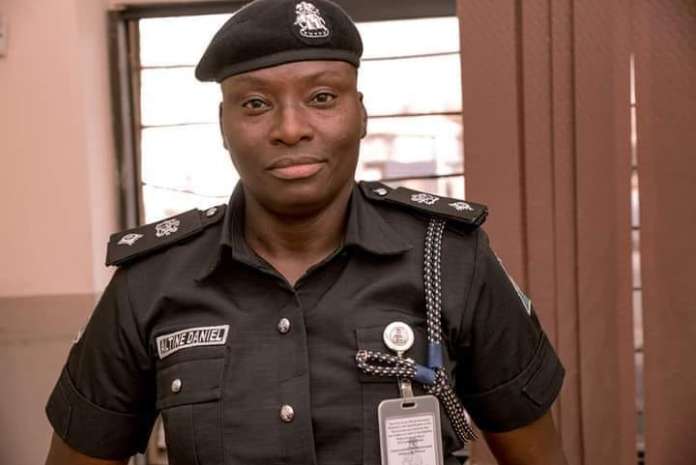
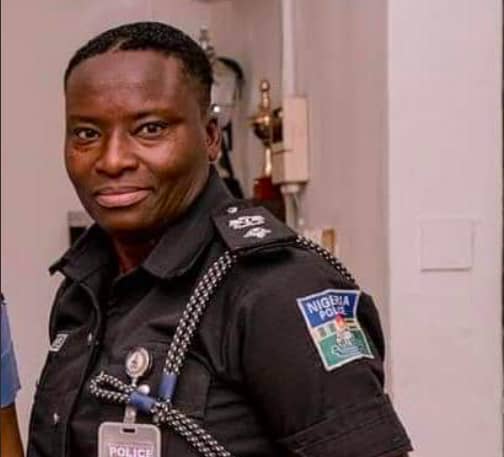
Behold ACP Altine Daniel, Police Officer who allegedly shot at Sowore (Photo & Video)

A photograph of a female police officer who allegedly shot at and wounded Ex-AAC Presidential candidate, publisher of Sahara Reporters and leader of Revolution Now Movement, Omoyele Sowore, has surfaced.

She reportedly shot at Sowore at Unity Fountain in Abuja during a protest on Monday morning, apparently to disrupt it any disperse the protesters.

Sowore had in a tweet accused a female police identified as ACP Altine Daniel, as being responsible for the attack on him.

Also, Activist Deji Adeyanju 8n both his tweet and in a video footage where Sowore was about to be taken out of the car to be wheeled into a medical facility, stated that he knew Altine very well, adding that her actions would not go unpunished.

Credit:theconclaveng

TIPS