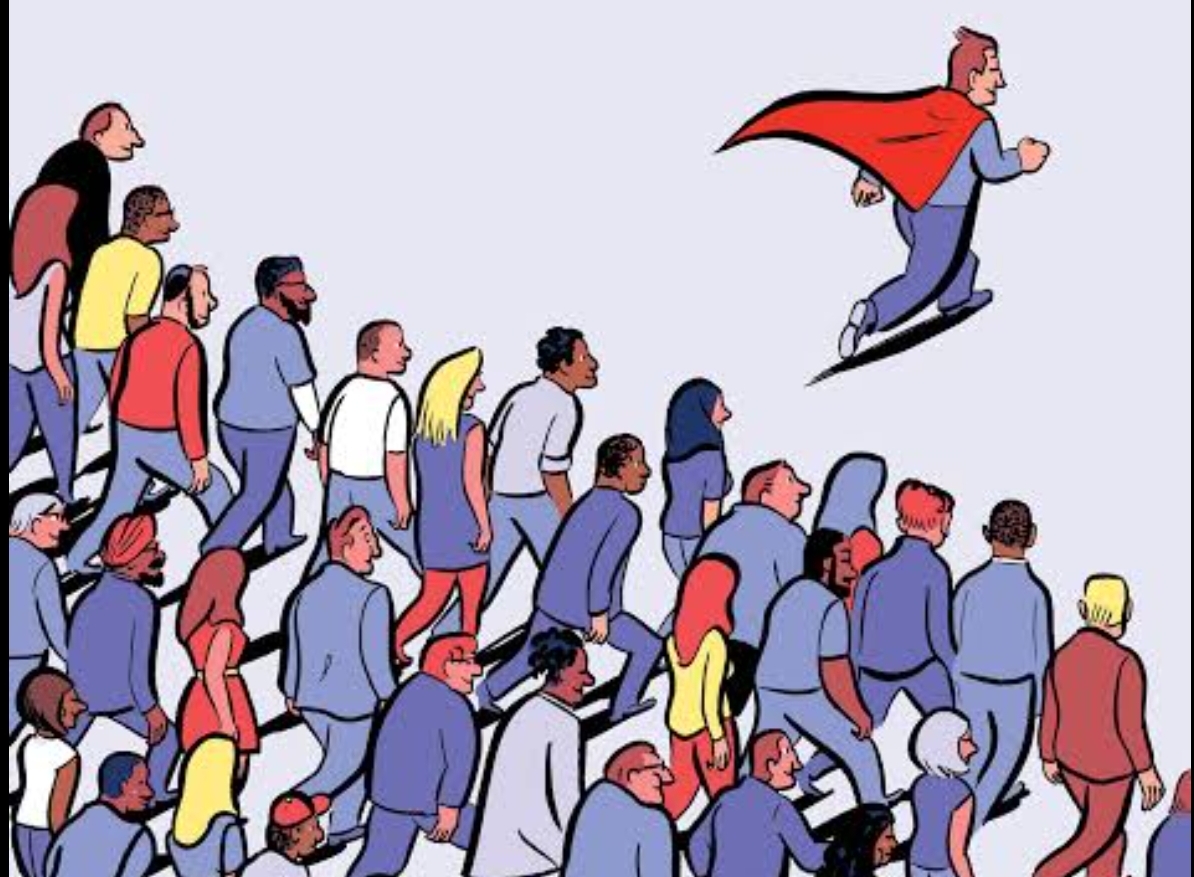
Fresh from a major victory over the Philistines, King David made a major mistake. Instead of trusting God for his next battle, he conducted a census designed to measure his military power and determine his chances of winning. As a result, seventy thousand Israelites perished. This story teaches us three very important lessons about leadership responsibility: 1) As a leader, you’re Satan’s special target. He knows that in order to get to others, he must go through you, so he will use every strategy he has to bring you down. ‘Satan rose up against Israel and incited David to take a census.’ The average board of directors would probably have considered it a good idea, but God saw it as an act of arrogance and unbelief. 2) Don’t be presumptuous. Don’t let your last victory make you overconfident about your next battle. There will never be a time when you don’t need God ! The fact that God had just granted David a great victory should have made him more, not less, dependent on God. Paul wrote, ‘Not that we are competent in ourselves to claim anything for ourselves, but our competence comes from God. He has made us competent’ (2 Corinthians 3:5-6 NIV). 3) Listen to wise counsel. Joab, one of David’s generals, warned him he was making a grave mistake. ‘The king’s word, however, overruled Joab’ (1 Chronicles 21:4 NIV). You may have great gifts, but you don’t have all the gifts. Where you have blind spots, others often have 20/20 vision. ‘In the multitude of counsellors there is safety’ (Proverbs 11:14 KJV), so listen to the people God put in your life to guide and protect you.
Adultery Is Not An Offence In All States In Nigeria.
DAILY LAW TIPS by Onyekachi Umah,Esq. (Tip 209)
Adultery is an offence only in the northern part of Nigeria. It is not an offence in the Western, Eastern and Southern parts of Nigeria. Hence, adultery as a crime in states in Northern Nigeria, it is punishable with 2 years imprisonment and or with an option of fine.
In the other parts of Nigeria, no person can be charged to court for adultery. While adultery may be morally wrong, until an immortality becomes an offence, no person can be charged to court for such immortality.
There is a distinction between marriage law and criminal law. Criminal law governs crimes and it is only what the law says is a crime, that is a crime. Marriage law governs marriages, and there are 3 major types of lawful marriages in Nigeria; Customary Marriage, Islamic Marriage and English (Statutory) Marriage.
Across the 3 types of lawful marriages in Nigeria, often adultery is a ground for divorce. It is a ground because the relevant laws to the marriages say so and not because adultery is a crime. Not all the grounds for divorce are crimes and not all crimes are grounds for divorce.
Coincidentally, while adultery is a good ground for divorce in the 3 types of lawful marriages across Nigeria, adultery is also an offence in the Nothern part of Nigeria. However, adultery is not an offence in the Southern part of Nigeria but it is a good ground for divorce. There is no offence known as adultery in the Criminal Laws of states in the southern part of Nigeria.
There is an argument that adultery is a criminal breach of trust and that as such, adultery is a criminal offence in the Southern part of Nigeria. This argument is faulty since every crime must be written in law and there is no law in the South that has provided for the crime of adultery.
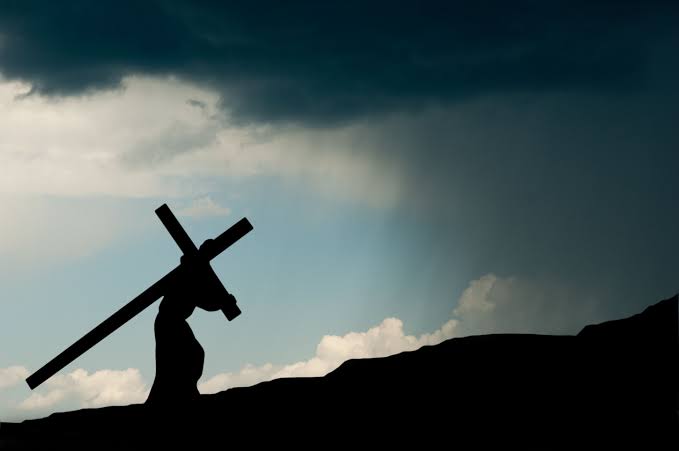
This week is marked in Christendom as the Holy Week. The Holy Week reaches its apogee on Good Friday when Jesus Christ is crucified to death on the Cross, and was buried but on the third day he rose from death. Through his death and resurrection, Jesus Christ has wrought salvation for the whole mankind. Though he was in the form of God, Jesus did not regard his equality with God as something to be grasped. Rather he emptied himself, becoming obedient to the point of death, even death on a Cross, and was buried, but rose from death on the third day. If Jesus Christ has not risen from death, writes St. Paul, our Christian faith would have been in vain. By dying on the Cross, Jesus conquered death, but by rising from the death he restored our life. Thus the Cross is the emblem of Christianity. Ecce lignum Crucis (Behold the wood of the Cross). Behold the wood of Cross on which hangs the salvation of the world. The tree upon which life was taken became the tree upon which life was restored.
By his death and resurrection, Jesus Christ has taught us to render selfless services to our neighbours and others including those who cannot directly repay us in this life for those selfless services. Therefore let us turn a new leaf. Let us hearken to the assistance of our neigbours and others. The greatest obstacles to the promotion of the common values of justice, equity, fairness, love and mutual reliance are ethno-religious hatred, suspicion, official corruption, unbridled individualism, greed and passivity. Therefore the struggle against these miseries is crucial to the future of our country Nigeria. Certainly, a system that creates loopholes for many public office holders to loot the public treasury certainly calls for a change. Also a system that keeps widening the gap between the rich and the poor is considered loathsome. Worst still, a government that folds its hands and allows anarchy to reign supreme in the land is an irresponsible government. It is sad that kidnappers, bandits, miscreants, arsonists, separatists and the so-called unknown gun have virtually overrun different parts of the country at the moment including the different Nigerian villages, clans, communities and kindred. In fact most Nigerians are no longer visiting their respective villages because they are afraid of being killed by unknown gun men and criminals who are presently occupying their respective villages, clans and communities. When Nigerians especially those from the South-East refuse to flee to their respective villages for safety and succour it means that things have completely gone bad in Nigeria. Therefore the citizens must erect a new framework of human solidarity that would guarantee the safety of lives and property in Nigeria.
It is imprudent to rely only on the government to rebuild the social order since oftentimes the government is not so responsible. The civil society or private-public partnership should be engaged to carry out some public tasks that are beneficial to the people. Government should stop pretending that it has the competence to do many things. It should be humble enough to admit its failure. It should seek help from civil society. Civil society dominates modern political thought and the political space under different names and varying acronyms – Village Assemblies, Town Unions, Neigbourhood Associations, Non-governmental organisations (NGOs), Not-for-profit Organisations (NPO), Charities, Company limited by guarantee, Civil Society Organisations (CSOs), Social structures, socio-cultural organisations and Mediating structures (as they are called in the U.S). Today the civil society, if you like, has crystallised and reached its highest crescendo in strengthening the social fabric and erecting the necessary formidable blocks for alleviating human suffering.
We must recognise that each one of us is no more human being or less human being than other human beings. Our common humanity dictates that we team up with others in finding solutions to the problems of the society. As St. Josemaria Escriva, the founder of Opus Dei, aptly puts it in his book, Christ is Passing By , “a man or a society that does not react to suffering and injustice and makes no effort to alleviate them is still distant from the love of Christ’s heart. While Christians enjoy the fullest freedom in finding and applying various solutions to these problems, they should be united in having one and the same desire to serve mankind, otherwise their Christianity will not be the word and life of Jesus: it will be a fraud, a deception of God and man”
If Jesus Christ has allowed himself to be crucified on the Cross in order to redeem us, we have to reciprocate that sacrifice by sacrificing ourselves for the good of others. We cannot shut ourselves up in our religiosity oblivious of the sufferings of our neigbours. Life is a gift we receive only when we give ourselves to the service of our fellow human beings as Jesus did. Somehow in Nigeria we have grown accustomed to tolerating all sorts of abnormalities and laughable spectacles. While the country is sick of lack of focused leadership, many Nigerian people have become victims of dangerous passivity. For example, the 2023 elections are fast approaching. Most of the politicians who ruined Nigeria in the past are gathering again to see how they can bulldoze themselves into power in order to continue to steal government money and acquire ill-gotten material wealth. Some have indicated their interest to run for President. So this is the time for the citizens, especially our social media critics, to do everything legally possible to ensure that none of these corrupt and never-do-well politicians and political office holders returns to power in Nigeria. Silence may be a sign of prudence, but the ominous silence we are witnessing in Nigeria at the moment in the face of moral crisis could be construed as a sign of cowardice if not a sign of dangerous despondency. Evil thrives, we have been told, when the so-called good men sit back and do nothing.
Holy Week invites us to bring light to the dark land; hope to the hopeless; justice to the oppressed and integrity to the wasteland. It is no use putting up a show of big penance when the heart is filled with dead men’s bones. It is no use abstaining from food without abstaining from bribery and corruption. It is pharisaical abstaining from food without abstaining from cheating our neigbours. “The bread of the needy is the life of the poor; whoever deprives them of it is the man of blood. To take away a neigbour’s living is to murder him; to deprive an employee of his wages is to shed blood” Sirach 34; 21-22). Therefore let employers pay just wages. Let employees render good service commensurate with their pay. Faith without work, we have been told, is a dead faith. Charity itself is the bond of perfection. As St. Augustine explains, “Everyone can make the sign of the cross of Christ; everyone can answer, Amen; everyone can sing Alleluluia; everyone can have himself baptized, can enter churches, can build the walls of basilicas. But charity is the only thing by which the children of God can be told from the children of the devil. Those who practice charity are born of God; those who do not practise it are not born of God…”
Considering the scandalizing human miseries and other miseries in Nigeria, a new humanitarian strategy must be adopted for promotion of human welfare in Nigeria. There are many Nigerians dying of hunger, illness, frustration and poverty. This Holy Week is an opportunity to visit them, console them, share with them our human warmth and offer them our spiritual and material assistance, if we can. Any development unaccompanied by adequate social concerns for these seemingly helpless members of the society is not a true development. It was H. G Wells who said in 1901 that “if the universe is non-ethical by our present standards, we must reconsider those standards and reconstruct our ethics”. Therefore I think we need to reconstruct our ethics in Nigeria at the moment. There should be concern for the social order. For example, we should learn to feed the man dying of hunger otherwise we would be slowly killing him. We should build a strong solidarity for the welfare of the poor, weak, sick, prisoners, elderly, lonely and the frustrated. We cannot live in our little cocoons unmindful of the plight of our neigbours. If man is said to be a social animal he should always socialize with his neigbours as well as hearken to their assistance in times of need. The poor and the suffering around us should move us to pity to team up with others to alleviate their suffering. That is the true meaning of human solidarity which we have seen demonstrated in many countries.
Our world is claiming the lives of many people through war such as the Russia-Ukraine war and other man-made disasters. Therefore we must lend a helping hand; we must hearken to the assistance of our needy neighbours; must start giving as music legend Michael Jackson is wont to sing. This is the only way to win the human race.
As I was saying, the discussion point this week would be on how we can develop our national creed to deal a blow on this enemy called national greed, whose effects have continued to destroy our national grid. Some of the political people who need to develop a national creed for the most populous black nation on earth held their political party convention yesterday at the Eagle Square, Abuja. I hope they are deepening their understanding about why we need a national creed to destroy national greed that has also stifled the growth of political party system in the country. I mean here that but for the way, this thing called national greed has eaten deep into their fabric, how can an incumbent state governor be struggling to remain as a caretaker chairman of a political party for more than a year especially when the constitution provides that no chief executive of a state should accept another executive position except in a farmland?
Let’s come to the brass tacks and the weightier matter of governance and politics of development. Everybody wants to go to America, their America, everyone, every motivational speaker on politics and governance is quick to mention the legendary Lee Kuan Yew they have read without studying the substance of the creed the leaders and the people of these great countries have used for sustainable development goals of the countries. Let’s scan the American Creed that many may not have taken note of and its place in what has become ‘American exceptionalism’, Newt Gingrich, former Speaker of the United States House of Representatives, among others has written about.
Recall that I had last week looked again into the seeds of time and found that nations that have taken care of national greed have had to begin with a national creed. And ‘America, their America’ as the iconic J.P Clark calls them, is a classic example of what we need to study about how a national development has to begin with a creed, which sadly we do not have beyond our not-so enlightened self(ish) interest, which is the root of all greed.
Writing on ‘What the American Creed Means To Me’ in Emerald Coast National Writing Project in Florida, Matthew R educates the world about the impact of the American Creed on ideologies about America and what values every American has and how to perfect the American standard.
MATTHEW wrote: America was founded for the principal reason of freedom. This included freedom of religion and freedom to govern in a representative way. This led to a huge influx in immigration as many people from all over the world. America was founded on the major beliefs that everyone is equal, has certain rights and representative government is the most effective way to govern. These inclusive values have led to a majority of all Americans being able to trace their history to immigration at one point or another.
This unique situation that America has, with such a wide variety of cultures and beliefs, results in many divided points of view. Despite these disagreements, all Americans stand behind the core values of the American Creed. The belief that the government is for the people and by the people, power is given by those governed, and that the nation is inseparable are all outlined in the American Creed. I believe that these are the most fundamental values that any nation or other smaller organization can abide by. It is important to recognize how there are many people that are involved in the social contract that is the American government. It is necessary to make sacrifices to preserve the unity of the entire nation and allow it to prosper.
The words written by William Tyler Page in 1917 are more relevant than ever in today’s society. Due to the differing opinions throughout America, it is important to remember the importance of America, as illustrated in the American Creed. It is important to recognize that the government was created for the only purpose of serving the people in that it would elect others who shared their beliefs and would help improve the quality of life of those who are governed. It is also important to give back to the country that has done so much for everyone. As shown in the American Creed, the easiest way to give back to the country as a whole is to “obey its laws; to respect its flag and to defend it against all enemies.” The large difference in cultures and beliefs does lead to disagreements on the values and what is right to do for the prosperity of the nation. Now, issues have become more split than ever before and many believe that the values of the nation are changing. The best way to better achieve the vision that is shown in the American Creed is to see past the difference and work together toward the prosperity of the nation as a whole. By working together, it is possible for so many things to be done and the vision that the American Creed illustrates can be reached.
America is a land of many people, with the significant difference in beliefs, sometime it is difficult to decide what is best for the country. By following the core values of the American Creed, the vision of America can be significantly improved. The belief that America is for the people and by the people in the form of government strongly reflects the democratic republic that the American government is set up to be. By working together as Americans it is possible for the true potential of America to be achieved…’
Again, as I was saying, this is what ‘national greed’ has taken away from us. We don’t have any creed beyond our cleavages as Nigerian-Yoruba Nigerian-Hausa, Nigerian-Fulani, Nigerian-Ijaw, Nigerian – Urhobo, Nigerian-Tiv-Nigerian-Idoma, Nigerian-Kanuri, etc who are either Christian or Muslim. There is no reason for anyone anywhere to feel proud as a Nigerian citizen. That is how even sub-national greed has taken over wisdom even in high places and even our Generals who have become leaders at different levels have suddenly become so ruthlessly greedy that no political party today would like to plunge into a Muslim-Muslim or Christian-Christian ticket in the forthcoming #Project 2023 presidential race.
When there was a country, in 1993, there was a political class that forged a national cohesion to the extent of fielding a Muslim-Muslim ticket in an election that threatened to cement unity in this same country. But the political class with some hidden agenda in their ‘Federal Republic of the Nigerian Army’ as General Chris Ali calls it, annulled all the gains in one fell swoop when they truncated the result of the election in which candidate M.K.O Abiola beat even his only rival in his electoral ward in Kano. Sadly, the last seven years of the current administration has worsened our crisis of national cohesion, no thanks to national greed that taken over their reason and their fundamental objective and directive principles of state policy.
As I also noted, Greed is an uncontrolled longing for an increase in the acquisition or use of material gain; or social value, such as status, or power. Greed has been identified as undesirable throughout known human history because it creates behaviour-conflict between personal and social goals… An example of greed is when you are obsessed with getting more and more money. A selfish or excessive desire for more than is needed or deserved, especially of money, wealth, food, or other possessions. It sometimes drives inordinate ambition and so that is where we find people’s greed for power.
And so aspirants on different platforms who are gathering around political people to produce the next set of leaders should know that they should work out a national creed that can be used to galvanise a movement to embarrass the current political class that is still being driven by this deadly virus called national greed that has destroyed our sickly national grid, which can’t deliver development to us. Let most of the young and capable politicians be realistic in their management of expectations. All of the qualified people can’t be presidents and governors. At the level of national service, let some educated people go the Soludo-way. Let most of the strong politicians target even the national and state assemblies. They are all democratic institutions too that can be used for national development, lest the greedy ones will once again take over the presidency, the state and national assemblies again. We have seen in the last 23 years what the National Assembly too can do for national development and even nation-building. The presiding officers of a strong and independent National Assembly, for instance, can be part of critical success factors in a country. Let’s not get it twisted, a lot of things would have changed even in this administration if we had had a remarkable and strong National Assembly as an institution. One doesn’t need to be an expert to tell us about the importance of the legislative arm of government as a significant check to balance the powers that are being misused. That is the arm of government that holds and controls the power of the purse. I mean the national treasury is under the control of the National Assembly through the instrumentality of the powerful Public Accounts Committees that the opposition conventionally controls. That is the arm of government that can remove any tyrannical and irresponsible president or governor. Yes, the legislature can be powerful if we have the right people there. That is why I would like to reiterate my appeal to the emerging alternative political actors not to eye only the office of the president, or governor. There are other weightier offices of state that can be exploited to develop this very important black nation, lest the greedy political class that caused the collapse of our national grid, which forced the present darkness upon the nation will win again. And we will begin to read from the book of lamentation from May 30, 2023, the morning after inauguration of another government without a National Creed.
And so this is the conclusion of the whole matter: if we do not want to continue to migrate from darkness to darkness, we the people should take more than passing interest in the democratic institutions the politicians are running around to occupy now. The journey to 2023 has begun in earnest! A major political party (s)elected their Chairman and other important national officers yesterday. Instead of agonising over their choices, those who want to beat them to their game should begin to organise Movements to defeat them too at different levels of leadership contest, lest national greed will grow luxuriantly like yam tendrils in the rainy season the morning after May 29, 2023.
It was the man of letters, Charles Louis de Secondat, Baron de La Brède et de Montesquieu, who said: “There is no greater tyranny than that which is perpetrated under the shield of the law and in the name of justice.”
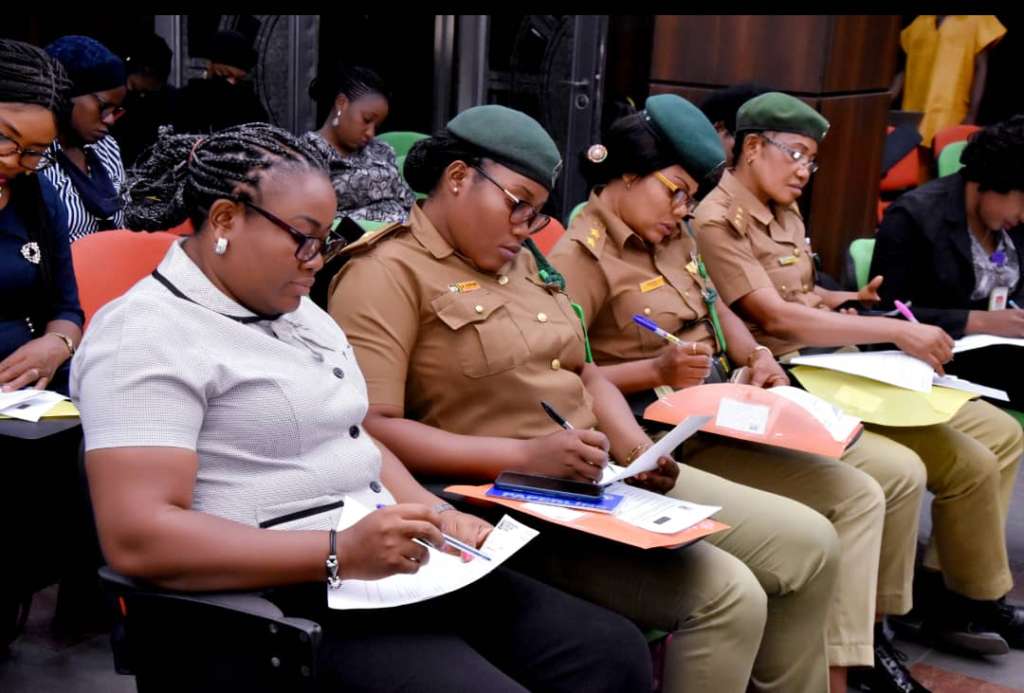
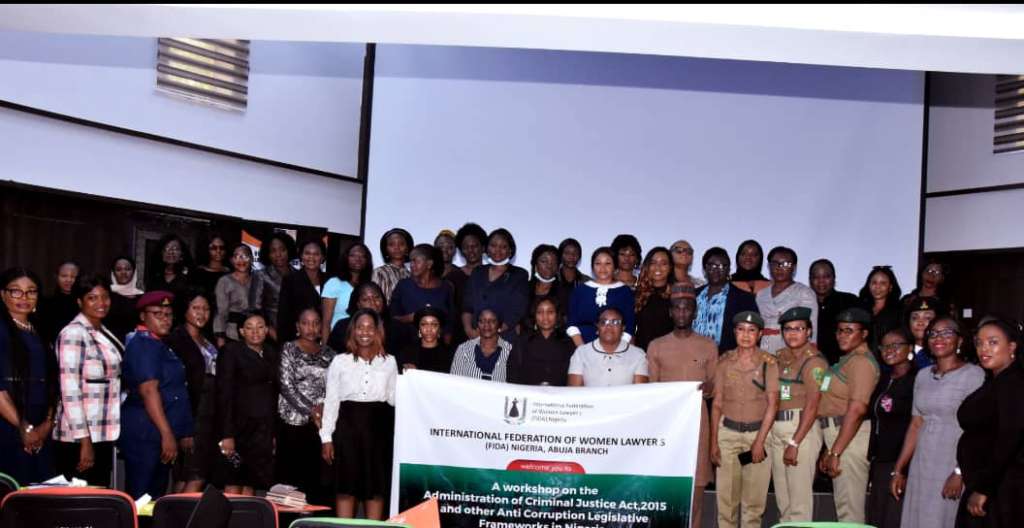
To ameliorate the continued perpetration of injustice under the cover of the law, the International Federation of Women Lawyers (FIDA) Nigeria, Abuja branch recently carried out a Continuing Legal Education Workshop on the Administration of Criminal Justice Act (ACJA) and Anti-Corruption legislative frameworks in Nigeria
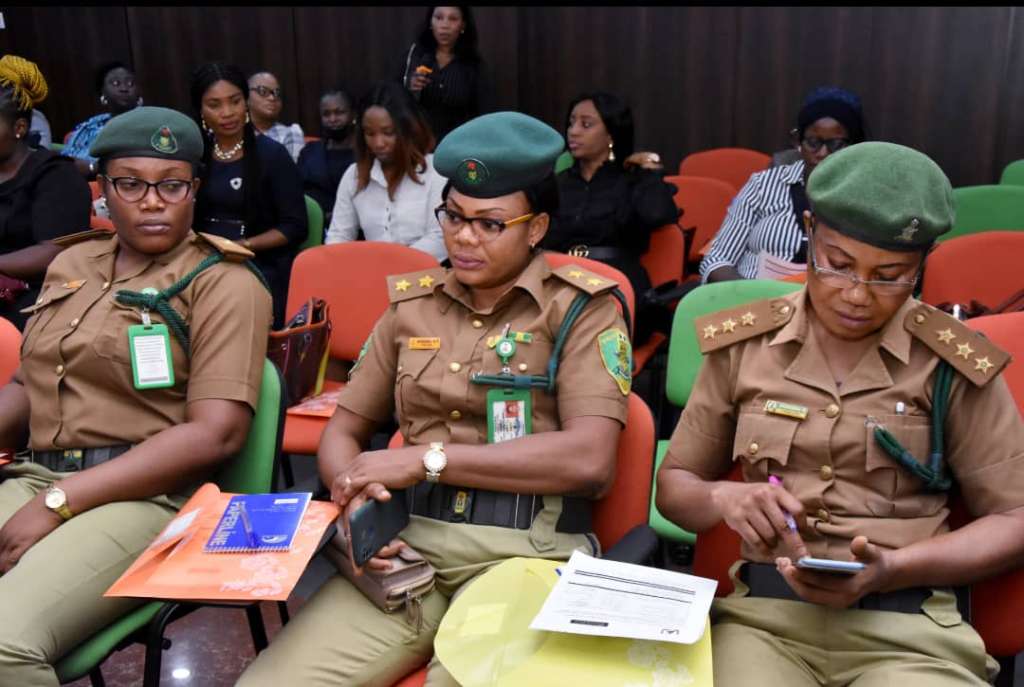
L-R: FIDA Abuja Chair, Maureen Chibuzor Nwosu, and officers of the Nigerian Correctional Service at the event
The project which was funded by Mac-Arthur Foundation was geared toward strengthening the collaboration among Criminal Justice Actors, deepening their knowledge of Criminal justice frameworks as well as ensuring effective implementation of the ACJA and other Anti-corruption legislative frameworks in the focal states.
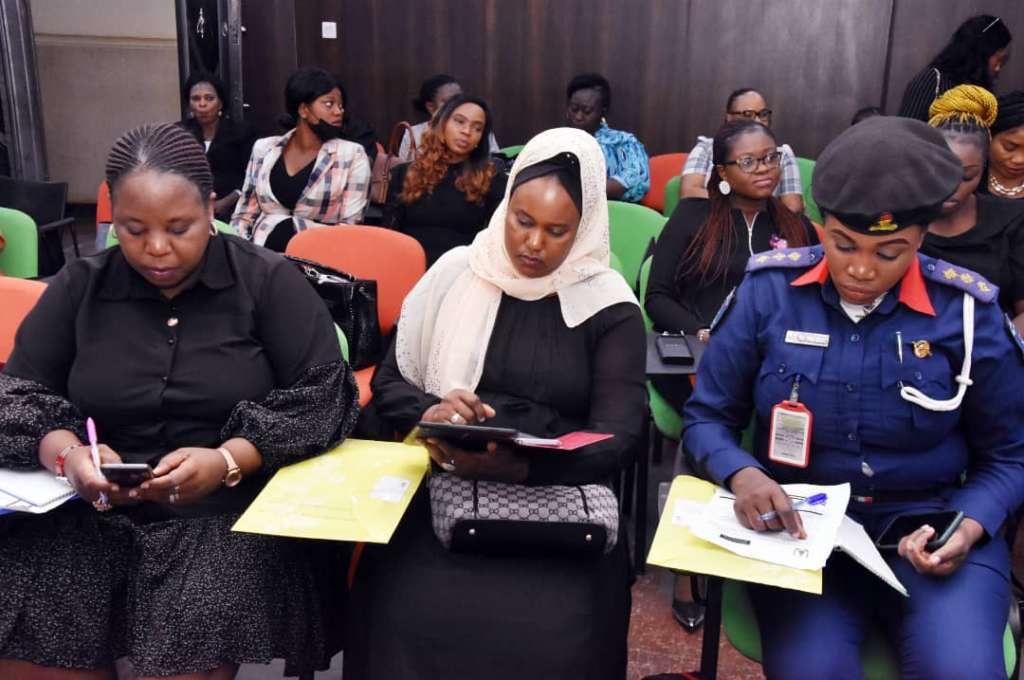
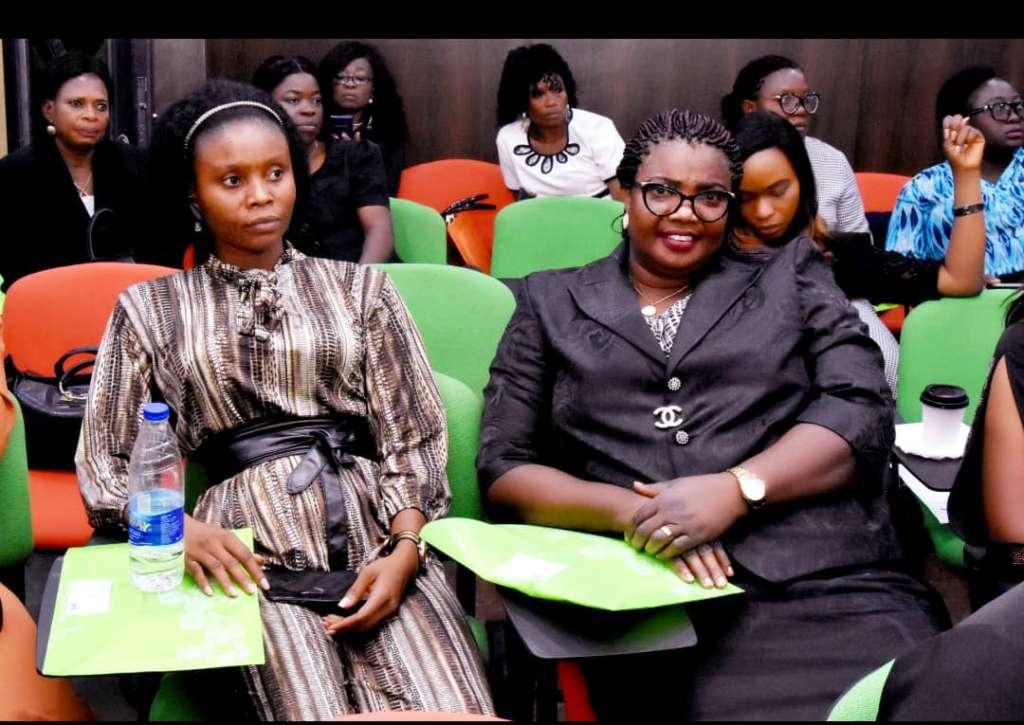
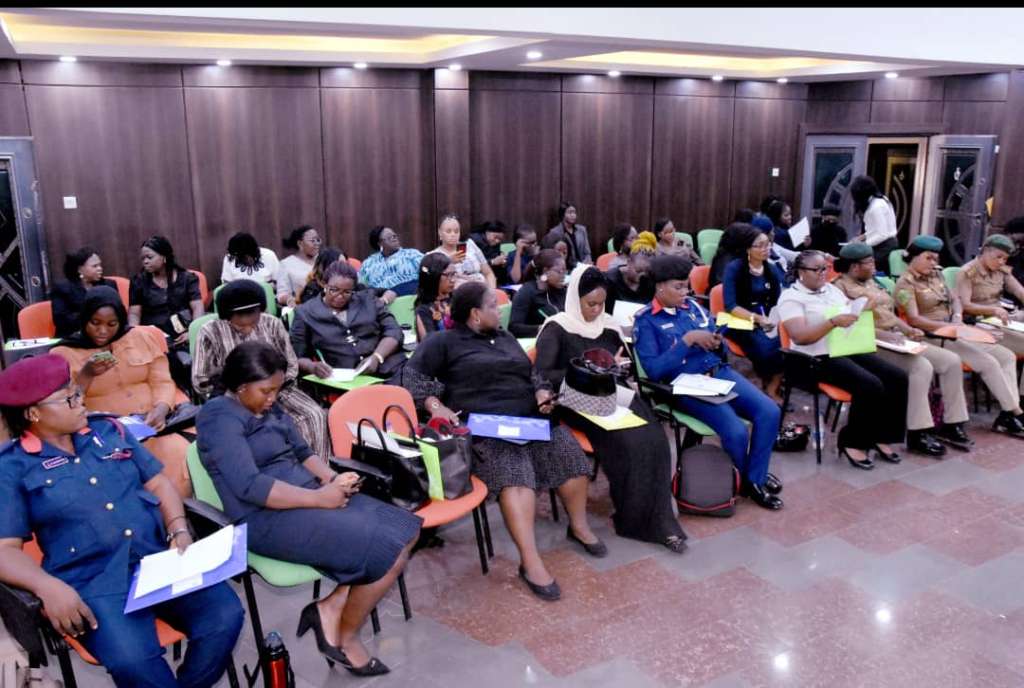
Participants
A statement signed by the branch’s Public Relations Officer, Olosen Victoria Ibiezugbe said participants were drawn from the Economic and Financial Crimes Commission (EFCC), Federal Capital Territory (FCT) Judiciary, Legal Aid Council of Nigeria, Nigeria Security and Civil Defence Corps (NSCDC), Correctional Service Officers, Nigeria Institute of Advanced Legal Studies, Prosecutors from the Nigeria Police Force, and the Federal Ministry of Justice, and FIDANs working in the Justice sector.
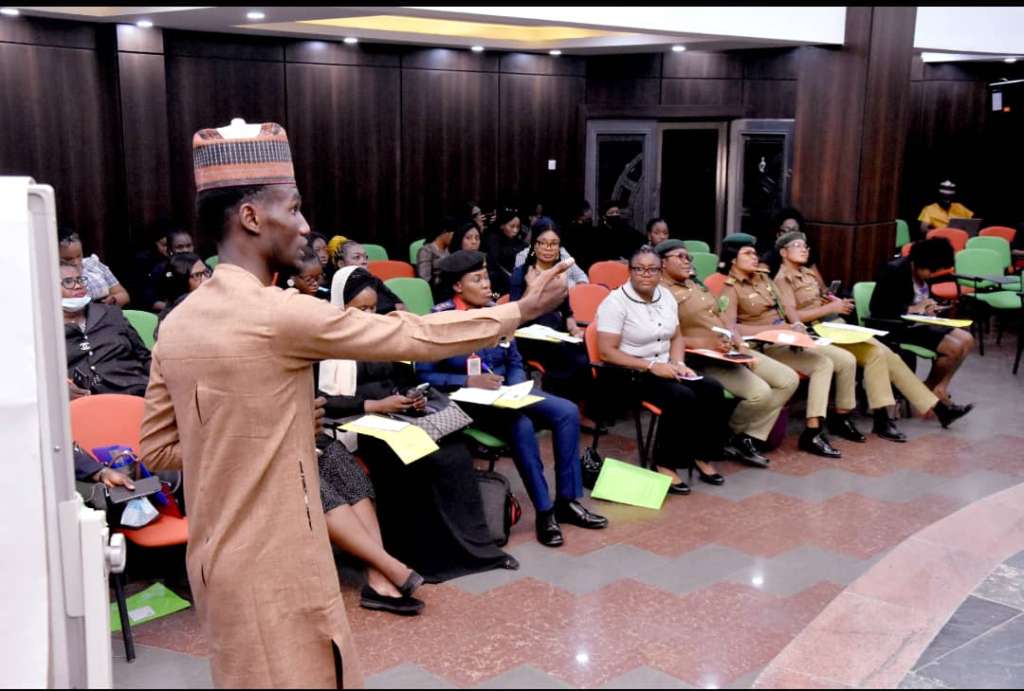
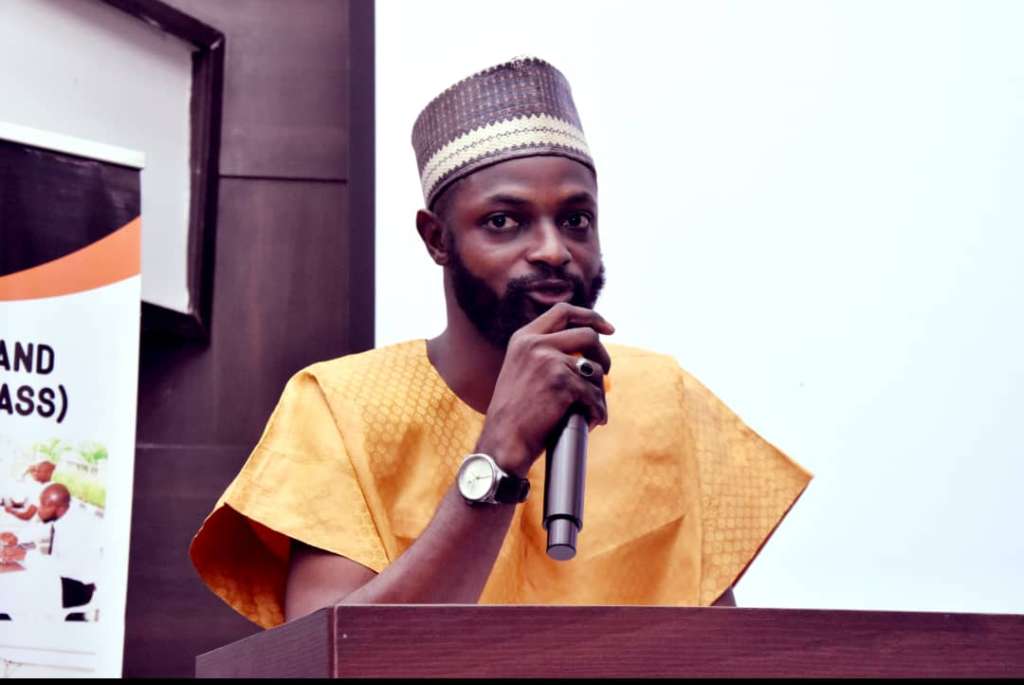
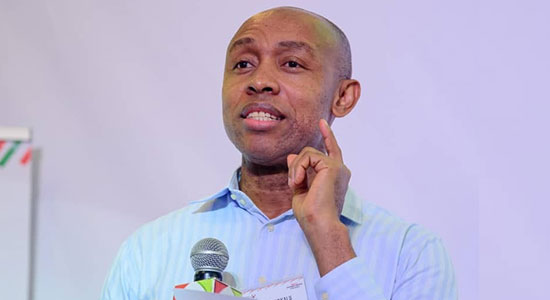
Event’s facilitator Mr. Samuel Asimi
According to Ibiezugbe, the presentation made by the event’s facilitator Mr. Samuel Asimi of Civil Society Legislative Advocacy Centre (CISLAC) focused on four thematic areas:
1. Overview of Corruption within the Nigerian Criminal justice system— types, causes, challenges, and linkages to specific criminal justice institutions.
2. Overview of the ICPC and EFCC establishment Act as it relates to fighting corruption in Nigeria.
3. Overview and innovative provisions of the Administration of Criminal Justice Law in the fight against Corruption in Nigeria.
4. Gender Mainstreaming and Corruption.
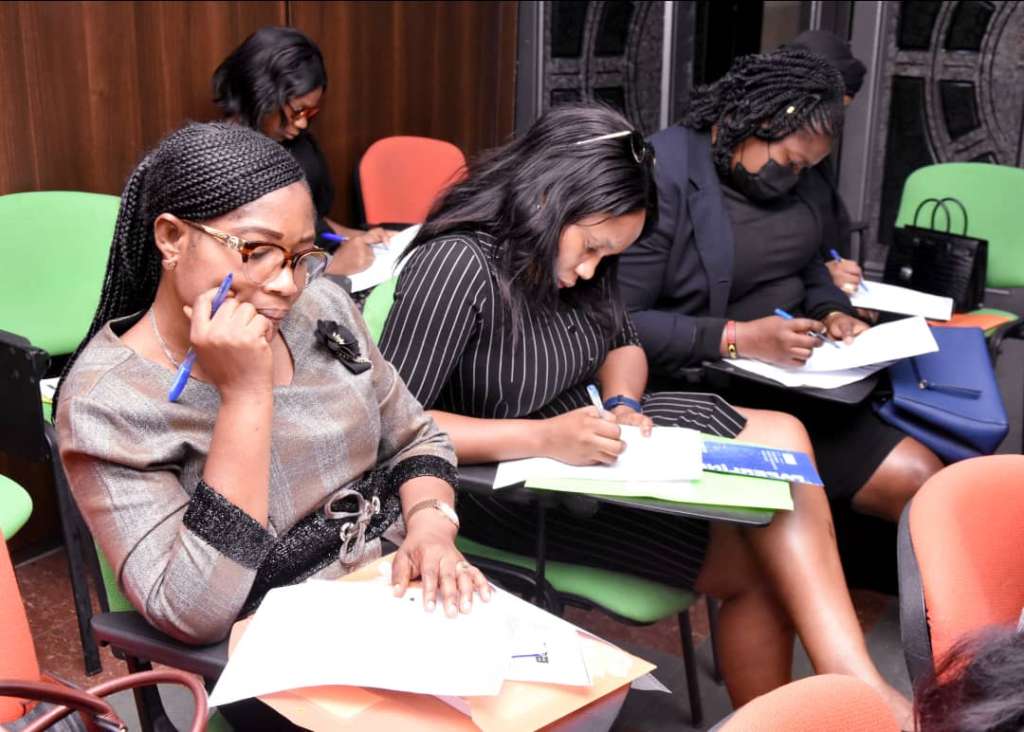
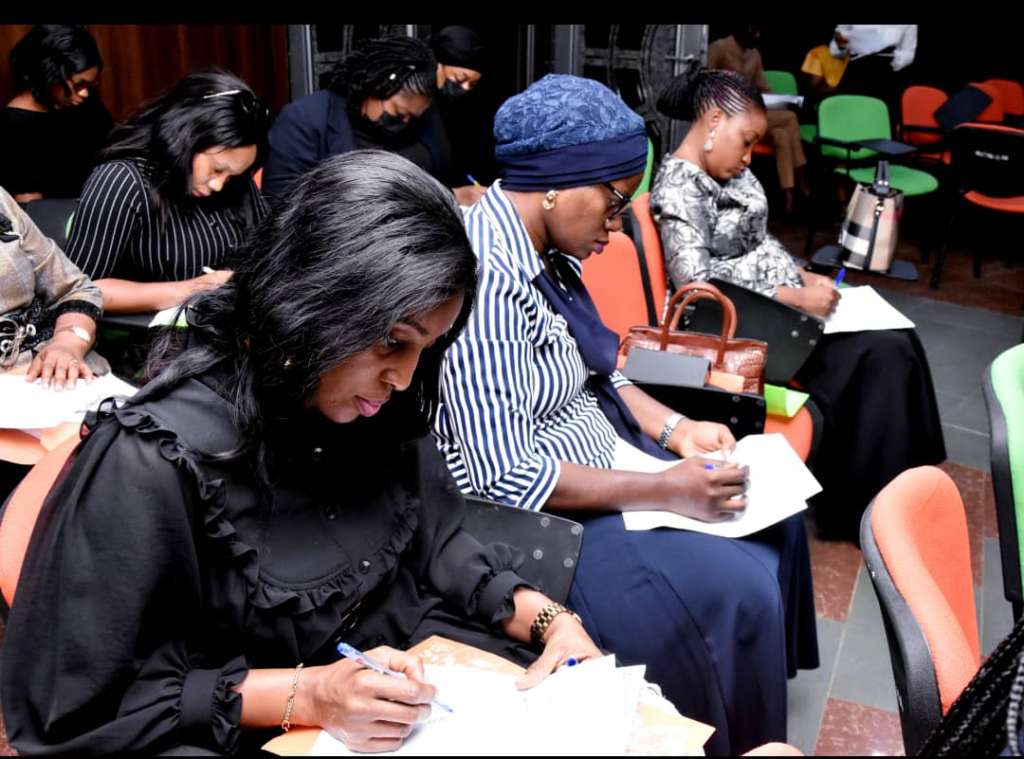
Participants
To give a peek at the facilitator’s presentation, she further stated, the following topics were discussed:
– The effect of corruption on women.
– Reduced access to justice and resources for women and how it interlinks with corruption.
-The need for gender-sensitive research data and collation.
– Whether there is a gender-sensitive approach in the investigation, reporting, adjudication, and prosecution of cases.
R-L: Mrs. Kate Olusuyi of the Federal Ministry of Justice and another participant
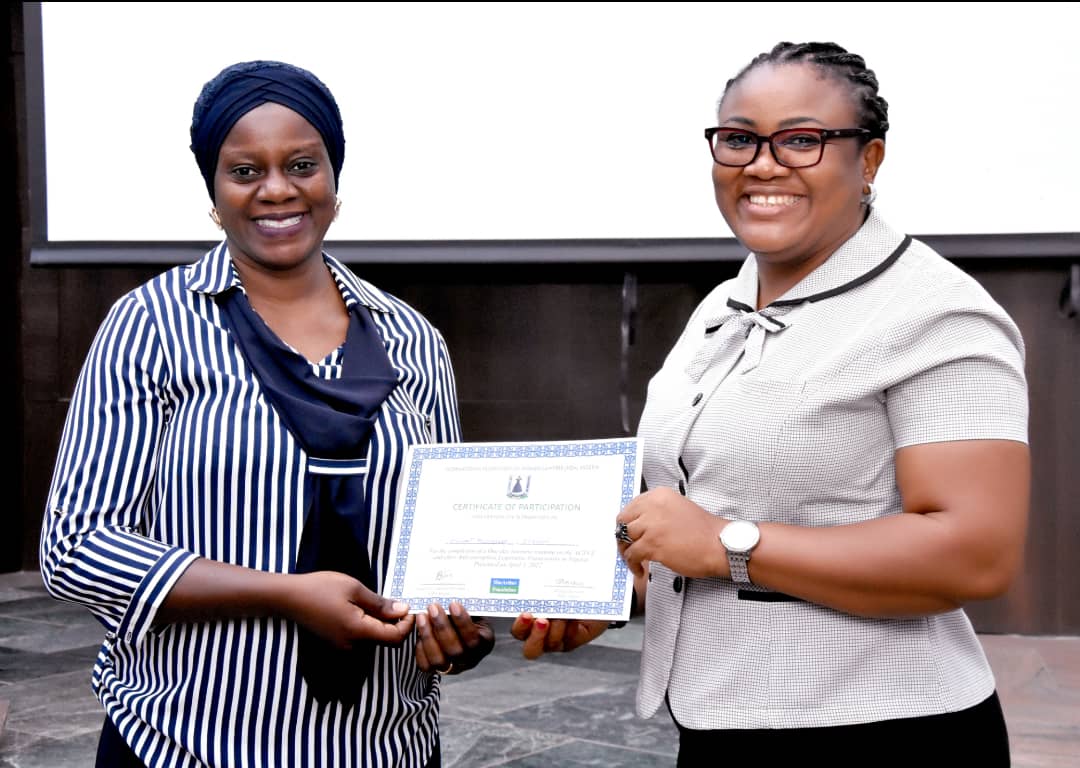
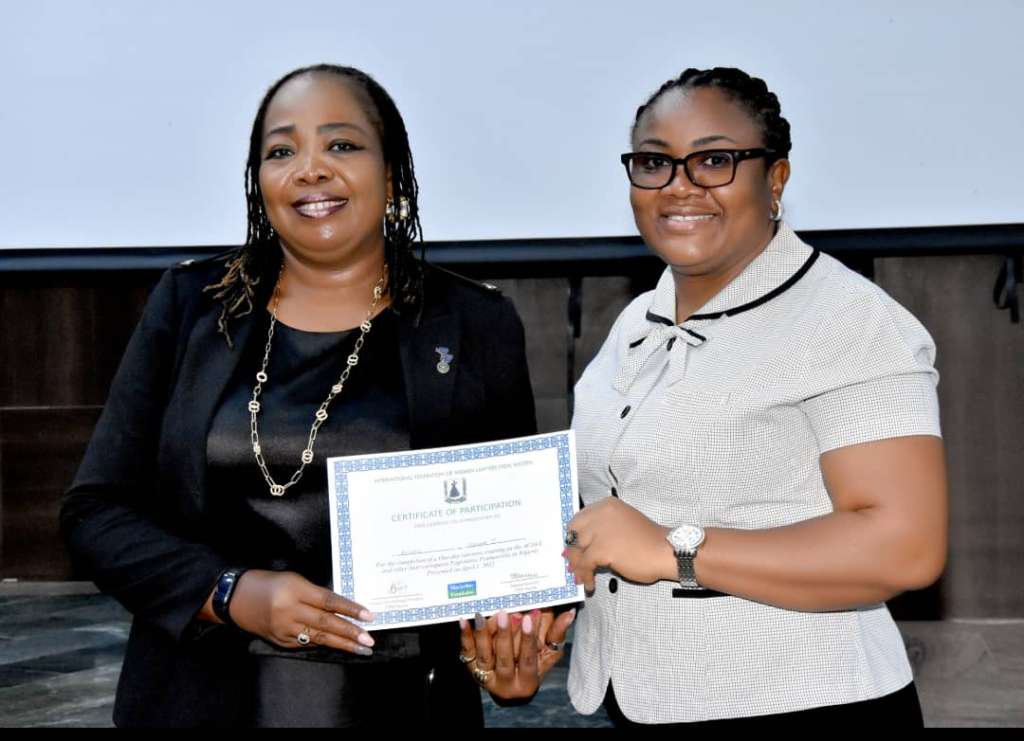
Participants at the end of the programme were awarded certificates by the Chairperson of FIDA Abuja, Maureen Chibuzor Nwosu who also expressed gratitude to the event’s sponsors for their continued support to FIDA Nigeria over the years.
Mr. Rasheed Ajao conducted the pre-training evaluation exercise.L-R: Ijeoma Agwu, Former PRO FIDA National and FIDA Abuja Chair presenting her with the certificate of participationA cross-section of participants
Traditionally, heated oils are used in frying foods. They vary from vegetable oil, palm oil, olive oil, sunflower to chicken oil and could be used in preparing fried foods and cooked meals. However, there are safe and unsafe frying methods that largely contribute to the well-being of humans.
Staple Nigerian foods like chin-chin, yam, potatoes, chicken, plantain, cakes, etc., poses health risks if they are not properly prepared especially in a situation where recycled oil, hydrogenated and unrefined oils with high number of unsaturated fats are used.
Air frying and deep fat frying are the two basic methods of frying foods, each of which, have good and bad sides. We will attempt to analyse both methods and determine the best that should be applied when preparing meals.
What is deep fat frying? This is the most popular method of frying foods for both commercial and private purposes. A cooking process where heated oils are used to fry foods into desired taste and texture. Though cheaper, it portends greater risks to the health. Deep fat frying is the most common and conventional method of frying foods, employed in homes, restaurants, and food industry in Nigeria. Oils, sometimes unhygienic, are used in frying, some are recycled which leads to trans-fat after turning into hydrogenated oil. It is efficient and a widely used method because of its rapidity and mainly, the supply of its unique sensory characteristics which is more appealing and generally acceptable by the population.
What is Air frying? Air frying is the process of using an appliance, using at times minimal oil, that circulates hot air around the food to cook it.
Air frying is becoming popular and acceptable globally. Nigerians are embracing this method, commonly for private use. Hopefully, air fryers will be produced in bigger capacity fit enough to provide foods for larger crowd.
*Deep versus Air frying:* Health benefits Air frying is healthier than deep fat frying foods. It cuts calories by 70% to 80% and has lesser fatty properties. This cooking method might also cut down on some other harmful effects of oil frying. It is healthier most especially when the amount of cholesterol food breaks down.
Economical advantage The amount of electricity that an air fryer consumes is relatively low. This is in comparison to the traditional oven, deep fryer, and microwave. Low-income households might not be able to afford cooking with an air fryer because a 6l of air fryer costs not less than N35, 000 in the open market and, although, lack of adequate power supply could hinder the process. Air fryers are time-efficient, it saves time and could help in getting food ready without getting hurt.
Meanwhile, for deep fat frying, gas, kerosene, and firewood are required with extra human effort. It takes longer period for foods to be ready and mostly unfriendly to the atmosphere due to the emission of smoke. Splashing of oil and spillage is also a health risk and power supply is not needed to prepare foods.
Studies have shown that products resulting from oils heated for long periods under extreme temperature contains polar compounds such as polymer, dimers, free fatty acids, and acrylamide which leads to metabolic changes, mal absorption of essential fat and development of cancer and cardiovascular diseases.
Government There is already in place, the Fats and Oils Regulation 2020 awaiting passage into law. When it becomes law, it will help Nigerians and manufacturers to act right on approved guidelines on foods to avoid the consumption of food containing trans-fat.
What Experts Say? Executive Director of Corporate Accountability and Public Participation Africa (CAPPA), Mr. Akinbode Oluwafemi recently said, “The government needs to fast track the passage of Fats and Oils regulations which will help in regulating the type of oils released to the market.
The onus is on the Federal Ministry of Health and NAFDAC to save Nigerians from avoidable death and health-wise disaster plaguing them from the consumption of foods containing Trans-Fat foods, which has led many to cardiovascular illnesses.”
Also, government needs to improve the economic status of citizens because poverty is one of the major causes of trans-fat. It is easier to recycle used oil by low-income household – it will be difficult to dispose used oil in a situation where there are no financial abilities to procure fresh oil.
Lekan Ola, a Nigerian journalist, said, “we do not throw oil away in my house. Whenever my wife fry plantain, she will keep the oil to fry plantain the next time, sometimes the children use the oil fry potato chips.”
This is a typical mentality and practise of many Nigerian homes.
However, the air frying technology seems as one that has come to stay as the current context of changing eating habits in the society today calls for attention and constant monitoring, mainly by the food industry.
Since there is no evidence of preventing the use of frying to prepare meals, air frying seems a healthier choice compared to deep fat frying. It preserves the nutrients of foods and may also help in weight management.
▪︎Ogunleye-Bello, is an award-winning Nigerian journalist, author and gender advocate. She is the Media and Communications Officer, Corporate Accountability and Public Participation Africa (CAPPA), and sent this via WhatsApp
For the Ladies only. You are washing your vagina wrong! Watch this video where I explained the difference between the vagina and Vulva and why you should wash one and not the other.
Pastor Tunde Bakare of The Citadel Global Community Church recently spoke through his hat while preaching a sermon. He told his congregation that, during the January 15, 1966 military action that toppled the First Republic, the soldiers that took Prime Minister Abubakar Tafawa Balewa removed his turban, poured wine on his head and force-fed him with the alcohol. For abominating him, Balewa, just before he was shot, pronounced a curse on Ndigbo, to the effect that no one from the ethnic group will ever bear rule over Nigeria. Mr. Bakare’s story, fanciful as it sounds, is a pack of lies. This article, therefore, is to educate Mr. Bakare and others of his misguided persuasion with the truth, of which Jesus, the Christ said in John 8: 32: “Ye shall know the truth and the truth shall make you free.”
*Awolowo, Azikiwe, Balewa
On the mundane level, no one removed any turban from Sir Abubakar’s head. The turban is a headdress. Soldiers invaded the Prime Minister’s official residence at around 3am, when the man was in bed. Did he sleep turbaned? Do people sleep in their headdresses? Apart from that picture in which presidential candidate Muhammadu Buhari appeared in suit and tie, wearing a wan smile and looking almost comical with his receding hairline, there hardly is another photograph of the man in which a cap does not adorn his head. Would his traditional fondness for full dressing gear ever mean that he went to bed in a hat? Do women sleep with all those accessories they routinely assembled on their heads for public events? Tafawa Balewa’s turban was not removed because he wasn’t wearing one when his adversaries closed in on him.
Muslims are by injunction forbidden to consume alcoholic beverages. The story that the Prime Minister was bathed in wine and inebriated with it is aimed at sustaining the opprobrium first established by revisionists in 1966. Also his recovered body showed clearly that he hadn’t been shot. The lies spewed by Mr. Bakare have one source. They always had a single objective: the monopoly of political power by the geo-political north.
There are many such lies still enjoying vibrancy in the country. Three of them should suffice for our argument. One, when General Aguiyi-Ironsi’s regime was toppled, Lieutenant Colonel Yakubu Gowon, who succeeded him, was going to sunder the country by announcing the Republic of Northern Nigeria, for the simple reason that political power had left the region. Gowon is still denying this fact, despite incontrovertible evidence to its certitude. (See the document marked CAB/128/41 at the British Public Records Office at Kew Gardens, London. It contained the minutes of the British Cabinet meeting of August 2, 1966 that was declassified after a 30-year moratorium. It incontrovertibly shows Gowon’s secessionist tendency after they assassinated General Aguiyi-Ironsi.)
Two: Gowon said in his maiden speech as Head of State that there was no basis for Nigerian unity. He denies the statement to this day. As a matter of fact, his government disingenuously published a misleading version of his speech, claiming that he had only discounted national unity in a unitary dispensation. But, the BBC Monitoring Service recorded Gowon’s broadcast live, and the transcript is forever available. It has Gowon saying, “Suffice it to say that putting all considerations to the test, political, economic as well as social, the basis of unity is not there…”
Three: Nigeria’s military leaders met in Aburi, Ghana, on January 4 & 5, 1967, for a conference to avert the contingency of civil war. They reached an agreement. Back in Nigeria, Gowon reneged on the agreement, an infamy he denies to this day, even though the Aburi proceedings were audio-recorded from start to finish. Had the agreement been implemented, the civil war might well have never occurred.
The military action of January 1966 was called and is still called an Igbo coup. How could a putsch intended to install the Yoruba Chief Obafemi Awolowo, as Prime Minister be an Igbo coup? Here’s Major Patrick Chukwuma Kaduna Nzeogwu: “Neither myself nor any other lads was in the least interested in governing the country. We were soldiers and not politicians. We had earmarked from the list known to every soldier in this operation who would be what. Chief Obafemi Awolowo was, for example, to be released from jail immediately and to be made the Executive President of Nigeria.” See WestAfrica magazine of July 29, 1967, page 981.
And here’s Major Adewale Ademoyega: “At the end of the first week of January, Major Anuforo and I arranged to meet Captain Udeaja, a young engineering graduate from the Royal Military College of Science, Shrivenham, UK. We met in Major Chukwuka’s house at the Ikeja Cantonment but Chukwuka himself was not there. Having briefed Udeaja generally and got his consent, we gave him his task. He was to fly a special plane provided for the purpose to Calabar on the morning of D-Day, to effect the release of Chief Awolowo and bring him to Lagos on the plane. We had already arranged for a plane of the Nigeria Air Force to be made available that morning. This was done through Major Nzegwu (not Nzeogwu) of the Air Force.” See Adewale Ademoyega: Why We Struck: The Story of the First Nigerian Coup, Evans Brothers Limited, Ibadan, 1981; pp 68-69.
The Nzeogwu and Ademoyega stories were corroborated by no less a person than Chief Awolowo, thusly: “It was learnt after the January coup that the authors had planned to release me from Calabar, fly me to Lagos, and install me as Head of State whether I liked it or not. If I refused the offer, they were prepared to govern in my name until I was persuaded to accept the offer. The authors of the coup had no plan to govern the country under a military administration.” See Obafemi Awolowo, My March Through Prison, Macmillan Nigeria Publishers Limited, Ilupeju Lagos, 1985; page 297.
In spite of incontrovertible evidence to the contrary, the myth of the Igbo coup has been sustained to this day. According to Ademoyega, the innermost circle of the coup plot was composed of three Majors: Adewale Ademoyega from Ode Remo in today’s Ogun State, a History graduate of the University of London; Emmanuel Ifeajuna from Onitsha, a University of Ibadan Science graduate; and Chukwuma Nzeogwu from Okpanam, a town bordering Asaba in present day Delta State. Besides these facts, there were 50 Majors in the Nigerian Army on the morning of the coup; 24 of them were Igbo. About 20 of these knew nothing of the coup and never participated in its execution.
The coup cost the life of Lieutenant Colonel Arthur Chinyelu Unegbe, the Quarter-Master General of the Nigerian Army. Chinyelu Unegbe was Igbo from Ozubulu in today’s Anambra State. General Aguiyi-Ironsi put down the coup; he was Igbo from Umuana Ndume in Umuhia in the present Abia State. These facts have never constituted extenuating circumstances. The coup must forever be labelled an Igbo coup, a lie from the pit of hell that continues to be used as a basis for the sporadic massacring of Ndigbo and their consignment to fourth-class citizenship in their own country.
*Iloegbunam
All these lies are the reason Nigeria is a failed state. And unless these lies and countless others are finally and permanently abrogated, Nigeria’s chances of resurrection are unequivocally non-existent. In a sense Pastor Bakare is a tool in the hands of forces he scarcely recognises. The fibs he told his church members were as old as 1966. The precursors are from the top echelons of Northern Nigerian hegemony, but their lies first surfaced in book form when the Hudahuda Publishing Company of Zaria published John M. Paden’s Ahmadu Bello, Sardauna of Sokoto in 1986.
This is Professor Omo Omoruyi in The Tale of June 12; The Betrayal of the Democratic Rights of Nigerians (1993) (Press Alliance Network Limited; 1999.) “President Babangida ruled out any Yoruba person if Chief Abiola who had been with the military and the North in various capacities could not win the support of the ethno-military clique. He ruled out the Igbo on the argument that the country and definitely the North would not buy an Igbo then or in the near future. More seriously, he argued that the Yoruba and the Igbo did not have strong representation in the Armed Forces to provide them with the kind of protection they would need. This is still at the heart of democratisation today” (page 253).
Professor Omoruyi, who was the Director-General of the Centre for Democratic Studies and, more importantly, Babangida’s closest confidant, sought clarification from the military President. “This was when (General Babangida) called my attention to the feeling in the North about an Igbo as President. He thought that it would violate the curse placed on the Igbo by the late Sir Abubakar Tafawa Balewa before he was executed on January 15, 1966. Sir Abubakar was quoted to have said: ‘I know you are going to kill me; you will never get a Prime Minister like me. The Igbo will suffer for twenty-five years.’” (Page 262.)
Now, under Pastor Bakare, the consummate wielder of the microphone, the falsehoods got added embellishment. The curse preventing any Igbo from becoming President over a period of 25 years assumed eternal dimensions. The snippety nonsense of turban and wine got thrown in. No one seemed to underscore the impotence of the curse by General Aguiyi-Ironsi, an Igbo being Balewa’s immediate successor. I reacted thus to this story in Ironsi: Nigeria, The Army, Power And Politics(Press Alliance 1999; and Eminent Biographies 2019): “The story that was put out claimed that Sir Abubakar Tafawa Balewa ‘cursed’ the Igbo, saying they will not rule Nigeria for 25 years. By the time Babangida used this fiction to discount an Igbo President in 1993, 27 years had elapsed since Sir Abubakar died. Yet, the “curse” was still potent.
Babangida himself had no qualms marrying into a “cursed” ethnic group and raising four children who by extension must be half cursed. The main point here is that, apart from Sir Abubakar’s lack of locus standi to curse the Igbo, (how many million curses will the thousands of Igbo victims of the 1966 pogrom utter?), the story is patently false. Its authors lacked authenticity because their story was bereft of citation and attribution. The most detailed account of the interrogation of those that carried out the coup of January 1966 was released by the regime of General Yakubu Gowon. The details also appear in Crisis And Conflict in Nigeria: A Documentary Sourcebook (Oxford University Press, 1971) by A. H. M Kirk-Greene. Nowhere is there anything about any curse. No authority ever corroborated the story. Yet this fiction is what the Clique has held on to in the protracted subjugation of Ndigbo. That was why Commodore Ebitu Ukiwe, a principled officer and gentleman, was ignominiously removed as Chief of General Staff within months of his appointment. That was why Ndigbo led the formation of the PDP and gave it their all, only for the currently acclaimed Igbo leader, Dr. Alex Ekwueme, to be given a short shrift.” (pp 242-243.)
According to Omo Omoruyi, Chief M. K. O. Abiola’s presidential election victory was nullified because it was not backed by what he called Ethno-Military Clique of Northern Nigeria. General Babangida posited in 1993 that, “the Yoruba and the Igbo did not have strong representation in the Armed Forces to provide them with the kind of protection they would need.” Yoruba and Igbo representation in the military today are for more minuscular today than ever before, due to the conscious and deliberate nepotistic policy of the man at the helm today.
Besides, no one has bothered to decipher the Caliphate’s thinking on 2023. Perhaps the assumption is that its deafening silence is symptomatic of non-alignment? How could this be when Sultan Dasuki was one of the prime forces against Chief Abiola’s presidential election? All these point to the fact that, in the ultimate, even the Jagaban would discover that he washed his hands and cracked a nut for an errant fowl to carry the seed away. At that point only would the incalculable harm done to Yoruba and Southern interests by the forward-looking politics of Alhaji Bola Ahmed Tinubu become ever so clear.
To return to phantom curses and negative repercussions! Pastor Bakare needs to ask himself this fundamental question: Why is the curse for bad behaviour unidirectional? A sensible answer to that question may assist him in coming to terms with a myriad of other questions. Those who killed General Aguiyi-Ironsi in July 1966 have the longest streets in Abuja named after them. Apart from Aguiyi-Ironsi, they also killed countless other officers, including Lieutenant Colonels Israel Okoro, Gabriel Okonweze and Francis Adekunle Fajuyi, and Majors Nzegwu, Emelifonwu, Nnamani, Ihedigbo, Obienu, Ekanem, P. C. Obi, Isong, Ogunro; and 11 Captains, and 13 Lieutenants, and 128 NCOs and Other Ranks. They went ahead with a pogrom that cost 50,000 lives of Eastern Nigerians, mostly Ndigbo. Why have the perpetrators of the nsoani never been visited by a curse? Nigeria has five functional international airports. Two of them are named after the mass murderers of July, August, September and October 1966.
They claimed that wine was poured on Tafawa Balewa, and that alcohol was forced down his throat. Compare it to the following: “Thirdly, the evidence disclosed that it was not merely a case of Northerners descending on Easterners and shooting, matcheting and clubbing them to death. They embarked on various methods of torture and humiliation. One method was described by the 72nd witness – Dick Iwebi. This punishment is one of the most dreadful ways of crucifying a person. A heavy rod is tied across the back of the chest of the victim with the hands stretched and secured firmly on the rod. While the victim may still be standing on his legs, he is as helpless as a man nailed to a cross. In this position they then proceed to torture the victim by plucking his eyes, cutting his tongue and cutting his testicles.” SeeThe Report of the Justice G. C. M Onyiuke Tribunal on the Massacre of Ndigbo in 1966, Tollbrook Publishers Limited, Ikeja Lagos, pp 125-126. Dear Pastor Bakare, who got cursed for this atrocity?
The thoughtful must ask what informed Pastor Bakare’s timing for his peculiar sermon. But the answer is all too obvious. The presidential election is next year and people who should only be seen and never heard are bursting eardrums hectoring all-comers for an Igbo President of Nigeria. It is important that their agitation is shot down before it gets a chance of taking off and actually flying. Of course, anti-Igbo propaganda was never a spontaneous thing. Its real name is INSIDOUS. To exemplify: In 1954, Emmanuel Ifeajuna won the gold medal in the High Jump event of the British Empire and Commonwealth Games held in Vancouver, Canada. Ifeajuna was not just the first Nigerian, but also the first Black African, to win an international sports event.
Back here in Nigeria, those that must never be cursed set up a national Sports Hall of Fame, which, to this day, does not include Ifeajuna’s name. Those who recall that Chioma Ajunwa is the first Nigerian to win an Olympic gold (in the long jump in Atlanta 1996) must go check out “their” sports “Hall of Fame”. Chances are that her name is not there. Not because she committed any offence but because of “from where she from come from”! Yes, it is a capital offence to come from the Igbo country. In 1995, Gideon Akaluka, a young Igbo trader based in Kano was accused of desecrating the Koran. He was locked up. But an organised mob broke into his Police cell, dragged him out, beheaded him and danced through Kano metropolis with his bodiless head. Does Bakare know that not one person was cursed for this atrocity?
The injustice against Ndigbo is pervasive. Take the National Honours. Every head of every hamlet in the far North is an MFR or an OFR or a CFR or a CON or a GCON. Not so for Ndigbo. That is why a personage like Eze (Professor) Green Onyekaba Nwankwo, a distinguished traditional ruler, an accomplished academic who set up the Department of Finance at the University of Lagos, a former Executive Director in charge of banking and monetary policy in the Central Bank of Nigeria and the author of over 20 books has only the MON – the least of all the honours Nigeria can offer. The iniquity is most eloquent in the military. Unless they are in the Education Corps or the Medical Corps or the Physical Training Corps, hardly any Igbo gets promoted above the rank of Lieutenant Colonel.
Those of us campaigning for an Igbo President of Nigeria are looking at more than the spectacle of a politician from the ethnic group enjoying the tenancy of Aso Rock. That is too simple. We are demanding equal rights. We are saying that a country indexed on lies already collapsed before it got the chance to take a first step to nationhood. An Igbo President is supposed to be the antidote to nearly 60 years of a people’s subjugation. People have no business forgetting that there is a distinction between being a slave and being enslaved. Ndigbo are no slaves.
That was why in 1803, 75 of them rebelled at Dunbar Creek in Georgia, USA, took control of the slave ship carrying them, drowned their captors and chose to walk into the ocean rather than be slaves to white slave masters. That was why, between 1791 and 1804 they rebelled and overthrew the French regime in Haiti to establish an independent country founded and governed by ex-slaves. That is why the Igbo, indigenous to their current geographical space for millennia, find intolerable their insolent subjugation by recent migrants from the Fouta Djalon whose numbers no credible census has put at more than 5 percent of the Nigerian population.
The systematic enslavement of Ndigbo in what is supposed to be their own country has got to be terminated. The epic Igbo struggle has taken various forms and will continue to do so. A prime example is their attempt at secession in the 1960s. Britain, and a genocidal war in which “Starvation is a legitimate instrument of warfare” thwarted them. Back inside Nigeria they are compelled to permanently stand back and keep bloody quiet forever. For any sigh, groan or moan of theirs, goons, troops, the Police and paramilitary contingents are deployed with extreme prejudice and excessive numbers against them. They are called terrorists while those that have stopped Kaduna State and wiped out innocent thousands in many parts of the country are termed bandits and treated with kid gloves. They have been branded “a spot in a circle,” a military euphemism underscoring their unenviable situation as targets for continued massacring.
There is news for the liars and the killers. Nigeria is unsustainable on the diet of lies and more lies. It is true that those that laid into Ndigbo in the 1960s and killed them in the tens of thousands got rewarded with high political offices and oil blocks and whatnot. But the kill-and-go ship of Ndigbo finally steamed into turbulent waters. Although census exercises in Nigeria are a huge joke, there are at least 40 million Ndigbo in Nigeria today. Nobody and no country can manufacture enough weapons to wipe them off the face of the country. Even in the extremely unlikely event of all Igbo in Nigeria getting killed, there are millions of them abroad today. From their number, at least a thousand will eventually pay a visit to the mother country, these question pouring from their flaming tongues: “Why did you slay my mother? Why did you massacre my father? Why did you annihilate my sister? Why did you exterminate my brother?”
For all of the above, and especially at the lectern, the microphone should never be a justification for verbal diarrhoea. So, Mr. Preacher Bakare, the next time the sound of your voice is amplified by the electronics of public address systems, you must endeavour to annexe some circumspection. On disseminating the falsehoods of those who claim the right to perpetually sit and fart on all our heads, you must do two things: DESIST and CEASE!
* Chuks Iloegbunam is the author of The Case for an Igbo President of Nigeria.
“Formulating Policies based on sex, stereotyping and feudal and patriarchal traditions will no longer be tolerated due to the supremacy of constitutional values… This court is not expected to achieve less for Nigerian women, since the constitutional obligation of this court is to apply the law.”Hon. Justice Okorowo
“For any society to thrive, the rules, responsibilities, policies, and guidelines that regulate the polity must be fair and enforced impartially, particularly with gender balance at the root of all actions,” wrote Chief (Mrs) Victoria Awomolo, SAN, a paper titled —Gender Balance and Good Governance in Nigeria: Beyond Rhetoric.
That must have been the mindset of the Federal High Court in Abuja, which only days ago ordered Nigeria’s federal government to enforce the National Gender Policy by allotting 35 percent of appointments in the public sector to women.
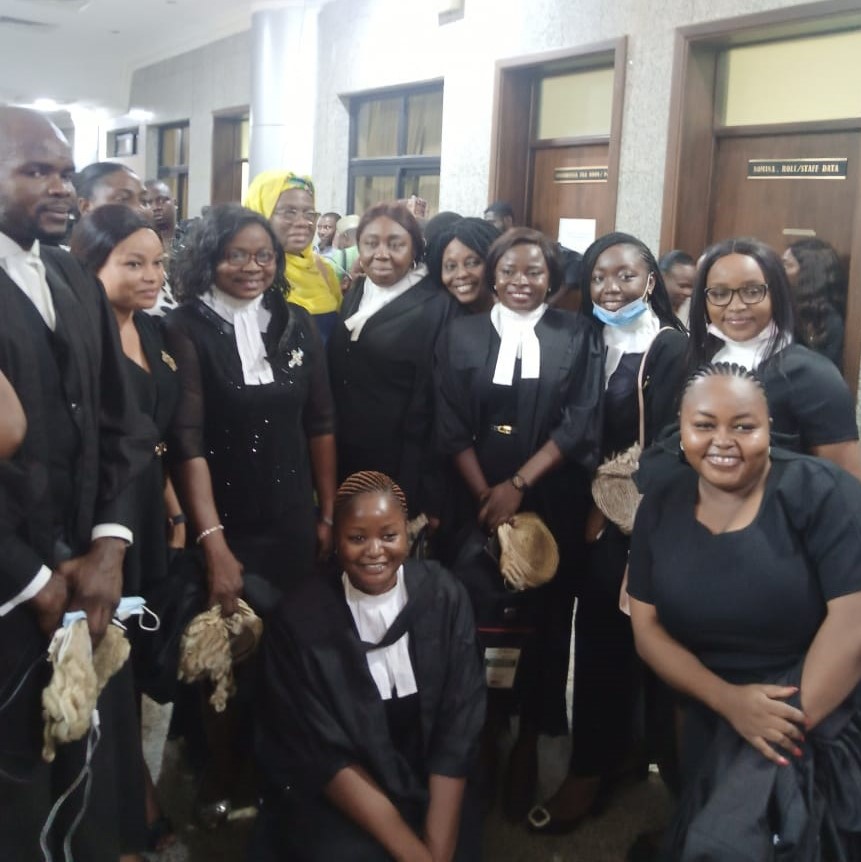
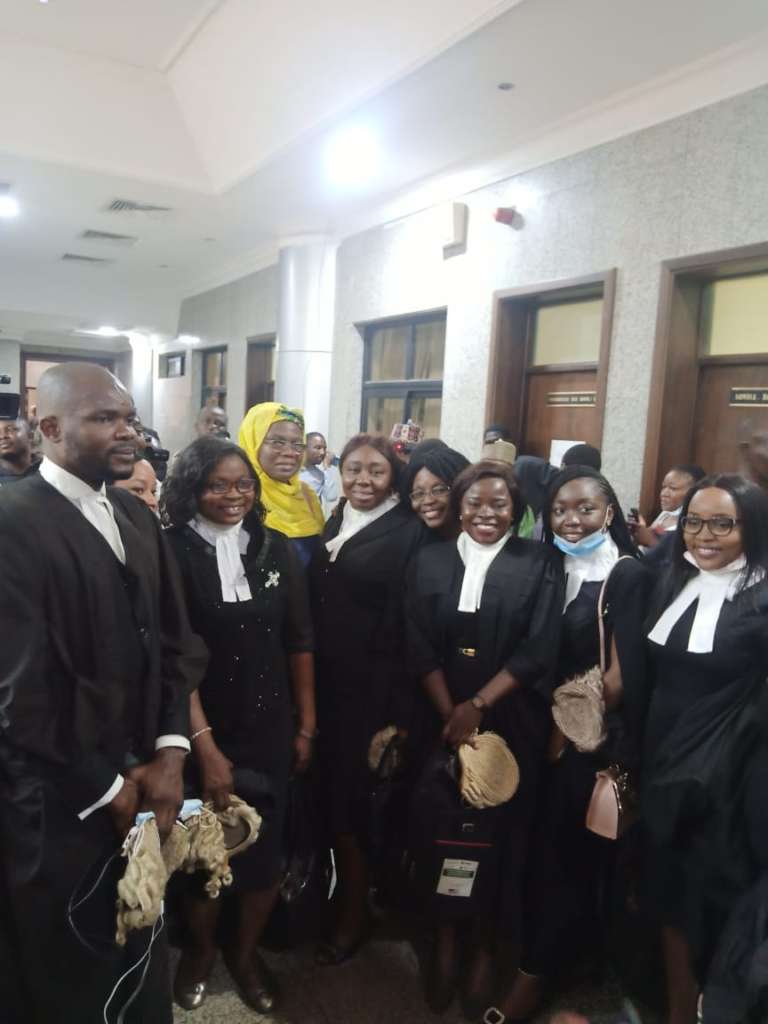
Some of the lawyers in the suit
Hon. Justice Donatus Okorowo in the suit filed by the Chambers of Falana and Falana on behalf of the Nigerian women and other critical stakeholders including Nigerian Women Trust Fund (NWTF), Women Empowerment and Legal Aid (WELA), Women in Politics Forum (WIPF), Centre for Democracy and Development (CDD- WEST AFRICA), Women Advocates Research and Documentation Centre (WARDC), Vision Spring Initiatives (VSI), YIAGA, Africa, International Federation of Women Lawyers (FIDA) and many other women groups established that Nigerian women had been subjected to various forms of discrimination concerning appointments into key positions of government.
Prior to this decision, Chief (Mrs) Awomolo, SAN, in her paper written in honour of Chief Folake Solanke, SAN, on the occasion of her 90th birthday, remarked that impartially particularly with regards to gender balance: “[Form] the bedrock for good governance, which cannot be attained without equality, inclusiveness, freedom with responsibility, transparency, objectivity, accountability, and responsiveness.” “These elements”, she said “are front-burner issues to tackle, if there be hope for social, economic, and political development.”
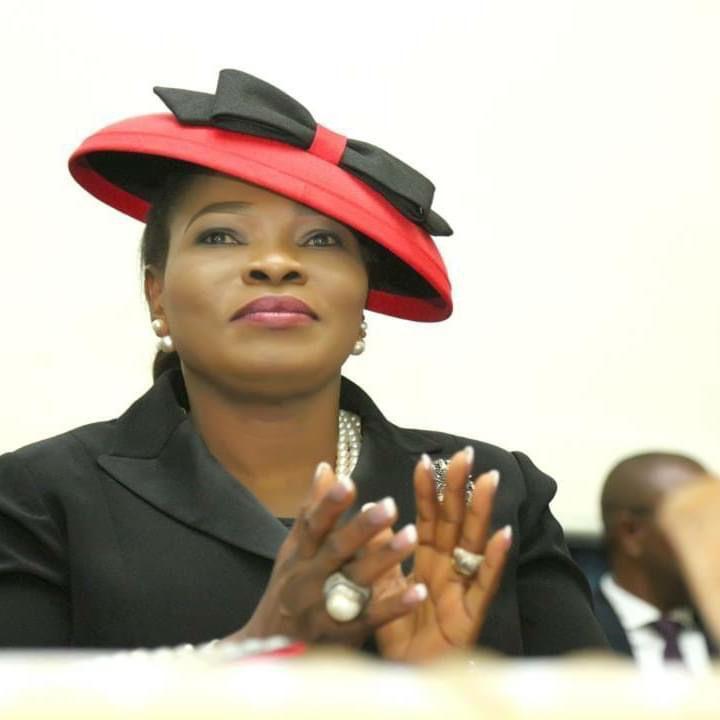
Chief Mrs Awomolo, SAN
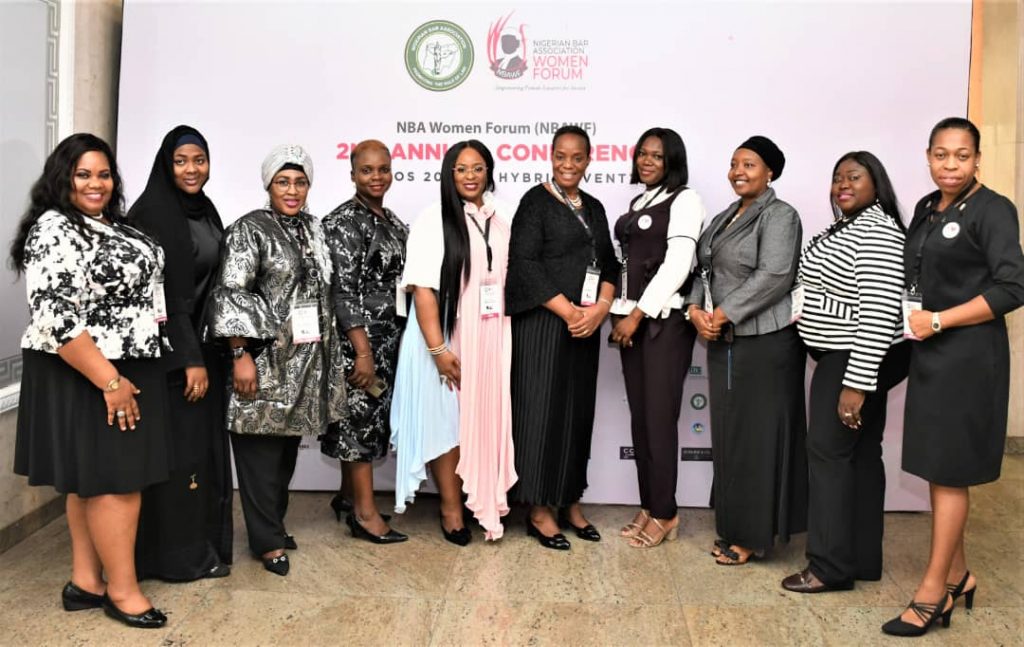
Likewise, a number of the issues raised by the Learned Senior Advocate in her paper were roundly discussed at the just concluded 2nd Annual Confab of the Nigerian Bar Association Women Forum (NBAWF). One of the panellists in the first session —Hidden Biases in Courtroom Dynamics: Gender and the Judiciary— Rashidat Mohammed gave an insight into the impact of gender-based bias and discrimination on women in northern Nigeria. Stressing that she knows first-hand what gender bias and other barriers were about, Rashidat observed that from the cultural preference for boys over girls to the disapproval of Western education for females in favour of child marriages, she resisted the pressure to conform and rose to become the Senior Partner of her law firm.
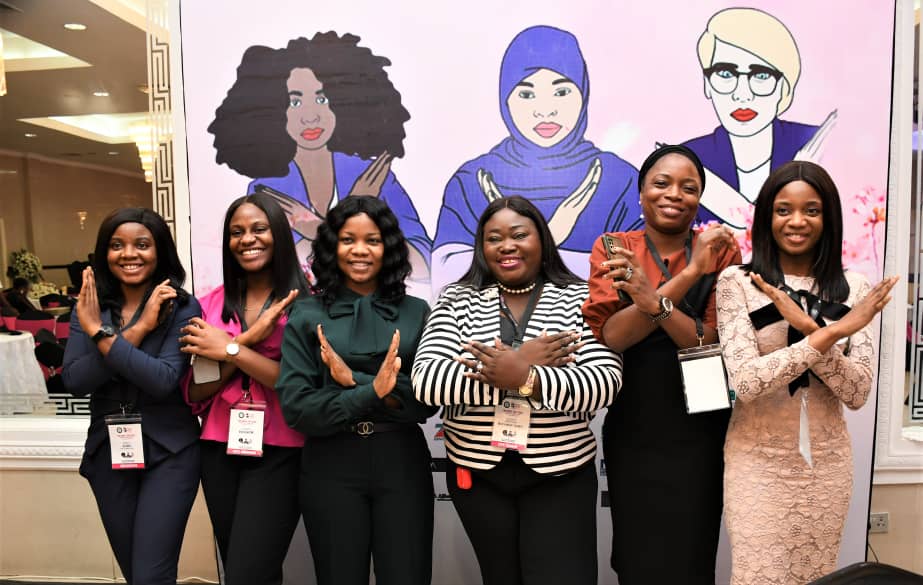
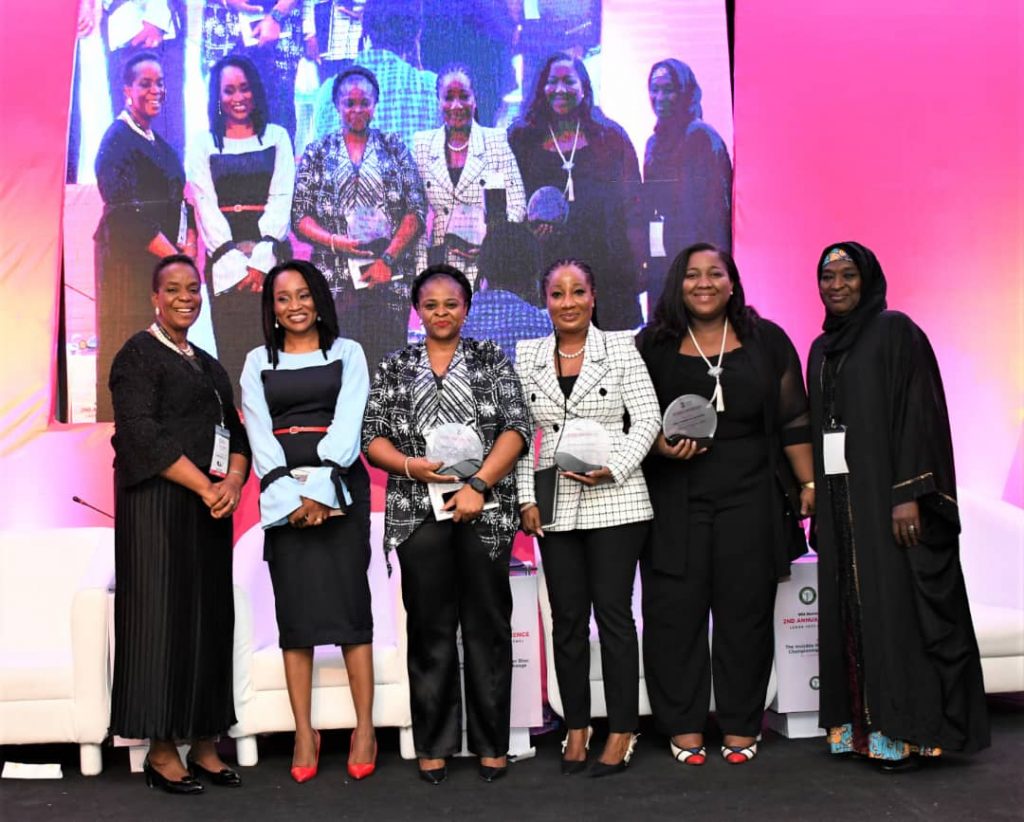
Participants at the NBAWF Confab. Photo Credit NewswireMagazine
Summing up that first session, the moderator, Ireti Bakare-Yusuf, broadcaster, activist, and Founder of the Purple Women’s Foundation restated the position of NBAWF President, Professor Oluyemisi Adefunke Bamgbose, SAN, to the effect that the weapons to be deployed against covert or overt bias should be sophisticated and multidimensional. Bakare-Yusuf also agreed with Hon. Justice Roli Harriman of the High Court of Delta State, and Mrs. Dorothy Udeme Ufot, SAN, Founding and Managing Partner at the law firm of Dorothy Ufot & Co that a woman’s commitment to excellence, focus, and determination, is the best antidote to gender bias.
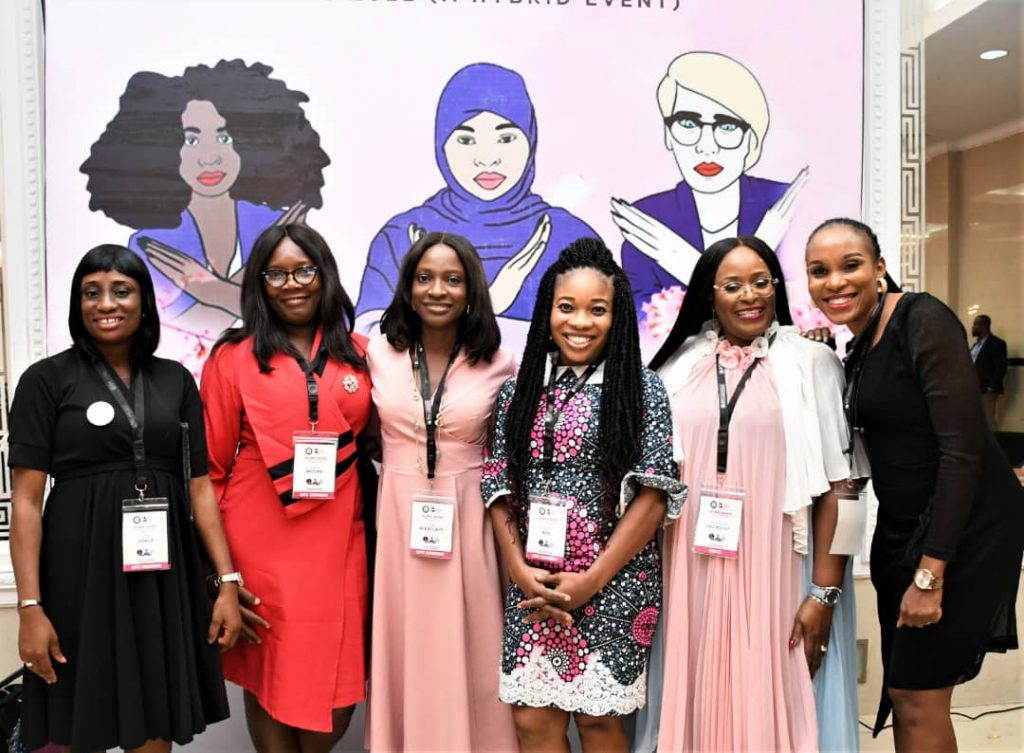
Other Participants at the confab. Photo Credit: NewswireMagazine
It is incontrovertible that a number of Nigerian women have applied these antidotes yet, in nearly every sphere of influence, whether in politics or in the legal profession, men dominate. At a different forum, former Chairman of Nigeria’s National Human Rights Commission (NHRC) Chidi Anselm Odinkalu made the following observation. “The first Nigerian woman lawyer, Stella Thomas enrolled in 1935, no? She was a contemporary of Adetokubo Ademola. He went on to become Chief Justice of Nigeria. She ended up as a Magistrate. That was 47 years after Sapara Williams. Women still have challenges getting Silk even when men of lesser ability take it without breaking a sweat. The idea, therefore, that there is no discrimination is just not historically founded. There is. Discrimination is inherent historically in the constitution, methods, and customs of the Bar… That is why this rankles because I would have thought that being aware of that, we as leaders of a different kind of persuasion would take explicit steps in every way and in every activity to try to do an overdue re-set. Our spectacles have to be different.”
Prof. Odinkalu
Back to the NBAWF event, the second session — Rising to the Occasion: Leadership from the Eyes of a Contemporary Woman, anchored by Shola Sholeye, Judicial Correspondent at Channels Television, and her panel comprising Wola Joseph, Chief Legal Officer and Company Secretary at Eko Electricity Distribution Company, Nta Ekpiken, Principal Partner at NECS; Chinwe Odigboegwu, Legal Director at Guinness Nigeria Plc., and a virtual participant, Sheryl Galler, Chairperson of the New York State Bar Association’s Women in Law Section concluded that continuous self-improvement is the key defying negative gender stereotypes.
However, the last panel made up of Hon. Onofiok Luke, Chairman of the House Judiciary Committee, Kunle Lawal, Executive Director, Electoral College Nigeria, Mahmud Yusuf, Programme Manager, Network of Universities Legal Aid Institutions (NULAI Nigeria), Dr. Foluke Dada, Founding Partner, District Law Firm, Lagos, and a virtual participant, Prof. Uche Ewelukwa Offodile, a Senior Fellow at Harvard University’s Kennedy School of Government, discussed the theme —Advancing Society: The National Assembly as a Friend or Foe? Mrs. Folashade Olusanya, Partner at the law firm of Jackson, Etti & Edu was the moderator.
Confab participants Photo Credit NewswireMagazine
Top on their discussion list with regards to the National Assembly’s rejection of the affirmative action bill included — What went wrong? What was behind the legislators’ action? And how can we walk back that decision, undo the damage, and reclaim our high moral ground as a people? Numerous questions are still being asked on the subject and as if in direct response to these posers, Chief Mrs. Awomolo, in the paper earlier mentioned expressed dismay that: “While some countries have taken the bull by the horn and addressed the issues frontally by the use or introduction of quota system backed by law, Nigeria is still unable to decide to do anything concrete about it.”
“I have tried…to reiterate the challenges being faced by women in getting their rightful positions in the various areas of governance in Nigeria and the world over. While some countries have taken the bull by the horn and addressed the issues frontally by the use or introduction of quota system backed by law, Nigeria is still unable to decide to do anything concrete about it. An attempt to amend the Constitution has met a brick wall and as the Yorubas would say, ‘I yan di atugun, obe di atunse’ (we need to restrategize and change our approach).
Lawyers and stakeholders in the affirmative action suit
“[When] another opportunity comes to represent the Bill on specific seats to be allocated to women in the National and State Assemblies, I suggest that we rework the Bill to pointedly demand one-third of the existing seats. That way one of the three Senatorial seats in all the States of the Federation will be reserved for women, and rotated, while women can still contest the other two. Ditto for constituencies for House of Representatives election and States Houses of Assembly.
“The Federal Capital Territory should be accorded its full constitutional identity as a State with a third of its seats reserved for women. This I believe will not involve any additional cost or budget, which is one of the reasons why I learnt the last Bill was shut down and voted against.
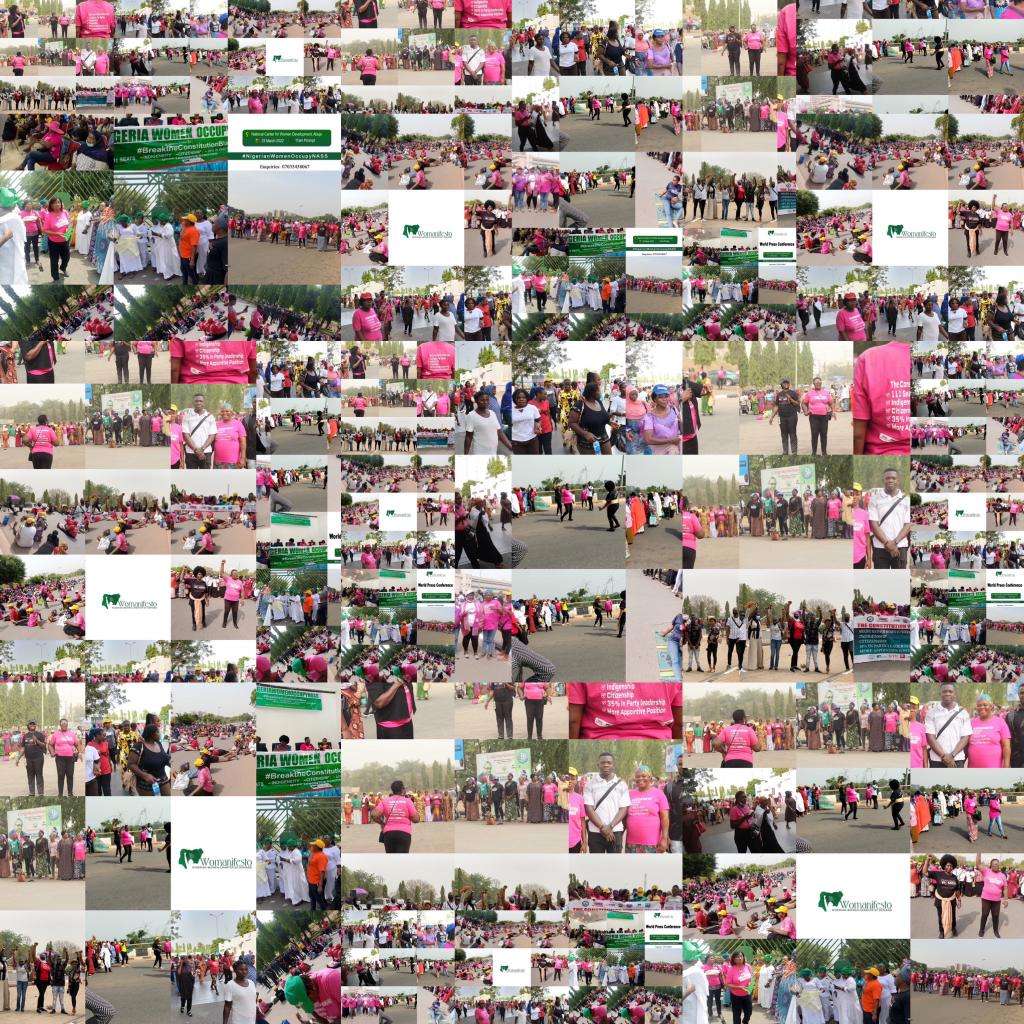
Nigerian women protest rejection of gender bills at the National Assembly
“The seasonal eulogies and rhetoric about women’s participation in the electoral process are not enough. We must back it up with deliberate actions and collaboration among stakeholders. On the whole, the struggle for the total emancipation for women in Nigeria is about to be won in the nearest future but let us (women) be united in our demands and support our leaders, after all as the saying goes, ‘In three words, I can sum up everything I’ve learned about life; it goes on.’
“[And] as Robin Roberts said, ‘Life is not so much what you accomplish as what you overcome.’ Mama Solanke, SAN accomplished much and overcome much more…”
Though the Learned Silk went on to proffer suggestions on how the problem of representation could be resolved the Federal High Court appears to have resolved a greater part of this irksome matter. All eyes are now on the Federal Government. Will they do the needful? In the meantime, here are Awomolo’s propositions:
Training in the fundamentals of politics. Women need to understand grass-root politics and start from there. When people are unknown at the grassroots, they are not successful.
Networking and Mentoring. Women need to see that politics is not all dirty. They need to see governance as what affects every member of society.
Continued Advocacy for Constitutional changes with practical and proactive steps – A good quota system that reserves a fraction of electoral positions for women will help. Thanks to the efforts of the recent past. Political parties have been known to tell women to step down from the electoral process. This must stop.
Financial Support – Some women can’t afford to buy party forms. Women need financial support that will not impede their rights to participate or vie for positions. Men contribute to buying forms for their friends. Women need to start doing this if they must succeed i.e. Encourage women who are efficient and have the capacity to lead.
The media must change their attitude towards political coverage of women. They sometimes project women in ways that are not relevant to leadership, politics, or election.
Following The Federal High Court’s decision nonetheless, Nigerian women are keenly waiting for the Federal Government not to uphold the judgment in principle but to begin implementation.
It is worth restating that while making reference to Section 42 of the 1999 Constitution, as it relates to the suit, the court agreed: “[That] of all the 44 ministries, there are only about six female gender, and that the situation is worse in other MDAs and agencies.” Hon. Justice Okorowo pointed out that the Federal Government by its actions implies that there are no competent and reliable women that should be appointed to “stop the apparent male dominance as witnessed in the appointments” of men into key government positions. “I agree with their (plaintiff) contention”, Justice Okorowo said, “that this cannot be possible out of 70 million women in Nigeria.”
His Lordship also held that the Attorney-General of the Federation (Mr. Abubakar Malami) who was the sole defendant in the case, “failed to disprove the material allegations contained in the affidavit, and led no credible evidence to debunk material evidence of the plaintiff… The plaintiff has led cogent, verifiable evidence backed by incontrovertible depositions in their affidavit evidence contrary to the objections raised by the defendant…
“These violations with impunity and reckless abandon were projected by the plaintiff… The defendant merely based their arguments on the grounds that the plaintiff’s demands are not justiciable…[Dismantling] barriers to women’s participation in public spheres have been achieved through progressive interpretation of municipal laws and international obligations and treaties. Formulating Policies based on sex, stereotyping and feudal and patriarchal traditions will no longer be tolerated due to the supremacy of constitutional values… This court is not expected to achieve less for Nigerian women, since the constitutional obligation of this court is to apply the law.”
FOR an administration that is not exactly short on examples of moral violation, the decision of the Muhammadu Buhari government to donate the sum of $1 million to the Humanitarian Trust Fund for Afghanistan will go down as one of its most unsettling and, frankly, thoughtless acts. Instructively, Nigerians would not have known of the donation but for the statement by the Secretary General of the Organization of Islamic Cooperation (OIC), Hissein Brahim Taha, commending the Nigerian government for its apparent generosity. Just to be clear: we hold no grudge against the people of Afghanistan, who have endured untold deprivation, particularly since the collapse of the government of President Ashraf Ghani in August last year, following the withdrawal of American troops. Nor are we opposed to the government giving money and material support to the country’s friends and allies. But this is a different situation.
First, donations, no matter how small, must be officially appropriated. There is no reason to believe that the donation to the Afghan government underwent due diligence. Second, right now, Nigeria is hardly in a position to donate money to anyone, having relied on massive borrowing for its recurrent and capital expenditures. You cannot give what you do not have. Third, and perhaps most important, the Taliban government in Afghanistan is not just another government, but an ultra-conservative Islamist regime that has stopped women from going to school, continued to treat women like chattel, and repeatedly violated the human rights of ordinary Afghans. It’s a barbarous regime with which Nigeria should have no relationship and donating money to it is no different from endorsing its human rights abuses.
Why on earth would President Buhari donate money that the country desperately needs for its own domestic problems to a government that the rest of the world, including other Islamic countries, has rightly consigned to the diplomatic doghouse? Where does the president get his policy advice from? If the president was in the mood to be generous, why not donate to any of the Internationally Displaced Persons’ (IDPs) camps that dot the northeastern part of the country?
Nigerians are understandably incensed that amid pervasive insecurity, growing starvation, extreme poverty, rising unemployment, not to mention the crisis in the education sector, the president would go ahead, and apparently without official imprimatur, to hand over cash to the Taliban. The statement by the Coalition of Southern and Middle Belt Youth Leaders Assembly denouncing the administration’s “financial recklessness” is indicative of the mood across the country, and we wholeheartedly identify with it.
Nigerians are genuinely fed up with the Buhari administration and cannot wait for it to run down its time and depart. Not only is the president incompetent, he has shown time and again that he is also insensitive. The criticism against the president when he was running for office in 2015 was that he was too sectarian and provincial, and that he did not have the imagination to run a local government, let alone a country as complex as Nigeria.
Our site uses cookies. By clicking “Accept All Cookies”, you direct Law and Society Magazine to store cookies on your device and disclose information in accordance with our Cookie Statement: cookie policyACCEPTREJECT
Privacy & Cookies Policy
Privacy Overview
This website uses cookies to improve your experience while you navigate through the website. Out of these cookies, the cookies that are categorized as necessary are stored on your browser as they are essential for the working of basic functionalities of the website. We also use third-party cookies that help us analyze and understand how you use this website. These cookies will be stored in your browser only with your consent. You also have the option to opt-out of these cookies. But opting out of some of these cookies may have an effect on your browsing experience.
Necessary cookies are absolutely essential for the website to function properly. This category only includes cookies that ensures basic functionalities and security features of the website. These cookies do not store any personal information.
Any cookies that may not be particularly necessary for the website to function and is used specifically to collect user personal data via analytics, ads, other embedded contents are termed as non-necessary cookies. It is mandatory to procure user consent prior to running these cookies on your website.