Home Blog Page 812

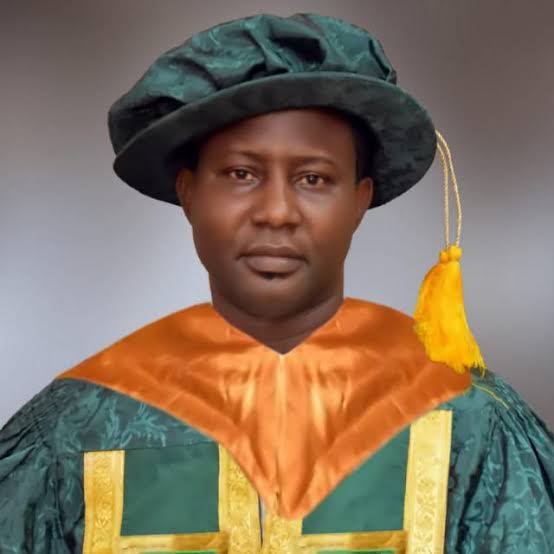
Professor Muhammed Mustapha Akanbi, SAN, VC: You Came, Saw and Conquered!  By Hon. Justice Peter Affen, JCA

“It is with mixed feelings [of humility and pride] that I stand before this august assembly to present this 3rd Annual Personality Lecture in honour of Professor Muhammed Mustapha Akanbi, SAN on the topic – Electoral Justice vs. Legal Justice in Nigeria: Do the Waters Mix? – under the auspices of the Law Students’ Society, Faculty of Law, University of Ilorin: a Nigerian public university that has, over the years, gained notoriety for the stability of its academic calendar. Indeed, I consider it a rare honour and privilege to have been invited to do the honours, as it were, to whom honour is eminently due.

“My personal relationship with the honouree which started as classmates at Obafemi Awolowo University, Ile-Ife in 1989 has since blossomed into a lifelong friendship, nay brotherhood. Just Lawyers Forum (JLF) [which is the moniker of the alumni group under which Professor Akanbi’s university classmates are organised] has since metamorphosed into one big united progressive family where what happens to one happens to all.

“The man of the moment, Professor M. M. Akanbi, SAN is a man of many firsts. As far as I know, he was not only the first amongst our classmates to become a Dean of Law in the Law Faculty of any University in Nigeria, he was equally the first to become a full-fledged Professor of Law – all at a very young age. What is more, Professor M. M. Akanbi is also our first and only Senior Advocate of Nigeria: that elite club of lawyers who adorn the silk gown [otherwise reserved for judicial officers], have a reserved seat at the inner bar on the front row of the courtroom and invested with the privilege of calling their cases out of turn!

“He has been a law teacher for over 24 years. It is therefore merely restating the obvious that Professor M. M. Akanbi, SAN is a child of destiny who amply deserves the honour being done to him today by his students; and not even my understandably busy schedule as a judex in an increasingly litigious metropolis as the Federal Capital Territory and the steady flow of sensitive time-bound political litigations requiring urgent attention could possibly have stood in the way of my seizing this golden opportunity to publicly demonstrate my admiration and profound respect for Professor M. M. Akanbi, SAN and his enviable accomplishments”.

The foregoing were the ‘Opening Remarks’ of the Personality Lecture I was privileged to deliver in honour of MM (as we fondly called him) at University of Ilorin on April 18, 2019, in the wake of his investiture as a Senior Advocate of Nigeria (SAN). Unbeknownst to me, that was to be the last time we would see each other physically on this terrestrial, sinful earthly plain, even though we kept in touch through telephone and the social media.

MM added another feather to his already beautifully bedecked cap of accomplishments when he was appointed as Vice Chancellor of Kwara State University KWASU) in 2020: a position he held until his untimely demise. He dreamt of transforming KWASU into a world-class citadel of learning. But debilitating illness crept in surreptitiously, unexpectedly. MM fought with all the strength he had and everything he could muster. Alas, death, cruel death, eventually snatched a rare gem from us on Sunday, 20/11/22) at the unripe age of 51!

The fact that MM lived a simple, exemplary life that impacted everyone he came in contact with in many positive ways offers some cold consolation. He touched the lives of countless underprivileged members of the society through his annual pet project, MMGivit. The life and times of MM reaffirm the truism that life consists not merely in its duration but much more in its donation: he lived as though he knew that life will not be long after all!

When a loved one becomes a memory, all one can do is to relive and bask in those unforgettable memories etched securely in the deepest recesses of the heart. I remain thankful for the moments we shared: as classmates at OAU, Ile-Ife through the Nigeria Law School, Lagos (where the BQ of the official residence of his Dad and eminent Jurist, the Rt. Hon Justice Akanbi at Queen’s Drive, Ikoyi was a Refugee Camp of sort for so many of us who had no hostel accommodation); as young lawyers on the streets of Lagos, the sidewalks of life where humans thrive, looking forward to the future with great expectations; and as adults looking back with gratitude at the various pathways life has charted (and continue to chart) for each and every one of us.

Sadly, this is a moment to say Good Night to Muhammed Mustapha Olaroungbe Aremu Akanbi. May MM’s gentle soul find eternal repose, and may God grant his ever supportive and accommodating wife and children, his siblings, JLF, NLS 95 call set, the Government and Good People of Kwara State, his students (past and present) and teaming army of well wishers the fortitude to bear this sad irreplaceable loss.

Peter O. Affen, JCA

Polytechnic Rector reunites with stolen twin daughter 20 years after

For 20 years, Professor Mike Ike Okwudili did know he had a female child.

For 20 years he did not know that his 20-year-old son was actually a twin.

But for providence, he might never have known that hospital staff conspired to steal the female twin his wife, Mrs. Gloria Okwudili gave birth to in hospital at Enugu two decades ago.

Mrs Okwudili had her ‘only child’ 20 years ago at a private hospital, Madonna Infirmary Hospital, owned and operated by one Dr Oguannua, a consultant gynaecologist with the University of Nigeria Teaching Hospital UNTH Ituku-Ozalla, Enugu.

Having experienced difficulty in child bearing, she was delivered of ‘a baby boy’ on July 2002, five years after her marriage in 1997 and was only too happy to have been blessed with a child.

The reunion

Dr. Okwudili a rector of one of the private Polytechnics in Enugu has shops attached to his residence at Thinkers Corner at the Coal City of Enugu.

Following the ASUU strike, the young lady, a student at Alex Ekwueme Federal University, Ebonyi, decided to learn sewing.

As it turned out the shop where she was doing her apprenticeship was one those rented out by Dr. Okwudili.

As time progressed, neighbours reportedly started pointing out resemblance between the young lady and Dr. Okwudili’s wife. People in the area would ask her if she was a daughter, Mrs Gloria Okwudili. Others even approached Mr. Okwudili to say she never told anyone she had a daughter.

When the rumour got stronger the young sewing apprentice allegedly started going to the house when she is hungry to request for food and over time Mrs Okwudili took a liking for her.

Sometime later, Mrs. Okwudili found out that the girl has eye problems and decided to take her to an eye clinic. The doctor was said to have pointed out the resemblance between the two. He further discovered that the eye problem is exactly the same as that of her son and that the girl’s prescription for glasses is exactly the same with that of her son.

He then advised that she probes into the girl’s paternity.

In the meantime, they discovered that the girl shared same birthday with their son, and that her place of birth was the same hospital where their son was born.

A DNA test according to sources was carried out and the results came back 99.9 percent positive.

The girl’s ‘parents’ were then invited and they reportedly confirmed she was adopted.

But dissatisfied with the outcome of the DNA and their ‘daughter’s’ decision to return to her biological parents, the adoptive parents reported the bizarre occurrence to the police who are said to be looking into the matter.

What allegedly happened

The baby was reportedly given to one Mrs Chidimma Mariatha Agulanna, a nurse who later worked and retired from the Federal Road Safety Corps (FRSC). She was said to have allegedly connived with Dr Oguannua, the owner of Infirmary Hospital now closed.

Tribute to Prof Akanbi SAN: A life of many firsts By Ebun Olu-Adegboruwa SAN

He came ordinarily as one with a silver spoon, an ajebuta, or the privileged one. His father was at the time the incorrigible President of the Court of Appeal, a no-nonsense jurist and later pioneer Chairman of the Independent Corrupt Practices and Other Related Offences Commission, ICPC.

But then I later got to meet Muhammed, MM as we call him. Very young, simple, and unassuming. So very humble and even criticizing the status quo. He was quick to declare his support for Aluta, the progressive struggle of students against all oppressive tendencies. So I fell in love with him. He was a very handsome young man with the wisdom of an elder. He didn’t carry on as a silver soon at all and he was ready and willing to go through all the rigors of academic life in Great Ife.

With his simple approach to life, he became the darling of all. Always punctual in class, MM was extremely very brilliant, never taking anything for granted. He was so much in love with me and BF (Aturu), so he would approach us to seek an explanation for the reasons behind any particular student’s struggle, and once convinced (which was so in most cases), he would declare his open support and even go ahead to help recruit other students. So we became so very close throughout our university days.

The momentum of our friendship deepened more when we got to the Law School in Lagos. Given his position, his father was then in his official quarters on Queens Drive, Ikoyi. MM would invite us to Ikoyi in the BQ and at times in the main house, to dinner and to read and discuss academics. He had an open-door policy and didn’t discriminate against anyone at all. As a devoted Muslim, he was very principled but was very accommodating and detribalized. We finished Law School and he moved on to the academia, where he excelled gloriously.

MM had many firsts. He was our first classmate to bag a professorship in Law, at a very tender age and he was also the first Senior Advocate of Nigeria in our set. MM loved helping and raising up others. When he got to know that I was applying for elevation, he came to me and took me through the rudiments, and offered to help in any way. On the day of my swearing-in, he even got to the Supreme Court hall ahead of me, fully robed in his SAN regalia, to honour me. The previous day, MM had mobilized Great Ife Law Alumni and all JLF (Just Law Forum) members in Abuja to treat me and my family to a sumptuous reception.

It was not a surprise when MM was announced as Vice-Chancellor of Kwara State University, Ilorin. He quickly set out on revolutionary reforms in the university and he had great plans to turn the place around within the shortest time. But death snatched him.

At the tender age of 52, MM was destined to reach the greatest height available but God loved him more.

Adieu, great man of integrity, wisdom, and intellect.

May God comfort your family, all JLF, your colleagues in the Inner and Outer Bars, and the government and good people of Kwara State and grant you eternal rest.

Video: President Buhari describes Port Harcourt Law School Campus as a grand wonder

Over the years, stakeholders in the administration of justice have expressed concern over the infrastructural deficit at Nigerian Law School campuses across the country.

Under the administration of Chief Emeka Ngige, Senior Advocate of Nigeria and Chairman, Council of Legal Education (CLE) however, there have been extraordinary transformations at the Nigerian Law School.

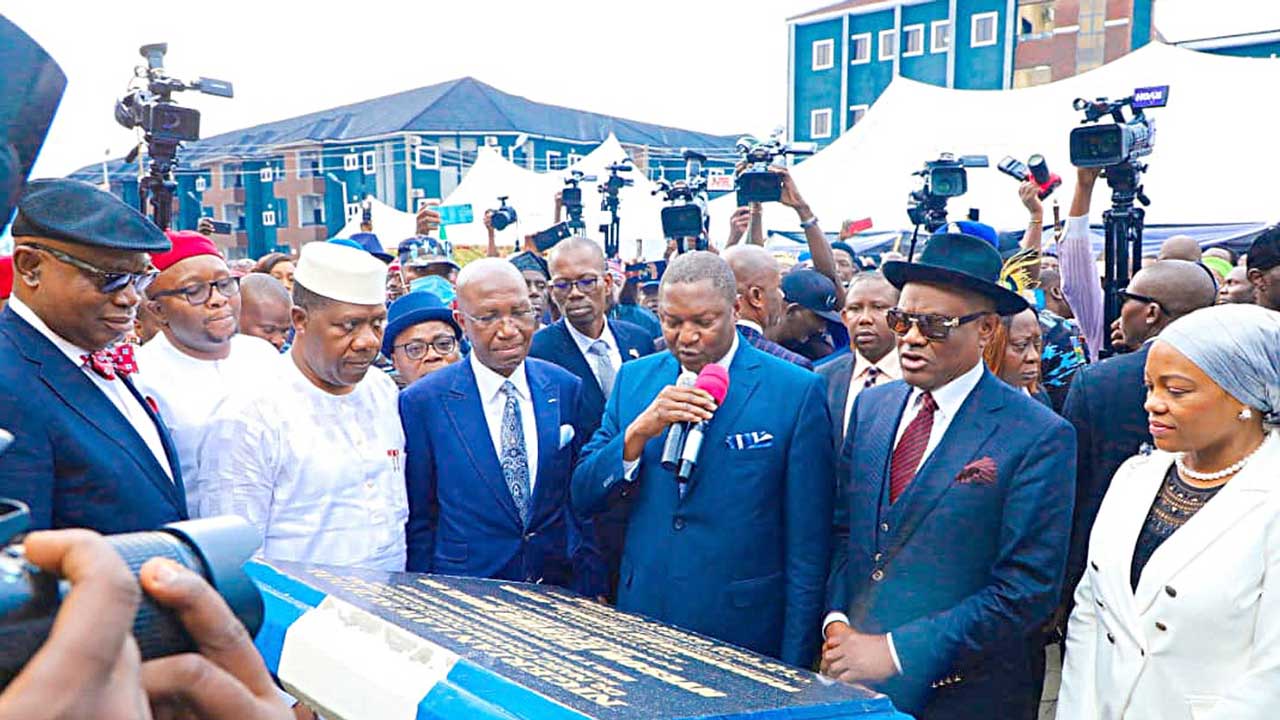
Top on the list is the Dr. Nabo Graham-Douglas Campus of the Nigerian Law School in Port Harcourt which was built, furnished, and donated by Governor Nyesom Ezenwo Wike to the Council of Legal Education.

At the commissioning ceremony on November 18, 2022, President Muhammadu Buhari described the campus as a grand wonder, structured to be self-sustaining.

The president who was represented by the Attorney-General of the Federation and Minister for Justice, Mr. Abubakar Malami (SAN) noted that the structure is as an abiding testament to the commitment of Governor Wike to the promotion of law and development in Rivers State and beyond.

Click here to watch the video of the commissioning ceremony.

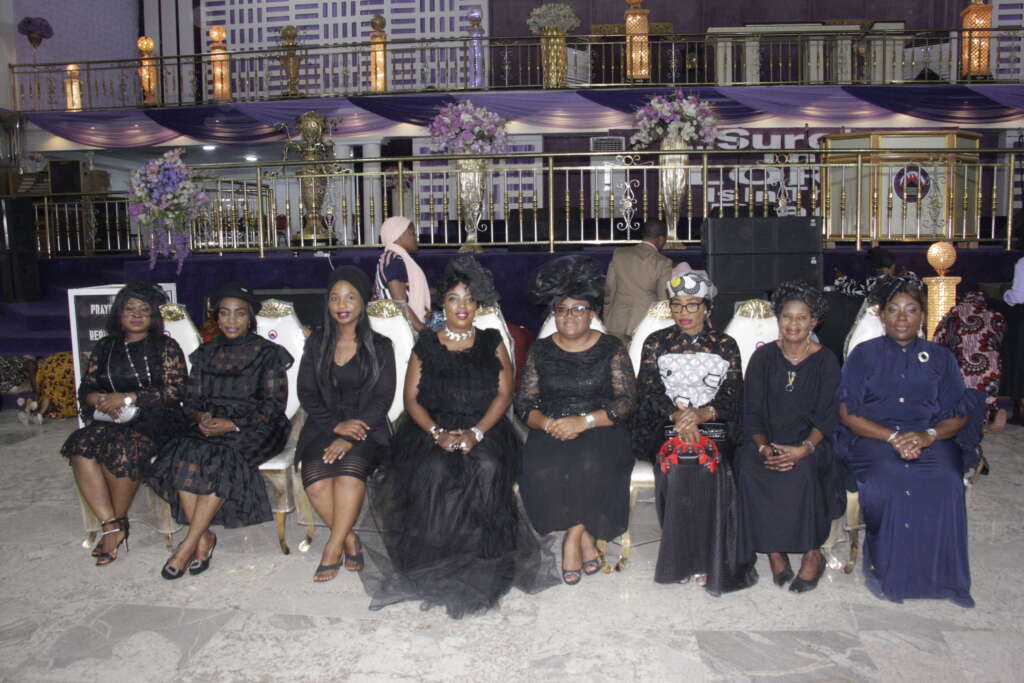
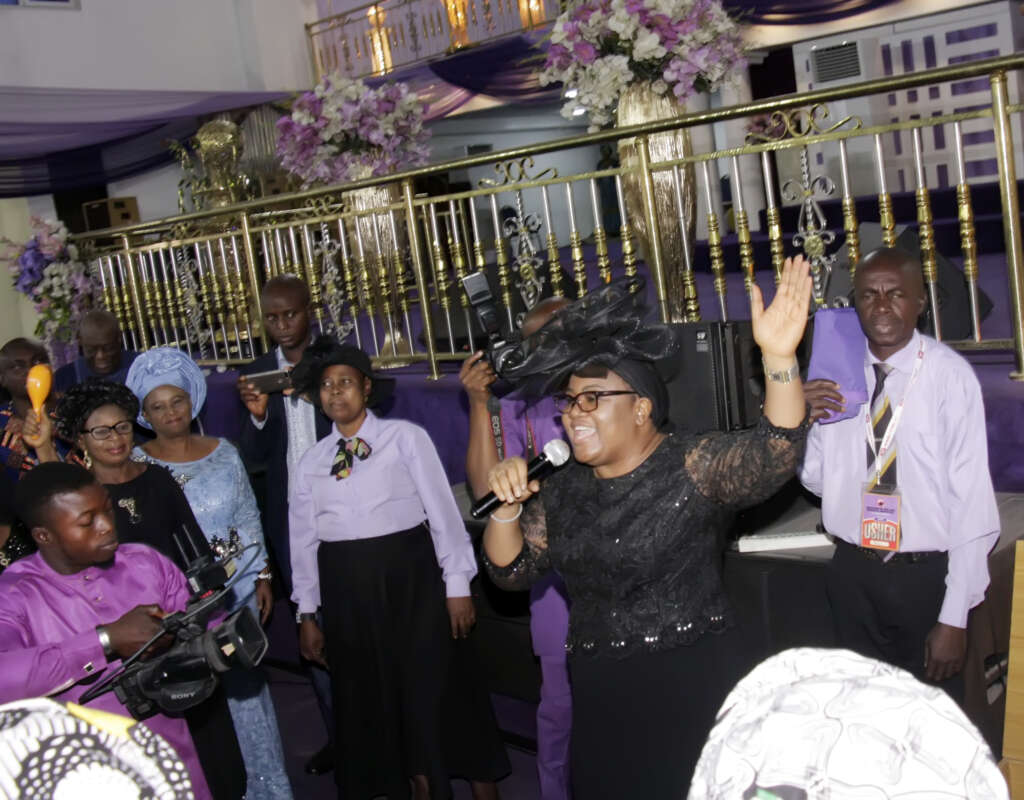
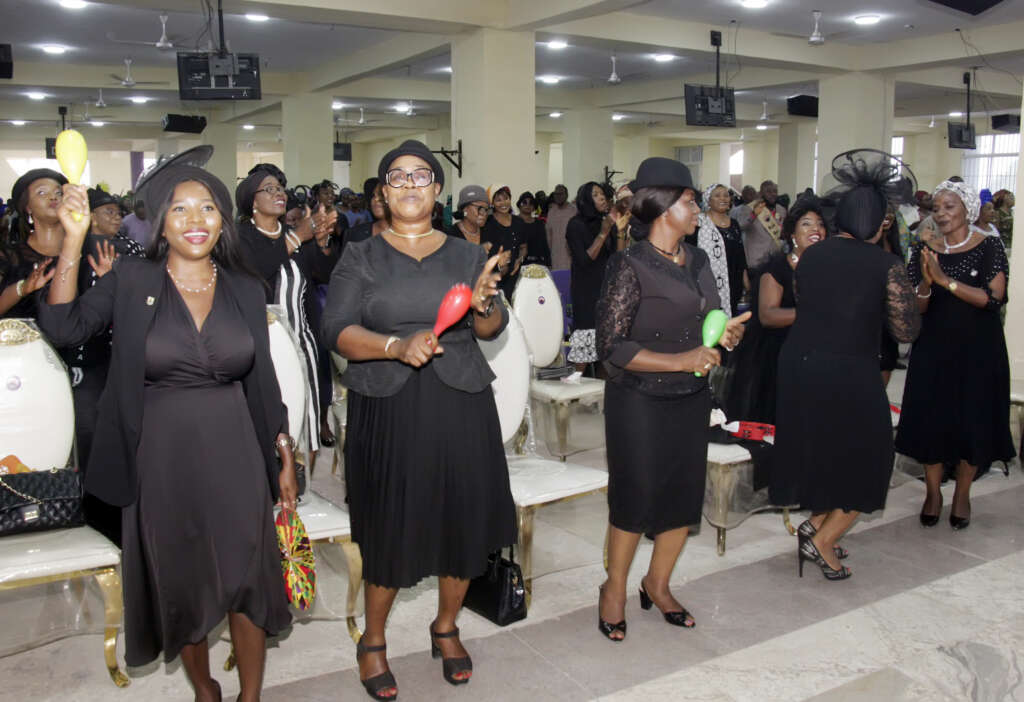
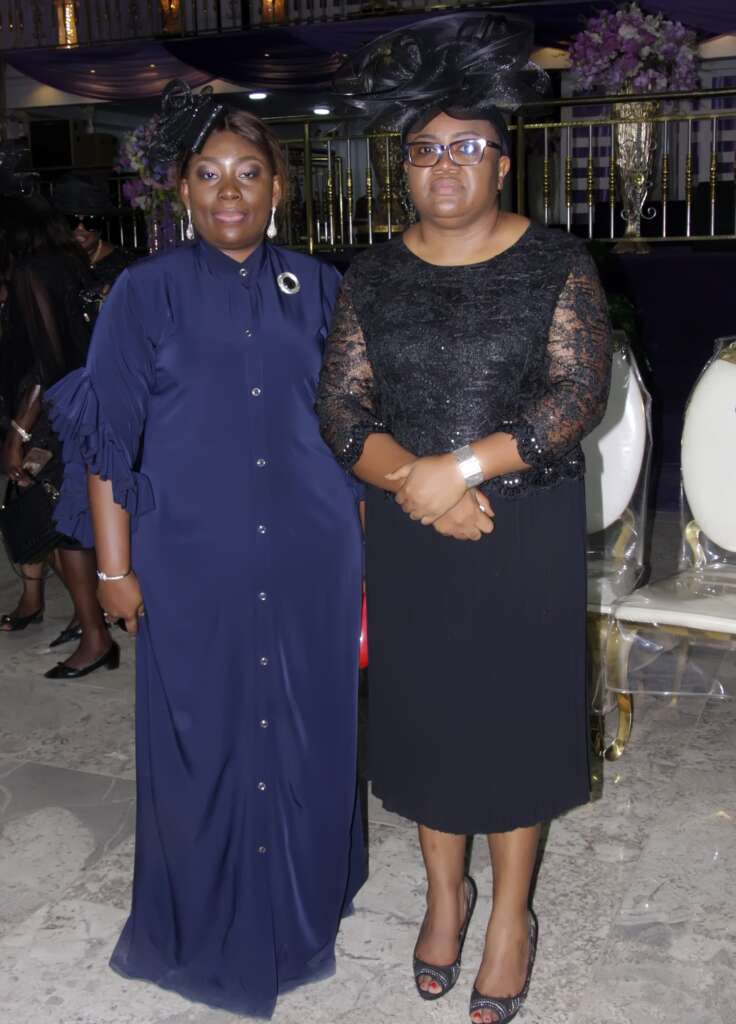
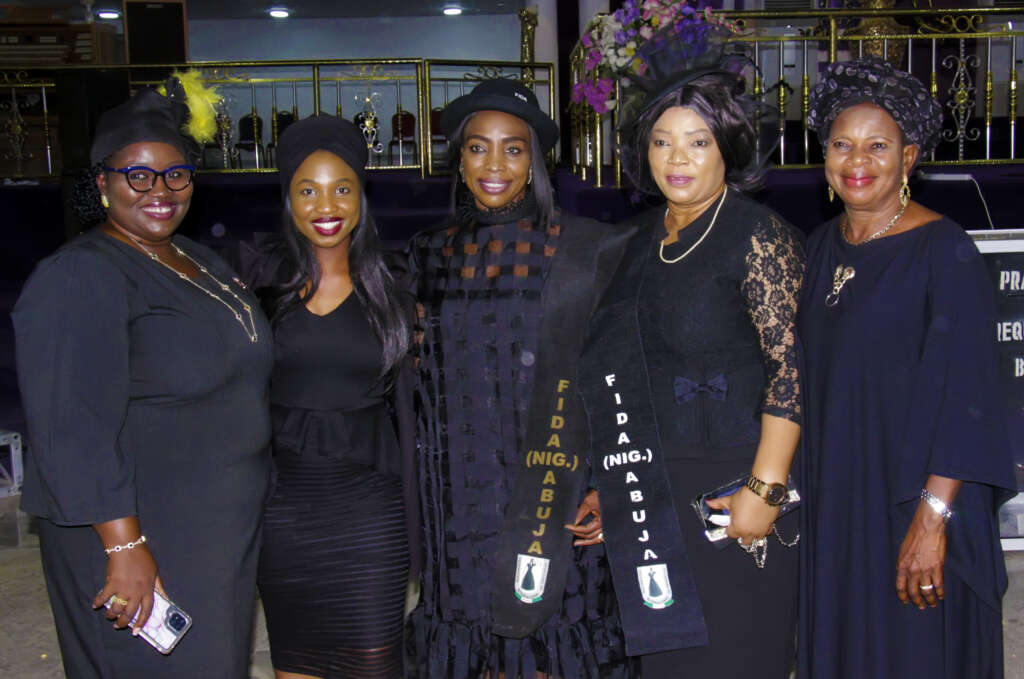
FIDA Abuja Law Week 2022 thanksgiving service in pictures

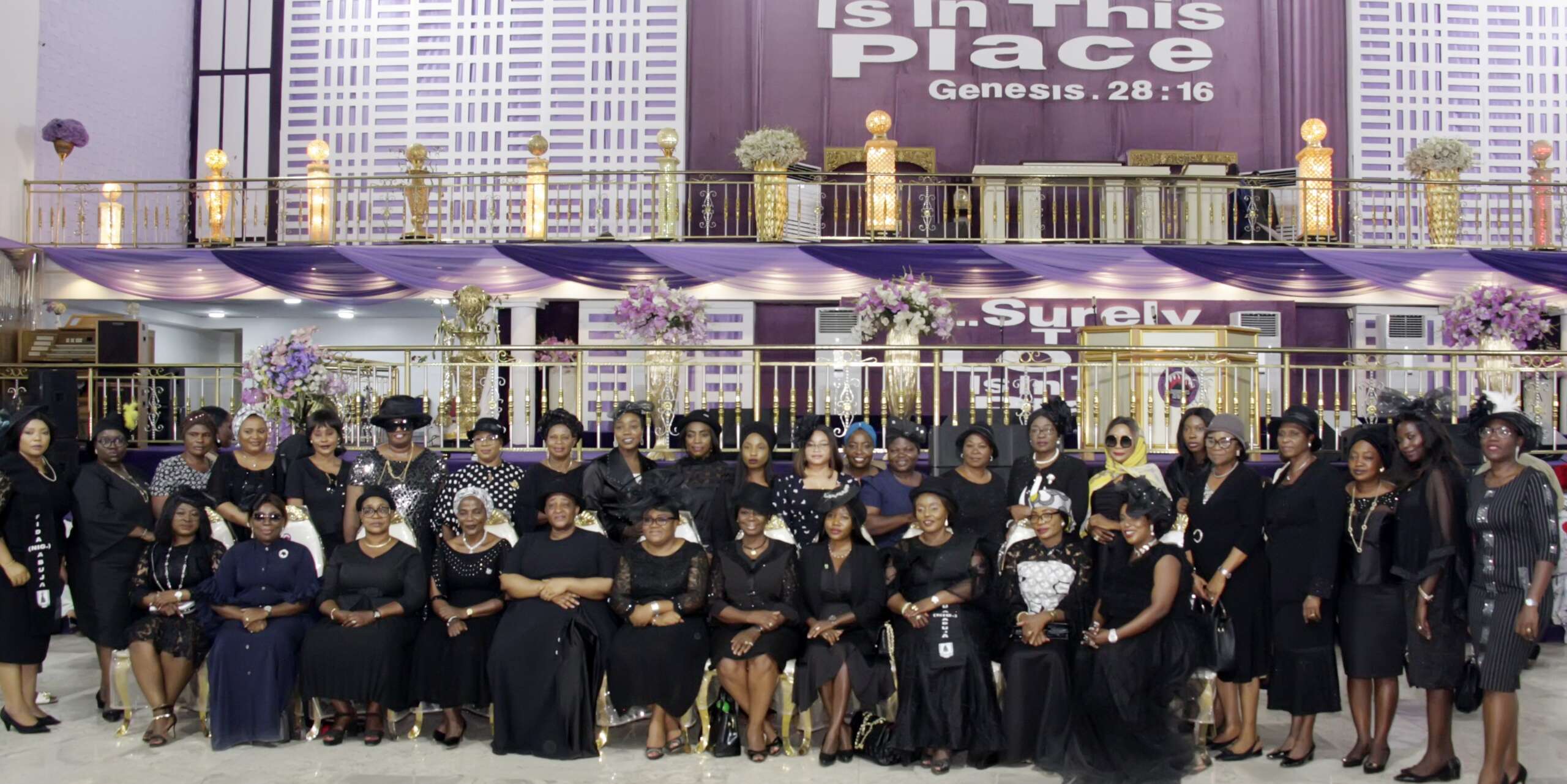
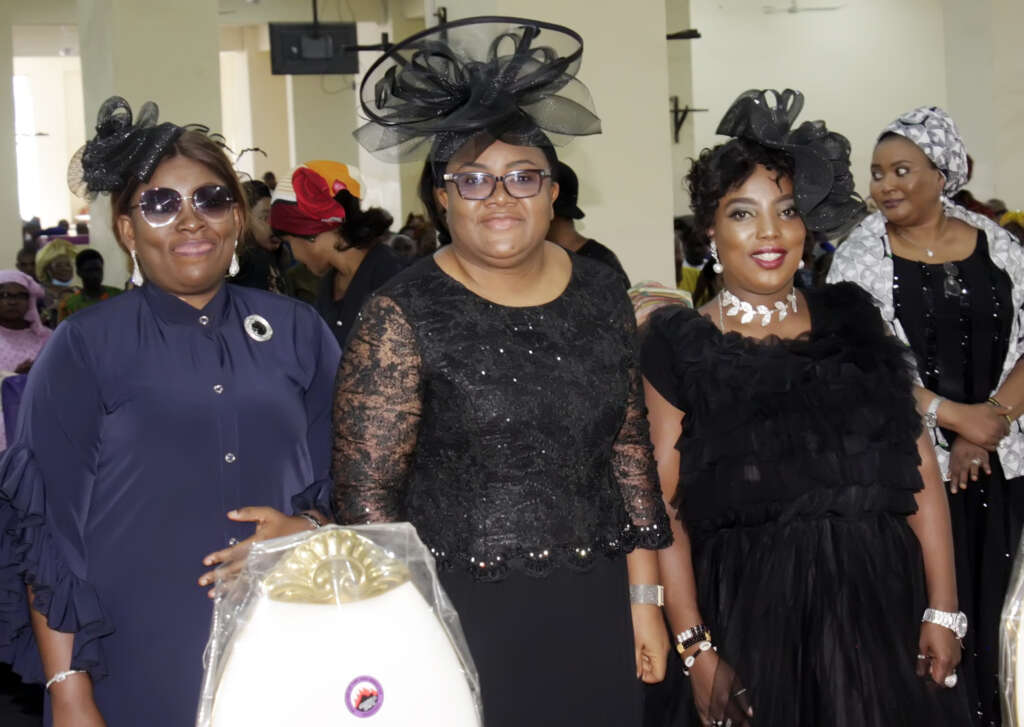
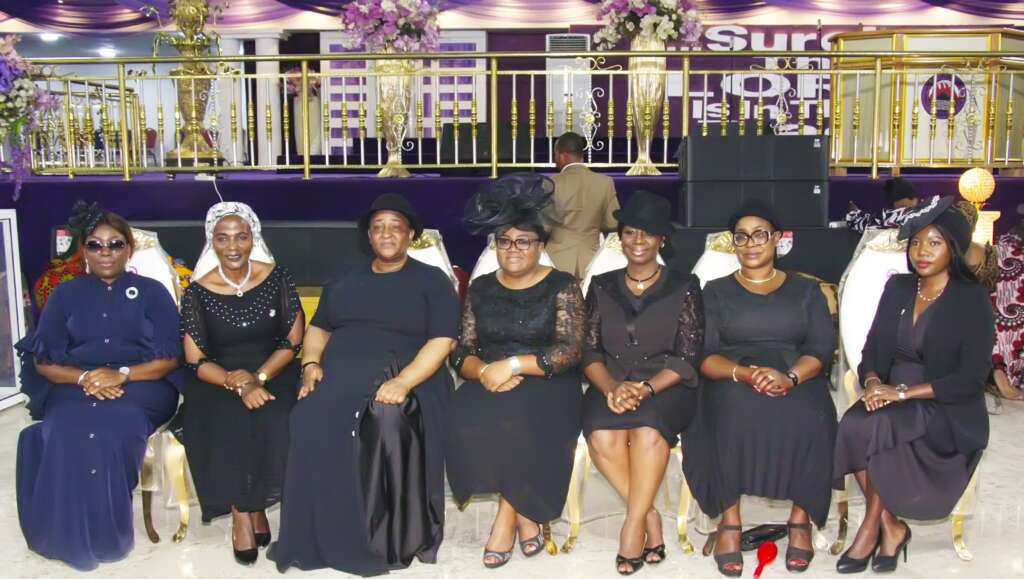
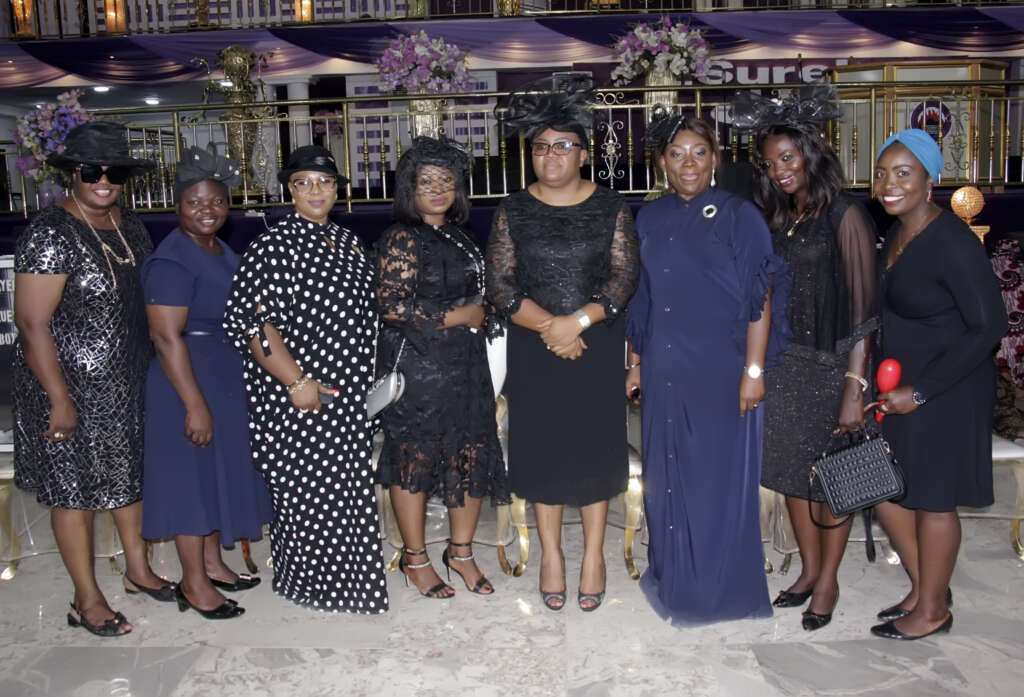
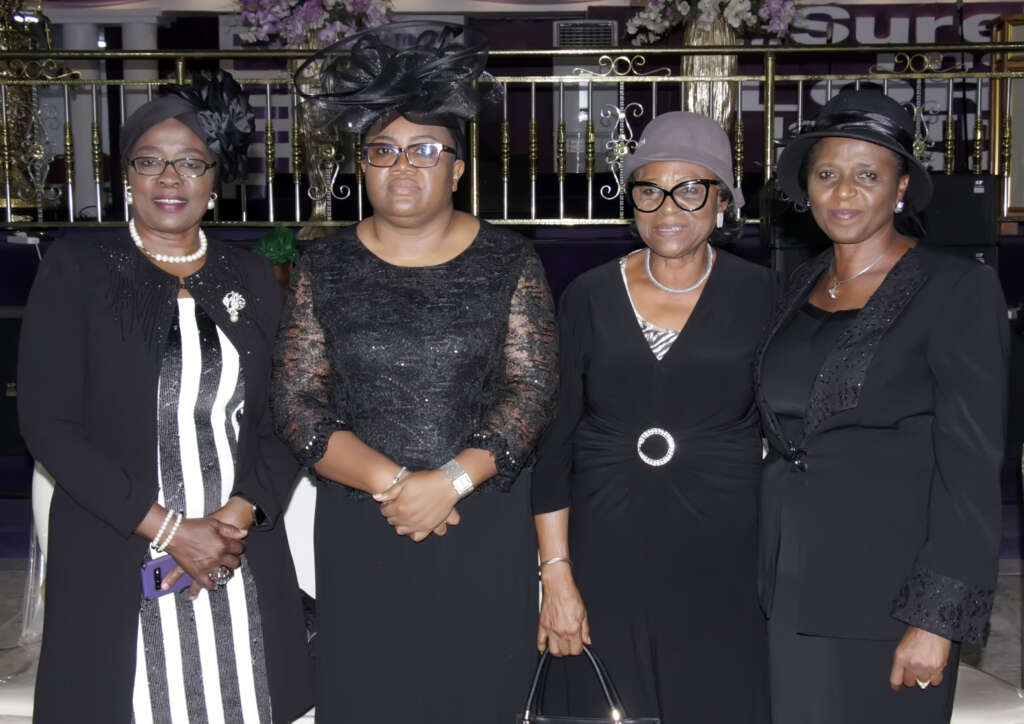
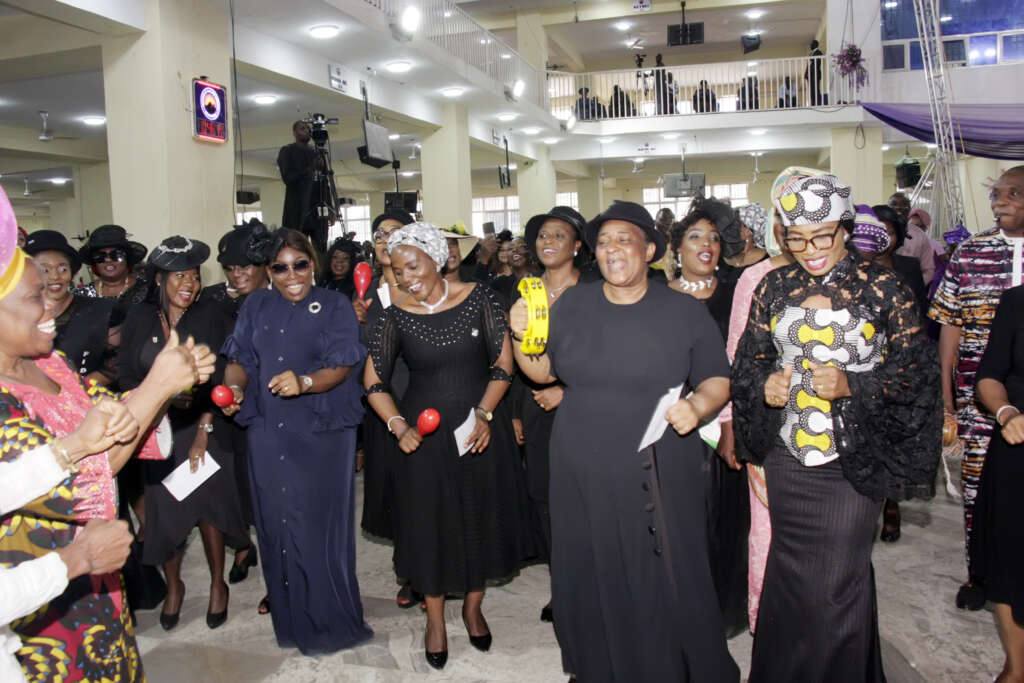
As part of the celebration marking the 2022 Law Week of the International Federation of Women Lawyers, FIDA Nigeria Abuja branch, the organisation had its thanksgiving service at the Mountain of Fire and Miracles Ministries International Headquarters II, in Wuye Abuja.

Both the branch Chair, Ms. Maureen Chibuzo Nwosu, and the Country Vice President Mrs. Amina Agbaja are members of the church.

FIDA Abuja 2022 Thanksgiving

Detribalized Nigerian does not exist; it never did

By Chidi Anselm Odinkalu

In 1989, academics, Bill Ashcroft, Gareth Griffiths, and Helen Tiffin published to great acclaim their study of the evolution of the diverse dialects of English language from different Empires. Their title was The Empire Writes Back. The book shows how various outposts of the Empire took ownership of the language and adapted its grammar and usage.

Few outposts of Empires have been as prolific in this enterprise as Nigeria. Conceived as somewhat of an illegitimate offspring in the ménage à trois between Sir George Taubman Goldie; his mistress, Flora Shaw; and his successor in propinquity to her, Frederick Lugard, Nigeria became a colonial experiment in the Tower of Babel.

A national anthem composed in 1959, one year before Independence which occurred in 1960, acknowledged this reality in the third line of its first stanza, reminding the world of the aspiration to create a country even “though tribe and tongue may differ.” The anthem itself invited citizens to “hail” the country in antiquarian, Biblical third person, symbolizing a relationship with the country that was fractured from origin. Never mind that the hailing was to be done in the borrowed language of a foreign country.

Without compulsory access to basic education which could have created a shared vocabulary in the imported language, Nigerian imagination invented its own grammar of mutual intelligibility. This language is called “Pidgin English”, which does not entirely do it justice. It is characterized by an open-ended grammar in which meaning is always available to reveal itself to anyone interested in exercising imagination.

But this is not the only function of Nigerian English. French colonial policy of assimilation offered their way of life also as the height of civilization, promising natives (as the colonists called Africans everywhere) the opportunity to “evolve” to the highest level of civilization, which they claimed was French citizenship. For those of us from Nigeria, access to Nigerian English is our license to civilization.

Over here, we describe those who have attained this level of civilization as “detribalized”. It is arguably the greatest compliment that one Nigerian can pay to another. By contrast, to the owners of the language, to detribalize someone is to render them rootless.

When his former Minister, Jubril Martins-Kuye, died last year, President Olusegun Obasanjo described him as “detribalised”.

Sokoto State Governor, Aminu Tambuwal, says only a “detribalised” Nigerian is fit to rule the country.

So, the supporters of the presidential candidate of the Peoples’ Democratic Party (PDP), Atiku Abubakar, are quick to claim the mantle, describing him as the only “detribalised” one in the race to succeed Muhammadu Buhari, who is mostly accused of being the opposite.

The supporters of the candidate of the Labour Party, Peter Obi, retort that he is “detribalised”  too.

Not to be outdone, even tribesmen of the presidential candidate of the All Progressives Congress (APC) in the Yoruba Council of Elders (YCE) claim he is detribalised, which begs the question why they exist in the first place.

To demonstrate how meaningless the expression has become, former chairman of Kano State Primary Education Board (SPEB), Malam Yakubu Adamu, even described the late Emir of Kano, Alhaji Ado Bayero, as detribalised. But if the Emir, by definition is the embodiment of a tribe, how can he be described as “detribalized” at the same time?

Columnist, Tayo Oke, complains that the word is “widely embraced as a mark of respect by the political elite….yet, so devoid of substance”, adding that “people should find it infuriating that someone is pointing them out as a ‘detribalised’ Nigerian; it is an insult to the intelligence.”

Academic, Jideofor Adibe explains that “when we talk of being ‘detribalized’ in the Nigerian context, there is an assumption that there is a specific Nigerian culture to which those who have either voluntarily abandoned any form of relationship with the cultures and customs of their forefathers are socialized into.”

Under colonial occupation, the tribe was (as a matter of law) beneath civilization. Those who were defined by it naturally wanted to be unshackled from it.

For the native, the tribe was simultaneously a sanctuary from the colonial predations and prison from which he sought emancipation.

So, it was the mission of colonialism, they claimed, to bring such people into civilization.

Built into this were mechanisms to ensure that the tribalization of the native was resilient.

The Judicial Committee of the Privy Council in London determined in 1918 as the First World War ended that African tribes were “so low in the scale of social organization that their usages and conceptions of rights and duties are not to be reconciled with the institutions or the legal ideas of civilized society.” Tribespeople, they held, were incapable of legitimate leadership, property, or identity, and were beneath dignity.

Tribalisation of the native was central to the methods of colonial administration. Ugandan academic, Mahmood Mamdani described the tribe as “the unit of indirect rule administration.” As a result, the colonists made it such that “each tribe must be considered a distinct unit…. Each tribe must be under a chief.”

One year after the Privy Council’s decision, Frederick Lugard could assert in his Amalgamation Report delivered in 1919, that the policy was that these “Chiefs should govern their people not as independent but as dependent rulers.”

First, the Chiefs who were given powers of life and death in this way (like Emirs) had every incentive to sustain it.

Second, the tribe was the way by which colonists calibrated the benefits and burdens of government. It thus ensured competition among different populations and peoples for the attentions and affections of political power.

This meant, thirdly, that the tribe as an identity did not merely depend on the subjective views of those who identified with it; it also defined how those who do not belong to your tribe see you.

It is, therefore, no accident that Nigeria’s elite who seek to rule the country would think that their highest form of evolution is to describe themselves as “detribalised”.

In reality, the expression “detribalised” is worse than a patronizing piece of colonial nonsense. It begins from a conceptual error that “tribal” identity is expendable like a piece of traditional accoutrement. It is not.

When they use this expression, Nigeria’s elite creates the impression that the tribe is like a pigment that you can cure with ejaculations from a tube of anthropological bleaching cream.  

Ayodele, Ekaette, Kyari, Nkeiruka, Owoicho, are all markers of both belonging and of exclusion. No matter how evolved the bearer may wish to feel they are, these identities are reminders to others as to what boxes they must fit into.

Nativisation in this way is the mechanism by which Nigerians prepare to take on one another in the existential warfare over tribalisation. It is also the way in which we remind one another that ‘detribalised” is a con-job by the elite on the peasantry. While they claim to be “detribalized” these elites also ensure that their followers are fully tribalized exponents of inter-tribal warfare. It is the only way in which they can preserve their turf in the battle to carve up the country.

The implications are very far-reaching. In Nigeria, at least, it means that you can take the tribe out of the man but it is impossible to take the man out of the tribe. It is no accident that the first question nearly every Nigerian asks the next is “where are you from?”

So many decades after the colonists left, this situation has hardly changed. Put differently, no matter how civilized you think you are, as long as you are in the country, Nigeria will happen to you and remind you where you come from without necessarily telling you it is going anywhere.

A lawyer and a teacher, Odinkalu can be reached at [email protected]

International Men’s Day: President Buhari charges men, as Lagos law firm makes cash donation to grassroots football club

International Men's Day Credit: Hindustan Times

Most people are familiar with March 8 which is International Women’s Day. What many do not know is that men also have a special day which is marked internationally all over the world.

Thankfully, awareness of this equally important day is catching on with President Muhammadu Buhari restating the pivotal role of men in ensuring a safe, peaceful and progressive environment, given their visible positions in families, governments, communities, and leadership in religious, traditional, and political institutions.

Felicitating with men on their special day, the president in a statement via his media aide, Mr. Femi Adesina remarked that while acknowledging the strong, influential and significant position of women in building the nation over the years, with evidence in their rising profiles, men must be guided in protecting and promoting democracy in Nigeria by ensuring full participation in the elections in 2023 adhering to regulations of the electoral body, INEC and exploring redress in the courts.

Meanwhile, a leading law firm in Lagos Nigeria, Duale, Ovia & Alex-Adedipe (DOA), has given financial support to Team360, a Surulere-based local grassroots football club as part of their contribution to mark the International Men’s Day.

The funds, according to the firm, would assist the young boys in Team360 to advance their dreams of playing professional football, both for Nigeria and internationally.

DOA in a statement said it has deposited N500,000 into Team360 Football Club’s account.

The firm explained that the gesture was in line with the firm’s commitment to giving back to the society, locally and internationally, even as it “continues to take advantage of any opportunity to make the society a better place.”

“As the firm continues to grow, every step of the way, it is important that we uplift our society by giving back to our local communities, which also helps strengthen our nation’s stance economically and which is why this year, to celebrate International Men’s Day, Duale, Ovia & Alex-Adedipe is sponsoring and supporting grassroots football club, Team360,” the firm said in a short documentary released in commemoration of International Men’s Day.

International Men’s Day is marked on November 19 every year to recognise and celebrate the positive value men bring to the world, their families and communities.

According to Wikipedia, “International Men’s Day (IMD) is a global holiday celebrated annually on November 19th to recognize and celebrate the cultural, political, and socioeconomic achievements of men. The objectives of celebrating an International Men’s Day are set out in ‘All The Six Pillars of International Men’s Day.

“It is an occasion to celebrate boys’ and men’s lives, achievements and contributions, in particular for their contributions to nation, union, society, community, family, marriage, and childcare. The broader and ultimate aim of the event is to promote basic awareness towards men’s issues.”

Are cars really parked at owners’ risk?

Would you like to know how that obiter dictum of the supreme court began? Take a trip.

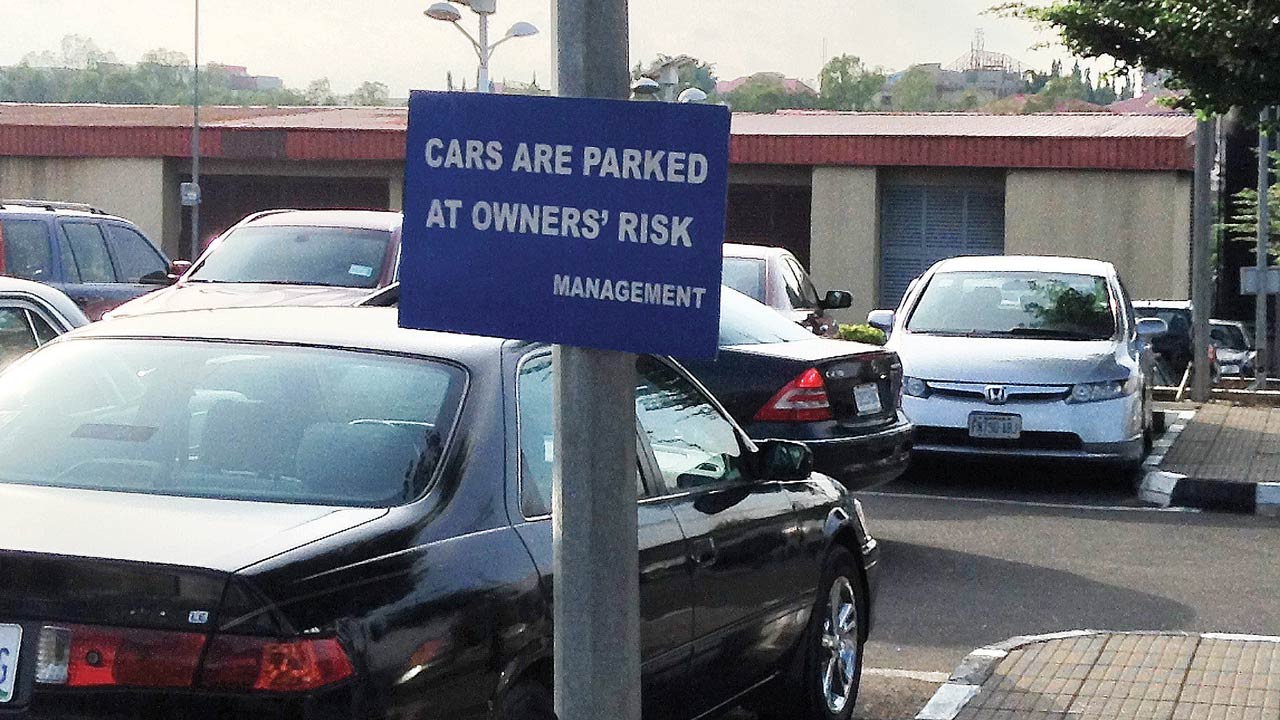
Cars Are Parked At Owners’ Risk

What does it mean… How does it affect you?

The Implication from Legal Perspectives

Everyone that has a car or rides in a car should have seen this sign that is always conspicuously placed in parking lots or parking spaces ‘cars parked are at owners’ risk’ and you may be wondering what are the legal implications of this sign, what if something goes wrong with your car; it gets damaged, burgled or the whole car stolen at the parking lot who will be held accountable.

 You might have even been in this kind of situation before; what are the legal implications of the sign; who pays for the damages, what are your rights and remedies at law in this circumstance, who do you sue to recover damages, do you even have enforceable rights or remedies at law?    

On 19th of December 1986, Justice K.O Anya (rtd.) travelled to Owerri for a book launch. When he got to Owerri he checked into a hotel called Imo Concorde Hotel, a renowned hotel in Owerri, Imo State.

When it was time for him to leave the next day, being the  20th of December 1986, he discovered that his car; Peguot 505, AC salon he came to the hotel with had been stolen from the hotel premises where he parked it the previous day.

He decided to sue the hotel management.

So he took the hotel management to court, joining the two securities on duty the day he checked and the day his car was stolen to the suit, on the grounds that the respondents were negligent by allowing his car to get stolen. He prayed the court to grant him damages, total damages of N150,000.00; N65,000.00 being special damages as the current value of his Pequot 505 salon car.

The trial court decided in his favour and held that he had a right to action and can recover damages from the hotel which he checked in and his car was stolen and that the defendants are in breach of duty of care which they owed to the plaintiff and consequently are liable to the plaintiff for the loss of his said car so damages were awarded to him.

The hotel management, displeased with this ruling of the trial court, went on appeal. The appeal court reversed the ruling of the trial court holding that he had no right of action against the hotel from where his car was stolen.

Justice K.O. Anya then appealed to the Supreme Court since the decision that the trial court held in his favour was reversed by the Appeal court.

The Supreme court upheld the decision of the court of Appeal and held that Justice Anya cannot recover damages for his stolen car from the hotel. The Supreme Court in its Obiter Dictum stated that the general principle is that the tort of negligence only arises when a legal duty owed by the defendant to the plaintiff is breached and to succeed in an action for negligence, the plaintiff must prove by the preponderance of evidence or the balance of probabilities that;

(a)  the defendant owed him a duty of care

(b) the duty of care was breached

(c)  the defendant suffered damages arising from the breach~ PER A. KALGO, JSC.

The Supreme Court also went further to state that it is a generally accepted principle of negligence that a person only owes a duty of care to his neighbour who would be directly affected by his act or omission.

The question now is ‘who then is your neighbor?

In an old case Donaghue v. Stevenson, Lord Atkin provided an answer to the above question that your neighbors (in law) are persons who are so closely and directly affected by your actions that you ought to reasonably have them in contemplation as to be affected when you are directing your mind to the acts or omissions which are called in the act in question.

To this effect, the parking facility of a hotel, church, airport, restaurant, supermarket, etc is a gratuitous service given to users of that place and in the absence of express agreement the securities or the management of the parking lot has no legal duty or obligation to provide security for the cars parked in their space hence cannot be held for negligence if anything goes wrong with the car as it is just a moral obligation for them to look after your car and not a legal obligation.

By the reason of this Supreme Court judgement in the case of K.O. Anya V. IMO Concorde Hotel, the sign ‘Car Parked Are At Owner’s Risk’ is an express and open caveat to everyone that the security men guarding the parking lot owe you no legal duty or obligation to make sure your car is safe, neither can they or anyone else be held responsible for negligence if anything goes wrong with your car.

Be it as it may, as it is said that in every general rule there must be an exception, there’s also an exception to this caveat ‘Car Parked Are At Owner’s Risk’.

When you park your car and give the car key to the security men guarding the parking space or the management of the parking space and you draw their attention to where your car is parked, then there may arise a duty of care which places a legal duty and obligation on the management and security of the parking space to make sure your car is safe and secure. If anything goes wrong with your car at that instance you can sue the management of the parking space for negligence and recover damage as they are in breach of duty of care owed to you.

Therefore, if you want to hold the management and security men of a parking lot of a hotel, church, restaurant, supermarket, airport, market, mosque, offices, etc , accountable if anything goes wrong with your car, then you must drop the car key with them, and draw their attention to where the car was parked.

Not only this. If they give you a tag that you will issue them before you drive out, then they are liable.  Why give you a tag, if you’re parking at your own risk? A tag given is a guarantee of security.

Be guided

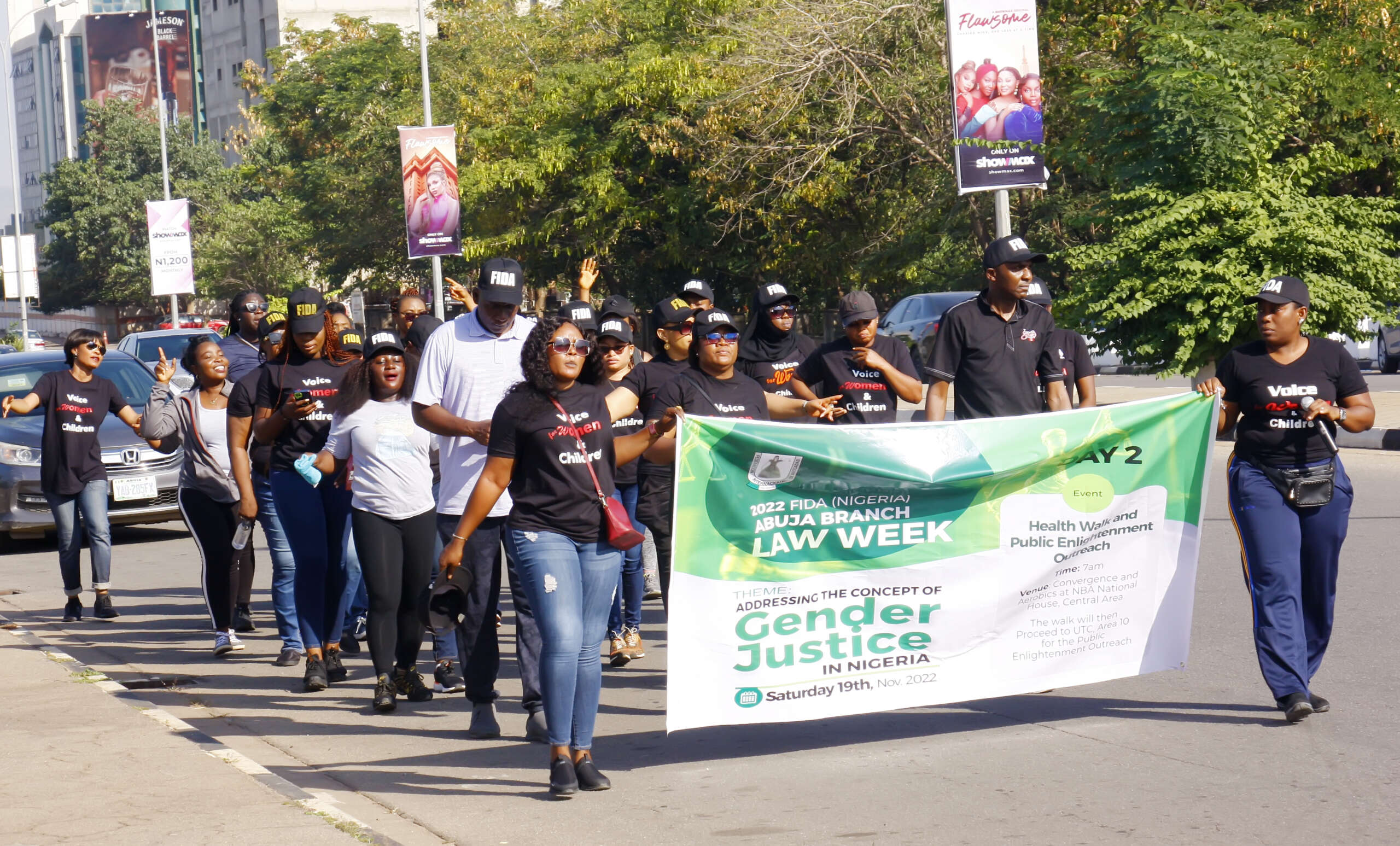
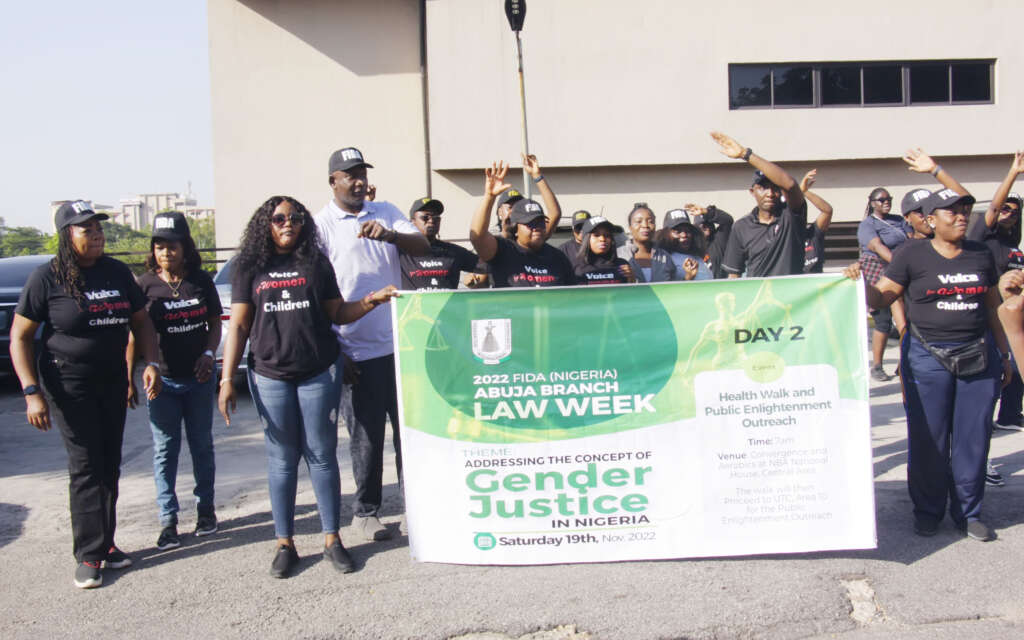
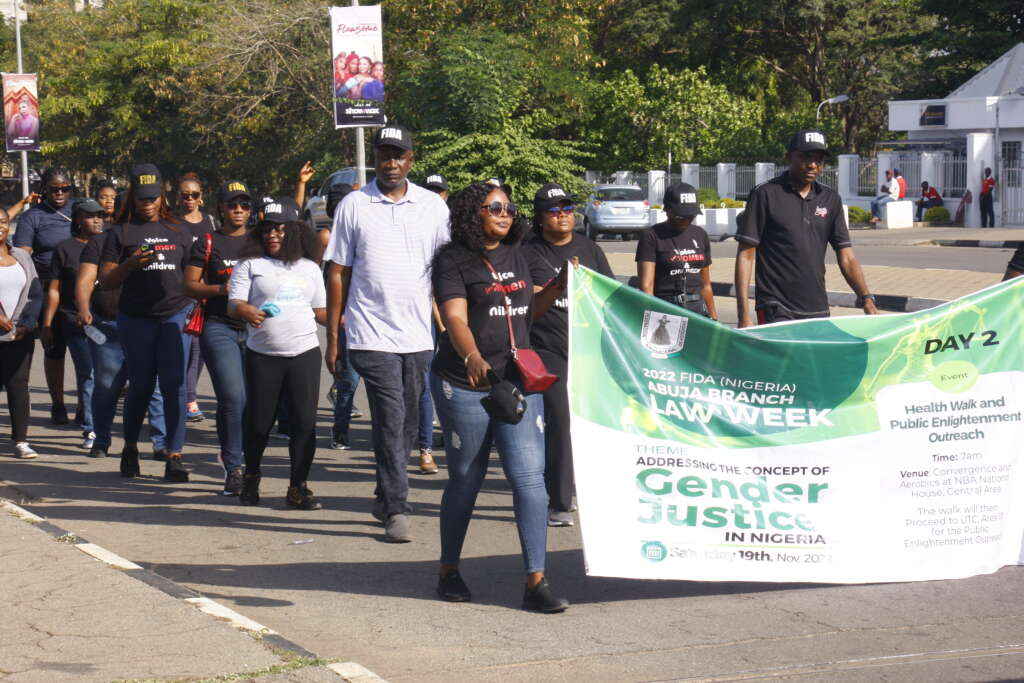
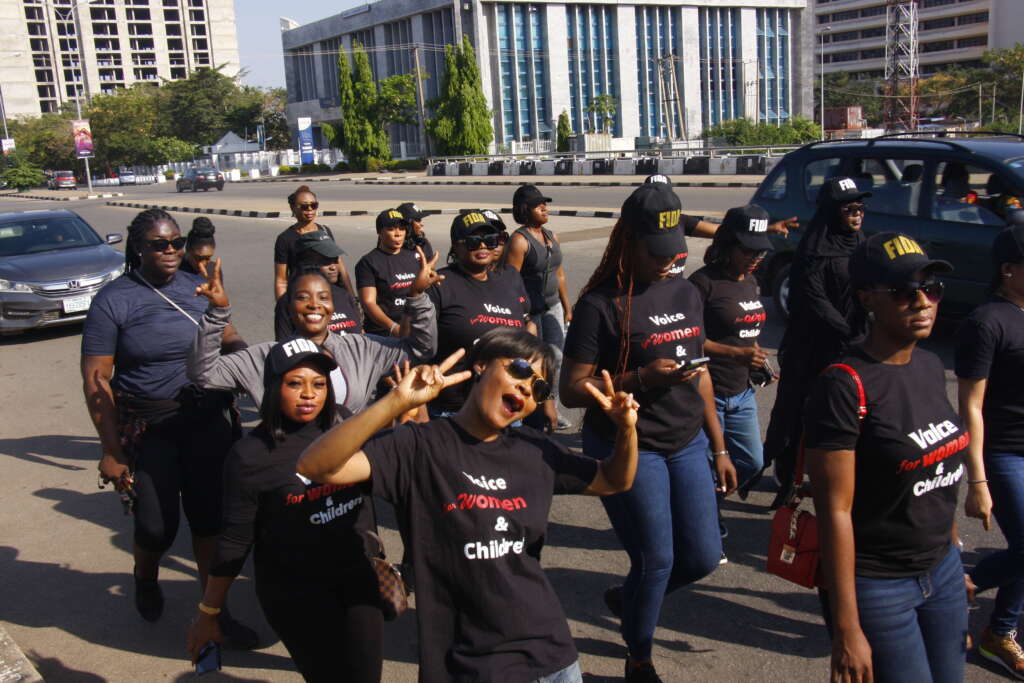
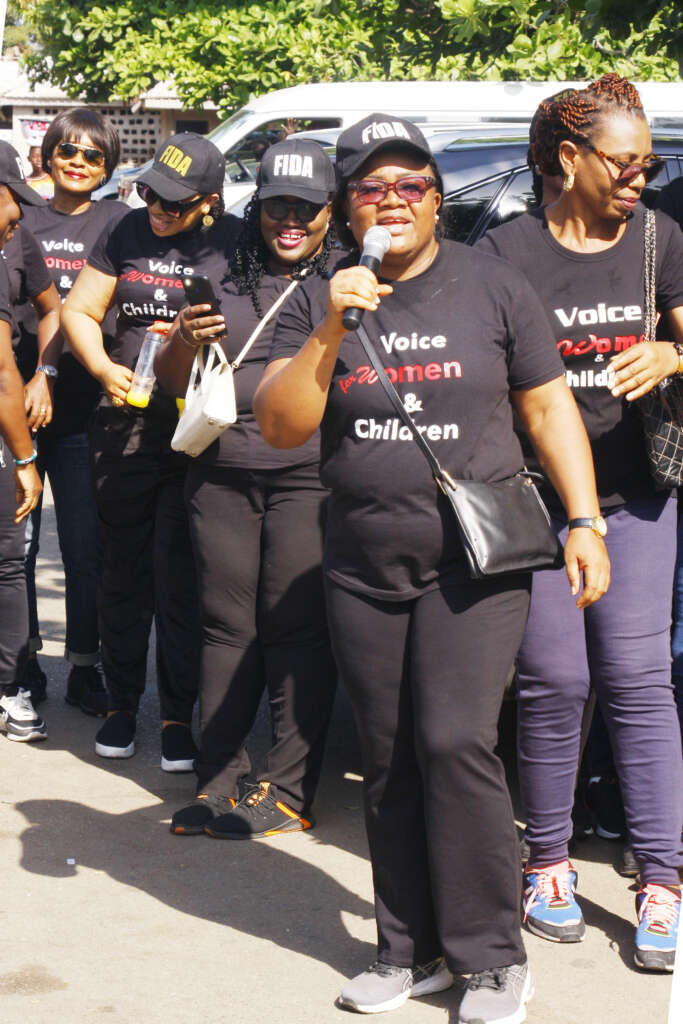
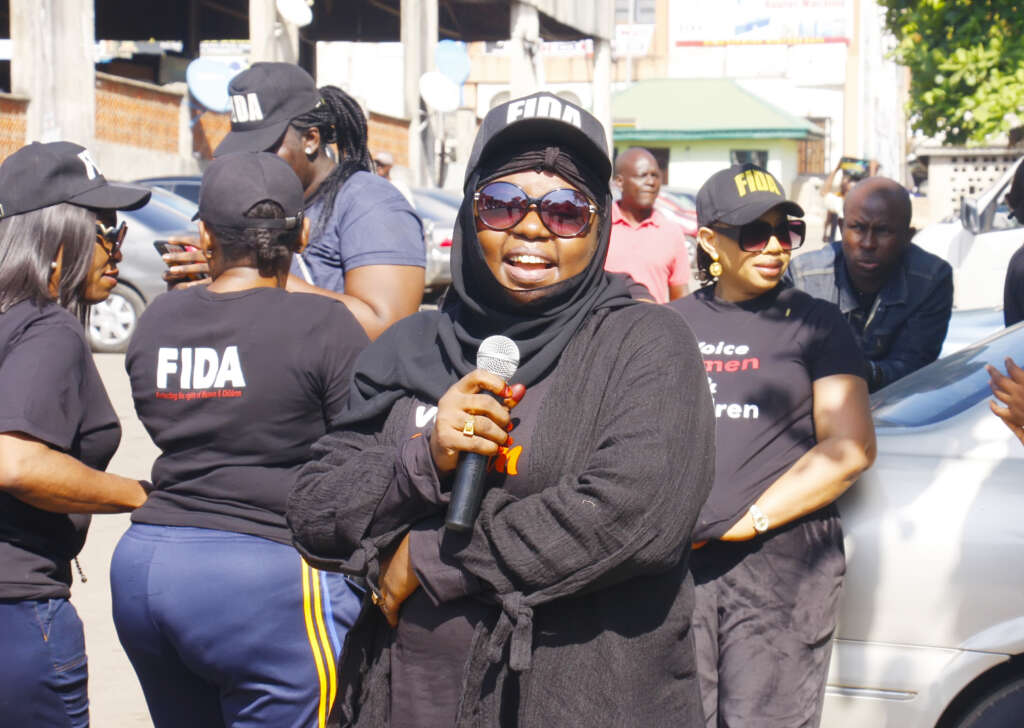
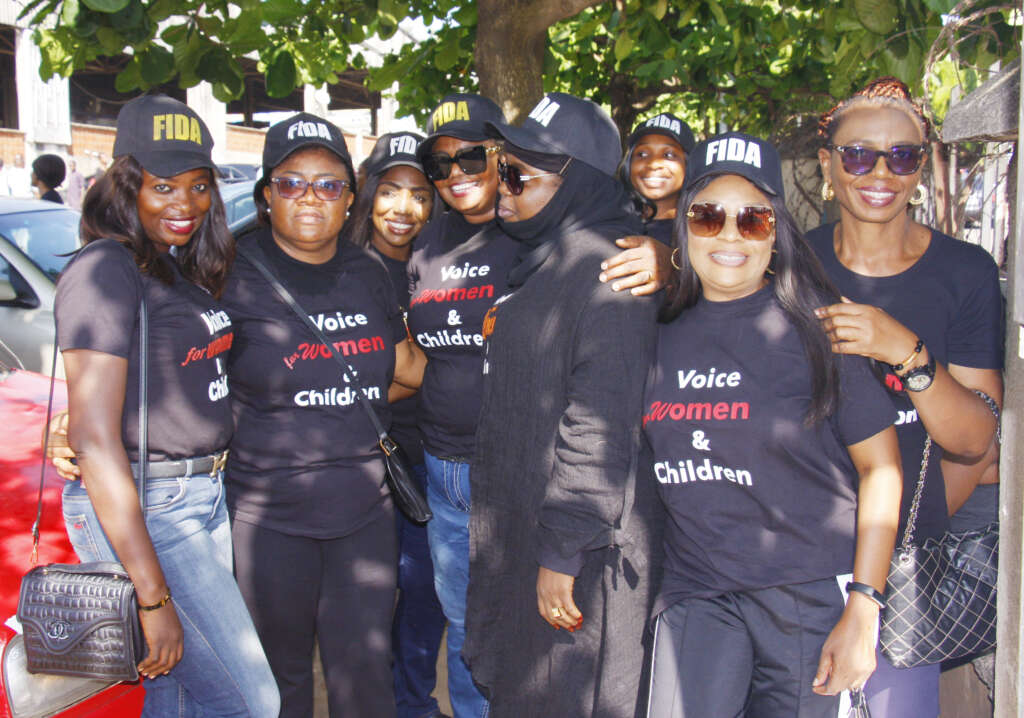
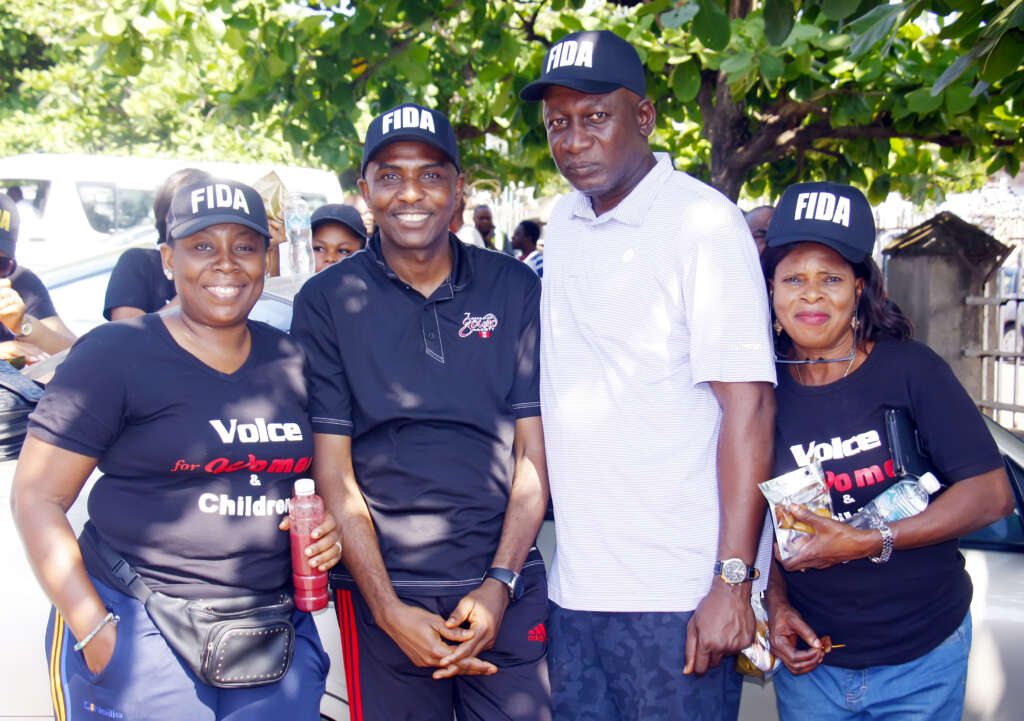
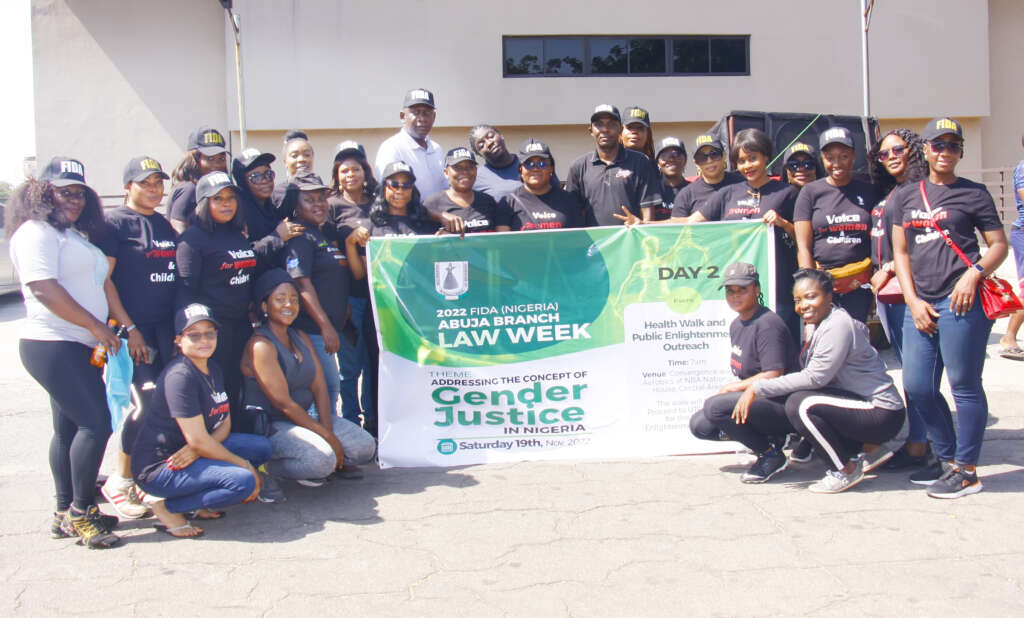
Photo news: FIDA Abuja takes gender justice advocacy campaign to popular UTC in Abuja

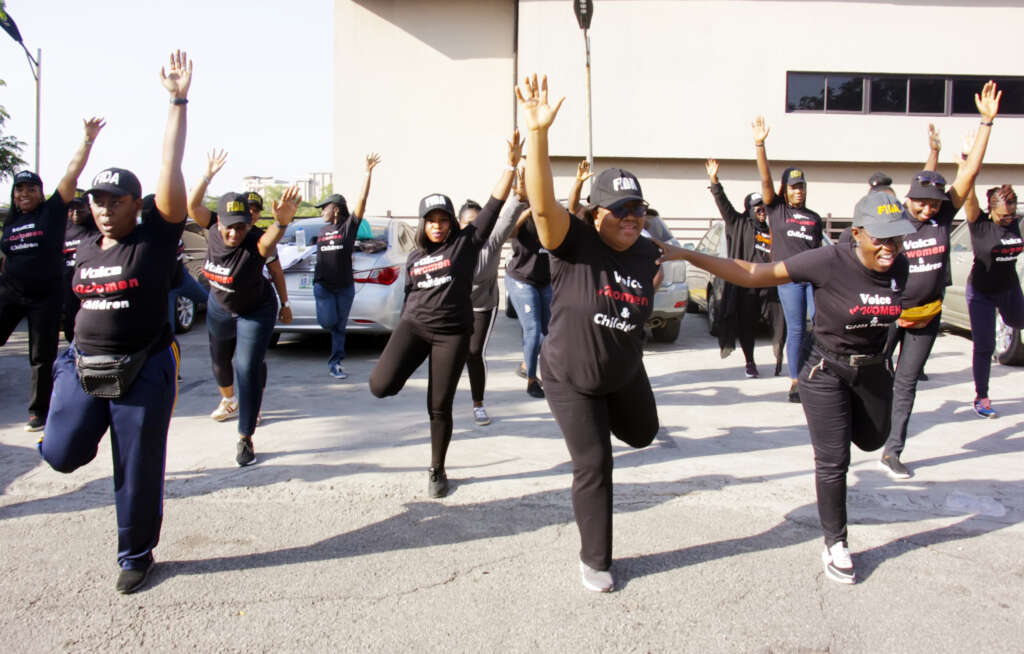
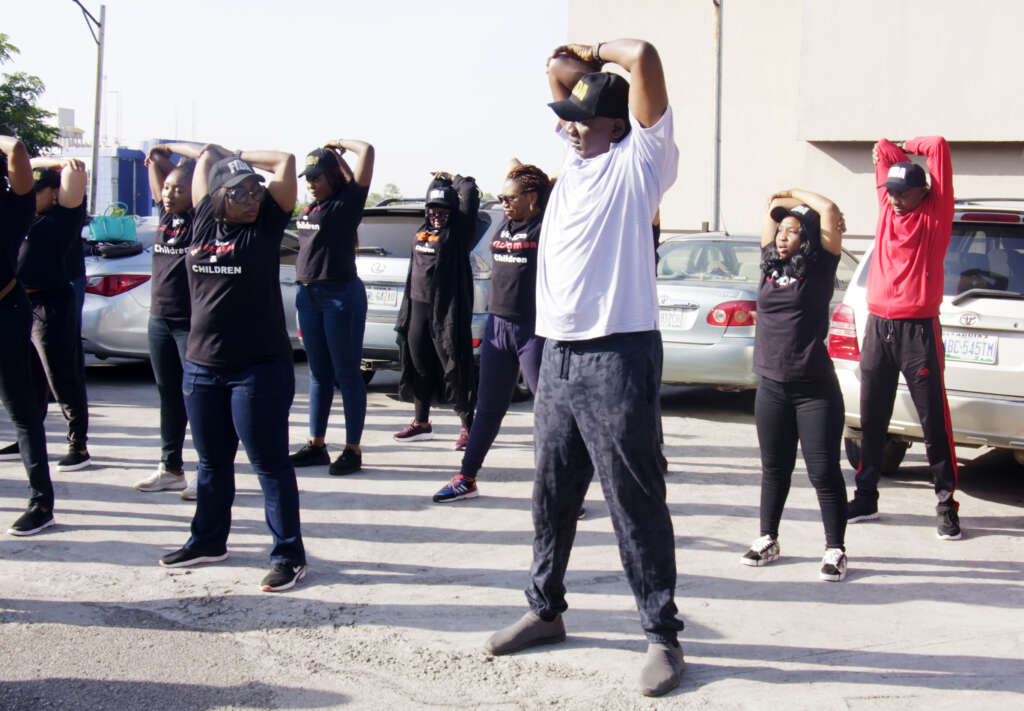
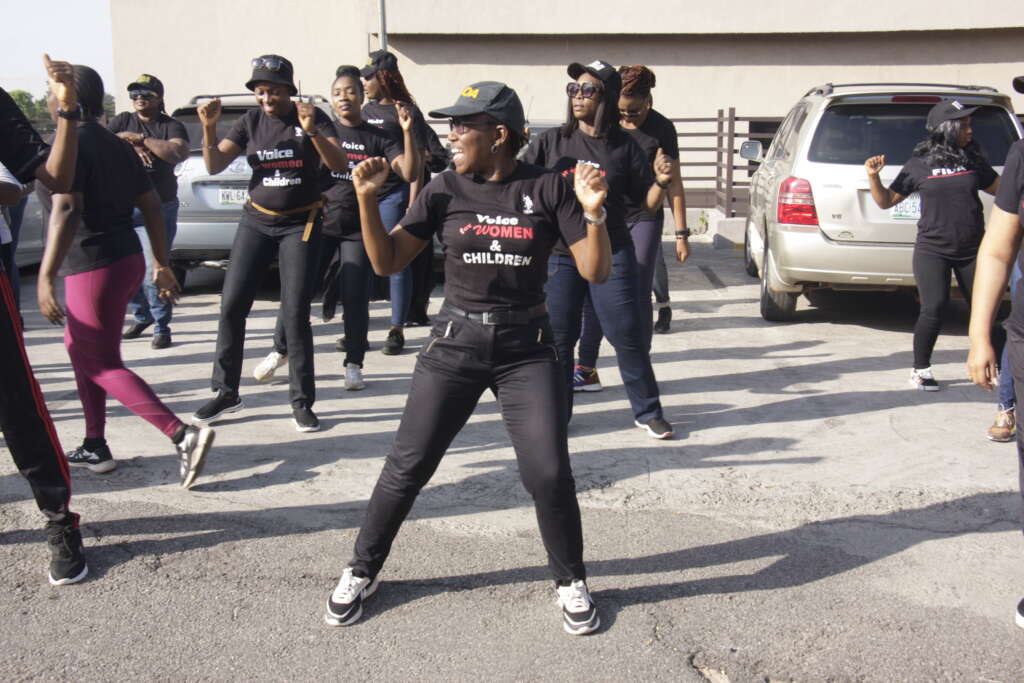
FIDA Abuja on advocacy walk
FIDA Abuja on advocacy walk to UTC

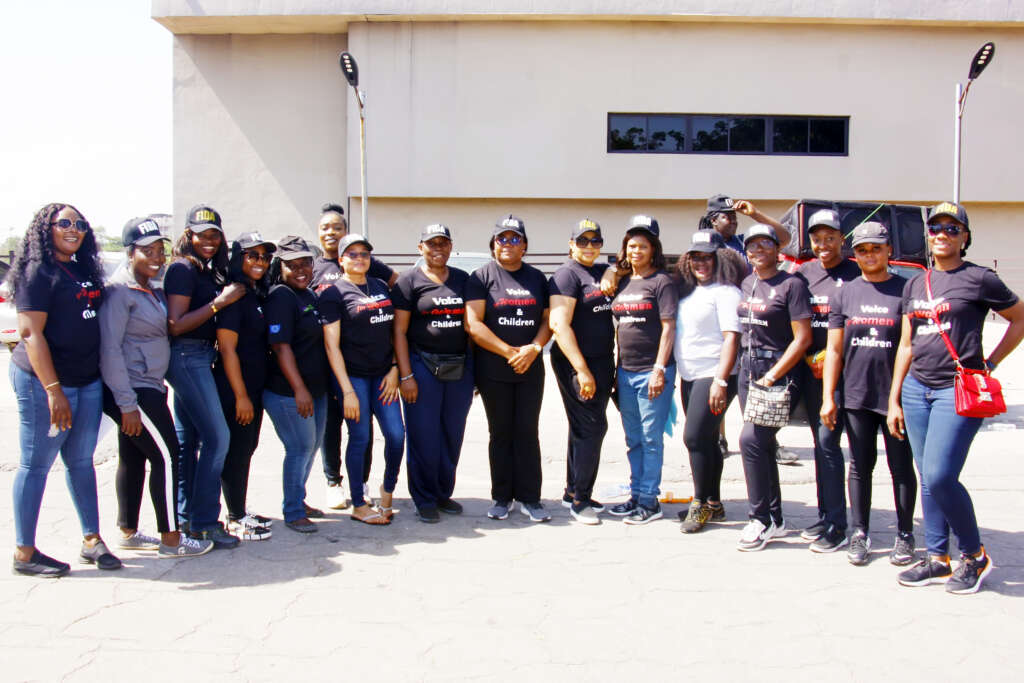
Day two of the 2022 Law Week of the International Federation of Women Lawyers, FIDA Nigeria Abuja branch commenced at the NBA House in the Central Business District of Abuja with aerobics.

The theme of this year’s Law Week is— Addressing the Concept of Gender Justice in Nigeria.

The day’s event which is a health walk and public enlightenment outreach was led by FIDA Abuja Chair, Maureen Chibuzor Nwosu, and the Law Week Planning Committee Chair, Chioma Onyenucha-Uko.

The duo and Chairperson of the Nigerian Bar Association, NBA Abuja branch (Unity Bar) Afam Okeke, his predecessor, Moses Ebute, SAN who were special guests of honour led FIDA members on a long walk from NBA House to the popular UTC, a notable printing arena in Area 10, Garki Abuja.

Increase in school fees? A discussion on the future of public university education in Nigeria in light of government neglect resulting in frequent ASUU strikes

Following the nonchalant attitude of Nigeria’s government towards education spiced with incessant industrial actions by university teachers in Nigeria, a conversation titled:” Increase in school fees? A discussion on the future of public university education in Nigeria in the light of government neglect resulting in frequent ASUU strikes” held on 3 May 2022 on a WhatsApp Platform of Law Teachers and Clinics.

The discussants were:

(1). High Chief Nelson Imoh (Law Teacher); and

(2). Sylvester Udemezue (Udems) (Law Teacher)

1️⃣ Sylvester Udemezue (Udems): One reality staring us in the face is that Government alone may not or can’t continue to fund public tertiary education in Nigeria

3️⃣. HIGH CHIEF NELSON IMOH:

Who funded your own education? Whoever funded your own education can still fund your children’s education. Let them close the tap of wastage and see that our commonwealth can fund the education of GenerationNext

3️⃣ SYLVESTER UDEMEZUE:

I am being realistic, sir. Else, I agree with you that the unnecessarily huge cost of governance and the wastage by our leaders at all levels are nauseating and scary. There is no doubt that if leaders reduce waste and packing away into private pockets, of public wealth in Nigeria, Nigeria has more than enough resources to give Nigerian youths free education up to the university level.

However, I see this as the IDEAL situation for two reasons:

(a) . In my opinion, we don’t yet have leaders with the mindset to give us that type of good governance that would lead to a reduction in wastage, egoism, increase in pragmatism, realism, and prioritization of the basic needs of Nigerians, starting (as they ought to) with putting necessary machinery in place for achieving good quality education, etc;

(b). We don’t yet know when the beautiful ones (good, charismatic, pragmatic, and altruist leaders) would take over leadership of the public space in Nigeria.

In view of the above, should we allow our kids to continue to suffer until such a time if ever, this country will get blessed with leaders with the kind of foresight and sagacity needed to move us out of the doldrums?

I submit “no” as the answer!

Why not we agree to realistic solutions that would ensure our kids remain in school since most parents and wards can’t afford the extant high cost of private university education in Nigeria or overseas? One of such immediate reasonable solution is, in my view, creating an opportunity for internally generated revenue in the form of an increase in school fees. It’s not easy though. But I think that if our parents/guardians and children/wards are asked to choose between the two evils (two evils so to say),

they’d elect the one that would keep their kids in school to ensure their education resumes and proceeds seamlessly (even though with an increased burden on the parents/guardians) to fruition and conclusion, rather than a situation that sees tertiary education continually disrupted and neglected to the detriment of proper education of our children and wards.

4️⃣. NELSON IMOH:

If you don’t know when good will come, don’t encourage the reign of the bad. I don’t even believe that govt funded my education. Besides, na our people de pepper ASUU most when dem enter power. Our products are the most insensitive to our plights whenever they are in govt. Yet some of us are the most pliant in bending rules to accommodate their intellectual ineptitude whenever they come calling to drink from our well of intellectualism.

5️⃣. SYLVESTER UDEMEZUE: Being educated or an intellectual doesn’t necessarily make one a sagastic, charismatic, and pragmatic leader.

That’s where you get it wrong. For example, one had expected, reasonably, that Professor (a core academic) and Learned Silk Yemi Osinbajo as the Veepee in Nigeria for the past 7 years could have helped to give a lasting solution to this perennial FG-ASUU crisis. Is it not shocking that an Osinbajo Vice Presidency has not had any positive impact on the crisis?

So, which SAVIOUR are we waiting for, to solve these lingering problems?

By way of facing reality, why not ASUU and all stakeholders agree and settle for an increase in school fees for all public universities as an immediate and more realistic solution to the paucity of resources to run tertiary education in Nigeria?

Most private universities in Nigeria charge and collect between N1,000,000 (one million naira) and N3,000,000 (three million naira) as School fees per session (annum). A total-package school fee of between N200,000 (two hundred thousand naira) and N300,000 (three hundred thousand naira) per session (which means per year) in public universities will still be a better evil and preferred alternative, to keep this sector going.

Whatever is realized as school fees would be added to the meager allocations from uncaring and unpragmatic Governments. In this way, there is less complaint and improved welfare for both university staff and students.

Let’s think about this.

6️⃣.  NELSON IMOH:

 If they had done that during your days, you won’t be where you are right now. Why do we like destroying the ladder after we have climbed to the top?? Why are you not teaching in a Private University? At least higher school fees will translate to higher wages!. Does it not make more sense to join where they collect and pay much?

7️⃣. SYLVESTER UDEMEZUE:

My brother, this is not about Udems.

 ANALOGY: Between the 1860s and 1914, Nigeria had to settle for improvisation by allowing non Lawyers to get license to practice until such a time we got a considerable number of qualified lawyers.

Further, the years 1914 up to 1962 saw mostly foreign-trained lawyers dominating the law practice space until Nigeria established its own system of law education which now sees the local-trained holding sway. Let’s face what is practicable and immediately realizable (in the face of the prevalence of bad governance in the country) instead of this unrealistic habit of perpetually waiting for uncaring, egoistic, unpragmatic, and imprudent governments to implement agreements they obviously have no intentions of implementing?

The future of our children is what is at stake today. We can’t sit back and allow this future destroyed on the altar of prevailing misgovernance. The N10,000 to N12,000 I paid as total package school during my days is of much higher value than N200,000 today (2022). When I paid N12,000 as school fees per session, $1 was about N21 (twenty-one naira)

In May 2022, $1 is over N590 (five hundred and ninety naira).

8️⃣. NELSON IMOH:

 You didn’t even experience the 1993 strike that led to the establishment of ETF/ TETFUND? Even the children of those that opposed the 1993 strike are now beneficiaries of TETFUND 😁

9️⃣.  Sylvester Udemezue:

I was not in the university in 1993.

I think I was in my last year of secondary school by 1993.

Dear High Chief, don’t get me wrong!

(a)You and I, in the real sense, are actually in the same other room together. (b) You and I are united in feeling that successive governments in Nigeria have shown a near-absolute lack of care to the plight of the education sector in Nigeria over the years. (c) You and I are ad idem that Nigeria is wealthy enough to fund Public tertiary education 💯 percent from the public purse. (d) You and I are in agreement that the education sector is among the most neglected, and therefore among the most dilapidated, in Nigeria, with bad governance being at the foundation. (e) You and I agree that something urgent must be done to save whatever is left of the education sector. (f).  I think you and I agree that it’s the responsibility, nay, the obligation, of governments to make the move that would see us out of the woods in terms of finding a lasting solution. For example, it’s government that has habitually refused/failed to implement existing agreements.

We agree on all these.

But I have some questions for you:

🅰. Is it reasonable to stay and remain down because someone else wants you to?

🅱. Should we fold our arms and allow uncaring and unpragmatic Governments to destroy the future of our children and wards?

Mind you, there is hardly any high-ranking public office holder in Nigeria who has his or her kids in a public university in Nigeria. Their kids are overseas and in private Universities in Nigeria. Over 97 percent of parents and guardians can’t cope with sending their kids overseas or to private universities in Nigeria. Yet, public Universities are shut down with all attention now focused on the 2023 elections, leaving our children to waste away at home or join training camps of ▪political thugs, ▪street louts, ▪Yahoo Boys, or ▪the Yahoo-Plus Ritualism Academy.

◾How long should this strike continue?

◾Who ultimately bears the brunt of this impasse? Mind you, the strike will be suspended one day, and, sure, all lecturers would be paid their withheld salaries.

After all is said and done, and the dust is settled, the following questions arise:

(A). who would compensate our children and wards for the days, months, and years wasted on strike?

(B). How would the lost months and their devastating implications be recovered/reversed?

(C). How do you rehabilitate and reorientate students who have lost focus, have got disillusioned, or have gone astray as a result of this strike? The idle mind is the devil’s workshop!  Is it not so?

Lecturers have been going on strike over the same issue (default on the part of governments in implementing extant agreements) for some time now. So many strikes in the past over this same issue. Yet, no positive results; governments remain adamant, unmoved as it were. Meanwhile,  the future of our kids is gradually being destroyed as there is no hope that governments will repent of their sins of neglect for, and nonchalant attitude towards, tertiary education. It’s therefore obvious, sadly, that strikes have not achieved, and cannot achieve, much in resolving these crises.

With this in mind, ▪IS NOT HIGH TIME WE THOUGHT OUT OF THE BOX AND CONSIDERED MORE PRAGMATIC RESOLUTION-OPTIONS THAT WOULD HELP TO PERMANENTLY HALT THIS WORSENING SITUATION? ▪Why do we keep applying the same remedy (strike) that has not given us desired outcomes?

Why? ▪If (as is obvious) governments do not care about the welfare and future of our children and wards, why not we ourselves show some care? ▪Can any alternative solutions come without some pain/sacrifice? ▪If we’re not prepared to make some internal, personal, and collective sacrifices, governments will kill tertiary education in Nigeria and we and our kids’ future would be the worse for it.

I respectfully submit that fee increase is a lesser evil to choose in the circumstances.

I pause, as in put off my mic 🎤🎙

Thank you, sir.

▪End of the discussion

(May 03, 2022)

TIPS