Home Blog Page 811

Re: Group gives AGF 5-days ultimatum to prosecute Tinubu over drug trafficking, money laundering

By Sylvester Udemezue

This is a grossly ill-advised ultimatum. Does the group not have legal advisers?

The relevant question is, can anyone compel the AG to prosecute anyone for any offence in Nigeria? By virtue of sections 174 and 211, CFRN 1999 and of the supreme court cases of STATE v. Ilori, and Ibrahim v State, when it comes to criminal prosection, the AG is a law unto himself. Accordingly, he has an absolute discretion with regard to (1) whether to prosecute at all; (2) who to prosecute, that’s if he decides to prosecute (3). for what offence, and (4) when. Where a criminal proceeding has already been commenced, the AG has an absolute discretion to decide whether or when to continue or discontinue the case. If he chooses to discontinue a criminal proceeding, irrespective of by whomsoever commenced/instituted, the AG owes no one, not even the court, any apology or explanation. His power to terminate an ongoing criminal proceeding is as absolute, unquestionable as his power to commence, take over and or continue, irrespective of who or what authority instituted the proceedings.

All in all, the AG is answerable to no one and owes no one any explanation whatsoever and howsoever, regarding his decision thereof.

Further, he cannot be compelled by mandamus to exercise his discretion at all or (where he has of his own volition chosen to exercise the discretion) to do so one way or another.

His powers in criminal prosecution are as unquestionable as his discretion is absolute.

Even the President of the Federal Republic of Nigeria lacks powers to compel the AG to activate or exercise the AG’s discretion in this wise.

Sections 174(3) and 211(3) CFRN 1999 which each requires the AG to exercise his powers in criminal prosecution in the public interest, public order and the need to avoid abuse of office, has been held in State v Ilori to be merely ADVISORY, not MANDATORY. The only punishments for an AG who is thought to have misbehaved in exercise of his powers under those sections are (1) public opprobrium/criticisms and or (2) removal by his appointor.

Based on the aforesaid, why issue the AG this useless ultimatum?

Politicians sha!

 CAVEAT: 

The opinion I offered here is a strictly legal opinion, devoid of politics, and not meant to be any form of support for or opposition to any one or group.

Respectfully,

 Sylvester Udemezue (Udems)

(27/11/2022)

Tribute: Ah! Steve! What a wicked world we live in!

By Mathew Jubille Aigbe

Steve Eke was shot in his wife’s shop at Abacha Road in Maraba a suburb close to the Federal Capital Territory, Abuja. By the time she got a call about men that were heard shooting in her shop and arrived on the scene, her husband was drenched in blood, writhing in pain. Some reports claim that before she and her son arrived the hospital with him, he breathed his last in her arms.

When the armed men requested his car key, Steve was said to have handed it over without questions. Still, they shot him, drove off with the car, dumped it at Zuma Rock in Niger State, and vanished.

In this tribute, Mathew Jubille Aigbe, one of the closest persons to Steve Eke pens a poignant tribute.

Sometime around 2005, Dr. Steve Enyinnaya Eke joined our office; Chambers of Mohammed Shuaib from Solomon Umor’s office in Jos at the recommendation of Barr. Umahani Amin who had an opportunity to work with him in Jos.

Steve was such a dedicated staff that within days of joining our office he warmed his way into our hearts. He made great contributions to almost all the cases assigned to him.

Steve was so gifted in legal drafting and advocacy, that his etiquette in addressing the court makes it nearly impossible for the court to refuse his applications. Because of his professionalism and good character his former boss, Mr. Solomon Umor often asked him to hold his brief in Abuja.

He loved people; very humorous and respectful. He called everyone “my oga” and it’s from him I retained the name Oga Billy that most people call me today.

It will interest you to know that we were not only colleagues in the office. We were flatmates before and after I got married and we still lived together until he got a job with an oil services company in Owerri in the year 2008.

During those three years we were together we didn’t disagree over any issue once. We were so compatible as if we knew each other all our lives. Steve practically knew all my family members and visited my hometown.

Coincidentally, in 2010 when Barr Umahani Amin wanted to expand her office (Metropolitan Law Firm) she told me of her need for a dedicated hand if I am not available to join her. I intuitively recommended Dr. Steve whose presence became an invaluable asset to the system in the years to come.

I still wonder how in the world someone could conceive the thought of killing such a perfect gentleman that can’t hurt a fly.

For those of you that never had the opportunity to interact with Steve at a close range, you have missed something in life.

Truth is that I lack the right words to describe the wonderful person Steve is. My heart is broken. It’s really tough referring to him in the past. Ah! Steve! What a wicked world we live in!

Mathew Jubille Aigbe

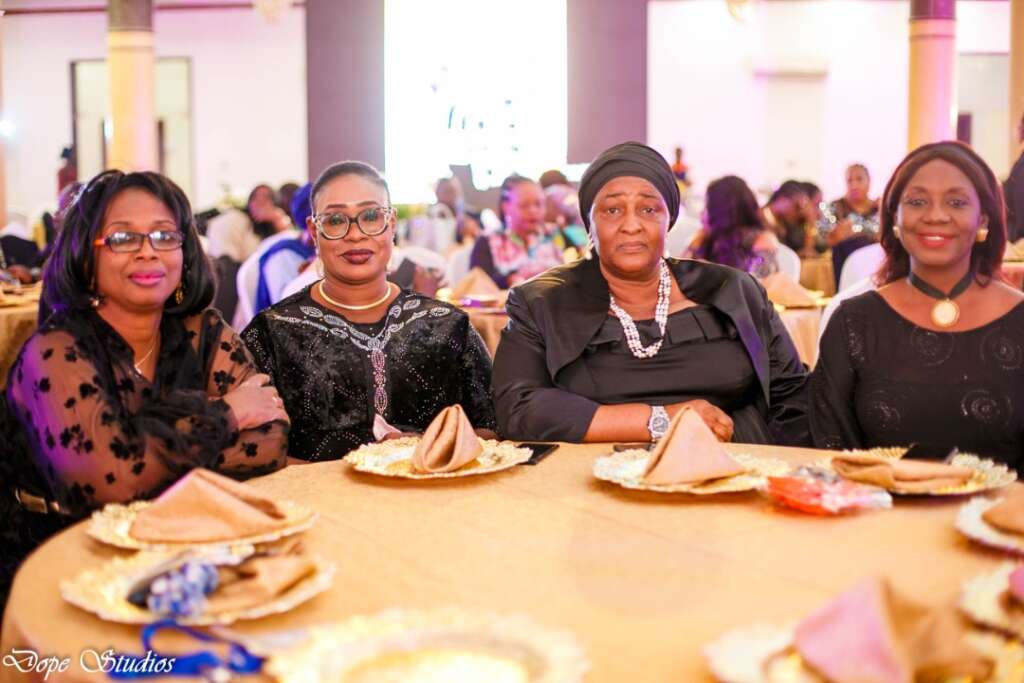
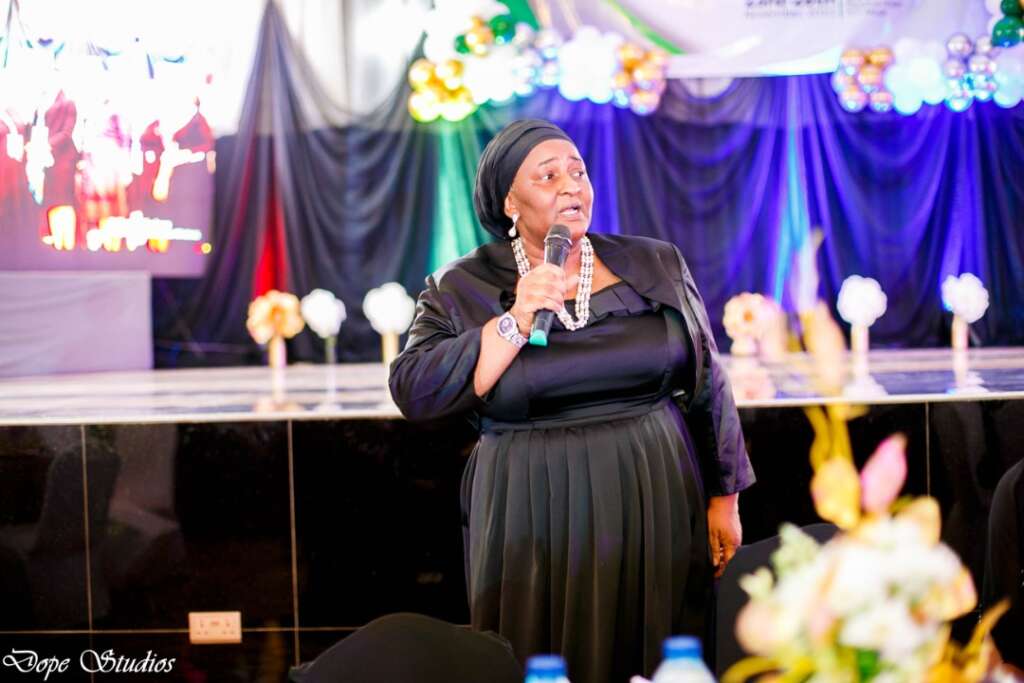
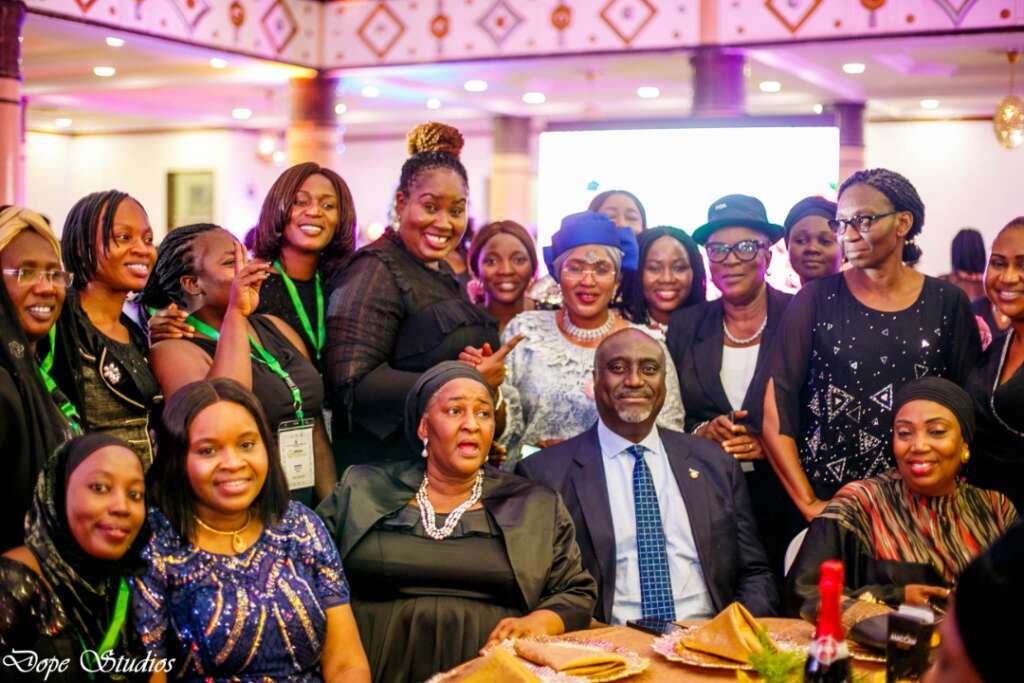
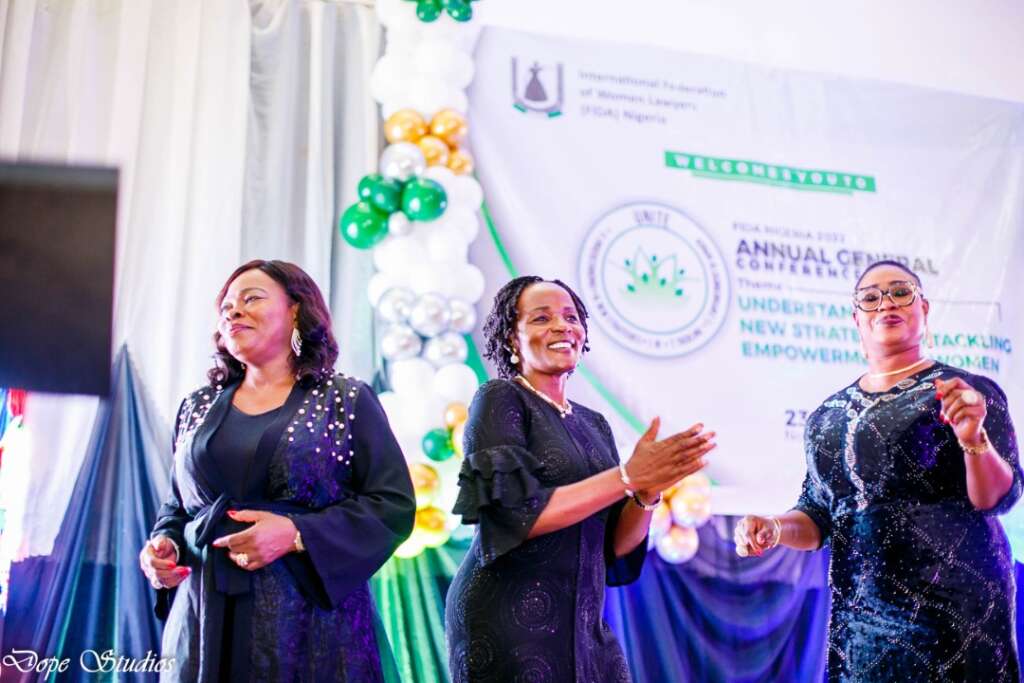
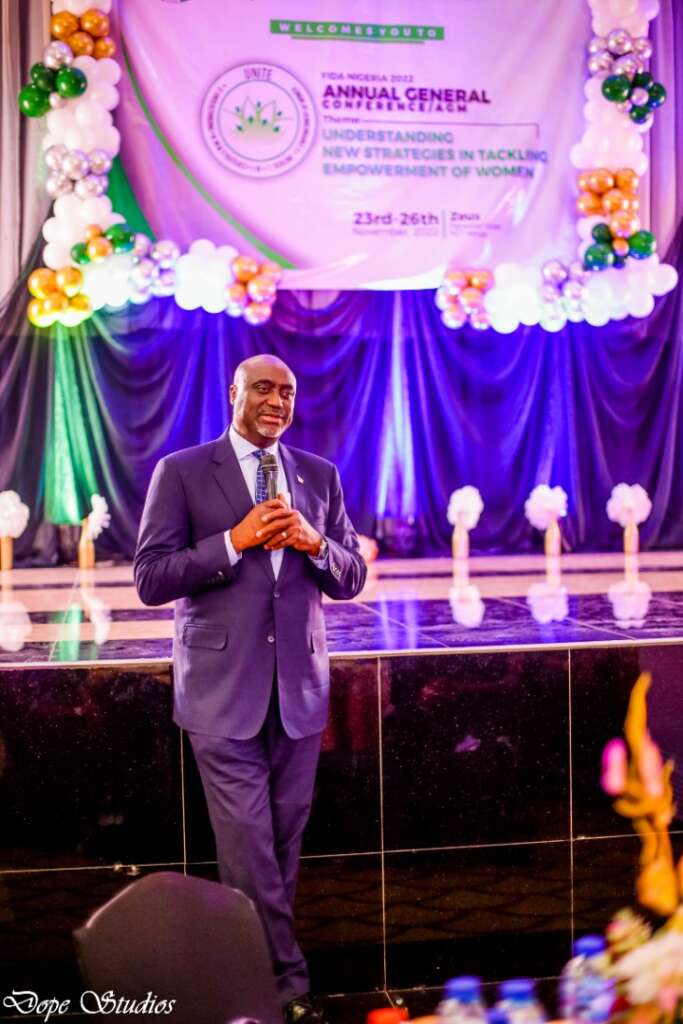
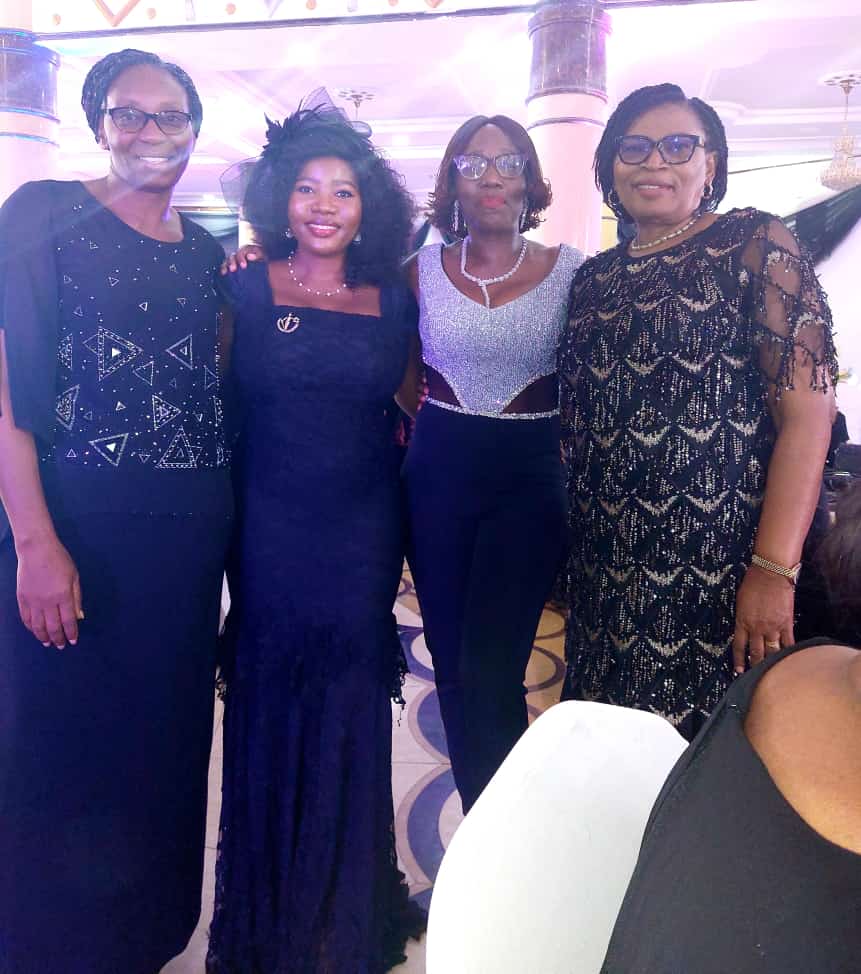
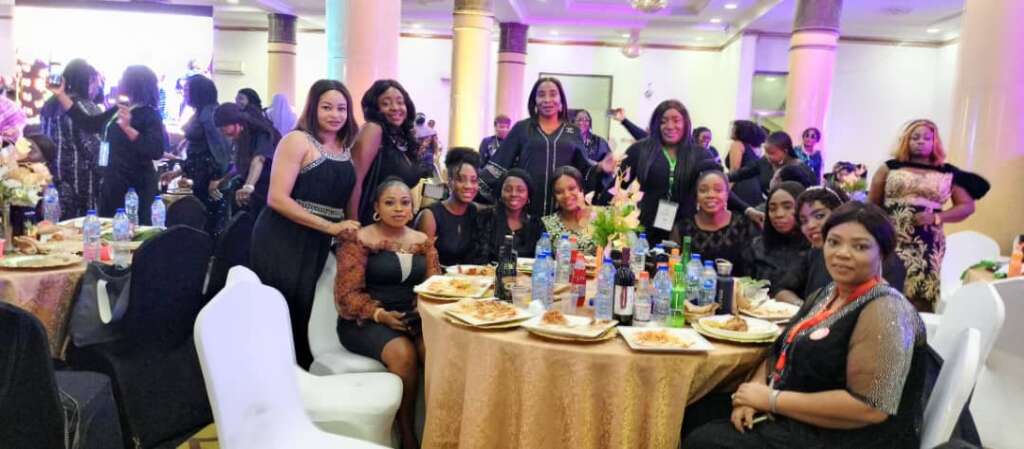
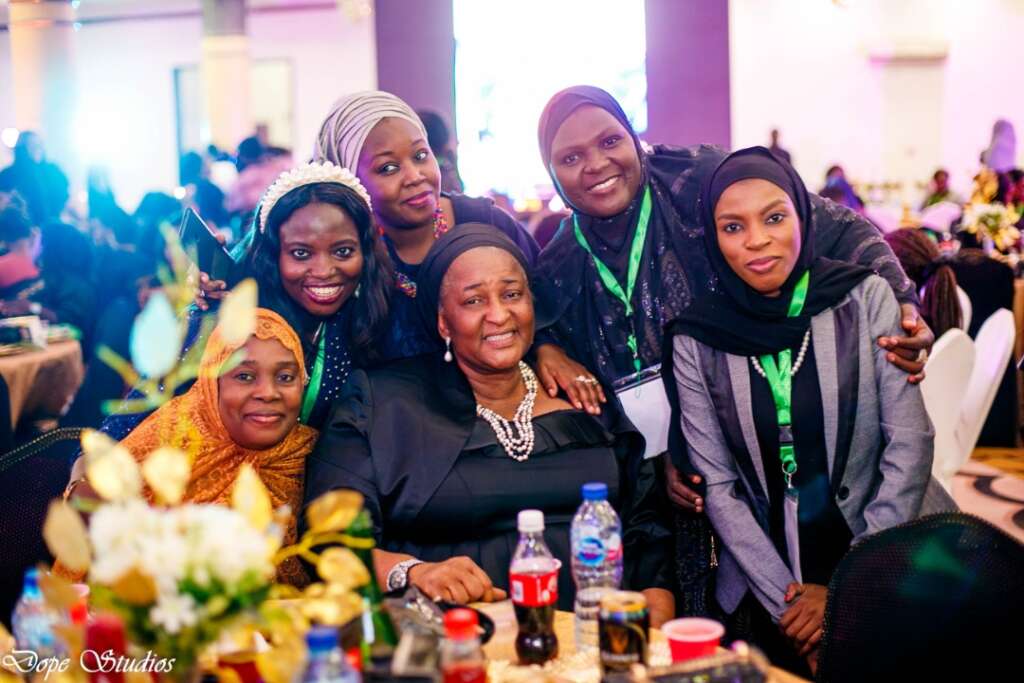
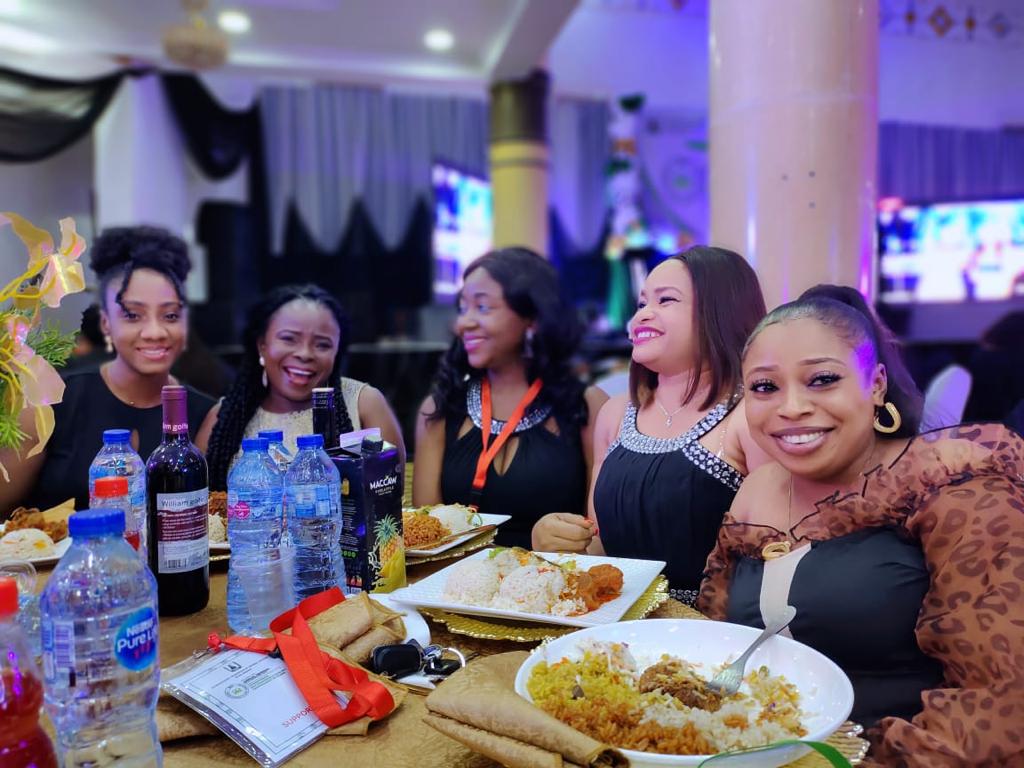
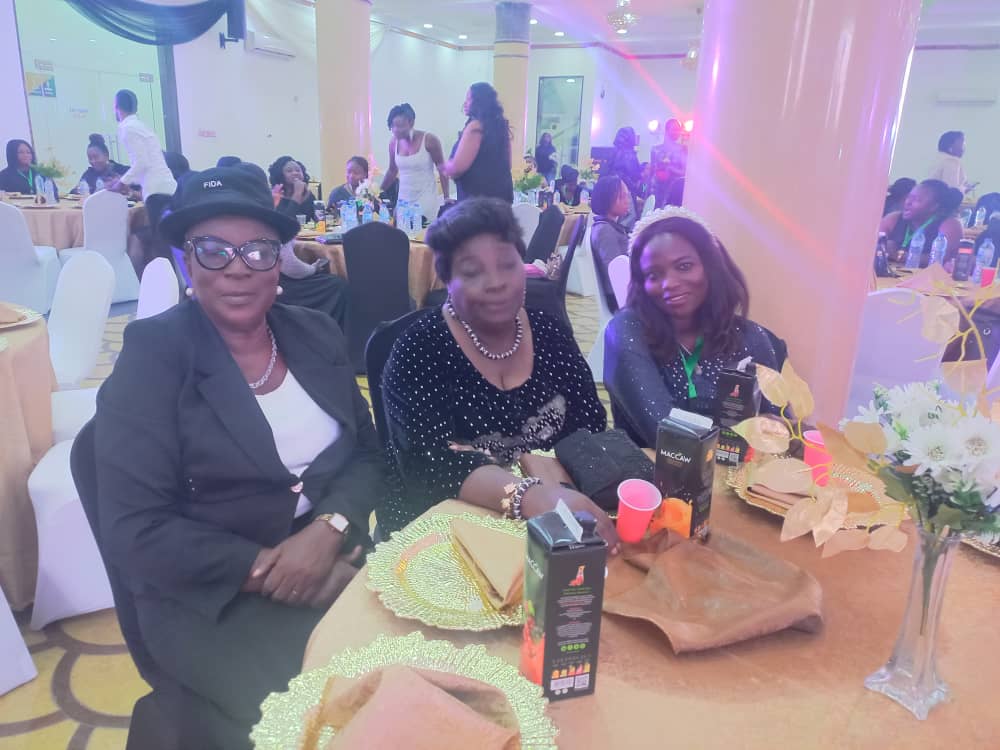
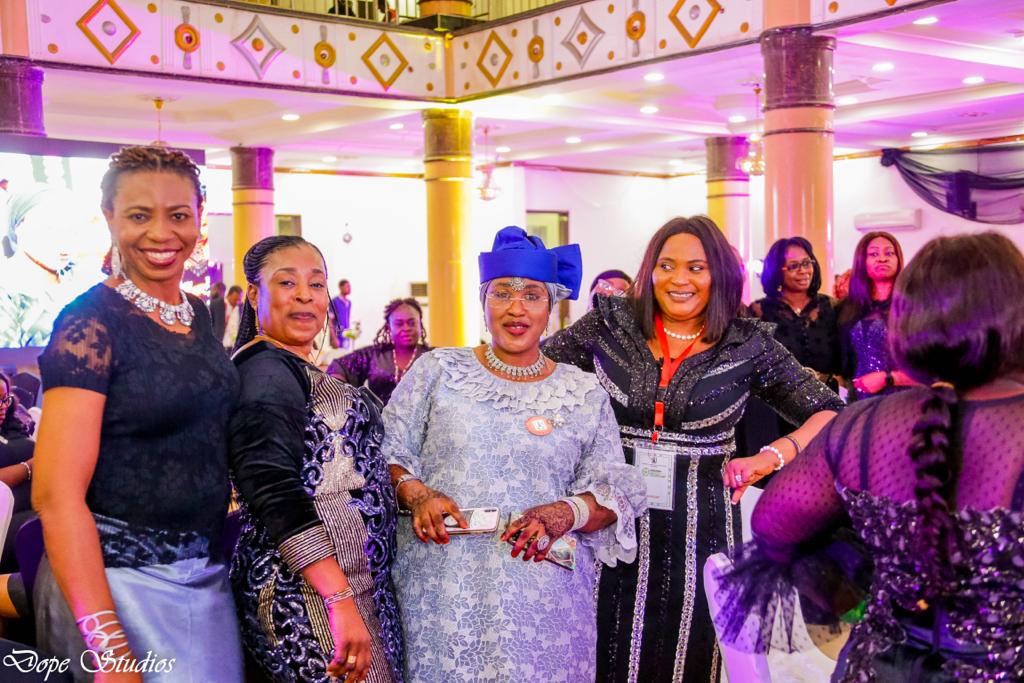
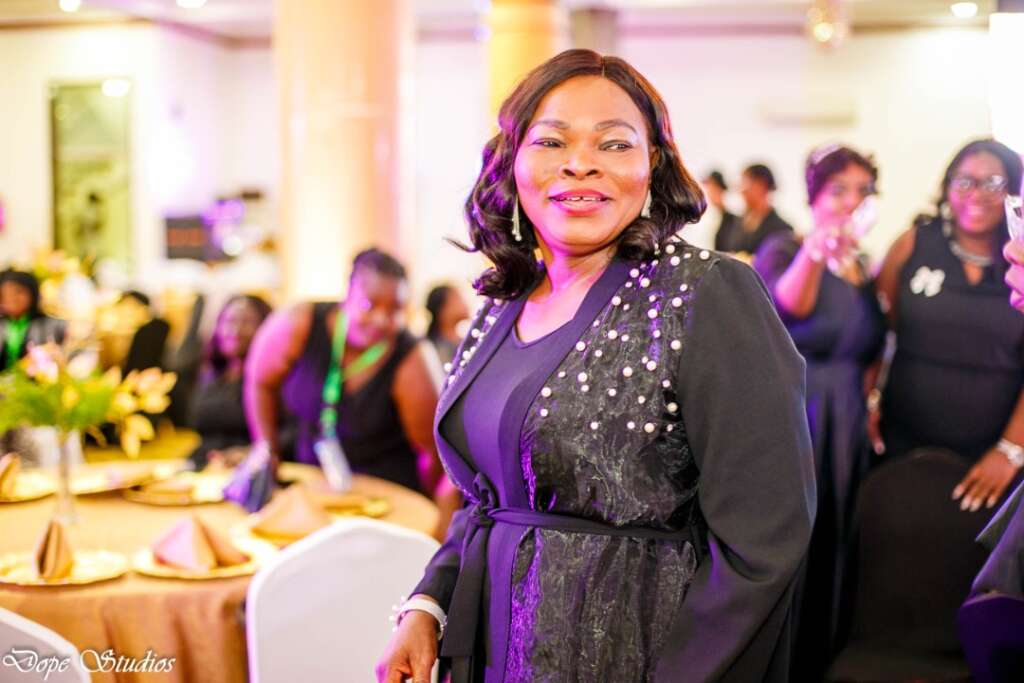
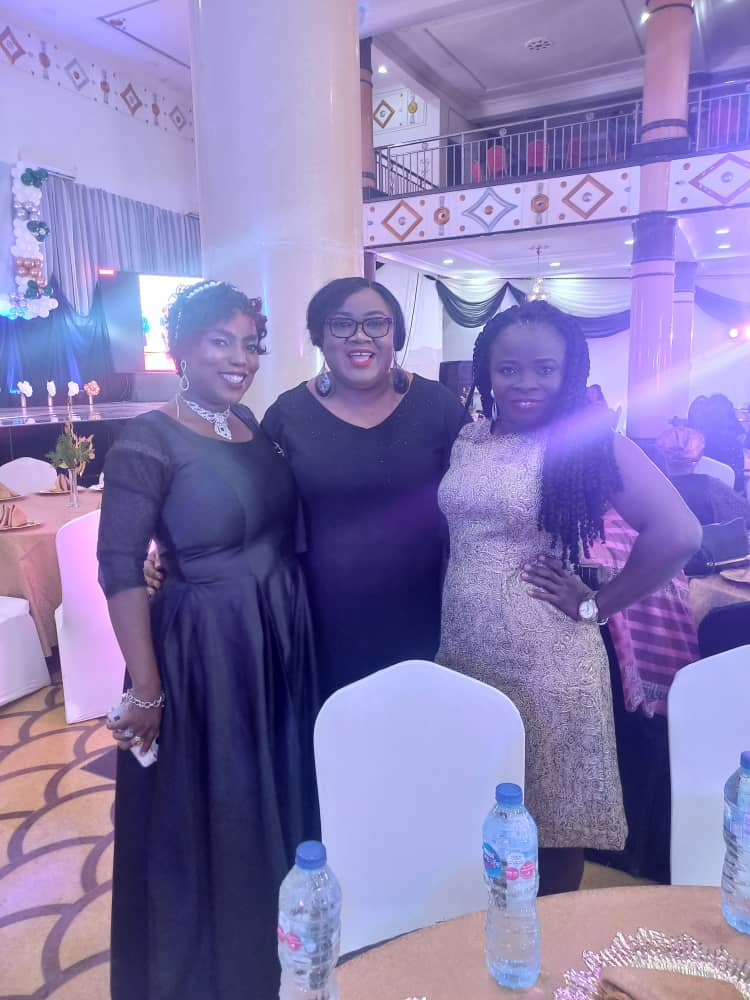
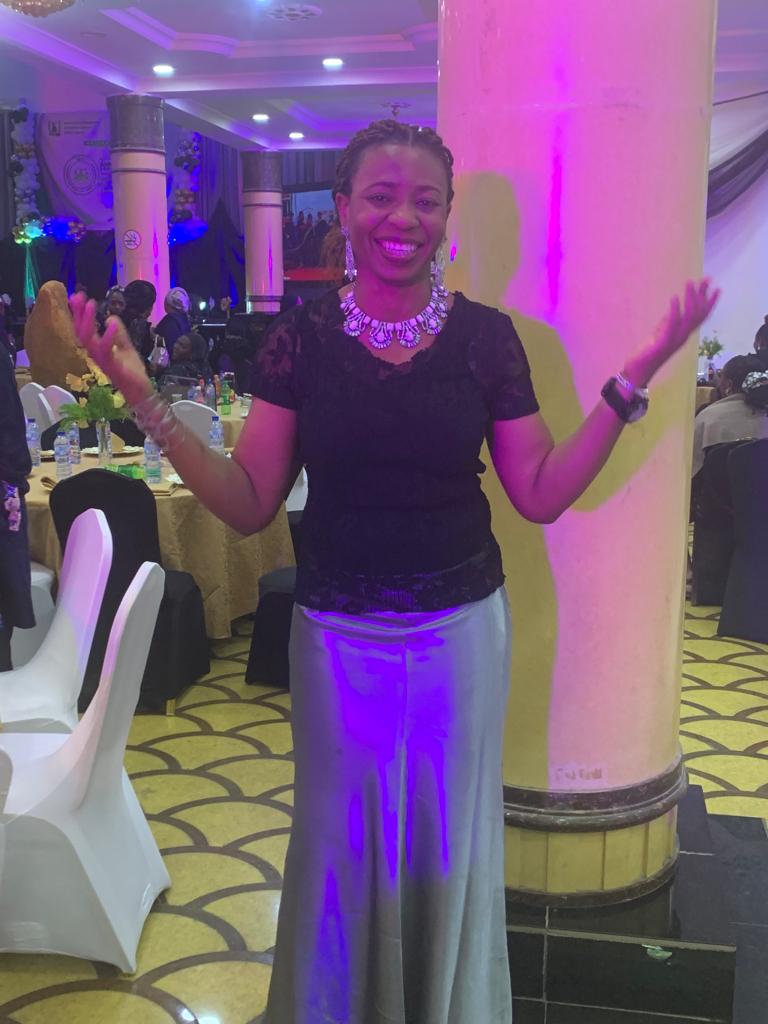
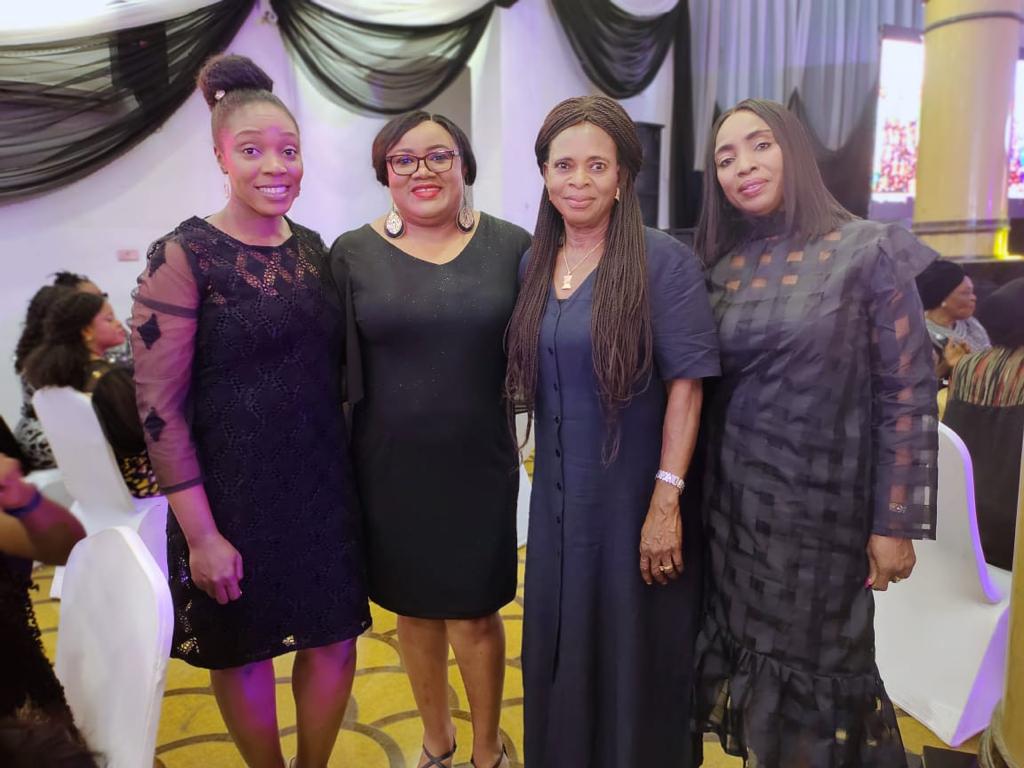
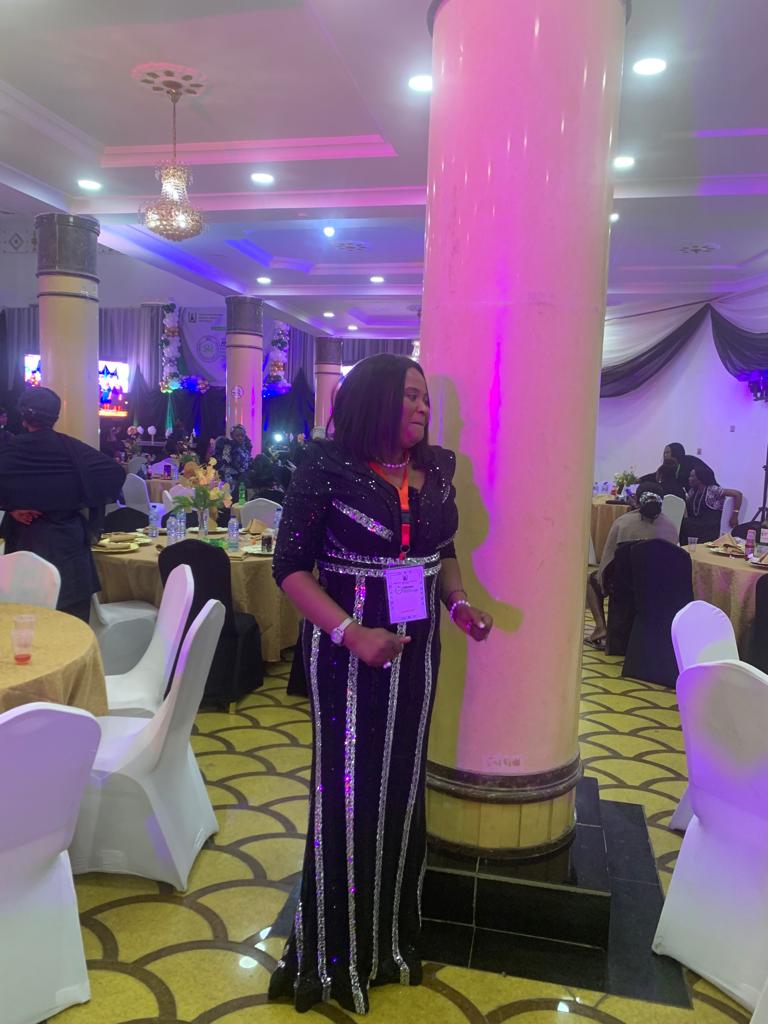
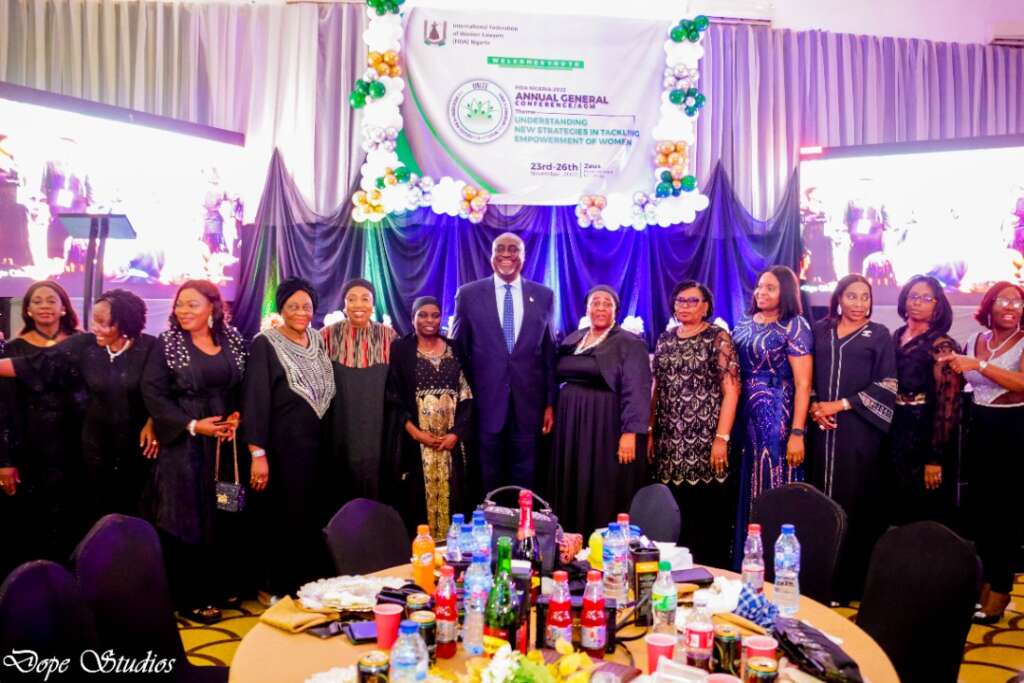
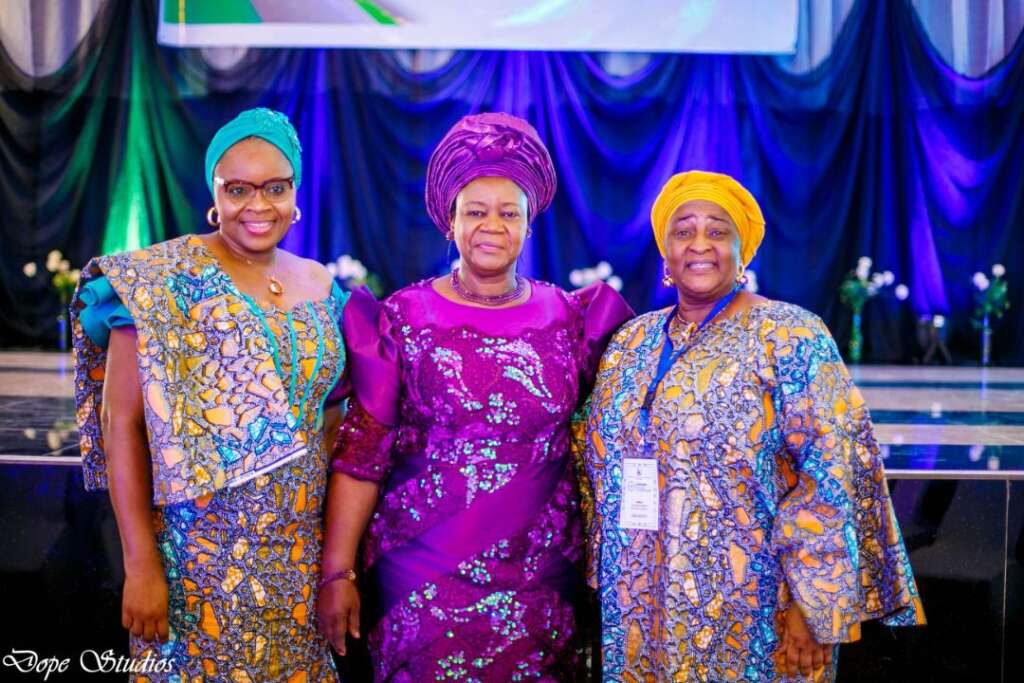
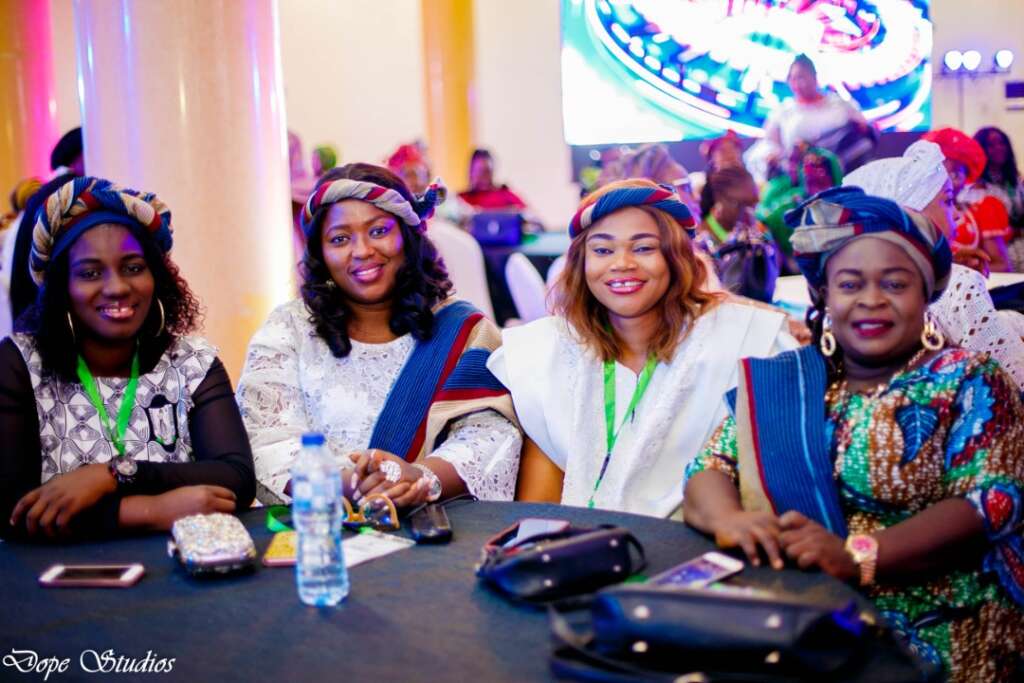
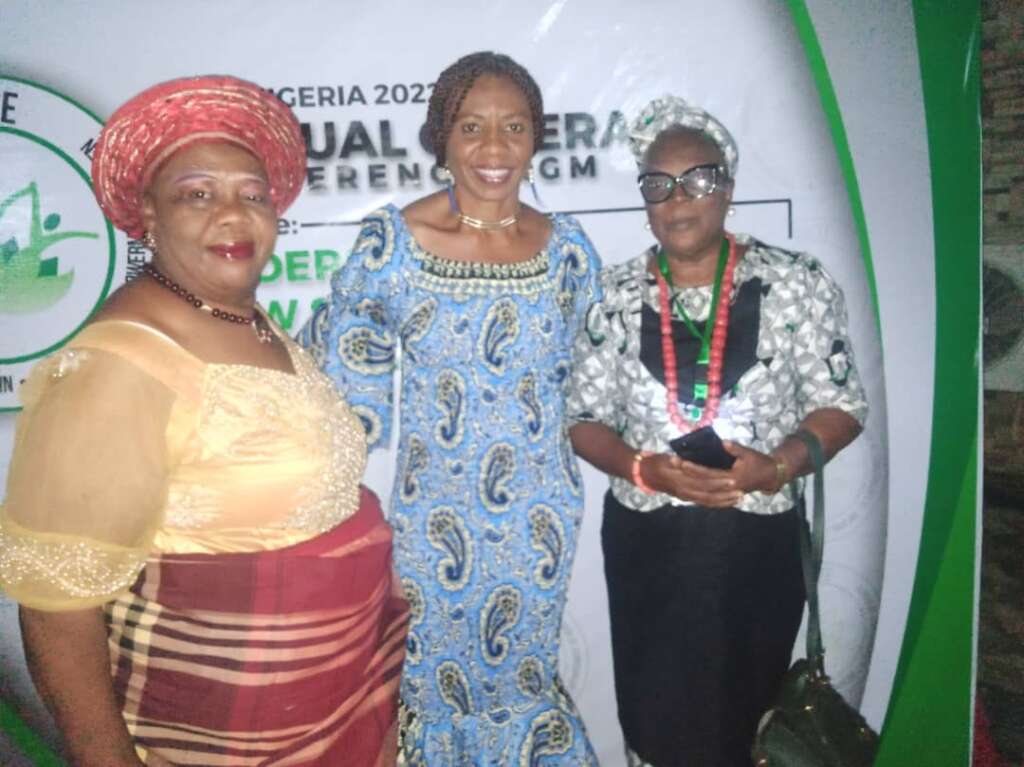
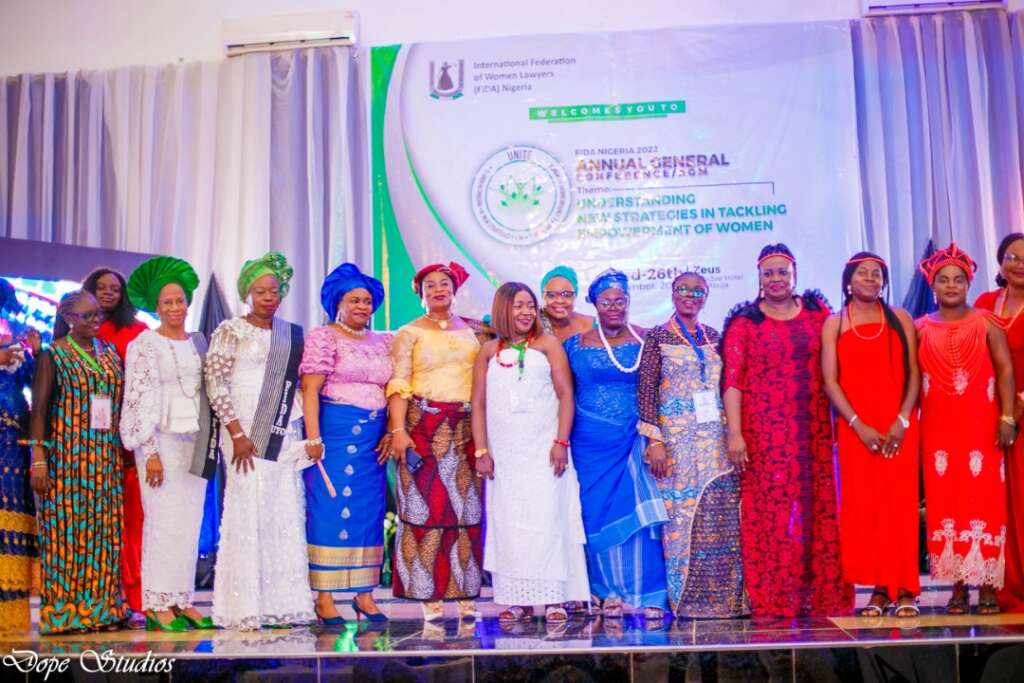
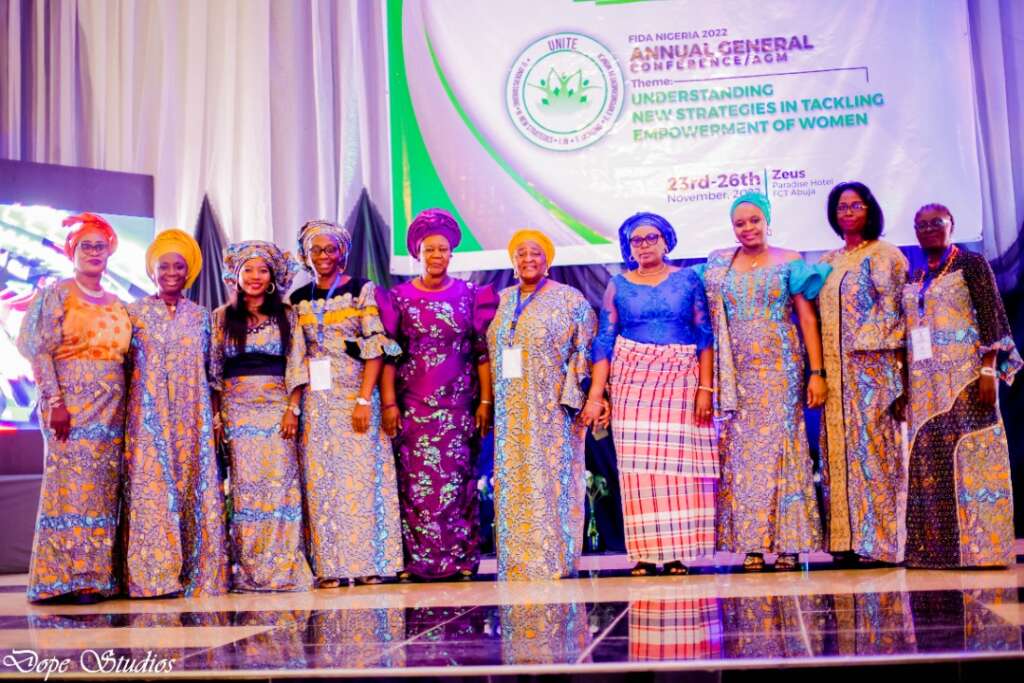
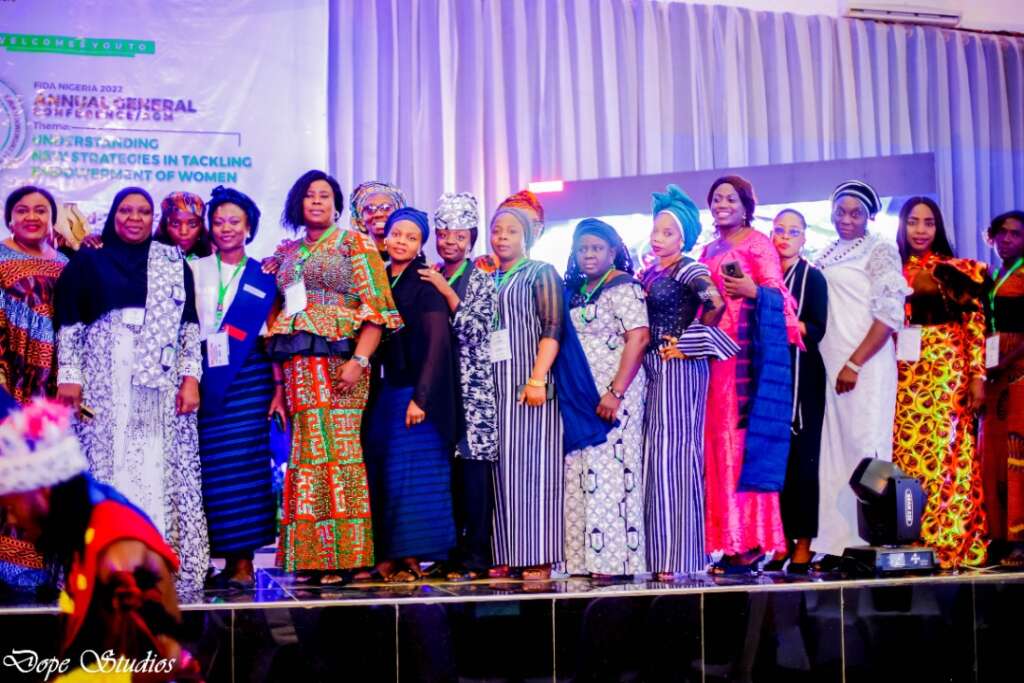
Photo news: Glitz and glamour at FIDA Nigeria AGC dinner

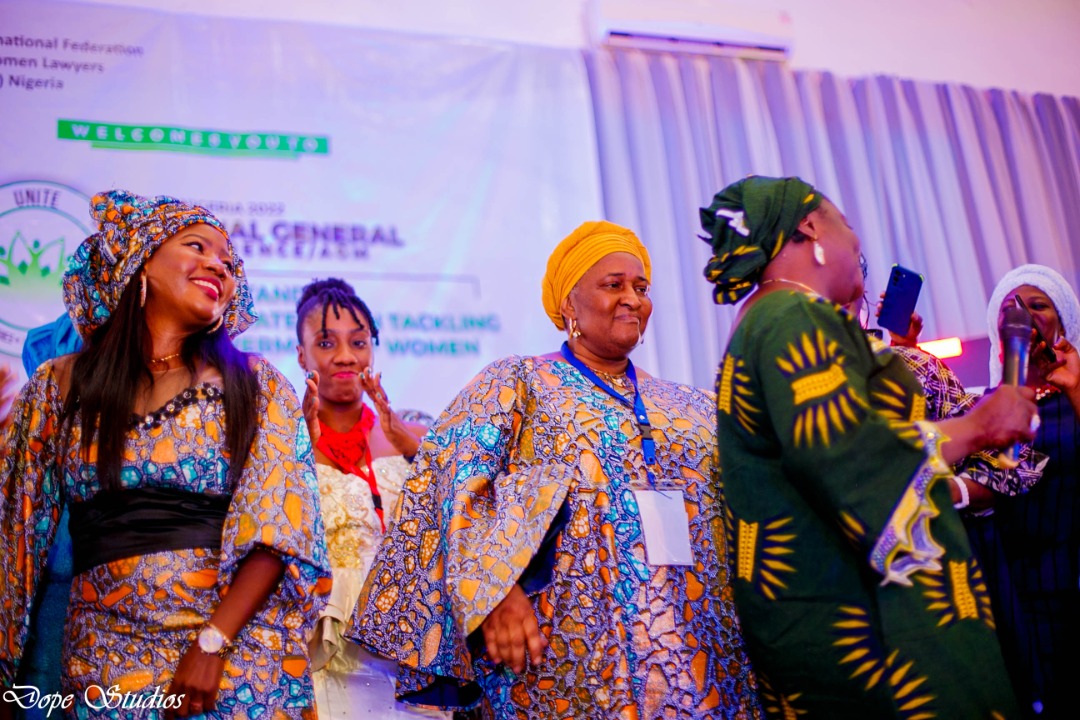
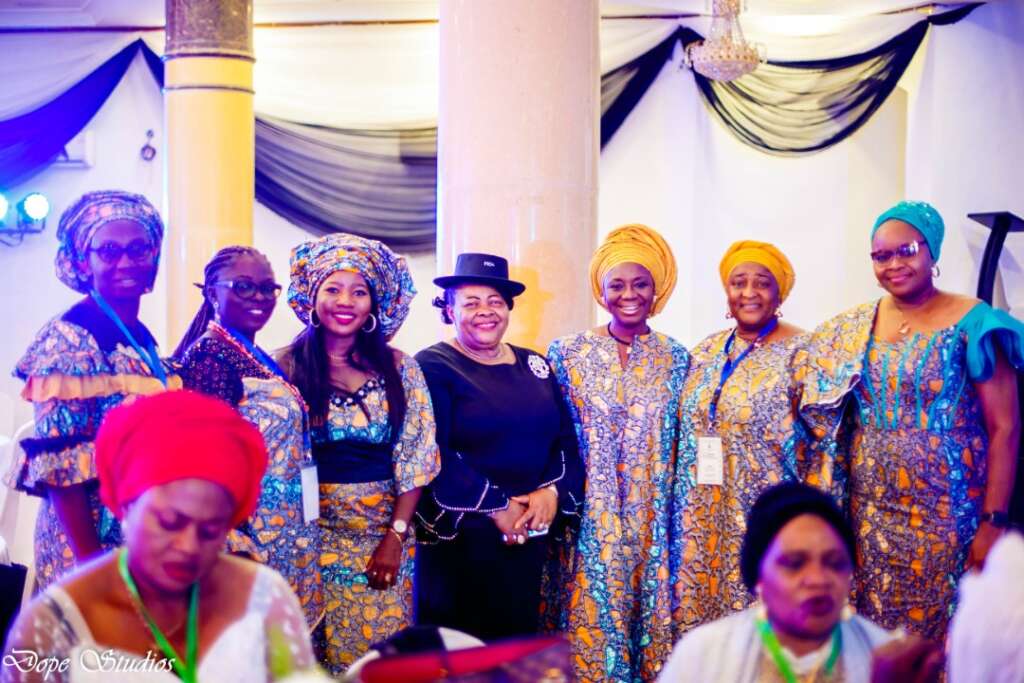
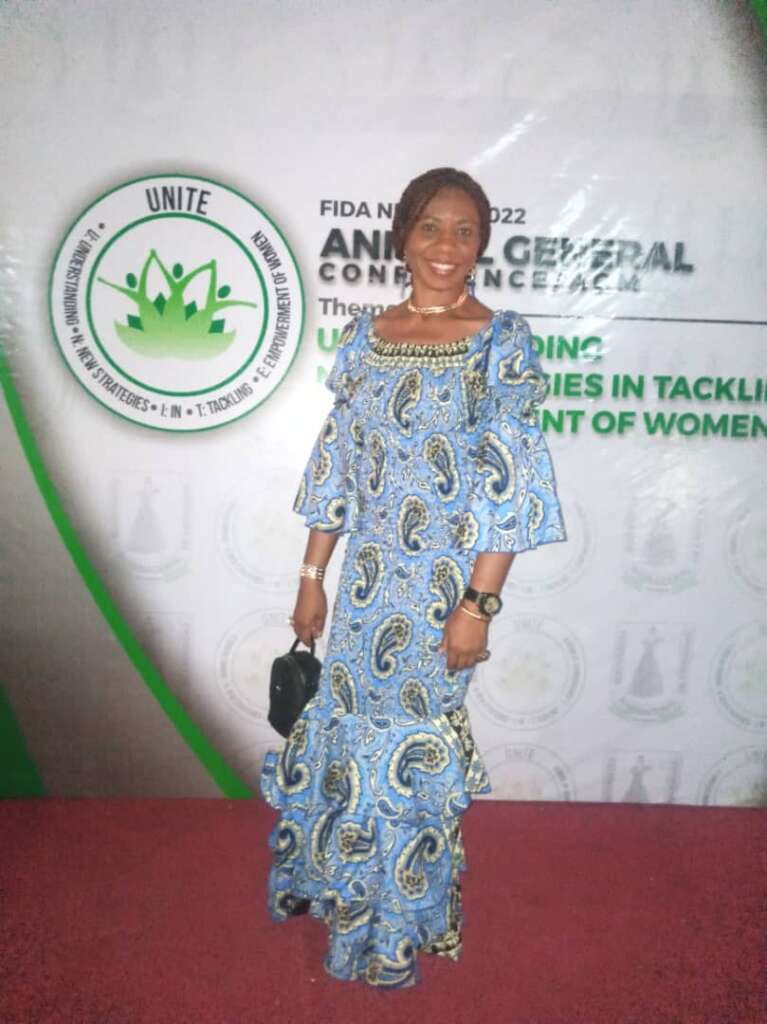
It was glitz and glamour at the dinner rounding off the week-long Annual General Conference of the International Federation of Women Lawyers, FIDA Nigeria.

FIDA Country Vice President Mrs. Amina Suzana Agbaje
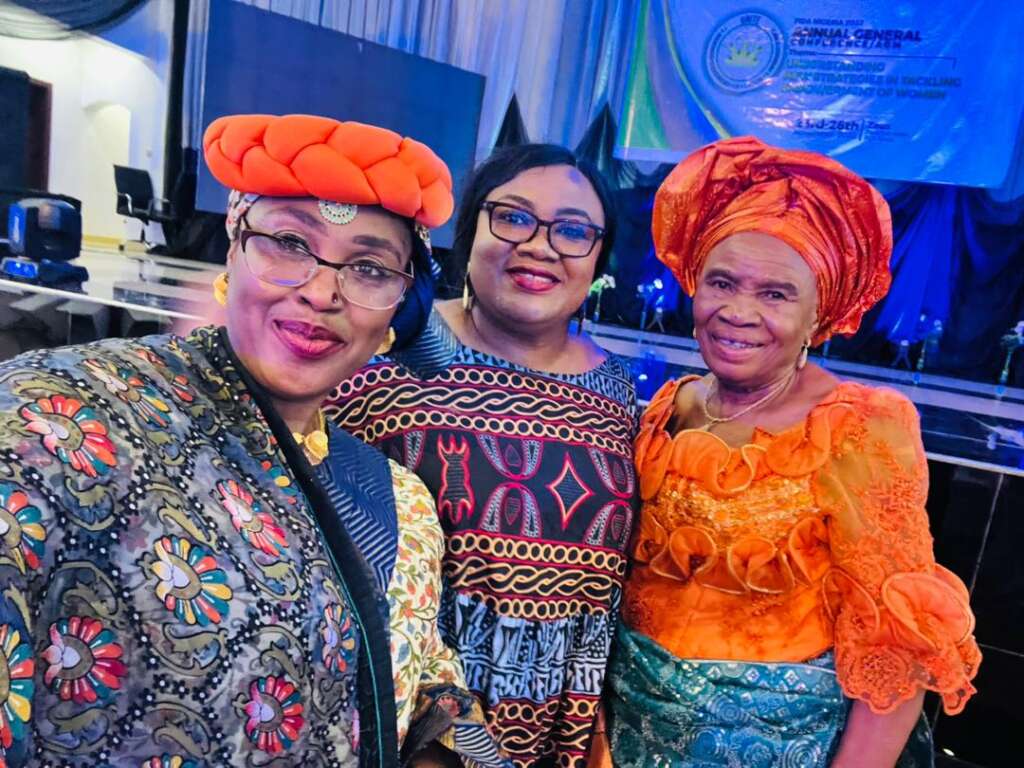
Fmr. FIDA Africa Regional Vice President, Chief Mrs. Awomolo, SAN, Country Vice President Emeritus, Rhoda Tyoden-Prevail, FIDA Nigeria Financial Secretary, Olubunmi Niyi-Arajuwa
NBA President, Mr. Y.C. Maikyau, SAN
Fmr. Welfare Secretary, NBA Abuja (Unity Bar)Lady Ngozi Agubalu and Fmr. General Secretary, FIDA Abuja, Grace Popoola (Extreme right)
Chief Mrs. Victoria Awomolo, SAN
General Secretary, FIDA Abuja, Mojirayo Peter-Nkanga, Chair, Maureen Chibuzo Nwosu, and Fmr. Welfare Secretary June
Editor-in-Chief, Law & Society Magazine, Lillian Okenwa
FIDA Abuja Welfare Secretary, Ifeoluwa Johnson, Chair, Maureen Chibuzo Nwosu, Finacial Secretary Mrs. Rose Obiakor, and Assitant PRO, Dooshima
Fmr. FIDA Abuja Assistant PRO, Hauwa George-Obas
Fmr. FIDA National PRO Ogechi Abu, Fmr. FIDA Abuja Treasurer, Adama Mohammed, and Lillian

‘Brain Drain’

By Emmanuel Ifesemen

The current government strategies against emigration of citizens looking for greener pastures are inimical, in particular, their attempts to reduce students travelling abroad for better education.

In this synopsis, I am not going to dwell on the importance of creating better-funded institutions locally to compete with the foreign schools, because that is basic enough for the policymakers to focus on. Instead, I will discuss why we should treat our population as an opportunity.

The current media trends on the number of dependants accompanying Nigerian students abroad have totally underscored the contributions of these students and their dependants to their host communities.

In the UK for example, visa fees are collected for each dependant, and they pay in advance for the use of the NHS. I will say that their contributions on just these two notes are quite significant, despite the fact that they do not have any recourse to public funds.

There have been recent attempts to discourage the institutions in the UK from admitting students or employing Nigerians, but as I mentioned earlier we are about passing the most important opportunity our population presents.

For the students, the Nigerian government should assist in renegotiating the fees paid to foreign institutions. We should attempt to fix this as a percentage of what local students pay in these countries. So where they are currently paying twice as much, it should be reduced or capped at 50%. This would definitely be a win for Nigerian foreign students.

The question is how does this benefit the Nigerian state?

Firstly, we get our people trained while we buy the time to improve our local institutions.

Secondly, we can negotiate some type of homage for every Nigerian student admitted.

Thirdly, PR that the government is interested in the success of her citizens

Fourthly, relative reduction in the initial take-off funds from Nigeria, because most of the students ends up working anyway.

Asian countries like China and India have greatly benefited from this. And I believe this is something we can further develop and make the most from.

We need to discourage the negative trend and approach that it is not our business because we don’t benefit directly from the success of others. This is not true. As our population grows, we would need to send our people out more to conquer the world, because we cannot allow the delayed growth in infrastructure to slow the next generation for another 100 years.

We need to encourage our government to see the bigger picture, and how tomorrow our human capital can become our true foreign investment.

Let’s move this discussion further.

Thank you,

Emmanuel Ifesemen

Engineer Emmanuel Ifesemen is CEO of EST Energy Services Nigeria Ltd

Tribute: Mohammed Mustapha Olaroungbe Akanbi, 24 January 1971 – 20 November, 2022

By Chidi Anselm Odinkalu

Everyone who burglarizes an election leaves a massive trail but they all rely on the security services, legal, and judicial systems for cover-up. Rigged elections invariably end up as disputes before courts which receive and evaluate the evidence and render judgments. In many cases, participants may even venture as far as trying to buy the judges, witnesses, or opposing lawyers. In the end, the courts render judgments which do more than merely pronounce on the mechanics of rigging. These judgments are also records in the court of posterity about those who administered the elections, those who perpetrated the rigging, and about the fidelity of the presiding judges to their oaths of office.

In 2003 and again in 2007, Nigeria under President Olusegun Obasanjo organized elections characterized by escalating levels of scandal and impunity. When they reported in 2008, the Presidential Committee on Electoral Reform chaired by former Chief Justice, Mohammed Lawal Uwais, described Nigeria’s 2007 elections as “the worst since the first elections in 1922”. In the same year, the Supreme Court of Nigeria complained that politicians had reduced elections to “a matter of life and death and consequently (are) ready to do anything possible to attain their ambition.”

Election rigging is itself, therefore, a violation of basic rights of Nigeria as well as evidence of such violations. This diagnosis led the National Human Rights Commission in 2013 to commission an independent forensic examination of the evidence of election rigging in Nigeria on the face of the records and judgments of the courts in election disputes. It was an ambitious project that required both deep intellect and rare integrity from those who would implement it. To execute it, the Commission canvassed the skills of a college of seven law professors of distinction one from each geo-political zone of Nigeria, one of whom was to serve as a chairperson.

As the Chair of the Governing Council of the Commission then, I led in this extensive canvassing. Mohammed Mustapha Olaroungbe Akanbi (known to his friends as “MM”), whose death on Sunday, 22 November 2022 at 51 was both untimely and lamentable, was a constant at the top of the list of suggestions that I received. When I eventually approached him, Mohammed agreed without reservations to serve on the Committee even when he knew that its work would be difficult and the outcome was likely to meet with uncertain reception.

The University of Ilorin had elevated him to a professorship the previous year at 40 after 14 years of service as lecturer and he had his hands full with faculty work and administration. As he told me, this project was a necessity of both intellectual curiosity and civic duty. It summed up his philosophy as an academic.

Mohammed served on the seven-person panel with uncommon distinction, erudition, and fidelity to the records. He continued to count it as one of the highlights of his professional life. We collaborated subsequently on other projects, including an investigation of pre-trial detention in parts of Nigeria. He was always rigorously dependable.

I thought I knew Mohammed reasonably well but collaborating with him on the investigation of election rigging in Nigeria reminded me of what made him such an extraordinary person.

Mohammed and I were old students of the same high school – Federal Government College Okigwe – graduating six years apart. He had the benefit of a somewhat intrepid childhood imposed by the peregrinations of his father, Mohammed Mustapha Akanbi (after whom he was named), a judge who worked in different parts of the country before retiring in 1999 as the President of the Court of Appeal. Mohammed finished from FGC Okigwe in 1989 as only the second graduate of the school from the old Kwara State, after Tajudeen Kazeem, the son of another public servant from old Kwara State who finished in 1983.

From Okigwe Mohammed proceeded to the Obafemi Awolowo University (OAU) in Ife as part of a class of some stellar activists, including Bamidele Aturu (BF) and Ebun Olu Adegboruwa (Big Sam). An outwardly shy, even retreating carapace masked an inner steel, a characteristic he shared with both BF and Big Sam.

Following his enrolment as a lawyer in 1995, Mohammed did his compulsory national service with the Central Bank of Nigeria in Lagos before proceeding to the University of Lagos from where he obtained a Masters degree in law in 1998, the same year in which he joined the staff of the faculty of law at the University of Ilorin.

In 2006, Mohammed graduated from King’s College, University of London with a doctorate degree in law following a body of research specializing in dispute resolution. The following year, despite his considerable exertions as an academic and university administrator, the Nigerian Bar Association (NBA) in Ilorin elected him by unanimous acclamation as its Chairperson. In that capacity, he hosted one of the best organized annual conferences of the Bar with peerless skill. At all times, you felt his presence and attention to detail with no need to see him.

As a lecturer, Mohammed served the university in different capacities as Head of Department of Business Law; director of the School of Preliminary Studies; member of Senate; and Dean of Law. None of these dimmed his commitment to his students or to the vocation of teaching. His students testified to his inspiration in their lives as lifelong mentor. They accompanied him in his various roles in the service of the public interest within and beyond the university. As a lawyer, his special interest was in alternative dispute resolution and in ensuring the best outcomes for all sides in legal disputes.

When he was sworn in on 24 September 2018 as a Senior Advocate of Nigeria (SAN), the first in the Nigerian Law School set of 1995 to be so elevated, Mohammed chose (unlike his peers on the day) to mark his elevation with a private meal at home with family and close friends. It was entirely in keeping with his uncomplicated values.

Two years later, as the COVID-19 pandemic got underway in April 2020, the Kwara State government tapped Mohammed, appointing him the second Vice-Chancellor of the Kwara State University, Malete, the youngest Vice-Chancellor in Nigeria at the time.

Mohammed arrived the university with tall ambitions for teaching, research, and community service, a plan whose implementation was well on course before Providence revealed other plans. His philosophy of university administration was anchored on one principle: “the university is not a reformation centre.”

A deeply devout man, Mohammed was equally uncompromising in his commitment to diversity. I was his guest on several occasions in Ilorin and he was always a gracious host. Until he died in 2018, Mohammed would always arrange for us to visit his father who was equally generous with his wisdom.

Mohammed derived special joy from community service for which purpose he devoted time to the Mustapha Akanbi Library and Resource Centre, part of the Mustapha Akanbi Foundation, which fosters access to life-long skills and enlightenment to the underprivileged in and around Ilorin.

Above all, Mohammed’s needs in life were very few. He had truly little regard for material possessions and was committed to traveling light through earth. Among his pearls of wisdom, Mohammed always insisted that “there is nothing like sudden death…. Death can come anytime (and) we should always prepare for it.” Cancer gave him notice of his own mortality and when the Grim Reaper arrived that Sunday evening in Lagos, he was not unprepared.

Mohammed Mustapha ‘Laroungbe Akanbi was married to Shakirat, a lawyer with whom he had a daughter and two sons, all of whom also survive him.

A lawyer and a teacher, Chidi Anselm Odinkalu can be reached at [email protected]

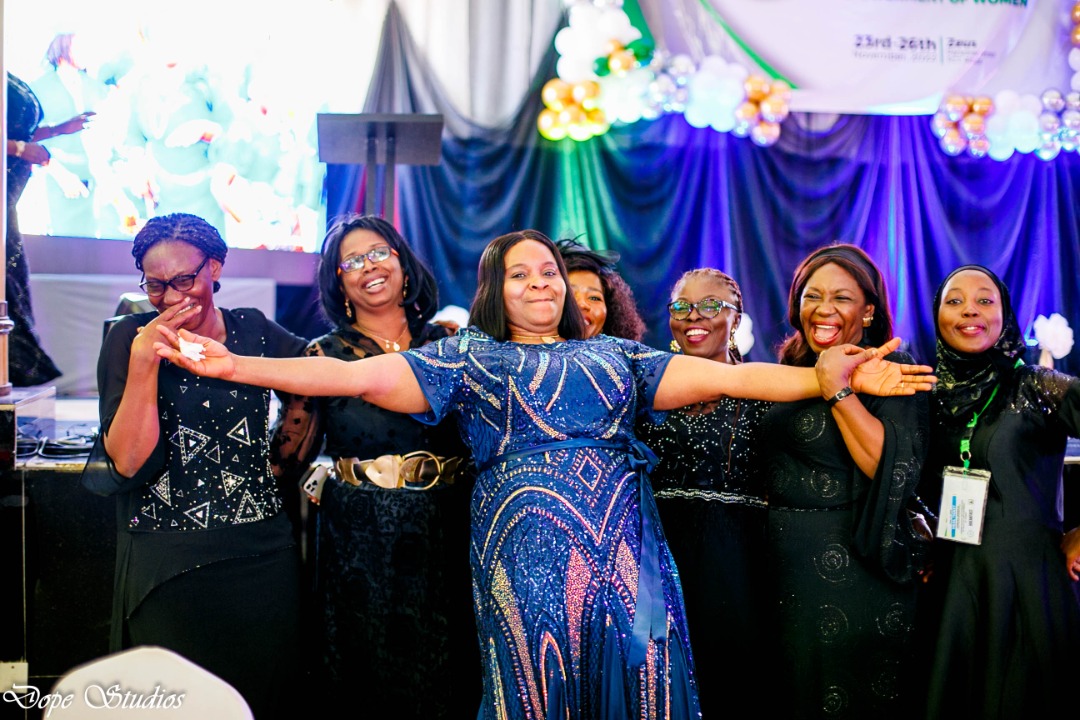
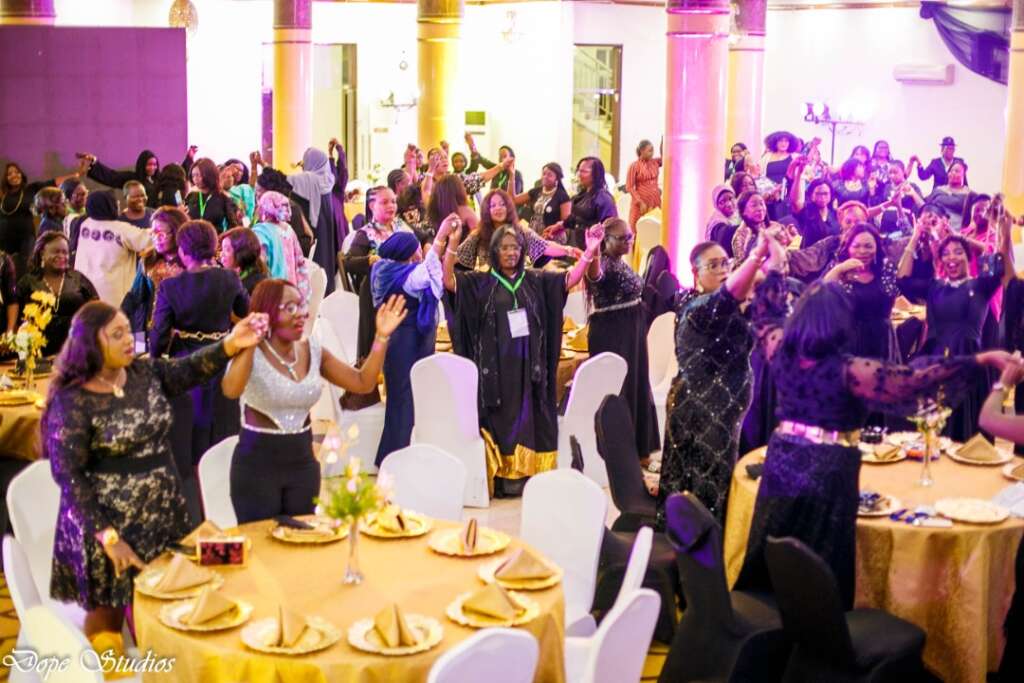
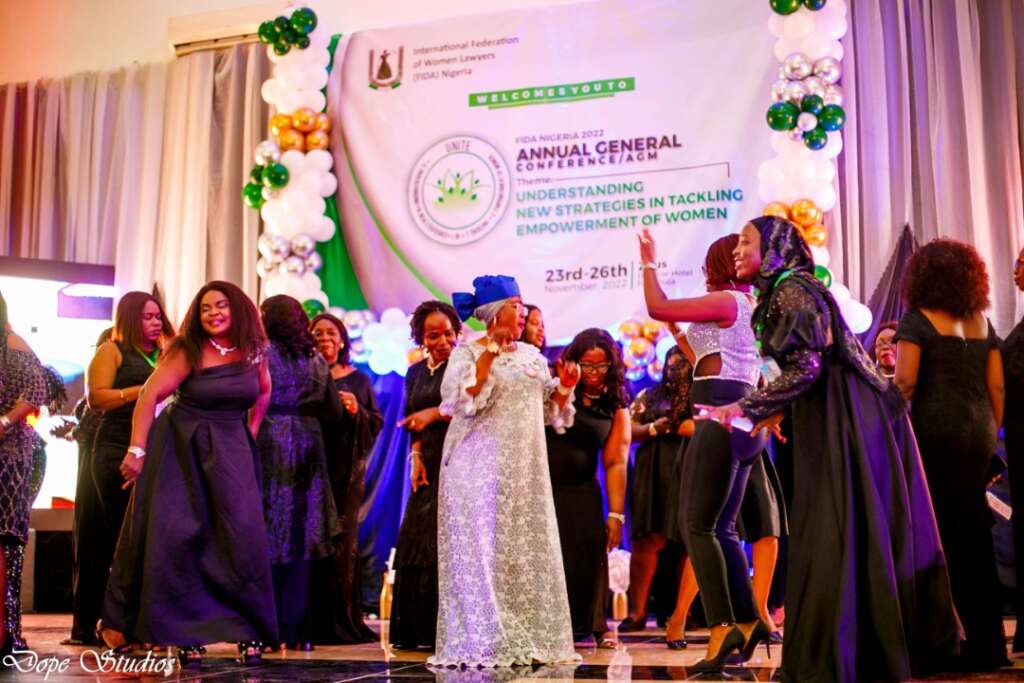
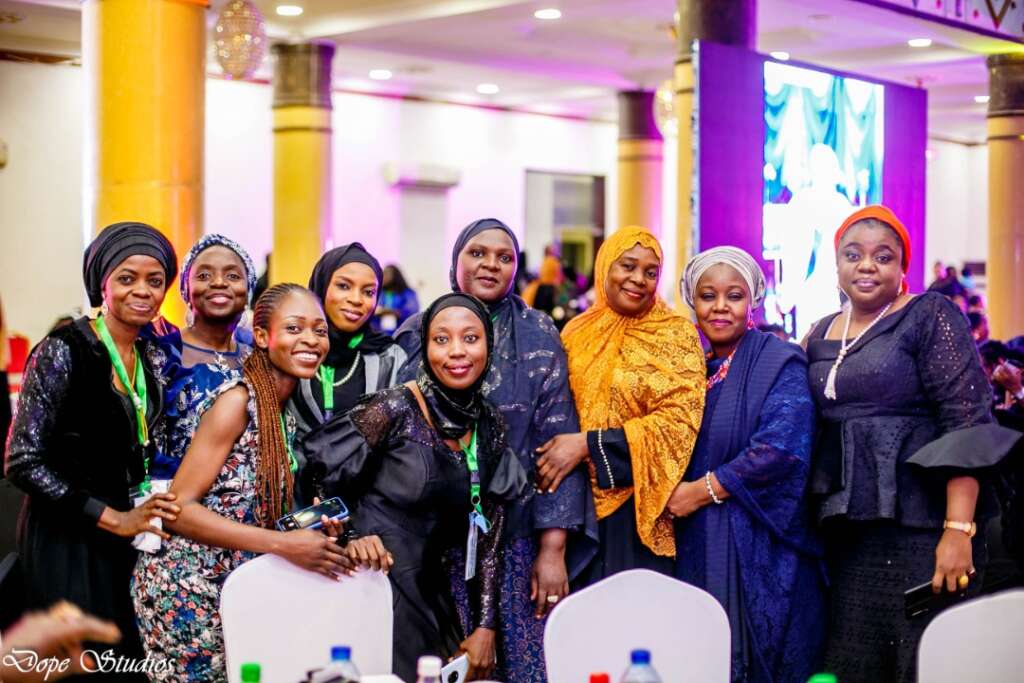
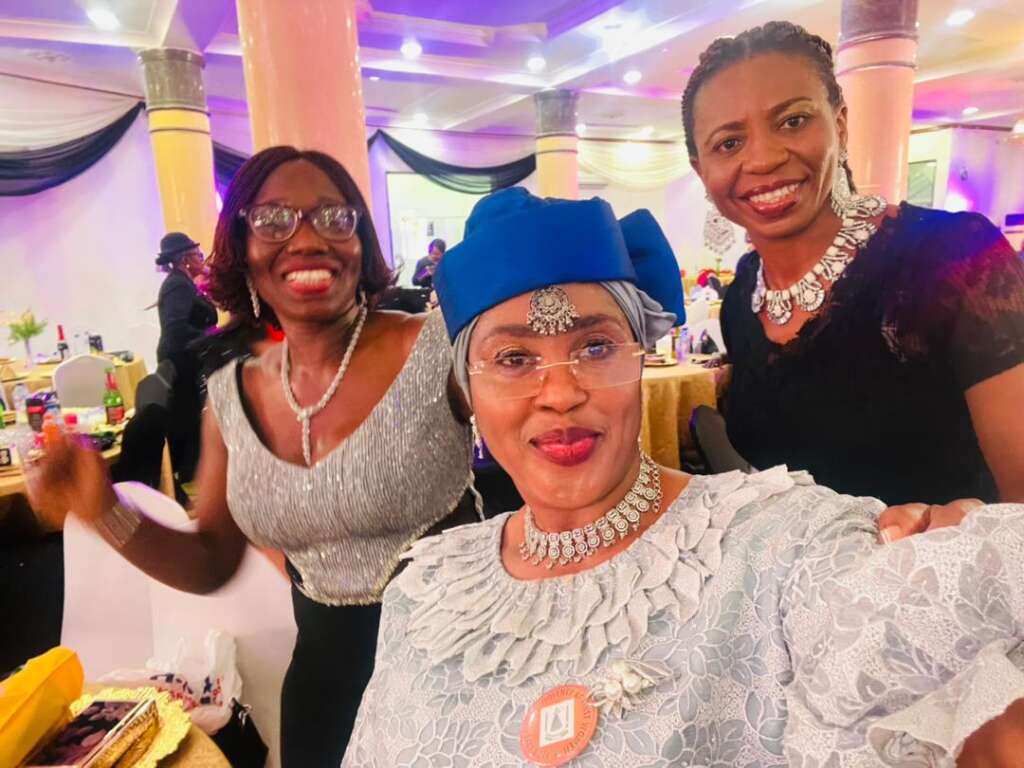
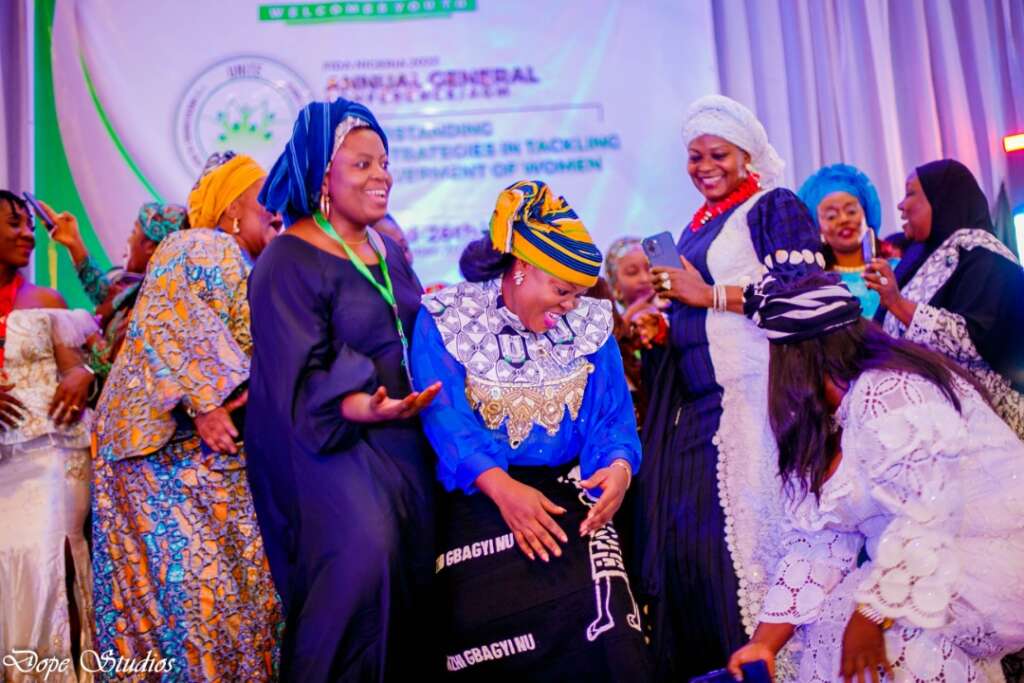
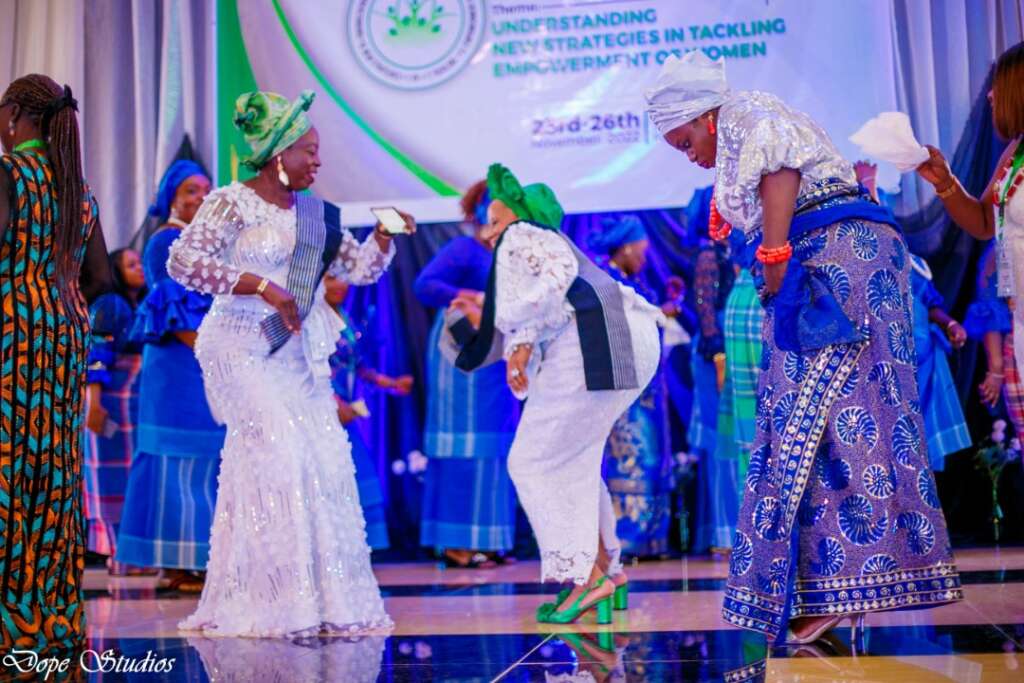
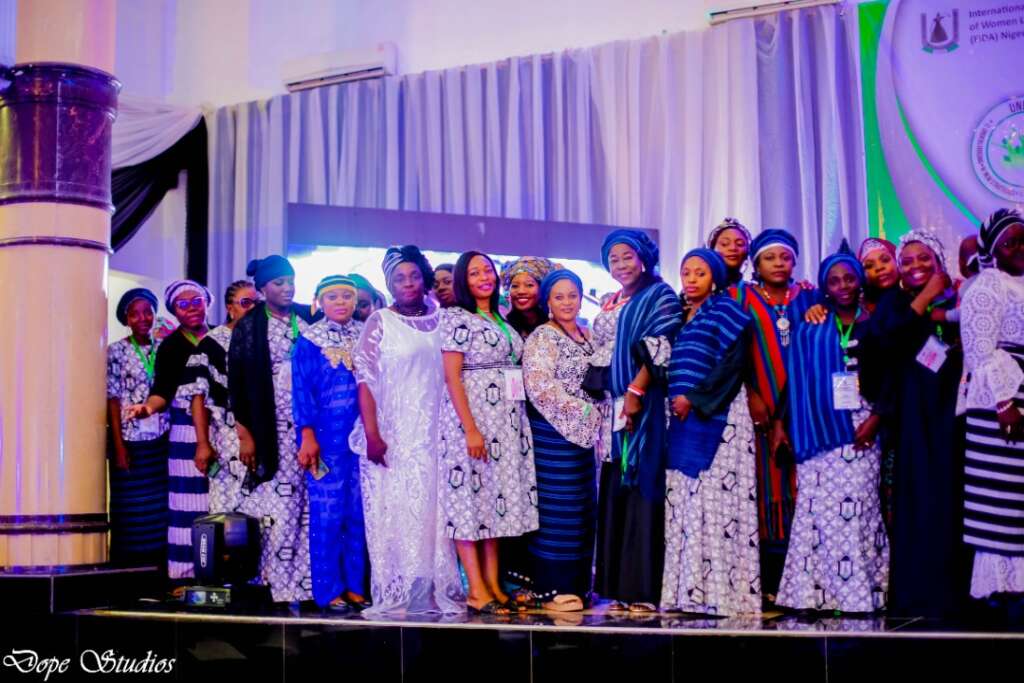
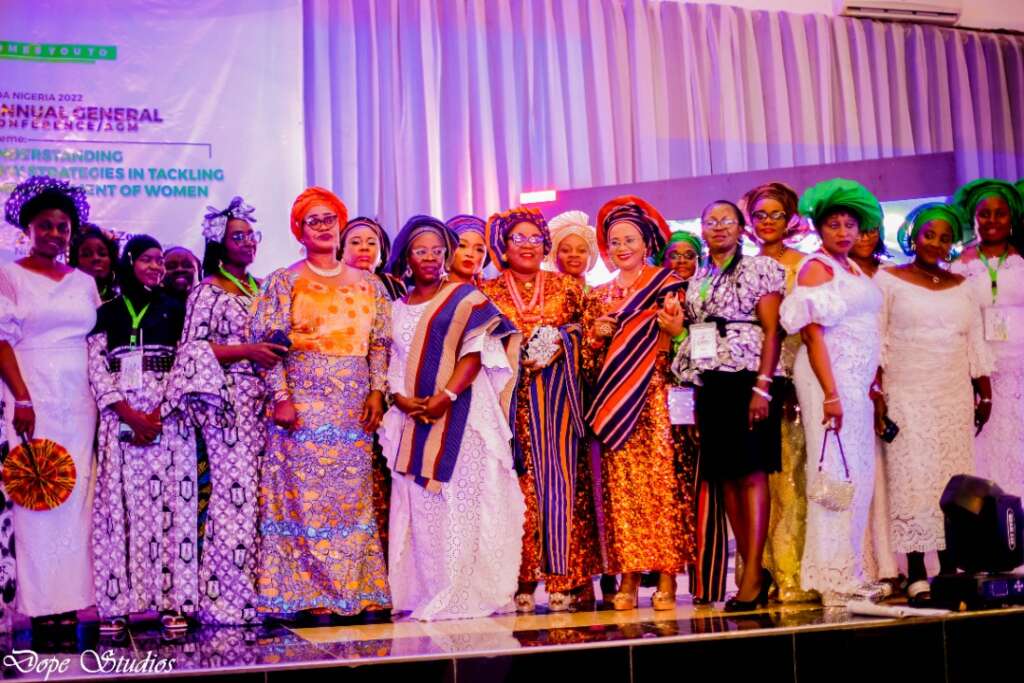
Photo news: FIDA Nigeria celebrates cultural night in style

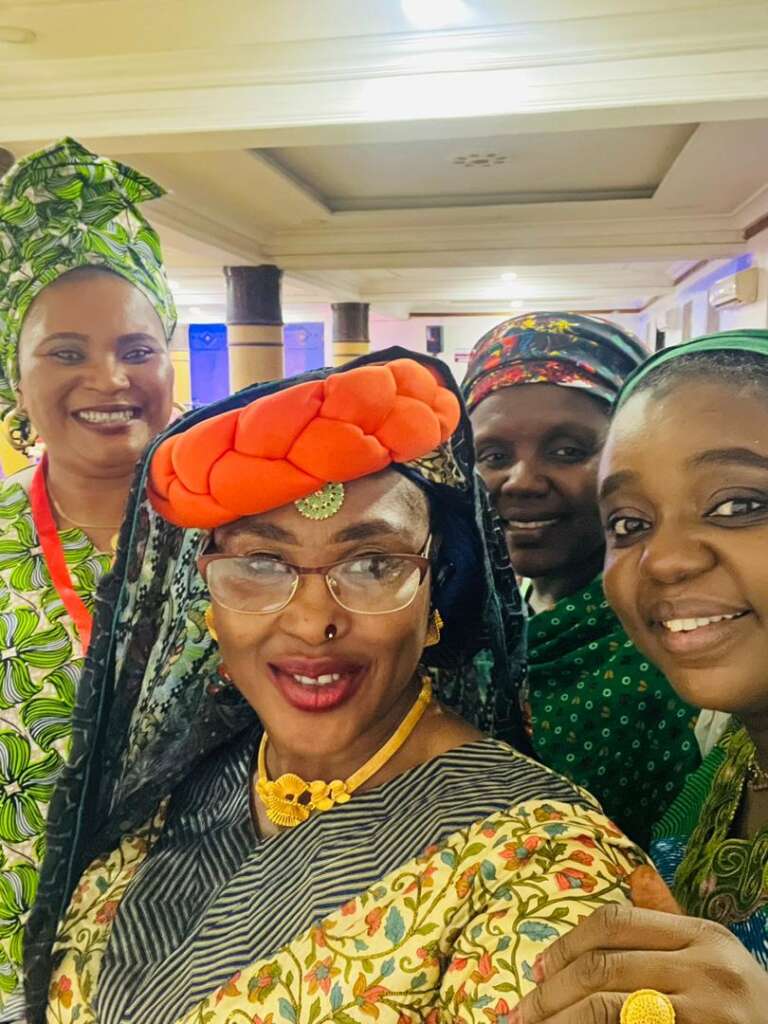
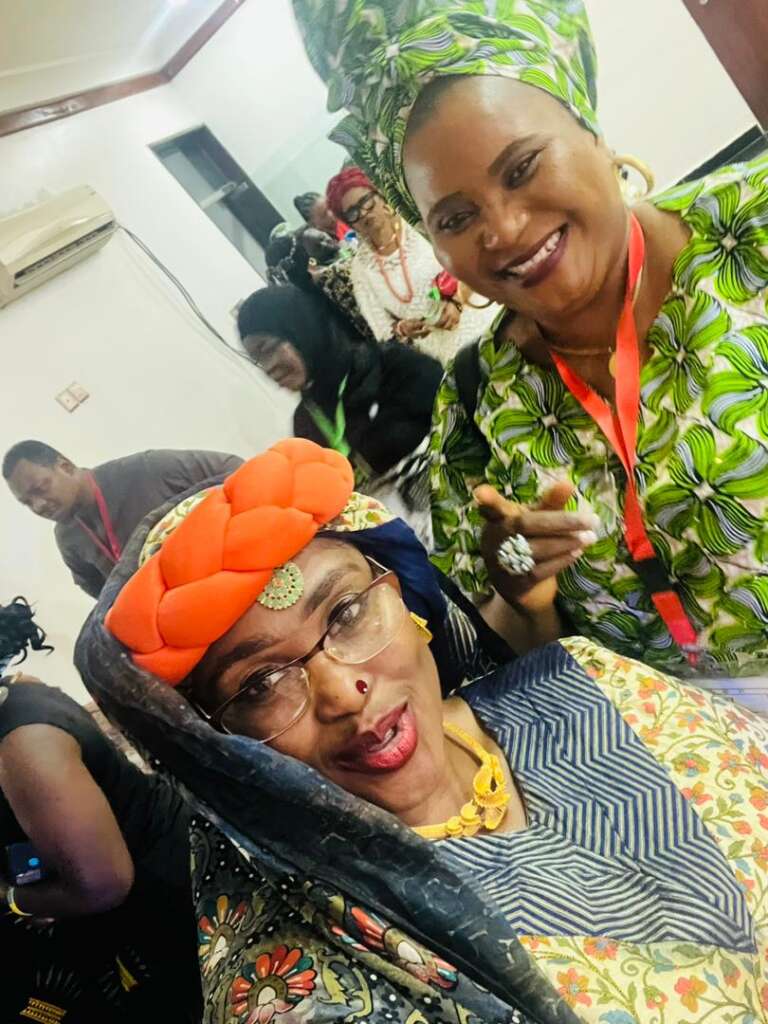
FIDA AGC 2022 Cultural night

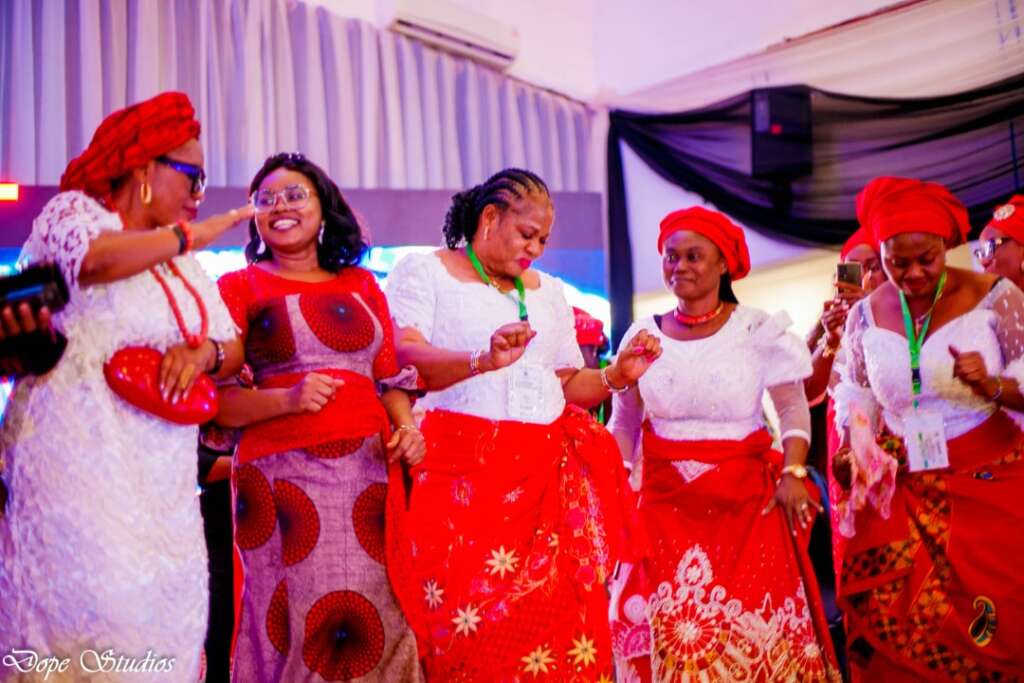
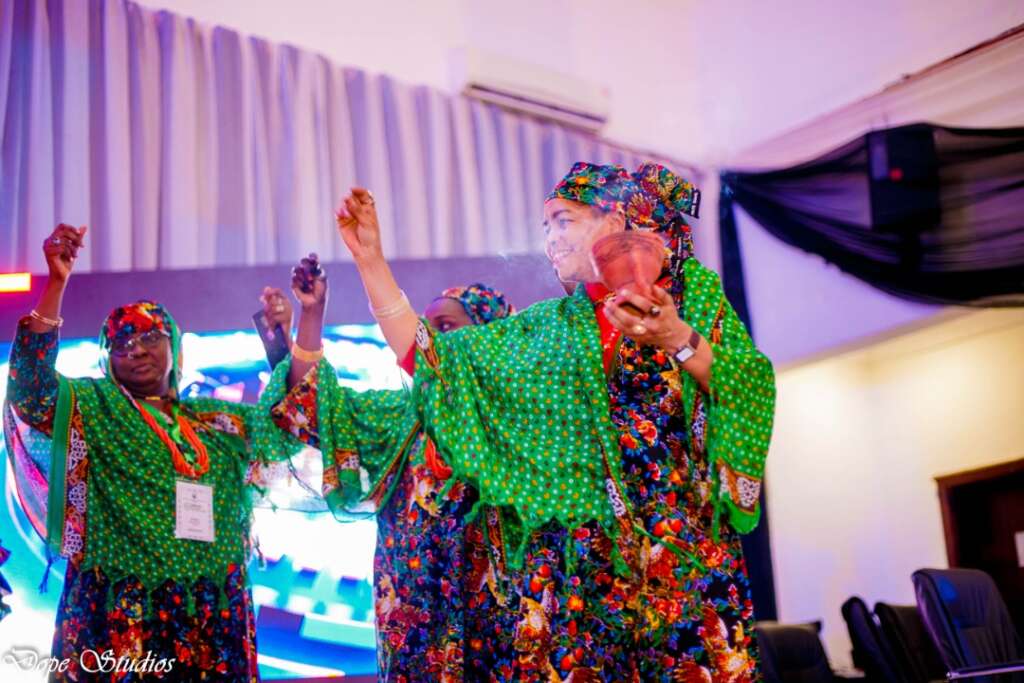
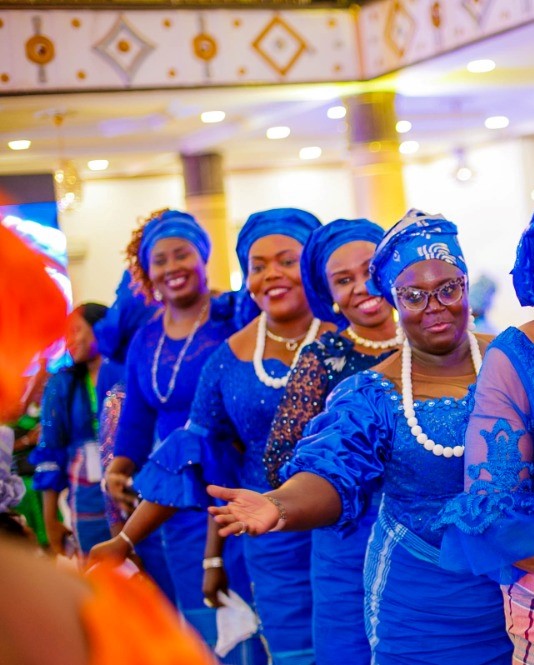
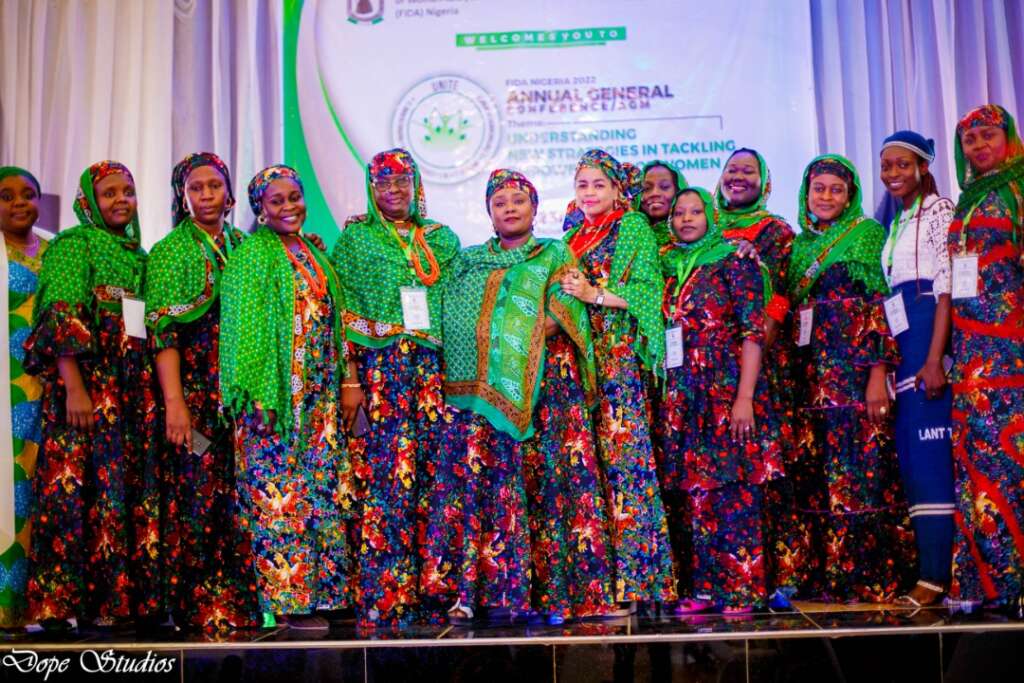
The International Federation of Women Lawyers, FIDA Nigeria, showcased Nigeria’s rich cultural heritage during its cultural night at the just concluded Annual General Conference (AGC).

Earlier at the conference tagged —Understanding New Strategies in Tackling Empowerment of Women, Hajiya Saudatu Mahdi, Secretary General, Women’s Rights Advancement and Protection Alternative (WRAPA) in her keynote address titled— Building Collaboration to Increase Women’s Empowerment Using Gender-Responsive Laws and Policies, called for the provision of “a barometer for defining and assessing the effectiveness of governance with key indices being education, health, economic disposition, inclusion, and effective social safety nets.”

Here are photos of the cultural night.

Editor-in-Chief, Law & Society Magazine, Lillian Okenwa
FIDA Nigeria Deputy Country Vice President Evelyn Membere-Asimiea, onetime FIDA Africa Regional Vice President, Barr. Mrs. Rose Oby Nwosu and FIDA Nigeria CVP Country Vice President, Amina Suzana Agbaje
Mrs Dorcas Ngwu, Fmr. Assistant Financial Secretary of NBA, lillian Okenwa and Lady Ngozi Agubalu, Fmr. Welfare Secretary, NBA (Unity Bar) Abuja
Fmr. Treasurer FIDA Abuja, Adama Mohammed, Chairperson FIDA Abuja, Maureen Chibuzor Nwosu, and her mum Madam Gold Nwosu
Adama Mohammed and Fmr. Assistant PRO FIDA Abuja, Hauwa George-Obas

16 Days Activism: Eight of every 10 complaints received at National Human Rights Commission related to women and children

Amina Agbaje and others occupy NASS

By Lillian Okenwa

Do you know that for every 10 complaints received at the National Human Rights Commission (NHRC), eight are related to violence against women and children?

This revelation was made by Harry Ogwuche Obe, Director Legal, Human Rights and Protection Activist, National Human Rights Commission of Nigeria at the ongoing Annual General Conference (AGC) of the International Federation of Women Lawyers, FIDA Nigeria.

As Nigeria joins the world to mark the 16 Days of Activism against Gender-Based Violence an annual campaign which commences on 25 November, the International Day for the Elimination of Violence against Women, and runs through International Human Rights Day on 10 December, Nigerians are again reminded of the need to shun all forms of Gender-Based Violence (GBV) against women and the girl child.

Despite the increasing acceptance of sexual and gender based violence as a crime under both national and international laws, many victims still encounter great difficulty obtaining justice.

Sadly, notwithstanding the Violence Against Persons (Prohibition) Act (VAPP Act) which came into force on 28 May, 2015, with innovative provisions as the first criminal legislation in Nigeria to, among others, prohibit and punish for the acts of Female Genital Mutilation (FGM),verbal, emotional, economic and psychological abuses, harmful widowhood practices, expanded concept/crime of rape, and more, police prosecutors still elect to use the Criminal Code and Penal Code Acts which carry lesser punishments when preferring charges.

Tales my patients told me: Almost killed by a dead man!

By Emmanuel Fashakin

A 57-year-old man came in this morning came in for medical clearance for a cataract operation. His cataract is irrelevant to our discussion. I noticed that this man has a limp with a crooked back and I asked him for the cause of his disability. “I got run over by a dead man and almost got killed.” “You what?”, I asked incredulously. “Yeah, you heard me right. A dead man almost killed me.”

Our friend was riding his bike merrily on a beautiful Saturday night in South Jamaica, Queens County in New York City when, without warning, he got hit from behind and got swept into the gutter. Police and ambulances were summoned. Unable to move due to his extensive injuries, he was shocked when he saw policemen approach him yelling: “Put your hands up where we can see them! where is the gun? etc. He tried to raise his arms but couldn’t. He was a moment away from being riddled with a hail of bullets. Someone sensed that he was injured and approached him cautiously. He was immediately cuffed.

Why all this drama? It turned out that the guy driving the car which swept him off the road was a dead man. This man was in a nightclub in South Jamaica, and as he made for his car, got shot in the abdomen. He managed to open his car and yanked the door open, started the engine, and raced down the street in an effort to escape his assailants. Down the road, with the car still speeding, the guy succumbed to his injuries and died behind the steering. The car swerved and hit the guy riding his bike innocently. He escaped death twice that night: first from the dead man’s car, and then from the police who are quite trigger-happy in New York. The cops saw that the driver had been shot, and concluded, wrongly, that our man had shot him!

After recovering from the shock of my patient’s misadventure, I noticed that he is a smoker and still actively smoking. He survived the horrific injuries he sustained from being hit by a dead man’s car, including a broken back and a ruined hip. They have had to do a right hip replacement on him twice: first a hemiarthroplasty, then they said, the hell with it and replaced the whole hip. I him: “you escaped death twice in one night, and now you are trying to kill yourself from smoking.” “I have more lives than a cat,” he replied me cheerfully. “I know,” answered him back, “you have nine lives, but you have used eight of them, only one remains!”

Emmanuel O. Fashakin, M.D.,FMCS(Nig), FWACS, FRCS(Ed), FAAFP, Esq.

Attorney at Law & Medical Director,

Abbydek Family Medical Practice, P.C.

web address: http://www.abbydek.com

Cell phone: +1-347-217-6175

“Primum non nocere”

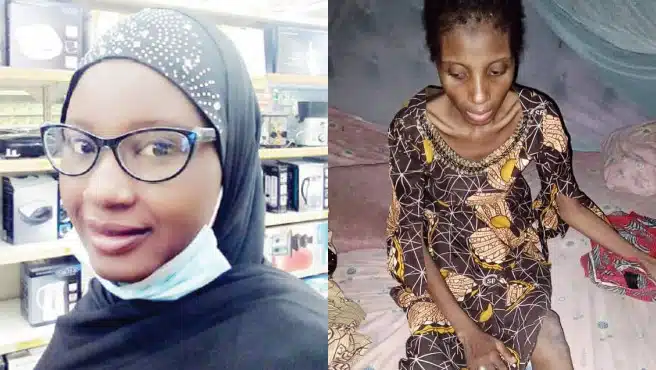
Kano woman dies after husband locked, starved her for a year, as men in PH assault lady, insert substance inside her private part

Sadiya Salihu, the 33-year-old housewife reportedly locked up by her husband for nearly a year without food has finally died.

After battling to live at the Aunty Zainab Nursing Home and Maternity in the Sheka area of Kano State, the mother of four, died in the late hours of Saturday at the Aminu Kano Teaching Hospital (AKTH) after she was transferred to its Intensive Care Unit (ICU).

Sadiya got married on April 24, 2010, to Ibrahim Yunusa Bature a businessman in Nguru LGA of Yobe State.

Following several attempts to reach Sadiya, her mother who eventually visited her family broke the news of the condition her husband put her in.

Prior to her death, Sadiya’s grief-stricken mother told reporters, “I was experiencing nightmares about Sadiya for a long time and anytime I called her husband, he gave the phone to the children and they would lie when I requested to talk to her; that she was sleeping or that she was doing something else.

“At last, I travelled to Nguru. I was greeted by the children. I didn’t see their mother. So, I peeped into her room through the window, and behold she was there, just lying down; helpless.

“I forcefully took my daughter back home, and as you can see, she is not herself. When I inquired, I was told that the husband only fed her with pap and roasted hasbiya (wild dove). I had to wean her 11-month-old child because of her situation.

 “We still can’t understand why pap every day, the hasbiya and a liquid mixture with bad odour being sprayed on her body. Look at her now. You can’t even comprehend what she is saying.”

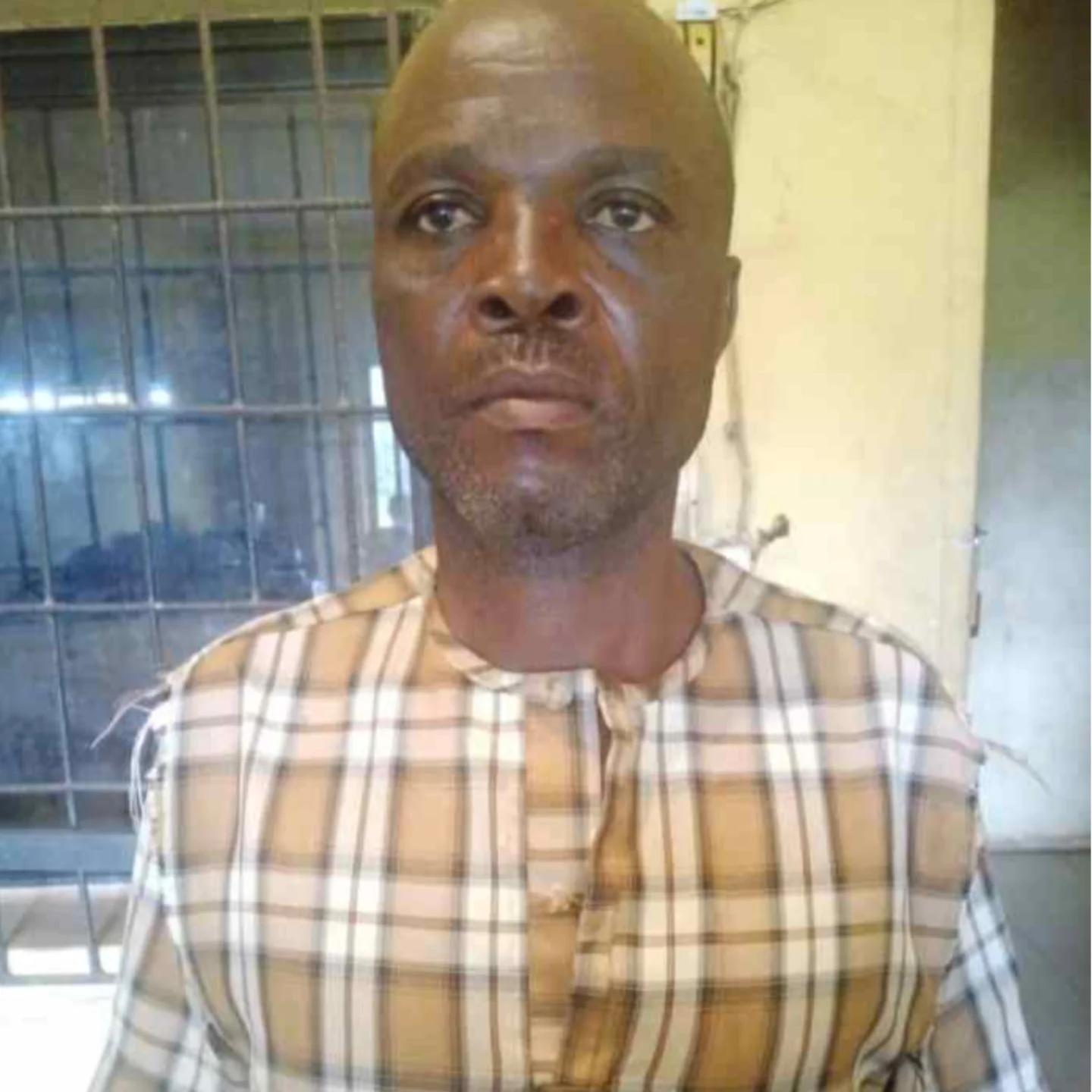
Ibrahim Yunusa allegedly said he detained his in the house to prevent his family members from harming her. He has since been arrested

Meanwhile, six boys in Portharcourt, River State, brutalized a lady and inserted a substance inside her private part for allegedly stealing an iPhone

Two of the six boys involved in the horrendous act have been arrested.

The incident reportedly happened at Aggrey Estate waterfront, in Portharcourt, River State.

River State police command confirmed the arrested suspects, as Samuel Matthew, and Emmanuel Iweruma.

 The statement read, “The state Commissioner of Police, Okon  Effiong, has condemned in its entirety, the mob action on one Ruth Tamuno on November 14, 2022.

“Some group of boys, numbering about six, led by one Samuel Matthew, 23, beat her up and inserted a substance in her private part, for allegedly stealing an iPhone. This is barbaric and inhuman.

“The CP has ordered the State Criminal Investigation Department to conduct a discreet investigation on Samuel Matthew, 23, and Emmanuel Iweruma, 23, who were arrested in connection with the case. Efforts are on to arrest other fleeing suspects.”

For refusing to hand over her school to him, Ogun man strikes wife to death with padlock

For having the temerity to refuse to hand over a primary school she built in her name to him, 45-year-old Segun Ebenezer reportedly beat his 42-year-old wife Bukola Omotosho to death.

He has been arrested by the Ogun State Police Command.

Police said the arrest happened after the late Bukola’s elder sister lodged a report at Kemta divisional headquarters on 14 November.

After injuring her on the head with a padlock Ebenezer allegedly rushed his wife to the Federal Medical Centre, Idi-Aba Abeokuta. She died there while receiving treatment.

Bukola has a National Certificate in Education (NCE) while her husband is a carpenter.

The Police Command in Ogun State disclosed that the suspect and the deceased had been quarrelling over the property before he beat her to death.

The police, in a statement released on Monday, said the man had been arrested after fleeing when a voice note that his wife sent to her relatives was played in his hearing.

“Unknown to the suspect, the deceased had sent a voice note to her family members, informing them that her husband had used a padlock to hit her on the head while beating her and that if she died, they should be aware that it was her husband that killed her.

“As soon as the voice note was played to his hearing, the husband took to his heels having realised that his evil deed had been exposed.

“Upon the report and the recording evidence, the Divisional Police Officer, Kemta division, Adeniyi Adekunle, detailed his detectives to go after the killer husband and fish him out from wherever he might be. He was subsequently traced to to Akinseku village, Abeokuta, where he had been hibernating, and was promptly apprehended.

“Preliminary investigation revealed that their incessant quarrel was because the deceased built a private school in the name of herself and the husband, but the husband who is a carpenter had wanted to take control of the school which the deceased wife, a graduate, refused. This was the reason why the suspect had been beating the deceased, until the fateful day when he used iron padlock to hit her on the head, which eventually led to her untimely death.

“Meanwhile, the Commissioner of Police, CP Lanre Bankole, has directed the suspect be transferred to the homicide section of the State Criminal Investigation Department for further investigation and diligent prosecution,” the statement, signed by the police spokesman, Abimbola Oyeyemi, read.


TIPS