Home Blog Page 752

Magistrates’ Courts should hear and determine fundamental rights cases – Onoja, SAN

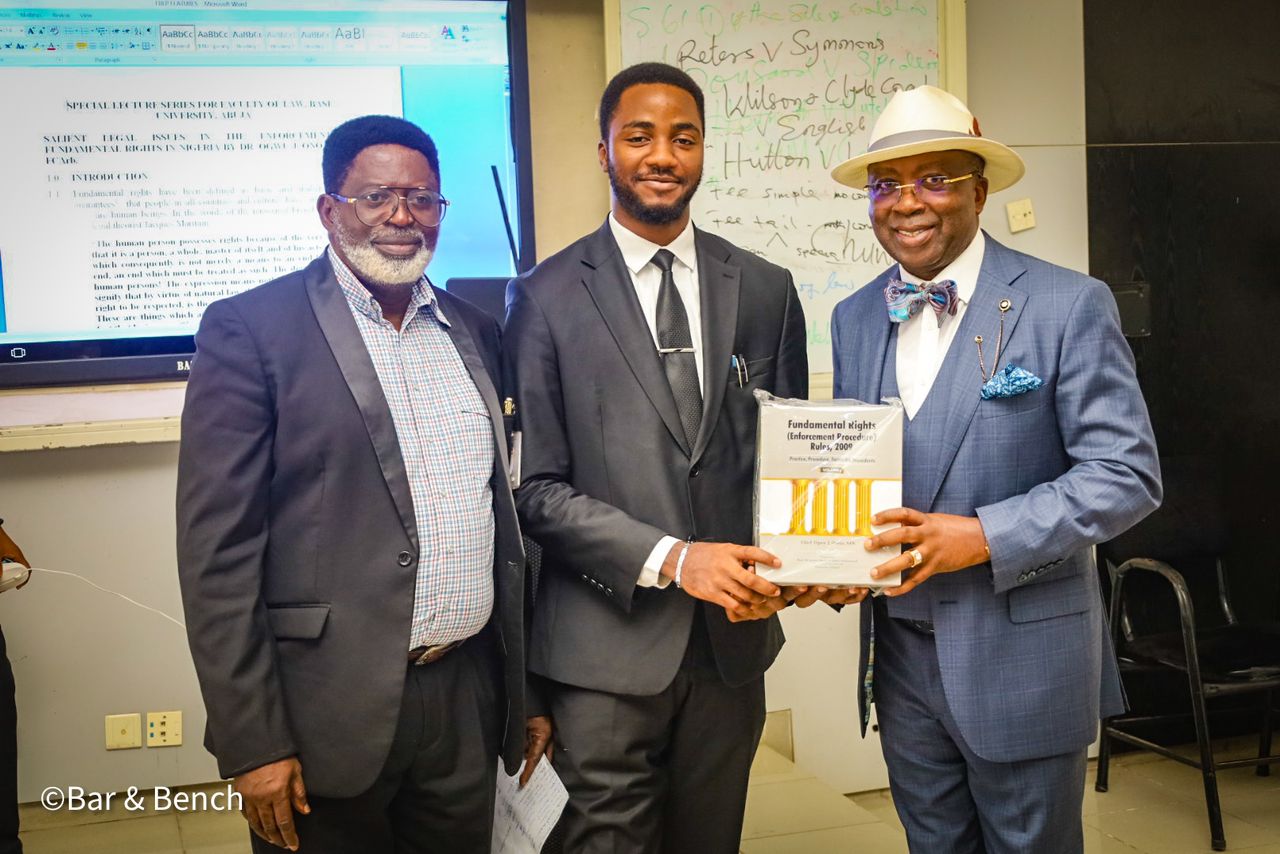
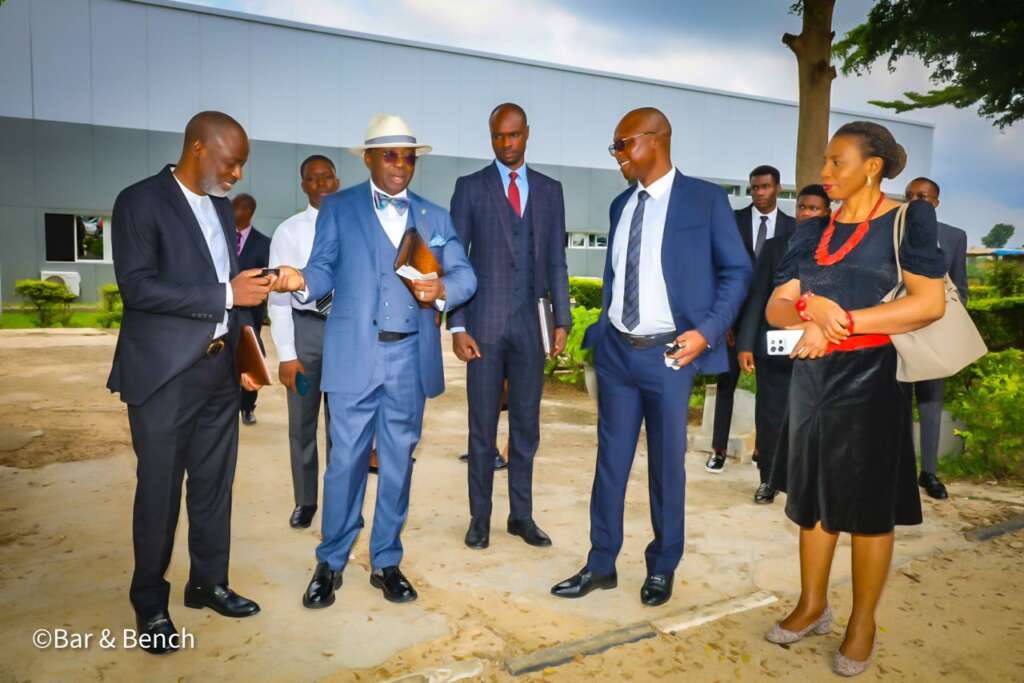
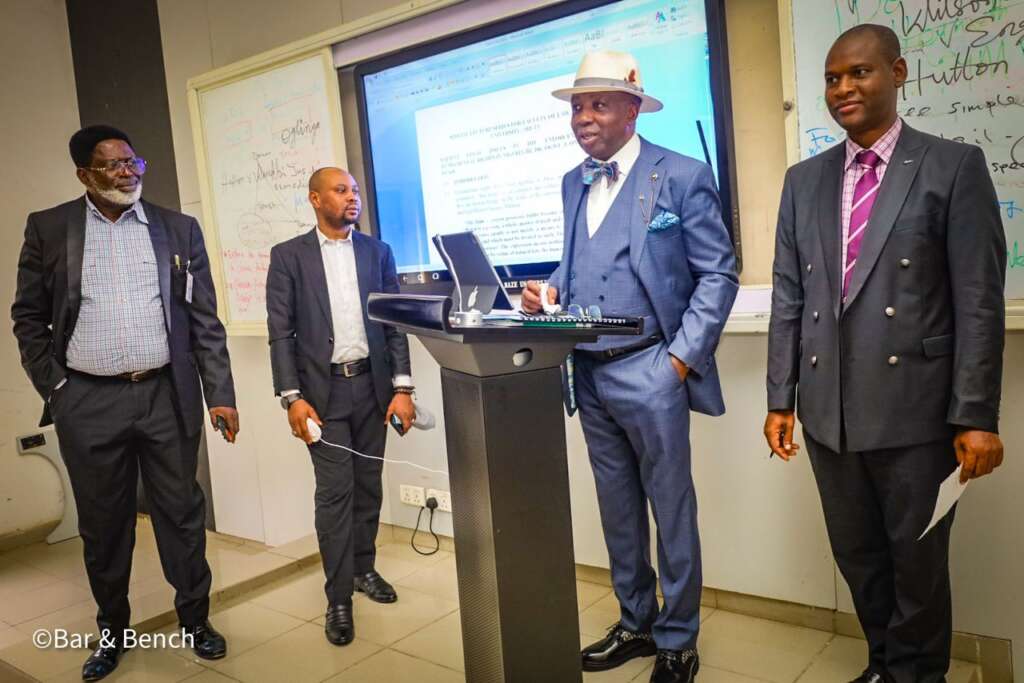
R-L: Dr. James Onoja, SAN, presenting his book FREP Rules to the LAWSAN President with the Dean, Prof Agbo Madaki by their side

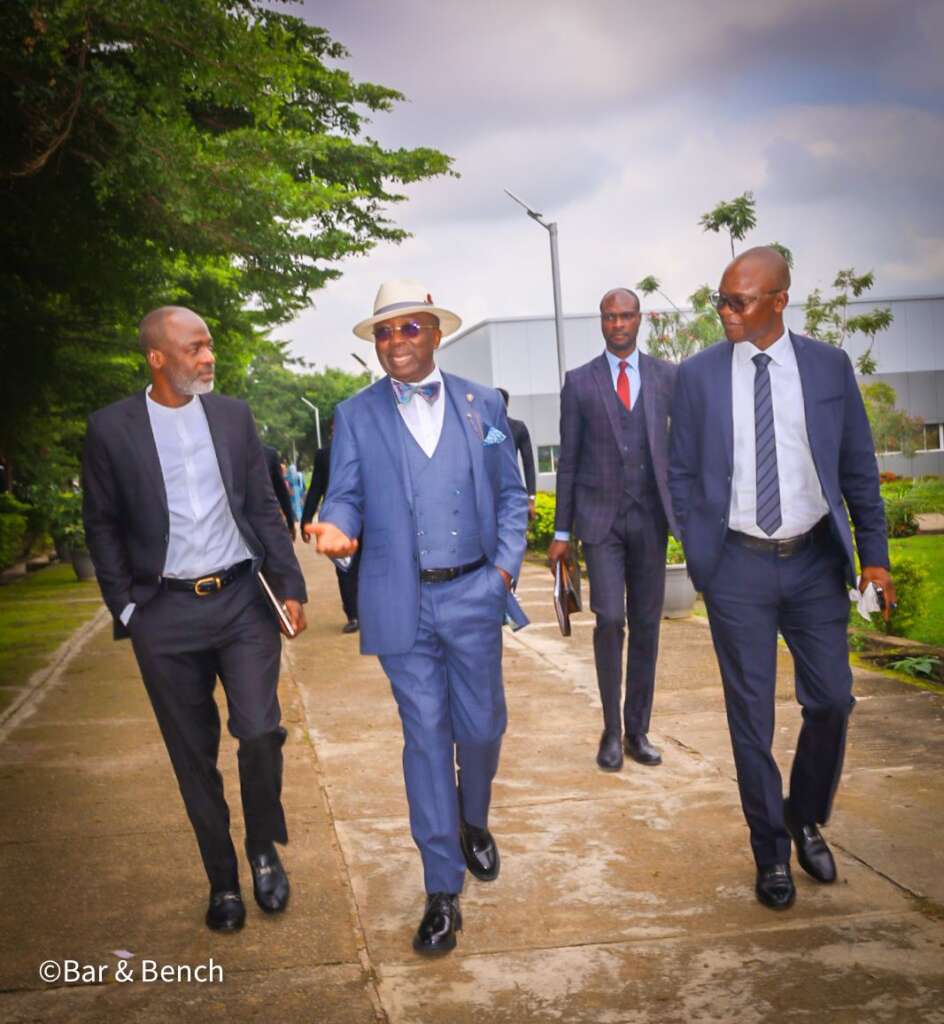
To improve the enforcement of fundamental rights in Nigeria, Senior Advocate of Nigeria, Dr. Ogwu James Onoja, has called for the amendment of section 46(1) of the Constitution to give jurisdiction to Magistrates’ Court to hear and determine fundamental rights cases.

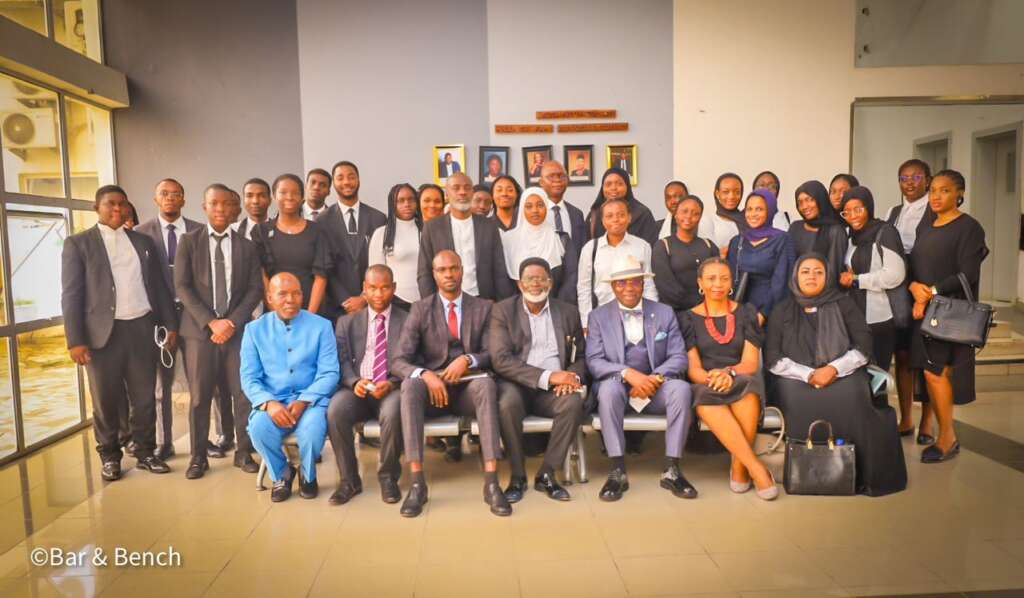
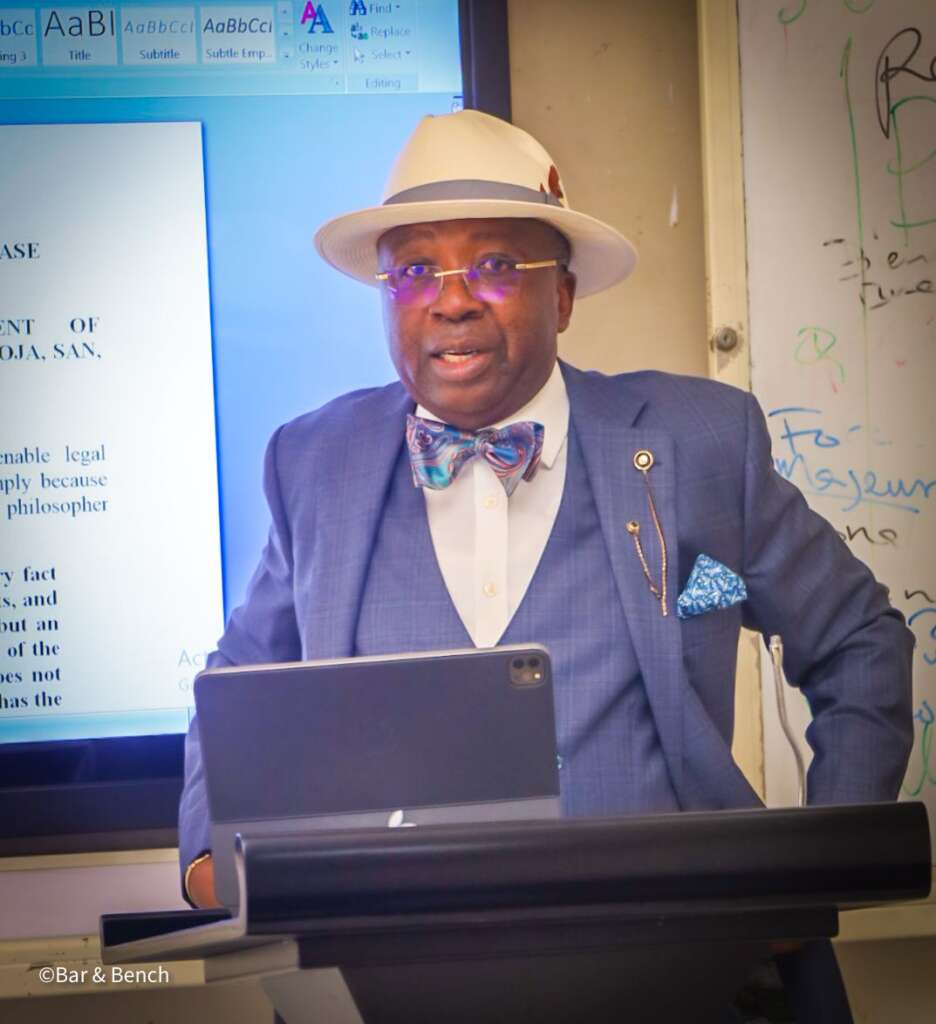
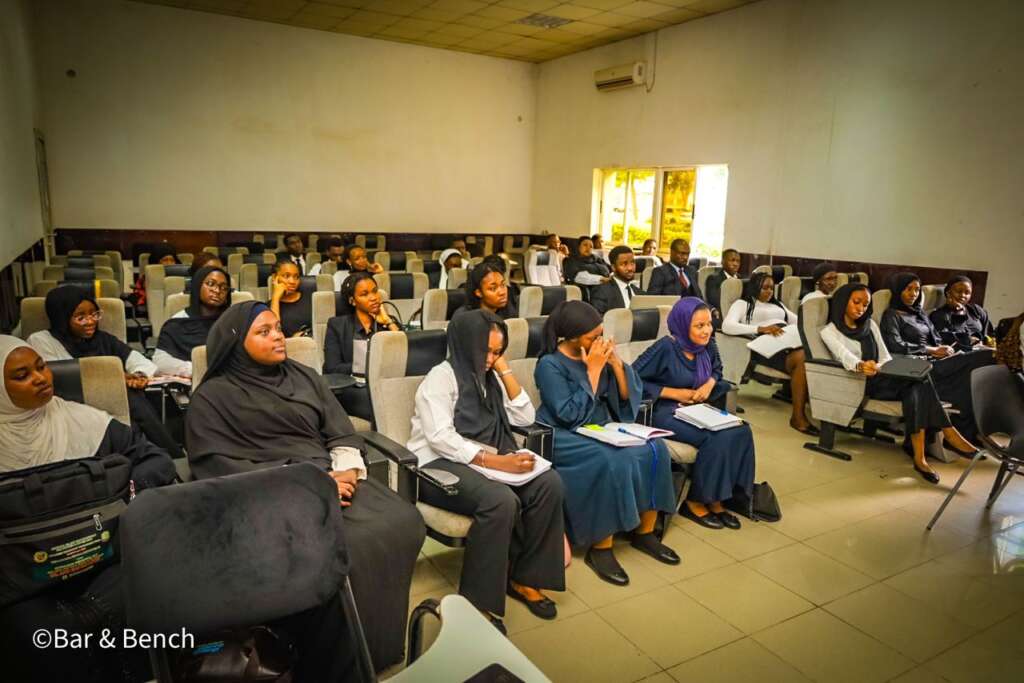
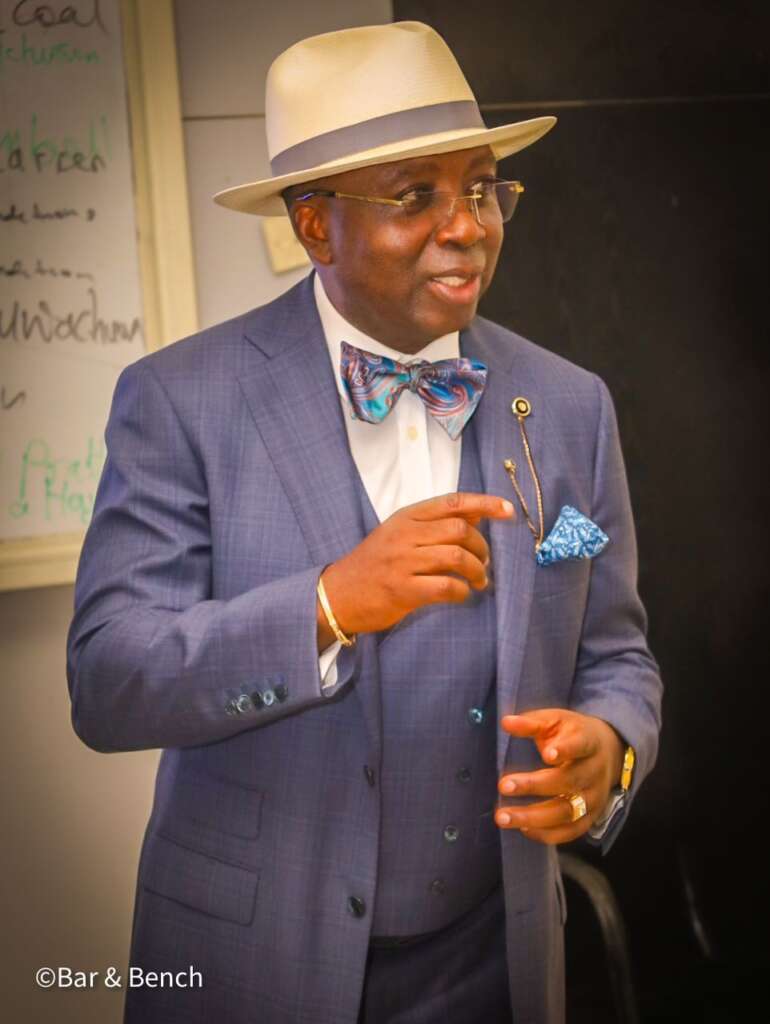
Delivering a paper titled: Enforcement of Human Rights Under the FREP Rules; Emerging Issues at the Faculty of Law, Baze, University in Abuja on Tuesday, Onoja who was a guest lecturer pointed out that to improve access to justice, institutions like the National Human Rights Commission and Public Defender bodies like Legal Aid Council of Nigeria must be empowered.


According to the Senior Advocate, “making the filing of fundamental rights free of filing fees,
education and enlightenment of the people on their fundamental rights through the media, workshops, and training for lawyers”will all go a long way to improving access to justice in Nigeria.

The Senior Advocate also donated several copies of his book— Fundamental Rights (Enforcement Procedure Rules), 2009 to the faculty and every student that attended the lecture. The book which costs N50,000 (fifty thousand naira) per set came in two volumes.

FREP-Rules-and-Acces-to-Justice-2

Click to download full text of paper.

Senior Advocate faults Supreme Court’s position over commencement of arbitral award enforcement

A Senior Advocate of Nigeria and International Arbitrator, Mrs. Dorothy Ufot has faulted the position of the Supreme Court which held that the enforcement of an award starts from the day of the contract breach, on the basis of the statute of limitation, than from the day the award was made.
Mrs. Ufot who was a speaker at a seminar organized by the College of Arbitrators, Nigeria commended the provision in the new Arbitration and Mediation Act which has amended that position by providing for enforcement to be due from the date an award is published.

She also noted that Nigeria will continue to be at the receiving end in international commerce unless conscious efforts are made to make our laws conform with international best practices as well as represent the daily changes in the political cum business world.

While observing that the length of time for bringing arbitration to a conclusion is one of the major constraints of arbitration and conciliation in Nigeria, Ufot remarked that one key area Nigeria must get right for it to become a preferred seat for arbitration is the area of enforcement.

However, she counselled lawyers to change the mindset and habit of fighting to the last “when it is obvious that they are losing the case”, adding that she had failed twice to enforce awards in favour of her clients in Nigeria.

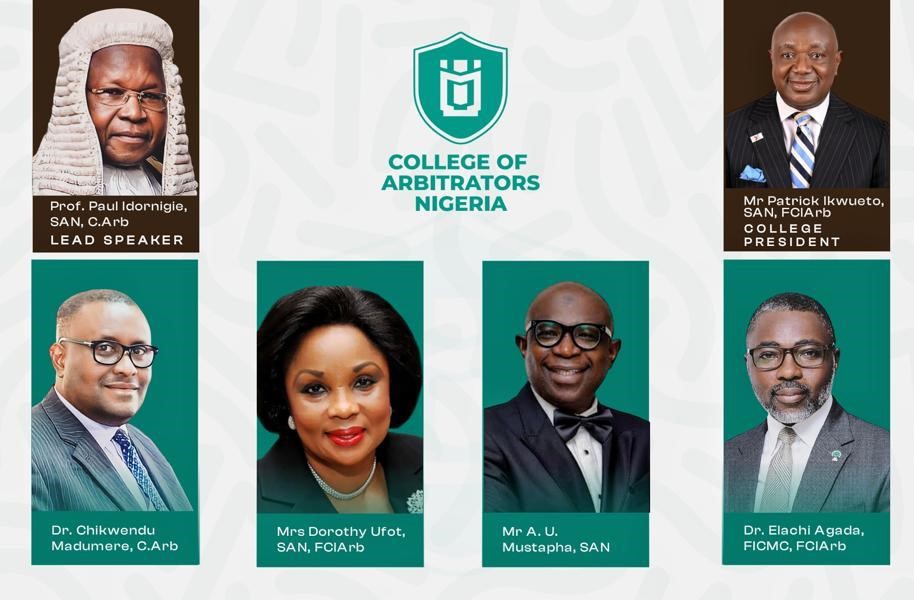
Giving an overview of the 2023 Act, notable arbitrator, and lead speaker at the seminar titled — The Arbitration and Mediation Act, 2023: Prospects and Challenges, Prof. Paul Idornigie, SAN disclosed that the new law has changed the landscape of arbitration, and additionally created a statutory framework for the practice of mediation, in the country.

Tracing efforts at making arbitration effective and efficient to the first bill sent to the National Assembly in 2006, Prof. Idornigie said he was overwhelmed with joy when the administration of President Buhari finally signed the bill into law, thereby bringing a happy ending to a journey of nearly two decades.
“When I got the news that the president had signed the bill, I was so happy, I started texting, I started sharing,” he said, “in fact, If the president had committed any sin before then at all, we forgive him.”
Amongst some of the benefits of the new Act, he said is the right of an Arbitrator to step down or remain when challenged by any party, adding that arbitrators now enjoy the immunity of judges in the regular courts.
He also commended the section, which provides for the court to appoint arbitrators within 30 days if parties agree to go into arbitration.
Other senior lawyers, who spoke at the event including Mr. Patrick Ikwueto, SAN, Mr. A.U. Mustapha, SAN, Dr. Chikwendu Madumere, and the representative of Dr. Elachi Agada, Ms Grace Ehusani, conceded that the signing of the bill into law on the eve of Buhari’s departure from office not only repealed the 35-year-old obsolete Arbitration and Conciliation Act, but has put the country on a strong pedestal to compete in international commerce and trade.
They, however, identified infrastructural deficit and insecurity as the major bane in the practice of arbitration in the country.

Earlier in his welcome address, the Faculty President of the College, Mr. Patrick Ikwueto, SAN noted that one of the best things to have happened to arbitration in Nigeria is the new Act and challenged members to use it to their advantage.
“We need to appraise the Act, look at the challenges, as well as the prospects,” he said.

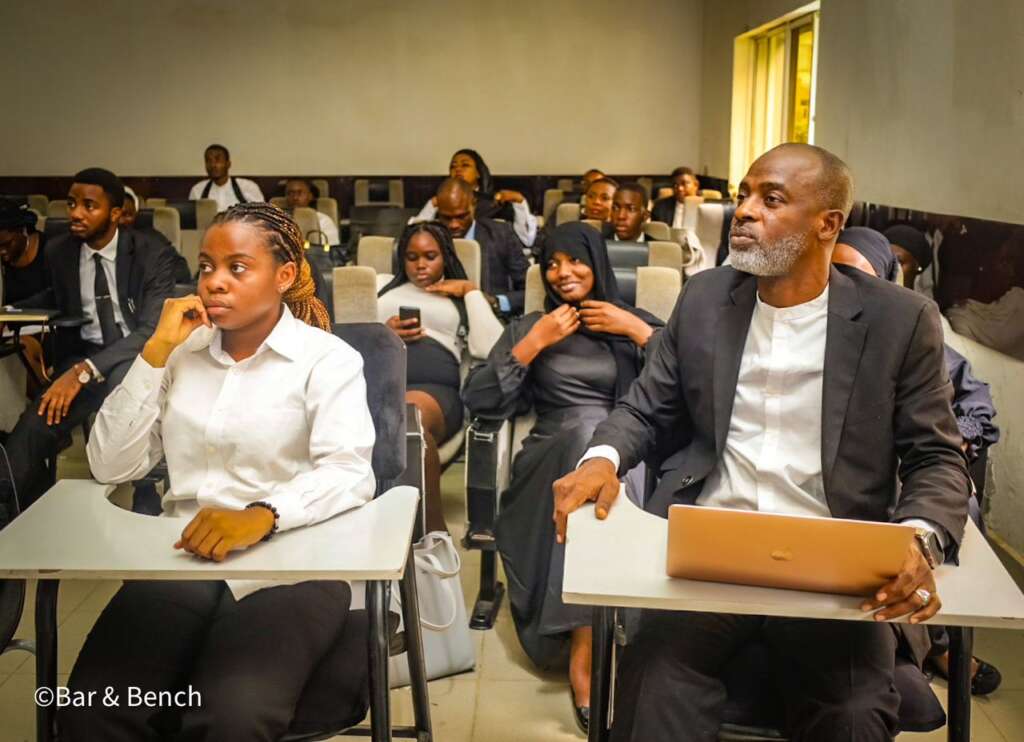
The seminar which was moderated by a member of the college, Chioma Onyenucheya-Uko, had an impressive attendance of judges, representatives of government entities and educational institutions, legal practitioners, and arbitration & ADR enthusiasts and practitioners.

Ronaldo is Instagram’s most-paid star, tops Messi, others

Portugal star, Cristiano Ronaldo, has turned into the most paid star on the web-based entertainment application, Instagram.
The 38-year-old footballer currently rounds up a faltering £1.87 million for every supported post, contrasted and American socialite, Kylie Jenner, 25, who procures £1.47 million for each post, Mail Online reports.

The Madrid and Manchester legend
flaunts a stunning 597 million followers on Instagram, while Kylie follows intently behind him with 397 million supporters.
Cristiano has seen enormous development on Instagram as of late, as he positioned in third put on the 2019 Instagram Rich Rundown procuring around £755,000 per supported post.

Kylie has an entire host of brands including Kylie Beauty care products and Kylie Swim while she likewise works with brands including extravagance French style brand Jean Paul Gaultier.

The Instagram Rich Rundown was examined by HopperHQ and depends on how much every client can charge for a solitary Instagram post.

The organization investigations information including normal commitment, how frequently they post, industry factors and the quantity of adherents one has.
Coming in third put on the latest 2022 Rich Rundown is footballer Lionel Messi with £1.38 million for every supported post.

Selena Gomez then, at that point, follows intently behind procuring £1.35 million for each post, while Dwayne Johnson is in fifth spot with £1.33million.
Kim Kardashian additionally made the best ten as she procures £1.31 million for each supported post, while her sisters Khloe Kardashian and Kendall Jenner positioned in 10th and tenth spot.

In the mean time, Ariana Grande came in seventh on the rundown, intently behind Kim with £1.3million per post, while Beyonce rounds up £1.08million for each post.

Cristiano beating the rundown is his most recent immense achievement after he was named the world’s most generously compensated competitor by Forbes toward the start of May, with his yearly income this year said to top £109million.

Cristiano made a £175million-move to the Saudi Star Association in January of this current year and the worthwhile switch pushed him back to the highest point of Forbes’ competitor rich rundown interestingly starting around 2017.
He likewise beat the rundown for the third time generally, with a general pay of £109 million, the most noteworthy figure from a footballer ever.

An expected £37million of that pay has come on the field – which Forbes says ‘mixes together his two agreements for this season and records for his short joblessness’ – while near twofold the sum has come through off-field supports.

Just three competitors in Forbes’ set of experiences have beaten his off-field all out of £72 million in a year: Roger Federer, Tiger Woods and Conor McGregor.

Patients’ Bill of Rights Domesticated in Katsina

By Francis Sardauna 

The Federal Competition and Consumer Protection Commission (FCCPC) has domesticated the Patients’ Bill of Rights (PBoR) in Katsina state to tackle the abuse of patients by some health workers in the state.

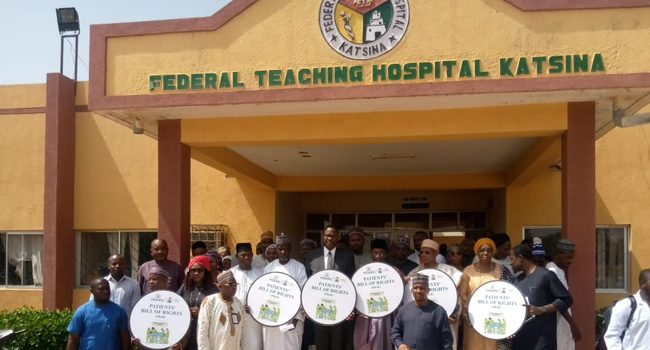
The PBoR was officially domesticated at the Federal Teaching Hospital, Heritage Specialist Hospital, and K-Dera Specialist Hospital in Katsina, the state capital.

The Executive Vice Chairman of  FCCPC, Mr. Babatunde Irukera, who spoke during the domestication of the bill, said the commission was committed to ensuring the protection of patients’ rights.

He explained that the PBoR, which was promulgated by the commission in 2018, seeks to ensure the protection of patients’ rights, cleanliness, and proper medical attention from health workers.

He said the domestication of the bill in the health facilities would enable patients to recognise their responsibilities in interfacing with the care providers in order to improve the quality of healthcare in the state.

Irukera said: “I strongly believe that this will improve the quality of healthcare, especially in the delivery process. It will increase empathy, sensitivity, and responsiveness in the healthcare sector.

“It has been tested and proven already. We are delighted because reputable public and private health institutions in Katsina stand up and are participating in the domestication of the bill,” he said.

In his remarks, the Chief Medical Director, of Federal Teaching Hospital Katsina, Dr. Suleiman Bello, said the hospital would ensure the implementation of the patient’s bill of rights.

He said the implementation of the domesticated bill would foster a healthcare delivery system that “is truly patient-centered” and compassionate while ensuring that every person received the care they deserved.

According to him,  “As an institution, we will ensure that these rights are not just on paper but are respected and implemented in all circumstances.”

Credits: ThisDay

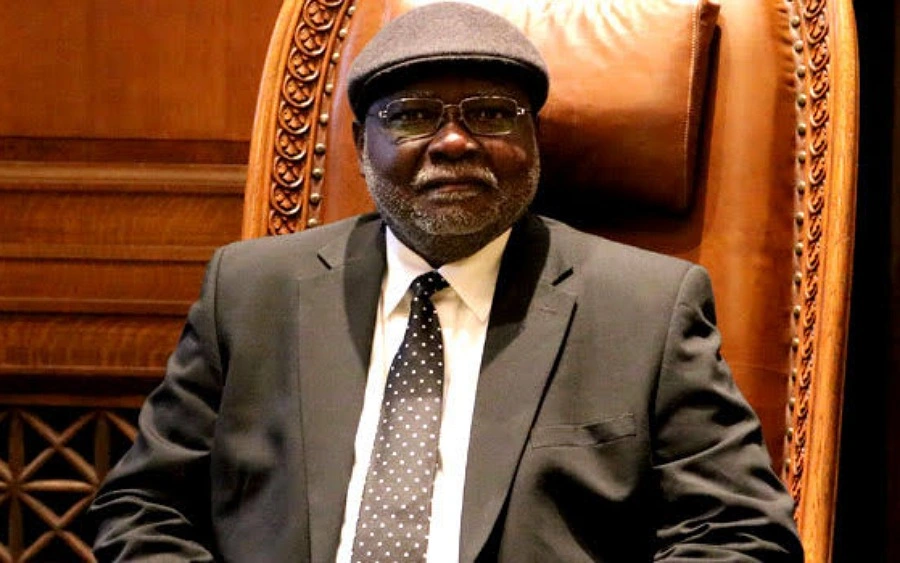
The trials of Justice Ariwoola

By Casmir Igbokwe

Brother Jero is a self-acclaimed prophet who preaches on the Bar Beach in Lagos. He is also a manipulator and a religious hypocrite. In The Trials of Brother Jero, a play by Professor Wole Soyinka, Brother Jero is able to retain the subservience of his gullible followers by convincing them that they will soon fulfill their desires to acquire money, power and social status.

Unfortunately, many Nigerians now see the Chief Justice of Nigeria (CJN), Justice Olukayode Ariwoola, and the arm of government he heads, through the manipulative prism of Brother Jero. This explains why people now manufacture negative stories against the CJN and some of his brother justices without qualms. Recently, the news went round that Justice Ariwoola had a telephone conversation with President Bola Tinubu and the Director-General of the Department of State Services (DSS) on the ongoing presidential election petition case. The Supreme Court of Nigeria has since denied this story.

The apex court also debunked the story that flew around last March that Ariwoola flew to London, disguised in a wheelchair, to see Tinubu on the pretext of going for medical treatment. The Director of Press and Information of the court, Akande Festus, noted in a recent statement that if the current trend of falsehood and mudslinging was sustained, “our nation may not make the desired progress.” He assured the public that justice would be done to all matters pending in the various courts across the country, irrespective of who was involved.

Good. But, a lot of Nigerians are not impressed with this assurance. Last week, fake news merchants publicized the ‘resignation’ of a member of the Presidential Election Petitions Court (PEPC), Justice Boloukuoromo Ugo. The false story indicated that some unnamed people were piling pressure on Justice Ugo to cripple the independence of the judiciary by ruling in favour of a particular candidate in the ongoing case. Tired of this pressure and unwilling to go against his conscience, Ugo purportedly resigned. Like the Supreme Court, the Court of Appeal also debunked this story.

We are still waiting for the Supreme Court to deny the other negative news that the government of the United States of America slammed a visa ban on the CJN himself and six other members of the Supreme Court, including Musa Dattijo Mohammed, Centus Nweze, and Kudirat Kekere Ekun. The purported ban was over their alleged delivery of controversial and inciting judgements.

For instance, the Supreme Court upturned the judgements of the High and Appeal Courts to declare the current Senate President, Godswill Akpabio, and his predecessor, Ahmad Lawan, the senatorial candidates of their zones in the 2023 general election. The two candidates were presidential aspirants of the All Progressives Congress (APC). But when they lost to Bola Tinubu in the presidential primaries, they came back to snatch the senatorial positions in connivance with their party. Akpabio displaced Udom Ekpoudom who had won the Akwa Ibom North-West Senatorial primary election. Lawan displaced Bashir Machina, who won Yobe North senatorial district primary election. This is in contravention of Section 115(d) of the Electoral Act which forbids anyone from signing a nomination paper or result form as a candidate in more than one constituency at the same election. Today, Lawan and Akpabio are back in the Senate courtesy of the Supreme Court.

People still remember how the Supreme Court, in January 2020, catapulted Mr. Hope Uzodimma of the APC from fourth position to first in the Imo State governorship election petition of 2019. He displaced Emeka Ihedioha of the PDP from the governorship seat.

Most times, our judges resort to technicalities whenever they want to rule in favour of their preferred candidate. This is despite warnings against this by the Supreme Court. The Chairman of the five-man Presidential Election Petition Court, Justice Haruna Tsammani, warned at inception of the panel, that they would not tolerate delay tactics or technicalities that might derail the cause of justice. The justices pledged to be fair to all parties and to look at the 2023 election petitions dispassionately.

Many Nigerians hope the justices fulfill their promise. They pray that the scenario, which former Senator Adamu Bulkachuwa enacted during the valedictory session of the ninth Senate, does not recur. Bulkachuwa said he had helped some of his colleagues in their cases when his wife, retired Justice Zainab Bulkachuwa, was the President of the Court of Appeal. His revelation didn’t go down well with a lot of Nigerians.

The rot in the judiciary had angered the Body of Senior Advocates of Nigeria (BoSAN). Sometime last year, BoSAN lamented that some of the justices of the Court of Appeal and Supreme Court were not competent because they were made judges on quota system basis without much consideration for merit. This probably explains the concern of some Nigerians about the appointment of Ariwoola’s son, Olukayode Ariwoola jnr., as a Federal High Court judge. Many people see it as a wrong decision, being that Ariwoola is head of the National Judicial Council (NJC) that made the recommendation for the appointment. For me, if the son is qualified to be a judge, why not. He should not be denied that privilege because he is the CJN’s son. It is only bad if he is not qualified, or if he was given undue advantage over others because of his privileged position as the CJN’s son.

The point is, many Nigerians have a jaundiced view of our current judicial system. People want a change. They desire a system where the rule of law prevails. They wish for a true democracy where bad leaders can be voted out through the ballot.

A corrupt judiciary is the bane of achieving this true democracy. It is not for nothing that that arm of government is seen as the last hope of the common man. But, in Nigeria, it appears to be the major hope of the oppressor. That is why the joke in town today is, “go to court”. This is mimicry of the statements of some of our political leaders who benefit from the injustice emanating from our courts today.

We need to redeem the image of our judiciary. The first step is to grant it financial autonomy. A situation where the judicial arm goes cap in hand to ask for funds from the executive is abnormal. It has to stop because it gives room for politicians to manipulate the judiciary for their selfish interests.

Besides, the NJC should sanction judges found to have compromised their position one way or the other. It has done it before when it sanctioned Justice Stanley Nnaji (now late) and Wilson Egbo-Egbo for professional misconduct. z

Nevertheless, he who goes to equity must go with clean hands. The CJN and other top judicial officers must be clean so as to have the moral authority to sanction others. If judges refuse to be lured by the filthy lucre; if they dispense justice without fear or favour; if they put the survival of Nigeria first before any other thing, then people may begin to have confidence again in their judgements. A lot of Nigerians are traumatized by the conduct of the last general election. Their only hope now lies in the judiciary. Justice Ariwoola should sanitize that institution or, like Brother Jero, go down the road of infamy with opprobrium.

NDLEA arrests drug lord while giving mule 93 cocaine wraps to swallow in Lagos hotel

  • Recovers 12.4m pills of opioids, 6,921.5kg Skunk; destroys 33 hectares of cannabis farms in Ondo, Edo; intercepts another Colorado shipment from Canada

It was a rude shock to a notorious drug kingpin who specializes in sponsoring young Nigerians to traffick Class A drugs to Europe especially Italy, when operatives of the National Drug Law Enforcement Agency, NDLEA, stormed his hotel room in Okota area of Lagos late on Friday, 21st July when he was preparing a recruited courier to swallow 93 pellets of cocaine meant for distribution in Italy.

According to Director, Media and Advocacy NDLEA, National Headquarters Abuja, Femi Babafemi, the 48-year-old drug kingpin, Charles Uwagbale, had recruited Uju Dominic, 35, from his base in Italy with a deal to come to Nigeria, ingest 100 pellets of cocaine on Friday 21st July and return to Italy on Saturday 22nd July.

True to plan, upon the arrival in Nigeria, the mule was lodged in Golden Heaven Hotel located at Enoma street off Ago-Palace way, Okota, Isolo, Lagos where Uwagbale brought 93 wraps of the Class A drug for him to swallow at about 23:45pm Friday night.

They were in the process when NDLEA operatives who have been on their trail following credible intelligence stormed their hotel room, arrested both and recovered the drug exhibits with a total weight of 1.427 kilogrammes. Operatives of the Lagos state Command of the Agency who made the arrest and seizure had on Thursday 20th July raided Akala in Mushin area of the state where they recovered 37.5kg cannabis from the home of a fleeing suspect.

Meanwhile, attempts to smuggle 98 cartons containing Five Million One Hundred and Twenty Two Thousand Nine Hundred (5, 122, 900) pills of Tramadol 225mg with an estimated street value of about Three Billion Seven Hundred Million Naira (N3.7billion) only into Nigeria through the Murtala Muhammed International Airport, MMIA, Ikeja, have been thwarted through the robust synergy between men of the Nigeria Customs Service and NDLEA officers at the airport as well as those at the DHL cargo warehouse. Preliminary findings revealed that the consignments were imported from India and Pakistan, while some of the seized consignments had Freetown, Sierra Leone as final destination.

In the same vein, NDLEA operatives in Bauchi state have recovered a total of Six Million Two Hundred and Sixty-Five and Eighty (6,265,080) pills of opioids from three suspects: Emmanuel Onyebuchi, 32; Uche Iyida, 33; and Chinedu Ezeanyim, 32 following their arrest alongside a truck driver and his assistant at Shopping Complex, Maiduguri Bye-Pass, Bauchi town on Wednesday 19th July and the subsequent follow up search of the residence of Iyida on Friday 21st July.

No fewer than Nine Hundred and Ninety-Nine Five Hundred (999,500) tablets of Exol-5 were also recovered by operatives from a shop close to the market at Hong Road, Gombi, Adamawa state on Friday 21st July, while 46,000 capsules of tramadol were seized from a suspect, Paul Ajaegbu, 36, along Owerri – Aba road, Imo state on Monday 17th July. Same suspect had earlier been arrested, precisely on 9th February 2023, for the same offence.

In Ondo state, NDLEA operatives in their numbers stormed the Ofosu forest where they destroyed 29 hectares of cannabis farms on Thursday 20th July. The quartet of Osamezu George Chukwuemeka, 51, who owns the farm; his wife Kate Osamezu, 43; Agboola Wasiu, 37 and Mustapha Sanni, were arrested during the operation, while 118.5kg processed cannabis was recovered from the farm. In another raid of the warehouse of a suspect at Elegbeka, Ose LGA, not less than 107 jumbo bags of the same illicit substance weighing 1,132.5kg were recovered on Monday 17th July.
While operatives in Sokoto state arrested a suspect, Charles Nwankwo, 50, with 610kg of cannabis in Tamaje area of Sokoto on Friday 21st July, their counterparts in Yobe also same day nabbed a fleeing suspect Shaibu Musa, 29, in Dawasa while he was offering them a bribe of N500,000 following the seizure of 36kg skunk in his house on Wednesday 19th July.

In Edo state, operatives on Monday 17th July raided the Utese forest Ovia North East LGA where they arrested Victor Asukwo Jack, with 59 bags of processed cannabis sativa weighing 640kg. His two cannabis farms measuring 1.489895 hectares and 2.445295 hectares were destroyed. Also, Endurance Chukwuma, 50, was arrested with seven bags of processed cannabis sativa weighing 68kg, while his cannabis farm measuring 0.254324 hectares was destroyed.

A total of 273kg cannabis was earlier intercepted in a Toyota Sienna Vehicle marked RBC 451 CM on Wednesday 19th July at Ogida, Benin City, and a suspect, Lucky Oriakhi, 41, arrested while operatives also seized 48,380 pills of tramadol in a commercial bus marked KAK 66 XA along Ewohimi road, heading to Kabba, Kogi state and arrested the driver, Ibrahim John. In Nasarawa, two suspects: Abubakar Suleiman, 30 and Shehu Garba (aka Shagari), 29 were arrested along Keffi – Akwanga road on Tuesday 18th July in a Peugeot J5 vehicle loaded with 1,608.4 kilograms of cannabis sativa. The consignment was loaded in Edo state and meant for distribution in Bauchi state.

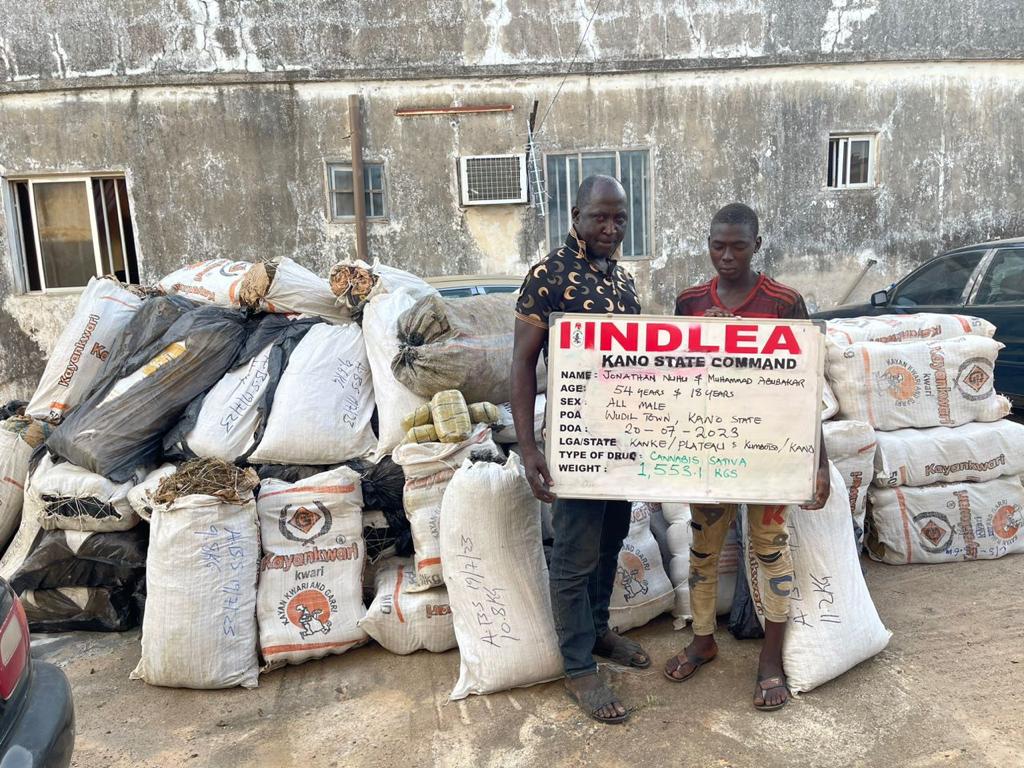
While a total of 1,556.1kg of cannabis was recovered from two suspects: Jonathan Nuhu, 54 and Mohammed Abubakar, 18, following their arrest at Wudil area of Kano State on Thursday 20th July, 76kg of same substance was seized from Yakubu Muhammad, 32, on Monday 17th July along Okene/Lokoja highway in a trailer coming from Port Harcourt to Kano. In the same vein, operatives in Ogun state on Wednesday 19th July, recovered 810 parcels of cannabis weighing 604kg from the house of one Adetunji Abiodun.

Fresh bid to smuggle into Nigeria, another consignment of Colorado, a synthetic variant of cannabis, through the Tincan port in Apapa Lagos was again on Friday 21st July frustrated by NDLEA officers who discovered a total of 323 parcels of the illicit substance weighing 161.5kg concealed in one of the four used vehicles in a container marked MEDU 7519460 coming from Montreal, Canada, during a joint examination of the shipment.

At least, three suspects are currently in NDLEA custody over the shipment while a bribe of N20 million converted to $22,900 offered operatives by the importers agents has also been recovered and documented as evidence.

Impressed by the volume of arrests and seizures made by officers and men of MMIA, Lagos, Bauchi, Adamawa, Ondo, Sokoto, Yobe, Edo, Imo, Kano, Kogi, Ogun, Nasarawa and Tincan Commands in the past week, Chairman/Chief Executive Officer of NDLEA, Brig. Gen. Mohamed Buba Marwa (Retd) commended them for jobs well done while he urged them and their counterparts across the country to continue the synergy with other security agencies and stakeholders in the fight against substance abuse and illicit drug trafficking.


“Unlawful regulations on customers’ social media handles” – SERAP sues CBN

A civil rights organisation, Socio-Economic Rights and Accountability Project (SERAP) has instituted an action against the Central Bank of Nigeria (CBN) over “the failure to delete the patently unlawful provisions in the Central Bank of Nigeria (Customer Due Diligence) Regulations directing banks to obtain information on customers’ social media handles for the purpose of identification.”

Last month, the apex bank issued a circular directing banks and other financial institutions to implement and comply with the mandatory provisions on customers’ social media handles in the CBN Regulations.”

SERAP in the suit— FHC/L/CS/1410/2023, filed last Friday at the Federal High Court in Lagos is seeking: “an order of mandamus to direct and compel the Central Bank of Nigeria to withdraw its directive dated 20th June 2023 to banks and other financial institutions to obtain information from customers’ social media handles.”

The organisation is also seeking: “an order of mandamus to compel the CBN to delete the unlawful provisions of Section 6 of its Customer Due Diligence Regulations, 2023 for being inconsistent with Section 39 of the Nigerian Constitution 1999 [as amended] and Article 9 of the African Charter on Human and Peoples’ Rights” as well as:

“An order restraining the CBN from carrying out or giving effect to the unlawful provisions of Section 6 of its Customer Due Diligence Regulations, 2023 directing banks and other financial institutions to obtain information from customers’ social media handles.”

SERAP in their application aver that: “The mandatory requirement of social media handles or addresses of customers does not serve any legitimate aim. Such information may be used to unjustifiably or arbitrarily restrict the rights to freedom of expression and privacy.”

It is also their argument that: “Unless the reliefs sought are granted, the CBN will implement and enforce the unlawful directive in contravention of citizens’ rights to freedom of expression and privacy.”

SERAP insists that: “There are other means of identification such as passport, driver’s licence, Bank Verification Number (BVN), and Tax Identification Number (TIN), which banks and other financial institutions already require their customers to provide.”

They added that: “The additional requirement of obtaining details of a customer’s social media handle or address fails to meet the requirements of legality, necessity, and proportionality,” and that, “the facts that there are sufficient means of identification for CBN, banks, and other financial institutions to rely on to meet the requirement of Know Your Customer also heighten concerns of overreach, and confer far-reaching discretion on banks and financial institutions.”

Part of the suit filed by SERAP’s lawyers —Kolawole Oluwadare and Ms. Blessing Ogwuche, reads: “Obtaining information on customers’ social media handles or addresses as means of identification is more intrusive than necessary.”

“According to Section 6(a)(iv) of the CBN Regulations, banks and other financial institutions ‘shall identify their customer and obtain information on the social media handle of the customer.’ Section 6(b)(iii) contains a similar provision.

“The purported mandatory requirement would inhibit Nigerians from freely exercising their human rights online. If obtained, such information may also be misused for political and other unlawful purposes.

“The CBN Regulations and directive to banks and other financial institutions would impermissibly restrict the constitutional and international rights to freedom of expression, privacy and victims’ right to justice and effective remedies.

“Requiring social media handles or addresses of customers as a means of identification would have a disproportionate chilling effect on the effective enjoyment by Nigerians of their rights to freedom of expression and privacy online.

“The requirement of necessity implies an assessment of the proportionality of the grounds, with the aim of ensuring that the excuse of ‘regulations on customer due diligence’ is not used as a pretext to unduly intrude upon the rights to freedom of expression and privacy.

“The CBN Regulation does not demonstrate how the use of social media handle or address as a means of identification would serve to improve banks and other financial institutions’ ability to implement and comply with the laws and regulations relating to customer due diligence.

“The Directive by the CBN, which does not in any event carry the force of law, also fails to provide any explanation as to how social media handles or addresses can facilitate compliance with regulations relating to customer due diligence.

“Obtaining the details of customers’ social media handles or addresses would unduly interfere with the rights to freedom of expression and privacy. It would also be disproportionate to any purported legitimate aim that the CBN seeks to achieve.

“The cumulative effect of any attempt to access details of customers’ social media handles or addresses would be to undermine the letter, substance, and spirit of the rights to freedom of expression and privacy of Nigerians.

“The effective enjoyment of these fundamental rights constitutes a fundamental pillar for building a democratic society and strengthening democracy.

“The positive obligations on Nigeria to ensure the rights to freedom of expression and privacy will only be fully discharged if individuals are protected against violations by institutions like the CBN.

“The Nigerian Constitution guarantees in Section 39 the right to freedom of expression and in Section 37, the right to privacy.

“Article 19 of the International Covenant on Civil and Political Rights and Article 9 of the African Charter on Human and Peoples’ Rights also guarantee the right to freedom of expression. Article 17 of the Covenant also guarantees the right to privacy.

“In particular, Article 19(1) of the Covenant establishes the right to freedom of opinion without interference. Article 19(2) establishes Nigeria’s obligations to respect and ensure ‘the right to freedom of expression,’ which includes the freedom to seek, receive and impart information and ideas of all kinds, regardless of frontiers.

“Under article 19(3), restrictions on the right to freedom of expression must be ‘provided by law’, and necessary ‘for respect of the rights or reputations of others’ or ‘for the protection of national security or of public order (ordre public), or of public health and morals.

“The principles of legality, necessity, and proportionality, apply to the right to privacy in the same manner as they do to freedom of expression and other fundamental freedoms.

“Restrictions to the rights to freedom of expression and privacy that do not comply with the elements of legality, legitimate purpose, and necessity and proportionality shall be deemed unlawful.”

No date has been fixed for the hearing.

Former minister arrested after attendants stole $1m from house

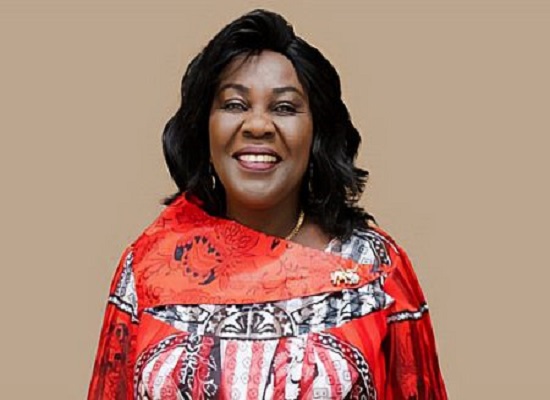
One-time Minister of Sanitation in Ghana, Cecilia Abena Dapaah, who resigned over the weekend after her house workers allegedly stole more than $1 million in cash from her home, has been arrested for suspected corruption.

Confirming the arrest, special prosecutor, Kissi Agyebeng said Dapaah was placed under arrest on Monday “in respect of suspected corruption and corruption-related offences regarding large amounts of money.”

Although the ex-Minister has denied any involvement in crimes, the matter has drawn sharp criticisms from Ghana’s opposition, which questioned how a minister could have such huge amounts of cash in her home.

Ghana’s special prosecutor’s office deals with cases of corruption involving public officials, judges, or senior political party members.

However, some public affairs analysts in Nigeria maintain that such an arrest or prosecution is unlikely to happen in Nigeria as several public officials that have been linked with stacking huge sums of money at home and elsewhere are walking about free.

In November 2022 operatives of the Economic and Financial Crimes Commission (EFCC) claimed to have discovered billions of Naira in cash stashed in various houses of some serving governors.
Then EFCC Chairman, Abdulrasheed Bawa earlier hinted that three serving state governors were being monitored over their moves to launder stashed billions of naira through the payment of salaries to workers.

Similarly, the anti-corruption unit discovered more than $43 million at an upscale apartment in Lagos in April 2017, and later that year when the National Assembly commenced a probe of the Nigerian National Petroleum Corporation, (NNPC) over allegation of unremitted fuel subsidy funds to the tune of N5.1 trillion collected between 2006 and 2015, the Senate raised the alarm that corrupt politicians now hide stolen money in caskets and uncompleted buildings in remote villages.

The Ghana Sanitation minister’s arrest came as President Nana Akufo-Addo’s government deals with the country’s worst economic crisis in years, which has pushed Ghana to seek a $3 billion loan from the IMF.

Akufo-Addo’s ruling NPP party is preparing for primaries later this year to choose its candidate to run in next year’s election.

In her statement on Saturday, Dapaah handed in her resignation, saying she did not want to be a “hindrance” to the government, but rejected reports of such large amounts of cash at the family home.

Dapaah said: “I am resigning therefore because I do not want this matter to become a preoccupation of government and a hindrance to the work of government.”

According to court documents, the two domestic workers face charges of stealing $1 million, 300,000 euros, and millions of local Ghanaian cedis, as well as clothing. from a bedroom last year.

Akufo-Addo on Sunday accepted the resignation and applauded the former minister for her loyalty and “devotion”, his spokesman said.

But former Ghanaian leader, John Dramani Mahama, who is the opposition NDC candidate for the 2024 election, described the incident as “scandalous”.

“$1m + €300k and millions of GHS in a Ghanaian Minister’s home? Scandalous!! Even if genuinely acquired, why keep millions of hard currencies at home?” he wrote on his Twitter account.

“Will Akufo-Addo ever set a good example for public office holders in his administration?”

A good governance advocate, Baffour Agyeman-Duah, has called on the ombudsman to probe the case.

“A lot is going through people’s minds. It involves a high-ranking public official so the Office of the Special Prosecutor must take it up just to clear any doubts,” he told AFP.

Senator Mao Ohuabunwa loses wife

The former Leader of the ECOWAS Parliament and former Senator representing Abia North in the eighth Senate, Senator Mao Ohuabunwa, has lost his wife, Lady Nimi Faith Ohuabunwa.

Lady Ohuabunwa, a lawyer, passed away in an Abuja hospital over the weekend after battling a prolonged illness.

The announcement of her death was made in a statement issued by Mazi Sam Ohuabunwa, the Head of the Ohuabunwa dynasty and former President of the Pharmaceutical Society of Nigeria.

The statement, which was released on Monday and shared with Vanguard, expressed the family’s profound sorrow and submission to God’s will.

It reads: “With a deep heart of pain and total submission to the will of God, the entire Ohuabunwa dynasty announces the passing on to glory of Lady Barr. Nimi Faith Ohuabunwa, the wife of Senator Mao Ohuabunwa, whose death occurred on the 22nd of July, 2023. May her gentle soul rest in peace.”

During Lady Ohuabunwa’s last birthday on March 23, 2023, Senator Ohuabunwa had expressed heartfelt admiration for her in a goodwill message.

He described her as a true companion and a great source of inspiration in his life. He referred to her as a “priceless jewel, best companion, counsellor, and motivator.”

The former Leader of the House of Representatives also praised her as a woman of excellence, a caring wife, and a mother with a compassionate and kind-hearted nature.

An adventure in Ghana

By Dr. Michael Dike

I had embarked on many adventurous trips, but my last journey to Ghana has perpetually remained engraved in my memory. I had been invited to Ghana to deliver a medico-scientific paper to a group of fellow family doctors at a conference. Ghana is a vibrant country located in West Africa. I must say that traveling to Ghana by road and navigating through unfamiliar roads and landscapes of West Africa, encountering diverse wildlife, and experiencing different climates is not only immensely pleasurable but also contributes to a sense of excitement and wonder.

My journey to Ghana began from Lagos with high hopes and excitement. In fact, from the moment I left Lagos and arrived in Ghana, there was no dull moment. As I was getting closer to Ghana, I witnessed through the window of the bus an ever-changing scenery that provided a sense of awe and wonder at the natural beauty of Ghana.

Upon arriving in Ghana, I was immersed in the rich culture and warm hospitality of the Ghanaian people. One of the first places I visited was Elmina in Ghana’s Central Region, where I participated in the conference and delivered my paper. After the conference, I traveled to Accra to spend a few days with some of my medical doctor friends at the University of Ghana, Legon. I was able to socialize with many people from various strata of Ghanaian society – taxi drivers, buyers, sellers, passers-by, and some students from the nearby University of Cape Coast.

Afterward, I headed to the lush rainforests of Kakum National Park. Walking along the Canopy Walkway, suspended high above the ground, I felt a mix of fear and awe as I observed the breathtaking views of the forest below. Ghana’s beautiful coastline was another highlight of the trip. I spent lazy days on the sandy beaches of Busua, enjoying the warm sun and the sound of waves crashing on the shore.

Ghana is a safe haven. There is no insecurity of lives and property in Ghana. In Ghana, you can leave the doors of your house ajar, and no armed robber or kidnapper would stroll in to rob or kidnap you. In Ghana, you can freely stop in small villages, visit local markets, and engage with friendly Ghanaians, learning about their traditions, music, dance, and art.

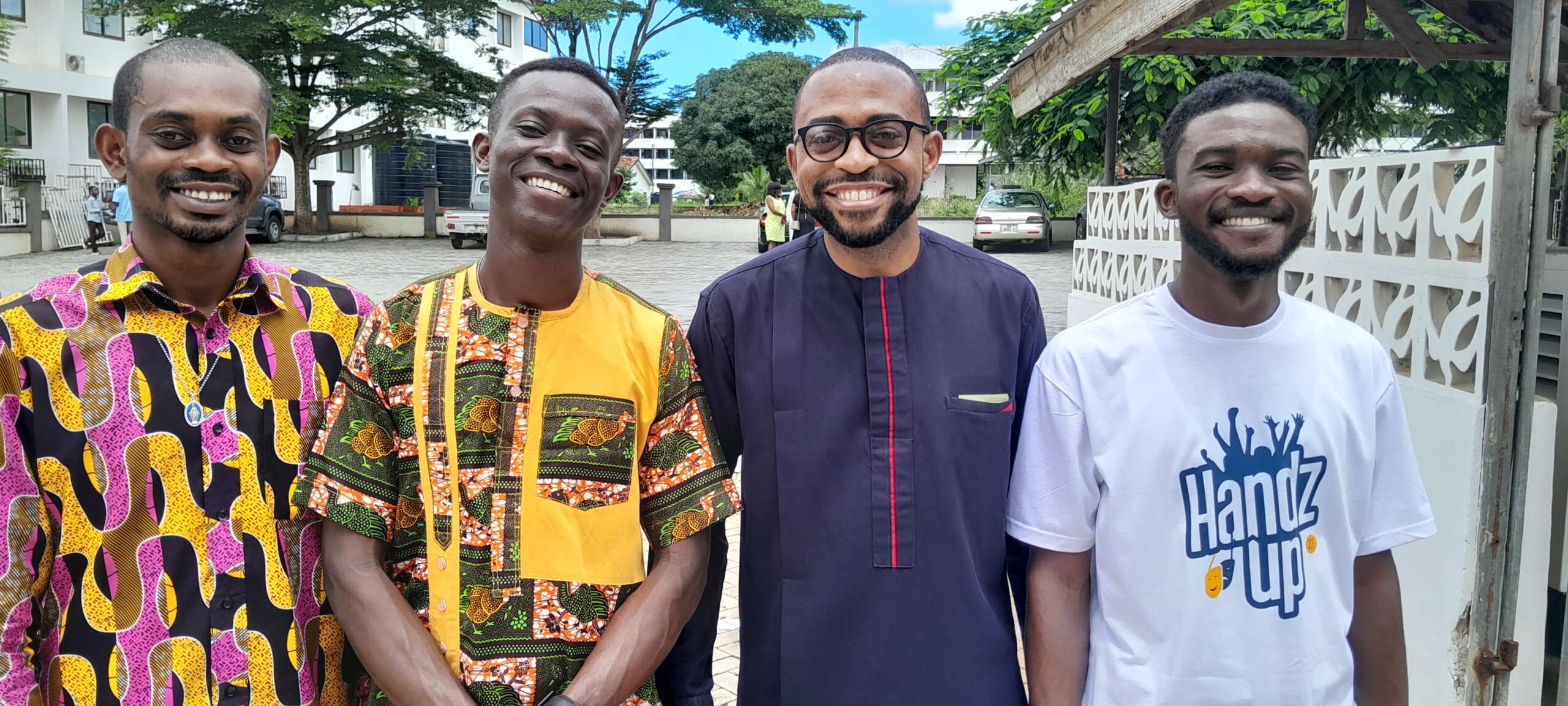
I was particularly captivated by the maturity and responsibility of my young Ghanaian friends. Being a Catholic, I needed to attend Mass in a Catholic Church. Fortunately for me, I was in Ghana on June 26, which is the Feast Day of St. Josemaria Escriva, the Founder of Opus Dei. Through Godsway and Nicholas, who came recently to Lagos with Elvis, I gathered that several Masses in honor of St. Josemaria Escriva would be celebrated in Accra, Ghana. In preparation for the Masses, Nicholas volunteered to design flyers and was assisted by Stanley from Lagos, while Godsway took charge of publicity. We then began visiting the parishes to finalize the arrangements with the priests and some parishioners. While all these plans were underway, Fr. James, a priest from another Diocese, heard about our plans at St. Thomas Aquinas, the university parish at Legon, and he immediately announced that he wanted to concelebrate in the Masses. I eventually convinced him to celebrate in his parish, St. Mary’s, in Asamankese, about two hours’ drive from Accra. Fr. James had his initial encounter with Opus Dei in 2019, during a vacation in London, where he met a married couple that told him about it. On his return to Ghana, he was connected with Fr. Boni in Lagos, and the two have remained in touch ever since. He was introduced to a WhatsApp group where he could learn more things, and he has since been an active participant.

In the course of organizing the Masses, my friends Godsway, Kwame, and John helped sell copies of “The Way,” a spiritual bestseller written by St. Josemaria Escriva. Fr. William, a chaplain of one of the parishes, invited me to talk about St. Josemaría, his vocation, and how Opus Dei came to Africa. I did that in about five minutes just before Fr. William’s Mass. In fact, before the Mass, Fr. William encouraged the undergraduate students to follow in the footsteps of St. Josemaria.

Marie-Therese, a final-year student of Political Science and Spanish at the University of Ghana, recounted afterward: “I had seen prayer cards of St. Josemaría in the adoration chapel. I read it once but didn’t really pay attention. A friend invited me for the feast day Mass on the eve of the feast, and I was also moved to buy a copy of ‘The Way,’ which I love so much because it gives me practical points for achieving sanctity. At the Mass, I was inspired to pray for all the faithful of Opus Dei, and that this message grows and reaches everyone on this earth.”

To my friend Nicholas, “Opus Dei has taught me that my struggle for holiness consists of sanctifying my studies. The feast day Mass was a blessing for me.” Anyway, at the end of these Masses, many went home with a prayer card of St. Josemaria. Some collected the prayer cards to share with their friends and loved ones. All the copies of “The Way” were sold out.

I must confess that I enjoyed my stay in Ghana. Apart from enjoying the beautiful Ghanaian landscapes and making many Ghanaian friends, the Ghanaian cuisine is a delight for the taste buds. I ate and savored the traditional Ghanaian dishes like jollof rice, banku, fufu, and a variety of delicious street food, which made my gastronomic experience a memorable part of the journey. I ate more Ghanaian food. I especially relished the Waakye (pronounced WAH-chay, made of rice and beans) and the Ghana jollof rice. I bonded with many Ghanaian friends and families. I met young and not-so-young people who are fascinated by my medical profession and the message of Opus Dei – finding God in everyday ordinary life.

All in all, traveling to Ghana by road offers the freedom to explore nature at one’s own pace, making it a truly pleasurable and enriching way to discover a fascinating West African country. I look forward to returning to Ghana, the land of natural beauty. Moreover, I anticipate sharing the open road’s cultural experiences and overcoming challenges to strengthen relationships and create cherished memories.

Dr. Michael Dike, Department of Family Medicine, Niger Foundation Hospital, Enugu.

TIPS