Home Blog Page 746

Three myths about subsidy removal

By Chidi Anselm Odinkalu

On January 1, 2012, the administration of President Goodluck Jonathan announced a decision to remove the petroleum subsidy. The current rulers of Nigeria were then the main Opposition. They did oppose the measure quite volubly. The continental and global context then was quite febrile. The Arab Spring was then in full swing and the fear of a continental contagion was real when the country rose in a well-orchestrated protest against the removal of fuel subsidy in January 2012.

More than 11 years ago, they prosecuted a vigorous case against the removal. Today, that Opposition, now in government, has implemented the measure which they opposed. The case they now make against the subsidy and for its removal is situational: that it is no longer sustainable.

In his broadcast to Nigerians on 31 July 2023, Asiwaju Bola Ahmed Tinubu, buried the petroleum subsidy with faint praise as a “once beneficial measure” before declaring that it “cost us trillions of Naira yearly” which “would have been better spent on public transportation, healthcare, schools, housing and even national security.”

The formal announcement of the subsidy removal came in the form of an ad libitum at the presidential inauguration on 29 May 2023. Government has thereafter sought to work its way to a pre-determined answer.

The ongoing public policy conversation on the petroleum subsidy assumes that it is informed by factual accuracy. In reality, the conversation recycles a considerable body of myth and urban legend. It is essential to cut through some of these.

Myth 1: The problem is subsidy

In June 2023, the Macroeconomic Analysis Department of Nigeria’s Ministry of Finance, Budget and National Planning, finalized a study on the “Impacts of Fuel Subsidy Removal on the Nigerian Economy. According to the study, “in 2019, the Nigerian government spent 0.55 trillion on fuel subsidy. Since then, fuel subsidy payments have greatly increased to N3.74 trillion in 2022. The budgetary provision for fuel subsidy is N3.36 trillion in the first half of 2023, suggesting that the fuel subsidy provision for the full year will reach 6.72 trillion.”

After the government removed the subsidy in 2012, the House of Representatives then constituted an ad-hoc committee “to Verify and Determine the Actual Subsidy Requirements and Monitor the Implementation of the Subsidy Regime in Nigeria”, which was chaired by Honorable Farouk Lawan. The report of the Committee determined quite clearly that “contrary to statutory requirements and other guidelines under the Petroleum Support Fund (PSF) Scheme mandating agencies in the industry to keep reliable information data base, there seemed to be a deliberate understanding among the agencies not to do so. This lack of record keeping contributed in no small measure to the decadence and rots the Committee found in the administration of the PSF.”

Concerning the costs of the measure, the Committee found for the year immediately preceding the decision by the Jonathan administration that “contrary to the earlier official figure of subsidy payment of N 1.3 Trillion, the Accountant-General of the Federation put forward a figure of N1.6 Trillion, the CBN N1.7 Trillion, while the Committee established subsidy payment of N2,587.087 Trillion as at 31st December, 2011.”

Even more specifically, the committee found that “while NNPC feasted on the Federation Account to bloat the subsidy payable, some of the marketers were involved in claiming subsidy on products not supplied. PPPRA laid this foundation by allocating volumes of products each quarter to the marketers which it knew were not in conformity with its own guidelines for participation.”

Under the Jonathan administration, subsidy payments were computed on a presumed consumption of N30-35 million litres of petrol daily. In opposition, the All Progressives Congress (APC) argued with some justification that this figure was high. In December 2016, then Petroleum Minister, Ibe Kachikwu, claimed that the administration had reduced the presumptive consumption of petrol to 28 million litres daily.

Thereafter, the APC appeared to have lost the magic wand that drove down the fuel consumption, allowing the computation of subsidy to implausibly sky-rocket to a presumed daily rate of 93 million litres. As columnist, Isaac Anyaogu points out “car ownership has fallen yet petrol consumption has ballooned according to NNPC figures.”

In October 2019, the Buhari administration closed Nigeria’s land borders claiming that it did so to address smuggling in various essential goods, including petrol. Two months thereafter, by December 2019, President Buhari claimed that the border closure had reduced the consumption of petrol in Nigeria by about 30%. Somehow, this was not reflected in subsidy payments, which kept rising.

Evidently, the problem is not petroleum subsidy but impunity for corruption in its administration. The Nigerian elite in government, unwilling to hold themselves to account for this chronic crime of plunder of the patrimony, has chosen instead to socialize the costs of impunity for it in the form of what it calls subsidy removal.

Myth No. 2: There will be savings from removing subsidy

In August, 2016, the administration of Muhammadu Buhari announced that it had saved N1.4 trillion from removing petroleum subsidy. A mere six years later, the same party in power now claims that the system is unsustainable with no need to explain to Nigerians how that came about or to hold anyone accountable for that. Instead, on 31 July, 2023, the same administration in power claimed again to have saved N1 trillion from non-payment of subsidy in just two months.

But in the first week of August 2023, representatives of organized labour disclosed that administration officials whom they had met with honestly admitted that “not one kobo has been saved so far.” This does not take a lot of effort to figure out. Three elements wipe out any presumed savings from subsidy.

First is the cost of government overheads. With the escalation in petrol price from N197 to N617, the cost of petrol has risen by over 310%. Official vehicles of government at state and federal levels require petrol bought from the same open market from which ordinary citizens procure theirs. With no evident reduction in official fleets operations, many government departments are reporting over 250% increase in petrol and transport costs. While the administration  appeals to Nigerians to make sacrifices, it refuses to heed its own counsel and the incoming cabinet at about 70 will be the largest since the return to civil rule in 1999

Second, capital project costs will all suffer variation resulting in upward reviews to reflect the new market realities. Since transport and logistics are the mainstay of all public works projects, average level of variation is likely to rise beyond the 200% range.

Third, public servants whose net pay has been roundly hit by the rising cost of living occasioned by the subsidy removal are likely to escalate public sector costs by padding budget lines with subsistence provisions. Anyone promising savings from subsidy removal is either committed to selling fiction or has simply not looked at the structure of public expenditure.

Myth No. 3: Subsidy removal will spur economic growth

 In its study on the impacts of subsidy removal concluded in June 2023, the Federal Ministry of Finance, Budget and National Planning concluded that “a total removal of fuel subsidy would affect the economy negatively by reducing the real GDP growth, raising prices of goods and services, and decreasing incomes of rural and urban households.” Two of the three alternative policy simulations conducted as part of this study by the ministry found that the policy will result in contraction in real GPD and all the options concluded that the impacts of the policy would be negative on poor and low-income families as well as the manufacturing sector.

The focus on subsidy removal cops out of hard decisions on accountability and on shrinking the size and cost of governance. While the rich tell poor Nigerians to tighten their belts, they are busy in both the elected arms of government and the judiciary implementing a dynastification of the country, a bloating of the costs of government, and sustenance of easily debunked myths about petrol pricing. In summary, subsidy removal shrinks the stomach of the poor so that Nigeria’s elite can keep enlarging theirs.

A lawyer and a teacher, Odinkalu can be reached at [email protected]

Debate mounts as lawyers condemn AMCON’s flying of judges to the UK for training

Lawyers and public affairs analysts have remained unrelenting in the debate concerning the controversial training of top judicial officers in London, United Kingdom reportedly bankrolled by the Asset Management Corporation of Nigeria (AMCON).

For Boulevard A. Aladetoyinbo, Esq., “The AMCON Nigeria judges’ London training conference sponsorship creates some unsullied one-good-turn-deserves-another obligation scenario on Their Lordships’ part. Here solemnly comes the quiet quintessence of ‘you scratch my back, I scratch your back.’ It’s most unethical, illegal, and immoral for Nigerian court judges to have training conferences sponsored for them by potential parties (lest some significant government agency AMCON) in matters before them for pretend capacity-building, learning pretext, but in reality, primed for networking and whatnot purposes.

“The Judiciary (through National Judicial Institute) — not Asset Management Corporation of Nigeria (AMCON) — is the one with ethical, legal, and moral obligation to sponsor training conferences for Nigeria court judges. And even so, not in some faraway meatspace land gallivanting on taxpayers’ largesse when these stuff can be arranged in the cyberspace at almost zero financial cost.

“With all due respect, this is unconscionable, unacceptable, and unbecoming of our court judges! Sometimes one wonders long and hard what has become of the inviolate consciences of justice which these court judges are expected to bear after leaving the Bar for the Bench.”

Likewise, Nwabueze Paul Nwachukwu, Esq. said: “This is very wrong. How would Their Lordships determine cases involving AMCON and other parties? I think all the Judges that benefited from this training should either resign or recuse themselves from any AMCON cases before them.”

An Attorney, Business Executive, and HR Professional, Dele Aloko puts it this way: “The fact that an activity is organized by a government MDA does not remove the possibility of impropriety from it.

“However, in an increasingly complex and technical world, how do we ensure that judges are adequately informed about developments in fields such as technology, cybercrime, drug trafficking, terrorism, money laundering, etc.? Can we leave it to the individual judges to keep themselves informed? Supposing they don’t and as a result fail to understand the evidence adduced before them in court? Don’t we also risk an injustice there?

“How do we strike an appropriate balance?”

In his article Illegality of judicial officers participating in workshops sponsored by likely parties before them, Ogbankwa Douglas Esq. posited thus: “Let us take a hypothetical scenario. Some judicial officers from all across the country attend a workshop organised by “ABC”, An institution of the Federal Government. The “ABC” pays their flight tickets, hotel accommodation, takes care of their feeding and gives payments for attending the seminar. How can we guarantee the Independence of such Judicial officers when cases that concern The ‘ABC’ comes before them or how do we preclude ex parte communications between the Judicial officers and officials of the ‘ABC’, that may compromise the fair Administration of Justice.

“Such transactions are quite untidy and leave much to be desired and it is against the extant provisions of the Revised Code of Conduct for Judicial officers of the Federal Republic of Nigeria.

“This is as provided for by Article 13.5. of the Revised Code of Conduct for Judicial Officers of the Federal Republic of Nigeria ,which provides thus: “Acceptance of gifts

“A Judicial officer and members of his family shall neither ask for nor accept any gift, bequest, favour or loan on account of anything done or omitted to be done by him in the discharge of his duties…”

Why Nigeria shouldn’t let the US push it to war in Niger

By Emmanuel Ogebe

The same week that the United States is charging former president Trump with an attempted coup, it is pushing back a military coup in the western country of Niger. This sounds almost consistent except that it isn’t.

Days ago, VP Kamala Harris sparked a Twitter rant like this one, “Let it be on record that the United States Government is indirectly supporting an illegitimate President-Select in Nigeria. @KamalaHarris, your claim of defending democracy in West Africa requires legitimacy, not an illegitimate Government. Your phone chat with BAT is condemned.”  BAT, of course, means Bola Ahmed Tinubu.

Harris’ offense? She had simply tweeted, “Today, I spoke with President Tinubu of Nigeria about the strong ties between the Nigerian and American people and our shared work on global and regional issues—from defending democracy in West Africa and the Sahel to promoting digital inclusion and economic growth.”

VP Harris hinted strongly about the recent military coup in the Niger, Nigeria’s lesser-known northern neighbor, but not many Nigerians were impressed by her remarks. Here’s why.

In my letter to President Biden in May, I stated, “your action is hypocritical and antithetical to America’s democratic ideals.

Nigerian Election of 2023 Failed the Constitutional Test

“Firstly, as your administration is prosecuting hundreds of insurrectionists who tried to overturn your election win, Nigeria also reports arresting over 700 individuals for election offenses. How then can you accord legitimacy to multi-state election criminality in Nigeria that exceeded even the January 6th levels?

“Secondly, the BBC has exposed a fake election collator, who announced fake election results in Rivers state, falsely granting the ruling party victory over the Labor Party (A “Collator” in Nigeria is similar to an “Elector” in America). https://www.bbc.com/news/65163713

“Yet, while your administration is investigating for prosecution fake electors who attempted to subvert your election, you’re celebrating the candidate (Tinubu) rigged-in by the fake collator.

“Thirdly, Nigeria’s 2023 election violence was deadlier than Gen. Buhari’s military coup 40 years ago; more than the 2019  [Nigerian] elections and even than the Jan 6 [Capital] insurrection – making a mockery of your description of [Bola Tinubu] as a “champion of democracy.”
“Fourthly, your government announced sanctions on unnamed officials for “undermining democracy” in Nigeria’s  elections, then immediately announced a high-level delegation to the inauguration of the vote-rigger (Tinubu)!”

“Not only did it not meet global or local standards, but it palpably did also not meet constitutional thresholds.  Like the U.S. Constitution on which it was modeled, the Nigerian elections have mandatory thresholds similar to the popular and electoral-college requirements. Candidates must have 25 percent of votes in 24 states and the Capital. Tinubu did not obtain 25 percent in the Capital required by the constitution as was argued in the closing trial challenging his election.”

The letter to Biden added:  “In the same way that you could not lawfully have been declared president in 2020, without securing 270 electoral votes, no one could be lawfully declared president in Nigeria’s February elections without winning 25 percent in the capital Abuja.

Don’t Legitimize Fraudulent Elections, Criminal Executives

Why is the US legitimizing unconscionable unconstitutionality that wouldn’t stand in the United States more so when a lot of taxpayer funds were invested in Nigeria’s election systems?”

However, the problem with Tinubu is far worse than a flawed process – it’s the person. The United States more than any other country has the receipts of Senator Bola Tinubu’s reported narcotics involvement, suspected ID theft, multimillion-dollar money laundering through New York property acquisitions, alleged forgery over a quarter century in a serial crime spree in the United States. He has no record of existence prior to suddenly appearing at a community college in Chicago that registered him as female, then ending with a $460,000 money-laundering forfeiture for “narcotics trafficking” in a US District Court in Chicago. https://westafricaweekly.substack.com/p/bola-ahmed-tinubu-from-drug-lord

So, why would the United States pin it’s hopes for “defending democracy” in Africa on a former Chicago drug mafia accountant and his current Vice President  –  who many believe was linked to islamo-terrorists as state governor of Borno State? 

This classic one-step forward, two steps backward fauxtrot is just the latest iteration of America’s schizophrenic Nigeria policy from the Clinton Administration to the present. Obama/Biden administration designated the leaders of terror group Boko Haram as terrorists but refused to designate the group itself as a Foreign Terrorist Organization despite the fact that it attacked American diplomat and FBI Legal Attaché Vernice Guthrie and Jennifer Dent in deadly suicide bombings.

The attacks on these American women in Nigeria during Obama’s first term was covered up till this day, and they only designated Boko Haram in the second term when I led a human rights campaign to designate it via US congressional action.

Is Bola Ahmed Tinubu a U.S. Asset?

Why is the Biden administration again engaging in cognitive dissonance by denouncing the Nigerian election rigging and embracing the rigger like Obama did in sanctioning Boko Haram terror leaders but not Boko Haram terrorist organization?

Intrepid investigative journalist David Hundeyin, now exiled in UK for his shocking corruption exposés on global jihad  https://westafricaweekly.substack.com/p/cornflakes-for-jihad-the-boko-haram?fbclid=IwAR3SnvqtvtALXvBy3fs324BFoaeOTENzEE21pdQghT2VZC7xzj_m9oEwj5Q and corruption in Nigeria (including Tinubu’s) https://westafricaweekly.substack.com/p/bola-ahmed-tinubu-from-drug-lordhas offers up a troubling theory that demands response from the authorities.

In addition to Tinubu’s drug-money laundering case in the United States 30 years ago, Hundeyin’s investigations show a pattern of continuing US money laundering via then-Senator Tinubu’s children with two multimillion-dollar properties in New York and an $11-million property in the United Kingdom more recently.

Hundeyin argues that the very fact that the Tinubus continue to launder funds into the United States and the United Kingdom despite a $460,000 drug money asset forfeiture illustrates impunity.  Worse, it may be argued that the Biden Administration has refused to turn over information on Tinubu because he is a covert US asset.

It is an extraordinary conclusion but why would Biden dance on the graves of Nigerians murdered in fraudulent elections to foist a money launderer for drug cartels that destroyed American lives as president of its top African trade partner?

Two things happened in the last 24 hours in Nigeria’s capital where I just finished covering closing arguments in the election challenge against Tinubu’s election.

Tinubu nominated to his cabinet Atiku Bagudu a money-laundering legend who looted an estimated $5 Billion out of Nigeria in the ‘90s.

Biden’s administration plans to return tens of millions of dollars in infamous” Abacha loot” (eponymous to the Nigerian dictator Gen. Sani Abacha, who abducted, tortured, imprisoned, and ultimately exiled me to America as a young lawyer 25 years ago) back to his bagman Atiku Bagudu in an odious settlement that the US Department of Justice and Bagudu’s family cobbled together last year. All this, despite the DOJ’s public denouncement of the Abacha loot seizure as its biggest “Kleptocracy” forfeiture a decade ago. Bagudu stands to get a bonus check from the United States and a paycheck from Tinubu in exchange for a slap in the face from America’s justice system.

Who says crime doesn’t pay?

I arrived at the Nigerian senate on August 4 with objections to Bagudu’s nomination armed with information on his ongoing €200 million forfeiture action in U.S. District Court in DC only to learn that Tinubu had given strict orders to the Senators not to object to Bagudu’s ministerial appointment.

My day got worse. Late on Aug. 4 Tinubu wrote to the Senate asking for war authorization against Niger and got it.

Why exactly does the United States want a Nigerian proxy war with Niger, and why would a newly installed president facing nationwide protests and strikes for gas price hikes, want to invade another country barely two months into office?

And more worryingly, why would the United States, which invaded a country to imprison drug lord Noriega, ask a drug money-laundering lord to invade a small French-speaking West African country?

Deep questions, which will be answered in our next installment.

Emmanuel Ogebe, Esq, is a prominent US-based international human rights lawyer and Nigeria pro-democracy advocate with the US NIGERIA LAW GROUP in Washington. This month, he marks the 27th anniversary of his release from abduction and torture by Gen. Abacha for demanding an investigation of the assassination of pro-democracy icon Kudirat Abiola over the June 12 election annulment.

Four Nigerian stowaways travel 3,500 miles of Ocean in tiny space above the rudder of a cargo ship

Four Nigerian stowaways survived two weeks in the tiny space above the rudder of a cargo ship as it travelled 3,500 miles of ocean from their home country to Brazil.

The relief of the migrants after their death-defying voyage soon turned to surprise because they thought the vessel was only travelling as far as Europe.

The men had run out of food and drink on their 10th day but survived by drinking seawater that was crashing just metres below them.

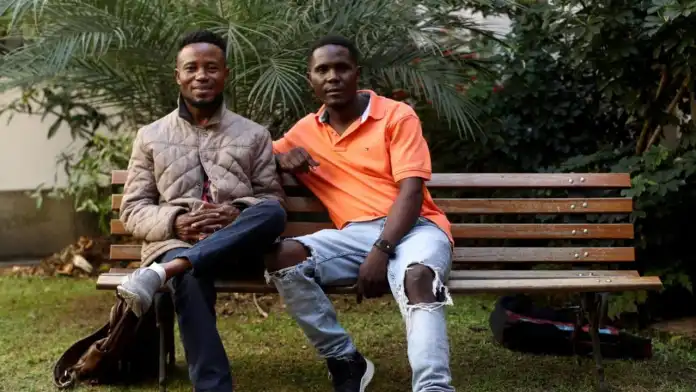
Thankgod Opemipo Matthew Yeye, left, and Roman Ebimene Friday, right have asked for asylum in Brazil

Roman Ebimeme Friday, one of the migrants, said they could see “big fish like whales and sharks” from the boat.

The 35-year-old, from Bayelsa state in Nigeria, added that the cramped conditions and the noise of the engine meant sleep was rare as well as risky during the journey.

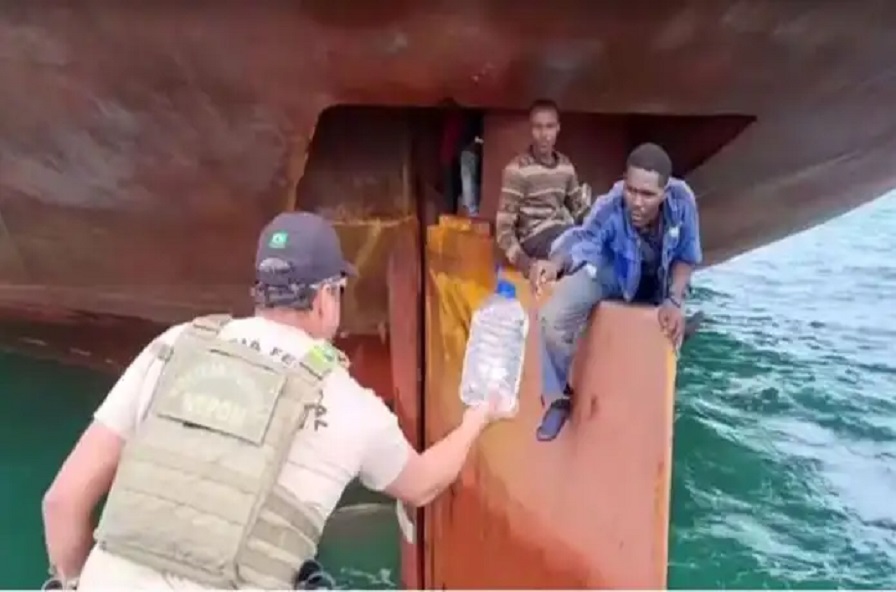
To prevent themselves from falling into the water, Mr Friday said the men rigged up a net around the rudder and tied themselves to it with a rope.

‘We taught ourselves not to make a noise’

Mr Friday said his journey to Brazil began on 27 June when a fisherman friend rowed him up to the stern of the Liberian-flagged Ken Wave, docked in Lagos, and left him by the rudder.

To his surprise, he found three men already there, waiting for the ship to depart.

Mr Friday had never met his new shipmates and feared they could toss him into the sea at any moment.

Once the ship was moving, Mr Friday said the four men made every effort not to be discovered by the ship’s crew, who they also worried might push them in the ocean.

“Maybe if they catch you they will throw you in the water,” he said.

“So we taught ourselves never to make a noise.”

“It was a terrible experience for me,” said 38-year-old Thankgod Opemipo Matthew Yeye, one of the four Nigerians, in an interview at a Sao Paulo church shelter.

“On board it is not easy. I was shaking, so scared. But I’m here.”

The journey took 14 days

Mr Yeve and Mr Friday have now applied for asylum in Brazil.

The journey took 14 days

The two other men have been returned to Nigeria upon their request.

The men arrived in Brazil after being rescued by police in the southeastern port of Vitoria.

Mr Friday said: “I pray the government of Brazil will have pity on me.”

Their remarkable journey across some 5,600 kilometers (3,500 miles) of ocean underlines the risks some migrants are prepared to take for a shot at a better life.

Mr Yeve and Mr Friday said economic hardship, political instability and crime had left them with little option but to abandon their native Nigeria.

Mr Yeye, a pentecostal minister from Lagos state, said his peanut and palm oil farm was destroyed by floods this year, leaving him and his family homeless.

He hopes they can now join him in Brazil.

“I was very happy when we got rescued,” he said.

Father Paolo Parise, a priest at the Sao Paulo shelter, said he had come across other cases of stowaways but never after a journey so dangerous.

Their journey paid testament to lengths people will go to in search of a new start, he said: “People do unimaginable and deeply dangerous things.”

Sky News

Download CTC of Judgement: Illegal freezing of account, Opay to pay N12M to customer

Following an unlawful restriction placed on its customer’s account, A High of the Federal Capital Territory (FCT) in Abuja on 6 April 2023 ordered OPay, a one-stop mobile-based payments and other essential services platform to pay N12M to the customer in question.

Amarachukwu Oti instituted an action against Opay on discovering that he could no longer access his account for any transaction, notwithstanding that there had been no dispute whatsoever with the financial institution.

After making an order directing Opay to remove the unlawful restriction placed on Oti’s account, the court further awarded damages against them in the sum of N12,000,000.00 (Twelve Million Naira).

Opay was equally ordered to make a public apology to the Applicant in any of the national dailies within 6 weeks from the date of the judgment.

Click here to download the judgment.

Amarachukwu-Oti-v-Opay

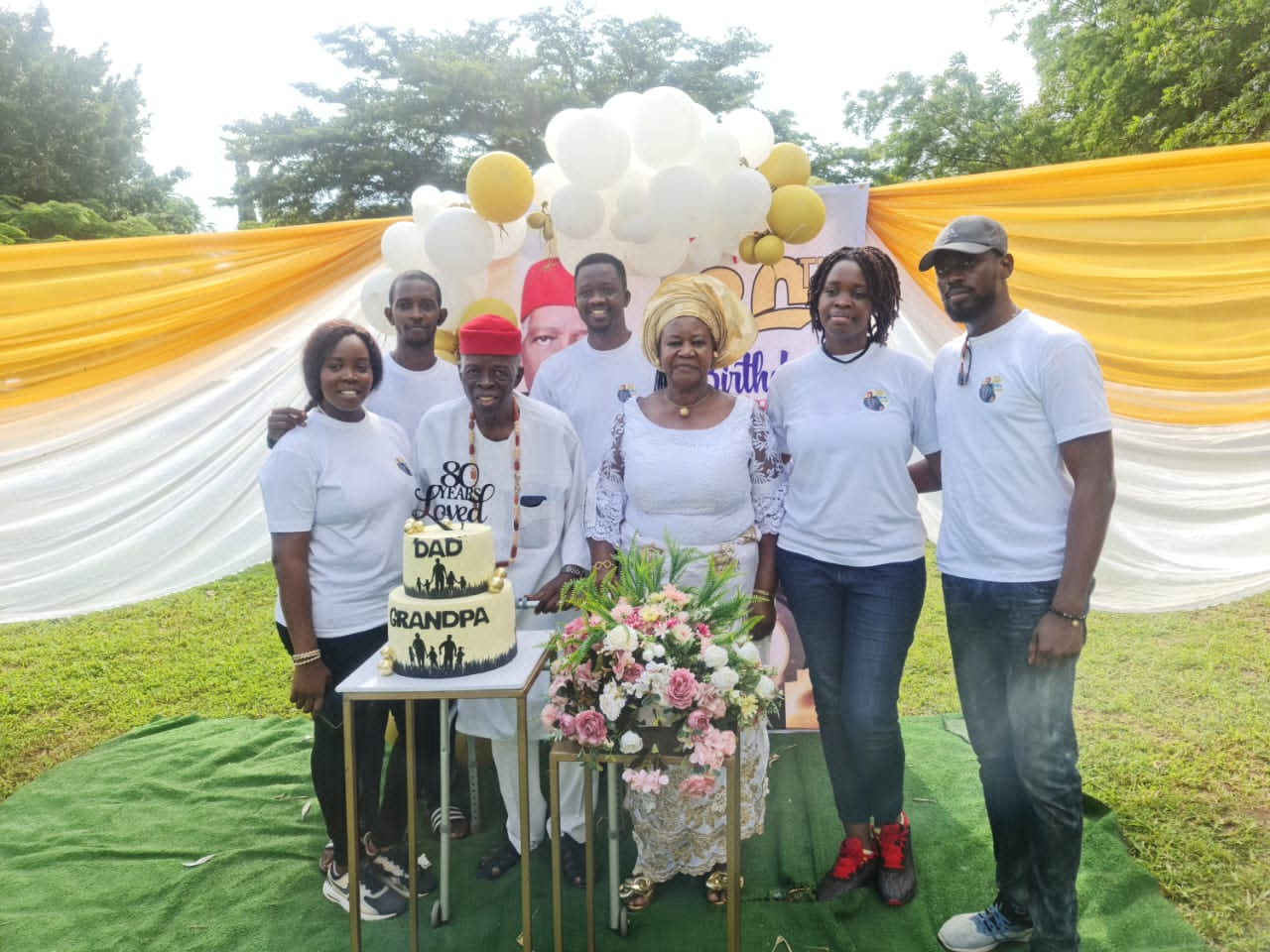
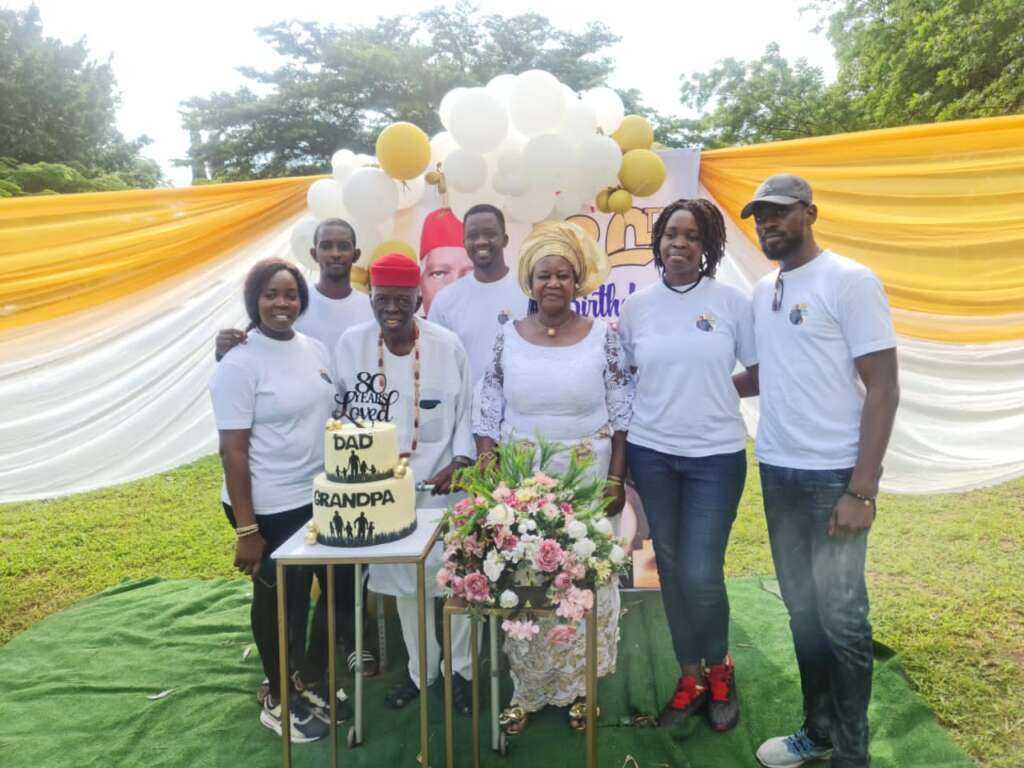
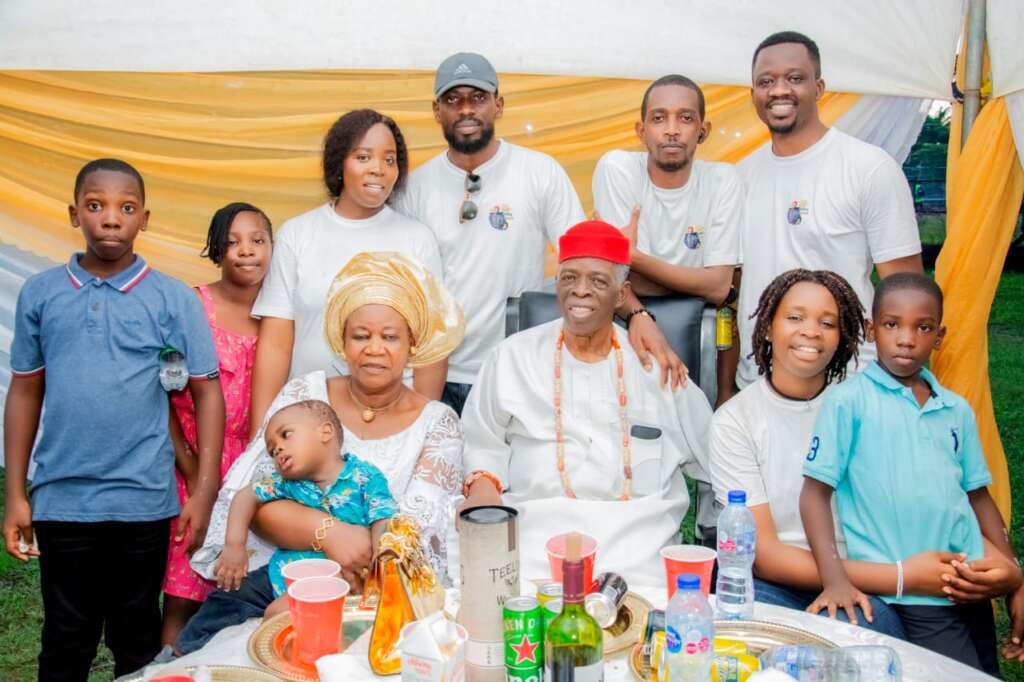
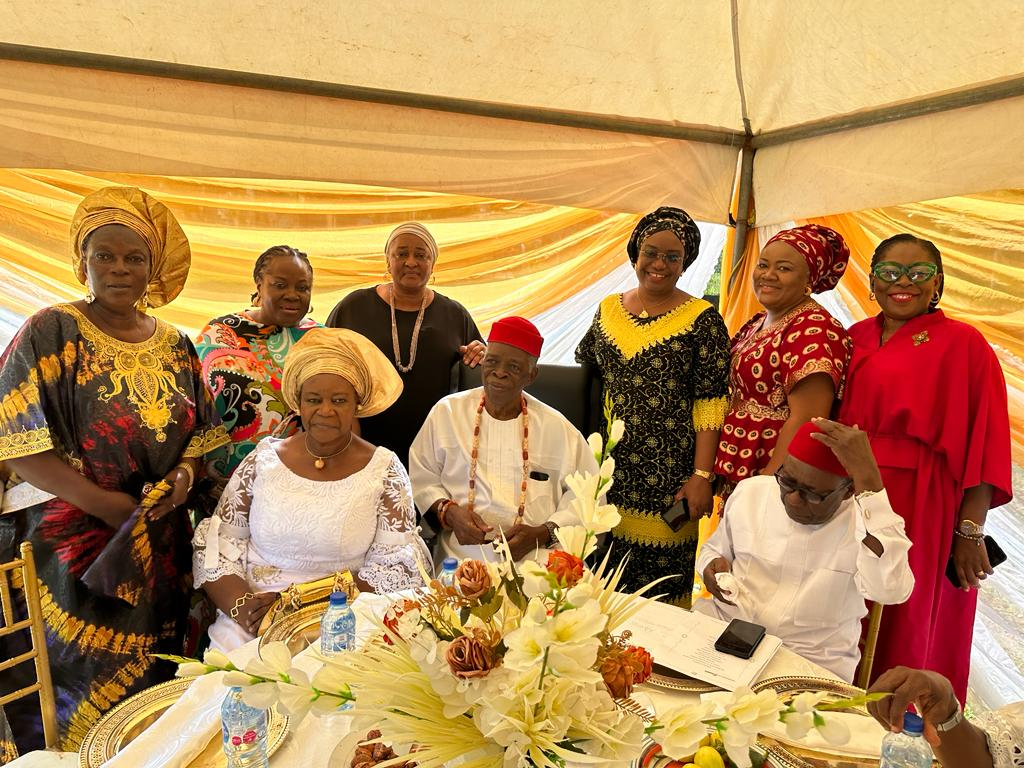
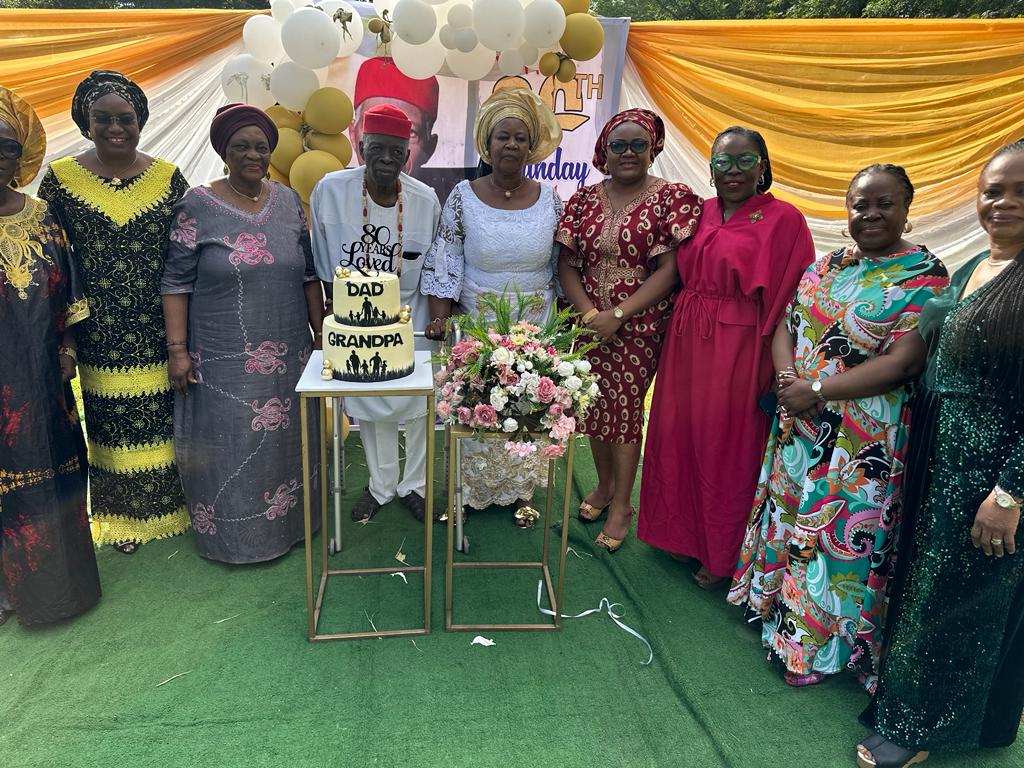
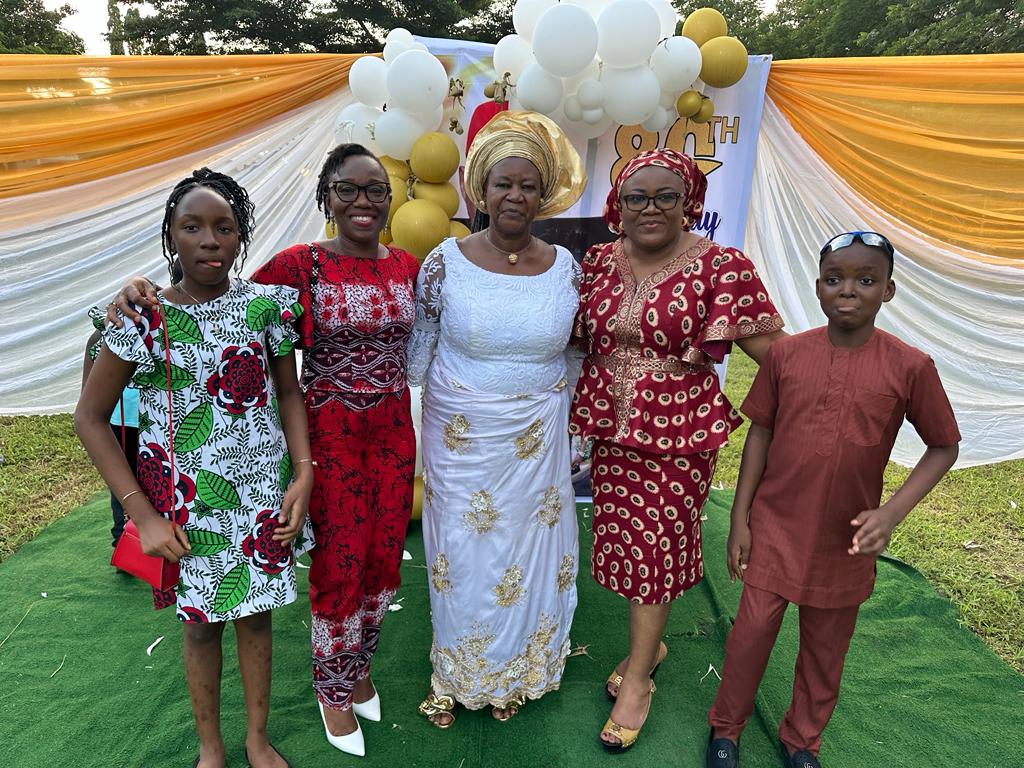
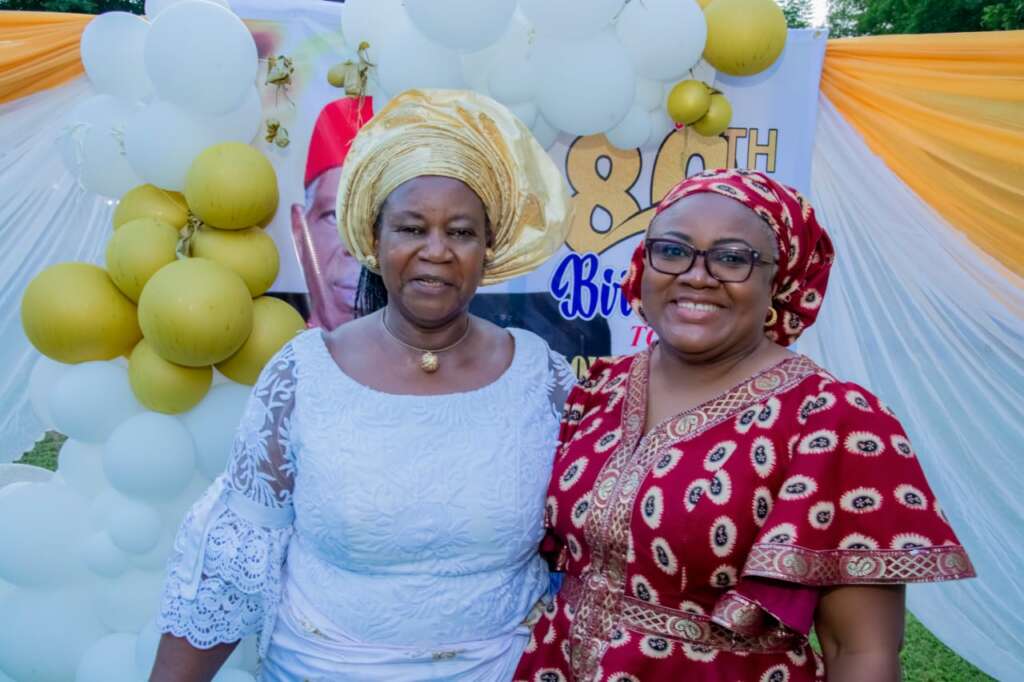
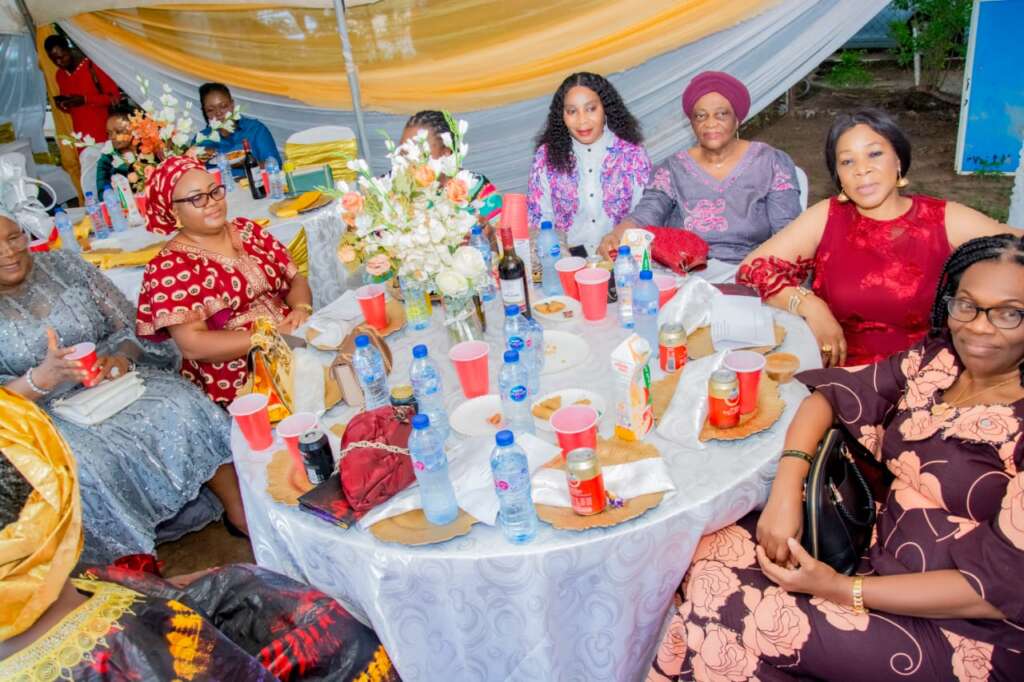
Photo News: Children of Roseline Oby Nwosu fetes family and friends on father’s 80th birthday

The Vice President, of Women Development at Abuja Chamber of Commerce and Industry, Barr. Mrs. Roseline Obiageli Nwosu and her family are still basking in joy mingled with gratitude to God over the 80th birthday of their patriarch, chief B.S.C Nwosu.

Barr. Mrs. Nwosu was a Chair of the International Federation of Women Lawyers, FIDA Abuja branch, and an ex-Africa Regional Vice President of the organisation.

Chief B.S.C Nwosu, marked his 80th birthday on the 29th of July, 2023 in Abuja.

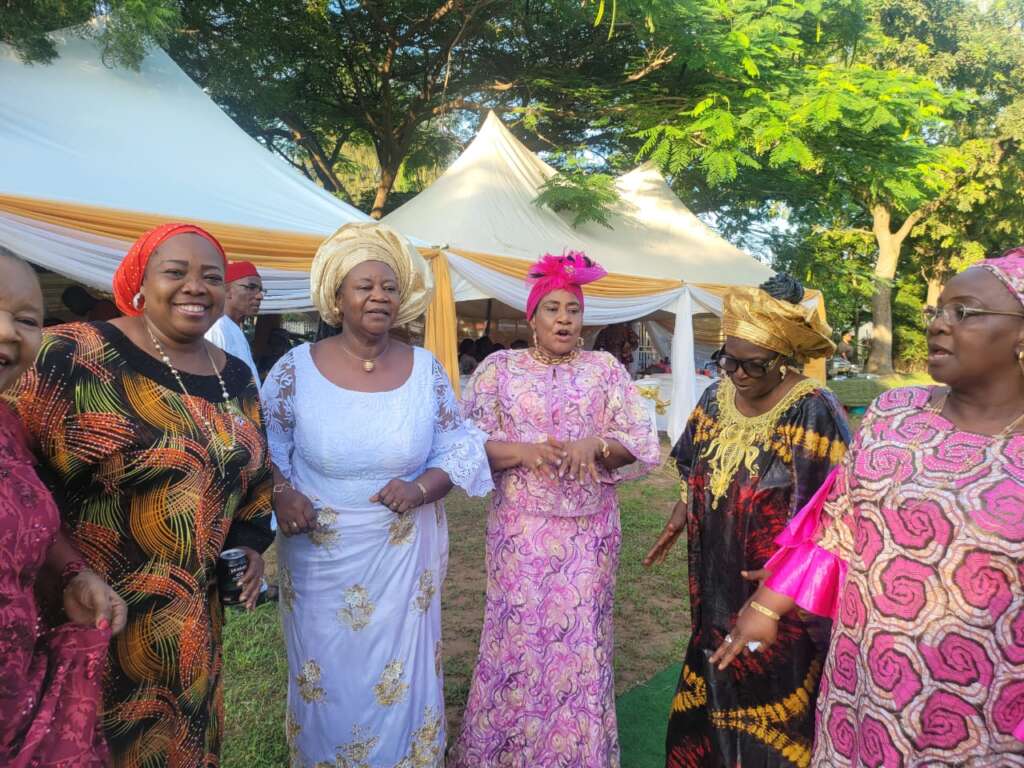
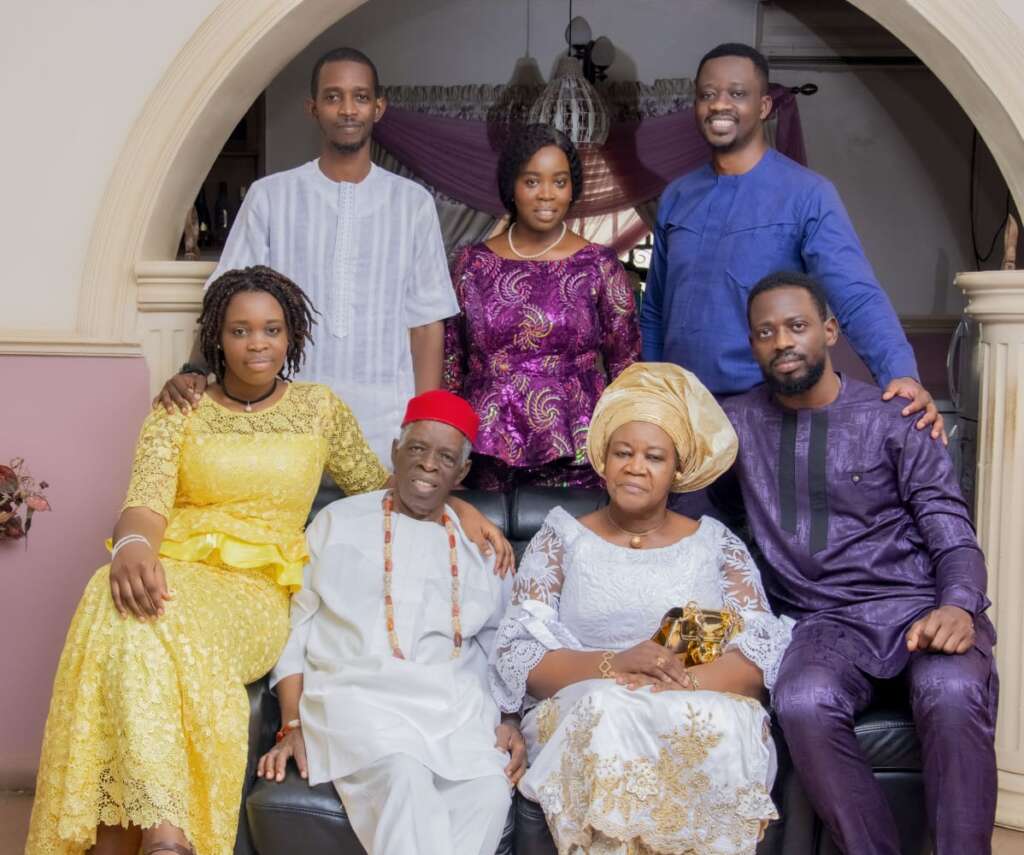
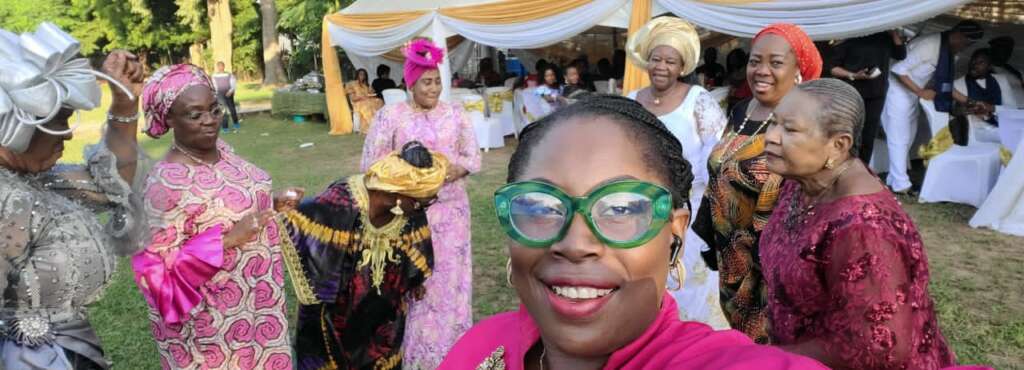
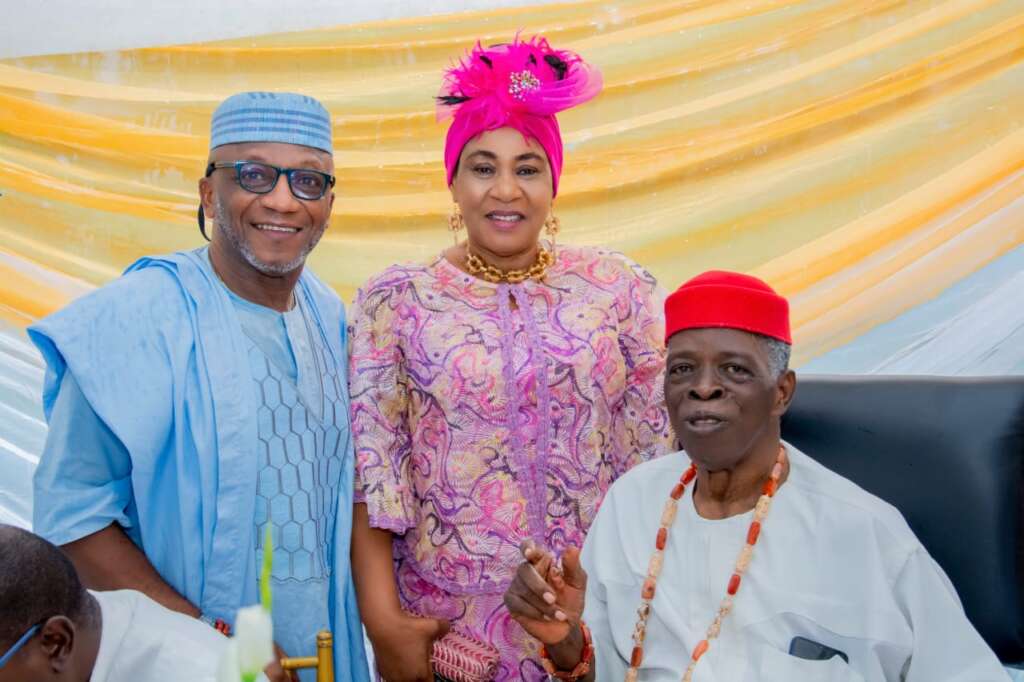
Below are photos of the event.

The Celebrant, and wife (Oby Nwosu) flanked by their children.
The Celebrant, and wife (Oby Nwosu) flanked by their children and grandchildren.
The Celebrant, and wife (Oby Nwosu) flanked by FIDA Abuja members
Mrs. Nwosu and FIDAns
The couple and their children.
Mrs. Nwosu flanked by FIDA Abuja Chair, Chibuzo Nwosu (R) and former FIDA National Publicity Secretary, Ogechi Abu (L) with her children.
One-time FIDA Abuja PRO Chioma Onyenucheya-Uko and other FIDAns
Former Registrar General, Corporate Affairs Commision (CAC) Mrs Valerie Azinge and her husband with the celebrant

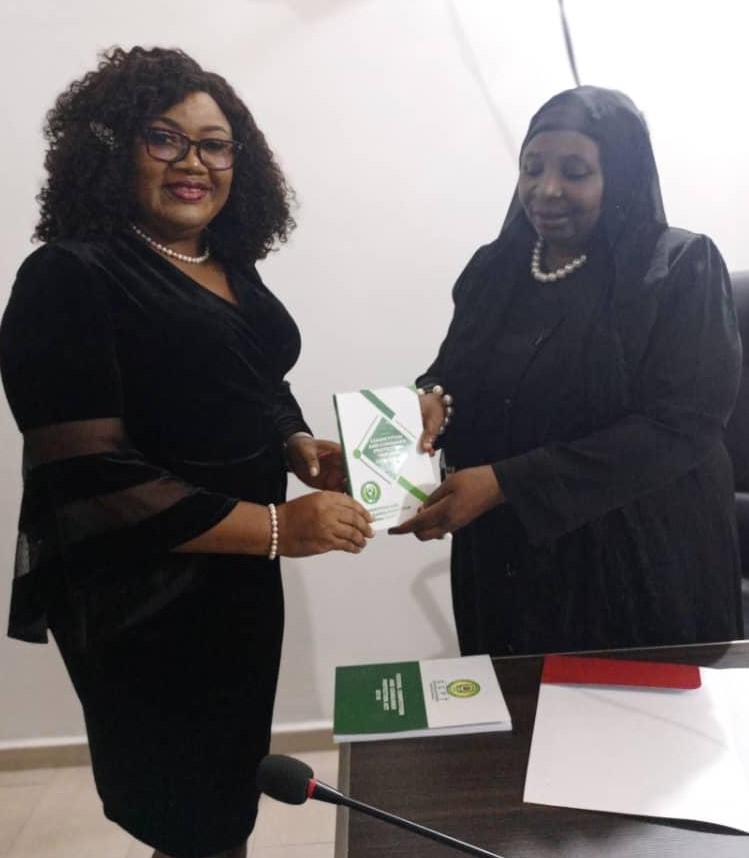
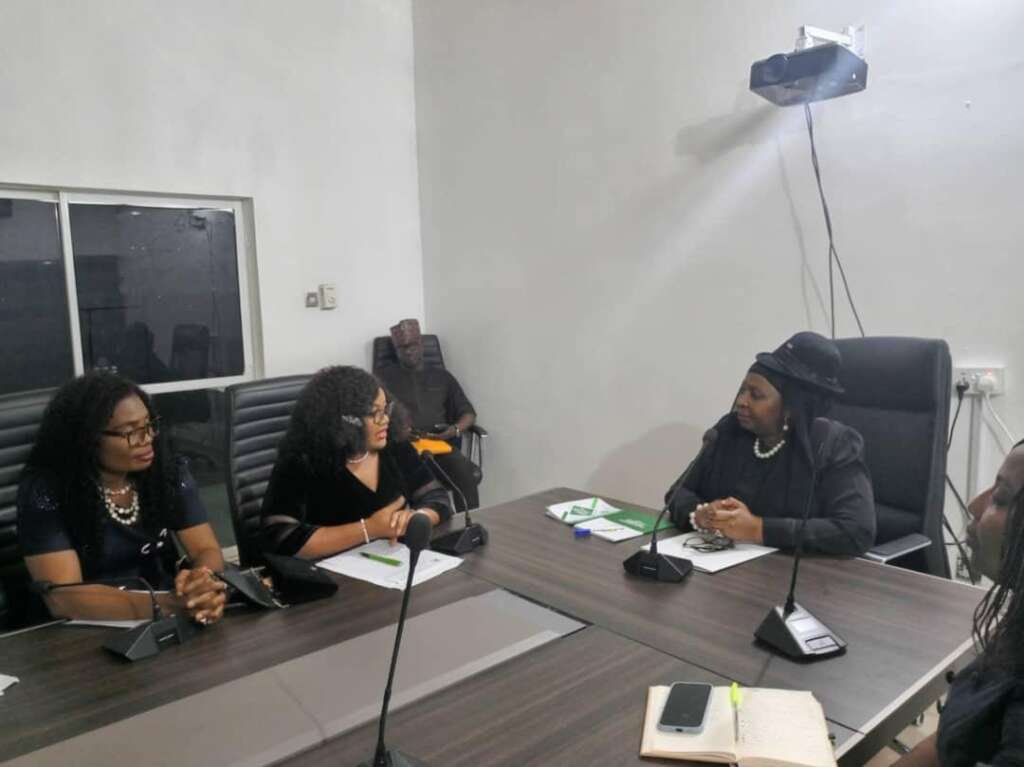
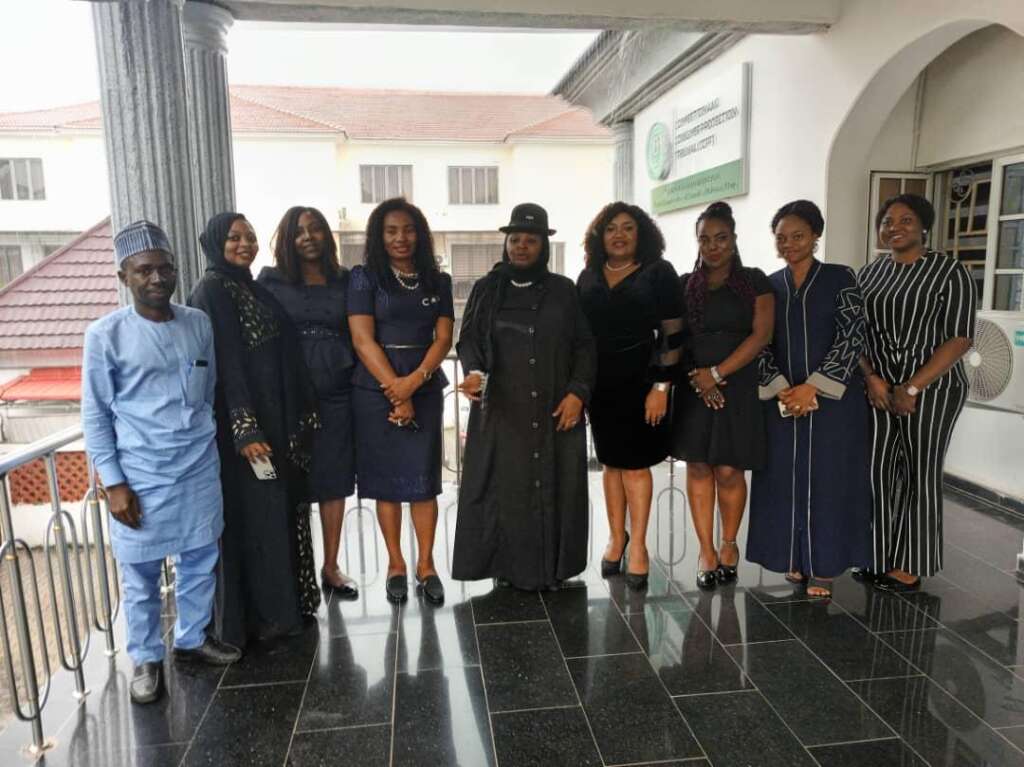
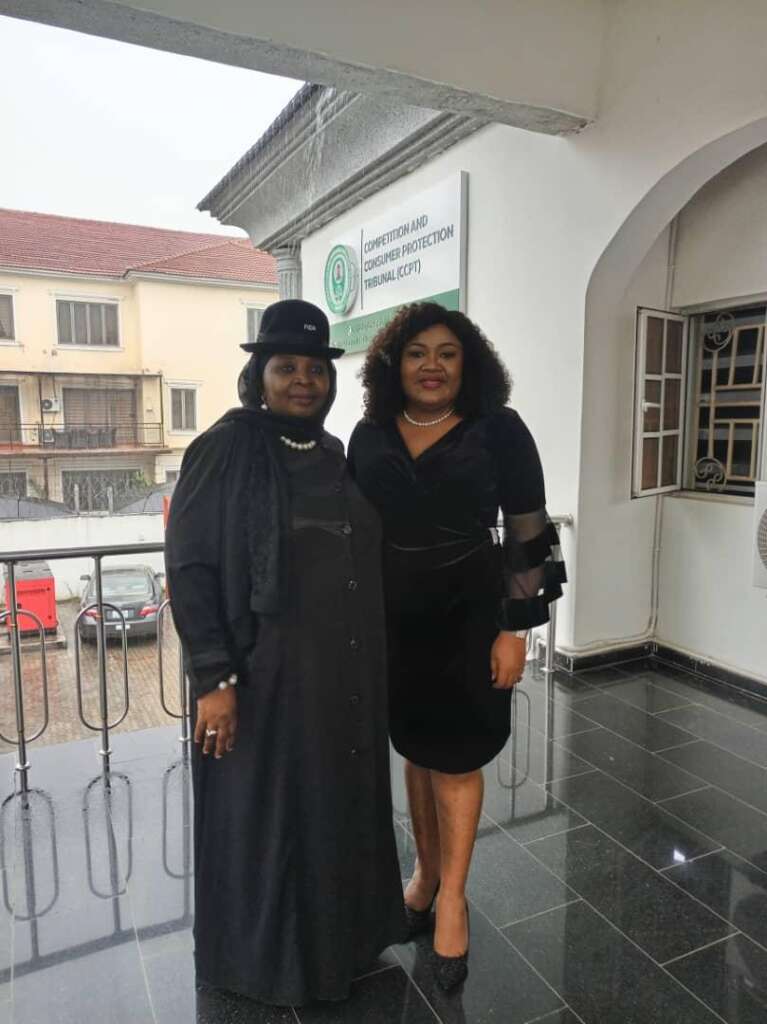
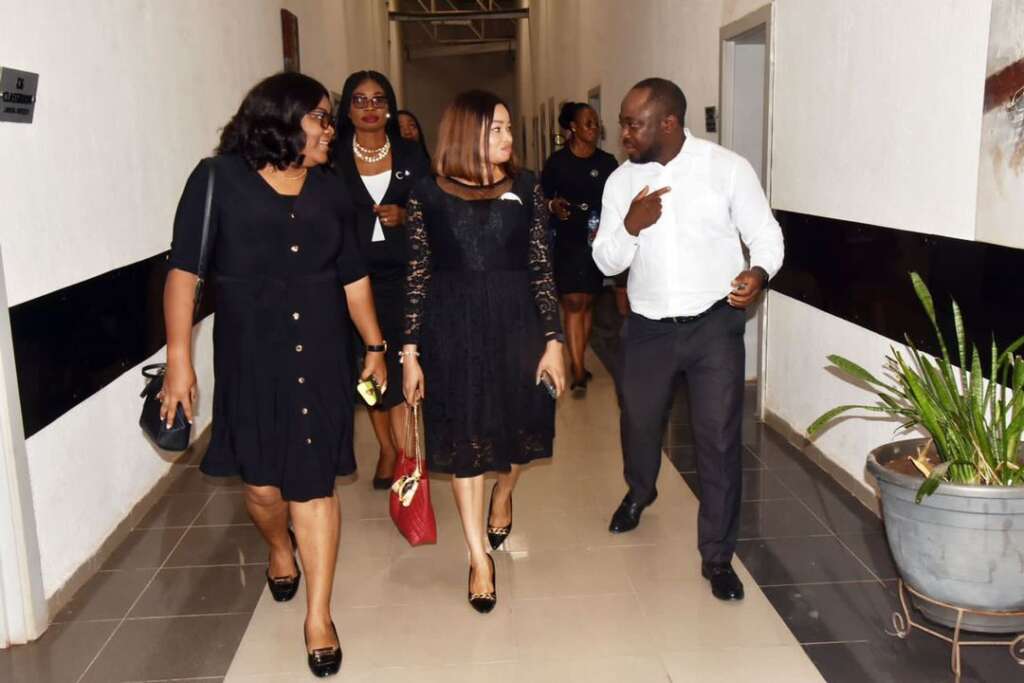
FIDA Abuja pays courtesy visit to CCPT Chair

The executive committee members of FIDA Nigeria recently paid a courtesy call to the Chairperson of the Competition and Consumer Protection Tribunal (CCPT) in Abuja.

The team was Abuja led by FIDa Abuja Chairperson, Ms Chibuzo M. Nwosu.

the visit was in furtherance of the branch and its leadership’s desire to maintain collaborations with institutions relevant to the objectives of FIDA Nigeria.

Ms. Nwosu in her speech, congratulated their hostess., Hajia Saratu Shafii, who is a member of the FIDA Abuja Branch, for the great work she has been doing since the establishment of the Tribunal.

The CCPT, a court of record with coordinate jurisdiction with the High Court, is empowered to take complaints coordinate jurisdiction with the High Court and is empowered to take complaints from all sector regulators on matters relating to competition and Consumer protection, particularly, the Federal Competition and Consumer Protection Commission (FCCPC).

Chairperson, Hajia Saratu Shafii, and Ms. Nwosu

FIDA Abuja receives NAPTIP award for extensive service to GBV survivours

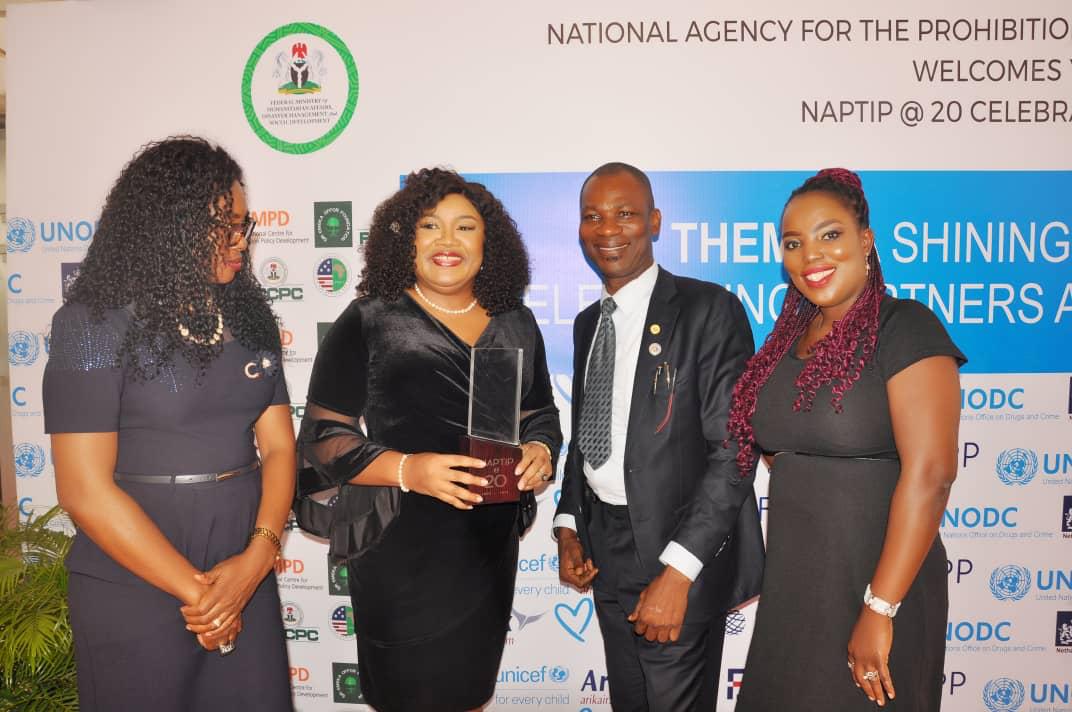
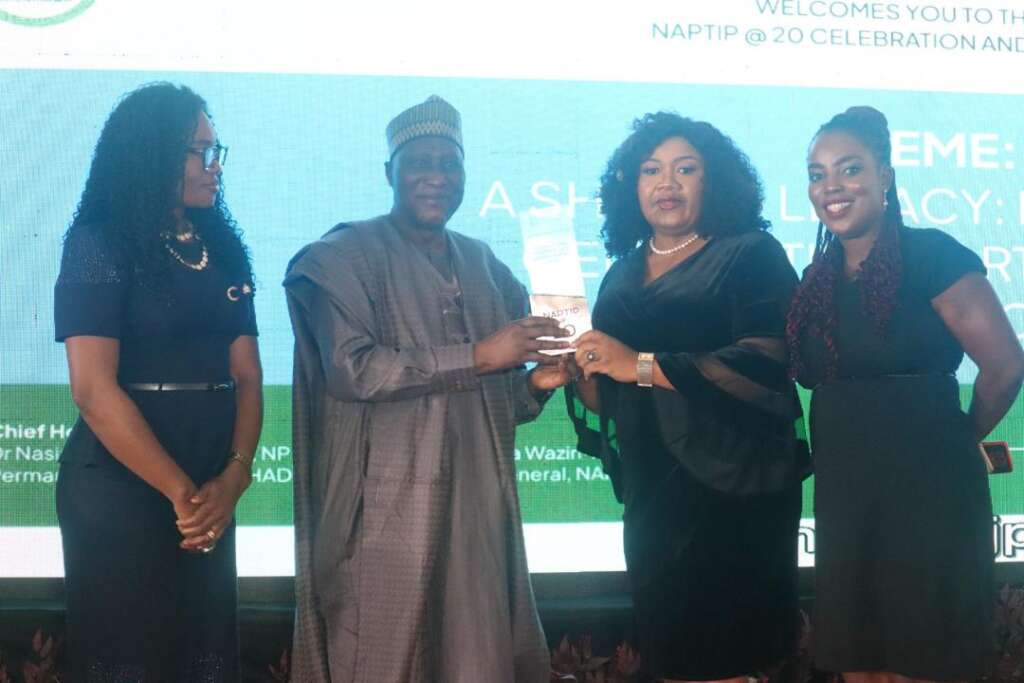
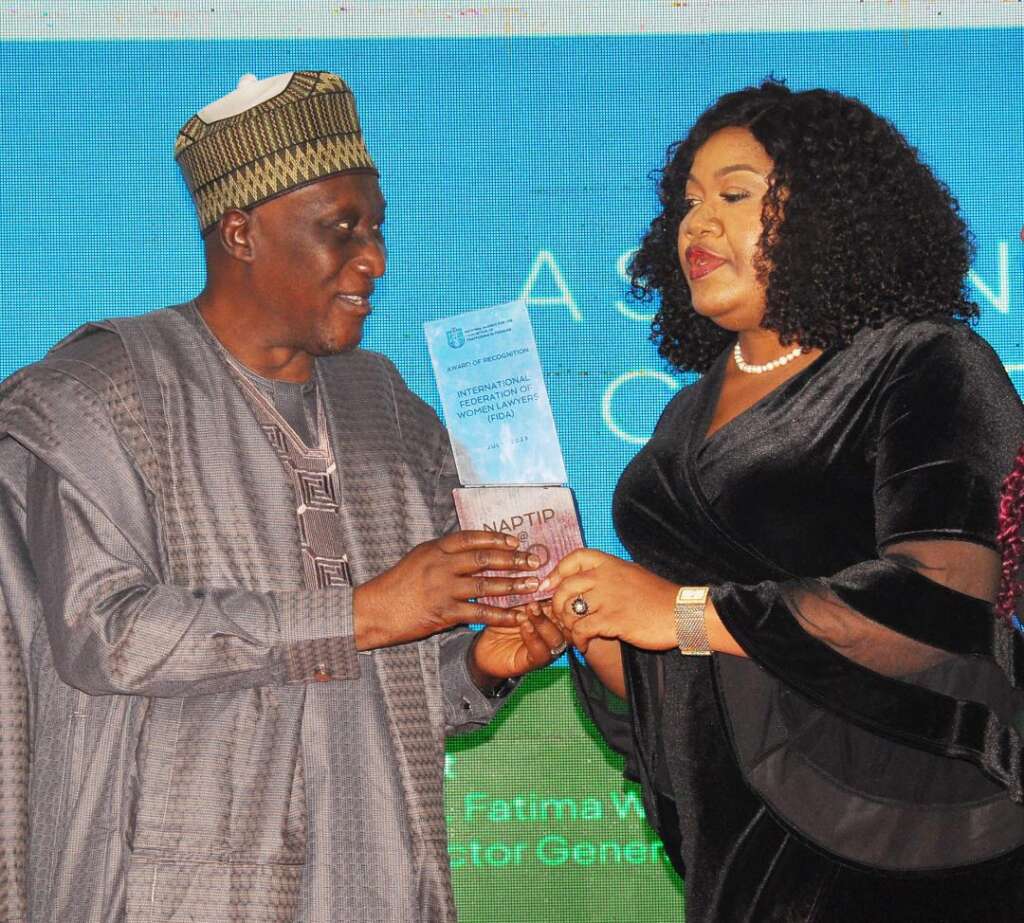
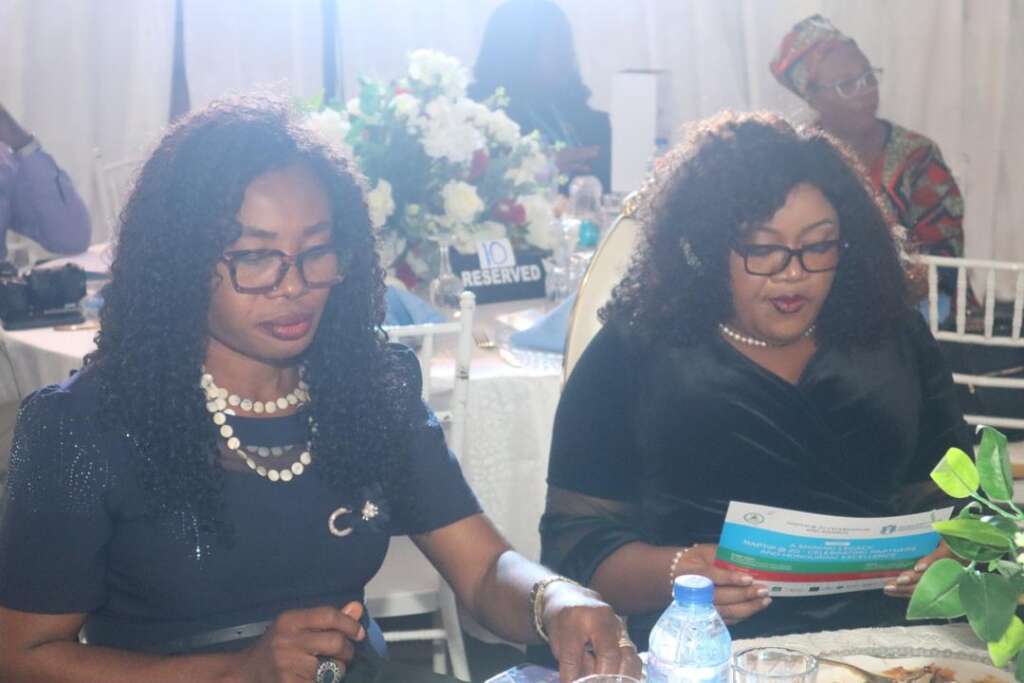
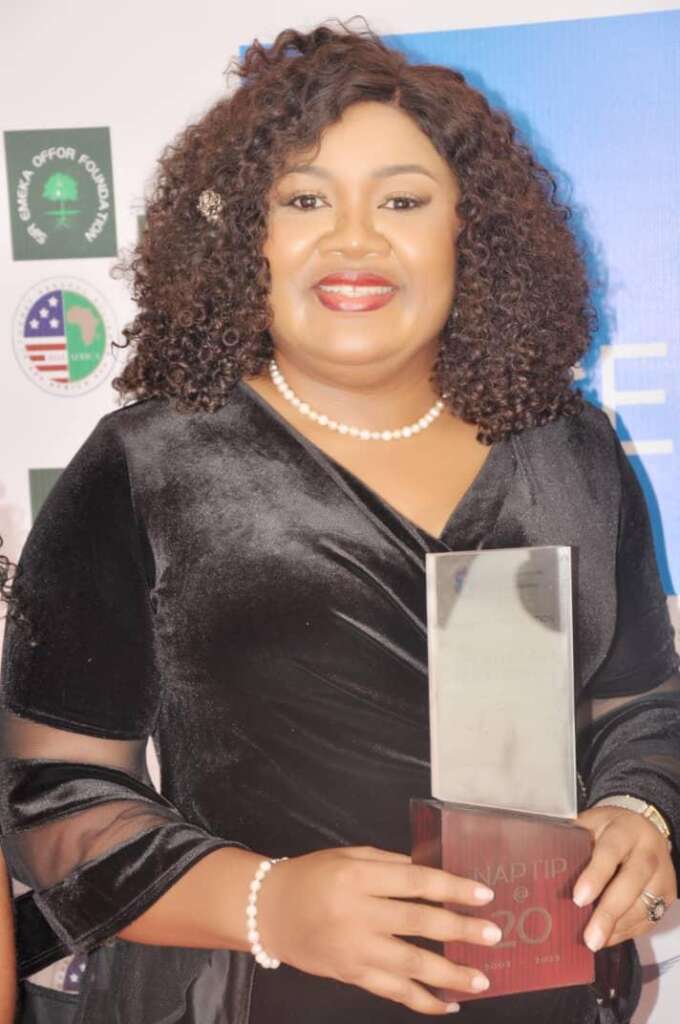
For responding to the numerous issues of violence against women and children; the fight against human trafficking in Nigeria and for supporting the National Agency for the Prohibition of Trafficking in Persons (NAPTIP) since its establishment in 2003, FIDA Abuja received a recognition award.

NAPTIP on 27th of July 2023, conferred the award on FIDA Abuja during the celebration of its 20 years anniversary, which took place at the A Class Park and Events Centre, Maitama.

The award was received by FIDA Abuja’s Chairperson, Ms. Chibuzo M. Nwosu,.

She was accompanied by the Vice Chairperson, Francisca Akaniro-Opara, and the General Secretary, Mojirayo Ogunlana-Nkanga.

The Branch was particularly eulogised for distinguishing itself as an organization that responds to numerous issues of violence.

FIDA Abuja Chair, Ms. Chibuzo M. Nwosu

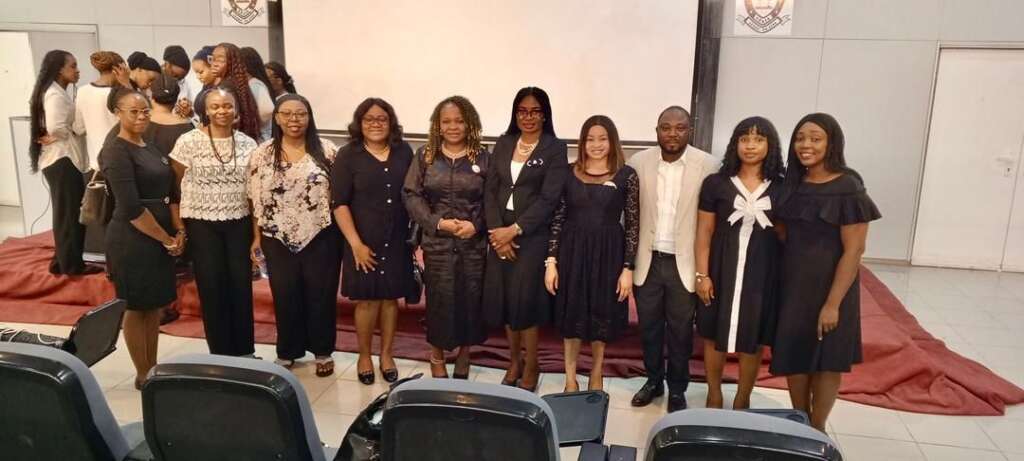
FIDA Abuja set to inaugurate student-associate membership at Baze University Abuja

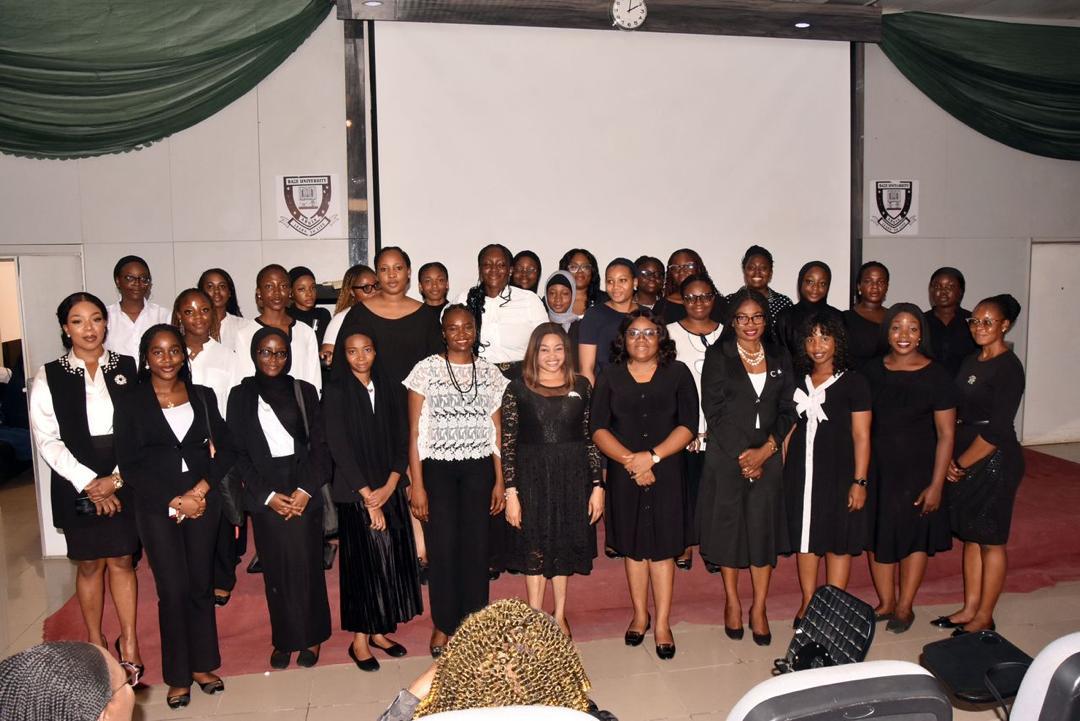
The International Federation of Women Lawyers, FIDA Nigeria, Abuja branch has concluded plans to commence its student-associate chapter at Baze University in Abuja.

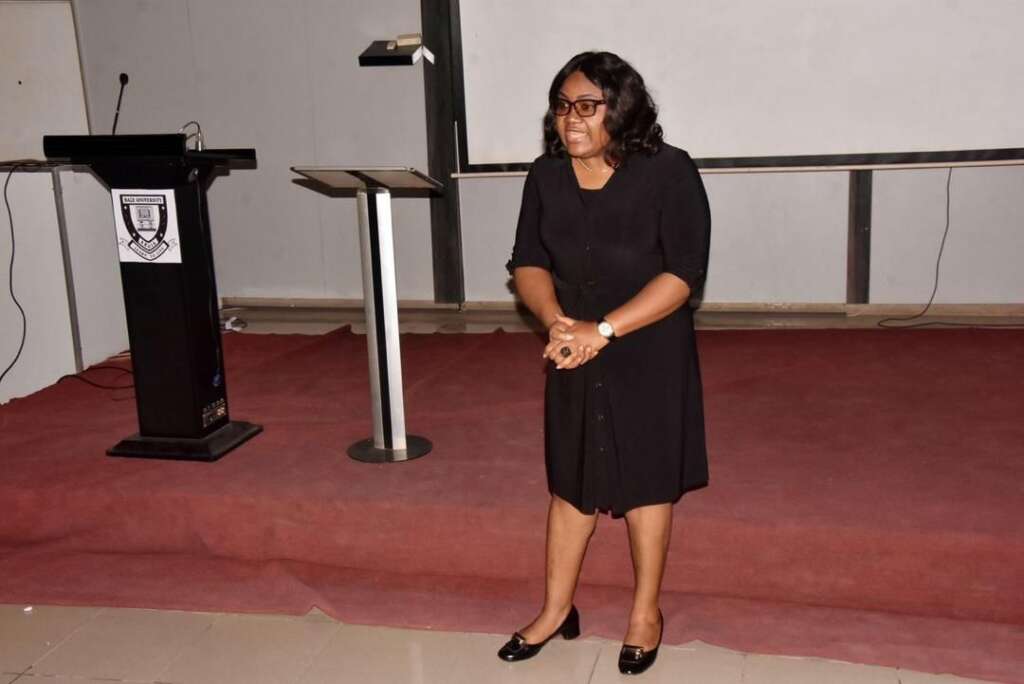
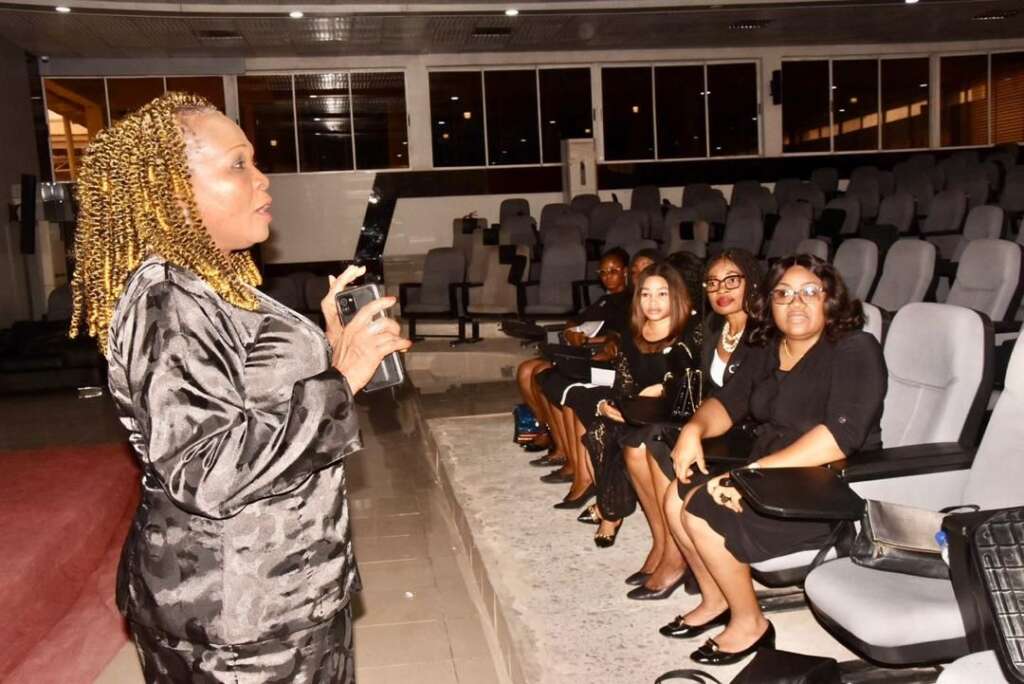
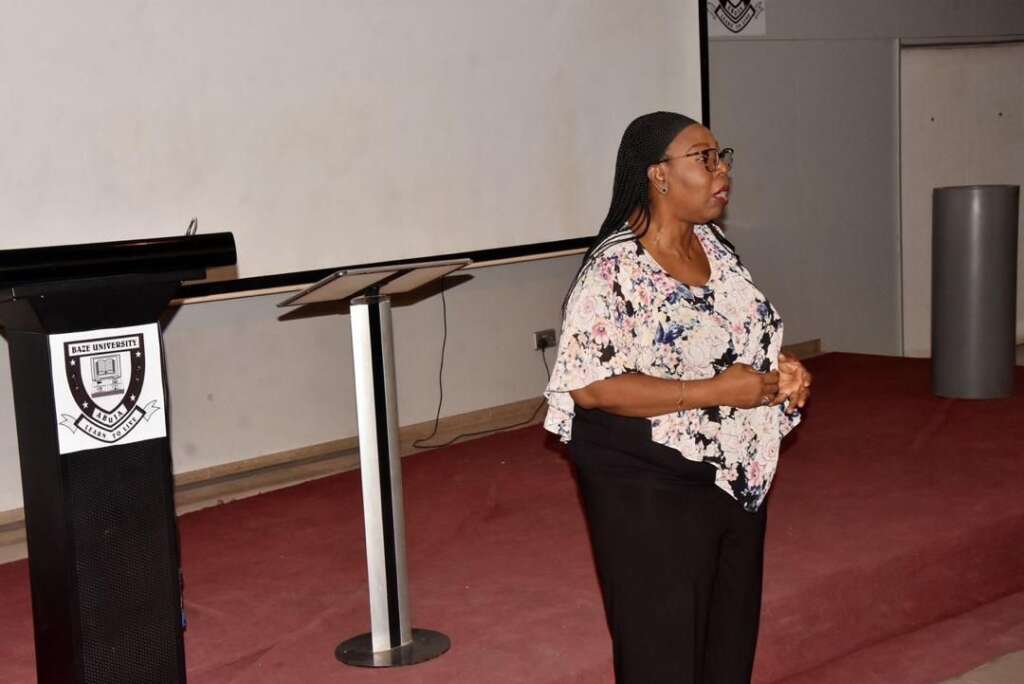
FIDA Abuja Chair addressing the students.

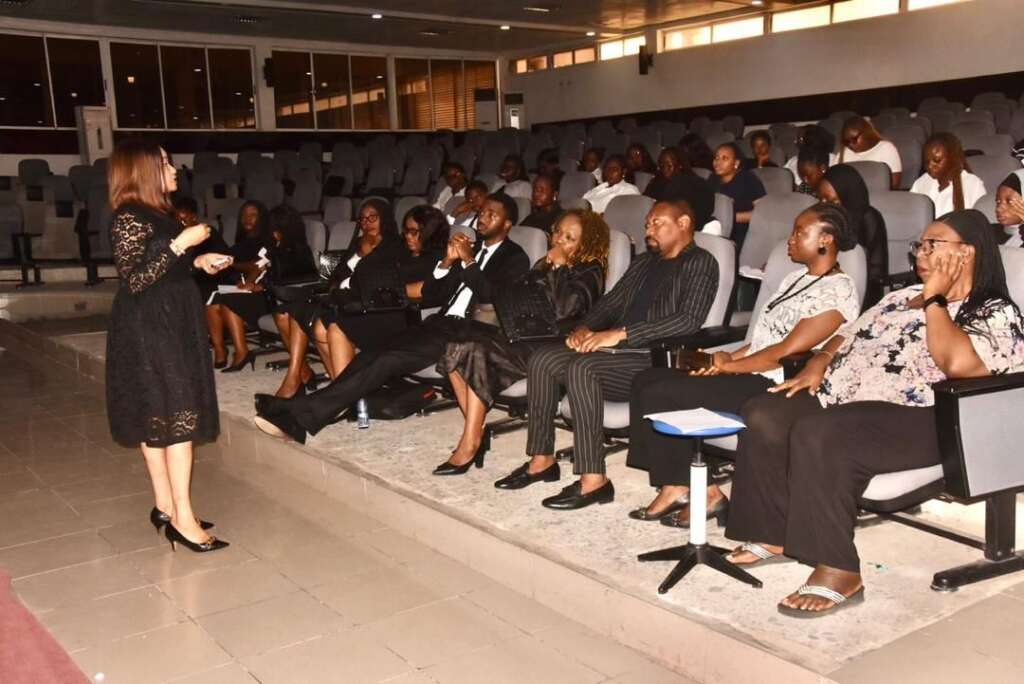
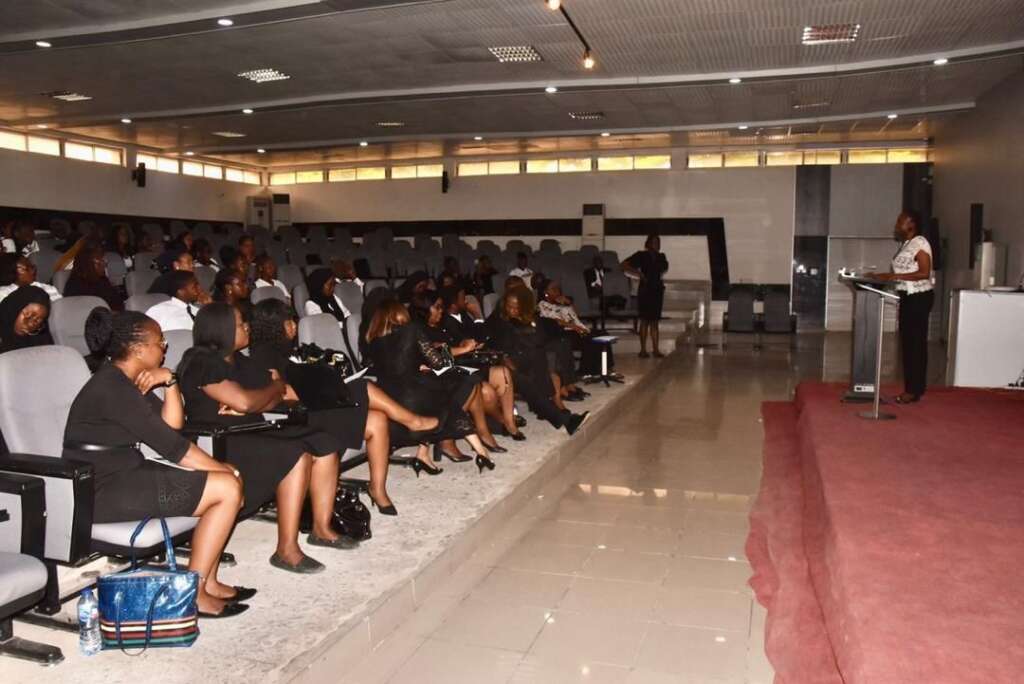
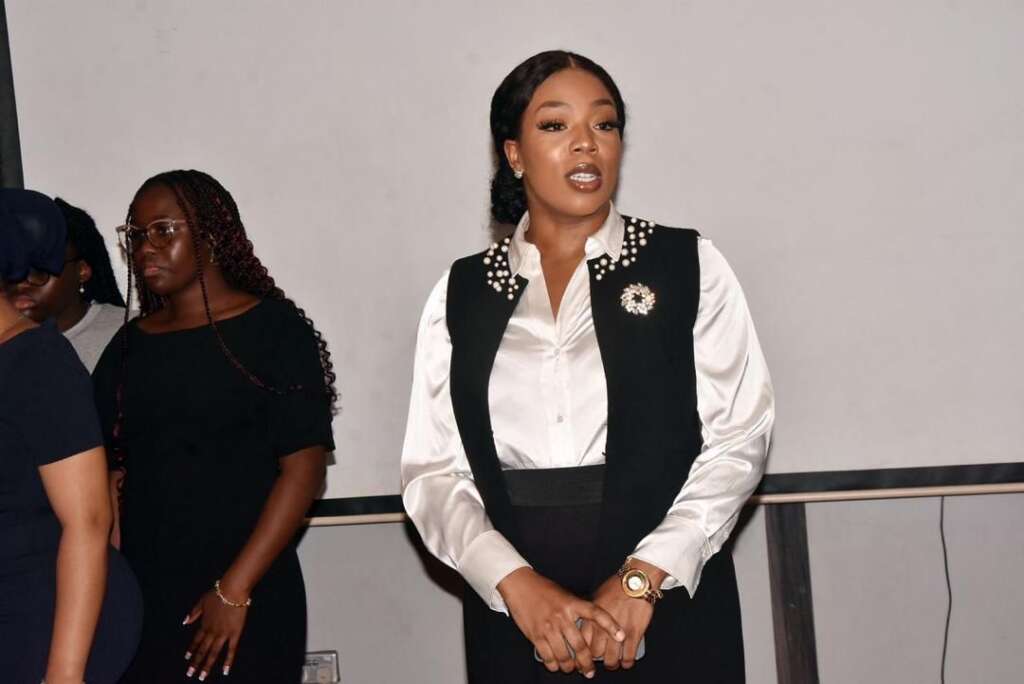
Following the call for a Student-Associate Membership at the university, FIDA Abuja led by its Chairperson, Chibuzo M. Nwosu visited the Law students of the institution.

Welcoming the Branch, the Family Law Lecturer at Baze University and past Vice-chairperson of FIDA Abuja Branch, Mrs. Ozioma Izuorah, introduced the branch and the essence of the day’s event.

Ozioma Izuora (Family Law Lecturer, Baze University)

She then enjoined the students to embrace this collaboration in order to keep the family together.

Introducing the branch and its mandate to the teaming law students, FIDA Abuja’s Chairperson Ms. Nwosu gave a synopsis of the history, mission, vision, and core values of FIDA.

Charity Ibezim (Assistant General Secretary) anchoring the event.

She also thanked the school authority for the opportunity to share a lasting working relationship.

Tosin Oke (Coordinator, Law Clinic, Baze University)

Nwosu added that “the relationship will strengthen the FIDA mandate as it extends the mantral to the students”.

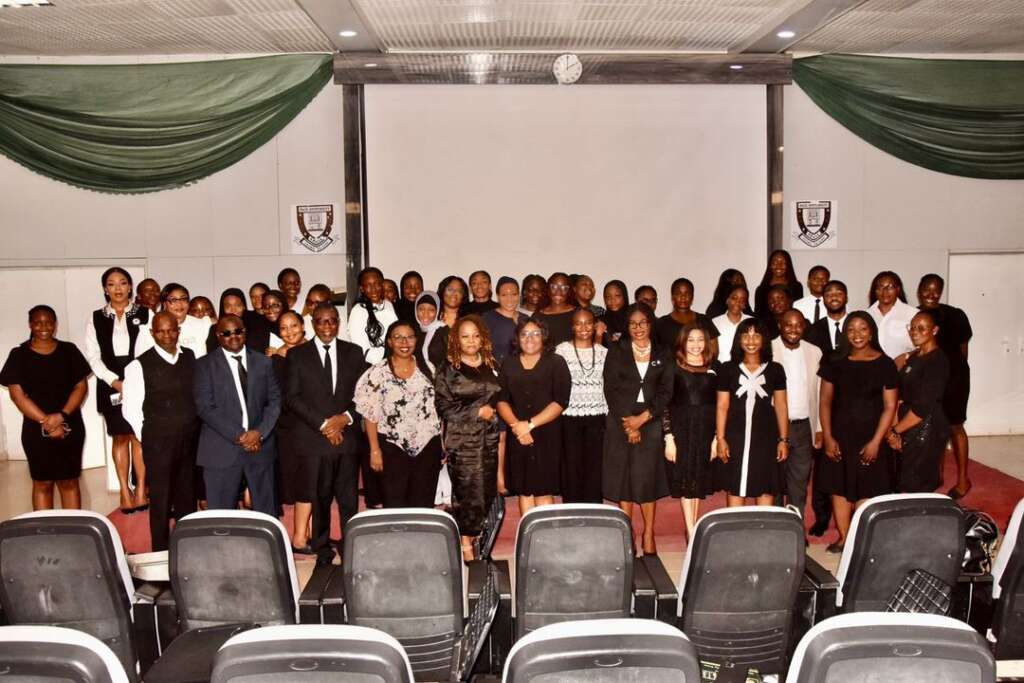
FIDANs and Baze University Lecturers in a group photo.
FIDANs and students in a photo session.
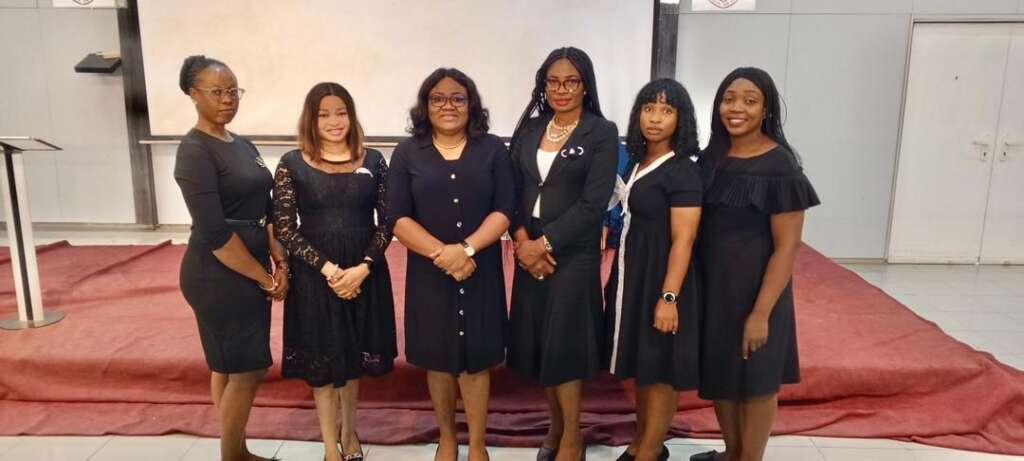
FIDA Abuja Chair and other FIDAns
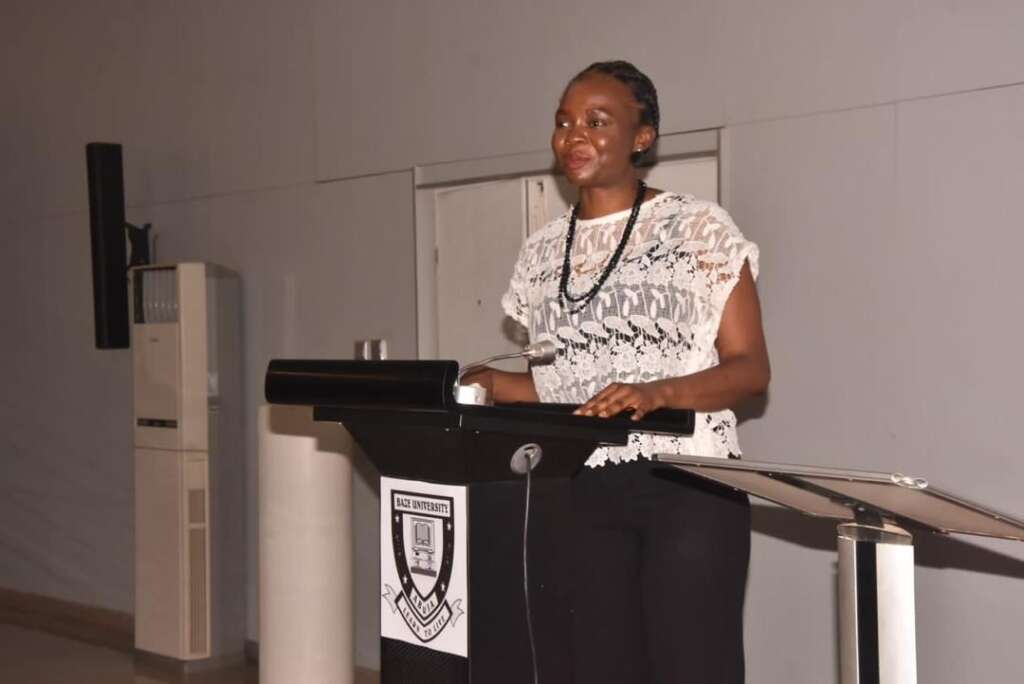
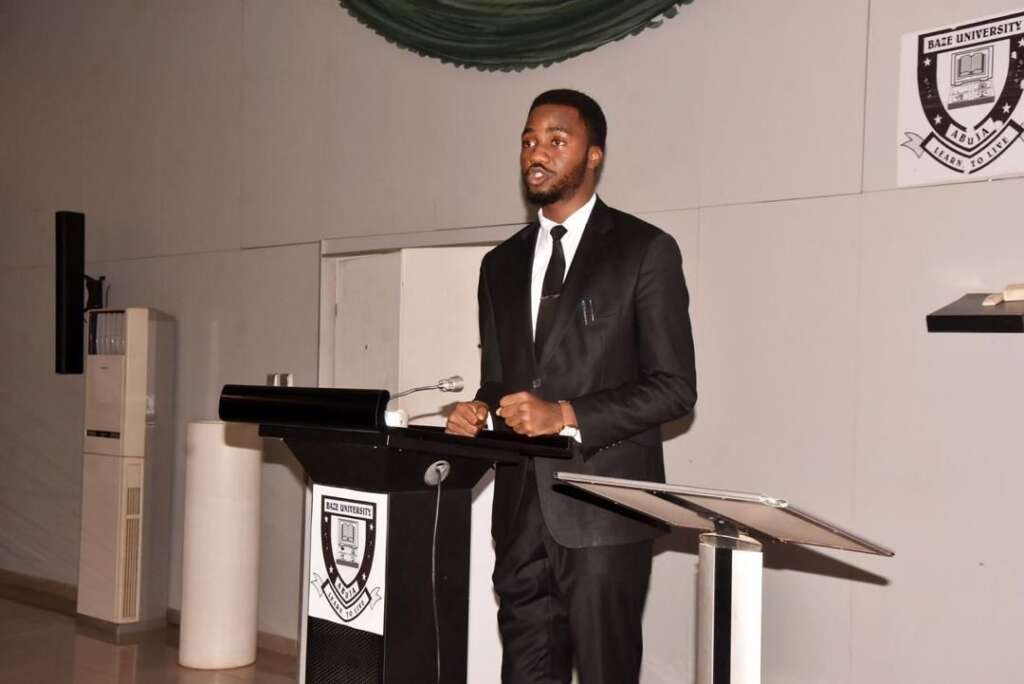
Dr. Bridget Anigbogu (Lecturer, Baze University) addressing the students.
Uju Rochas (Student) giving a vote of thanks.
Chibueze Onwuchelu (President, Law Student Association) pledging support of the students.
Barr. Dayo Ashonibare (Lecturer, Baze University) and FIDAns.

Niger Republic is an extension of Northern Nigeria

  • War is not a tea party, Bode George cautions President Tinubu against military action

By Joseph Daudu (SAN)

I don’t believe that Tinubu does not know the implications of his warmongering stance against Niger Republic.

If he does not know, at least the Realists in his team must have worked out the implications by now. It has grave religious and ethnic downside.

There is a school of thought encouraging him to go on this warmongering stance.

These people including the Oduduwa Republic adherents, the Biafrans, Asari Dokubo and the Ijaw nation, the Bokists, and many other inchoate splinter groups who would move ‘ to their tents’ and declare their own nations when the Tinubu cataclysm erupts.

No nation goes to war on behalf of Neocolonialists and other parasitic world powers to enforce democracy. What happened to the principle of ‘Non interference in the internal affairs of other nations’ which the Western nations studiously adhere to.

Why is Mr President crying louder than the bereaved?

The other tactics to secure votes and win an election not the same or even worse than a coup d etat?

I think the usual platitudes should just have been mouthed by our President and then leave the people of Niger to sort themselves out.

He has stopped electricity flow to Niger.

Does he know that we supply electric power to Niger Republic in exchange for their not constructing a Dam on their own end of the River Niger, which would have completely ruined the lives of millions of Nigerians and which will put the Kainji, Jebba and Shiroro dams out of business.

The electricity we supply is a small price we pay for the Nigerienes not to dam the said River.

He should have consulted with General Gowon who would have explained the depth of Nigeria’s relationship with Niger starting with the reign of President Hamani Diori.

Finally, the arms dealers like vultures are locked in on this threat of war. The biggest arms dealers are the same countries encouraging ECOWAS to go to war on behalf of democracy that they do not practice. They are yearning for a large scale war in Africa, which will depopulate us and hand the region over to them FOC without the rigours of colonisation.

The President should not start what he cannot finish.

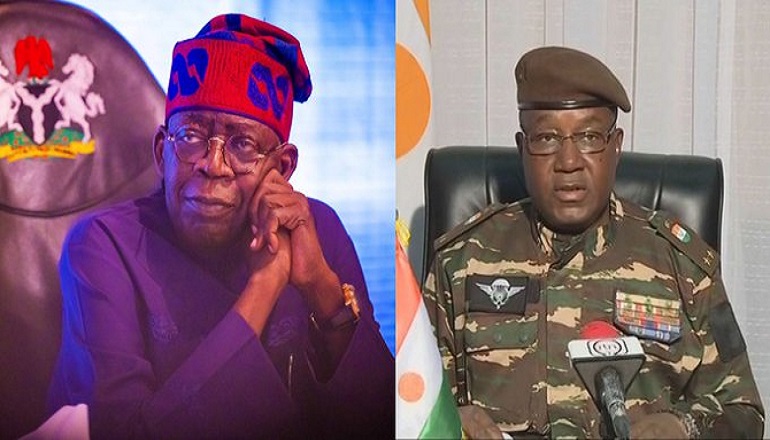
Likewise, a chieftain of the opposition party in Nigeria, Chief Bode George, has written a letter counselling President Bola Tinubu on his planned military invasion of the Republic of Niger over the overthrow of President Mohamed Bazoum.

Recall that President Tinubu has written to the Senate seeking its support for military intervention against the military junta in Niger Republic. He also sought the backing of the legislature on cutting off electricity to the country.

In a letter made available to Freelanews, the PDP chieftain and Atona Oodua of Yorubaland admonished the Nigerian president to reconsider this move as it could be counterproductive.

Here’s the full text of the letter:

I write to you as a Nigerian, a retired General in the Nigerian military, a patriot and a war tactician.

On July 26, 2023, the Commander of the Presidential Guard in Niger Republic, General Abdourahamane Tchiani, overthrew President Mohamed Bazoum, seized power and is now the new strongman of the Nigerien Armed Forces.

As the leader of ECOWAS, you immediately invited other West African leaders and an ultimatum was given to Tchiani that Bazoum must be reinstated or else, a strong military force (just like ECOMOG in Liberia and Sierra Leone) will invade Niger Republic and forcefully reinstate him.

The population of Niger Republic is 27,294,785 (just like Lagos State). Niamey is the capital and the population is 1,437,000 (not up to Alimosho Council in Lagos) and as the Commander-in-Chief of the Armed Forces of the Federal Republic of Nigeria who gets security briefings everyday since you were sworn in on May 29, 2023, you may have been told that even a Brigade of the Nigerian Army, commanded by a Colonel, can crush the soldiers in Niger Republic.

Now, my observations:

First of all, you have done the right thing by sending a delegation consisting of former Head of State, General Abdulsalami Abubakar (rtd), and Sultan of Sokoto, Muhammad Saad Abubakar, a retired Brigadier-General, to meet the Military High Command in Niger.

It is okay to send a delegation. Diplomacy is always a better option to war. To jaw jaw is better than war war. But, I believe, it would have been better if the full Nigerian colouration was reflected in that delegation. Some diplomats (serving or retired) should have been included in the delegation. Diplomats are trained for a situation like this. What is happening in Niger right now is not only for the military.

Number two, when you have a crisis within, you solve that first before going international with a ‘Big Brother’ posture. In your last national broadcast, you even admitted that Nigerians are going through a lot and everything is being done to alleviate their suffering.

In Nigeria today, there is no food, no financial power to buy fuel, no light, no money. Nigerians are psychologically stranded and people are really going through a lot. So, I don’t know what our going to Niger Republic with full military power will achieve.

If you remember, Nigeria, almost singularly, financed ECOMOG military operations and that was when our economy was better. Which economy are we going to use now to finance a full military operation in Niger Republic, when Mali and Burkina Faso have threatened to take sides with Niger Republic?

Will this not lead to the collapse of ECOWAS? Do we really know the type of partisan game Western Powers, on one hand, Russia and China, on another hand, and some other African countries, are playing behind the scene? Can we really trust any one of them? Should Nigeria’s interest not play a major role before taking any decision of this gargantuan dimension which can lead to loss of lives and destruction of properties?

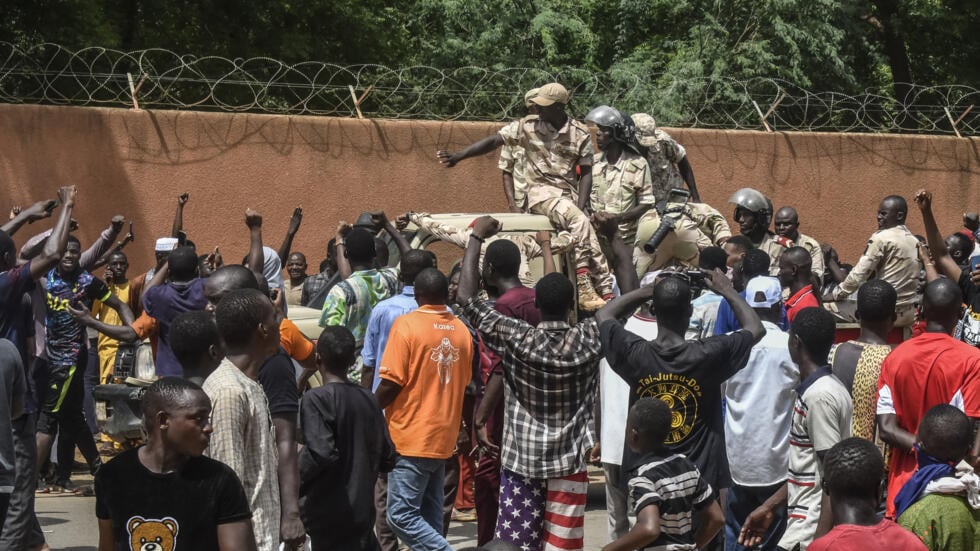
I saw a video today of some Nigeriens, on a road show, backing Tchiani and abusing you. That may have been arranged by the coupists quite alright but do we need that type of distraction now when everything is being done to ensure that Nigeria moves its economy to the next level?

Do we know the involvement of Russians because of the Uranium in Niger?
In Nigeria, the electoral process is yet to be concluded, the palliatives you promised because of the removal of fuel subsidy payment are still in the air, so why do we want to send our soldiers to engage in a needless war?
In ECOMOG, Nigeria paid for almost everything. But the economy then was different from what we have now.

We all know that Nigeriens, directly or indirectly, are fighting the French because of Assimilation Policy which has affected the Francophone speaking countries, unlike what we have in English speaking countries, like Nigeria. We should think twice before entering another country militarily. Don’t start what you cannot finish.

Niger is one of the largest (land border) countries in the world and also one of the poorest. What exactly do we gain if we go to war in Niger? What? So that people can praise us as a defender of democracy? When people are dying at home, do we need that type of commendation from anybody?

I am a retired General. So, I know that war is not easy. Please, don’t force Nigerians to engage in an endless war.

Despite its mineral wealth, Niger Republic has been held down by its leadership for decades. More than 75 per cent of Nigeriens are poor and uneducated. At the right time, if they don’t want Tchiani, they will get rid of him. Let Nigeriens deal with their rot and let us focus on how to save our own situation back home.
I am sure you know that seven Northern states – Kebbi, Sokoto, Zamfara, Katsina, Jigawa, Yobe and Borno – share a 1,608 kilometres long border with five regions in Niger Republic. In case of any war, residents of these states will be direct targets of bullets and missiles. This can also lead to a resurgence of criminal activities in the border areas.

Also, some countries, such as Algeria, Libya, Chad, Benin, Burkina Faso and Mali share borders with Niger Republic. Can we trust these countries to support us militarily and otherwise in case of a war with Niger Republic?

In all of these, we should ask ourselves, why did we finance a rail line to Maradi during the President Muhammadu Buhari administration?

Russia invaded Ukraine over a year ago. Thousands of people – soldiers and civilians – have been killed, billions of dollars worth of properties have been destroyed and there is still no end in sight.

In International Relations and Politics, you protect your national interest first. Burkina Faso and Mali openly declared that they would support Niger. Can we also trust Chad which has been under military rule since April 2021? Are we sure this move to invade Niger Republic will not affect ECOWAS? Is this the right time to spend the money Nigeria doesn’t have to fight in another country?

Politically, economically, socially, we are still in a quagmire. Then you want to add the fourth one: Warfare.

Anybody who has been in the military will tell you war is not an easy thing. We must be careful.

Thank God you have started the diplomatic move.

Let the envoys continue the diplomatic discussion in Niger.

War is not a tea party.

In the meantime, Niger’s junta has severed ties with Nigeria after the efforts of Economic Community of West Africa States (ECOWAS) to resolve the ongoing impasse failed.

It has also cut off all connections including military agreements with France, its former colonial ruler, as international pressure mounts on it to restore democratic order in the country. 

TIPS