Home Blog Page 686

Appeal Court loses 3 justices in 2023

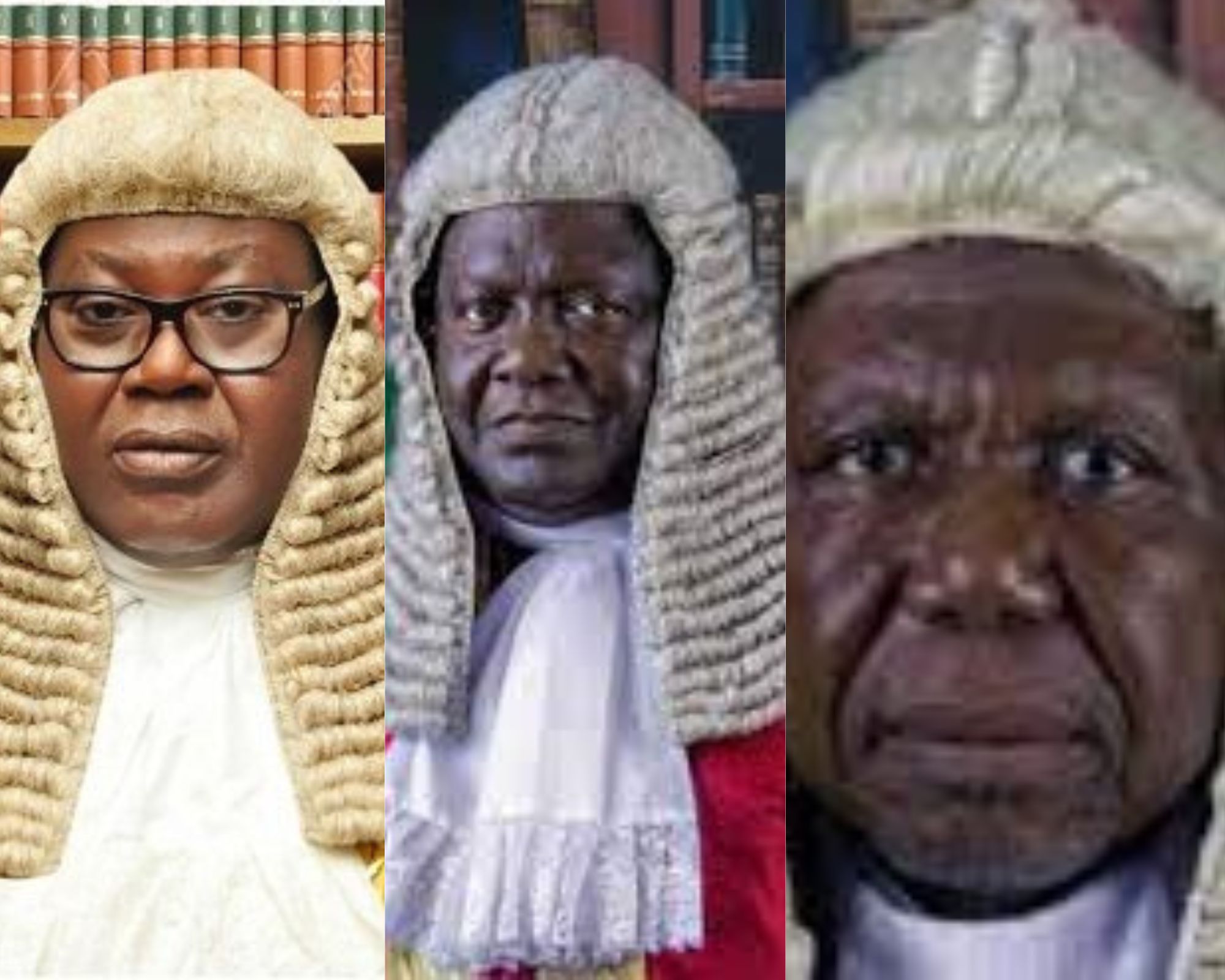
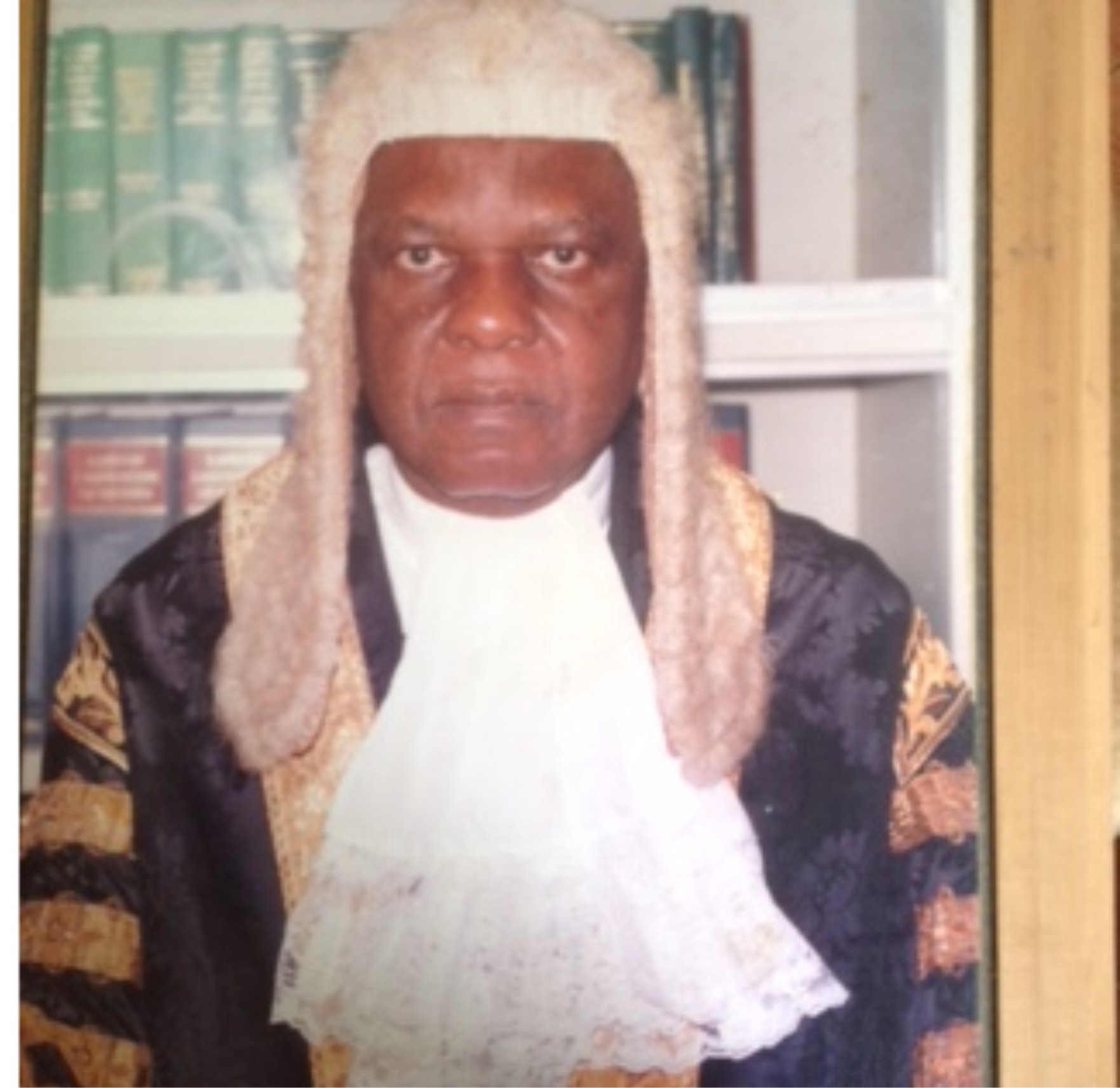
When the then 67-year-old Hon. Justice Ayobode Olujimi Lokulo-Sodipe slumped and died in his office while dressing up to attend a court session in February this year, little did the Court of appeal family know that more sorrow awaited them. The Ogun State born judge was serving at the Court of Appeal Akure Division, in the Ondo State capital. That was at the beginning of 2023.

The came Tuesday 6 June 2023 when the Presiding Justice of the court’s Calabar Division, Hon. Justice Raphael Chikwe Agbo passed on. Agbo who hailed from Enugu State was billed to retire in October shortly after the resumption of the Courts from vacation at age 70 died. He was at that time the next most senior justice of the Appeal Court.

His Lordship who had been reportedly battling a health challenge was said to have woken up that Tuesday morning breathing hard. He eventually died at the hospital where he was taken to.

On Wednesday 6 December, the appellate court was again thrown into mourning when news filtered in that Justice Joseph Shagbaor Ikyegh had died. He was the Presiding Justice, Court of Appeal, Port-Harcourt Division.

Justice Ikyegh who hailed from Benue State reportedly slumped Wednesday afternoon at his Makurdi residence located at the Achussa Community area of the state capital after receiving a phone call.

A source close to his family said “he was then rushed to the Benue State University Teaching Hopsital, BSUTH, Makurdi where he was confirmed dead by medical doctors.”

The late 65-year-old jurist recently made the list of the 22 Justices of the Court of Appeal shortlisted by Federal Judicial Service Commission, FJSC, and forwarded to the National Judicial Council, NJC, to be promoted to the apex court from the North Central.

And although His Lordship was the next most senior judge from the North Central region after Hon. Justice Jummai Hannatu C. Sankey (Plateau State), he was on the reserve list and right at the bottom too.

Sources close to the departed justice’s family said his death might not be unconnected with the news about his being bypassed in the final selected for the topmost bench given that until recently, seniority had been the basis for nomination to the Supreme Court.

Video: Force PRO speaks on policemen demanding money from foreign female biker

The nauseating unprofessional behaviour of some policemen has again been captured on video that is now viral.

The cops were seen demanding money from a female biker who was on a tour of Nigeria from the Netherlands.

The Nigeria Police Force Public Relations Officer, Muyiwa Adejobi, on Thursday, said the officers were recorded along Moniya Road in Oyo State.

The officers had flagged down the biker, asking her where she was from and where she was headed. She told them that she was from the Netherlands and on her way to Abuja.

That response appeared to have surprised the officers. In the 1:26-minute video, the officers asked the woman to offer them money or whatever she had in her possession.

Interacting with the biker in pidgin, the officers said: “Wetin you bring come? Wetin you won give me. O yah give me something nah.”

The tourist appeared not to comprehend the officers’ message until they clearly said, “Give me money, money,” to which she asked, “Why?”

Reacting to the video shared by an X user, @Oyoaffairs, the Force PRO, Adejobi called on the Oyo State police command to look into the incident.

“Now that is along Moniya in Oyo, @OyoPoliceNG should take necessary steps on that. I have notified the PPRO Oyo of this. They need to be worked upon,” Adejobi said.

40-year-old teacher in Kirikiri for requesting a hug from 11-year-old female student

For requesting a hug from an 11-year old female student right inside the school premises, a 40-year old teacher, Stanley Egekwu, has been remanded at Kirikiri Maximum Security Prison.

P.M.EXPRESS reports that when the kid informed her parents about the teacher’s request, her parents notified the Police that the suspect had sexually molested their daughter.

The Police subsequently arrested Egekwu and filed sexual assault charges on a minor against him before the Ogba, Lagos Magistrate Court.

The incident happened on 8th November, 2023, at Apple Orchard School premises, Ago Palace Way, Okota, Lagos where the school is located.

The Police allege that  the suspect sexually harrassed the victim by asking her to hug him and she informed her parents about what happened.

During investigation at the Gender Section of the Police Command, the victim’s parents insisted that he should be prosecuted for the alleged assault despite several pleadings but they remained adamant.

The Police then charged him before the Ogba Magistrate Court for the alleged offence, which attracts several years of imprisonment.

However,  the Court did not take his plea when he was arraigned following a motion moved by the prosecutor, Supol Akeem Raji, asking the Court to refer the matter to the DPP for legal advice because of the nature of the case.

Thus, the Presiding Magistrate, Mrs. B.O. Osunsanmi, ordered his remand in custody at the correctional centre at Kirikiri town, Lagos, pending the outcome of the DPP’s advice and directed the prosecutor to duplicate the file and send it to the DPP.

The matter was adjourned for mention for the report of the DPP’s advice to be made available, which will determine if the matter will be transferred to the High Court or not over jurisdiction.

Credits: P.M.EXPRESS

Supreme Court releases CTC of Obi’s judgment (Download)

  • Justice Inyang Okoro’s lead judgment written in 3 pages, Aba Aji’s supporting judgment, 41 pages.

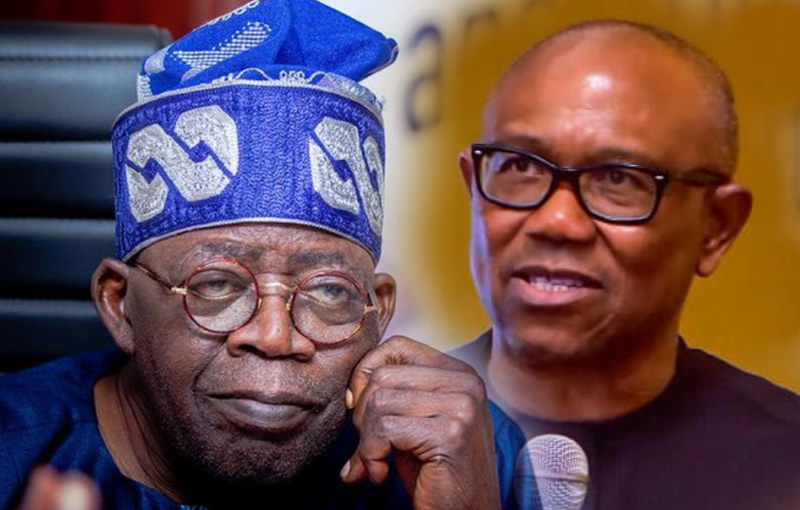
Nearly two months after the Supreme Court affirmed the victory of President Bola Tinubu as the winner of the February 25 poll and long after the leadership of Labour Party and its presidential candidate, Peter Obi cried out that they have yet to receive the Certified True Copy (CTC) of the apex Court’s judgment, a CTC of the verdict has finally been released.

Surprisingly, Justice Inyang Okoro who reportedly wrote the lead judgment did all including the heading and signature in three pages, while Justice Uwani Aba Aji in her supporting judgment wrote 41 pages.

Justice I.M.M Saulawa’s concurring judgment was nine pages, Justice Mohammed L. Garba’s, four pages, Justice Adamu Jauro, six pages and Justice Emmanuel A. Agim, 10 pages.

Download Justice Okoro’s judgment here.

Judgment-By-John-I.-Okoro-JSC-Mr.-Peter-Obi

Download Justice Aba Aji’s judgment here.

Judgment-By-Uwani-Musa-Abba-JSC-Mr.-P

Labour Party had in a statement signed by Alhaji Umar Farouk Ibrahim, National Secretary alleged that the apex court did not deliver judgment in its appeal.

Excerpts.

The Supreme Court issued a hearing notice dated 25th October 2023, notifying the Labour Party (LP) and its candidate in the Presidential Election, Mr Peter Obi, that judgment would be delivered in their appeal to the Supreme Court in Appeal No. SC/CV/937/2023 on Thursday, 26th October, 2023.

  1. On the 26th of October, 2023, LP and her lawyers were in Court. The Supreme Court proceeded to read the judgment in Appeal No. SC/CV/935/2023 filed by the Peoples Democratic Party (PDP). After that, the Presiding Justice, His Lordship John Inyang Okoro JSC, verbally stated that the decision in the LP appeal would abide by the judgment just delivered in respect of the PDP appeal!
  2. The LP finds the position taken by the Supreme Court regarding the judgment in her appeal extraordinary, terribly shocking, most unprecedented and unacceptable for the following reasons:

(a) The appeals filed by both the PDP and LP from the Court of Appeal to the Supreme Court were two distinct appeals which emanated from two separate judgments of the Court of Appeal.

(b) The two appeals were not even consolidated at the Supreme Court but were heard separately.

(c) At the separate hearing of both appeals, the question was never raised, the parties never agreed, and the Court neither gave a directive nor ordered that the judgment in one appeal would abide by the decision in the other!

(d) The petitions from where the two appeals arose were heard separately at the Court of Appeal based on separate pleadings and different sets of witnesses. Thus, the facts of the two petitions were remarkably different.

(e) The only issue where the parties agreed in the two appeals was 25% votes in Abuja. The other issues submitted to the Supreme Court for determination in the two appeals differed remarkably. By way of illustrations, we draw attention to some of the issues:

(i) Forfeiture of funds being proceeds of narcotics trafficking contained in the LP petition (and not in the reply);

(ii) Double nomination of the 3rd Respondent (who was not even a party in the PDP petition);

(iii) Failure to comply with the mandatory requirement of Section 73(2) of the Electoral Act, 2022, the consequence of which the provision stipulates, renders the election invalid.

(iv) The effect of the certified true copies of 18,123 blurred and unreadable polling unit result sheets (Form EC8As) downloaded from the IReV, issued by the NEC to the LP and its candidate which they tendered in Court. Some were blank A4 papers, pictures, and images of unknown persons. They were purported to be copies of polling units results. Even with the materiality of the issue, the Court of Appeal evaded making a finding on it.

(f) They were all part of the LP appeal but not that of the PDP appeal.

(g) The LP had, out of an abundance of caution, by letter dated 26th October 2023, applied to the Chief Registrar of the Supreme Court for the certified true copy of the judgment in the LP appeal. There was a reminder through a letter on 8th November 2023. However, to date, the requests have been ignored.

(h) The LP is also aware that by the provision of Section 294(1) of the Constitution of the Federal Republic of Nigeria, 1999 (as amended), every Court established under the Constitution (which necessarily includes the Supreme Court) has a duty to:

“Furnish all parties to the cause or matter determined with duly authenticated copies of the decision within seven days of the delivery thereof.”

(i) The Supreme Court has failed to do this in the present appeal.

  1. In conclusion, the LP finds it very embarrassing and depressing that the Supreme Court would, after hearing the appeal by our party, refuse to deliver any judgment and also fail to avail our party of any copy of whatever it considers to be its decision.
  2. With every sense of responsibility, the LP believes that the Supreme Court’s conduct is regrettable and unprecedented. This constitutes an unmitigated breach of the constitutional right of LP and her candidate to a fair hearing.

SIGNED:

Nigeria is on a fast walk from freedom, democracy, equality and Justice —Ogebe, JSC

The call for a fair and transparent judiciary has again been re-echoed with the retired Hon. Justice James Ogebe, JSC, asserting that: “For a society to be fair, its legal and judicial systems must be transparent, efficient, and accessible to everyone, especially the most vulnerable and marginalized.

Justice Ogebe who presented a paper —Restoring Justice in Nigeria’s Long Walk from Freedom: An Imperative for a Fair Society —in Abuja on Wednesday at the 10th Memorial of Nelson Mandela’s death expressed regret that “Nigeria’s story today… [could be] …fittingly described as a ‘Fast walk from freedom’ democracy, equality and Justice.”

“In present day Nigeria”, His Lordship continued, “the political class’ cases fast track through the courts while cases of ordinary citizens suffer preposterous delays. Some reports say a case spends 30 years in the court system. Appeals being heard now were filed 10 years ago. This year the Supreme Court has practically heard only political cases.

“But even then, a copy of Plateau state’s election judgment at the court of appeal was reportedly not available till the time for appeal almost ran out and a party in the presidential election lamented that they had not received a CTC of their judgment about a month after.

” If justice delayed is Justice denied then what is the effect of a judgment of national import not being readily available for scrutiny in a heated polity?”

Insisting that true justice means “guaranteeing the independence of the Judiciary, the transparency, fairness, and impartiality of the Justice system, an accessible and fair legal system, ensuring that unnecessary complexities do not bog down judicial processes, and ensuring that justice is timely, Justice Ogebe added: “Mandela’s vision of justice considers the rule of law as a cornerstone of a just society.”

According to the former Justice of the Supreme Court, “the progress and developments in our electoral and democratic jurisprudence have been reversed and we see settled issues being relitigated or abuses being re-enacted by unscrupulous political actors…

“I also reecho the call of my learned brother Justice Dattijo Muhamed in his recent valedictory calling for a bifurcation of the chair of NJC and FJSC from the office of the CJN.

“The danger is where you have a bad actor at the center, all three institutions will be dysfunctional but splitting it increases the prospects for a good actor in one or the other.

Finally I endorse calls for improvement in the quality and caliber of judicial appointments as have been made by Prof Odinkalu amongst others. I have long maintained that while Federal Character ensures fair representation, it should not be the sole consideration. There should be excellent judicial acumen and productivity slots in addition as well. If we can have slots reserved for sharia and customary law justices, why not have same for outstanding legal minds also?”

Below is the full text of his speech.

At Mandela’s Legacy: A Catalyst for National Rebirth – A Conference Commemorating the 10th Remembrance Anniversary of Dr. Nelson Mandela, December 5, 2023

Restoring Justice in Nigeria’s Long Walk from Freedom: An Imperative for a Fair Society

By Hon. Justice J.O. Ogebe JSC (Rtd)

Protocols

One of the critical aspects of Mandela’s vision of justice is its accessibility. Justice that is distant, complex, or expensive is justice denied. Mandela’s autobiography was fittingly called “Long Walk to Freedom” encompassing his decades long quest for democracy and equality while by contrast Nigeria’s story today seems to be quite the opposite fittingly described as a “Fast walk from freedom” democracy, equality and Justice in our own dear native land.

Mandela’s vision of justice went beyond the narrow confines of legal frameworks. He championed a justice steeped in fairness, equality, and the unwavering protection of human rights. His legacy challenges us to build societies that reflect these ideals, where justice is not a privilege of the few but a fundamental right of all.

In present day Nigeria, the political class’ cases fast track through the courts while cases of ordinary citizens suffer preposterous delays. Some reports say a case spends 30 years in the court system. Appeals being heard now were filed 10 years ago. This year the Supreme Court has practically heard only political cases. But even then, a copy of Plateau state’s election judgment at the court of appeal was reportedly not available till the time for appeal almost ran out and a party in the presidential election lamented that they had not received a CTC of their judgment about a month after. If justice delayed is Justice denied then what is the effect of a judgment of national import not being readily available for scrutiny in a heated polity?

For a society to be fair, its legal and judicial systems must be transparent, efficient, and accessible to everyone, especially the most vulnerable and marginalized. It means guaranteeing the independence of the Judiciary, the transparency, fairness, and impartiality of the Justice system, an accessible and fair legal system, ensuring that unnecessary complexities do not bog down judicial processes, and ensuring that justice is timely.

In the ‘90s, when I was in the court of appeal, we granted Moshood Abiola bail in his treason trial. It was clear to us that Abiola was not a threat to national security and indeed had a prima facie bona fide claim of right to the presidency on the basis of one of Nigeria’s most credible elections.

However the Abacha regime appealed to the Supreme Court, then refused to appoint new justices who could hear the appeal, increased the retirement age for retiring justices so the court would not collapse. This was one of the worst systemic attacks on the court. Incidentally, the court is today at a similar point of asphyxiation with an inability to constitute two simultaneous panels (full court and regular panel) with only nine justices and CJN.

Ironically at the same time the bail grant to Abiola was being frustrated by the army regime, Mandela was being released from jail by the white apartheid regime from where he ultimately won elections to the presidency.

So in the 90s we witnessed the ultimate political paradox that a prisoner became president-elect in a country that was constitutionally racist and a putative president-elect became a prisoner in a country with constitutional equality.

Nigeria was going in the wrong direction then and after a brief period of course correction in our 1999 return to democracy, some would argue is going in the wrong direction again now.

Transcending Legal Frameworks- A Vision of Inclusive Justice

Mandela’s vision of justice considers the rule of law as a cornerstone of a just society. It ensures that laws are applied fairly and consistently, with no individual or group being above them. Upholding the rule of law without prejudice requires an independent judiciary, a transparent legal system, and a commitment from every arm of government to abide by and enforce the law. It also requires a vigilant and informed citizenry that holds its leaders and institutions accountable.

Mandela’s vision of justice transcended mere legalism. It was not confined to the letter of the law but was deeply intertwined with the spirit of humanity. He envisioned a world where justice served as a guiding principle, ensuring that everyone, regardless of their background, had equal access to the rights and protections they deserved. His struggle was not just for the liberation of South Africa from the clutches of apartheid but for the establishment of a global society where fairness and equality were the norms.

In recent times, the progress and developments in our electoral and democratic jurisprudence have been reversed and we see settled issues being relitigated or abuses being re-enacted by unscrupulous political actors.

Attacks on sitting governors like we saw in the Ngige saga in Anambra state are back. Sponsored impeachments, ghost chief executives remotely ruling and armed clashes between security services are just a few examples of the trenchant anarchy destabilizing the rule of law.

Perhaps two of the great legacies of Mandela that we enjoin Africa’s rulers to emulate are

1. Magnanimity in victory and

2. Relinquishment of power.

Mandela served as president to steady the ship of state in the transition to one-man-one-vote inclusive and participatory democracy.

But he served only one term to allow young blood to better benefit his new nation.

In Nigeria, the same individuals have gravitated around the corridors of power vacillating from one party to the other and inundating the courts in desperation for power for decades.

In conclusion I want to recommend the suggestion of Prof Farooq Kperogi who submits that courts be restricted to reruns and not awards of elections to parties. This is one way to make peoples’ votes count instead of judges’ votes.

I also reecho the call of my learned brother Justice Dattijo Muhamed in his recent valedictory calling for a bifurcation of the chair of NJC and FJSC from the office of the CJN.

The danger is where you have a bad actor at the center, all three institutions will be dysfunctional but splitting it increases the prospects for a good actor in one or the other.

Finally I endorse calls for improvement in the quality and caliber of judicial appointments as have been made by Prof Odinkalu amongst others. I have long maintained that while Federal Character ensures fair representation, it should not be the sole consideration. There should be excellent judicial acumen and productivity slots in addition as well. If we can have slots reserved for sharia and customary law justices, why not have same for outstanding legal minds also?

As we mark the 10th Memorial of Mandela’s demise, we must ask ourselves why he survived 27 years imprisonment from White South Africans while Moshood Abiola did not survive five years imprisonment by his own brothers. We must not become our own worst enemies.

May God bless Nigeria and May Africa honor the legacy of the great Madiba!

– Hon. Justice J.O. Ogebe JSC (Rtd

NJC approves elevation of Tsammani, Nwosu-Iheme, Adumein, Adah, 7 others to Supreme Court

  • Six Heads of Courts, 26 judges recommended for appointment
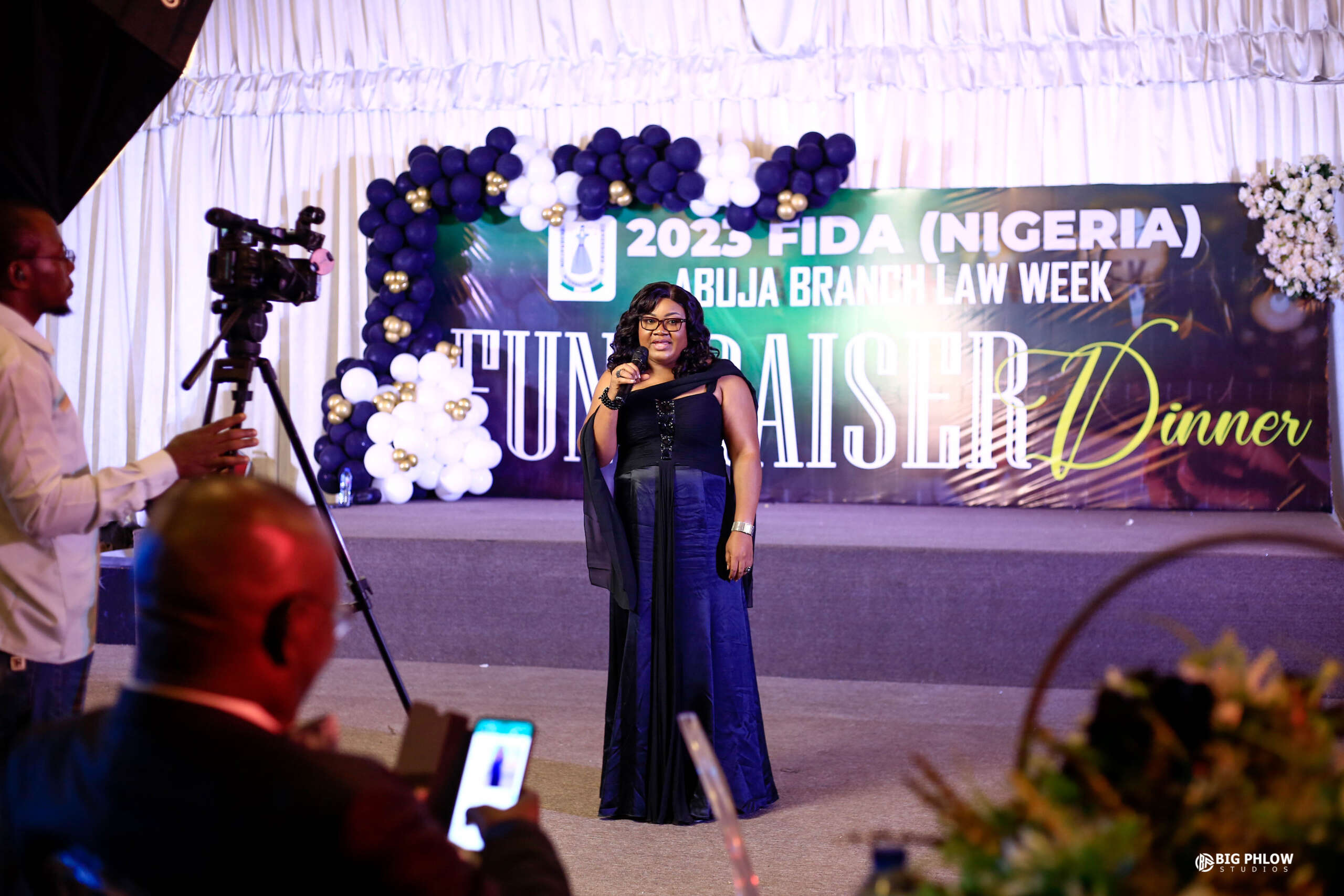
The National Judicial Council, NJC, has recommended the elevation of 11 Justices to the Supreme Court bench.

The legal body took the decision at its 104 meeting that held in Abuja on Wednesday.

The Council, in a statement it made available to newsmen through its Director, Information, Mr. Soji Oye, said it considered the list of candidates that was presented by its Interview Committee and at the end of deliberations, recommended the 11 Justices for the apex court bench.

It gave names of the successful candidates as; Justice Jummai Hannatu Sankey; Justice Chidiebere Nwaoma Uwa, Justice Chioma Egondu Nwosu-Iheme; Hon. Justice Haruna Simon Tsammani; Justice Moore Aseimo A. Adumein; Justice Obande Festus Ogbuinya; Justice Stephen Jonah Adah; Justice Habeeb Adewale O. Abiru; Justice Jamilu Yammama Tukur; Justice Abubakar Sadiq Umar and Justice Mohammed Baba Idris.

Likewise, whereas the Council, approved the elevation of Justice Mohammed Ahmed Ramat to the Court of Appeal, it also recommended the appointment of six Heads of Courts.

While Justice Joel Filibus Agya was okayed as the Chief Judge of Taraba State, Justice Umar Abubakar was recommended for appointment as the Chief Judge of Kebbi State.

Others are; Kadi Sadiq Usman Mukhtar as Grand Kadi, Sharia Court of Appeal, Kebbi State, Justice A. O. Femi-Segun as President, Customary Court of Appeal, Ogun State; Justice Alfred Yakubu as President, Customary Court of Appeal, Taraba State and Justice Tajudeen M. Abdulganiyu as President, Customary Court of Appeal, Oyo State.

The Council further recommended the appointment of Amaebi Ibomo Orukari and Akinyemi Martins Ayodele as High Court Judges in Bayelsa and Ogun State, respectively.

Ama Edet Ekpo, Theresa Ansa Agom and Jalarth Ogar Agim were recommended for appointment as High Court Judges in Cross River State; Aminu Abdullahi Gusau, Usman Hassan Gummi and Hadi Sani and Kadis, Sharia Court of Appeal, Zamfara State, while Abubakar Ahmad Tijjani and Aliyu Ibrahim Ebbema were okayed as Kadis, Sharia Court of Appeal, Nasarawa State.

According to the statement, Fatima Adamu, Hauwa Lawal Umar, Musa Ahmad, Musa Daihuru Mohammed, Farida Rabiu Danbappa, Halima Aliyu Nasir, Aisha Mahmoud, Adam Abdullahi and Hanif Sanusi Yusuf were recommended for appointment as High Court Judges, Kano State, Opokuma David Lawrence as a Judge for the Customary Court of Appeal, Bayelsa State; Esther Mami Ejeh, Ibrahim Dauda Shekarau, Musa Muhammad Dallah and Makama Tanze Benjamin as High Court Judges for Nasarawa State, while Awoyomi Bolanle Adenike and Lawal Adeniyi Olusanya were okayed as Judges, Customary Court of Appeal, Ogun State.

“All recommended candidates to the Supreme Court Bench would be sworn-in after the approval of their recommendation by President Bola Ahmed Tinubu, GCFR, and the subsequent confirmation of their appointment by the Senate.

“The various Heads of Court recommended would also be sworn-in upon the approval of their appointment by their various State Governors and subsequent confirmation of same by their respective State Houses of Assembly,” the statement further read.

Vanguard

Woman bags 15 years after stabbing twin and chopping her body into pieces

For the brutal murder of her twin sister, a 35-year-old woman, Tshepho Mogoshadi Mphahlele has been sentenced to 15 years imprisonment by the Mokopane Regional Court at Ga Mogotlane village in Limpopo, South Africa. 

The Limpopo police spokesperson, Brigadier Hlulani Mashaba said the woman was found guilty of brutally killing her twin sister on January 18, 2023. 

“During the trial, the court heard how the accused attacked her twin sister after they got into a heated argument and she stabbed her with a knife several times until she died at their residence,” Mashaba said. 

After the murder, Mphahlele chopped her sister’s body up with an axe, before fleeing the scene.

She later handed herself over to the Moletlane police station on January 20, and she was then arrested.

The case was assigned to Sergeant Rodney Mothiba, and he diligently worked on the case to ensure that the accused was denied bail until she was found guilty,” said Mashaba.

“The accused was sentenced to 15 years of imprisonment for the murder of her twin sister.”

Hadebe added that no person has the right to take away someone’s life, even after being provoked.

T

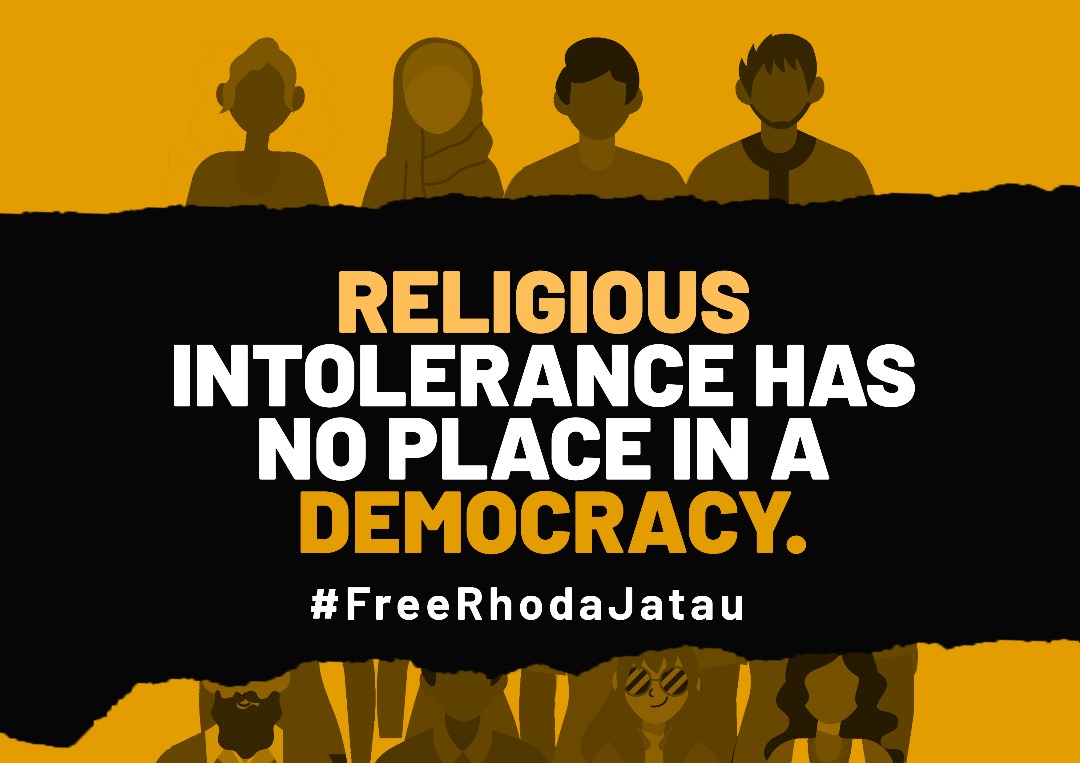
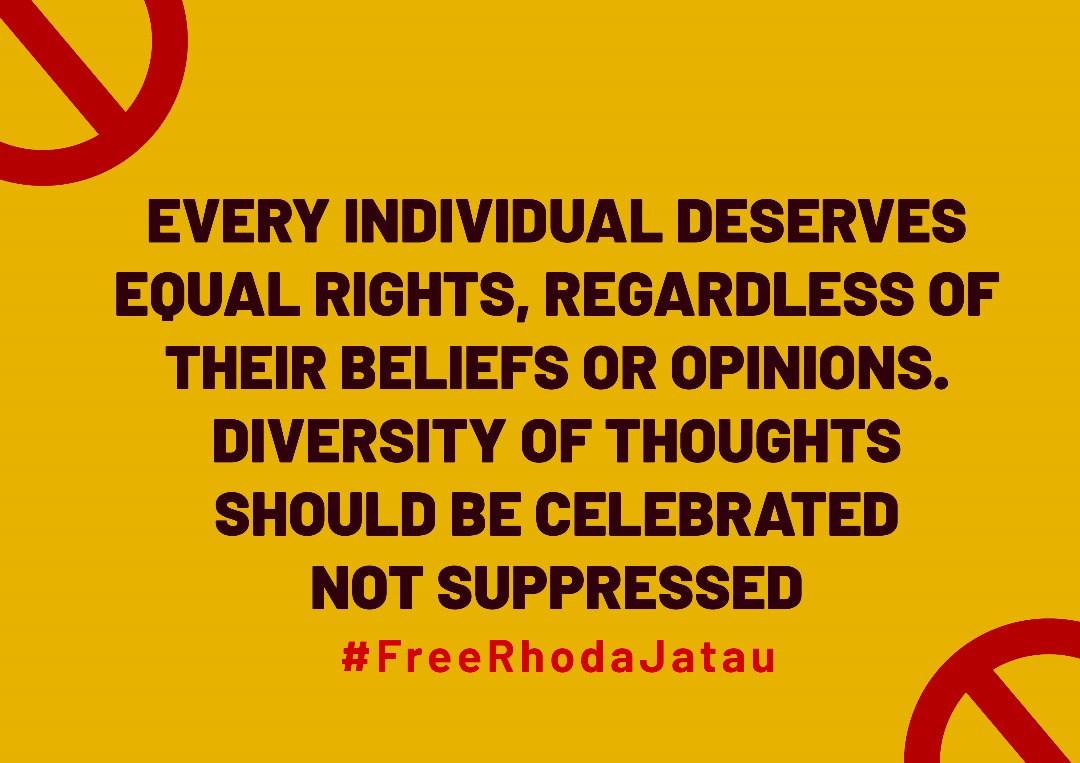
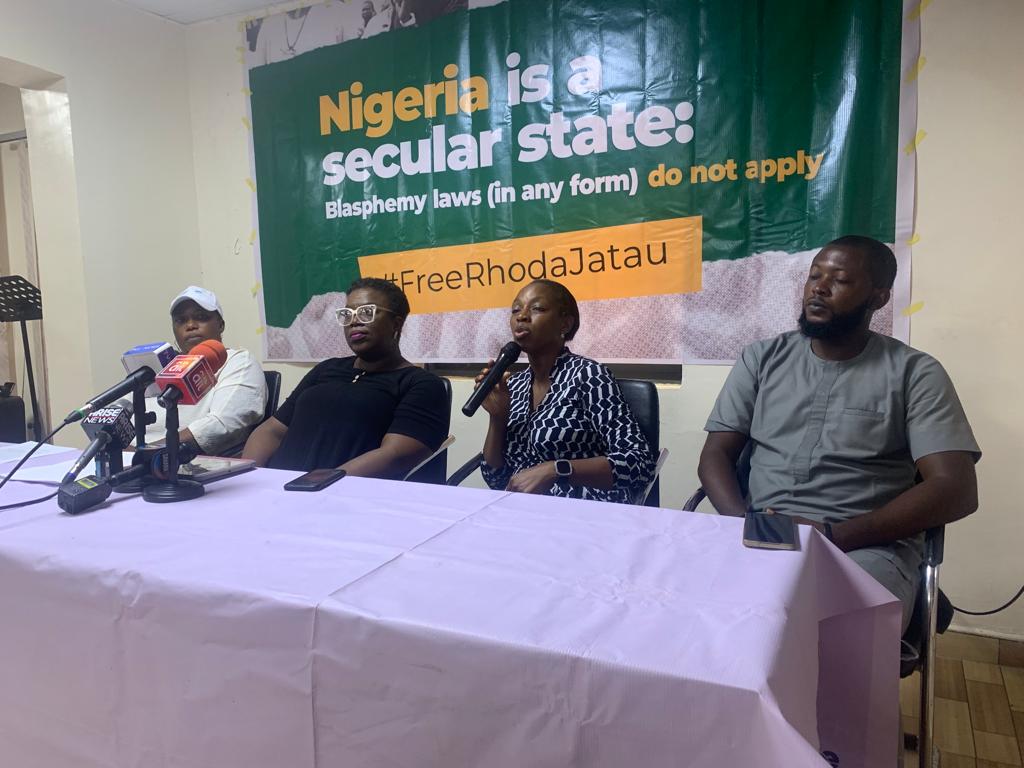
500 women groups tell FG to drop charges against Rhoda Jatau

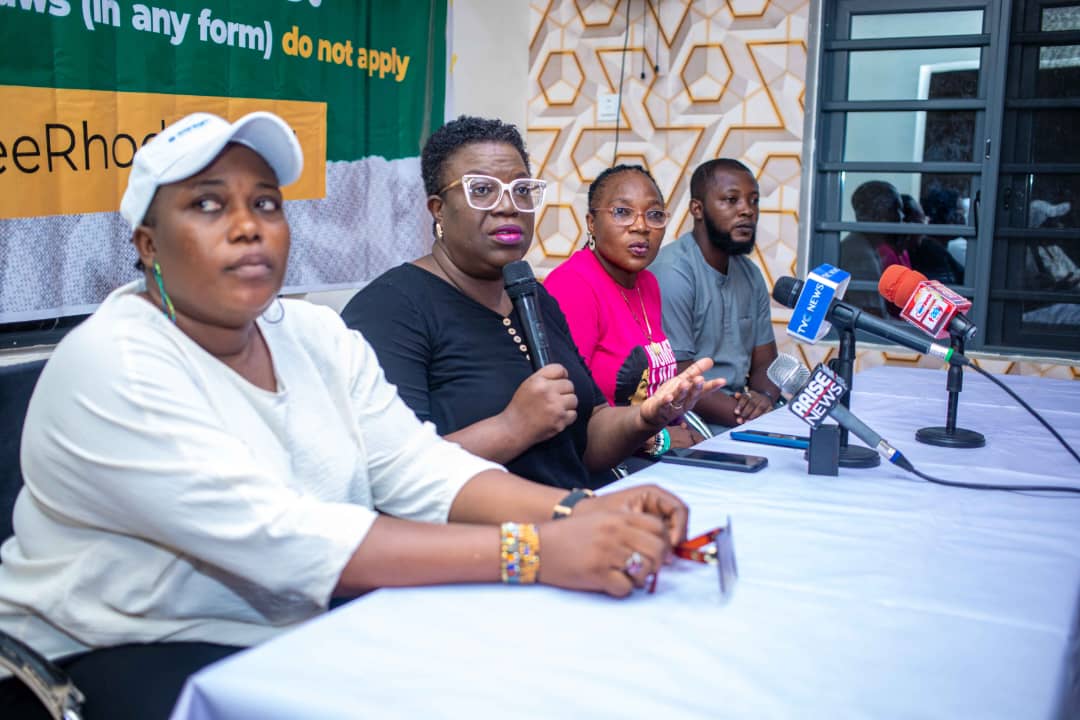
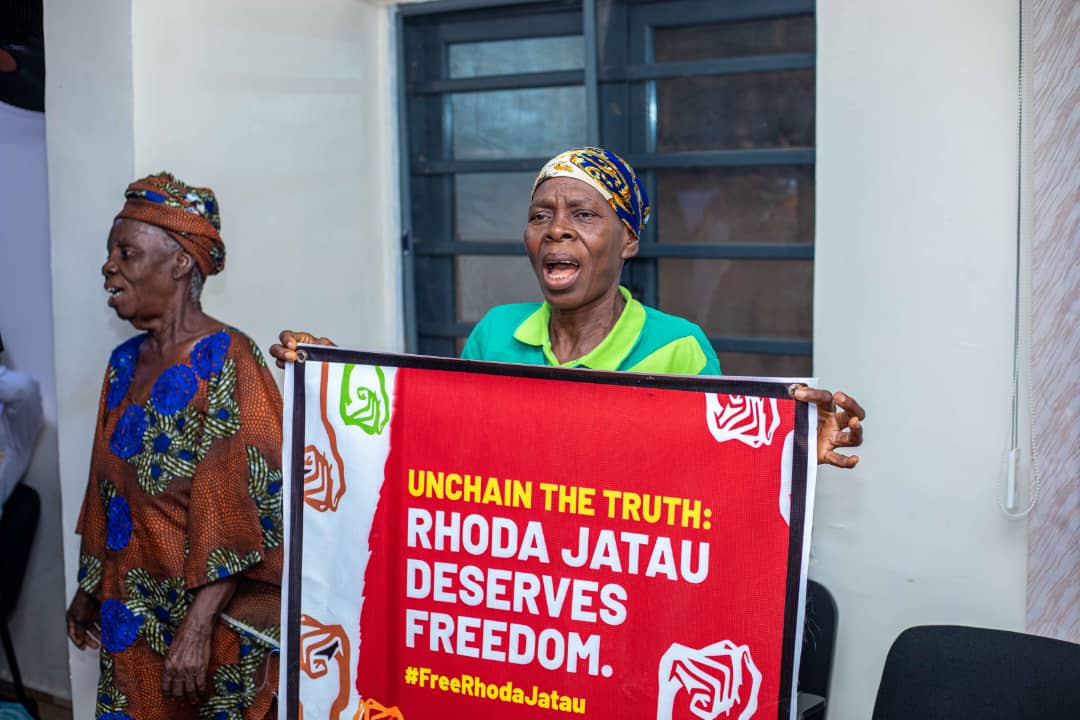
A coalition of 500 women groups have asked the Federal Government to drop all charges against Rhoda Jatau, facilitate her immediate release, and reassess laws that are misused to stifle freedom of expression and manipulate the persecution of innocent individuals.

Addressing news people at media parley in Lagos on Tuesday, the groups under the aegis of Womanifesto describing Jatau’s prolonged detention as an infringement on her fundamental rights.

The coalition also urged the Federal Government to provide adequate resources to enable the conduction of a thorough and impartial investigation into the murder of Deborah Samuel Yakubu, and hold the Commissioner of Police and the Ministry of Justice in Sokoto State accountable for pursuing justice on behalf of the state and the family of Yakubu.

Rhoda Jatau, a 45-year-old Christian mother of five, was, on 20th of May 2022, arrested and incarcerated for forwarding a WhatsApp message condemning the murder of Deborah Yakubu; a second-year Christian college student killed by a mob of Muslim students in Sokoto, after being accused of blasphemy against Islam.

Dr Abiola Akiyode-Afolabi,Co-Convener, Womenifesto, who spoke on behalf of the coalition expressed dismay that while baseless charges of inciting public disturbance and insulting religious creed were hung on Mrs. Jatau, the mob that lynched Deborah Yakubu, recorded the crime and circulated the video on various social media platforms, are allowed to roam the streets of Nigeria free.

“It shows the unequal application of the law in Northern Nigeria and further contributes to tensions and distrust between Muslims and Christians living in Nigeria,” she fumed. 

According to Akiyode-Afolabi: “Rhoda’s trial has also been marred with several irregularities, including baseless adjournments and postponements— at least five scheduled court hearings have failed to occur since March 2023.

“On the 27th of November, 2023, the High Court in Bauchi State rejected an application for a “no-case submission” by Rhoda’s Lawyers. Mrs Jatau has been denied bail despite having no criminal history and not being identified as a flight risk.

“Her husband and five children have had to go into hiding due to threats on their lives.

“All these point to a systemic failure of the Nigerian government to protect Yakubu or pursue justice for her murder and protect the voices of Christian minorities in Northern Nigeria in times of crisis. “Condemning public lynching or calling on the government to prosecute offenders should never be a crime, and the Nigerian state should immediately seek to rectify this miscarriage of justice. 

“The state is currently detaining Mrs Jatau despite the presumption of innocence until proven guilty. The flagrant disregard of the rights to freedom of thought, conscience, religion, and expression enshrined both in the constitution and in various international and regional treaties for which Nigeria is a signatory, as well as the abuse of human rights, judicial processes, and failure of state protection, must be addressed to correct this wrong immediately. 

“The continued detention of Mrs Jatau not only infringes upon her fundamental rights but also sends a chilling message to others – especially Christians – who express dissent or speak out against injustice, especially those related to mob actions suffered at the hands of Muslim men.

“This sets a dangerous precedent and erodes the foundations of a just and democratic society.”

The women also emphasised the need for the Federal Government to strengthen efforts to combat gender-based violence, ensuring that perpetrators are swiftly brought to justice and victims receive the support they need.

The group also restated the need to foster community educational outreach initiatives to raise religious and cultural tolerance awareness.

TIPS