Home Blog Page 671

Whether a void contract can also be regarded as illegal

By Carrington Omokaro, Esq

Where a statute requires that a particular thing should be done in a particular manner, and that thing is not done, that failure renders the act done “Null & void”*. Illegality only comes in when the statute also prescibes a punishment for the non compliance. *SOLANKE v. ABED (1962) 1 All NLR page 230.

For instance land use act says you cannot assign without governors consent and if you do so, transaction is null and void. If a transaction is carried out without the consent, it perhaps becomes null and void(though some authorities have said the transaction is inchoate). It is only if the land use act had also prescribed a penalty for the non compliance that the act will be regarded as illegal.

In Thirwell v. Oyewumi (1990) 4 NWLR (Pt. 144) 386 the Court of Appeal per Akanbi J.C.A as he then was held

“The law recognizes and draws a distinction between a contract declared void by statute and an illegal contract in which the parties have purported to do what the law prohibits. Certainly, the law will not lend its aid to the perpetrators of any illegality, save the certain exceptional circumstances. On the contrary, a contract declared void by statute may not be an illegal contract unless in relation thereto, there is also a penalty imposed by law. The penalty, it is said, makes it illegal.”

Sham Degrees: FG shuts 18 foreign varsity campuses

In a swift response to the 6 weeks acquisition of a university degree in Cotonou, Benin Republic by a Daily Nigeria reporter, Umar Audu who went undercover and investigated the booming business fake degrees, the Federal Government has banned 18 foreign universities operating in Nigeria, describing them as “degree mills,’’ warning Nigerians to avoid enrolling in such institutions.

The directive affected five universities from the United States, six from the United Kingdom, and three Ghanaian tertiary institutions.

Also, the Federal Ministry of Education on Tuesday announced the temporary suspension of evaluation and accreditation of degree certificates from the Republic of Benin and Togo.

Announcing the ban in a statement published on its website, the National Universities Commission explained that the federal government had not licensed the affected universities and they had been closed down.

It stated, “The National Universities Commission wishes to announce to the general public, especially parents and prospective undergraduates that the under-listed “degree mills” have not been licensed by the Federal Government and have therefore been closed down for violating the Education (National Minimum Standards, etc.) Act of the Federation of Nigeria, 2004.

The affected schools are the University of Applied Sciences & Management, Port Novo, Republic of Benin, or any of its other campuses in Nigeria; Volta University College, Ho, Volta Region, Ghana, or any of its other campuses in Nigeria; the International University, Missouri, USA, Kano, and Lagos Study Centres, or any of its campuses in Nigeria and the Collumbus University, United Kingdom operating anywhere in Nigeria.

The list also included Tiu International University, UK; Pebbles University, UK, operating anywhere in Nigeria; London External Studies UK operating anywhere in Nigeria; Pilgrims University operating anywhere in Nigeria; West African Christian University operating anywhere in Nigeria; EC-Council University, USA, Ikeja, Lagos Study Centre and Concept College/Universities (London) Ilorin or any of its campuses in Nigeria.

Others are Houdegbe North American University campuses in Nigeria; Irish University Business School London, operating anywhere in Nigeria; University of Education, Winneba Ghana, operating anywhere in Nigeria; Cape Coast University, Ghana, operating anywhere in Nigeria; African University Cooperative Development, Cotonou, Benin Republic, operating anywhere in Nigeria; Pacific Western University, Denver, Colorado, Owerri Study Centre and Evangel University of America & Chudick Management Academic, Lagos.

In a move to sanitise the education sector, the Ministry of Education said it was temporarily suspending the evaluation and accreditation of degree certificates from the Republic of Benin and Togo.

Audu, who reached out to the syndicate that specialises in selling degree certificates in December 2022, graduated in February 2023 and was issued a Bachelor of Science in Mass Communication certificate from the Ecole Superieure de Gestion et de Technologies, Cotonou, Benin Republic.

All these he achieved without setting a foot into the school or writing any examination.

In reaction, the Federal Ministry of Education, in a statement on Tuesday, decried the certificate racketeering exposed by the report and berated Nigerians who engaged in desperate methods to get a degree.

According to the statement by Augustina Obilor-Duru on behalf of the Director of Press and Public Relations, Federal Ministry of Education, the suspension of the evaluation and accreditation of degree certificates from the Republic of Benin and Togo would subsist pending the outcome of an investigation involving the Ministries of Foreign Affairs and Education of Nigeria, the two countries as well as the Department of State Security Services and the National Youths Service Corps.

The statement read, “The Federal Ministry of Education vehemently decries such acts and with effect from 2nd January 2024 is suspending evaluation and accreditation of degree certificates from Benin and Togo Republics pending the outcome of an investigation that would involve the Ministry of Foreign Affairs of Nigeria and the two countries, the ministries responsible for Education in the two countries as well the Department of State Security Services and the National Youths Service Corps.

“The ministry, therefore, wishes to call on the general public to support its efforts, show understanding, and provide useful information that will assist the Committee in finding lasting solutions to prevent further occurrence.

“The ministry has also commenced internal administrative processes to determine the culpability or otherwise of her staff for which applicable Public Service Rules would be applied.’’

The ministry further noted that the issue of institutions that exist on paper or operate clandestinely outside the control of regulators is a global problem that all countries grapple with.

“The FME has been contending with the problem, including illegal institutions located abroad or at home preying on unsuspecting, innocent Nigerians and some desperate Nigerians who deliberately patronize such outlets.

“Periodically, warnings have been issued by the ministry and NUC against the resort to such institutions and, in some instances, reports made to security agencies to clamp down on the perpetrators. The ministry will continue to review its strategy to plug any loopholes, processes, and procedures and deal decisively with any conniving officials,” it stated. The PUNCH reports that in 2020, the NYSC said it would commence the prosecution of Nigerian graduates with fake credentials, especially from West African countries.

A former Executive Secretary of the National Universities Commission, Prof. Abubakar Rasheed also in 2020 noted that certain Nigerians were purchasing fake degrees from degree mills in and out of Nigeria.

In September 2023, a newspaper exposed a certain London Graduate School selling fake honorary degrees to Nigerians.

Commenting on the development, the Chairman of the Academic Staff Union of Universities at the Federal University of Technology, Minna, Prof. Gbolahan Bolarin called for the establishment of a board to accredit foreign degrees in Nigeria.

The Professor of Mathematics also blamed the high number of fake degrees from degree mills in West African countries on the quest by Nigerians willing to cut corners in their quests to obtain degree certificates.

Speaking in an interview with our correspondent, Gbolahan, said, “I think the quest for a fast way to obtaining degrees is the main motive behind this. Nigerians, especially the youths, are becoming extremely impatient, and they would look for all means to cut corners.

The Punch

Nigerian Lawyer says he is “working on Bill to amend the Marriage Act…”

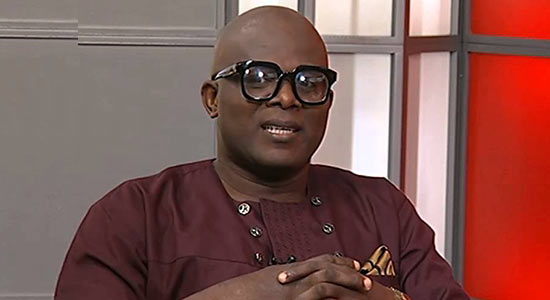
A Kwara state based legal practitioner, Muhammed Adams, also known as Foundational Nupe Lawyer has announced his upcoming quest to have the Matrimonial Causes Act amended to recognise polygamy.

Adams made the disclose via his X handle.

“I am currently working on a Bill to amend the Marriage Act, Matrimonial Causes Act and Marriage (Validation) Act.

“These laws are not only archaic but do not take into account the realities of marriages, divorces and custody of children in Nigeria.

“In the Bill I will also be making a strong case for polygamy as a form of marriage in Nigeria which should be recognized under these Acts. But I need a strong Member of the National Assembly to champion this advocacy. I am open to suggestions”

A checklist of 70 core challenges facing the legal profession in Nigeria plus tasks before stakeholders

By Sylvester Udemezue

  1. HIGH RATE OF UNEMPLOYMENT AND DISSILLUSIONMENT AMONG LAWYERS IN NIGERIA: Expanding the legal practice space to create more employment opportunities for lawyers and reduce the huge pressure on law firms.

2. HARASSMENT AND BRUTALIZATION OF LAWYERS IN COURSE OF LAW PRACTICE: Improving relationship between lawyers and Nigerian security and law enforcement agencies for a more efficient justice administration in Nigeria.

3. RISING RATE OF EXTERNAL INTRUSION BY NON-LAWYERS INTO LAWYERS’ TRADITIONAL LAW-PRACTICE SPACE: How stakeholders can help stop/reduce all aspects of external intrusions and encroachments into legal practice space.

4. RAMPANT INTERNAL CRISES WITHIN LAW OFFICES: smoothening relationship among fee-earners in law firms to enhance senior-junior cooperation, promote effectiveness in law firm management, and increase productivity in law practice and clientele coordination.

5. DELAYED JUSTICE DELIVERY: The Nigerian legal system is plagued with the problem of delayed justice. Cases take many years to be heard, and this is due to a backlog of cases. Efforts by stakeholders in the profession in collaboration with other stakeholders towards tackling this menace.

6. DIMINISHING PUBLIC CONFIDENCE IN JUSTICE DELIVERY: Efforts by stakeholders in the profession to restore public confidence in administration of justice.

7. POOR WORK-CONDITION OF LAWYERS IN THE NYSC PROGRAM: Efforts to improve welfare and work-conditions of lawyers in the National Youth Service Corps

8. POOR WELFARE OF JUDICIAL OFFICERS IN NIGERIA: Efforts towards improving security and welfare of judicial officers and Magistrates.

9. CORRUPTION IN ADMINISTRATION OF JUSTICE: Corruption is a significant problem in the Nigerian legal system. Lawyers and judges who engage in corrupt practices make a mockery of justice and erode public confidence in the legal system. Way out.

10. FREQUENT SHUT-DOWN OF COURTS AS A RESULT OF INDUSTRIAL ACTIONS: Role of stakeholders in the legal profession.

11. CORRUPTION AND EXTORTION OF LAWYERS/LITIGANTS BY  COURT SUPPORT-STAFFERS REGISTTRY OFFICIALS: Way out

    12. LASPSES IN LEGAL AND INSTITUTIONAL ADMINISTRATION OF ESTATES: Role of legal profession stakeholders towards instituting measures to uplift the system to prevailing internal standards.

    13. INEFFECTIVENESS AND CORRUPTION IN JUDICIAL APPOINTMENTS: Efforts to strengthen process of judicial appointments in Nigeria in order to enthrone and sustain merit, reduce ineffectiveness and curb corruption, and curb nepotism and politicization of the processes.

    14. DECLINING QUALITY OF LEGAL EDUCATION: Efforts towards promoting professional legal education and upgrading teaching and learning infrastructure in legal education institutions in Nigeria. Strengthening partnership among stakeholders

    15. DISSILLUSIONMENT AND DISENCHANTMENT AMONG YOUNG LAWYERS: Efforts to improve plight of young lawyers in order to restore their confidence in the profession. Since the future lies in the hands of the young lawyers, a better, more secure future for the profession must start with their present happiness and satisfaction.

    16. DECLINING MENTORSHIP AND CAPACITY BUILDING: Role of stakeholders in strengthening capacity building, bar professional mentorship, integrity-building, value-inculcation, and prioritizing the young lawyer’s welfare, security, and inclusiveness.

    17. THREATS TO INDEPENDENCE OF THE JUDICIARY AND POLITICISATION OF JUSTICE DELIVERY: Efforts towards achieving practical independence of the judiciary.

    18. DECLINING QUALITY OF JUSTICE DELIVERY IN ELECTION LITIGATION: Role of law profession stakeholders in system-change towards greater improvements.

    19. LAPSES IN THE PROCESS OF CONFERRMENT OF SAN: Way out!

    20. LACK OF TRANSPARENCY IN THE NBA NATIONAL ELECTORAL SYSTEM: Reforming bar elections in Nigeria to promote transparency and acceptability and minimize disenchantment and division within the profession.

    21. NOTICED LAPSES IN THE NBA CONSTITUTION: Need for replacement/amendment to improve more inclusiveness, accountability and welfare and unity within the legal profession.

    22. INTERNAL SQUABBLES AMONG STAKEHOLDERS IN THE LEGAL PROFESSION: Improving effective management of internal squabbles and discontent as a tool for promoting unity, oneness and progress within the legal profession in Nigeria.

    23. PROFESSIONAL MISCONDUCT AND UNPROFESSIONALISM WITHIN THE PROFESSION: Lawyers and judges without ethics are as wild beast let loose upon the world. Law floats in the sea of ethics. Efforts towards improving effectiveness in application and enforcement of legal Ethics (in the bar and the bench)

    24. STRENGTHENING LAWYER-CLIENT RELATIONSHIP for effective legal service delivery and client-confidence building.

    25. REGULATION OF LEGAL PRACTITIONERS’ REMUNERATION: Efforts towards improving regulation and standardization of mechanisms, processes and procedures for lawyers’ remuneration, professional legal charges and recovery of professional fees in line with international best practices.

    26. LAPSES IN LEGAL PROFESSION REGULATION IN NIGERIA: Way out

    27. UNDER-UTILIZATION OF ICT FOR LAW PRACTICE AND JUSTICE DELIVERY: Improved utilization of ICT for effective justice delivery in Nigeria. Full and effective installing of relevant infrastructure for e-filing and e-service, virtual hearings, towards promoting effective and timely justice administration in Nigeria.

    28. HARASSMENT, VICTIMIZATION AND ABUSE OF JUNIORS IN LAW OFFICES: Way out

    29. UNENDING CONTROVERSY OVER PUBLIC LAW TEACHERS AND PRIVATE LAW PRACTICE IN NIGERIA: Way out

    30. WORSENING INSECURITY IN NIGERIA: Role of lawyers and legal profession stakeholders.

    31. LAW REFORM IN NIGERIA: Efforts by lawyers and stakeholders in the legal profession

    32. DEBASED ELECTIONEERING CAMPAIGNS AND PATTERNS AMONG CANDIDATES DURING NBA ELECTIONS: Way out

    33. MAKING LAW TEACHERS MORE EFFECTIVE: in promoting legal education, law practice, law reform, justice delivery and good governance in Nigeria:

    34. WORSENING CURRUPTION AMONG PUBLIC OFFICE-HOLDERS: Role of lawyers and stakeholders in the law profession

    35. WORSENING/POOR GOVERNANCE IN NIGERIA: Role of stakeholders in promoting good governance ethics and constitutionalism among public office-holders.

    36. RULE OF LAW: Need to pay closer attention to promotion and defence of rule of law and core principles of democratic constitutionalism, beyond issuing public statements.

    37. RISING CASES OF DISOBEDIENCE OF COURT ORDERS: Efforts by legal profession stakeholders towards curbing disobedience to court orders by powers that be

    38. MENACE OF CONFLICTING COURT ORDERS: Way out

    39. ABUSE AND MISUSE OF EX PARTE ORDERS IN POLITICAL CASES: Way out

    40. FRICTIONS BETWEEN LAWYERS AND JUDGES; Role of stakeholders in smoothening relationship between courtroom advocates and judicial officers

    41. CHAOTIC ISSUANCE OF RULES OF COURT AND PRACTICE DIRECTIONS BY JUDICIAL OFFICERS: Efforts towards delimiting role of these in justice administration and dispensation

    42. INFLUENCE/ROLE OF THE SOCIAL MEDIA ON LAWYERS, LAW PRACTICE: Efforts to improve effective use of the social media among lawyers while delimiting role of the social media

    43. LAPSES IN USE OF LANGUAGE FOR PROFESSIONAL LEGAL COMMUNICATION AMONG LAWYERS: Efforts towards improving use of the English language for effective and smoother professional legal communication, greater efficiency in law practice and law office management.

    44. MENACE OF CHARGE AND BAIL LAWYERS: Way out

    45. IMPROVING LAW OFFICE MANAGEMENT, ADMINISTRATION AND STANDARD OF LAW PRACTICE IN NIGERIA: Efforts to measure up to international best practices and 21st-century benchmarks

    46. WORSENING REMUNERATION AND WELFARE OF LAWYERS IN PUBLIC SERVICE, including LOAN members, Law Teachers, Lawyers in Administration in the Public Sector, etc: Efforts by stakeholders towards enhancing remuneration and welfare packages for lawyers in public service in Nigeria.

    47. POOR PERFORMANNCE, RISING UNPROFESSIONALISM AMONG PUBLIC PROSECUTORS AND SECURITY AGENCIES IN NIGERIA: Efforts by stakeholders in the legal profession towards promoting strict adherence to due process of law in criminal justice administration and public prosecution in Nigeria.

    48. INADEQUATE FUNDING OF THE JUDICIARY: The Judiciary in Nigeria is not adequately funded. This has resulted in poorly equipped courts, underpaid judges, and lawyers and judiciary staffers. Efforts by stakeholders in the profession

    49. WORSENING CONDITIONS AND POOR INFRSTRUCTURE IN COURTS IN NIGERIA: The infrastructure supporting the legal profession in Nigeria is inadequate. There are not enough courtrooms, and those that exist are in poor condition. There is also a lack of modern technology to support the legal profession. Efforts by stakeholders in the profession towards improving infrastructural amenities to make courtrooms more more conducive for members of the Bar, the Bench and the observing public.

    50. POOR STRUCTURE FOR INSTILLING DISCIPLINE (BAR AND BENCH): Strengthening legal professional disciplinary procedures and mechanisms as a way out of rampant misconduct among lawyers and judges.

    51. REASSESSING Career Prospects for Lawyers in Nigeria.

    52. LAPSES IN THE FAMILY-LEGAL CAREER BALANCE: Building an effective career in the legal profession without harming the family institution

    53. IMPROVING LAWYERS’ HEALTH, PHYSICAL AND MENTAL WELLBEING: Efforts by stakeholders in the legal profession.

    54. PLACE OF ADR IN THE PROFESSION: Efforts towards strengthening ADR and improving synergy with litigation to assure effectiveness

    55. POOR WELFARE AND REMUNERATION OF COURT STAFF AND POLICE OFFICERS: Efforts by stakeholders in the legal profession

    56. REFORM OF THE SUPREME COURT, NJC, FJSC, SJSC, LPDC, etc to enhance transparency and professionalism and effectiveness

    57. DELAY IN REPLACING RETIRING JUDICIAL OFFICERS: Role of bar stakeholders

    58. POLICE REFORMS: Reforming the Nigeria Police towards greater effectiveness and professionalism.

    59. FALLOUTS OF THE ENDSARS PROTESTS: Efforts by stakeholders in the legal profession.

    60. FREQUENT FRICTIONS BETWEEN STAKEHOLDERS AND INSTITUTIONS IN THE LEGAL PROFESSION: Way out

    61. REGULATION OF ADVERTISING BY LAWYERS: Efforts to live up to international best practices and 21st-century benchmarks

    62. MENACE OF NON-LAWYER POLICE PROSECUTORS IN NIGERIA: Way out

    63, MENACE OF FAKE LAWYERS & IMPERSONATION OF LEGAL PRACTITIONERS IN NIGERIA: Efforts by stakeholders.

    64. IMPROVING HUMAN RIGHTS OBSERVANCE BY SECURITY AGENCIES IN NIGERIA: Efforts by stakeholders in the legal profession; implementation of Section 66(3) of the Nigeria Police Act, 2020 to assure permanent presence of lawyers in police locations across the country.

    65. ABSENCE OF A LEGAL DEPARTMENT IN THE LOCAL GOVERNMENTS SYSTEM IN NIGERIA: Efforts by stakeholders in the legal profession towards urgent establishment of legal departments in local governments across Nigeria.

    66. ABSENCE OF LEGAL DEPARTMENTS/SECTIONS IN PUBLIC MDA’S: Roles of bar stakeholders

    67. LOCAL GOVERNMENT AUTONOMY & IMPROVED DEMOCRACY AND CONSTITUTIONALISM AT THE LOCAL GOVERNEMNMT LEVEL IN NIGERIA: Role of stakeholders in the legal profession.

    68. SEXUAL HARASSMENT AND DOMESTIC VIOLENCE: Role of bar stakeholders

    69. FISCAL TRANSPARENCY, ACCOUNTABILITY AND CHECKS AND BALANCES WITHIN INSTITUTIONS, BODIES AND ORGANISATIONS IN THE LEGAL PROFESSION

    70, The list is not exhaustive

    Good leadership by the various groups, regulators, institutions, and organizations within the legal profession in Nigeria must be measured by their focus and effectiveness in tackling these or some of these challenges.

    Respectfully,

    Sylvester Udemezue (udems)

    Proctor,

    Reality Ministry of Justice (RMJ)

    (08109024556, [email protected])

    ——————-

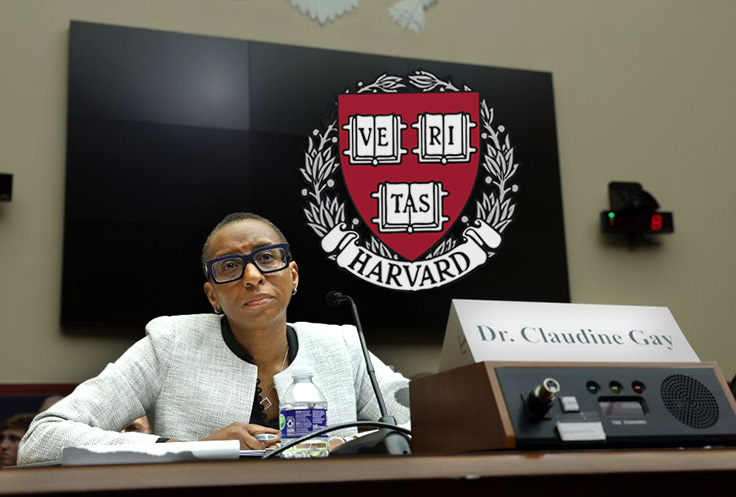
    Plagiarism Charges: Harvard president Claudine Gay resigns

    By Aaron Sibarium

    Harvard University president Claudine Gay was hit with six additional allegations of plagiarism on Monday in a complaint filed with the university, breathing fresh life into a scandal that has embroiled her nascent presidency and pushing the total number of allegations near 50.

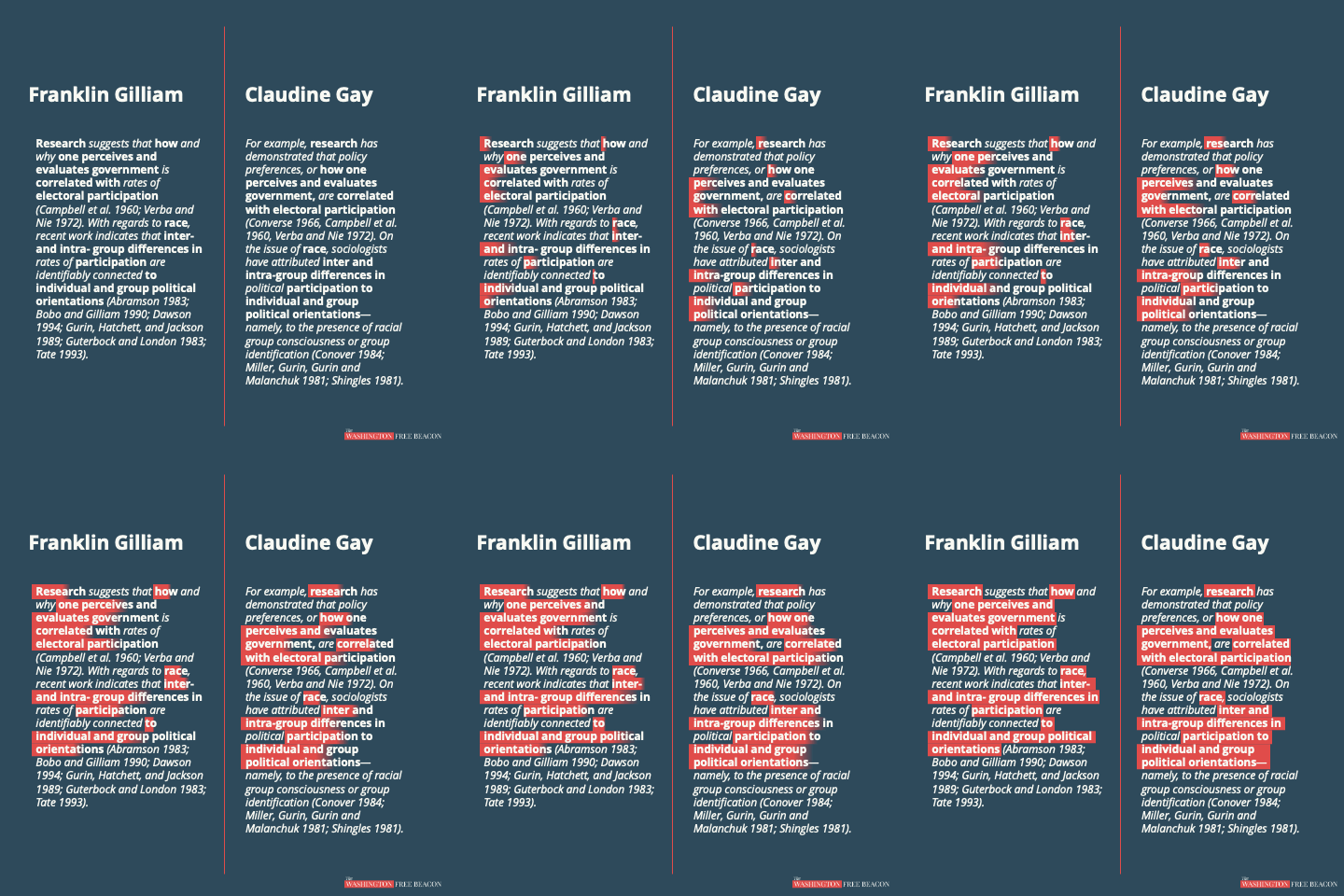
    Seven of Gay’s 17 published works have already been impacted by the scandal, but the new charges, which have not been previously reported, extend into an eighth: In a 2001 article, Gay lifts nearly half a page of material verbatim from another scholar, David Canon, a political science professor at the University of Wisconsin.

    That article, “The Effect of Minority Districts and Minority Representation on Political Participation in California,” includes some of the most extreme and clear-cut cases of plagiarism yet. At one point, Gay borrows four sentences from Canon’s 1999 bookRace, Redistricting, and Representation: The Unintended Consequences of Black Majority Districts, without quotation marks and with only minor semantic tweaks. She does not cite Canon anywhere in or near the passage, though he does appear in the bibliography.

    Beyond that, Gay’s first two footnotes are copied verbatim from Canon’s endnotes.

    Canon, like several of the scholars Gay has quoted without attribution, insisted that she had done nothing wrong.

    “I am not at all concerned about the passages,” Canon told the Washington Free Beacon. “This isn’t even close to an example of academic plagiarism.”

    Though Harvard’s governing board, the Harvard Corporation, said in mid-December that it had reviewed Gay’s published oeuvre and found several cases of “inadequate citation,” it did not identify any of the examples described in the new complaint, which was submitted to the school’s research integrity officer, Stacey Springs, and obtained by the Free Beacon.

    The discrepancy raises troubling questions not just about the scope of Gay’s plagiarism, which appears to afflict half of her published works, but also the thoroughness and seriousness of the Corporation’s probe, which the board described as “an independent review by distinguished political scientists.”

    The review was completed in just a few weeks—far less time than the 6 to 12 months typical of other plagiarism investigations—and the Corporation has refused to disclose the names of the academics who conducted it. A Harvard spokesman, Jonathan Swain, did not respond to a request for comment about whether the school has reviewed all of Gay’s work, and, if so, how it missed the examples unearthed on Monday.

    “The board’s review of Gay’s work was too brief to inspire confidence,” the complaint reads. “So we now know for certain that the board’s investigation was a sham.”

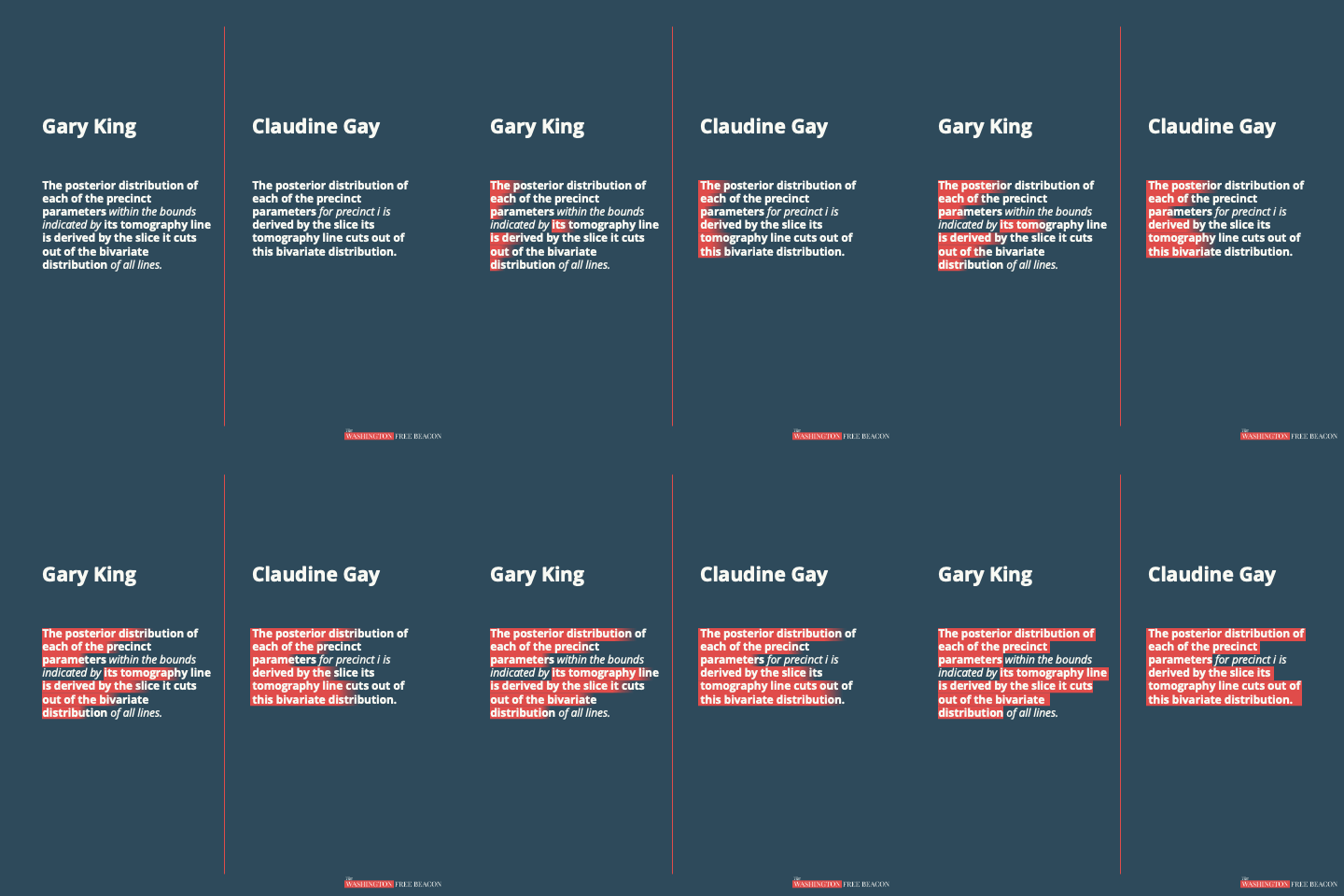
    The allegations filed Monday also include more material from Gay’s dissertation, which has already received three corrections. In one of the new examples, Gay, who works in quantitative political science, lifts a full sentence from her thesis adviser, Gary King, to describe a mathematical model. She does not cite King in parentheses or put his words in quotation marks.

    While some of Gay’s defenders have claimed that technical descriptions do not require attribution in the social sciences, since there are only so many ways to explain a method or a formula, a Harvard handbook from 1998—the year Gay completed her dissertation—says otherwise.

    “Citing tells your readers that the strategy or method isn’t original with you and allows them to consult its original context,” the handbook states. King, who has downplayed previous charges against Gay, did not respond to a request for comment.

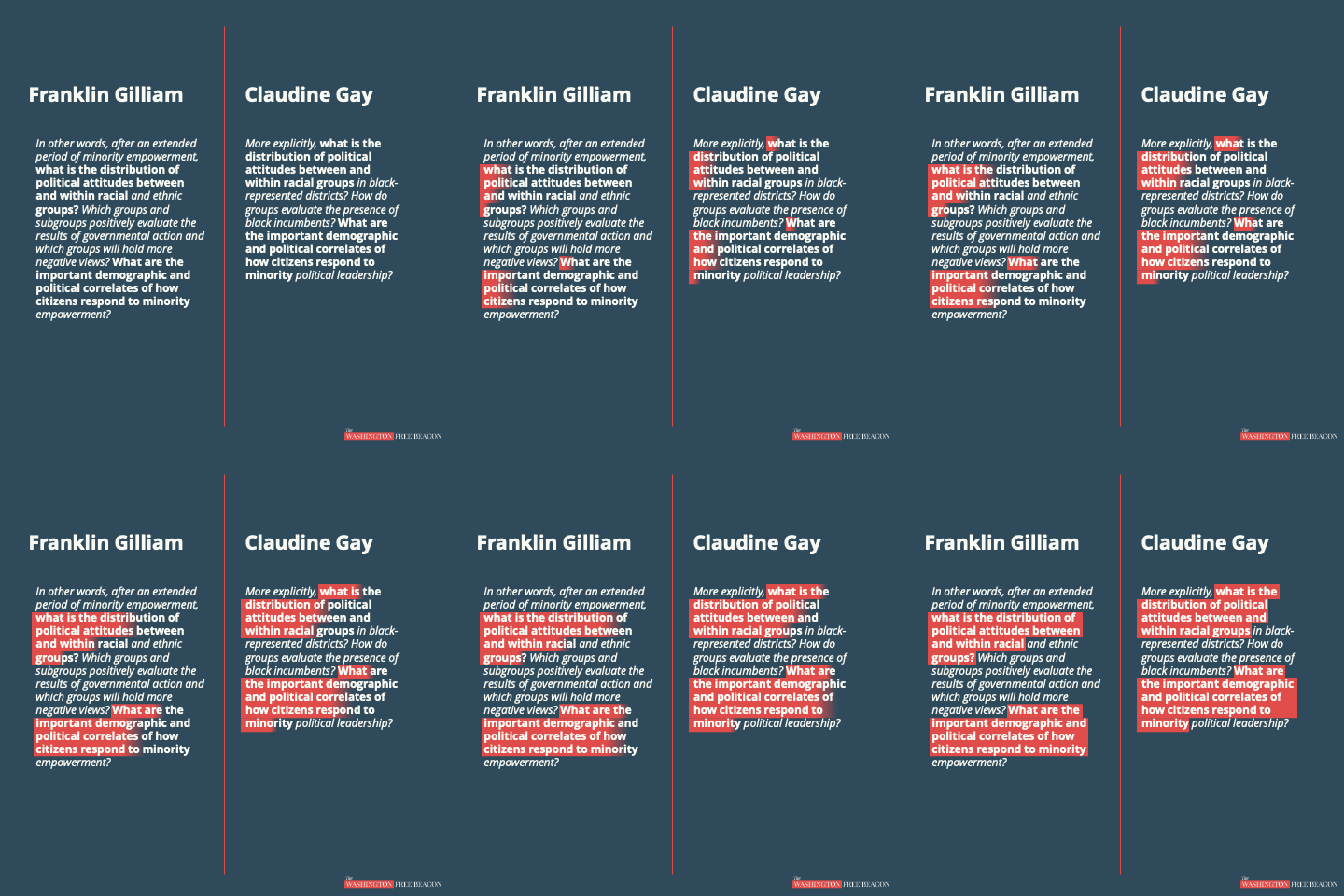
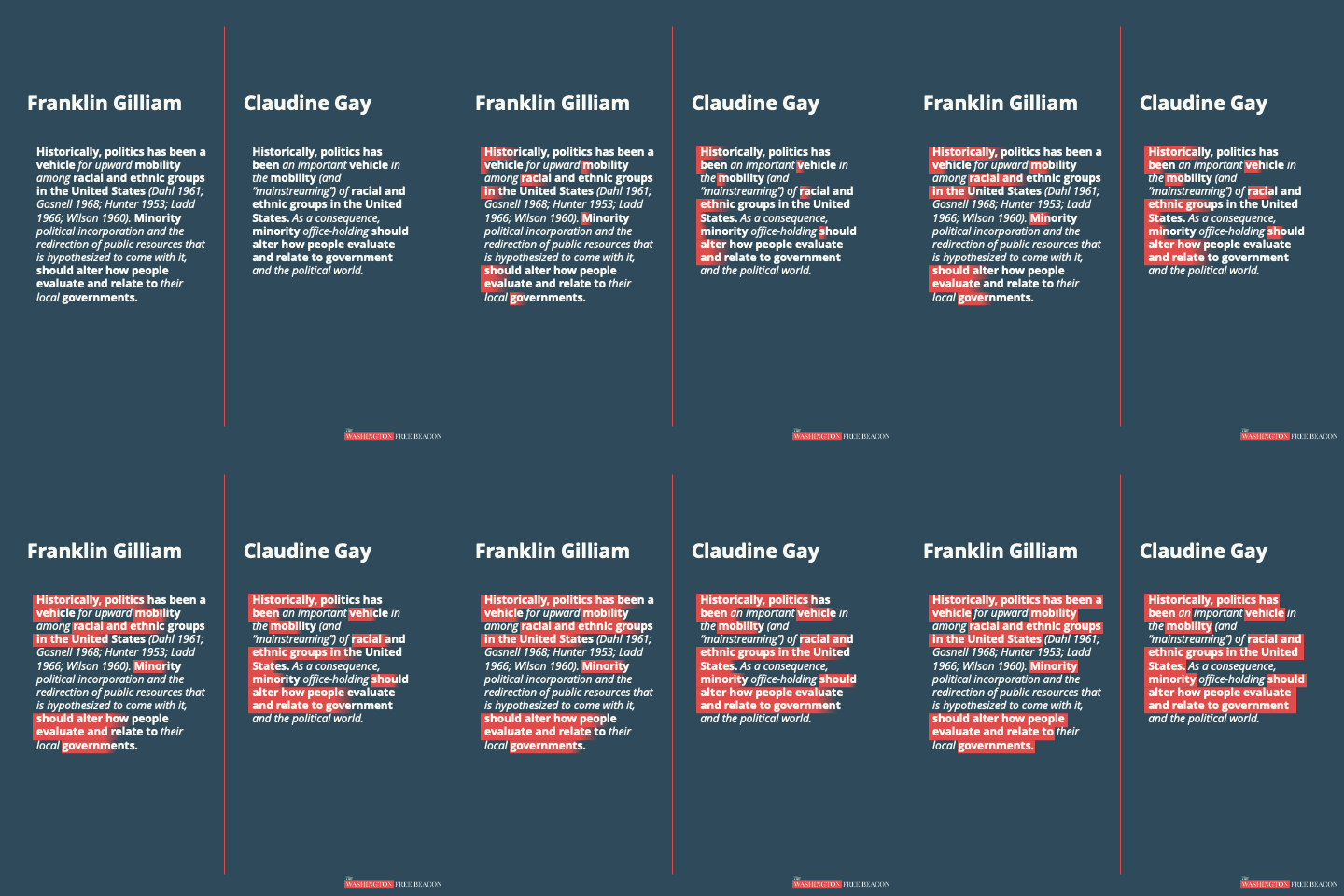
    The rest of the new examples center on a 1996 paper by Frank Gilliam, “Exploring Minority Empowerment: Symbolic Politics, Governing Coalitions and Traces of Political Style in Los Angeles,” that Gay repeatedly quotes without attribution, changing just a few words here or there. Those passages describe big-picture findings and do not include technical verbiage. Gilliam, now the chancellor of the University of North Carolina-Greensboro, did not respond to a request for comment.

    The new complaint comes as an increasing number of Harvard students are speaking out against Gay, arguing that she has been held to a lower standard than the average undergraduate. One student on Harvard’s honor council, a jury-like body that adjudicates allegations of plagiarism and cheating, wrote in an anonymous op-ed that students are routinely suspended for doing what Gay did. Some students have called on Gay to resign, and others seem reluctant to defend their embattled president.

    “President Gay Plagiarized, but She Should Stay,” read the headline of a Harvard Crimson editorial. “For Now.” The paper says the allegations of plagiarism are focused on “her PhD dissertation and two of her 11 published journal articles,” leaving out the many allegations relating to articles that were not peer-reviewed.

    The paper’s qualified editorial position—”for now”—represents a shift in tone from the paper’s editorial board, which previously opined that—for the sake of a “free democracy”—Gay “must not yield” to “partisan attacks” in the wake of her disastrous testimony on anti-Semitism.

    Gay’s most outspoken defenders have been her faculty colleagues. Randall Kennedy, a Harvard Law School professor, told the New York Times that the plagiarism charges were ginned up by “professional vilifiers” and “bad faith” actors—and went on to suggest the university may not cooperate with the congressional investigation underway into its adjudication of Gay’s work.

    Another Harvard lawyer, Charles Fried, was more explicit, describing the allegations as an “extreme right-wing attack on elite institutions.”

    “If it came from some other quarter, I might be granting it some credence,” he told the Times. “But not from these people.”

    Harvard said in December that Gay’s “duplicative language,” while “regrettable,” did not constitute research misconduct because it was not “intentional or reckless,” citing a policy that only governs faculty and is less stringent than the rules for students.

    But as more allegations have surfaced, some professors have begun to break ranks. A few told the Boston Globe in December that Gay’s treatment reeked of hypocrisy and double standards. And Omar Haque, a psychiatrist at Harvard Medical School and a member of the university’s Council on Academic Freedom, said that the sheer breadth of the examples—especially those from the pre-word processor days—made it hard to fathom that everything was unintentional.

    “Gay’s alleged plagiarism in the 1990s may be more serious than in in recent years,” he told the Free Beacon, “because prior to the use of computers to highlight and copy/paste text in seconds, plagiarism was more likely to be non-accidental and intentional and reckless.”

    Haque, who said he was speaking only in a personal capacity, added that it took “greater effort” to plagiarize with a typewriter.

    The blowback has been exacerbated by the Harvard Corporation’s feckless response to the allegations, which it initially tried to squash with a legal threat to the New York Post—and to the unnamed whistleblower who brought those allegations to the Post’s attention.

    Through the bellicose litigation boutique Clare Locke, Harvard said in October that it would sue for “immense damages” if the Post published a story on the charges. It also “threatened to use legal means to out who had supplied the comparisons,” according to the paper’s reporting.

    That person, a professor at another university, whom the Free Beacon has identified and granted anonymity, is behind the Monday complaint to Harvard, as well as a separate complaint last month alleging around 40 cases of plagiarism. While several Harvard scholars have faced plagiarism allegations since the early 2000s, none have seen such a large percentage of their work implicated.

    Beyond outlining the new charges against Gay, the latest complaint—25 pages of which are devoted to outlining the various examples of Gay’s alleged plagiarism—argues that Harvard’s legal saber-rattling violated its research misconduct policy for faculty, which forbids retaliation against complainants.

    “At one point Gay and Harvard asked the Post, ‘Why would someone making such a complaint be unwilling to attach their name to it,’” the Monday complaint reads. “I was unwilling because I feared that Gay and Harvard would violate their policies, behave more like a cartel with a hedge fund attached than a university, try to seek ‘immense’ damages from me and who knows what else.”

    Culled from The Washington Free Bacon

    And a new CJN cometh

    By Lanre Adewole

    If the reports circulating are correct, incumbent Chief Justice of Nigeria, Kayode Ariwoola, will be stepping down a month earlier than his due retirement date in August 2024, possibly to restore the tradition of terminal leave, cancelled by Justice Muhammad Lawal Uwais in 2006, amid his poorly-concealed feud with his then-deputy, classmate, erstwhile friend and eventual successor, Alfa Belgore. Uwais remains the longest serving indigenous CJN in Nigeria’s history, spending 11 years on the seat and reports had it, that there was a gentleman agreement to gift his friend, then-number two, some six months of his long-running tenure, so the Ilorin-born jurist, could have about a year to spend in office, considering that the seniority and age arrangements, had given him just seven months to be in the saddle. Then a fight broke out between the duo. Obasanjo, as president, intervened. Secrets were spilled. As a reporter, I somewhat got involved, following a story about a computerization project contract awarded a family member within the system. I remember Uwais summoning select media, including yours truly, to state his own side of the story. The story he told, among others, are reserved.

    In anger of perceived betrayal, Uwais stayed till his last day in office, June 12, 2006, with Belgore having to quit on January 17, 2007, just seven months after.

    Since then, successive CJNs have stayed till their final day in office, save for the two; Walter Onnoghen and Tanko Muhammad; unceremoniously terminated by recent president Muhammadu Buhari.

    As insignificant as a month advancement could be to the incoming CJN and the second woman in history, Justice Kudirat Kekere-Ekun, who, ceteri paribus, has three years and nine months to lead the arm of government, the incumbent will be helping the system to solve a major problem of judges, at all levels, refusing to comply with a long-standing directive of the National Judicial Council (NJC), mandating retirement notification six months ahead of due date.

    The refusal to comply with this directive is said to be at the heart of the delay being witnessed in filling due vacancies, in the judiciary. While that won’t answer for all cases, especially in recent time, when politics of the 2023 election is being read into practically every judicial move, the CJN leading in compliance to the Council guideline and even restoring the celebratory tradition of leaving seat ahead of time, for the successor to have time to adjust in acting capacity, would be a refreshing move. Once the head is leading the way, errant judges would think twice before defying the guideline again.

    Yoruba believe that if you sleep early, you will wake up early. The mandate on early retirement notification can only help merit, when there is enough time to search for replacements, though this won’t automatically cancel human factors and backhand deals. At least, it would give the system some sense of functionality. If dead woods are still recruited to fill vacant bench when there is enough time to scrutinize available candidates, then, it would be clear that the leaders of the system are irrevocably married to mediocrity.

    Ariwoola’s tenure is gradually sliding into the lame duck phase, save for a couple of combustible governorship appeals pending on the apex court desk, especially Kano’s. When the CJN’s docket is cleared of the contentious election appeals, all eyes would be on the incoming, who is going to judicially manage the 2027 poll.

    Kekere-Ekun is a protégée of the first female CJN in Nigeria, Aloma Mariam Mukhtar, who masterminded her lifting to the apex court on June 8, 2013, when the older woman, was the CJN, though the odds then, massively favoured Justice Helen Ogunwumiju, from Ondo State. It took Ogunwumiju another seven years and five months, to regain a seat at the zenith court, on November 6, 2020.

    Her sin in 2013, according to those close to Aloma, was that politicians and other outside interests, from her home state and elsewhere, including then-governor, Olusegun Mimiko, publicly pressured that natural justice demanded Ondo and not Lagos, should be handed the vacant South West slot, when both Kekere-Ekun and Ogunwumiju were shortlisted by the Federal Judicial Service Commission.

    Aloma, undeniably, can be overriding in her Spartan discipline, but her lioness approach to the assignment, made her one of the scandal-free CJNs, so far.

    Everything also points to her playing a big role in Kekere-Ekun’s headship of the system and her blueprint, could become a compass for the one following in her footstep. Here lies the challenge for some top judicial operatives; the combo of two women, believed to be ramrod in their convictions. A top system leader told me, the incoming woman will largely succeed if she allows the older one, to guide her, but reminded that women in power can be unrecognisable at times.

    But a principle jealously upheld by Aloma which Kekere-Ekun will find indispensable was her decision to keep politicians and their accomplices away from her personal life and even judicial bureaucracy. She made it known from the very first day they weren’t welcome and stood by it, at least going by her aides’ claims, to the end. Nine years after office, nobody has been able to stain her with the least of scandal. That is how to serve in public office and even in her case, she took on governors like Rotimi Amaechi of Rivers, Rauf Aregbesola of Osun, et al. What these names represent in Nigeria’s politics isn’t hidden, yet she prevailed.

    Aloma knew her “customers” and she sought a very long spoon, to deal with them.

    I remember a day I needed a clarification from her through her now-late media aide, Ahuraka Isah. After an afternoon visit to her official residence, he came back to tell me that she initially refused to see him because not only it was a weekend, she had warned her aides that they could only come to her home, invited. She only allowed him in, after she was made to understand the seriousness of the matter. That “serious” matter will be part of a future package.

    Yoruba will say you only need a momentary courage to warn that your farmland isn’t a footpath. Aloma seized the moment from the beginning and it went well.

    That was the momentum missing at the entry point for the outgoing incumbent. The implication is there for all to see, especially the ill-fated Rivers’ visit, to honour retiring Justice Mary Odili and the subsequent Wike dinner.

    Devil is too strong a name to give any man formed of God but no doubt, politicians everywhere can be devilish to gain political advantage and the acts to achieve such goals, could be devilry. At a point, there were plans to thwart Aloma’s history-making appointment with a proposal to send her to the so-called World Court as Nigeria’s representative, when it was almost her turn to be the CJN. She stubbornly refused. Goodluck Jonathan, as president, didn’t force the agenda. Her sin then was her alleged affinity for the opposition, seeking Jonathan’s takedown.

    For Kekere-Ekun to succeed, there is already enough literature on her predecessors to review and make useful conclusions. There is also an awareness that should constantly govern her consciousness. Her coming is going to reinforce the domination of the polity by Southern Nigeria, with all three arms of government headed by Southerners. Wisdom is better communicated in proverbs.

    Alleged sexual demand: Man slays brother

    By Uthman Salami

    A suspect identified as Ibrahim Salisu has been taken into custody by the Ogun State Police Command for allegedly macheting his brother, Malaimi Yellow, to death over alleged sexual demand.

    PUNCH Metro learnt from the state command that the incident happened in the Araromi Street, Sango-Ota area at about 11:00 p.m. on Friday.

    Our correspondent learnt from the police that the 54-year-old had been allegedly pestering his little brother for sex.

    The police alleged that following Yellow’s ceaseless demands, the younger brother was said to have drawn out a machete to end his life.

    The spokesperson for the command, Odutola Omolola, told PUNCH Metro in an exclusive interview on Sunday that the corpse of Yellow had been recovered and deposited at the Ifo General Hospital Mortuary for autopsy.

    “He has confessed to the crime. He told our men, who arrested him, that he killed his brother because he kept disturbing him for sex. His case will soon be transferred once the preliminary investigation is completed,” Odutola told PUNCH Metro.

    According to crime statistics for December 2023, exclusively made available to our correspondent on Sunday, before this current incident, the state had recorded about 18 murder cases and an additional eight sexual-related offenses across the state in the month alone.

    Consequently, the police said they were working round-the-clock with other local security agencies to stem the tide of crimes in the state.

    The Punch

    This year, do first things first

    ‘Teach us to number our days, that we may gain a heart of wisdom.’ Psalm 90:12 NIV

    We all get the same twenty-four hours every day. That’s 1,440 minutes or 86,400 seconds. And we ‘must give an account to God’ for how we use them (see Ecclesiastes 11:9). A good place to start is by asking yourself, ‘How would I spend the next twenty-four hours if I knew I would stand before God tomorrow?’ Your answer can help you prioritise your life. Think about it: if somebody steals your car, you can get another one. If they steal your wallet, a few phone calls to the credit card company usually resolve the matter. But who can you call when you lose your time? How you spend your time is how you spend your life! Ephesians 5:16 (ESV) says, ‘… making the best use of the time …’, so learn to do these:

    1) Stop saying yes to everybody. When your spiritual gut says no, but your people-pleasing gut says yes, go with your spiritual gut. Jesus did. It’s what enabled Him to tell His Father, ‘”I have glorified You on the earth. I have finished the work which You have given Me to do’ (John 17:4 NKJV). Don’t let the good rob you of the best; back off on some activities so you can excel in others.

    2) Be led by the Spirit, not the flesh. Paul says, ‘But I say, walk by the Spirit, and you will not gratify the desires of the flesh’ Galatians 5:16 ESV). Furthermore, when you walk in the Spirit, you burn the oil, not the wick; the Holy Spirit supplies you with strength.

    3) Put first things first. A mark of real maturity is doing what you don’t feel like doing when you don’t feel like doing it. So, this year, put first things first – and keep them there!

    SoulFood: 1 Thes 1-3 Matt 1:18-25 Ps 116 Ecc 12:13-14

    The Word for Today is authored by Bob and Debby Gass and published under licence from UCB International Copyright 2024

    Chief Kolawole Shola Okeaya-Inneh, SAN: Your name was crystal clear

    By Prof. Mike A. A. Ozekhome, SAN, CON, OFR, FCIArb, LL.M, Ph.D., LL.D, D.Litt., D. Sc.

    “I am ready to meet my Maker. Whether my Maker is prepared for the great ordeal of meeting me is another matter.”—Winston Churchill.

    I write this piece not to mourn you sir, but to celebrate you – your life and times.
    How do I begin? To access a big masquerade, an onlooker does not stand in one spot, arms akimbo. He must gyrate around with its sprightly and deft steps. He must leap if need be. But this was perhaps only possible within the rusty playground of Iviukwe, my community (now a big city), where I grew up. How do I describe a behemoth masquerade that scales bridges, leaps across swathes of forested lands, or dances on rooftops? Perhaps, the helpless onlooker would only waddle in wonderment, muttering borrowed incantations and wishing he could do likewise with such dexterity. This is my dilemma in writing this ode for Chief Kolawole Shola Okeaya-Inneh, SAN.

    Much has been written about you, o sage, legal giant and erudite scholar, making me wonder where to start from. Suffice it to say that you were a lawyer’s lawyer; a quintessential Bar-man; a mentor to a generation of younger members of the profession. You were a fine gentleman and one of the foremost elders of the Bar; indeed, the leader of the Bar in the entire South-South. Calpurnia, wife of Julius Caesar, in William Shakespeare’s eponymous opus, Julius Caesar, once intoned, “When beggars die there are no comets seen: the heavens themselves blaze forth the death of princes”. These words fit you squarely sir – a case of res ipsa loquitur. So, permit me, sir, to speak to you directly and conversationally as “you”; not in the third person.

    Born over three scores and seven years ago, you were discovered very early in college by your tutors; especially the Reverend J. S. Adeniyi, the College Principal, who showed you the path of Law. You took the hint and pursued the path astutely. In 1963, you were called to the Bar. Thenceforth,the epic story of one of the most successful law careers in Africa kick-started. You practised law across Nigeria and made a mark quite early in life. What with your adroitness, experience of the workings of the courts system and; and your savvy at cultivating relationships across all divides.What with your polished diplomatic credentials; your abiding interest in the welfare of the downtrodden, to mention but a few. On 13th April, 1984, in the midst of one of the most tyrannical and despotic military juntas in Africa, you took silk, becoming one of the first Senior Advocates of Nigeria from the South-South of Nigeria. Your peers were Chief Toye Coker, Chief M.A. Agbamuche, Chief T. I. Onafowokan and Chief Fidelis Nwadialo. Your only seniors of the Silk from the South-South were Dr. Mudiaga Odje (1978), Dr. Okoi Arikpo (1980), Chief M. O. Akpofure (1981), Chief Effiom Ekong (1982), and Chief Gally Brown-Peterside.

    To be one of the first seven Senior Advocates to have emerged from the entire South-South comprising of six states was certainly no mean feat. You carried on admirably, nurturing young men; building young women and raising generations of Jurists and Advocates across the nooks and crannies of Nigeria. You were a bottomless fountain of inspiration to me and other Edolites, lnay Bendelites.

    My first closest encounter with you at the Bar was at the temporary Federal High Court (FHC), Abuja,when we crossed legal swords in the causa cèlèbre, President of the Senate v. Nzeribe (2004) 9 NWLR (Pt. 878) 251. This was before Justice Stephen Adah (as he then was; now a Supreme Court Justice-designate). In that case, the Plaintiff, Senator Nzeribe, had challenged his suspension from the Upper Chamber of the National Assembly barely six months to the end of his term. I remember vividly, your epoch-making application that clement Thursday morning on 9th January, 2003 (nearly twenty-one years ago). You argued that your Originating Summons be heard together with my Preliminary Objection challenging the jurisdiction of the court to hear the matter. I vehemently opposed your application for ‘merger of proceedings’ (a step that appeared novel and strange then), which sought to save judicial time owing to the urgency of the matter.

    The court delivered a ruling, upholding your position. Your argument was that in some cases, a court can exercise its discretion to hear an application challenging the court’s jurisdiction together with the Originating Summons to save time, rather than taking the application separately from the substantive suit, and then delivering two decisions- a separate ruling and judgement, respectively. I disagreed and headed for the Court of Appeal. My argument was that such application must be taken separately from the main case and ruled upon first, one way or the other. The Court of Appeal, in a unanimous judgement,coram Justices George Adesola Oguntade, JCA, Zainab Adamu Bulkachuwa, JCA and Albert Gbadebo Oduyemi, JCA (as they then were), upheld your argument. I vividly recall that during the FHC proceedings,you led your son, a very brilliant lawyer, now a silk, Ade Okeaya-Inneh.

    This recherche pronouncement of the appellate court was so profound that it would later be grafted onto the new Federal High Court (Civil Procedure) Rules, 2009, which revoked the old 2000 Rules, to stabilize the law in this respect. The case also established the power of the court to determine disputes arising from the “exclusive domain and domestic arena (internal affairs)” of the Legislature, and the principle that impeachment proceedings are sui generis,of which time is of the essence.
    So abstruse and arcane was this point of law which we threw up that the Supreme Court went ahead and cited its principle with approval, in both Inakoju v. Adeleke & 3 Ors (2007) 1 SC (Pt. 1.) 1; and Dapianlong & 5 Ors v. Dariye & Anor (2007) 4 SC (Pt. 111) 118. There is no better elegy to be paid to you sir.
    Your deep understanding of the law was matched only by your uncommon passion for social justice, equity and equality. That was whom you were sir.

    Chief, you bestrode the length and breadth of the legal space in Nigeria like a colossus, championing the cause of justice and the oppressed. You won numerous landmark cases reported in law reports. You were one of the few courageous legal gladiators that rose up in law (not in arms; well, law is a very effective weapon for the engineering of society- Prof Dean Roscoe Pound),against the then government of Bendel State. You fought it for unconstitutionally arresting and detaining your client,who was consequently freed. This story is archived in the annals of our legal history. You hated corruption with considerable passion and avoided it and its perpetrators like the Bubonic plague. In your own words: “I was the first lawyer to expose corruption in the judiciary. I did a case and won.

    Three judges who became corrupt surreptitiously changed my judgement to 4,000 pounds. I went straight to the Head of State, General Ramat Muritala Muhammed, to complain and they were disciplined accordingly.” Not many would have possessed the balls ( sorry,guts),to beard the lion in its den.You had no traces of condescension or superciliousness; nor were you patronizing. On the contrary, you were fearless and rightly famed (and admired) for your bluntness, even-handedness, equanimity and geniality. Throughout our years of interaction both in and outside the courtroom, I only saw you lose your temper just once- during the hot proceedings in the said Nzeribe case. Those were the beautiful days when forensic advocacy was allowed and encouraged.

    Not anymore! Now it is “simply adopt your brief and don’t waste our time”.I never again beheld you lose your temper; not even in the face of extreme provocation. You were always suave, debonair, calm, smiling, collected, and magisterial. Never mean-spirited. I recall sir, that when the FHC rose after the Nzeribe matter, I approached you outside the court, took a bow and said, “I hope you were not crossed with my persistence which led to hot altercation between us sir”. In your usual genial disposition, you simply smiled, tapped my bent shoulders, and said, “No, I enjoyed your advocacy, young man”. Keep it up”. That incidence drew me closer to you, with awe. You were humane and generous to a fault. If the stars are to be believed, you were a typical Aquarian, having been birthed on 23rd of Janus, the god of beginnings.

    To our noble profession, you bequeathed personal legacies and worthy heirs. Some were those sired in your loins (such as fecund and cerebral Hon. Justice Joy Oghogho Okeaya-Inneh of the Edo State Judiciary, Ade Okeaya-Inneh, SAN, and other illustrious children). Others were those sired under your tutelage, such as Judges, Senior Advocates, consummate Barmen and women, administrators, teachers and philosophers. These are well archived sir.

    An illustrious Benin prodigy with a pan-Nigerian disposition, you used your talents and resources to build bridges. You delivered the goods of your professional and interpersonal excellence to distant corners of Nigeria, winning cases, hearts, accolades and respect. A curator and perservator of the finest human values, customs and traditions of your people, you took the troubled route that goes with pioneering academic work. This was in the rare field of ascertaining and mirroring the customary laws and age-old traditions of your people through your seminal work, “Benin Native Law and Custom at a Glance”. Is not this also there for all to see?

    So, this piece is not to mourn, but to ceremonialize and celebrate the octogenarian years in your life, including the fruitful life in those years. What we have lost in your flesh, we have instantly recouped in your good deeds. Death is so silly, poor and blind that it only succeeded in filching only your flesh. It could not pilfer your good deeds. They remain undesecrated, outside death’s filthy phalanges. We thank God that it is so, for with what implement could man have unearthed good deeds interred six feet under the feet? Yours is a celebration of an illustrious life of service. Little wonder therefore that the small and the mighty are ‘mourning’ you. Great was your faithfulness to God. Accomplished was your service to man and law. Your achievements will continue to inspire generations of legal minds. Your contributions are forever etched in Nigeria. As you march on to Heaven, because of your good deeds, please sir, accept on your arrival, every offer which Jehovah extends to you, to serve as an Amicus Curiae. AMEN.

    You are forever immortalized in our memories as a symbol of noble allegories, even as I hope the Edo State Government does same.
    When the true story of Nigeria’s Legal Profession is written, your name will be in the top pantheons. Say me well to the following legal deities in no order of superiority: Sapara Williams, FRA williams, Gani Fawehinmi, Osobu, Aka Basorun ,Akinrisola, Elias, JIC Taylor, Sowemimo, Alexander, Eso, Oputa, Nnamani, Idigbe,Udoma, Tobi, Chukwura, Fani Kayode, Awolowo, Douglas, Odje, Majiyagbe, Nwadialo, Ajibola, Agbamuche, Abdul-Razak, Peterside, Eghobamien, Ihensekhien, Nweze, Aguda, GOK Ajayi, Ogundare, Karibi-White, Olatawura, Akinjide, the Akandes, Umeadi, Akpamgbo, Olagbegi, Ibironke, etc.

    You will meet more. Sir, YOUR NAME was CRYSTAL CLEAR.
    To your beloved family, WEEP NOT; MOURN NOT!
    To all friends and well-wishers (and even random professional mourners), CRY NOT!
    Chief, you have not died sir. You have merely transformed from mortality to immortality. Adieu, papa! Goodbye, sir. Fare thee well, good man.

    A new year, a new start

    ‘Just as Christ was raised from the dead … we too may live a new life.’ Romans 6:4 NIV

    Refuse to let your past rob you of your future. This year God wants to give you a new start. Let’s face it, we all have relationships that can’t be healed, and issues that will never be resolved to our liking. But by God’s grace, we can forgive, forget, and move on. You don’t have to lie awake at night digging up old bones, picking at scars, and reviving painful memories. If you give them an opening, the ghosts of your past will take up residence in your head. You say, ‘But I still struggle in so many areas.’ We all do. Even the great apostle Paul admitted he didn’t have it all together. Unlike those who condemn in others the very things they struggle with themselves, Paul admits: ‘For I do not understand my own actions. For I do not do what I want, but I do the very thing I hate. … So now it is no longer I who do it, but sin that dwells within me. For I know that nothing good dwells in me … For I have the desire to do what is right, but not the ability to carry it out. For I do not do the good I want, but the evil I do not want is what I keep on doing’ (Romans 7:15, 17-19 ESV). ‘Thank you, Paul,’ from all of us who mistakenly thought that once we became Christians there would be no more struggles! But Paul doesn’t stop there; he adds these two important Scriptures:

    1) ‘Just as Christ was raised from the dead … we too may live a new life’ (Romans 6:4 NIV).

    2) ‘In the same way, count yourselves dead to sin but alive to God in Christ Jesus’ (Romans 6:11 NIV). You ask, ‘How then should I handle my old issues?’ Admit them, give them up, and forget them! Instead of fighting battles you can’t win, let Christ’s resurrection power sweep through your life and sever the ties between you and the pain of your past.

    As you journey in the new year, may your days be filled with light. May the Lord remember you for good. Happy new year!!!

    SoulFood: Rom 13:12 – 14:19 Matt 1:1-17 Isa 43:18-19

    The Word for Today is authored by Bob and Debby Gass and published under licence from UCB International Copyright 2024

    TIPS