Home Blog Page 589

Police abduct Nigerian journalist, Madu Onuorah in the presence of wife, children

Madu Onuorah, Publisher and Editor-in-Chief of the Globalupfront Newspaper (Online) and pioneer Managing Director of The Authority Newspaper, has been abducted by the police from his home in the Lugbe area of Abuja.

The management of the online news platform, in a statement on Thursday, said Mr Onuorah was whisked away at about 6 p.m. on Wednesday in the presence of his wife and children.

He was taken away by “stern looking operatives,” according to the management of the news platform.

It further said Mr Onuorah was neither shown an arrest warrant nor told the reason behind his arrest upon request from the family. He was also denied contact with his lawyer.

“About ten fully-armed policemen stormed his residence in Lugbe, Abuja, in two Sienna buses.

“He was arrested in the presence of his wife and children who fruitlessly demanded from the police why they were arresting the head of the family.

“The police have seized Mr. Onuorah’s phones, thereby completely cutting him off from communication with people, including his family members.

“He was not even allowed to contact his lawyer or any of his relations before he was whisked away to the Lugbe police station by the stern looking operatives, ” the statement said.

When contacted, the Spokesperson of the FCT Police Command, Josephine Adeh, lsaid it was not the command that arrested Mr Onuorah but that of Ebonyi State.

“Yes, but FCT did not arrest him, it was Ebonyi State Police Command, So contact FPRO,” Ms Adeh told PREMIUM TIMES.

Mr Onuorah’s arrest comes few months after a former General Editor of First Mail, Segun Olatunji, was similarly abducted from his Lagos home by the military. He was released after about three weeks.

PREMIUM TIMES also reported how an FIJ journalist was picked up by the police and held incommunicado for some days.

He was eventually released on May, after a protest organised by a coalition of Nigerian Civil Society organisations (CSOs) and journalists in Abuja.

Read the full statement by Globalupfront Newspaper.

Police abduct another Editor in Abuja

*Picked in the presence of his wife, children

*Showed no Warrant for his arrest, nor disclose his offence

Nigerian Journalism once again came under attack on Wednesday, 22/5/2024 as the Publisher and Editor-in-Chief of the Globalupfront Newspaper (Online), Mr. Madu Onuorah was whisked away by men of the Nigerian Police Force at anout 6pm.

About ten fully-armed policemen stormed his residence in Lugbe, Abuja, in two Sienna buses.

He was arrested in the presence of his wife and children who fruitlessly demanded from the police why they were arresting the head of the family.

The police have seized Mr. Onuorah’s phones, thereby completely cutting him off from communication with people, including his family members.

He was not even allowed to contact his lawyer or any of his relations before he was whisked away to the Lugbe police station by the stern looking operatives.

To make sure Mr. Onuorah did not get attention or bail, the policemen who arrested him, though not of the Lugbe Police Station, simply dumped him at the Station and left no traces for friends and family members to reach them.

The Management of Global-upfront Newspapers states as follows:

1. That the Police should release Mr. Madu Onuorah immediately and unconditionally.

2. That Mr. Onuorah is an experienced Journalist, former Abuja Bureau Chief of The Guardian Newspaper, former Managing-Director of The AUTHORITY Newspaper, who operates within the ambit of the law.

3. That anybody who has any issue against Mr. Onuorah should approach the law court and not turn the Nigerian Police into a Gestapo outfit that bullies a man in the presence of his wife and children.

4. That any second Mr. Onuorah spends in police custody constitutes a serious infringement against his fundamental rights and a continuation of the assault on freedom of expression that has become frequent occurrence in Nigeria recently.

Signed:
Management, Globalupfront Newspapers (Online)
23/5/2024.

CC:
The Nigeria Union of Journalists (NUJ),
Media Houses.
Guild of Editors.

Married not for love

By Funke Egbemode

Don’t get it twisted, I love love but love is not enough to sustain any marriage. Ask any couple who has been married for 20 years or more. Even those who have been married for three years have serious tales to tell. When you get into the deep end of the marriage pool, what offers you a life jacket is not love. In fact, love can’t swim. Love is feeble bodied, delicate. Love itself needs support and protection. That is why those who go into marriage with only love as a covering soon find themselves naked.

It is not every marriage that is founded on love, and not every married person who married for love. Don’t tell me you don’t know a few people who took their vows based on what they could see, rather than what they felt. They stood, all dressed up in front of their pastor, bishop or reverend father and repeated the right lines rightly after the clergy, in front of men, not because they were ecstatically deliriously in love but because  they had chosen who they chose at that particular point in time for a set of particular reasons. It was a choice devoid of red roses, blue violets or purple prose. It had nothing to do with butterflies in the girl’s tummy or uncontrollable waves of desire running down her spine. Our pretty lady had just decided that the guy was the man she wanted to live the rest of her life with. Usually, in cases like this, only the head is consulted, the heart is left outside to flutter, prance and dance wishful wistful dance.

A man sees a girl and within minutes, days sometimes, decides that this is the woman he wants to marry, goes right ahead to propose and marry her, even when his heart is protesting and her romantic friends are asking plenty of questions. Oh, don’t even bother thinking that this is about such mushy stuff as ‘love at first sight’ or ‘the Lord said’ or ‘my prophet or imam told me she is the one’. No. this is about none of the above. This is about people who choose marriage partners the same way they choose their cars. You know how you decide that a particular car is what you are settling for? You know it is a project, one that you have painfully, sacrificially saved towards. You probably had to approach your bank for a facility to augment your savings. So you are not swayed by the fancy interior or special wheels or rims. You really do not care whether it is snow-white or ox-blood red. You are more concerned about the real stuff. So you ask the real questions:

“Are the spare parts readily available?”

“Does it have mechanics that can fix it anywhere and everywhere?”

“Does it have second-hand value and above all, is it fuel-efficient?”

Only Yahoo boys buy cars whose names they can’t pronounce correctly. Only get-rich-quick-or-die-trying boys buy cars they can neither afford to fuel nor fix. Smart guys and girls buy vehicles they understand, can understand and the rides that will do the job, not fancy props that end up driving their owners up the wall. My point here is that a clear-headed approach to buying an everyday car is how some women choose their husbands, rose-tinted glasses be damned. Maybe because marriage is an everyday business, I think.

That a woman chose or is chosen not just for the roses are red and her shapely shape does not mean real deep love won’t develop as the marriage grows, after all the marriages that take off on ‘plenty love’ have been known to lose the love when the vicissitudes of life show up.

I had this male colleague who loves women with big natural boobs. Each time he sees a woman with major ‘Manchester’ front–loads, his eyes threaten to pop out of their sockets. Indeed, he becomes incoherent. Yeah, it is that bad. Meanwhile, his wife of 16 years barely escaped being totally flat-chested! Thank God for push-up and padded-bras. Kola’s wife is beautiful but boob-less. So why did Kola marry a woman without boobs when he loves them stacked? Kola’s explanation was an eye opener.

“I did not marry my wife for the size of her breasts. In fact, when I made up my mind it was time to find a wife, I had my head screwed in place. I had had my fill of wild oat-sowing, the pretty shapely girls. I went looking for a wife, a wife, not just anybody. I was looking for a friend, a partner, an encourager. I became an orphan in my 20s and wanted a woman who will be my support system. Those qualities were top of my shopping list and my wife is all of that and more. As for the love, it came later, long after the wedding. Today, I have no regrets. She worships me and I will go to war for her. She is my spiritual backbone, devoted mother and without her, my business will not be where it is today. She’s not just the mother of my children, she is my mother too. As for the big breasted girls outside, when I finish playing with their breasts I go back home to my solid, dependable wife who is the real deal.”

You see, for Kola, it wasn’t about the things he can see, hold and grab like pointed orange-round breasts and solid backsides, it was about those other things that are not visible to the naked eyes but are designed for the long haul.

Amira was 30 and an office cleaner when she decided that the 51-year-old widower in her office would be a perfect husband. And no she wasn’t in love. She came from an insecurity-ravaged village in the North to seek greener pastures in Abuja. She had worked as a maid, sales girl, before landing the job that ‘gave’ her a husband. In this widower, Amira saw a man she could look up to. She saw a lonely man who she would pamper. She saw a kind generous man with well-brought-up children. The widower saw a respectful, hardworking decent girl. Love would come later. It did but they got married first.

…marriage is like a rich pot of egusi soup. It has many ingredients, all very important. That it is called egusi soup does not mean that if all you throw in the pot is just egusi, you will enjoy it. Egusi alone does not make egusi soup delicious. When you go shopping, try to buy a little of every ingredient you need because no matter how plenty the egusi is in that pot, it will not be tasty without the other ingredients.

Don’t get it twisted, I love love but love is not enough to sustain any marriage. Ask any couple who has been married for 20 years or more. Even those who have been married for three years have serious tales to tell. When you get into the deep end of the marriage pool, what offers you a life jacket is not love. In fact, love can’t swim. Love is feeble bodied, delicate. Love itself needs support and protection. That is why those who go into marriage with only love as a covering soon find themselves naked. You need the full armour, a complete armoury to do the whole nine yards.

That a woman chose or is chosen not just for the roses are red and her shapely shape does not mean real deep love won’t develop as the marriage grows, after all the marriages that take off on ‘plenty love’ have been known to lose the love when the vicissitudes of life show up.

Love is beautiful and the heart wants what and who it wants, not necessarily who and what is safe. We also all know that love clouds judgment and that is probably why there is a biblical saying that love covers multitude of sins. It’s an emotion that makes everything look and feel beautiful even when we are told marriage is not a bed of roses. Perhaps this is why the conventional Pentecostal churches are cautiously realistic in approving who marries who and when but let’s not dwell on church and courtship today because I can write a whole book on it.

My conclusion: marriage is like a rich pot of egusi soup. It has many ingredients, all very important. That it is called egusi soup does not mean that if all you throw in the pot is just egusi, you will enjoy it. Egusi alone does not make egusi soup delicious. When you go shopping, try to buy a little of every ingredient you need because no matter how plenty the egusi is in that pot, it will not be tasty without the other ingredients. Love is good but it is not enough in marriage.

Funke Egbemode was managing director/editor-in-chief of New Telegraph Newspaper, president of the Nigerian Guild of Editors and commissioner for information in Osun State. Email: [email protected]

As multinationals continue to exit Nigeria, Coca-Cola announces potential $175 million investment in Kenya

  • Bloomberg says $167 million worth of foreign investments left the country
  • Watch video

As more companies exit Nigeria on account of the harsh business environment, the Coca-Cola Company, one of the many multinationals exploring friendlier climes for their businesses announced its intention to grow its investment in Kenya by up to $175 million over the next five years, should the business achieve its anticipated growth targets in the country.

Hosting Kenyan President H.E. Dr William Ruto at The Coca-Cola Company’s headquarters in Atlanta, Sunil Gupta, CEO of Coca-Cola Beverages Africa, said, “The Coca-Cola system has been an integral part of Kenya’s landscape for more than 75 years. Today, we are excited to announce our intention to strengthen this legacy through a substantial investment.”

“This investment is aimed at accelerating the Coca-Cola system’s capacity and capability expansion over the next five years. Our decision to invest underscores our belief in the long-term potential of Kenya’s economy,” Gupta said.

Luisa Ortega, President of The Coca-Cola Company’s Africa Operating Unit, emphasized the importance of collaboration with the government to create a stable policy environment. “The Coca-Cola system has been part of communities in Kenya for more than seven decades. We are excited to continue growing our business and supporting communities across Kenya for many years to come,” said Ortega.

The Coca-Cola system has a rich legacy of refreshing Africa and making a difference in the East Africa region, where it is a major employer, directly employing 10,000 people.

The Coca-Cola system also works with over 500,000 Micro, Small and Medium Enterprises across the region, giving the company a direct connection to the experiences shared by many businesses in Kenya and across the East African region.

“Our value chain supports livelihoods for over a million people in distribution, sales and other roles,” said Gupta. “We source close to 8,000 metric tons of mango puree from East African farmers. We believe in the region’s potential and its ability to achieve significant growth through collaboration between public and private sectors. Our business in Kenya is centered on a local approach – we hire locally, produce locally, distribute locally and source locally.”

“We are optimistic and fully committed to Kenya’s future. We foresee great social and economic advancement, and this is why we continue to invest in our Kenyan business as well as community programs that help strengthen Kenya’s prosperity,” Ortega concluded.

Earlier in the year, President of the Nigeria Employers Consultative Association, Wale Oyerinde remarked that: “Beyond the general context of business decisions, while a business has the right to change its mode of operation or decide on the environment in which it wants to operate, the reality is that the challenging regulatory environment for doing business has been a factor that everyone has been complaining about. Even, local businesses are aware of the current issues and also complain about the high regulatory environment, which is not very friendly, including the legislative environment…

“The government is not addressing this as urgently as possible. We have asked, and some people in the government have stated that these companies are also leaving Kenya; they are leaving Rwanda and moving to Europe. The issue is this: it should be laughable to compare Rwanda and Kenya to Nigeria. Nigeria has probably the highest youth population in Africa, and the world, excluding India and China. It would be a laughable and unfortunate comment if that was said. We have one of the largest populations, and if they are leaving Kenya or Rwanda, then they should create an environment where they should be coming here. Justifying that they are leaving other places too is a lazy excuse.”

Bloomberg reports that: “The main reason is the difficulty the firms face in getting their money back home due to the lack of dollars in Nigeria’s economy. The nearest slump over the past year, along with rising prices, are also slashing the profits of conglomerates.

Watch Bloomberg’s video on why big businesses are leaving Nigeria.

Policeman caught on camera wresting car steering with cab driver

  • Lady jumps out of moving vehicle

A young Nigerian lady documents her tragic ordeal with a police officer who dragged the steering wheel with her cab driver for resisting arrest.

A social media user identified as @tempah_thealien took to the microblogging platform to share a video of his sister’s life and death situation.

n the video, the police officer could be seen battling with the driver despite driving at a high speed on the highway.

The lady pleaded with the officer to release the driver to avoid collision with other vehicles but refused to heed the advice.

He could be heard stating that his superior gave him a strict order to arrest and take the vehicle to the police station, but the driver refused and attempted to run away with him in the car.

The lady eventually jumped out of the moving vehicle to save herself after crying out for help multiple times.

A social media user @tempah_thealien on X wrote: “Bro this is my sister, she kept begging this man to let the driver go at least, omo this man say ‘Oga’ is more important than all their lives combined, they dragged this thing for over 10 minutes on the highway and she had to JUMP out of that moving vehicle like wtf!” 

[Video] History as Memounatou Ibrahima becomes 1st female Speaker of ECOWAS Parliament

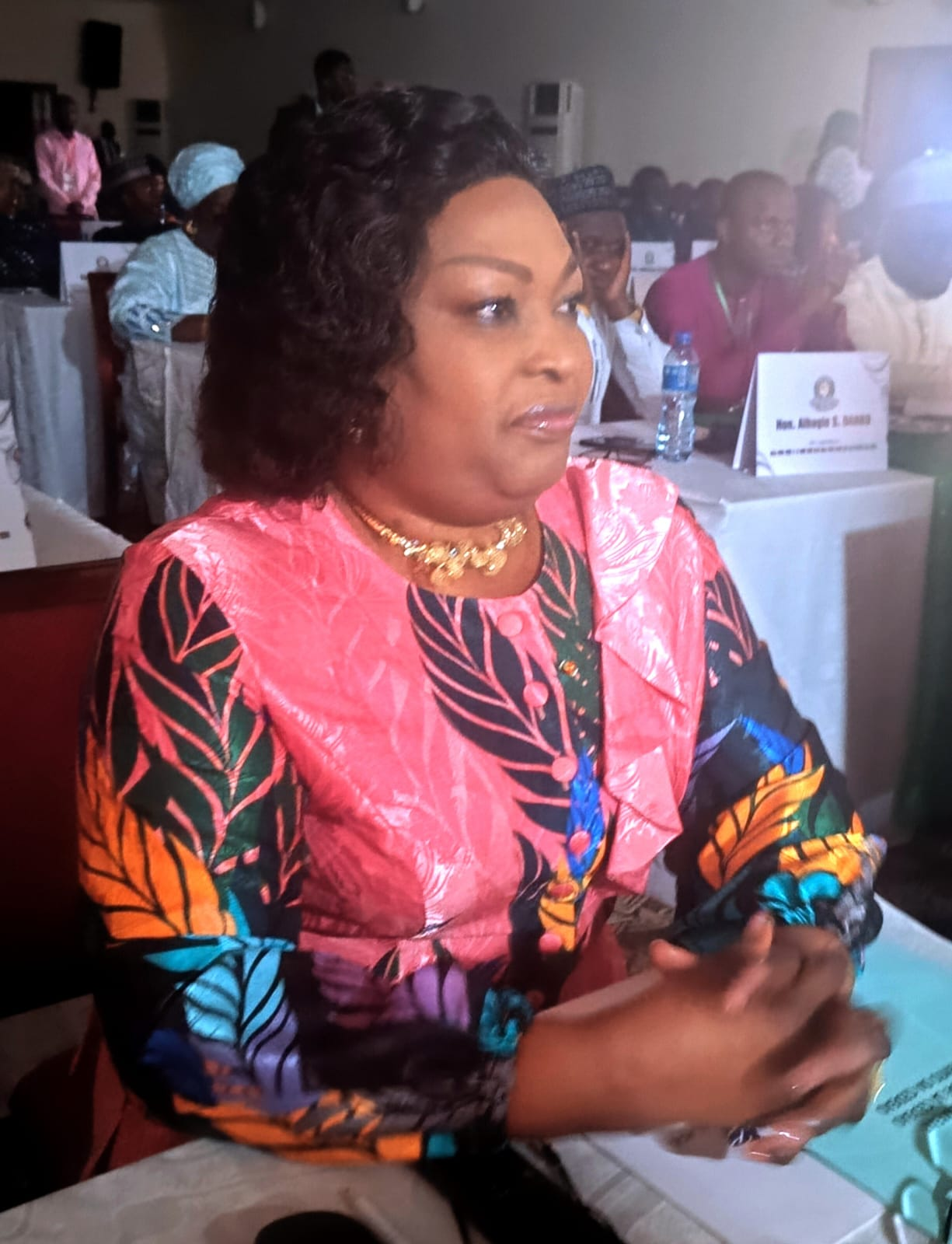
Memounatou Ibrahima has made history in the regional legislative arm with her election as the first female Speaker, Parliament of the Economic Community of West African States (ECOWAS)

The new Speaker of the Community Parliament, Memounatou Ibrahima, from Togo was elected at the 2024 Second Extraordinary Session of the Sixth Legislature of the Community Parliament in Kano, State, North West Nigeria.

She emerged as a speaker due to the rotation of the speakership of the Community Parliament in alphabetical order in accordance with the provision of its Supplementary Act.

Ibrahima was the third Deputy Speaker in the fifth Legislature of ECOWAS Parliament.

She has been in the ECOWAS Parliament since 2021.

She is taking up the baton from the Nigerian leader of delegation, Senator Barau Jubrin, who was elected the First Deputy Speaker at the inauguration of the Sixth Legislature of the ECOWAS Parliament on April 4th 2024.

He had to act as the Speaker to avoid creating a vacuum of leadership at the Community Parliament.

During the inauguration of the Sixth Legislature of the ECOWAS on April 4th 2024, the delegation of the Republic of Togo was not present because they had not conducted an election to enable the country to send their representatives to the Community Parliament.

Watch the video below.

What is really the problem in Niger state?

Maryam Uwais argues the need to empower the orphans through education

There is a famous anecdote from the life of Al-Ghazali, known as one of the most influential legal theoreticians, philosophers, theologians and mystics in Islamic history. Once during his travels, Al-Ghazali was attacked by highway robbers. He remained remarkably calm and composed and the robbers demanded all his belongings. His response, ‘You have taken my belongings, but you cannot take what I have in my heart’. Puzzled the robbers asked him what he meant. Al-Ghazali explained that the knowledge he had acquired throughout his life resided within him and could not be taken away by anyone. His possessions could be stolen, but his knowledge was safe and secure. With this narrative, Al-Ghazali emphasized the importance of prioritizing intellectual (and spiritual) growth over worldly possessions.

I recall this anecdote against the background of a story that has hit the headlines recently, from Niger State. The Speaker of the House of Assembly in that State announced publicly that as part of his constituency project, he was planning to sponsor the wedding of 100 orphans in Mairiga LGA of Niger State, who had lost their parents in banditry attacks. In not so many words, marriage was seemingly being proposed as the solution to poverty.

Mixed reactions quickly followed. The Minister for Women Affairs held a press briefing to announce that she had filed a court action and was seeking for an injunction to stop the marriages from taking place on the designated date. She raised many questions, including who the potential husbands were, the age of the orphans and if their consent had been obtained. Reacting to the uproar, an aide of the speaker clarified that most of the girls were of marriagable age, and that there had been consultations with family members, as well as religious leaders and other critical stakeholders, to facilitate the orphan’s ability to meet the material expenses for marriages that were already in the pipeline, before the announcement was made. 

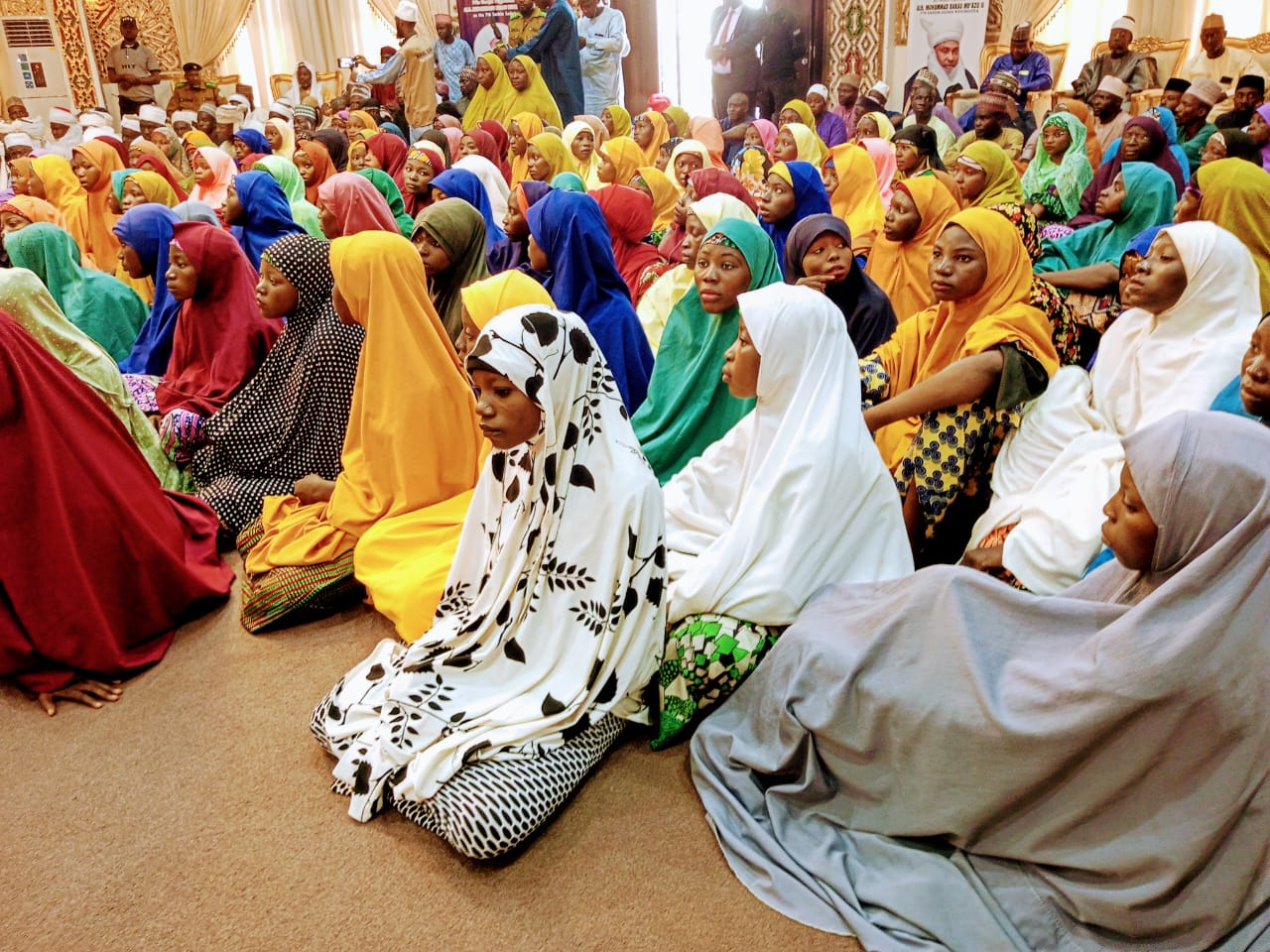
To cut a long story short, the Speaker subsequently publicly retracted his offer. On the other hand, the Forum for Imams in Niger State (and a few Muslim organisations), are said to be backing the marriages, irrespective. Petitions have also been filed with the Nigeria police and by civil society organisations to stop these apparently arranged marriages. Thankfully, the Etsu Nupe and the Emir of Kontagora, both first class chiefs and highly respected traditional rulers from Niger State, have intervened to persuade the Minister to withdraw the action, while assuring that proper investigation would be carried out before the marriages could proceed.

The entire saga is bewildering and I am truly confused. If this issue is truly about resolving the challenges being experienced by these orphans, many questions arise. Is marriage the proposed solution to poverty, in Islam? Are structures in place to protect these apparently vulnerable orphans, and is tying the marriage knot the end game in terms of the ‘protection’ being offered by the Speaker, and the Forum of Imams? Are the potential husbands in a position to sustain and maintain the new wives? Indeed, since this is said to be about poverty, what safeguards are being instituted to ensure that the wives are actually catered for, after the marriages are conducted? Who can they run to, if the husbands do not comply with the basic principles of marriage; to care for them, provide them with the basic necessities of food, shelter, health and for their children when they arrive? What if they are divorced unjustly and thrown out of their matrimonial homes, as can happen, even though it is well known that divorce is repulsive within the faith? Who will protect the rights of these poor orphans, if they are maltreated or abused? Indeed, is Islam not about education, and learning? Does the faith insist that the female should be fully dependant on the husband, or is she also perceived as having the ability to own her own property and running her own business?

Some perceive that the Minister herself jumped headlong into this matter, without interrogating the issues or taking into account the culture and sensitivities of the community. But surely inquiry about the priority for educating and empowering the orphans is consistent with the benefits and centrality of knowledge, as well as learning, to Islamic culture. It is what Al Ghazali emphasized in the anecdote that began this piece. The outright dismissal of this priority cannot be about our faith. Need we be reminded that the very first verse revealed in the Holy Qur’an began with the command, ‘to read’. Not ‘to marry’.

From this standpoint, therefore, the offer to empower and educate the girls should be embraced by those who truly feel empathy for these orphans and the sad predicament they find themselves in. Indeed, empowering the girls to facilitate the acquisition of agency and the ability to earn their own income should be the primary consideration if the orphan’s sustained wellbeing is to be prioritized. What she learns can never be taken away from her, even if she is discarded subsequently by a husband. Marriage can certainly follow after the effort is made to ensure that these orphans are sufficiently physically and mentally mature, prepared to appreciate the responsibilities of marriage, having been empowered to support themselves and their families. Maturity does have a central role to play, in any marriage. We also disregard the direct linkage between maternal mortality, infant mortality, malnutrition (for both baby and mother), mental health challenges, domestic abuse,  the lack of an income and the ensuing poverty, drug abuse, fractured families ensuing from wanton and frivolous divorces, as well as the lingering almajiri fall out, all of which (amongst others) can be, and often are the direct consequences of marriages conducted too early. Delaying (as against forbidding) the onset of a marriage can only make for healthier, more peaceful, more harmonious and more sustainable unions. No faith deeply embedded with the universal attributes of justice and fairness, can subscribe to such blind suffering and dismal outcomes for the weak and the voiceless in our midst. It is paradoxical that too many continue to turn a blind eye to these manifest realities in our own context.

Hopefully, this particular saga will ultimately be resolved in favour of the orphans, but we must remain vigilant. Thus far, we have the Royal Fathers to thank, as well as the Speaker, Minister and all the voices that have brought these issues to the public domain. It is, however, worth reminding the Minister also, that there are too many children; boys, and especially girls; languishing in our IDP camps, who need to be empowered. She must proceed quickly with the collation of requisite data and systematically engaging them. She must adopt a similar resolve to support them in a wholesome manner, along with the other Ministries and Agencies that are relevant to the needs. They all need to enrol/resume in school, physical and mental healthcare, skills and adequate shelter. Time is swiftly running out for far too many.

 Maryam Uwais, OON, is a lawyer and a former Presidential Special Adviser on Social Investments

ThisDay

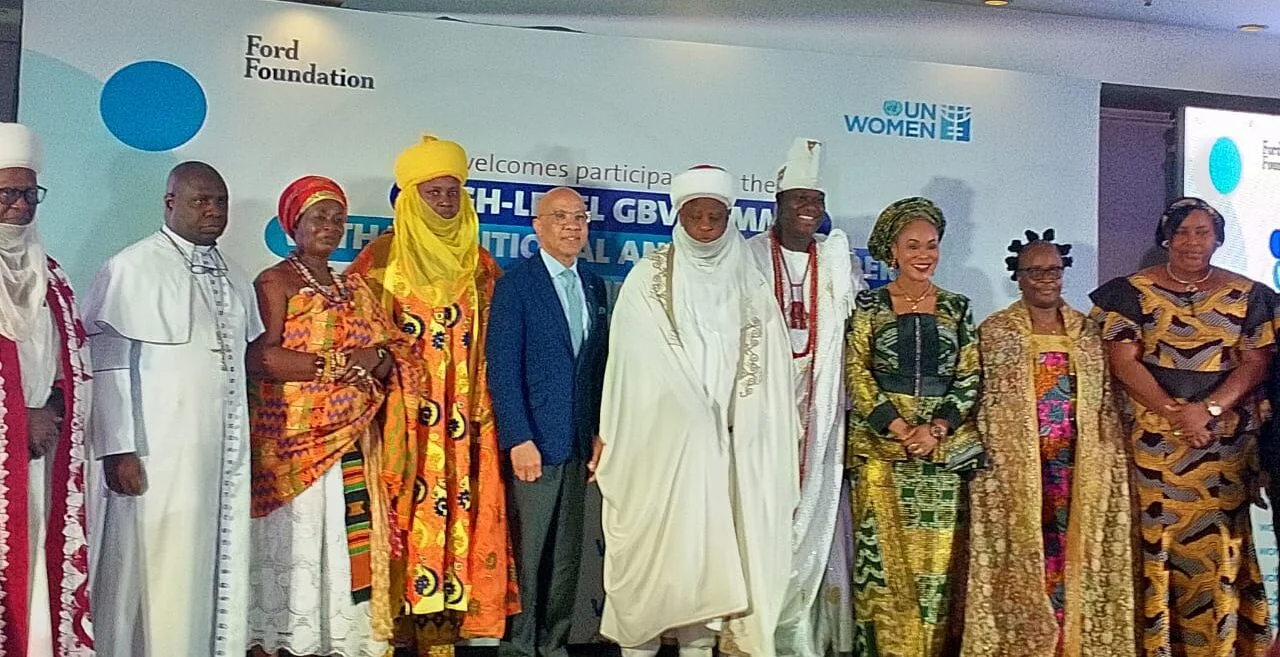
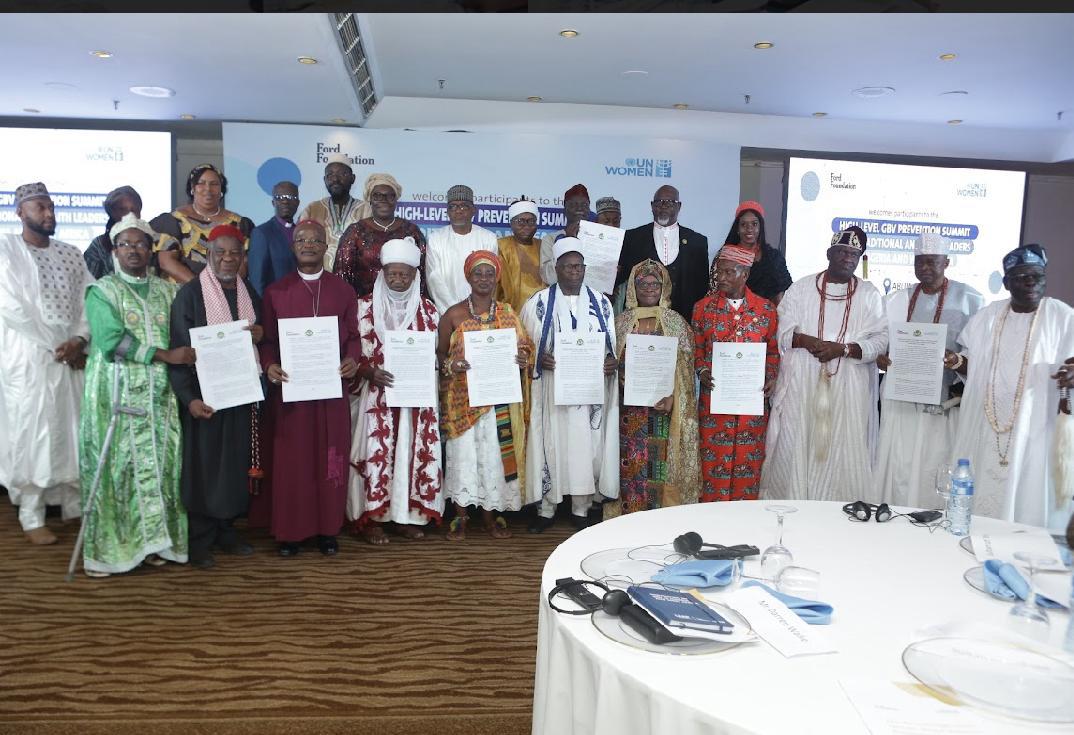
Traditional Faith Leaders in West Africa, others, converge in Abuja; vow to GBV and harmful practices

West Africa traditional and faith leaders have pledged to end Gender Based Violence (GBV) and harmful traditional practices affecting women and girls, especially at the community level.

They made the commitment at a summit organised by the UN Women with support from the Ford Foundation on Tuesday in Abuja.

The summit was part of its “Traditional and Cultural Leaders for Ending GBV by Advancing Advocacy, Policy, and Social Norms Change in Nigeria and West Africa (LEAP)” project (2023-2026).

Ms Beatrice Eyong, UN Women Representative to Nigeria and ECOWAS, described GBV as a violation of human rights, a barrier to development, and a threat to peace and security.

“In West Africa, over 40 per cent of women are victims of physical and/or sexual violence.

“These acts of abuse are so common that they tend to be normalised
by women themselves,” she said.

She said the summit would provide them with tools, regional accountability framework to support continuous monitoring and hold them accountable for their commitments towards eliminating GBV and harmful practices.

“We know with your commitment and support; we can create an Africa where women and girls live free from fear of violence.

“And where our traditional and religious practices can be upheld and celebrated without compromising on human rights,” she said.

Darren Walker, President, Ford Foundation, said: “Let us continue drawing on the wisdom of our traditions and collective resolve to address the scourge of GBV and create a more just equitable society for women and girls in West Africa.

“Together, we can achieve our shared vision of a world free from violence, bias, prejudice and discrimination.’

Mrs Uju Kennedy-Ohanenye, Minister of Women Affairs stressed the need to collaborate with stakeholders, especially religious and traditional leaders to end GBV and harmful practices against women and girls.

“Each time I speak with any of you, I learn lessons and I push it into action immediately because I want this to succeed, and it is only through that that we can liberate the women, girls and babies,” she said.

Alhaji Muhammad Abubakar, Sultan of Sokoto, noted the existence of GBV in the society overtime, calling for more actions and policy implementation to avoid re-convening meetings to discuss the same issues.

Abubakar, who is also the President General, Nigeria Supreme Council for Islamic Affairs, said: “we are ready to give our best to the country, talk about peace and stability based on justice, fair play, and equity.

” This is a large turnout of traditional leaders, which shows that traditional institutions are always ready to be proactive and progressive.”

Oba Adeyeye Ogunwusi, Ooni of Ile-Ife, stressed the need to prioritise issues affecting women and implementing practical solutions that would address them.

“Traditional rulers have a very important role to play, and we still need to do more in giving women a place to stand, how they can be beneficial to society irrespective of religion.

“Maybe some religion and cultural beliefs usually confine women, but there are several other ways that you can give women a sense of place and make sure they are part of the society and have things they can contribute,” he said.

S

Rev. Daniel Okoh, President, Christian Association of Nigeria (CAN) said: ” we must give moral leadership in speaking out against all forms of violence and injustice including GBV.

“And to work towards a more just and equitable society for all to live and flourish in without fear of discrimination or intimidation.”

The News Agency of Nigeria (NAN) reports that various religious and traditional leaders from Ghana, Sierra Leone, Nigeria Republic, and Liberia were in attendance at the event, aimed at eliminating GBV and transforming harmful social norms at the community level.

NAN

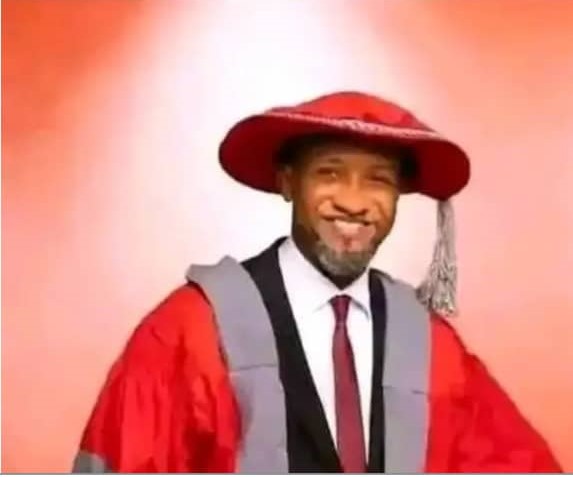
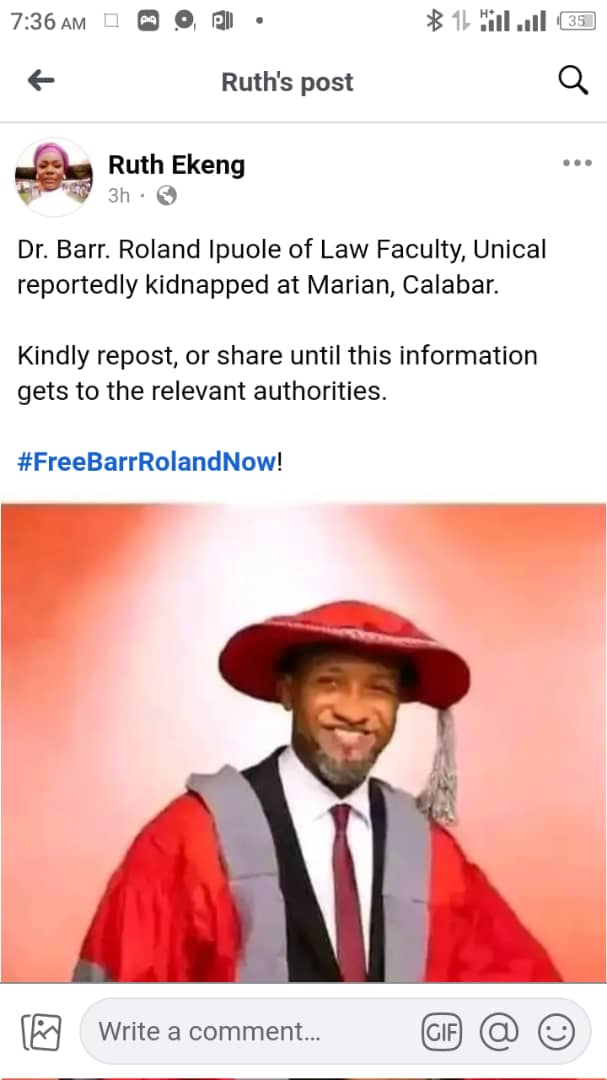
UniCal Law Lecturer, Roland Ipuole kidnapped in Calabar

A legal practitioner and lecturer at the Faculty of Law, University of Calabar, Dr. Roland Ipuole has been kidnapped in Calabar.

A social media post making the rounds announced his kidnap.

Dr. Ipuole, a member of the Nigerian Bar Association NBA Calabar Branch who was reportedly kidnapped at about 8pm last night in Calabar was said to be attending a meeting along Marian Road when he was kidnapped by a band of persons who had been robbing and terrorising the area.

Dr. Ipuole

A message shared by Edebia Concerned Sons and Daughters in Calabar urging the State government to come to their aid is reproduced below.

Dr. Barr. Roland Ipuole of Law Faculty, UNICAL reportedly kidnapped along with two others. While one of the victims, Dominic Ogri has just regained freedom from these bandits, Roland is still being held.

We are calling on all security agencies to rise up to this challenge by ensuring that Bar Roland is released unharmed.

To our dear Governor, we see the action of these kidnappers as an attempt to rubbish your good intentions for the state.

Please and please, use this as a test case and show these detractors that you are fully in charge of the state.
FREE BAR ROLAND UNCONDITIONALLY NOW.

Signed: Edebia sons and Daughters in Calabar

Alleged Cyberbullying: Verydarkman to remain in custody till next week

Martin Otse, the controversial social media critic, popularly known as VeryDarkMan, has been remanded in police custody until his next hearing, which is scheduled for next week Wednesday.

VeryDarkMan was reportedly arraigned at the Federal High Court sitting in Abuja on Wednesday, facing five counts of cyberstalking involving the Nigeria police and Nollywood actresses Iyabo Ojo and Tonto Dike, to which he pleaded not guilty.

His lawyer, Deji Adeyanju, applied for bail, but the police prosecuting team informed Justice Mobolaji Olajuwon that they needed more time to respond to the application, leading the court to adjourn the bail hearing to May 29.

The prosecution sought to have the blogger remanded in prison custody, but his lawyers successfully argued for his remand in police custody instead.

The court granted this request, and Verydarkman was subsequently taken to the National Cybercrime Centre.

The charges against him read, “1. Posting a video on October 29, 2023, on his Instagram handle ‘verydarkblackman’ that contained offensive, pornographic, or menacing information, falsely alleging that Iyabo Ojo had an indecent sexual relationship with her daughter, violating Section 24 (1)(a) of the Cybercrime (Prohibition, Prevention, etc) Act, 2015.

“That you Martins Vincent Otse (A.K.A. VERYDARKBLACKMAN) ‘M’, 29 YRS of Supreme Court Estate Karu, Abuja on or about 29th October 2023, in the Federal Capital Territory, Abuja within the jurisdiction of this Honourable Court knowingly and intentionally posted videos, by means of a computer system on your Instagram handles ‘verydarkblackman’, which video contained information that is grossly offensive, pornographic or of an indecent, obscene or menacing character wherein you stated that one Iyabo Ojo is having an indecent sexual relationship with her daughter knowing or having reasons to believe that the information in the video you posted on your Instagram handle is false and you thereby committed the offence of Cyberstalking contrary to and punishable under section 24 (1)(a) of the Cybercrime (Prohibition, Prevention, etc) ACT, 2015.

2. Posting a video on January 19, 2024, on Instagram, falsely accusing King Tonto Dikeh of criminal conversion of crowdfunding proceeds and being behind the Gistlover blog, intending to cause annoyance, inconvenience, and other harm, in violation of Section 24 (1)(b) of the Cybercrime Act.

“COUNT 3 That you Martins Vincent Otse (A.K.A. VERYDARKBLACKMAN) ‘M’, 29 YRS of Supreme Court Estate Karu, Abuja on or about 19th January 2024, in the Federal Capital Territory, Abuja within the jurisdiction of this Honourable Court knowingly and intentionally posted videos, by means of a computer system on your Instagram handles ‘verydarkblackman’ containing the information you know or had reasons believe to be false, wherein in the video you falsely published that King Tonto Dikeh is accused of criminal conversion of the proceeds of crowdfunding for Justice for Mohbad Movement, and being the person behind the gistlover blog, for the purpose of causing annoyance, inconvenience, danger, obstruction, insult, injury, criminal intimidation, enmity, hatred, ill will or needless anxiety to the person of the said King Tonto Dike and you thereby committed the offence of Cyberstalking contrary to and punishable under section 24 (1)(b) of the Cybercrime (Prohibition, Prevention, etc) ACT, 2015

3. Posting a video on March 19, 2024, alleging that senior police officers and lawmakers were involved in sexual activities with Bobrisky, intending to cause annoyance, inconvenience, and other harm, in violation of Section 24 (1)(b) of the Cybercrime Act.

“COUNT 4 That you, Martins Vincent Otse (A.K.A. VERYDARKBLACKMAN) ‘M’, 29 YRS of Supreme Court Estate Karu, Abuja, on or about 19th March 2024, in the Federal Capital Territory, Abuja within the jurisdiction of this Honourable Court knowingly and intentionally posted videos, by means of computer system on your Instagram handle ‘verydarkblackman’, containing information which you know or had reasons to believe to be false, wherein you stated the following, ‘I put it to you say the DIGs of the Police dem dey knack Bobrisky. The senators for senate house dey knack Bobrisky…I dare the Nigeria Police, I said what I said, the DIGs are knacking him, the Lawmakers, the Senate are knacking him in the National Assembly’ which statement you made for the purpose of causing annoyance, inconvenience, danger, insult, injury, criminal intimidation, enmity, hatred, ill will or needless anxiety to the persons of the DIGs of the Nigeria Police Force and members of the National Assembly and you thereby committed the offence of Cyberstalking contrary to and punishable under section 24 (1)(b) of the Cybercrime (Prohibition, Prevention, etc) ACT, 2015.

4. Posting another video on March 19, 2024, claiming that Bobrisky was pimping young boys to senators and senior police officers, intending to cause annoyance, inconvenience, and other harm, in violation of Section 24 (1)(b) of the Cybercrime Act.

“COUNT 5 That you Martins Vincent Otse (A.K.A. VERYDARKBLACKMAN) ‘M’, 29 YRS of Supreme Court Estate Karu, Abuja on or about 19th March, 2024, in the Federal Capital Territory, Abuja within the jurisdiction of this Honourable Court knowingly and intentionally posted videos, by means of computer system on your Instagram handles ‘verydarkblackman’ containing information you know or had reasons to believe to be false, wherein you stated that Bobrisky is pimping young boys for Senators and Senior Police Officers to sleep with, which statement you made for the purpose of causing annoyance, inconvenience, danger, insult, injury.”

PUNCH

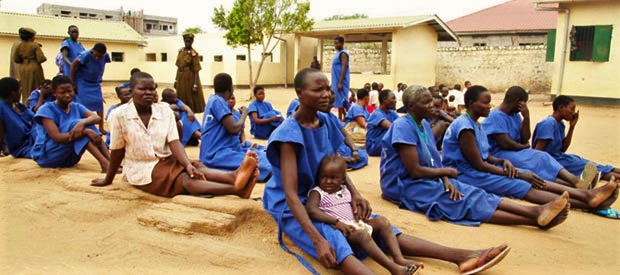
Female prisoners in Nigeria rise by 4.82%

The National Bureau of Statistics (NBS) has revealed that the percentage of women admitted into the Nigerian Correctional Centres in 2022 increased by 4.82%.

According to the NBS’ Statistical Report on Women and Men in Nigeria 2022 released in Abuja on Wednesday, the percentage of females admitted into the Nigerian correctional centre in 2020 stood at 4.90%, then dropped to 4.48% in 2021 and increased to 4.82% in 2022.

It also showed that in 2020, 2021, and 2022, male inmates accounted for 95.10, 95.52, and 95.18% respectively. The report further indicated that stealing was the most prevalent offence committed by both men and women.

It also showed that in 2020 the number of men convicted of stealing stood at 40,555, which declined in 2021 to 31,921 and increased to 44,477 in 2022.

The report further revealed that: “Similarly, the number of women admitted to prison for stealing in 2020 was 1,981, which decreased in both 2021 and 2022 to 1,320 and 1,272 respectively.”

The report also indicated that while there was a decline in the crime of bank fraud in the period under review, in 2020, the number of persons arrested was 22 males and four females, whereas the number of persons convicted was eight males and two females.

“This decreased in 2021 as there was no person either arrested or convicted, while in 2022 there was an increase in the number of persons arrested.

“In 2022, three males and four females were arrested while the number of persons convicted was two males and one female.”

Again, the report pointed out that male suspects accounted for 90% of all the suspects arrested for drug-related offences in Nigeria between 2020 and 2022, while the female suspects arrested ranged from 7.35 and 7.62%.

It was also disclosed that the percentage of females trafficked for forced labour was 64.87% in 2020, 59.93% in 2021, and 59.14% in 2022.

Moreover, there was an indication that the percentage of women aged 15 to 49 who had experienced physical violence since age 15 increased from 27.80% in 2013 to 31% in 2018.

The report also showed that 8.20% of females aged 0 to 14 had been circumcised in Nigeria in 2021. The NBS said that from 2020 to 2022, the percentage of females aged 26 to 35 trafficked was 87.86%, 91.08%, and 71.09% respectively.

“In 2019, all victims trafficked for prostitution were females (100%), however, it was 97.82%, 99.72%, and 99.55% in 2020, 2021, and 2022 respectively.”

The Statistician-General of the Federation, Adeyemi Adeniran, said the statistical report analysed the status of women and men across Nigeria from 2020 to 2022 using statistics from agencies at the federal and state levels.

Adeniran said that the report covers six key economic policy domains, which included Population, Health, Education, Employment, Power and Decision-Making in Governance, and Violence Against Women and Crime.

“It benchmarks gender equality across these critical areas annually to measure progress, by compiling and analysing comprehensive national statistics disaggregated by sex.

“The report aims to support policies and programmes enhancing equal rights, responsibilities, and opportunities for women and men in Nigeria, using data from relevant agencies at Federal, State, and Local Government levels”, he added.

NAN

TIPS