Home Blog Page 570

Enugu Rangers Veterans: Preserving memory and honoring a legacy

By  Chidi Anselm Odinkalu

Umuawulu, a sleepy settlement in Awka, the capital of Anambra State in the south-east, is the unlikely origin of one of the greatest sporting resumes ever to come out of Nigeria. In the bowels of this village lies Holy Cross High School, the site from which story sprouted.

Until the politicians contrived to destroy education generally, Nigeria’s High Schools used to guarantee an interminable production line of rarefied sporting talent. This role pre-dated Independence. Historian, Peter Alegi, recalls that in territories – such as Nigeria – ruled by the British, missionaries and colonialists formed steeped in Victorian traditions, anchored their mutually complementary missions on “a belief that sport forged physically fit young men of sound moral character.” In the pantheon of sporting activities inspired by this belief, football was the undisputed king.

In 1963, a young man arrived Holy Cross Umuawulu to begin his secondary education. Emmanuel Okala was 12 when his goalkeeping career began in Umuawulu. Born in May 1951, his contemporaries from then remember him as a rather spindly figure whose height took him to the lower reaches of the heavens. Even as a new arrival at the beginning of his High School journey at the time, those who beheld him acknowledged that they were in the presence of a generational phenomenon.

In 1970, Emma joined a football club created around the talents of a few young men most of whom had been demobilized from the war. Its name was Rangers International Football Club of Enugu. At the time, the leading continental footballing super-star was Robert Mensah, the legendary goalkeeper of Ghana’s Black Stars and also of Ashanti Kotoko Football Club. After Mensah was killed in a stabbing incident on 2 November, 1971, the continent cried out for a new goalkeeping supremo.

From his humble beginnings in Umuawulu, Emmanuel Okala rose rather effortlessly to become the country’s undisputed goalkeeper over the next decade, ultimately growing to fill the void created by the untimely passing of Robert Mensah. Emma’s influence grew to outstrip the role of the solitary minder at the rear of the outfield players. In 1978 the African Sports Journalists Union (ASJU) voted him as the African Footballer of the Year, the first person and the first Nigerian to win that distinction. By then, he was better known as the “Man Mountain” a moniker invented by leading football commentator, Ernest Okonkwo.  

Two years later, in 1980, Okala was goalkeeper of the national football team, then known as the Green Eagles, which won the African Cup of Nations (AfCON). The captain of that team was Christian Chukwu, who, like Emmanuel Okala, also began his footballing career as an “Academical” at the National Secondary School, Nike, on the outskirts of Enugu. Like Emmanuel Okala, Christian Chukwu was also born in 1951. From Nike National, he also joined the Enugu Rangers. As a footballer it was said that his  “outstanding will to lead and motivate others earned him the nickname ‘Chairman’, as his colleagues saw him as an anchor of hope.”

That story of hope was not confined to the soccer pitch. The Rangers Football Club for whom both Christian Chukwu and Emmanuel Okala were leading super-stars, embodied the hopes of the people of south-east Nigeria as they emerged from the ruins of an utterly destructive civil war at the beginning of 1970 bereft of both capital and dignity.

The core of that team also included Johnny Egbuonu described by a leading sports publication as “a classic dribbler” who could “do anything with the ball.” Popularly known as “School Boy”, Johnny’s career also began in the High School. He was destined for a great career in the colours of his country but left early for Germany to pursue qualifications in veterinary medicine.

That Rangers team would become the mascot of the race and region as they embarked the reconstruction of the Igbo identity and will after the war. That team also evolved to become the backbone of Nigeria’s national football team that went on in 1980 to conquer footballing heights in Africa.

Of the members of that original Rangers International team of 1970-1975, fewer than thirteen are now alive. In addition to Christian Chukwu, Emmanuel Okala and Johnny Egbuonu, the others still around include Dominic Nwobodo, Francis Nwosu, Kenneth Abana, Patrick Ilouno, John Uwanaka, Godwin Adimachukwu, Johnny Azinge, and Sylvester Onwuekwe. At the time of this writing, the remains of two leading members of that side – Stanley Okoronkwo and Harrison Mecha – lie in the mortuary, awaiting the final earthly rites for their mortal remains.

At the peak of their powers, these men could have played for nearly any team in the world. At the time, however, the sport was poorly organized in Nigeria; management was non-existent; football administration was poor; attention to wellbeing of the athletes was haphazard at best; and sports science was only just beginning to receive attention globally. Neither fully professional nor indeed amateur, their careers were spent in a vocational no-man’s-land. Their wealth in public adulation did not easily or at all translate into material comfort.

At that time also, football administration was mostly run as part of the public sector. At the end of their sporting careers, some of them went into sport administration and management but, even then, their careers also suffered from the debilities of a disorganised public sector. As senior citizens today, the public sector has forgotten them and the legacies of that generation of great sporting attainments are at risk of being lost.

At the personal level, Segun Odegbami, himself a leading member of that 1980 AfCON winning team, notes that these men – now senior citizens all – are today “slowed down now by arthritis – the ailment of retired footballers.” Some of them suffer a combination of even more serious ailments too and now spend considerable sums on medical bills.

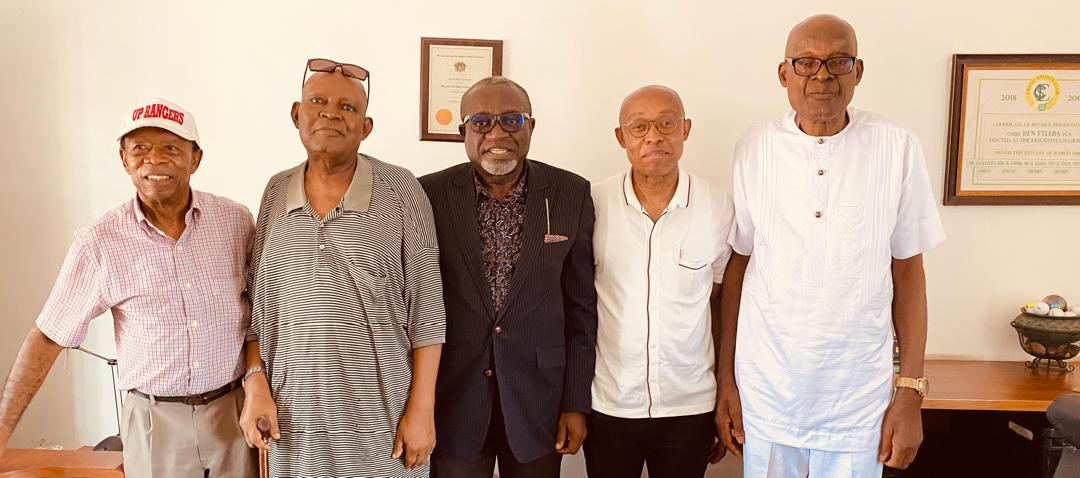
To address this neglect and also preserve the sporting and civic legacies of the original Enugu Rangers International, it has become necessary to establish the Enugu Rangers Veterans Trust. This is currently led by the trio of Christian Chukwu, Emmanuel Okala and Johnny Egbuonu as incorporated trustees with the mandate to provide a convening framework for mobilizing and governing the resources required to address pressing wellbeing needs of the living members of the Rangers originals and to preserve and document their legacies for the digital age.

Last week in Enugu, I joined Christian Chukwu, Emmanuel Okala and Johnny Egbuonu, together with leading chartered accountant and former Chair of the Enugu Sports Club, Bennet Etiaba in putting the final touches to preparations for the launch of this undertaking. Media partners also support this Rangers Veterans and Legacy project. Over the next month, there will be a formal rollout of this project.

Although self-evident, the point of all of this nevertheless bears restating. There was a time in which sports generally and football in particular provided a glue for coexistence in Nigeria and many parts of Africa. The lessons from that age deserve attention in a time such as the present when advocates of coexistence are endangered and the people who made that age possible deserve acknowledgement as well as appreciation. In calling attention to their lives and distilling their stories, it is possible to hold out lessons that can make a significant difference to the fate of succeeding generations.

A lawyer and a teacher, Odinkalu can be reached at [email protected] 

Nigeria’s not too big to fail

By Oseloka H. Obaze

Deciphering Nigeria can be depressing. Interrogating her history and present political trajectory can also be disconcerting.  That awkwardness is further complicated by the fact that in a nation where governance is now rife with propaganda, the truth is always a conspiracy; and truth tellers, traducers. That disposition did not prevent two recent unvarnished and non-salutary New York Times assessment of the state of Nigeria.  Both pieces represent a reality check and the proverbial handwriting on the wall. Despite the pushback by the ruling APC government, what is dawning stealthily on Nigerians is that Nigeria’s long-forecasted implosion might actually be self-fulfilling. Put differently –Nigeria is not too big to fail.

While the Nigerian government recently marked the 25th  anniversary of Nigeria’s return to participatory democracy with bizarre fanfare; in reality, democracy in Nigeria is in auto-reverse.  For majority of Nigerians, these uncommon times underpin the tribulation confronting a vastly emasculated nation. Nigeria’s fate this past year, belie the triumphalism of those who eerily coveted the promise of “renewed hope” with a sense of near eschatological recompense at the cusp of the 2023 presidential elections.  Now, that the incumbent government suffers from legitimacy and incompetence crisis, the “Had we known” is routinely expressed; hardly ever whispered anymore in deference, denial or fear. For Nigerians, reality bites; and “we are hungry” is as much a national refrain as “Nigeria we hail thee.”

Yet, the past one year in the nation’s life, has been most instructive; for all comers. Egregiously missed opportunities and biting lessons learned, run in tandem on a lengthy swath of parallel tracks of introspection and retrospection. Bitterness, regrets and consternation are commonplace as is denial and myopia, fraught by excessive excuses, hypocrisy, impunity, recriminations and cocoon-like insularity. The period has also been markedly an era of revelation and conversion for some primordial recidivists. Acquiring power by stealth, has an anecdotal slant that parodies the famous song; “Now that we found love what are we going to do with it?” For some still realistic APC aficionados, the question seems to be: “Now that we found power, what are we going to do with it?”

READ ALSO: Unending arguments over Kano Emirate judgment

Presently, nation building is halting, as the pangs and pains of a traumatized nation are broadly felt. The rich and poor now share a common bucket list of deprivation, insecurity, bloodletting, decrepit and crumbling infrastructure and dissembling leadership ineptitude. It’s now crass to think of the grass being greener on the other side. Sadly, the present leadership is clearly bereft of a magic wand and their stockpile of political legerdemain is badly depleted.   In 2023, 39 percent of Nigeria’s eligible voters presumably voted for the present government. One year later, 84 per cent of the national population is reportedly “dissatisfied” with the present leadership.  That speaks volumes. In reality, the “renewed hope” has metamorphosed into hopelessness that comparatively, makes the preceding failed Buhari administration seems like a positive benchmark. Really, karma has a consistent address.

The Nigerian state has like never before been captured by the political elite. The ruling cabal is now ethnic and collegiate. Nigeria’s kakistocracy –personalities, power, prosperity and poverty- challenges are orchestrated by the unaccountable national leadership elite for whom two operational governance modalities are ‘state capture’ and ‘cancel culture.’ Invariably, that has made Nigeria a case study and attestation of how nations fail.

READ ALSO:  I was in UNN in 1971, I was a good student but still sexually harassed — 74-year-old wellness coach

In a brilliant and compelling book by Daron Acemogul and James A. Robinson titled, ‘Why Nations Fail’, Nigeria is clustered with some nations, where weak institutions combine with “extractive political institutions” that “tend to create a vicious circle because they provide no line of democracy against those who want to further usurp and misuse the powers of the state.” Contextually, think of NASS, INEC, NNPC, and the CBN and of course, the Judiciary. Seemingly apropos of Nigeria, the point was also made that “creating unconstrained power and great income inequality, increase the potential stakes of the political game. Because whoever controls the state becomes the beneficiary of this excessive power and wealth that it generates, extractive institutions and create incentives for infighting in order to control power and its benefits…” Hitherto, the lack of equity in power and resource sharing had been contentious grounds in Nigeria; now the roots of our collective discontent lie in the shared commonality of expansive multi-dimensional poverty and broad-based deprivation of resources, amenities and the commonwealth. Our growing begging culture and demand-and-give nexus between the rich and poor makes this shared commonality tangible and palpable.

The crux of our dilemma is that regardless of ethnicity, political tendency and ethnic or religious persuasion, Nigeria is still occupied predominantly by post-millennial EndSARS youths in search of a new viable nation they collectively believe is attainable. They seek a nation they can be proud of; a nation reflective of the good old days, where “tribe and tongue may differ,” yet there was manifest brotherhood across regions and across the confluences. Their unyielding commitment and quest to wrest Nigeria from aged analog geriatrics subsists, front and centre. That itself is acute grounds for inter-generational conflict across ethnic and religious divides.

The overarching job of Nigeria’s elected leaders, especially the president and commander in chief, is the responsibility to protect Nigerian citizens by keeping Nigeria safe. That task, by any assessment, has unfortunately been abandoned. Nigeria’s farms and bread baskets have been abandoned due to insecurity and visceral violence against local populations. A corollary is that Nigeria is gradually creeping toward food insufficiency and widespread hunger. Non-state actors now control or dominate pockets of territories nationwide. Nigeria’s means of sustainable production and manufacturing is being decimated daily, with the exit of multinational companies. Such corporate flight is accompanied by intensive capital flight and persistent diminution of the national currency.   In lieu of legitimate revenue generation, Nigeria is now sustained routinely by massive oppressive borrowings and endless resort to fiscal ways and means ploys.

READ ALSO: Around Italy with Valentine Alli: The Torrione INA, Botticinno Cave et al…

The upshot of Nigeria’s reality is that the present government does not behave like an administration confronting a national crisis. Indeed, the ruling government acts and behaves as if they have concluded that the nation will soon implode and as such, are bent on reaping all they can in form of governance largesse, before the final collapse. They spend frivolously; a habit that is quite in conflict with their commitment to cut costs and rationalize bogus government by implementing the Oronsaye Report.  Such ostentatious profligacy is contraindicative and belies the government’s inability to negotiate and pay reasonable living wages to the larger national population. It’s becoming hard to contemplate how the ruling APC contemplates going into general elections in 2027, with its past and present recklessness and dismal governance record.  Then again, they may have concluded that a second term is not feasible or indeed, that there will be no elections in 2027. Any flawed general election in Nigeria will be an inevitable tripwire. But holding credible elections in 2027 will be contingent on the immediate restructuring of the INEC and the security agencies.

A nation fails, when essentially; it cannot achieve its responsibility to protect its citizens; when pockets of its sovereign territory are controlled by non-state actors, and when every strand of the social contract that binds leaders and the governed stand broken. That is exactly where Nigeria is. It is delusional to think Nigeria is too big to fail. Her implosion if not forestalled, portends grave geo-political and geo-strategic implications that will reverberate well beyond West Africa.  Nigeria’s collapse will make the collapse of Libya look like a child’s play. May anarchy and chaos not be our portion!

Obaze is MD/CEO, Selonnes Consult – a policy, governance and management consulting firm in Awka.

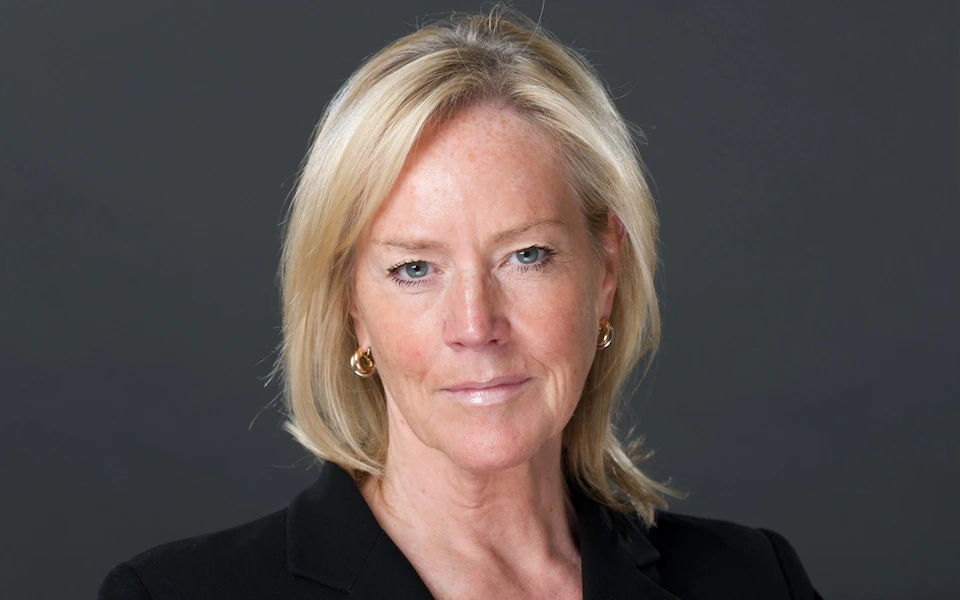
Dame Jennifer Roberts Obituary: Judge in landmark divorce cases

As a “money” judge, it fell to Dame Jennifer Roberts to deal with some of the biggest divorce claims to come before the courts. She had just been appointed to the High Court bench when she was allotted what was, at the time, the largest and most complex matrimonial finance dispute of its kind.

Sir Christopher Hohn, the London hedge fund manager and philanthropist, and his estranged American wife Jamie Cooper-Hohn, were battling over their £870 million fortune. Roberts had been a High Court judge for just one month — although she had sat as a deputy — and it was a tribute to her skills, hard work and attention to detail that Sir James Munby, then president of the family division, chose her to take the case.

In a mammoth 105-page ruling in December 2014, Roberts dismissed the financier’s claim that his former wife was entitled to only a quarter of their fortune and awarded her £337 million, then the biggest such award in the UK courts and one that underlined London’s status as the divorce capital of the world.

At 36 per cent of the assets, it was a departure from the accepted 50-50 baseline split, and was based on the principle that the moneymaker had made a “special contribution”. Roberts did not anonymise her judgment and allowed reporting of the full factual findings in the case (Cooper-Hohn v Hohn).

Family lawyers praised her ruling for its clarity as well as its fairness. But what was generally unknown at the time was that when she started hearing the case, she had just been diagnosed with breast cancer, and delayed surgery and chemotherapy until the trial was over and until she had begun writing her judgment in the summer of 2014. Sir Nicholas Mostyn, a fellow judge, said that despite the huge professional and personal pressure on her, “nobody ever heard a word of self-pity or even complaint fall from her lips. Her indefatigability at that time was a hallmark of her character which all who knew and loved her came to recognise and admire”.

Roberts continued hearing cases throughout her treatment. Another landmark case was that of Christina Estrada v Walid Juffali in 2016. This was a claim for financial relief following a foreign divorce. The test was what were the “reasonable needs” of the claimant, as there was no marital pot of assets to be divided. Among her annual needs the wife had claimed the sum of £1 million each year for clothes and accessories. Roberts listed these claims, which included: “£40,000 for a new fur coat every year; £83,000 for 15 new cocktail dresses every year; £80,000 for a special gown annually; £109,000 for seven haute couture dresses annually; £197,000 for two white tie jewellery sets every year; £79,000 on cocktail dress jewellery sets every year; £58,000 for two luxury handbags every year; £23,000 for six casual handbags every year; and £35,000 on ten clutch handbags every year”.

Unsurprisingly, Roberts dismissed that claim as “inflated and unnecessary in the context of adequate provision for her reasonable needs”. But she nonetheless found that Estrada’s annual income needs amounted to £2.5 million, which was capitalised in the sum of £44 million.

Roberts was the perfect judge for the case. Always elegantly and immaculately turned out herself, typically with a Hermès bag or scarf, she loved fashion. A fellow judge recalled an encounter when he was counsel in a case where she was his opponent. Outside court he admitted to saying something “irritatingly tetchy”. Roberts “paused, adjusted her Ferragamo scarf, brushed an imaginary speck of dust off her pale Chanel jacket, looked me in the eye and smiled at me”. He said: “I learnt more in those 10 seconds than I have in 100 drubbings from those less civilised than she.”

Jennifer (Jenny) Mary Halden was born in 1953 in Southampton. Her early years were spent in Sudan. Her parents, Michael Halden and Mary Kelway Pope, had met and married in Khartoum after the Second World War. They lived and worked there until 1960, although her mother travelled to England for Jenny’s birth. Michael was a sales executive for various big corporations.

Roberts was the eldest of three siblings. Her younger brother, Flying Officer Ian Halden, was killed piloting a Phantom fighter jet in the Falkland Islands in 1991. After leaving school, Roberts worked briefly in London, modelling and working at Island Records.

She married Richard Roberts in 1971, a recruitment headhunter, who died in 2004. They had two daughters: Melanie, who runs a family tailoring business; and Sophie, a mother with small children. Her brother Simon, a businessman, also survives her.

In her thirties with two young daughters under her care, she decided to go for law. She enrolled at Southampton University, juggling her studies with being a wife and mother. She was awarded a first-class degree. Later, in 2017, the university awarded her an honorary doctorate of letters.

Her career as a late starter was rapid. In 1987 Roberts read for the Bar and was called in 1988 by the Inner Temple. She obtained a pupillage at the chambers of Roger Gray QC at Queen Elizabeth Building and was then offered a tenancy. She practised there for her whole Bar career, remaining hugely attached to the set and supportive — and gaining the nickname “Duchess”, for her flair, elegant style and graceful manner.

Roberts became a recorder on the Western circuit in 2000, after only 12 years at the Bar. Although a family specialist, she ably handled criminal work and also produced a range of judgments in civil cases. She became a deputy High Court judge where she was known for compassion, but also acquired a reputation for somewhat lengthy judgments, including a fact-finding decision in a private law children case, running to 189 paragraphs, given shortly before her promotion to the High Court bench in 2014. She assiduously covered all points, one colleague said, and as a result was rarely appealed.

As High Court judge she handled several big cases, including some of the most difficult so-called “right to die” cases or those involving consent to medical treatment. In August 2023 she agreed that an NHS hospital could withdraw life-saving treatment from a 19-year-old girl with mitochondrial disease, accepting that the girl was unable to make a decision for herself. In 2019, in a case echoing the central story in Ian McEwan’s 2014 novel The Children Act, she overrode the wishes of a “competent” 14-year-old Jehovah’s Witness to refuse blood transfusions after chemotherapy.

Her abilities as a judge were recognised last week when the lady chief justice led tributes at a valedictory gathering at the Royal Courts of Justice. Roberts, said Baroness Carr of Walton-on-the-Hill, was “bright, funny and kind”. Her calm compassion and care for clients, litigants and court staff was a constant theme. Sir Andrew McFarlane, president of the family division, said she was the “most thoughtful of individuals”, respecting all with whom she worked. She did not aspire to the more intellectual and rarefied atmosphere of the Court of Appeal; she loved the High Court, where she could be the mistress of her domain, and was good at it.

Away from court Roberts was a family division liaison judge on the Western Circuit, which she managed with empathy. She also chaired the Family Justice Council’s financial needs working group which produced a definitive guide to how to determine needs on divorce.

Roberts was diagnosed with terminal cancer last September. In her remaining months, she was helped to move to London from the New Forest and to rent a flat close to Sir Nicholas Mostyn and his wife Elizabeth Clarke: Clarke, a family barrister and longstanding friend, visited her daily and ensured she had a joyful final few months, with concerts, theatre visits, galleries and restaurant meals. Roberts carried on working to the last, even taking her laptop into hospital in the days before she died so that she could deal with emails.

Clarke said: “In our profession, a lot of people are respected, and admired, but not that many are loved. She really was. And there was never any self-pity: life was what it was. You have to put your best foot forward and get on with it.”

Dame Jennifer Roberts, High Court judge, was born on March 3, 1953. She died of cancer on June 10, 2024, aged 71.

The Times

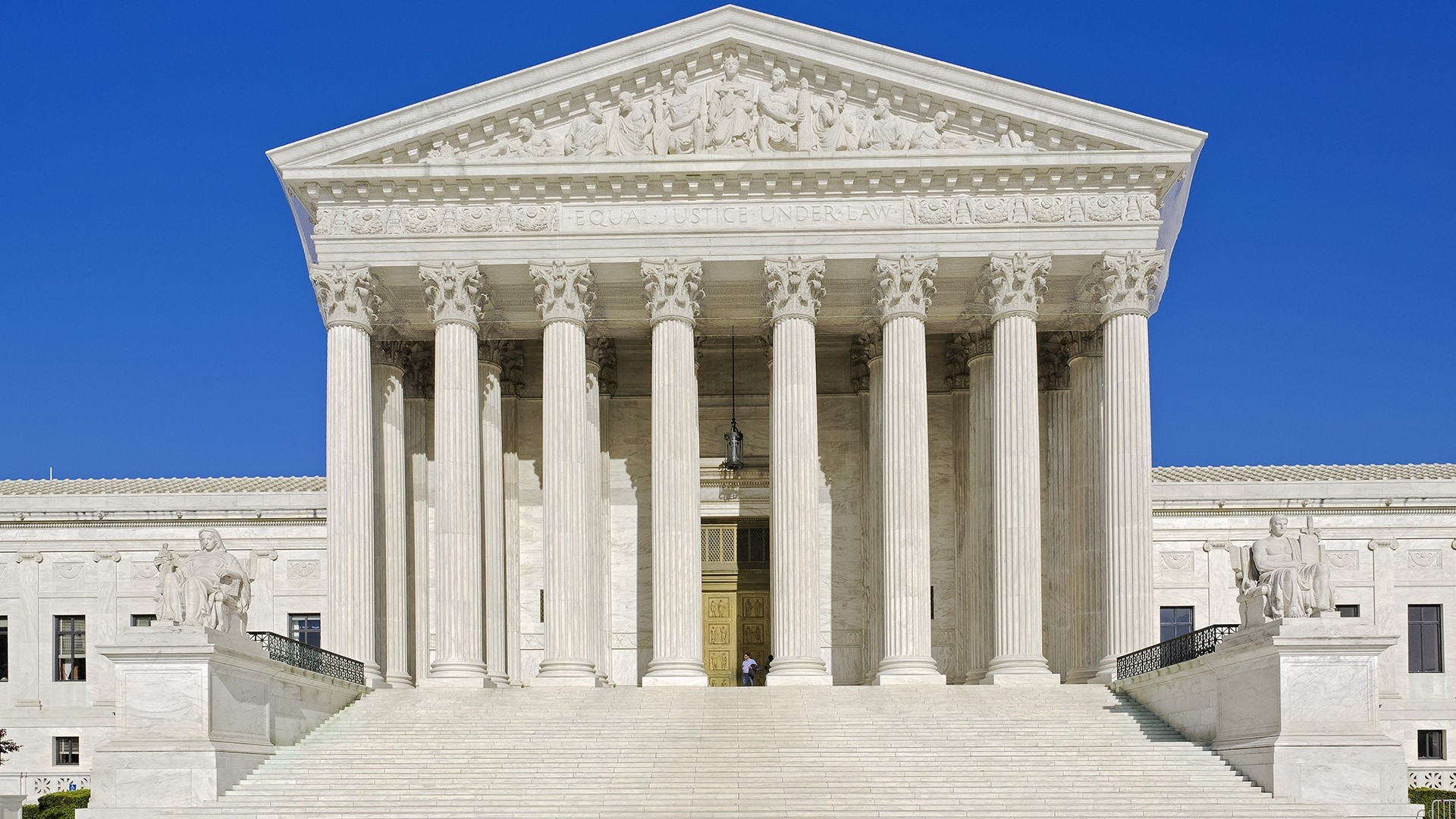
[Download Full Judgment] Citizens’ constitutional rights do not extend to challenging spousal visa denials —US Supreme Court

A recent decision, the U.S. Supreme Court has significantly changed how American citizens can respond when their non-citizen spouses are denied visas. The case, known as Department of State v. Muñoz, ended with a 6-3 ruling that affects many international couples.

Indeed this landmark verdict has reshaped family immigration landscape, sparking debate on rights and security.

Some key points of the ruling are:

  1. Consular Discretion: The decision upholds and potentially broadens the principle of consular nonreviewability, which gives consular officers significant authority in visa decisions.
  2. Constitutional Rights: The Court determined that U.S. citizens’ constitutional rights do not extend to challenging spousal visa denials.
  3. Evidentiary Challenges: The ruling limits the ability of U.S. citizens to present additional evidence or expert testimony to refute visa denials.

Story behind the story

Boundless.com reports that at the center of this case are Sandra Muñoz and Luis Asencio-Cordero. Muñoz is a U.S. citizen working as a civil rights attorney in Los Angeles. Her husband, Asencio-Cordero, is from El Salvador. When Asencio-Cordero applied for a visa to join his wife in the United States, he was denied.

The reason for the denial was unexpected. Government officials suspected Asencio-Cordero of having ties to MS-13, a dangerous gang. This suspicion was based mainly on his tattoos, which include images of theater masks, the Virgin of Guadalupe, and a tribal design with a paw print.

Asencio-Cordero said he had no connection to any gang. To support this, an expert on gangs examined his tattoos and agreed they were not related to gang activity. Despite this evidence and the fact that Asencio-Cordero had no criminal record in the U.S., his visa was still denied.

Click here to download the judgment.

SCOTUS-Rules-on-U.S.-Citizens-Right-to-Challenge-Spousal-Visa-Denials

Some well-connected individuals have cornered our institutions of justice, pervert the cause of justice

  • Rather than promoting the rule of law, we have turned our noble association to petty political association that fights mundane issues …

By J .S Okutepa, SAN

A Nigerian lawyer, Pius Awoke Esq of NBA Abakalike branch, was arrested in 2021 for an offence that is not too clear to many till date. After about three years in detention, he was said to have been released on 21st June 2024.

Some are celebrating it. Some are taking credits for his release. For me there is nothing to celebrate for the release of any Nigerian citizen much more, a lawyer from detention after three years after arrest. It shows how our law enforcement agents are trampling and have trampled upon the liberties and freedom of hapless and defenceless Nigerians.

I am not one of those celebrating the release of Pius Awoke Esq. Rather, I weep that as lawyers, we have collectively and individually failed to protect and defend justice and ourselves against and from the unlawful invasions of not only the liberties of Nigerians but also the liberties and freedoms of Nigerian lawyers by our overzealous security agencies and indeed the institutions of justice put in place by law to protect and secure the liberties of all Nigerians.

There are many Pius Awokes in detentions in Nigerian. Some well-connected and well to do individuals have cornered our institutions of justice to pervert the cause of justice. Money has become the most basic consideration to secure the illegal detentions of Nigerians in these institutions. We have institutions that denied remedies to unlawful invasions of our rights as Nigerians, and nothing may happen.

Many innocent souls have died in unlawful detentions because they have nobody to speak for them. Most of our detentions camps are like warehouses where human beings are dumped like rotten goods and chattels.

There is no humanity in most Nigerians working in these institutions. As an association, NBA has branches across Nigeria. These branches have human rights committees. Rather than promoting the rule of law, we have turned our noble association to petty political association that fights mundane issues and divisions, and we have forgotten the core mandate of the association.

Why should Pius Awoke Esq and others still in detention be in detention without immediate remedies. It shows how wicked we have turned our institutions of justice to in Nigeria. We seem to embrace injustice as our ways of life. I am sure in the places where these institutions of justice operate, we have lawyers who are members of NBA thereat.

We experience more acts of terrible wickedness in the hands of some lawyers operating in those institutions. What have we done as professional association to tame our members who misuse their powers and positions to inflict injuries on the liberties of Nigerians and lawyers. We have done nothing to curb these wicked acts against ourselves.

Our well-being and welfare as lawyers should be the upper most priorities to our professional association. But it appears the reverse is on the increase. I weep for the professional association that devotes more time to chasing shadows than the substance of the interests and well-being of its members.

My only consolation is that Pius Awoke Esq is alive to tell his side of the stories. To that extent, I congratulate Pius for surviving the harrowing and excruciatingly unhygienic experience for about three years in detention.

The lesson for me is that we must collectively resolve to fight injustice and enthrone the rule of law in Nigeria where no man or woman is unjustly deprived of his or her dues under the law.

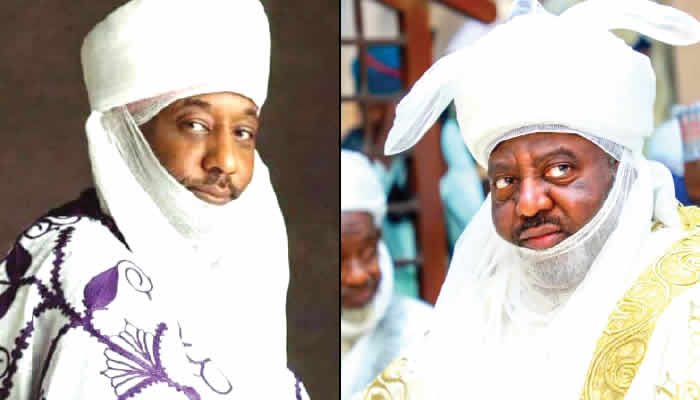
Unending arguments over Kano Emirate judgment

  • Northern lawyers insist Gov. Yusuf must apologise to Bayero

Following the recent Federal High Court Judgment on Kano emirate tussle, that voided the appointment of Muhammadu Sanusi II as the 16th Emir of Kano and the declaration by the Kano State government that Sanusi remains the emir of Kano, Civil Society Organisations (CSOs) and Lawyers have continued to expressed different views on the verdict.
 
Justice Abdullahi Liman of the Federal High Court Kano had ruled that the appointment of Sanusi as emir of Kano was null and void because the state government failed to obey the court order restraining it from taking further action on the new emirate council law.
 
The judge described Governor Abba Yusuf’s speech during the presentation of the reappointment letter to Sanusi as a road to anarchy, saying that if a court order cannot be respected despite evidence of service, then the government was heading to chaos.
 
He voided all the actions taken by the governor after the court order, including the appointment of Sanusi as emir, and ordered all parties in the case to maintain the status quo.

Lawyer, former university lecturer, oil company executive and ex-non-executive bank director, Vincent Okwechime had thus to say.

“t’s complicated but I can see an intersection point at which one’s fundamental rights may interact and merge with chieftaincy issues, including the lawful right to be appointed an Emir or Oba.

“So for example, where ascension to the throne in Benin is by primogeniture, automatically passing to the eldest son of an Oba, an appointment of the second or third son of a preceding Oba by legislation may raise issues of the right of the entitled first son to inheritance, deprivation of property rights, dignity, self determination, etc.

“The question is whether those rights are separable from the chieftaincy issue and can this be submitted to the Federal High Court for adjudication on that basis? Or whether they are intrinsically linked the chieftaincy dispute and thus inseparable from it that it ought to be litigated in State court!?”
 
Reacting to the ruling in a statement, the government said: “The Kano State government acknowledges the ruling by the Federal High Court regarding the Kano Emirates Council (Repeal) Law, 2024 and views same as upholding the rule of law.
 
“By the ruling of the court, it has unequivocally reaffirmed the validity of the law passed by Kano State House of Assembly and assented to by His Excellency the Executive Governor of Kano State on Thursday, May 23, 2024, by 5:10pm.
 
“This part of the judgment is very fundamental to the entire matter. Further implication of the ruling is that all actions done by the government before the emergence of the interim order of the honourable court are equally validated. This means that the abolishing of the five emirates created in 2019 is validated and the deposition of the five emirs is also sustained by the Federal High Court.
 
“By implication this means that Muhammadu Sanusi II remains the emir of Kano. The judge also granted our application for the stay of proceedings until the Court of Appeal deals with the appeal before it on jurisdiction.
 
“Happily, the signing of the law and the reinstatement of His Highness, Emir Muhammad Sanusi II, were done on May 23, 2024, before the emergence of the Interim Order, which was served on us on Monday, May 27, 2024.”
 
On his part, professor of law, Prof. Chidi Odinkalu, maintains that since Sanusi was issued a letter of appointment on May 23 before the judge gave the order and was sworn in on May 24, the claim that he still remains the emir of Kano is valid.
 
“Sanusi was issued a letter of appointment on May 23 before the incredulous order of the judge. The swearing in was on May 24. The judge says everything after his order is invalid. So, since the letter of appointment was issued before that, it is valid in terms of his order.
 
“Of course, there is a huge question as to the lawfulness of the entire proceedings. The law being challenged was assented to at 5.10 pm on May 23. At that time, no registry was open anywhere in Nigeria. Where was the case filed and at what time for the judge to have issued an order on May 23?” he queried.
 
The Executive Director, Citizens Advocacy for Social and Economic Rights, Frank Tietie, also argued that the governor was absolved of any offence since the state House of Assembly has amended the emirate law. The amendment, he said, has given legal backing to the action of the governor in reinstating Sanusi.
 
Again, Mathew Echo, a lawyer, said: “There appears to be a dimension to this given that the Kano State High Court (which is a court with coordinate jurisdiction with the FHC) made a subsisting order recognising the appointment of Sanusi. So, with all this in the mix, it will be absurd to conclude that he is no longer the emir.”
 
Yet, the National Coalition of Northern Lawyers and Public Interest Activists (NCNLPIA) has described the annulment of the reinstatement of Sanusi II as victory for justice.
 
The group said the judgment vindicates the popular stance on the illegality of the Kano State government’s actions in dissolving the Kano emirates and dethroning Emir Ado Bayero.
 
Addressing a press conference in Abuja yesterday, the convener, Napoleon Otache, commended the court for upholding the rule of law and protecting the sanctity of traditional institutions, adding that the ruling is a victory for justice, truth and the people of Kano State.
 
The group, therefore, urged the state governor to apologise to Bayero for the humiliation and hardship inflicted upon him due to the unlawful dissolution of the Kano emirates. 
 
Otache advised the governor to respect the court’s decision and work towards peace and reconciliation in Kano State. Otache said: “In nullifying the illegality embarked upon by the Kano State Governor, Abba Kabir Yusuf and his associates, the court has again proven that the judiciary is the last hope of the common man.
 
“We have been reminded that might is not right and that the will of the people matters in addition to the demonstration that those who are on the right side need not resort to violence to defend their rights.

 “The court’s ruling has demonstrated that the rule of law must be obeyed since the defect that led to the nullification of the re-appointment of the 16th Emir resulted from the governor rushing to implement a law that the court had ruled to be placed on hold.
 
“It is now also clear that rushing to a slew of actions based on illegitimate premises would not make such illegal actions endure. The governor and Muhammadu Sanusi II must have realised by now that all they achieved with the drama they acted amounted to a nullity and a tragic waste of public resources to massage their egos.
 
“The ruling should be a wake-up call to the Kano State government that it cannot introduce a state-level dictatorship as envisaged by the governor, one that sought to obliterate the constitutionally guaranteed separation of powers among the executive, legislature and judiciary.  
 
“The judiciary has given the rude awakening that it is there to correct the conversion of the Kano State House of Assembly into the rubberstamp factory that churned out destructive legislations to satisfy Governor Yusuf’s whims.
 
“The National Coalition of Northern Lawyers And Public Interest Activists is of the view that it is time for Governor Yusuf to acknowledge that he has lost the battle in this matter of the Kano Emirate Council (Repeal) Law 2024.  
 
“Even though it was not the purpose for which he occupied office, he is welcome to continue with the imaginary war he is waging on his perceived enemies, but, this particular battle on the emirate issue is one he must acknowledge is lost.
 
“We consequently call on the Kano State government not to waste the taxpayers’ resources on frivolous appeals but to continue to work with Emir Ado Bayero as the duly recognised Emir of Kano Emirate Council with his full official paraphernalia of office in the interest of peace and in accordance with the order of the court. We make this call knowing that all other pending legal challenges on the matter would naturally align with the Federal High Court ruling.”
 
An Abuja based legal practitioner and rights activist, Okueyelegbe S. Maliki, on his part, noted that it is settled in law that a court judgment, no matter how wrongly made, is valid and subsisting until set aside by an appellate court.
 
Maliki said the remark by the Kano State government that Sanusi remains the emir of Kano was rather hasty. He, therefore, urged the government to take the necessary steps to set aside the judgment before it can legally make such a remark.
 
A former Director of the Department of State Services (DSS), Mike Ejiofor, a lawyer, held that it would be wrong for the governor to violate the judgment of a court.
  
While blaming the judiciary for the role it played in the lingering crisis by issuing orders and counter orders, he urged either of the parties to appeal the judgment for proper interpretation of the latest development.
  
“Whatever be the problem in Kano State cannot erode the validity of the law that removed the former emir. At the same time, another court granted an order restraining every action. In this case, which one is the status quo? Does that mean that Sanusi should remain or not? So, there is conflict in the judgment that is making it difficult to interpret.
  
“So, the Kano State government insisting that Sanusi remains in office as emir in spite of the court order is wrong. I believe that the best thing to do is for either of the parties to go on appeal for proper interpretation of the judgment.”
  
Ejiofor decried the fact that traditional institutions have been completely bastardised and desecrated.
 
“The traditional institution has been politicised. So, governors do what they like so as to garner support. Most of all these happenings are just political crises and if care is not taken, what is happening in Kano and Rivers States might cause a lot of problems in the country.
 
 “The matter in both states should be properly handled. Our security agencies must be firm and professional in their handling of these two situations otherwise it will escalate and the outcome nobody can predict,” Ejiofor stated.  
 
For the chairman of the Nigerian Bar Association Section On Public Interest And Development Law (NBA-SPIDEL), John Aikpokpo-Martins, all orders of court must be obeyed no matter how erroneous it is or may be.
 
The immediate past NBA 1st Vice President said the only option left for the Kano State government is to appeal the decision with the aim to set it aside.
 
“As it is today, Sanusi is not the bonafide Emir of Kano except and until the order of the Federal High Court is vacated,” he said.
Aikpokpo-Martins, however, added: “Personally, I do think that the Federal High Court has no jurisdiction to entertain the case.”
 
The Kano State chapter of the Northern Awareness Network (NAN) also applauded the ruling.Its chairman, Sani Abubakar, in statement yesterday, said the organisation was satisfied with the court’s decision to dismiss all actions taken by the Kano State government to repeal the Kano Emirates Council Law which was relied upon by the state to dethrone the 15th Emir of Kano, Ado Bayero and four others.
 
NAN described the ruling as a significant step in restoring honour and integrity to the traditional institution, saying that the judgment has highlighted the importance of upholding the rule of law and constitutionalism in order to prevent political manipulation of traditional institutions.
 
He said: “The traditional institution has held a revered and respected position in Nigerian society but in recent years, there have been instances of political interference and manipulation of traditional rulers for political gain. This has not only tarnished the reputation of traditional rulers but has also undermined their ability to serve as unbiased and impartial leaders within their communities.
 
“The court’s ruling is a pivotal moment in addressing these challenges and restoring the honour and dignity of the traditional institution. By upholding the rule of law and constitutionalism, the court has sent a clear message that traditional rulers should be free from political manipulation and interference. This decision will help to ensure that traditional rulers can continue to fulfill their roles as custodians of tradition, culture and community leadership without outside influence.”
 
The Executive Director, Civil Society Legislative Advocacy Centre (CISLAC), Auwal Musa Rafsanjani, in his reaction stated that with Kano being the only state in the North that had remained peaceful without insurgency and banditry or any kind of security challenge, it would be inappropriate for any person to come and create artificial problem in the state. He called on all the parties to remain calm and not do anything capable of bringing instability in the state. 
 
“The Federal Government should steer clear of a matter that is purely a state affair,” he advised.

Ex Chair of Nigerian Copyright Commission, Dr. Jaja invited by NILDS to deliver lecture on Copyrights and Digital Content

The National Institute for Legislative and Democratic Studies, (NILDS), Abuja, has invited a former Chairman of the Nigerian Copyright Commission, as one of the resource persons to its three day training workshop on library and information management.

Dr. Tonye Clinton Jaja is slated to speak on copyrights and digital content on Tuesday 25th June 2024 at the permanent site of NILDS along airport road, Lugbe, Abuja.

Dr. Jaja’s expertise in the said subject matter is demonstrated by his serving as the Editor-In-Chief of the Compendium of the Nigerian Copyright Law Reports, published in the year 2019 and reviewed by Prof. Abiodun Amuda-Kannike, SAN, former Dean, Faculty of Law, Kwara State University.

Women in Sudan are reluctant to report rape due to stigma, insecurity, lack of privacy, confidential services — Ezeilo, SAN

By Joy Ezeilo, SAN

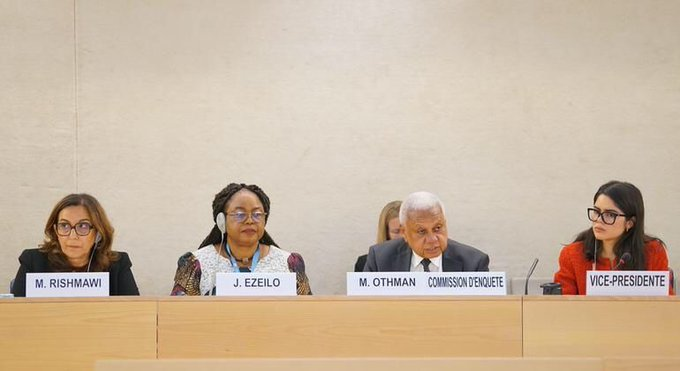
On June 18 and 19, 2024, the International Fact-Finding Mission (FFM, Sudan) presented its oral update to the UN Human Rights Council in Geneva, Switzerland, on the situation in Sudan and the work we are doing in pursuance of the Council Resolution 54/2 (2023).

The robust and extensive interactive session that followed reaffirmed the need for accountability for the people of Sudan. Severe violations of human rights and international humanitarian law have continued since the conflict broke out in April 2023, mainly between RSF and SAF.

Millions have been displaced and thousands killed, and several million, including children, are under threats of famine. It is evident that rape is being used as an instrument of war, and victims, especially women, are reluctant to report it due to stigma, insecurity, lack of privacy, and confidential services.

We urge immediate ceasefire to hostilities by all sides and compliance with the UN Security Council’s Resolution 2736 (2024). It is pertinent to observe that the FFM Sudan is crucial in ensuring accountability and meeting the justice needs of millions of Sudanese, including in the growing cases of ethnic cleansing, sexual violence, child recruitment and looting and destruction of critical infrastructure. 

We need the cooperation of all concerned, especially the Government of Sudan and, importantly, to have access to neighbouring countries hosting refugees fleeing the conflict from Sudan. Solidarity for Sudanese, as we heard many countries pledge, must translate to full accountability not just under the municipal legal system but also on regional and international legal frameworks and mechanisms.

FFM Sudan will facilitate a detailed accountability framework. We’re collaborating appropriately and avoiding duplication through strategic coordination.

This mandate of the Council on Sudan has no equivalent, and the independent experts, given our respective cumulative experiences and expertise, are uniquely positioned to fact-find and report independently, impartially, and professionally. More information on the work of the Fact-Finding Mission on Sudan can be found here.

I was in UNN in 1971, I was a good student but still sexually harassed — 74-year-old wellness coach

  • Stigmatisation and how victims of sexual harassment are often portrayed as liars

By Lillian Okenwa

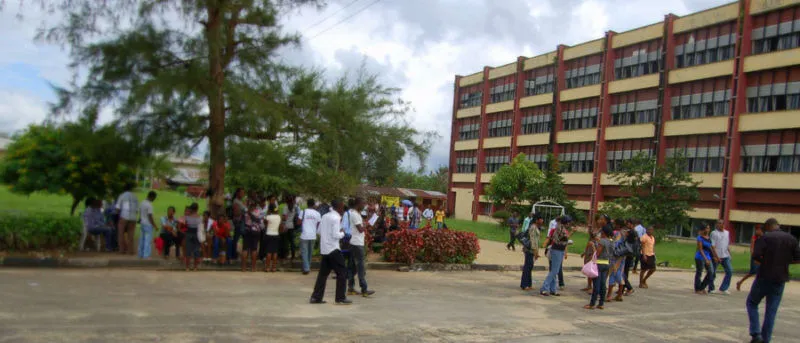
While many have blamed ladies particularly the academically weak ones for luring university lecturers and turning around to accuse them of sexual harassment, there is no gain saying the fact that it is prevalent in Nigerian universities and that a number of university teachers have refused to stop it.

And as victims in Nigerian universities are being blamed, Premium Times reports that “in Nigeria, sexual harassment is the bane of many students. While it is difficult to put a figure to it, a 2018 World Bank survey said 70% of female graduates from Nigerian tertiary institutions had been sexually harassed in school by their fellow students and lecturers. 

A Nigerian study found that 34.2% of the 160 students surveyed said that sexual violence was the most prevalent form of gender-based violence. There is even a bill which aims to prevent it – the Sexual Harassment in Tertiary Institutions Prohibition Bill – awaiting presidential assent, passed by the National Assembly.”

The article further stated: “I analysed comments uploaded on Nairaland.com, a Nigerian English-language internet forum with over 3 million registered users. These were comments about personal experiences of sexual harassment in Nigerian tertiary education institutions.

“The analysis found that the comments contained stereotypical assumptions and negative attitudes towards victims. Victims of sexual harassment were presented as liars and willing accomplices. The comments suggested that women’s behaviour instigated the harassment and that they were guilty.”

Corroborating this position, Dr. Ngozi Adanma Odocha (BSc, M.Ed, Ph.D) School Proprietor, Wellness Coach and Author, affirms that this sour practice has been there over the years.

“Harassment of girls by lecturers did not start today. Even men who befriend girls wanted by some lectures also suffer. This has been going on in the universities for a long time. Girls have found their voices and social media have been helpful in exposing what has been going on in our universities.

“I was in UNN in 1971. I was a good student, and the lecturers knew. Probably because the girls were few then, every girl had her story. I was so harassed that I dared one of the lecturers that the only thing he could do to me was to give me a C.

“This was because if a lecturer failed you, you could get your script re-marked. After the remarking, the best you could get would would be a C. One particular lecturer gave me a C in all his courses, from my 1st to my final year. I slapped one that touched me inappropriately.

“Yes, girls who were not confident suffered more, as well as those girls who were weak in some courses. It is not true that only unserious girls are harassed. What about fellow students who would waylay girls coming back from the library after night studies?

“They rape those girls, and because of shame, the girls would keep quiet. At UniBen, my friend’s daughter was delayed for 2 years because she wouldn’t open her legs. The parents had to take her abroad as the lecturers wouldn’t bulge.

“This happens in almost all universities in Nigeria. Most girls do not talk because of people would blame them. Girls, please, shame these hopeless lecturers who want to destroy your future! Comfortable C, which became my name, did not stop me from having a doctorate degree! So, fight on!”

A 10 April report by Deborah Tolu-Kolawole published in PUNCH Newspaper details how about 39 lecturers were indicted for sexual harassment in the last five years.

Below is the report.

39 lecturers indicted for sexual harassment in five years 

No fewer than 39 lecturers in the nation’s tertiary institutions have been indicted and dismissed over sexual misconduct in the past five years, analysis of media reports by The PUNCH has revealed.

Sexual harassment has been recurring in Nigerian higher educational institutions with a survey conducted in 2018 by the World Bank Group’s Women revealing that 70 per cent of female graduates from tertiary institutions in the country were sexually harassed in school, with the main perpetrators being classmates and lecturers.

Although the Senate had in 2021 passed a bill stipulating 21 years imprisonment for randy lecturers, The PUNCH reports that most of the lecturers indicted and found guilty after the bill was passed were simply sacked.

In April 2018, Obafemi Awolowo University, Ile-Ife, announced the indefinite suspension of a professor of Accounting, Richard Oladele, over sexual harassment.

n 2021, the university also dismissed three lecturers from the Departments of English Language, International Relations and Accounting over sexual harassment.

In February 2020, the institution also announced the suspension of a lecturer at the Centre for Distance Learning, Monday Omo-Etan, for sexually molesting a 19-year-old female student.

In 2019, Ambrose Ali University, Ekpoma, announced the suspension of an associate professor, Monday Igbafen, over allegations bordering on sexual harassment of female students.

Igbafen, who was the chairman of the AAU branch of the Academic Staff Union of Universities at the time, had accused the vice-chancellor of the institution of trying to frame him.

 The senior lecturer in the Department of Philosophy at the university, in a letter written to the school by his lawyers, Osahon Irebhude & Co, demanded a written apology from the school.

In September 2020, the management of the Imo State University announced the suspension of two lecturers, who were alleged to have been involved in sexual misconduct with female students.

 In February 2021, the University of Nigeria, Nsukka, announced the suspension of a lecturer in the Department of Archaeology and Tourism, Dr Chigozie Odum, over allegations bordering on sexual misconduct.

The Federal University, Oye-Ekiti, similarly suspended a lecturer in the Department of Media and Theatre Arts in June 2021 for sexual misconduct.

 In the same month, the management of the University of Lagos announced the dismissal of two lecturers over similar offences.

In August of that year, the University of Port Harcourt announced the dismissal of a lecturer in the Department of Foreign Languages and Literature for sexual misconduct.

n October 2021, the Federal Polytechnic, Bauchi, also announced the dismissal of two lecturers from the departments of Nutrition/Dietetics and General Studies over sexual misconduct.

A lecturer in the Department of Sociology, Ignatius Ajuru University of Education was dismissed for impregnating a female student.

In December 2021, the Kwara State University, Malete, announced the dismissal of a lecturer for harassing a student in the Department of Pure and Applied Sciences.

n January 2022, the Elechi Amadi Polytechnic, Rivers State, announced the dismissal of a lecturer for harassing a female student.

In April 2022, OAU again launched a probe into allegations of sexual harassment against a professor in the Department of Linguistics and African Studies. So far, two professors have been affected in the institution.

In June 2022, the Vice-Chancellor of the University of Abuja, Prof Abdul-Raheed Na’allah, announced the dismissal of two lecturers for sexual misconduct. Both of them are professors.

Earlier in 2023, the Independent Corrupt Practices and Other Related Offences Commission arraigned Dr. Balogun Olaniran of the Tai Solarin University of Education, who was said to have allegedly demanded sexual gratification from a female student to alter her results in 2021.

Around Italy with Valentine Alli: The Torrione INA, Botticinno Cave et al…

By Valentine Alli

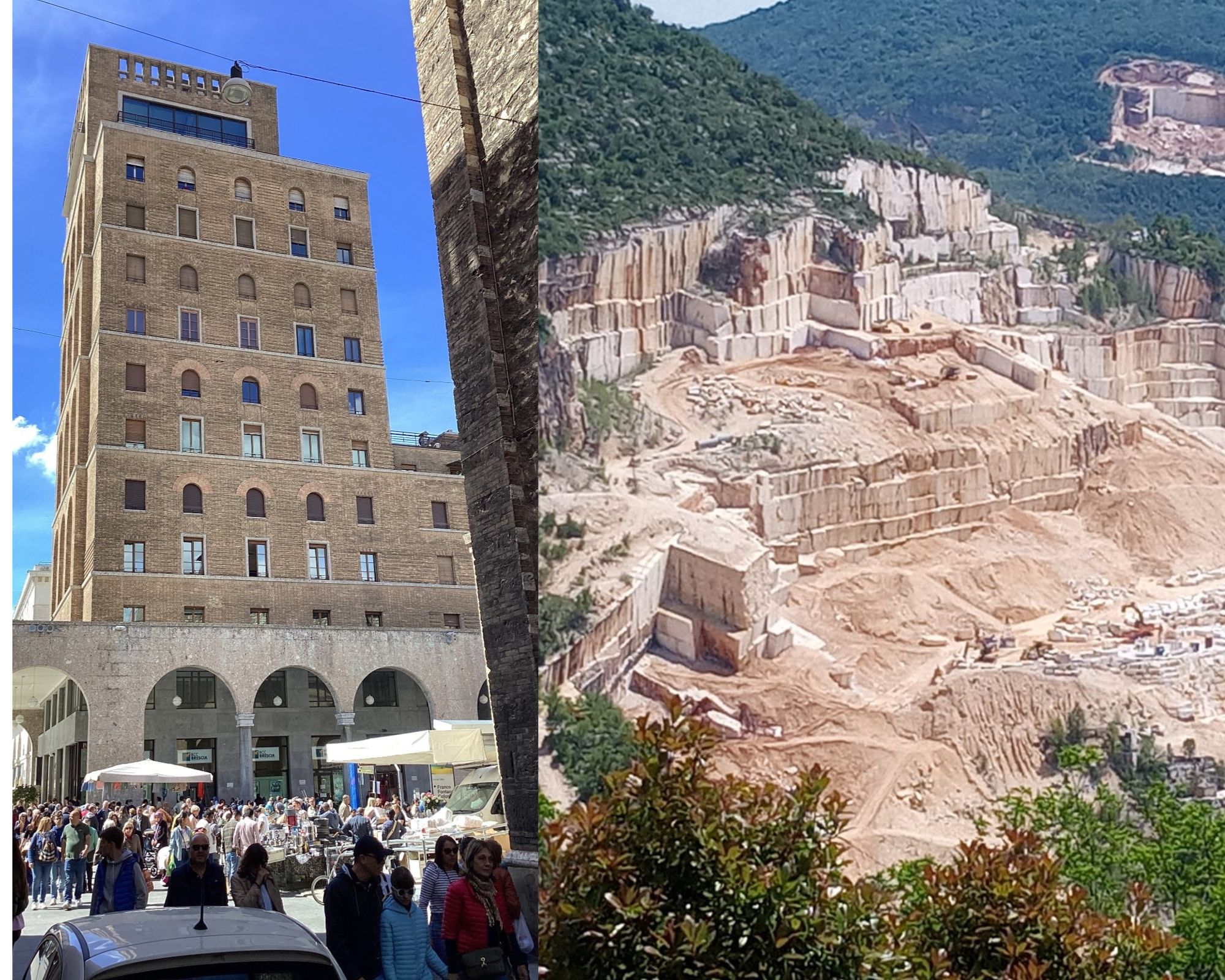
The Torrione INA ( transl. “INA Tower”), also known as Torrione or Grattacielo, a tall building in Brescia, Italy is actually the first skyscraper in Italy and also one of the first in Europe.

Built between 1930 and 1932, it was designed by the Italian architect Marcello Piacentini for the INA – Istituto Nazionale Assicurazioni (National Insurance Institute).

The Torrione INA Photos by Valentine Alli
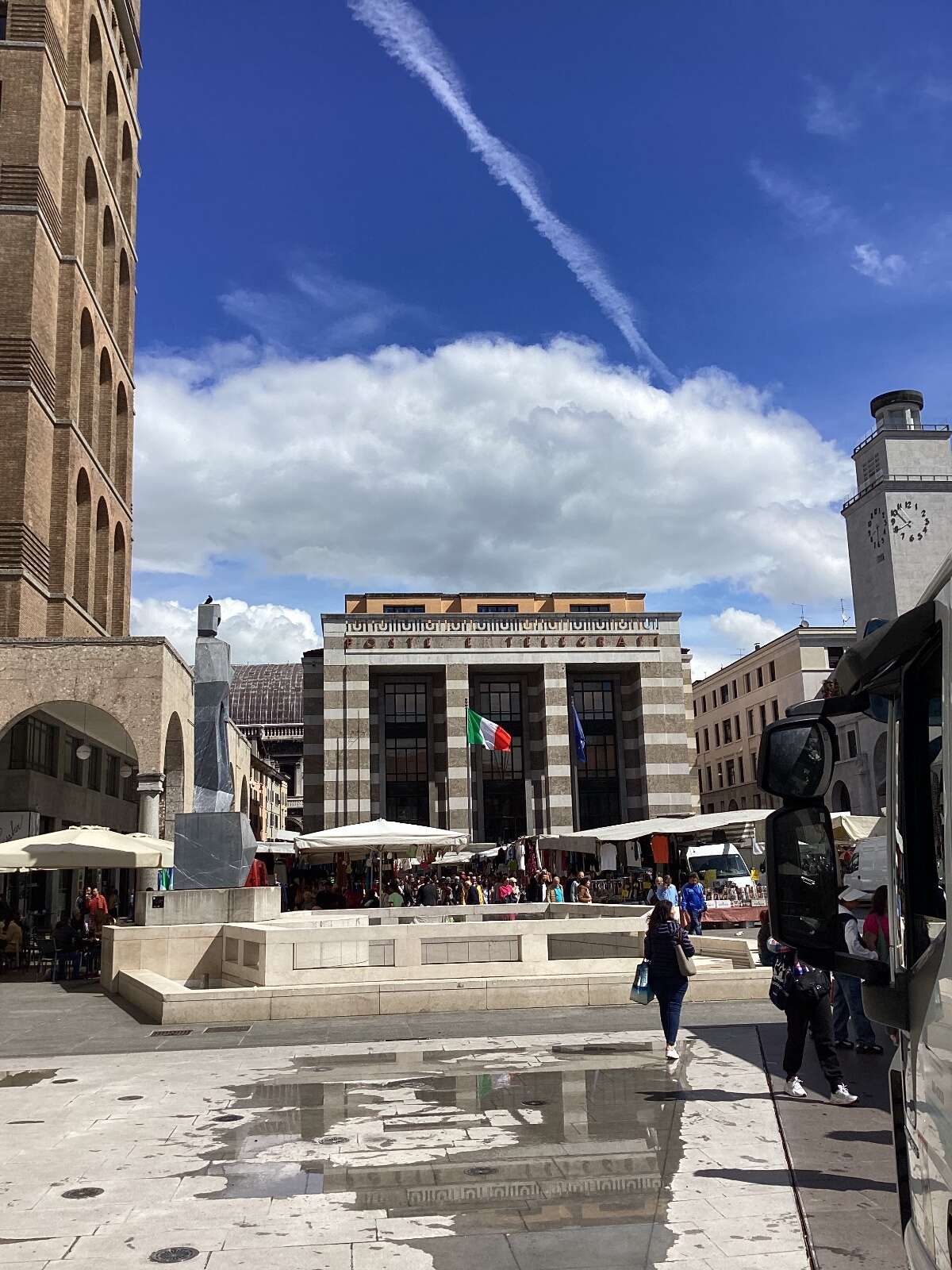
Post Office building at Piazza Della Vittoria Photos by Valentine Alli

The Post Office building in the centre of Piazza Della Vittoria, Brescia was also designed by Marcello (1881-1960) and constructed in 1932.

READ ALSO: Around Italy with Valentine Alli: Motor show at the Brescia Castle and more

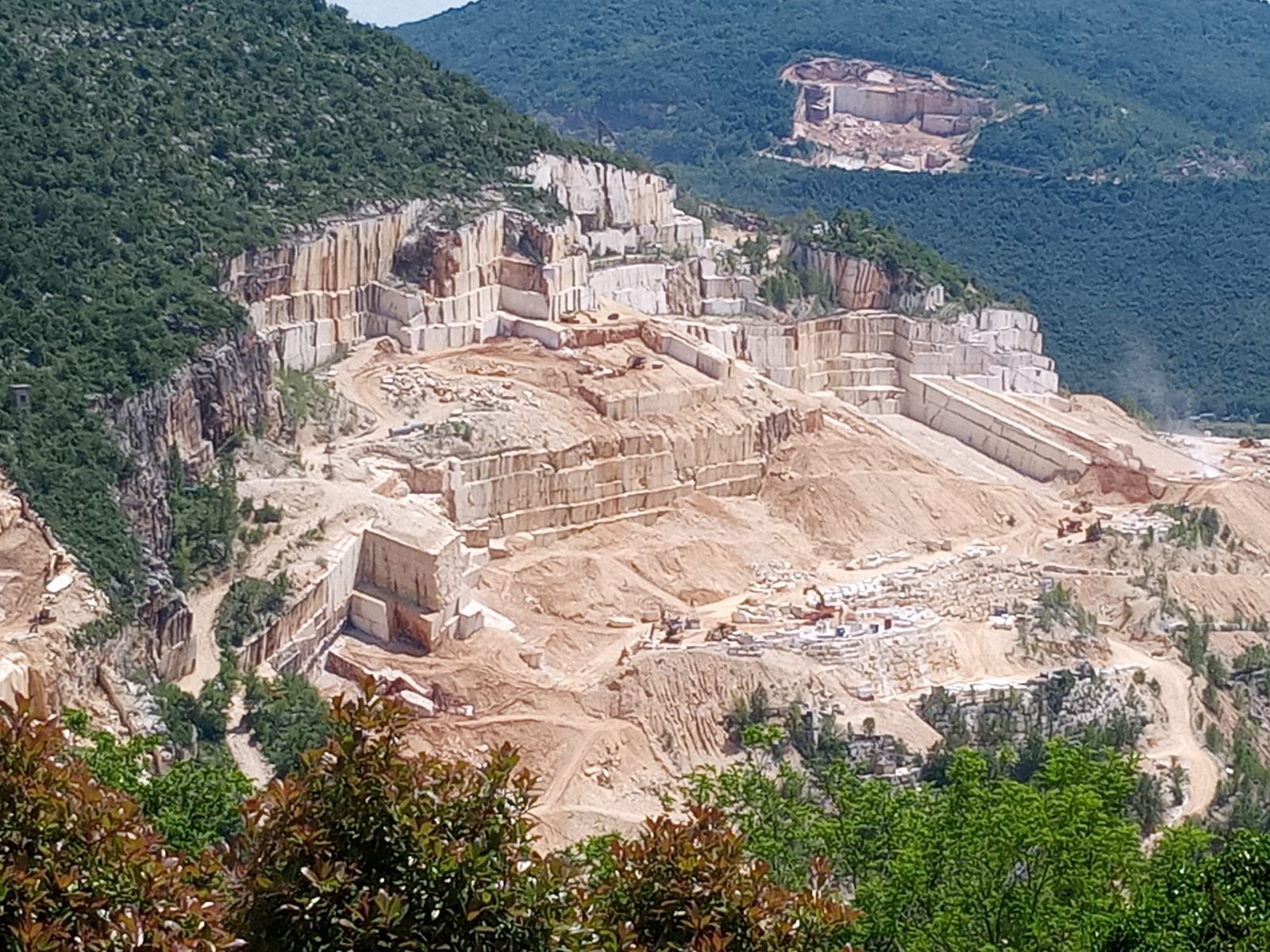
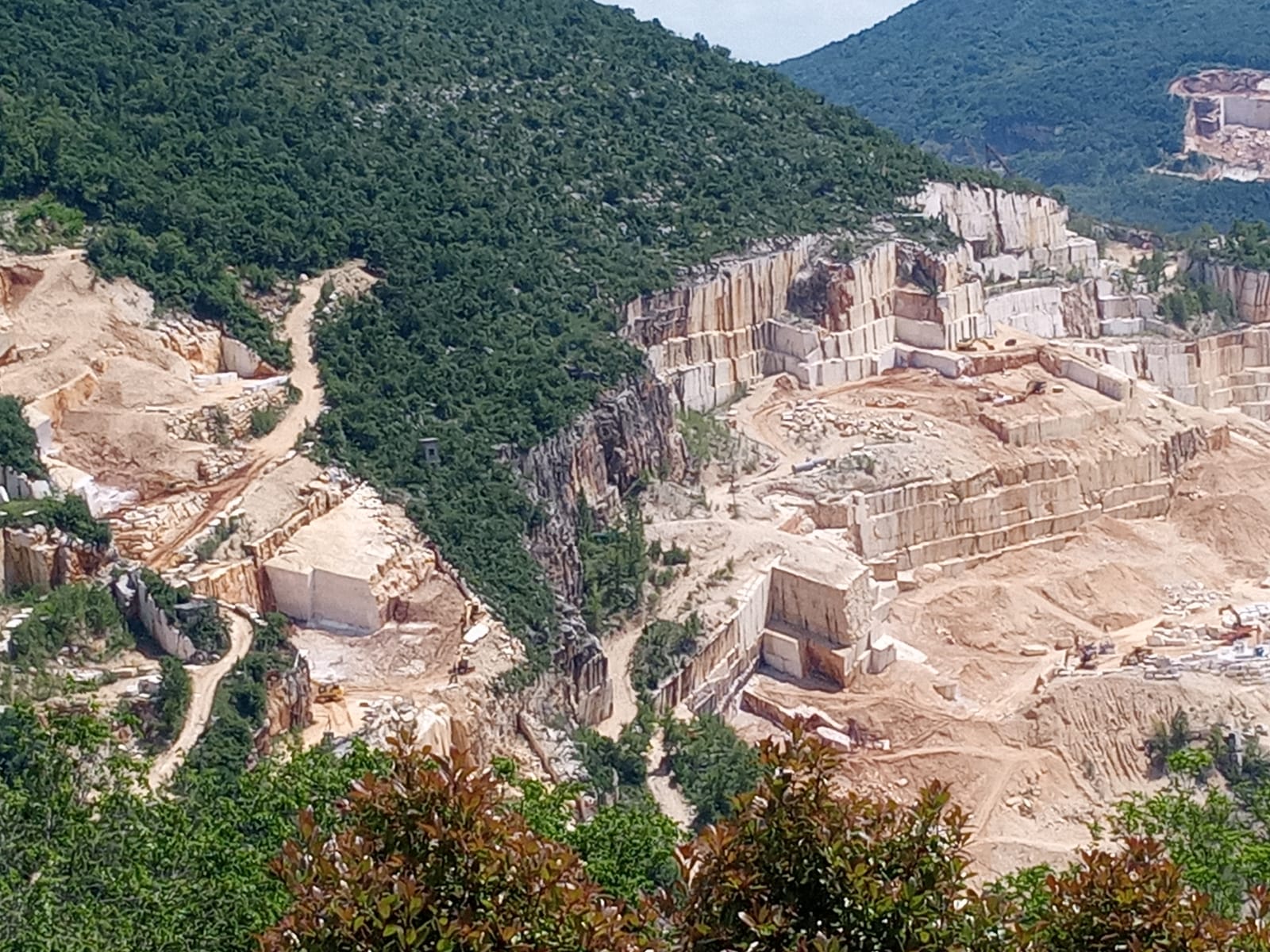
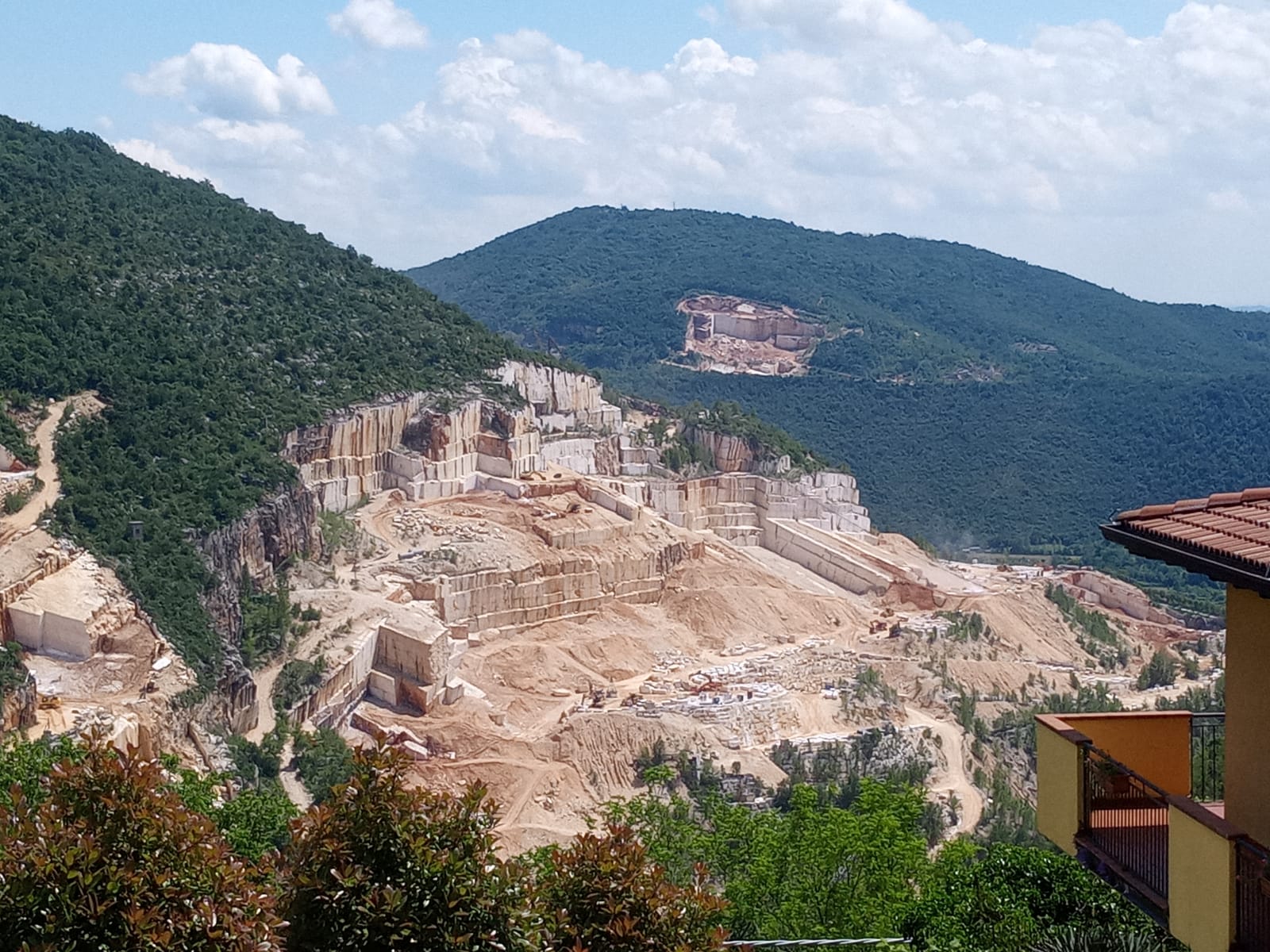
BOTTICINO CAVE where the marbles are excavated from Photo Credit: Valentine Alli

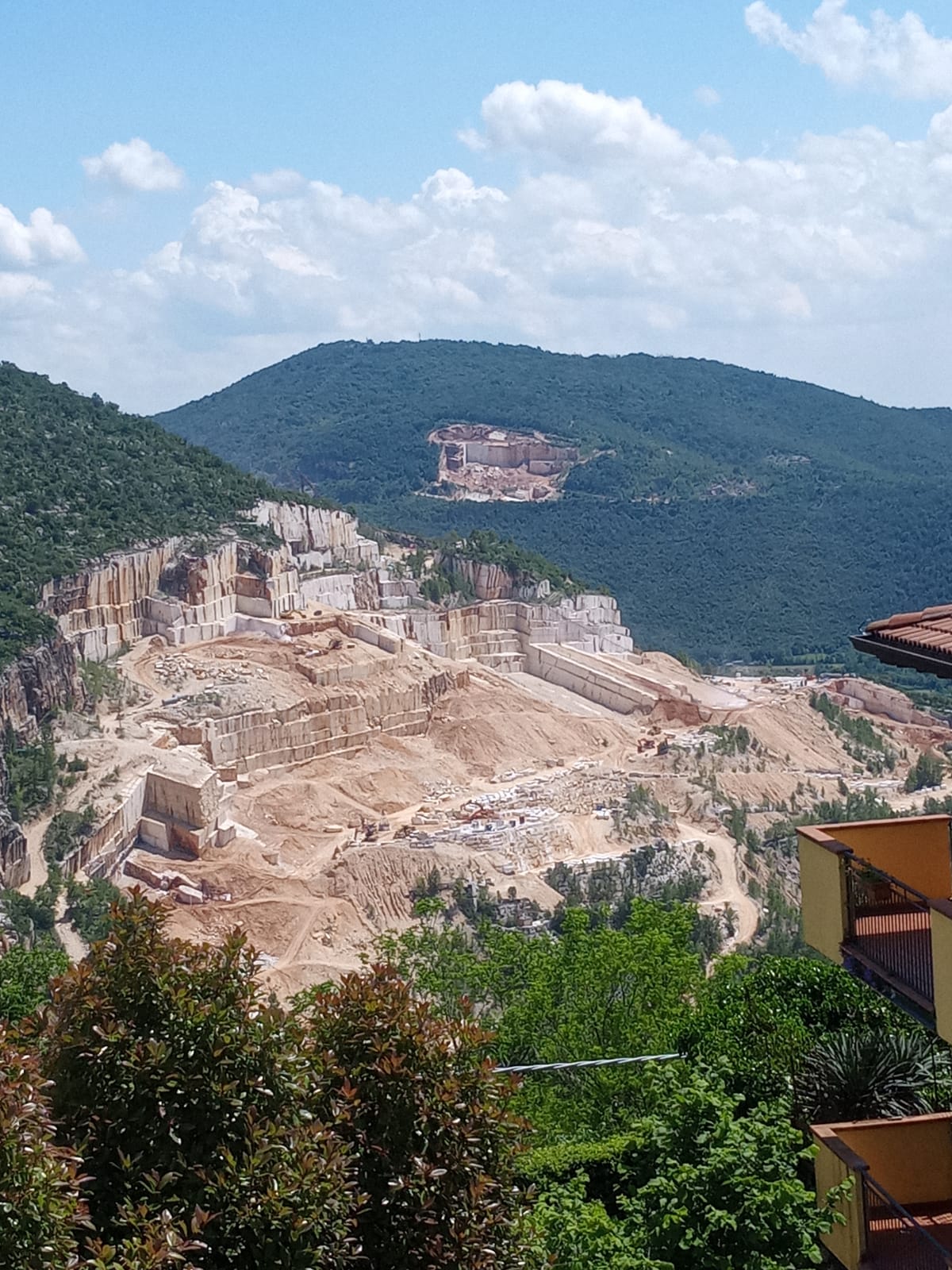
The quarries are nestled in the picturesque Brescia province of Italy. To get this view I had to move to the next small town called SAN GALO situated at the back of the CAVE.

It is believed that in Roman times, the abundance of stone and marble in the area of ​​Botticino, allowed all classes to make use of inscriptions in stone, allowing the development of a substantial epigraphic tradition. 

READ ALSO: Around Italy with Valentine Alli: The Duomo Nuovo et al…

Botticino Marble a stunning high quality marble has been extracted for over two thousand years from the Botticino Classico extraction basin.  It is a natural stone tile with white veins and spots throughout. 

BOTTICINO mountains, valleys and cave where the marbles are excavated from Photo Credit: Valentine Alli
BOTTICINO Cave Photo Credit: Valentine Alli
Source of the famous BOTTICINO marbles Photo Credit: Valentine Alli

TIPS