Home Blog Page 525

Use Nigeria’s commonwealth to rebuild the country, not the pervasive avarice to embezzle public funds for personal aggrandizement — Ezeilo, SAN

By Joy Ezeilo, SAN

I’ve noticed that I only receive the usual “Happy New Month” messages. Have Nigerians forgotten that today is a celebration of our independence? I’ve replied to a few of the “Happy New Month” messages, adding, “I wish you a happy celebration of Nigeria’s Independence.” This has led to long, frustrating discussions about the challenges of life, extreme poverty, and insecurity. True talk, however, disagrees that there is nothing to celebrate. 

Do you remember our original national anthem, now the new anthem? The stanza or famous first line – “our own dear native land” resonates with me. I found myself humming the song, daydreaming of better times and feeling nostalgic for what may seem like the good old days. It’s a reminder of the continuing failure of past and present leaders to build a nation where we can all lay claim to a better life as patriotic and good citizens.

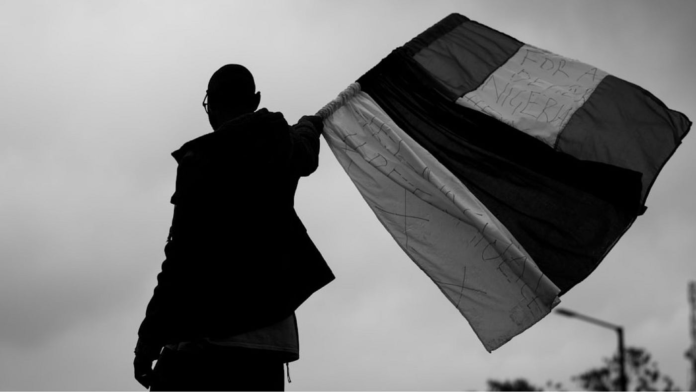
Happy Independence! Nigeria, we hail thee! I wave the flag to praise your resilience @ 64.  That you haven’t died is an uncommon miracle to celebrate. Do you agree or believe? Then, you must stand up and wave the national flag in solidarity! 

I urge the government at all levels to diligently implement and translate the national anthem’s words into action so that we hand on to our children a banner  (flag) without stain.

Our leaders or rulers should use the commonwealth of Nigeria to rebuild the country, not the pervasive avarice to embezzle public funds for personal aggrandizement whilst the nation bleeds. Again, do you agree or believe? Then, you must stand up, wave the national flag in solidarity, and demand accountability.

How Police in Imota Lagos detained suspect for 4 days, asked wife to bring sureties who own land or work as civil servants

By Adebayo Akinlade

POLICE AND BAIL CONDITIONS

To the Judiciary, did you know that police are now doing the job of judges in the police stations? The police is sitting as judges deciding which party is guilty and prescribing bail conditions?

Did you know that police are summoning lawyers of complainants and suspects to come to the police station to agree come to the police station to agree on terms of settlement?

TO Attorney General and DPP; do you know that the police are no longer doing investigations? They arrest and detain first and then ask questions (like the military…obey before complain)

Do you know that they are still taking statements of suspects in a way that violates the ACJL?

Do you know that they are making a mockery of your respective offices?

To Lawyers; are you aware that you have sold your birthright every time you advice your client to petition the police for purely civil transactions?

Are you aware that you are the main cause of these injustices suffered by many citizens in the hands of the police?.

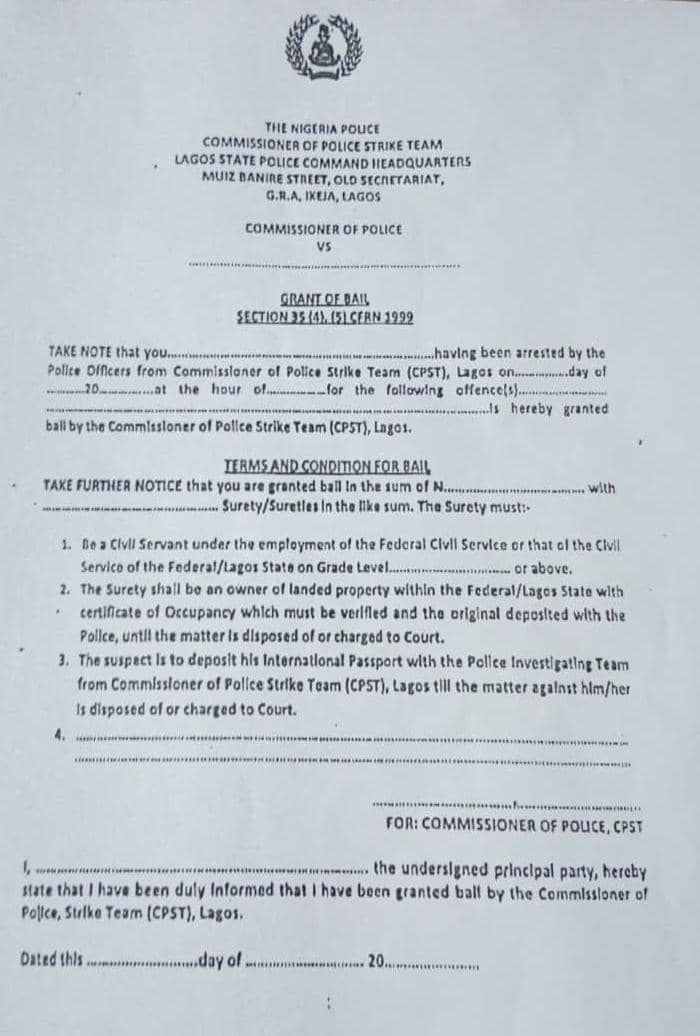
The picture above shows a bail condition given to the wife of a suspect in police custody.

Her husband was arrested on Friday 27th of September 2024 on a complaint that he is yet to pay back the balance owed to the complainant. (A civil case)

As at today; 1st October 2024 ( 4 days in police custody ), the suspect is still in detention.

Oga Commissioner of Police we clapped for you when you said that police should not handle any civil cases. We were happy when we heard that they will be dealt with but like the words of politicians that carry no weight and has no value we have experienced a rude shock and a brutal awakening.

Mr. DPO in Imota Police Station in Ikorodu you thread on dangerous grounds when you violate constitutional provisions regarding arrest and detention. How much did you collect from the complainant to make you so bold as to violate our apex law? Is it worth the pain suffered by the suspect and his family?

Are you not aware of the existence of a small claims court where citizens can recover monies owed to them? Are you not educated enough to know the difference between a civil case and a criminal case? Are you not wise enough to counsel complainants on the procedures laid down to recover monies owed to them?

Nigeria Citizens…Today we celebrate our independence day, this country can only develop if it’s citizens develop. A country can only be better if it’s citizens play their part to make it better.

Stop oppressive behavior and you will have good governance

Stop corruption at the lowest level and our leaders will lead well

Stop cheating and manipulating people because you can and our government will provide the enabling environment for each to prosper.

You complain of BAD GOVERNANCE, CORRUPTION AND HUNGER IN THE LAND? TAKE A LOOK IN THE MIRROR…Who is the culprit here?

Duty Solicitors Network (DSN) condemns every act of abuse of police powers. #STOPTHEABUSE

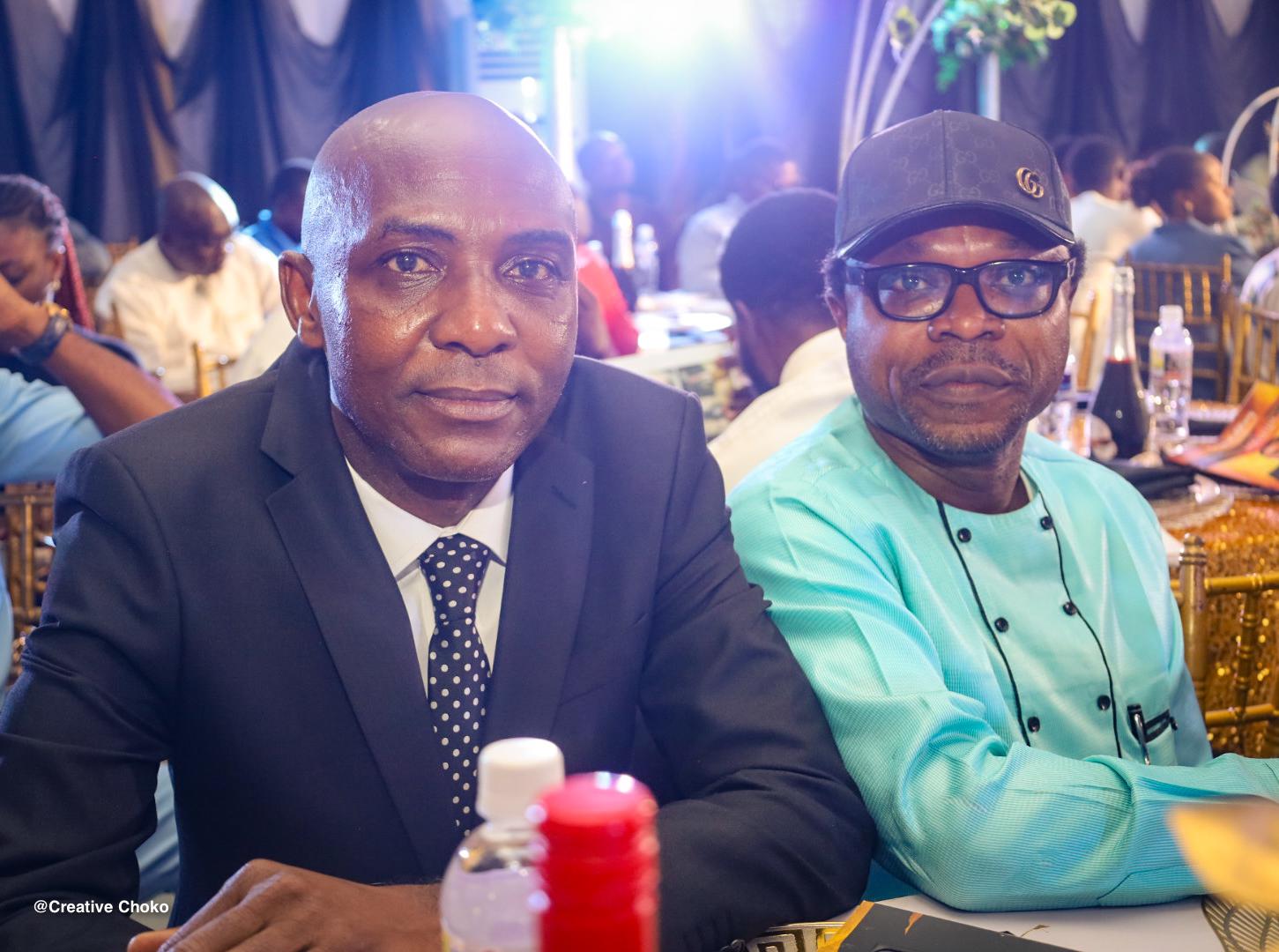
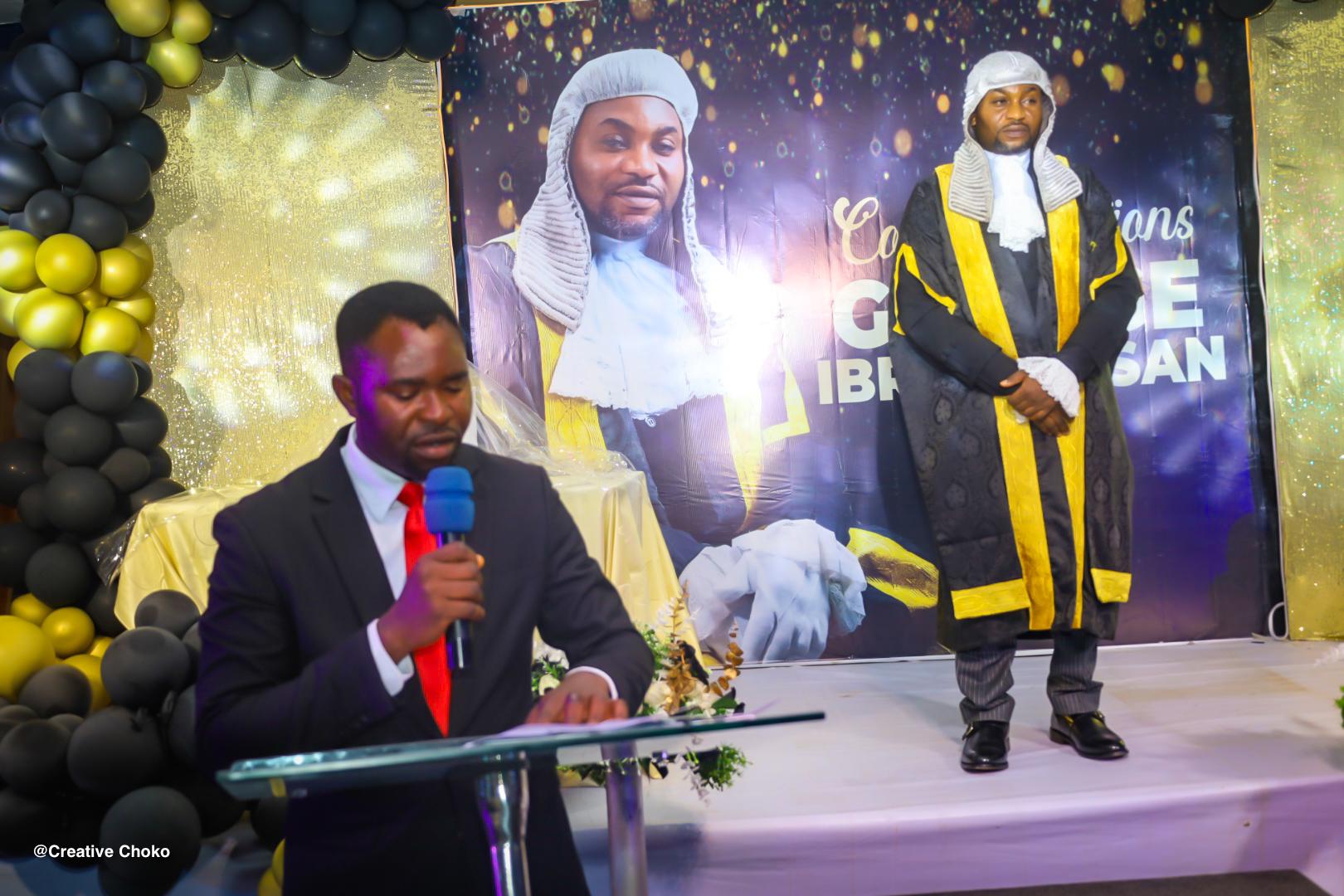
Ex-CJN Onnoghen, others rejoice with Dr. O.J. Onoja, SAN & Associates on Ibrahim George’s conferment as SAN

Former Chief Justice Walter Samuel Nkanu Onnoghen

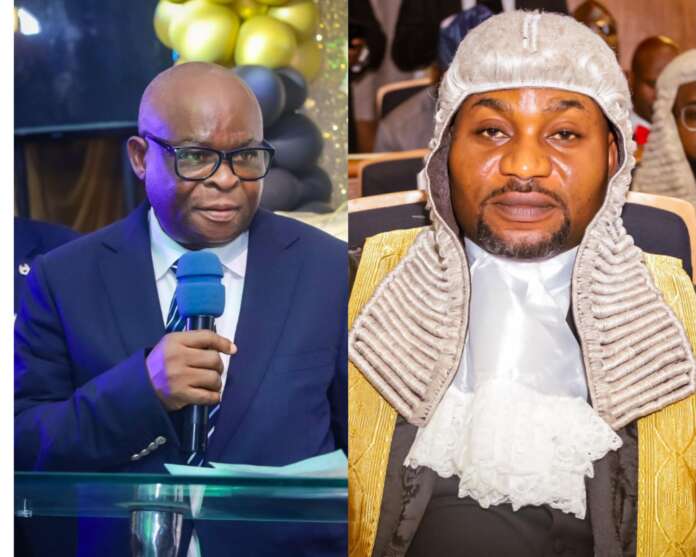
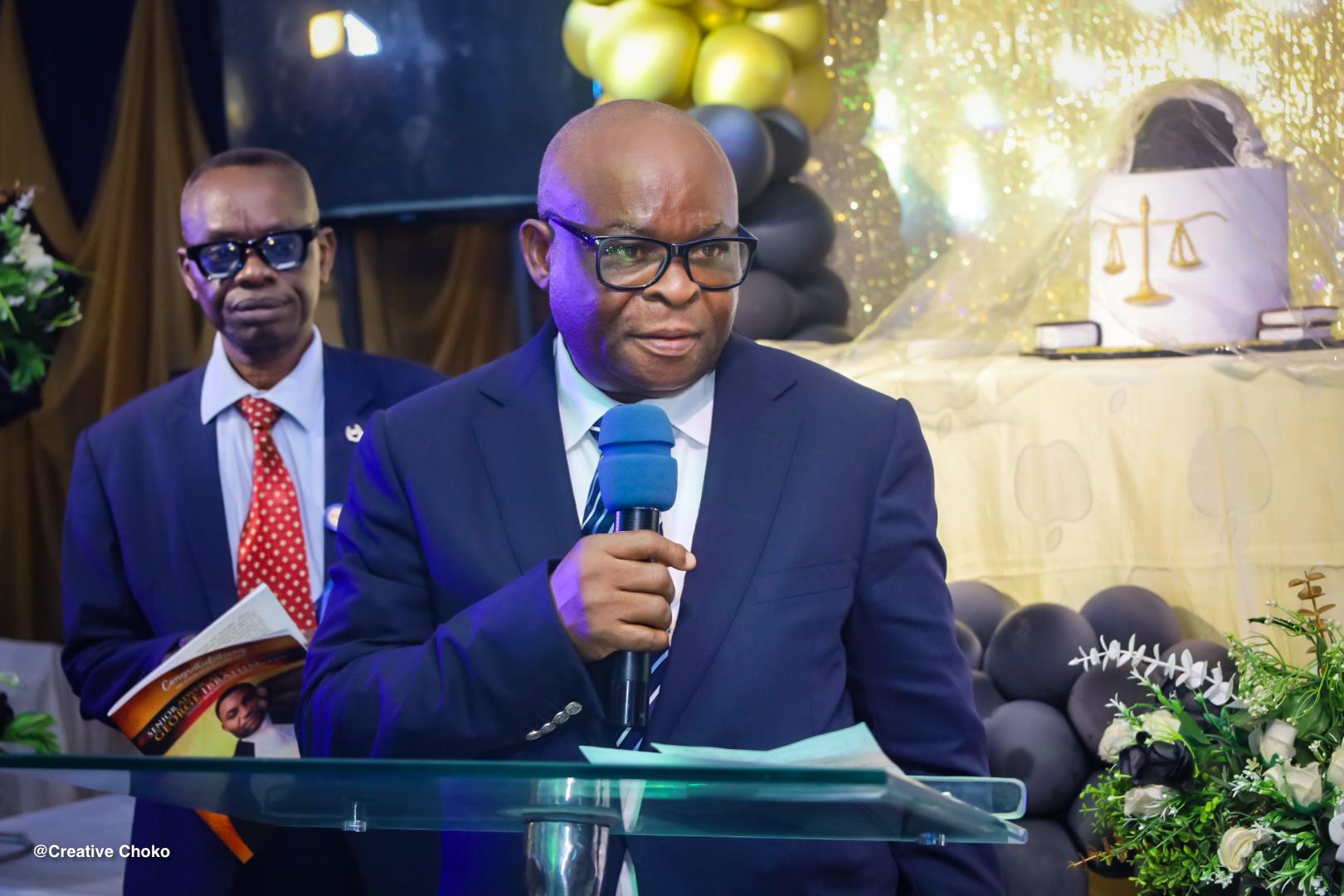
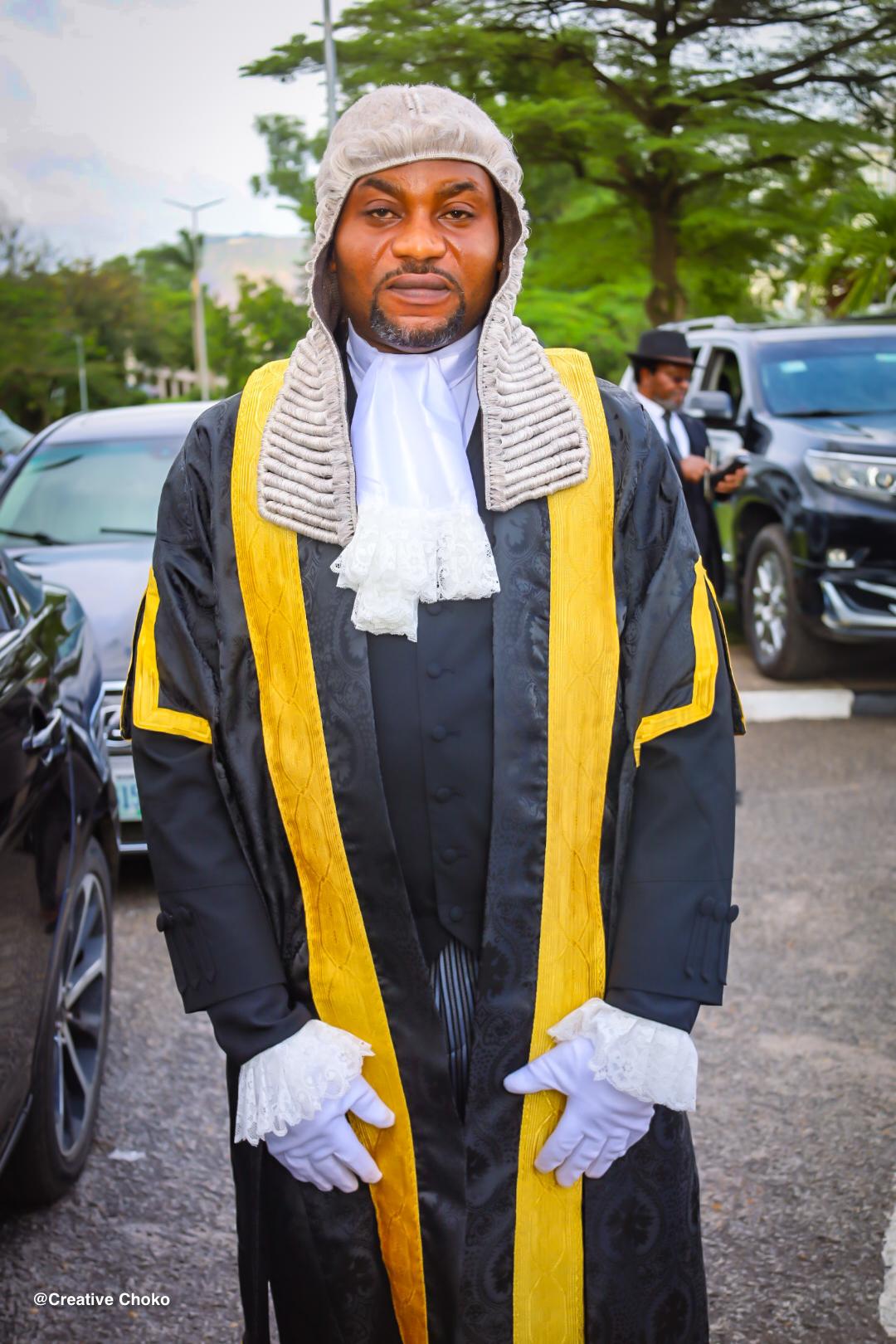
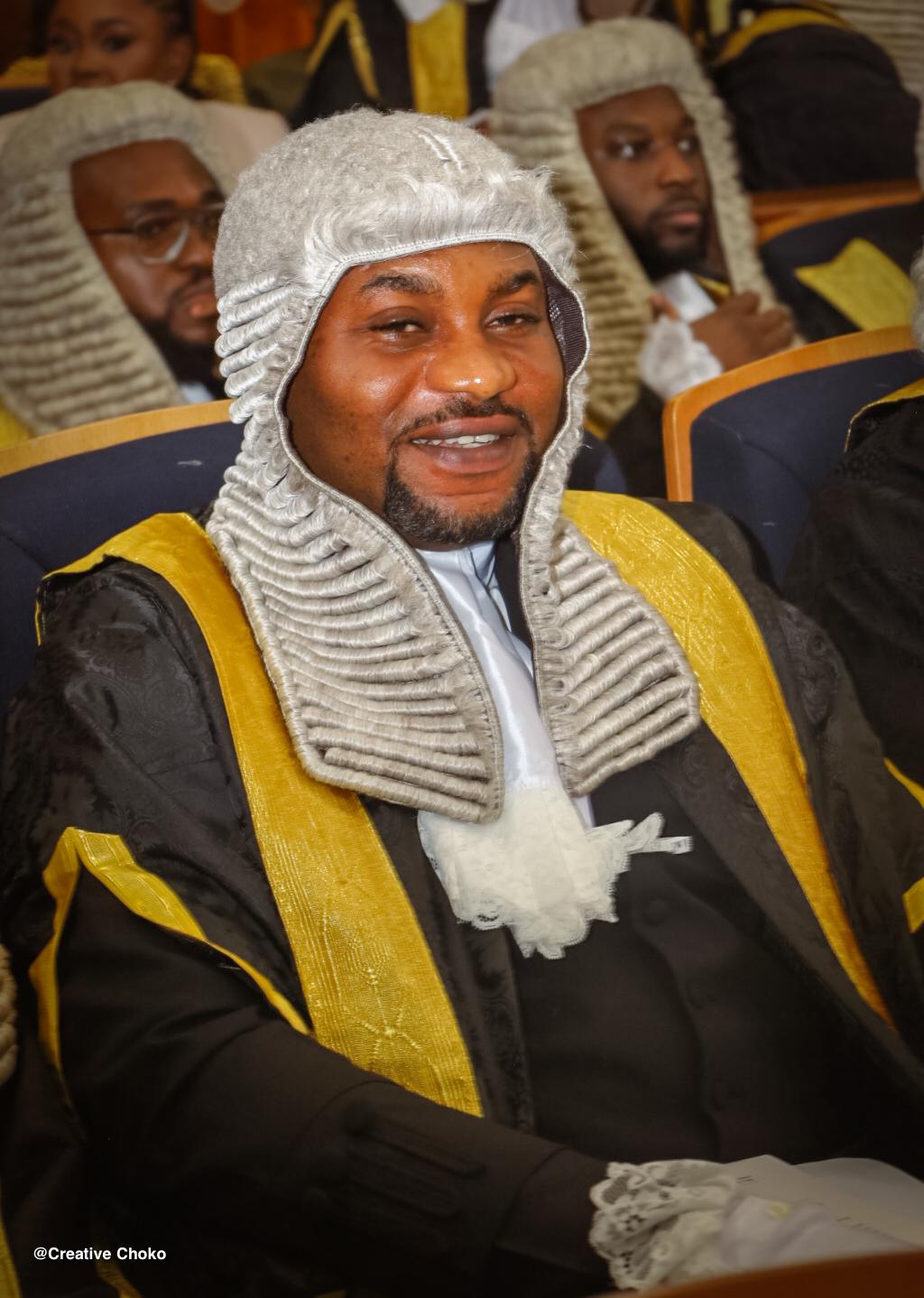
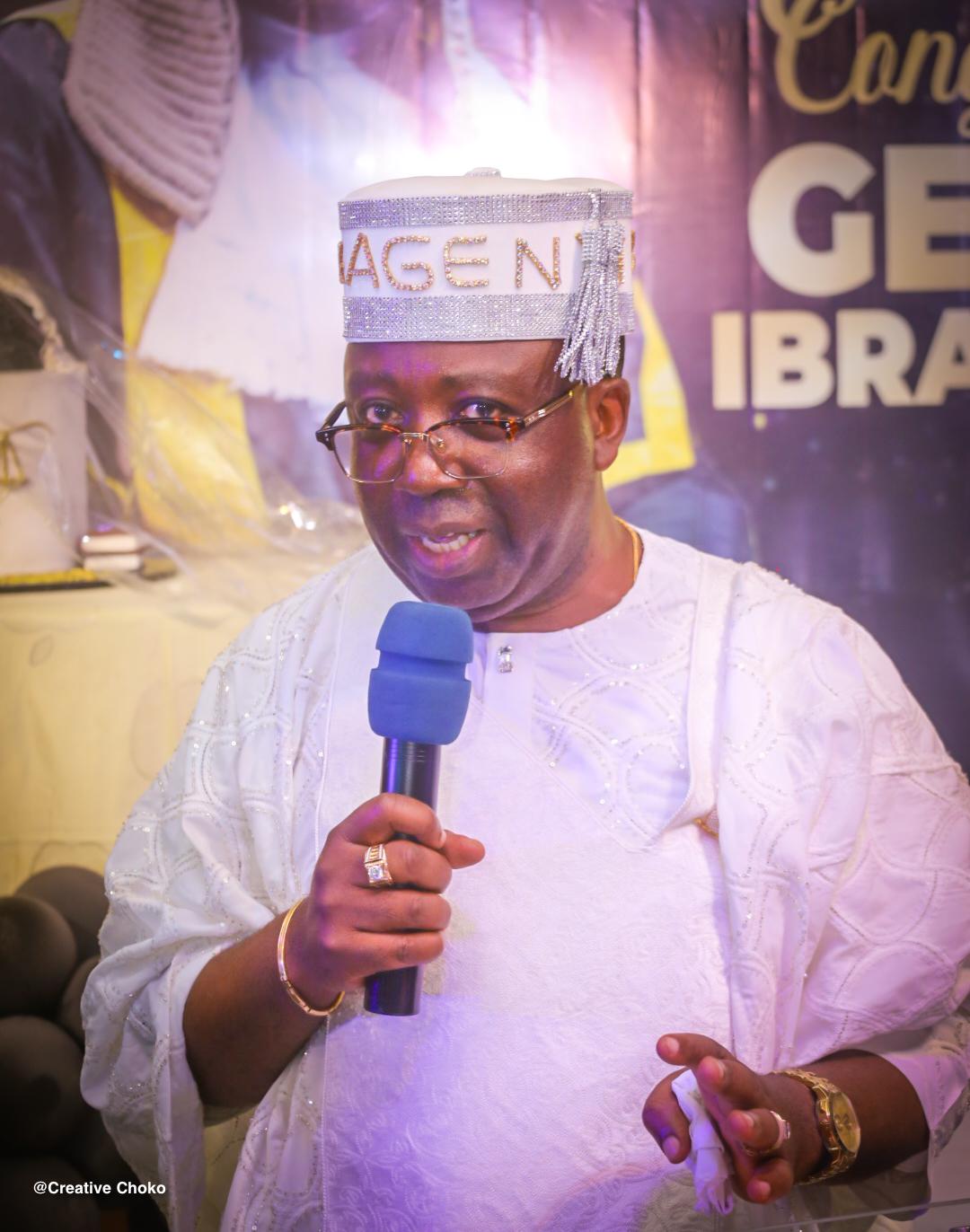
Along with other notable Nigerians, former Chief Justice of Nigeria (CJN) Hon. Justice Walter S.N Onnoghen felicitated with the chambers of Dr. O.J. Onoja, SAN & Associates following the preferment of the rank of Senior Advocate of Nigeria, of its Head of Chambers, George Ibrahim.

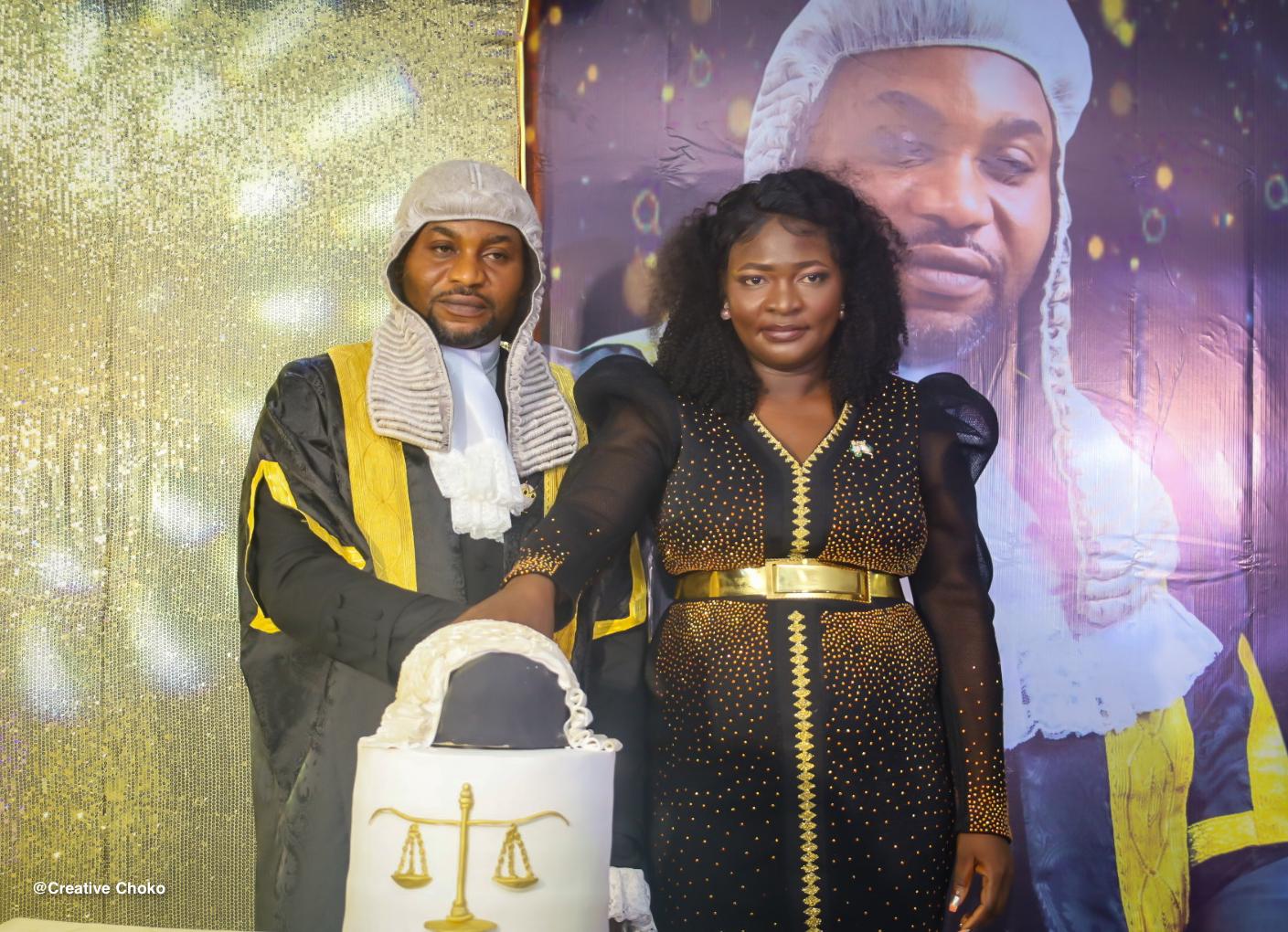
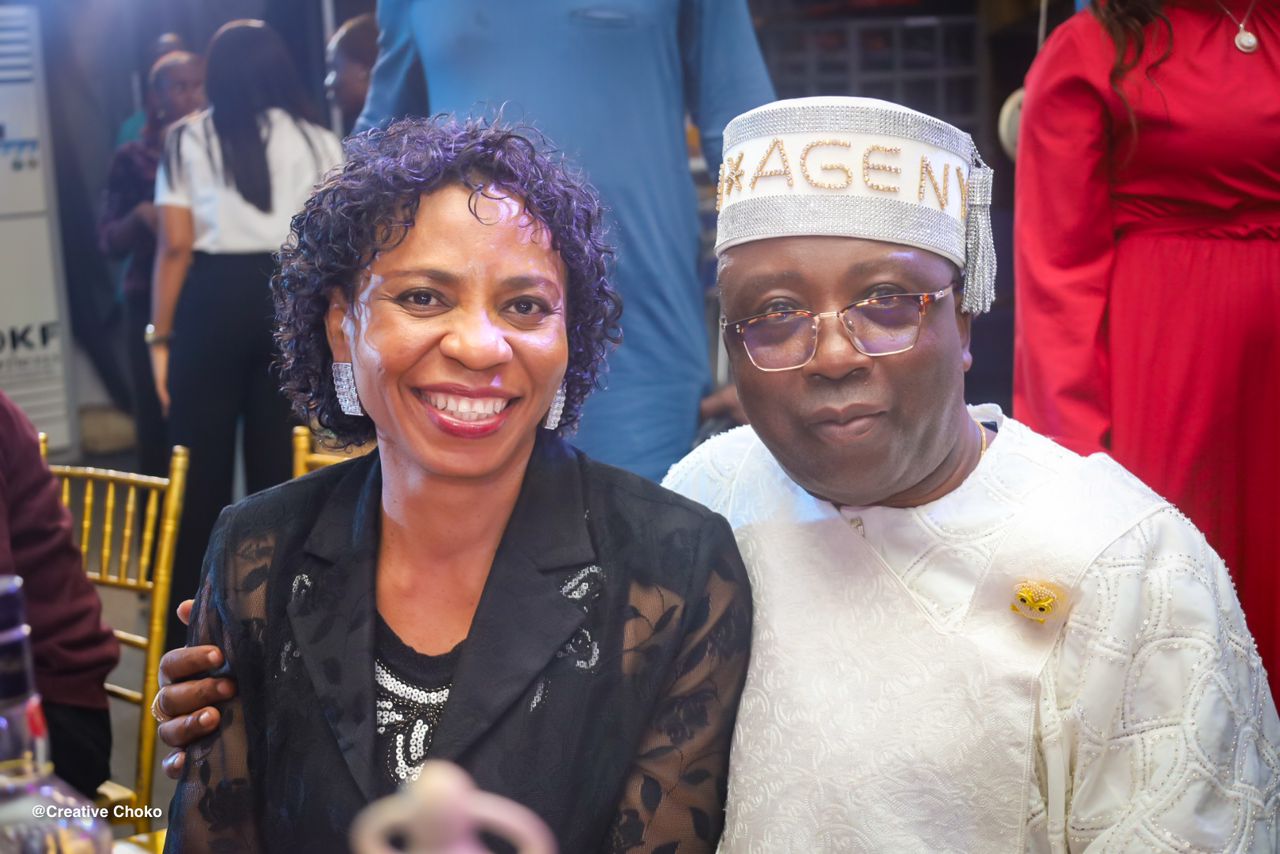
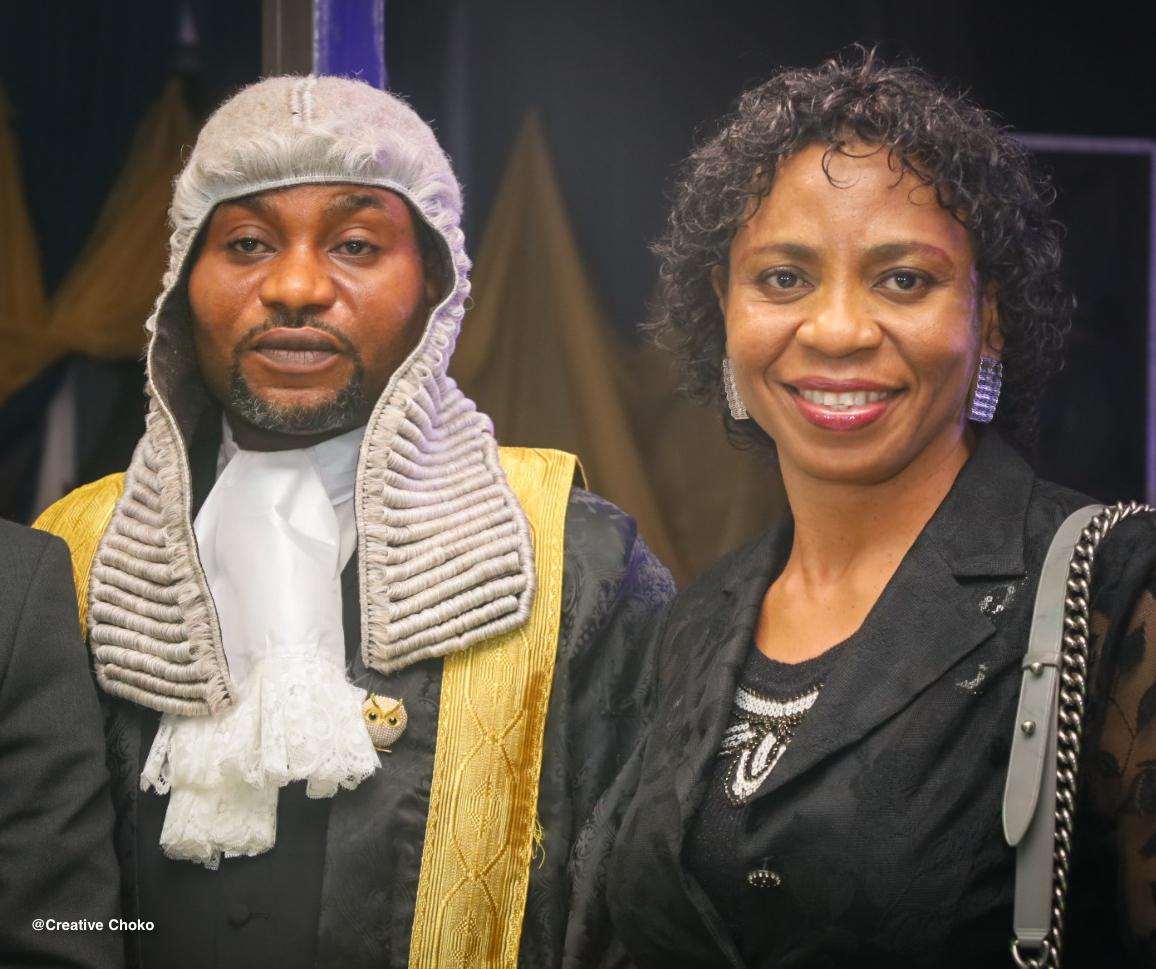
Ibrahim George, SAN and wife cutting his preferment cake
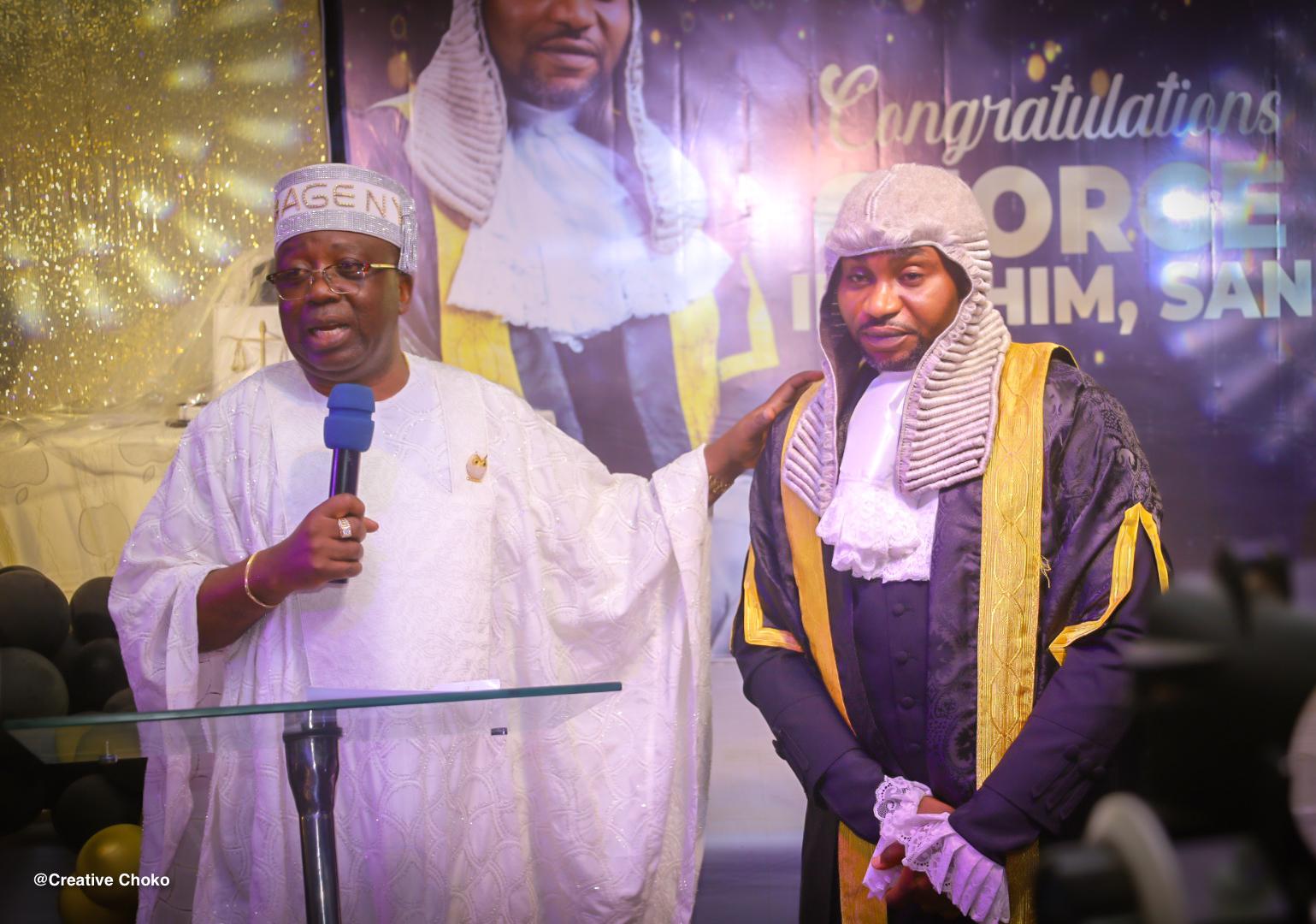
This is my beloved son in whom I am well pleased”, Dr. Ogwu James Onoja, SAN appears to be saying about his Head of Chambers, Ibrahim George, SAN

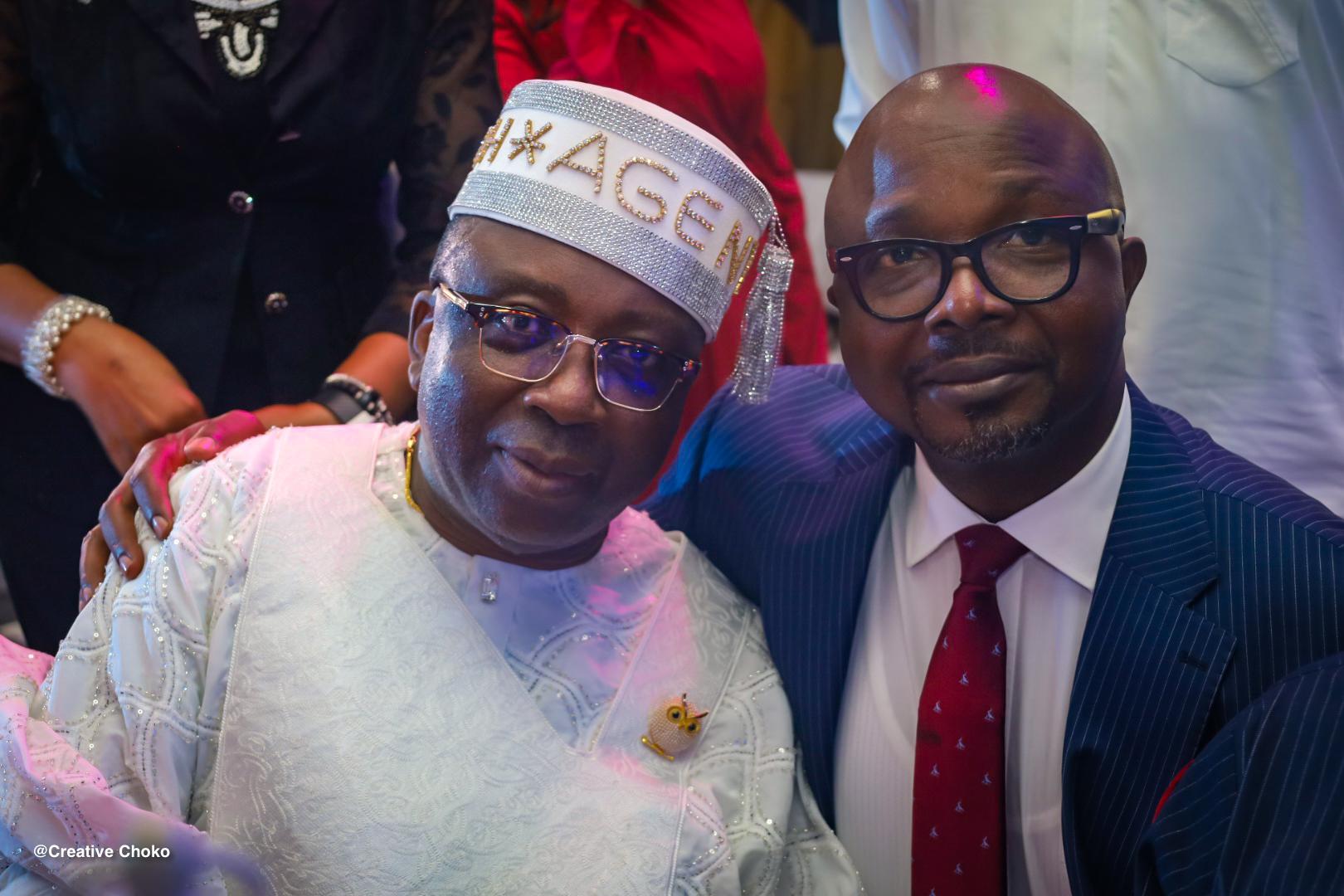
Justice Onnoghen who attended the reception which took place at HOKF Garden in Wuye, Abuja expressed confidence that George Ibrahim, SAN will do the legal profession proud.

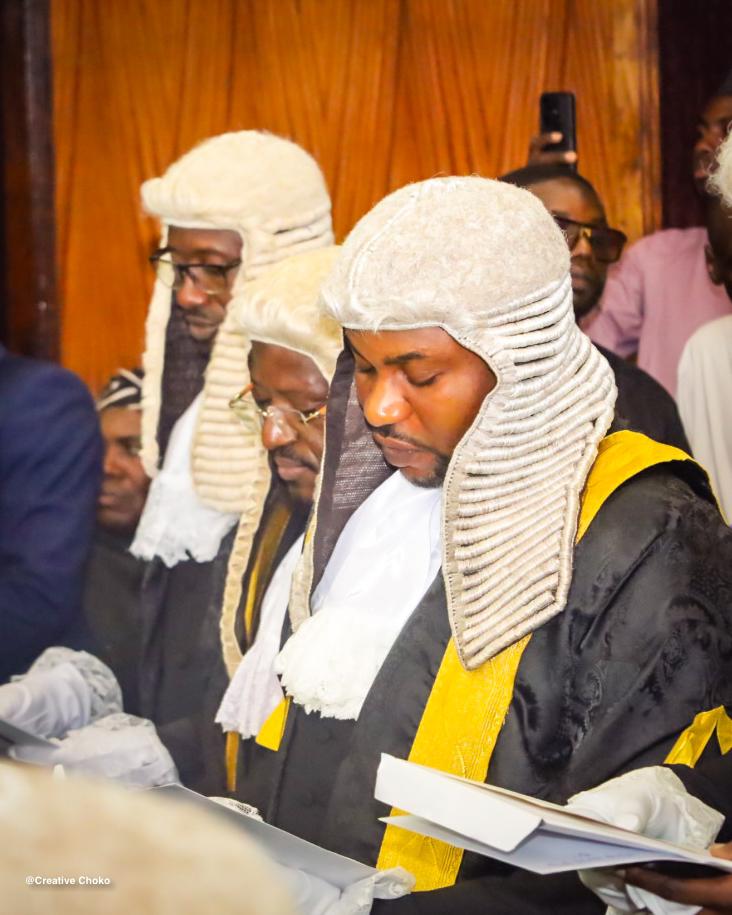
Ibrahim was among the 87 legal practitioners sworn in on Monday by Chief Justice Kudirat Kekere-Ekun.

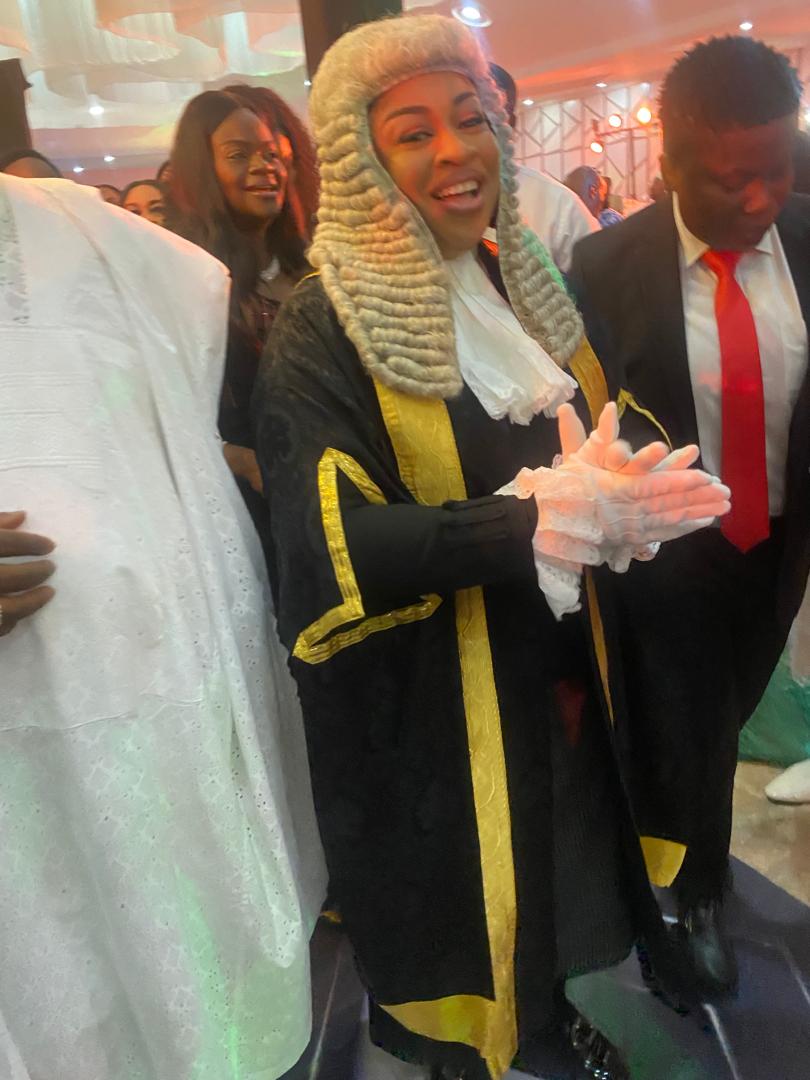
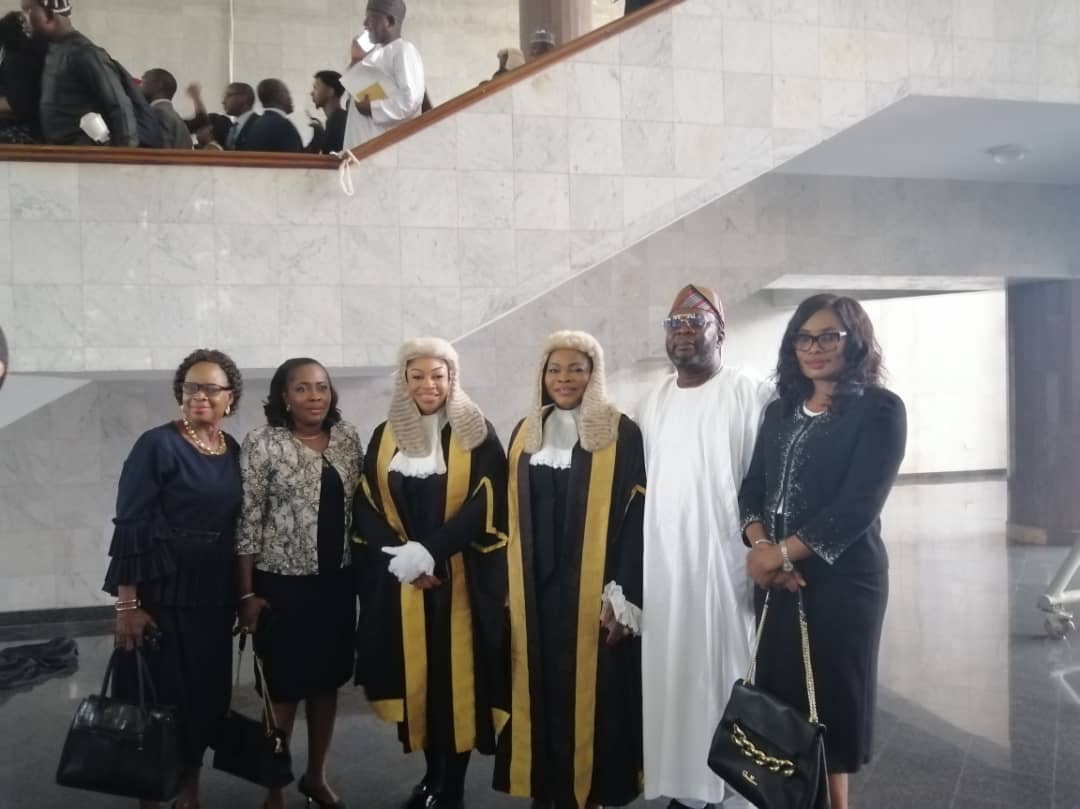
The inauguration was particularly notable, as it marked Her Lordship’s first official duty after being sworn in the same day as the substantive CJN by President Bola Tinubu following her confirmation by the Nigerian Senate last week.

There were 127 applicants for SAN rank for the 2024 exercise. Out of this number, 114 are legal practitioners and 13 are academics. The total number of qualified applicants after the preliminary screening was 98.

However, after conducting the specified screening and filtration exercises, which include several appearances in superior courts, recommendations by justices of the Supreme Court and judges of superior courts, chambers inspections; approval on eligibility and integrity of the candidates from the Nigerian Bar Association, Body of Senior Advocates of Nigeria, and the general public, among others, the LPPC approved 87 successful candidates.

Below are other photos of the event.

Dr. Ogwu James Onoja, SAN
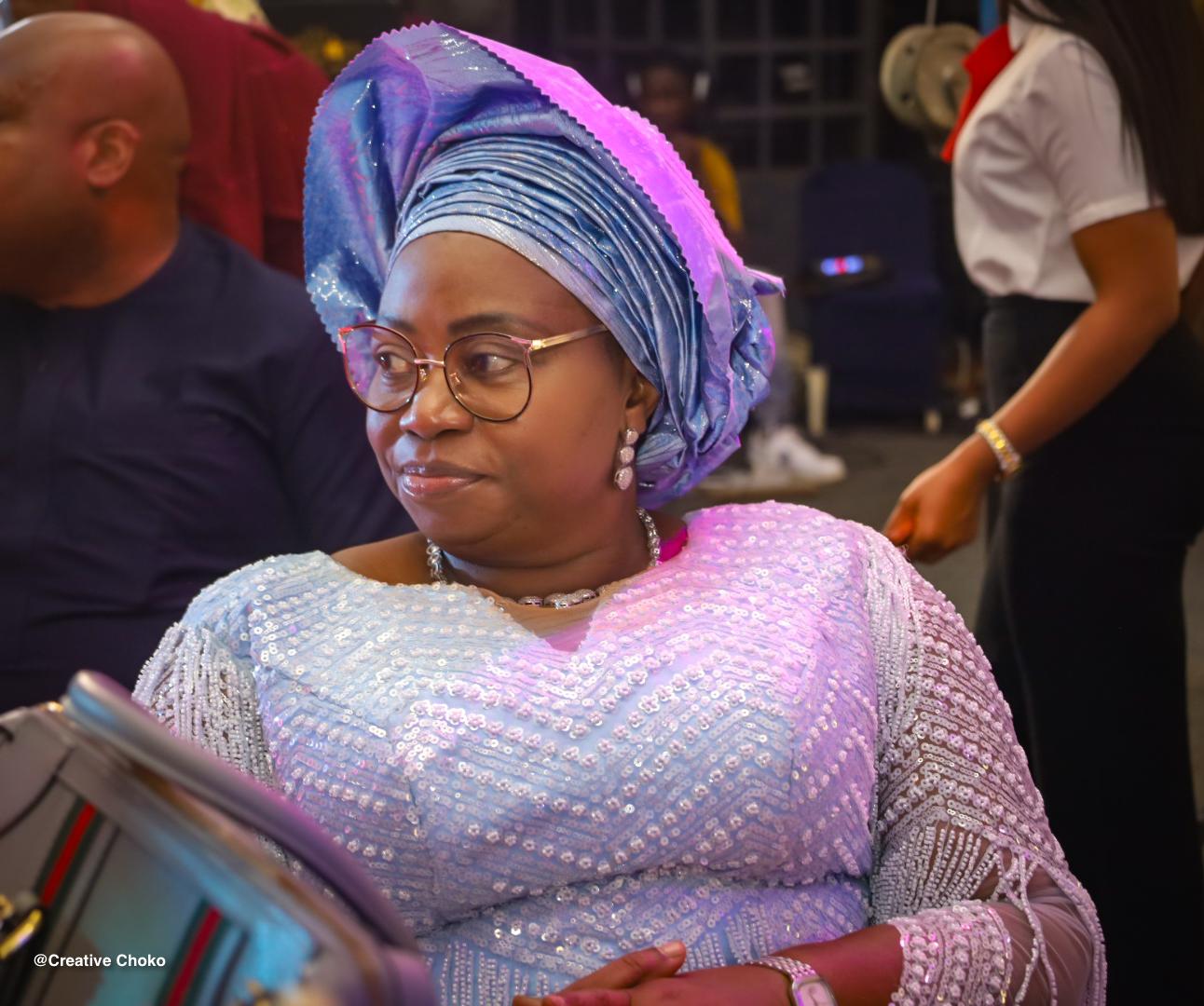
Mrs. Rosemary Onoja
The new Silk with Stephen Adehi, SAN
Moses Ebute, SAN and Dr. Amodu
Chief Onoja and Lillian Okenwa
The new Silk and Lillian Okenwa
Dr. Onoja, SAN and Chair, NBA Abuja (Unity Bar) Steve Emelieze

Access to the Internet: Bridging the gap for women and girls

By Mojirayo Ogunlana

For some years now I have found it difficult to celebrate the 1960 independence from a perspective of celebrating past victories- specifically freedom. Freedom means so many things these days and this 64th celebration I reflect on what the word ‘freedom” portends for many Nigerians -the strides we have taken toward progress as a nation and the challenges that still tether our potential . While we honour the past, we must think about the future of the nation within the global context. For me, that is the digital future. Within this vast digital landscape, there is an uncomfortable truth we must confront: not all Nigerians have equal access to its promise, particularly our women and girls.

The digital space, for many, represents freedom—a place where ideas bloom, creativity flourishes, and opportunities abound. But for millions of Nigerian women and girls, this digital terrain is fraught with shadows, an extension of the barriers they face offline.
The same cultural, social, and economic forces that have long kept women in the margins now follow them into the virtual world, where patriarchal systems still attempt to silence, harass, and belittle them.

We live in an era where the digital economy is the economy, where the ability to access, create, and share information defines one’s place in society. Yet, Nigerian women and girls, particularly in rural communities, are disproportionately excluded. Digital illiteracy remains rampant. The cost of technology is prohibitive, and where access exists, it often comes with the bitter taste of cyberbullying, harassment, and violence. Many young girls, eager to engage in the global marketplace of ideas, find themselves retreating—threatened by the same predators that lurk in physical spaces. The internet, designed to be a space of boundless freedom, often becomes a mirror, reflecting the same structures of inequality, only on a grander scale.

But today is not a day for despair. It is a day for hope, for action, for renewal. Our nation has, over and over again, proven its resilience. So, let us extend that resilience to this pressing issue.

Firstly, we must call on our Federal, State, and Local Governments to strengthen digital infrastructure and access in underserved areas, particularly for women and children. The future is already here, and to exclude anyone from that future is to hamper the nation’s progress.

At the Administrative level, there is a need for national and regional policies that prioritize digital literacy programs for women and girls, bridging the gap in digital education. This initiative should be driven by our innovative Attorney General of the Federation, Prince Lateef Fagbemi, SAN.

We need deliberate investment in digital tools for these communities, ensuring that no child—boy or girl—is left behind simply because of where they were born or what their gender is.

Legislatively, we must enact and enforce laws that not only punish online harassment but create environments where women and girls feel safe to thrive. The National Assembly must fast-track bills that address digital gender-based violence, including online stalking, doxxing, and cyberbullying. The internet must no longer be a place where fear reigns for Nigerian women.

The judiciary must also play its role, ensuring that justice is swift for those who perpetrate these crimes. In this vein, I commend our newly sworn-in Honourable Justice Kekere-Ekun, Chief Justice of Nigeria, a national treasure and legal juggernaut by all accounts, on her elevation to the highest judicial office in the land.
Your Lordship, your appointment stands as a beacon for what is possible when women are granted the space they deserve. Under your leadership, we know we will see a judiciary that protects the rights of all Nigerians, including those whose battles are fought in the digital sphere. Your tenure offers a renewed hope that justice will not be gender-blind, but gender-conscious.

To our governments, I also implore the creation of digital safe spaces where women and girls can express themselves freely without fear of persecution. Let us break down the social norms that frame a woman’s ambition, her voice, as something to be subdued.

As we move forward, let us remember that digital rights are human rights, and any exclusion from this space—whether through systemic neglect or active suppression—is a denial of that right. A Nigeria where every woman and girl can access the internet freely and safely is a Nigeria where progress is unstoppable.

Today, I am filled with hope. For in every challenge, there lies an opportunity. The opportunity to rewrite the narrative, to lift every woman and girl onto a stage that is global, connected, and empowering.

Happy Independence Day, Nigeria. Let us rise together, towards a future that includes us all.

Mojirayo Ogunlana
Digital, Media, Gender and Human Rights Advocate

PhotoSpeaks: FIDA Abuja celebrates her own Wendy Kuku as she takes Silk!

  • Watch video clips of the event

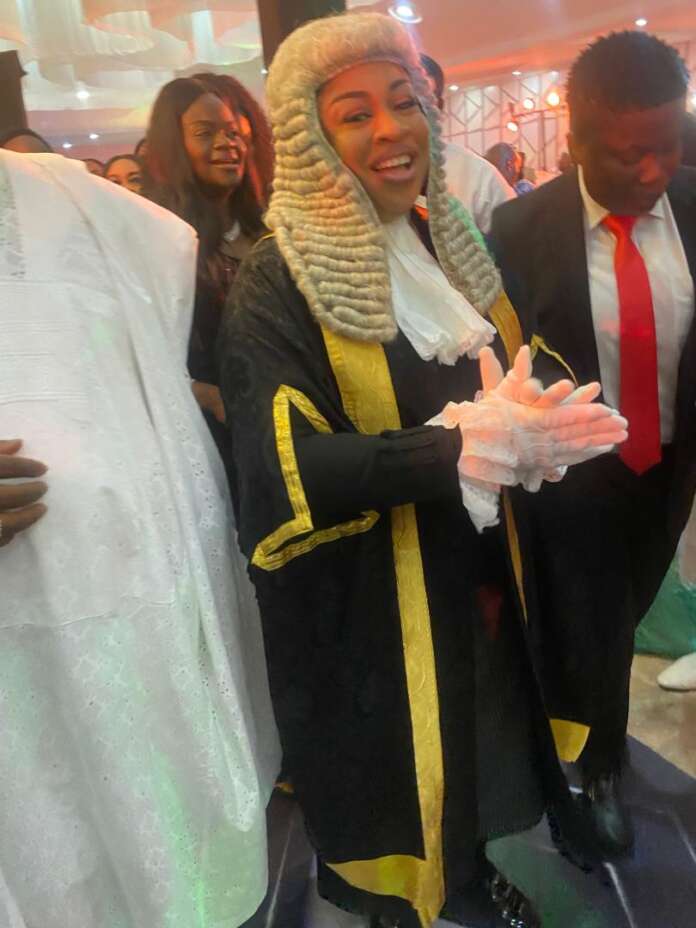
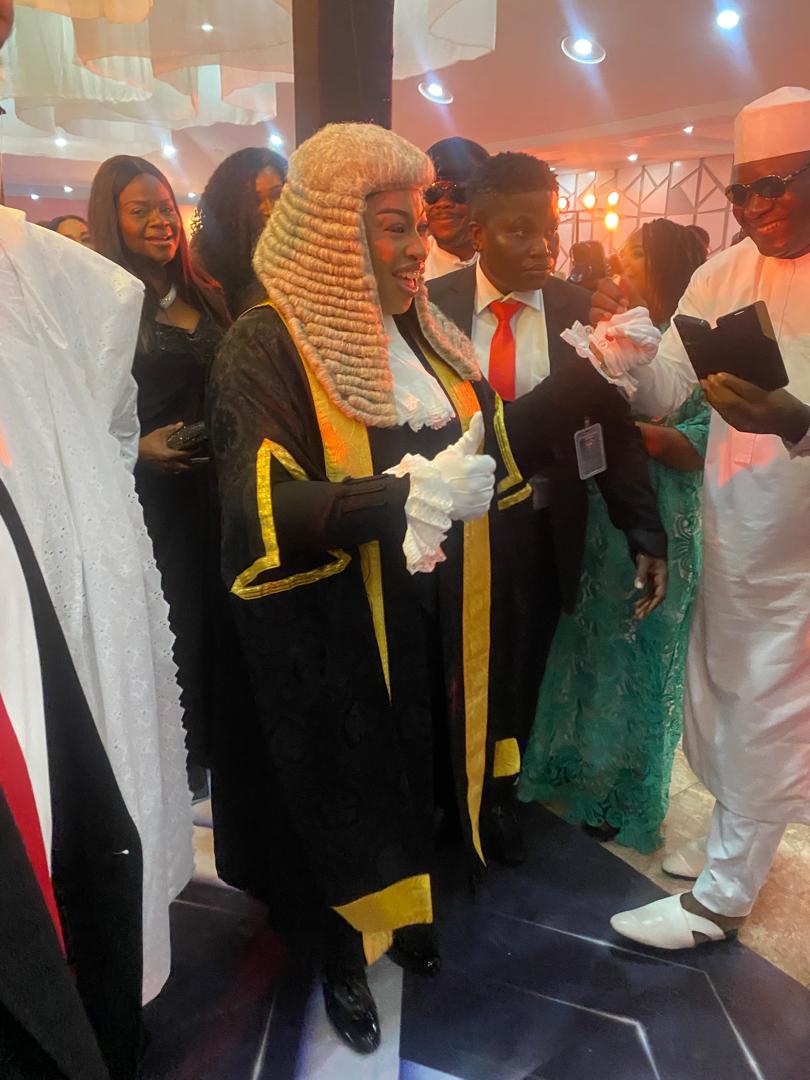
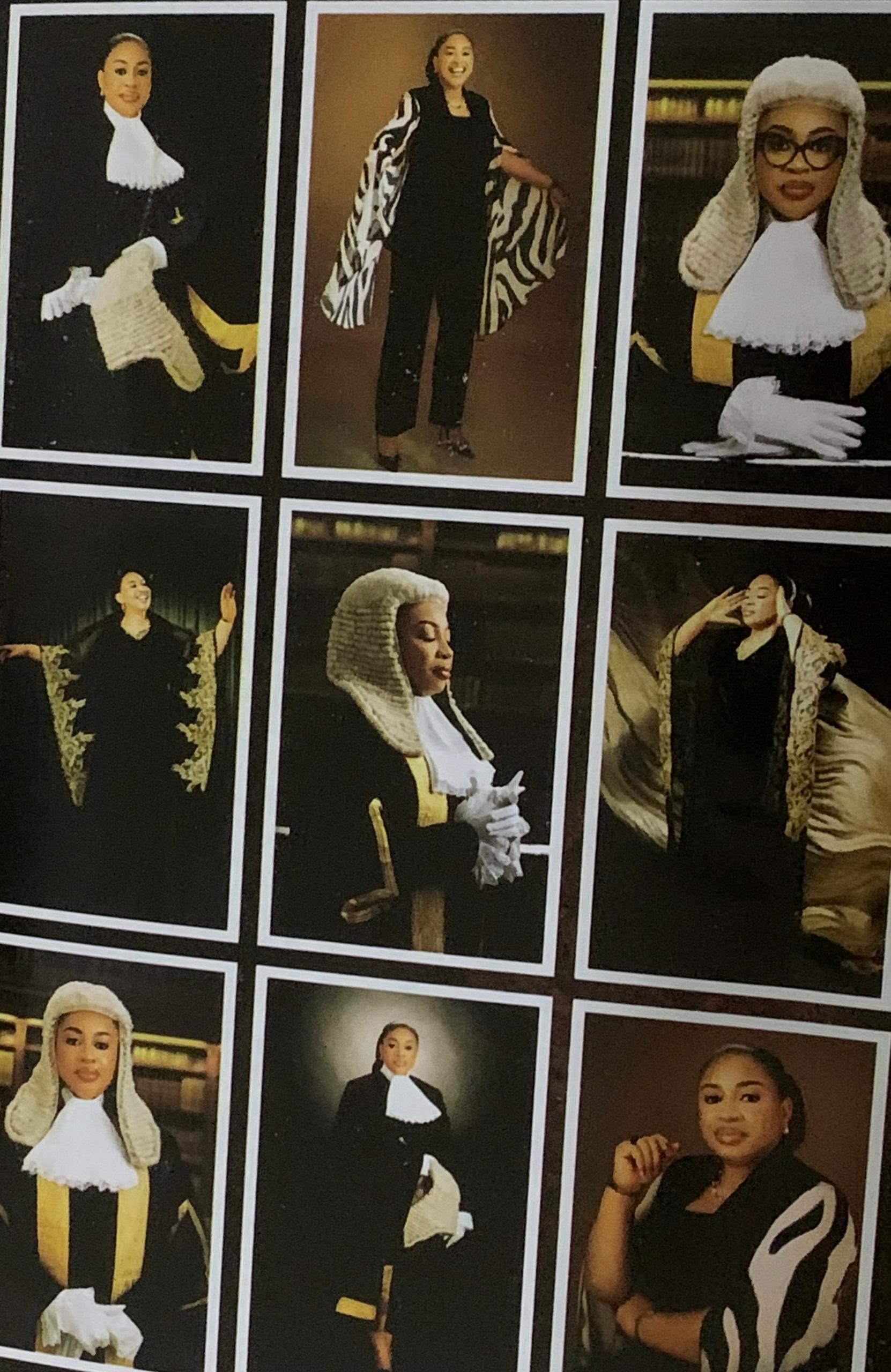
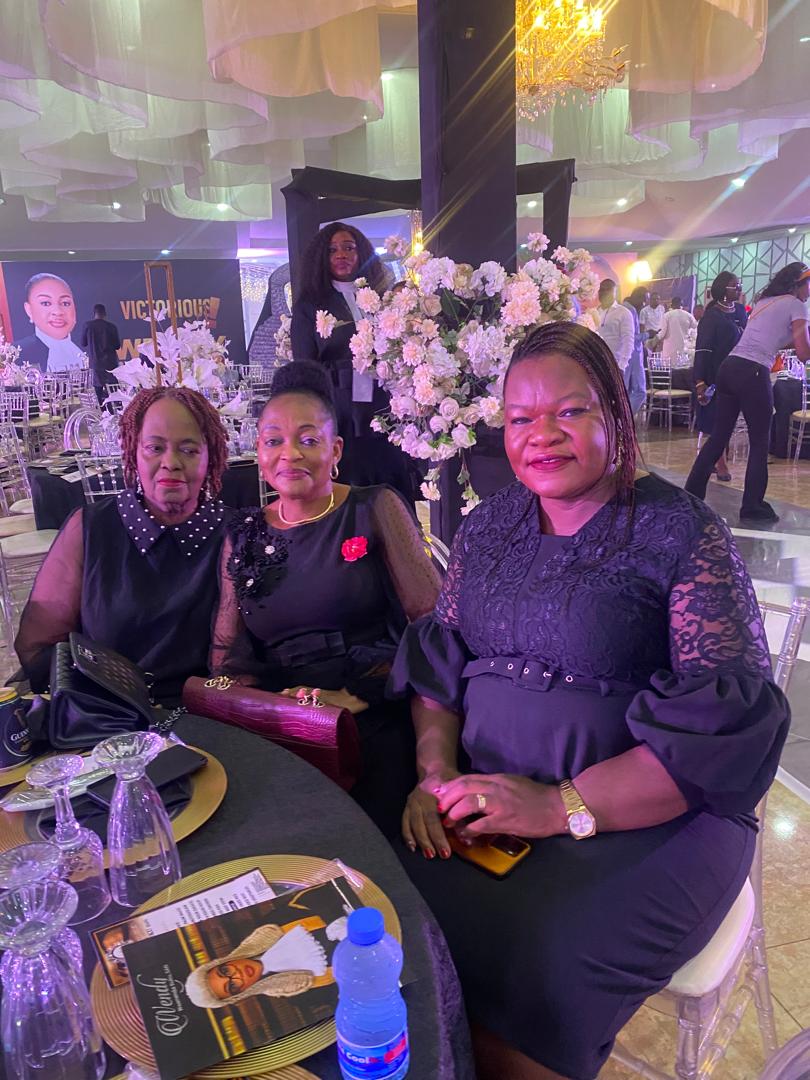
Along with  87 other legal practitioners, Wendy Nwenenda Kuku was on Monday 30th September 2024, sworn in as a Senior Advocate of Nigeria by the Chief Justice of Nigeria, Hon. Justice Kudirat Kekere-Ekun.

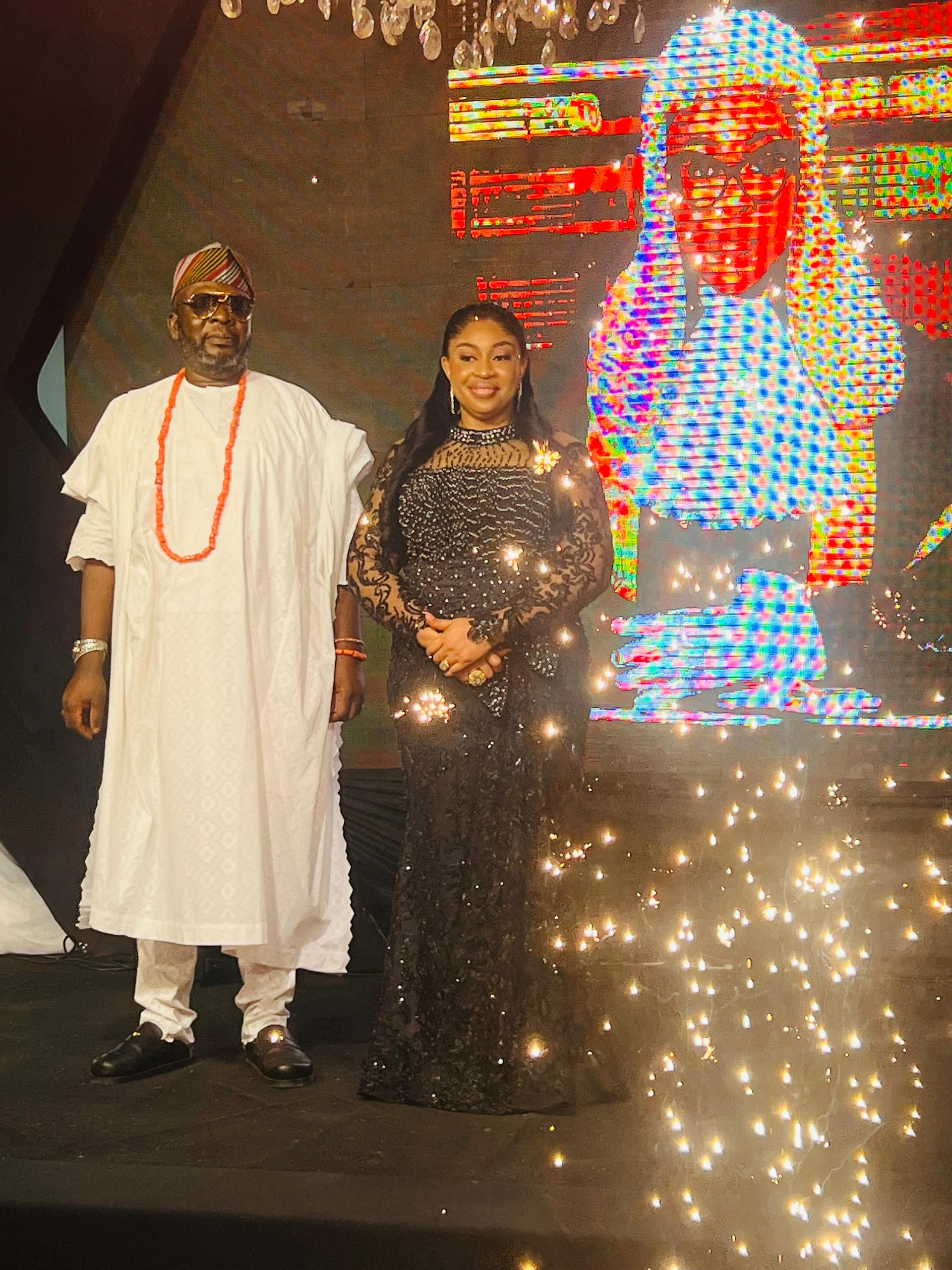
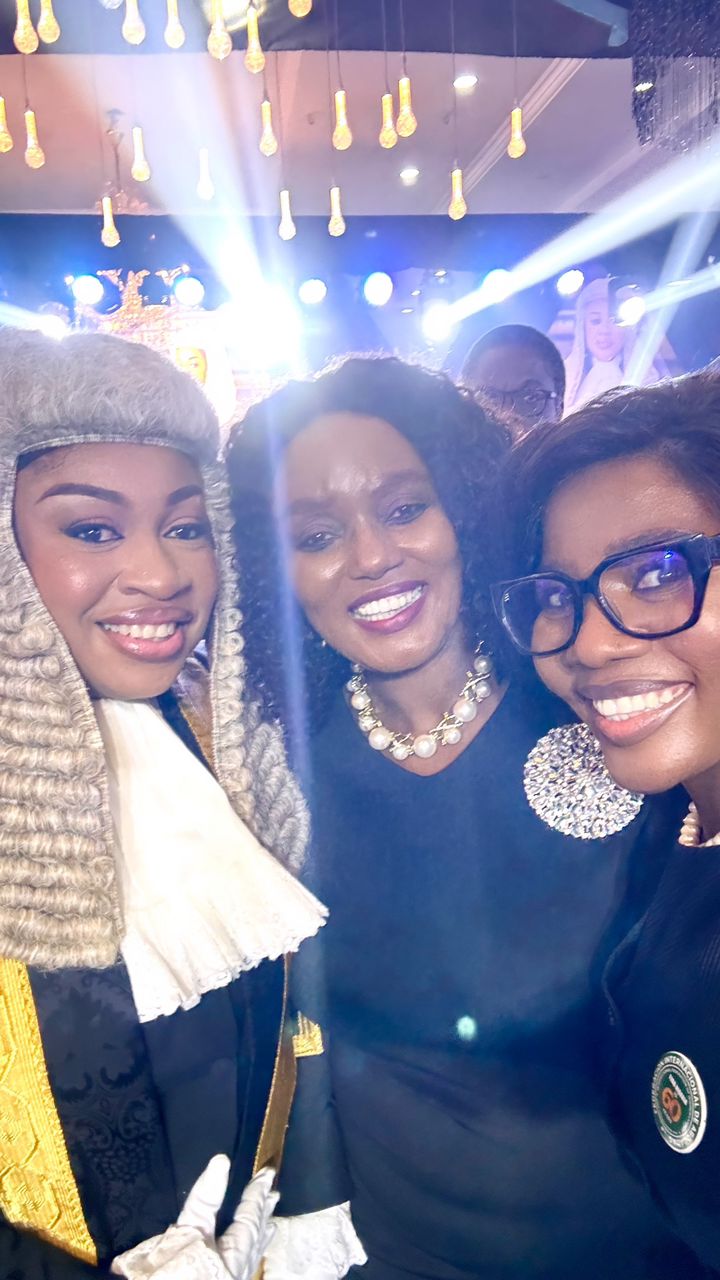
Wendu Kuku, SAN is the Treasurer of FIDA Nigeria Abuja and FIDAns turned out in their numbers to celebrate their own.

Below are photos and videos of the event at the Supreme Court of Nigeria and at her reception at The Ballroom Conference Centre of The Palms Hotel in Abuja.

The New Silk and Husband Olatuboson Kuku
R-L: FIDA Abuja Vice-Chair, Francesca Akaniro-Opara, Husband of the celebrant, Olatubosun Kuku, Ex- Ex-Regional Vice President FIDA Africa, Chief Mrs. Victoria Awomolo, SAN, and Celebrant/Treasurer, FIDA Abuja, Wendy Kuku, SAN
L-R: Fmr. FIDA Nigeria National PRO, Ogechi Abu, One-time, FIDA Africa Regional Vice President, Laraba Shuaibu, Ex-Chair of FIDA Abuja, Ngozi Ikenga, ex-FIDA Abuja Treasurer, Adama Mohammed Standing
Lady Ngozi Okogbue Standing, Mrs. Chinyere Ufere sitting
Ex-FIDA Abuja PRO, Chioma Onyenucheya-Uko and Fmr. FIDA Abuja Treasurer, Adama Mohammed
R-L: Her Worship Amauche Onyedum and Mrs Gladys Otuya
R-L: Fmr. Assistant PRO FIDA Abuja, Hauwa George 0bas, FIDA Abuja Welfare Committee Member, Naomi Abeji Kpenosen, FIDA Abuja PRO, Olosen Victoria Ibiezugbe and Welfare Secretary, Ifeoluwa Johnson

Watch the video below.

Nigeria at 64 Years: What Hope for the Future?

By Mabel Adinya Ade

As Nigeria marks 64 years of independence, the nation stands at a crossroads, grappling with multiple challenges that cast a shadow on the promise of prosperity that accompanied the birth of the republic in 1960. At independence, Nigeria was heralded as the “Giant of Africa,” a nation brimming with resources, hope, and potential. Today, the reality is starkly different, as the country contends with a myriad of socio-economic and political issues that have left millions of citizens disillusioned. Yet, as daunting as these challenges are, there remains a flicker of hope for a better tomorrow one that requires bold reforms, accountability, transparency, and a collective will to steer the nation toward a brighter future.

A Once Vibrant Economy in Decline

Nigeria’s economy, once on par with global currencies like the British Pound and the US Dollar, has witnessed a dramatic decline. The Nigerian Naira, which previously held its own against major currencies, now struggles in the face of inflation, a deteriorating exchange rate, and weak economic management. The South African Rand, once a weaker currency, now stands over 200% higher than the Naira, a painful reflection of Nigeria’s economic mismanagement over the years.

The Nigerian Bureau of Statistics (NBS) reports that over 133 million Nigerians now live below the poverty line. This translates to approximately 63% of the population, unable to afford basic living expenses like food, shelter, and healthcare. The spiralling cost of living, fuelled by rising inflation, worsens the economic outlook for everyday Nigerians. The increase in fuel prices, following the removal of fuel subsidies, has compounded the struggles of a populace already burdened by unemployment and underemployment, particularly among the youth.

The Spectre of Corruption and Mismanagement

At the heart of Nigeria’s economic woes is the pervasive corruption and misappropriation of public funds. Despite abundant natural resources—oil, gas, and vast agricultural potential—mismanagement and endemic corruption have hindered Nigeria’s ability to translate its wealth into meaningful development. Successive governments have paid lip service to the fight against corruption, while the majority of citizens continue to suffer from the fallout of public sector inefficiency.

The health and education sectors, once beacons of pride, are now in shambles. Underfunded and poorly managed, these critical sectors have left millions of Nigerians without access to quality healthcare and education. Infrastructural decay, from bad roads to epileptic power supply, continues to plague the nation, stalling industrial growth and development.

Rising Insecurity and Social Instability

One of the most visible manifestations of the country’s failure to provide basic security is the rise of violent conflict, kidnapping, and banditry. Widespread insecurity has forced many Nigerians to live in constant fear, particularly in the northern regions, where insurgencies, kidnappings, and banditry thrive. Food insecurity has worsened, as farmers are unable to access their farms due to violence. This has contributed to soaring food prices and increased hunger across the nation.

Electoral fraud and political instability further complicate the picture, as elections are often marred by violence, vote-buying, and lack of transparency, eroding the democratic values that Nigeria fought hard to establish. Compounding these challenges is the rising incidence of sexual and gender-based violence, a social scourge that remains largely under-addressed despite the government’s commitments.

Is There Hope for the Future?

While Nigeria’s current challenges appear overwhelming, there remains hope for the future. The nation’s young and dynamic population is a key asset. With over 60% of the population under the age of 25, Nigeria’s youth can play a transformative role in the country’s development if given the opportunity. Investments in education, technology, and entrepreneurial training can harness this demographic dividend, creating new opportunities and driving innovation in critical sectors.

To achieve lasting change, bold reforms are needed. The Nigerian government must prioritize good governance, transparency, and accountability. The fight against corruption must move beyond rhetoric, with tangible actions taken to hold public officials accountable and recover stolen funds. Strengthening institutions like the judiciary and anti-corruption agencies will be critical in this fight.

Economic diversification is also essential. Nigeria must reduce its dependence on oil, which has left the economy vulnerable to fluctuations in global oil prices. By investing in agriculture, renewable energy, technology, and manufacturing, the country can build a more resilient economy that creates jobs and reduces poverty.

Finally, addressing insecurity requires a comprehensive approach that combines military interventions with long-term social and economic strategies. Building trust between communities and the government, improving law enforcement, and addressing the root causes of conflict—such as poverty, unemployment, and political exclusion—are vital steps in restoring peace and stability.

Conclusion

At 64, Nigeria is a nation teetering between its great potential and the harsh realities of its current situation. The dreams of prosperity that once defined its early years of independence have been marred by decades of mismanagement, insecurity, and social instability. However, hope is not lost. With the right leadership, strategic reforms, and a renewed commitment to fighting corruption and addressing inequality, Nigeria can rise once again as a beacon of hope and progress in Africa. The journey may be long and arduous, but with determination and collective effort, a better Nigeria is still within reach.

Happy 64 years of independence fellow Nigerians.

Written by Mabel Adinya Ade

Executive Director,

Adinya Arise Foundation

[email protected]

At 64, Nigeria has lost its way

PUNCH Editorial

At 64, Nigeria is a total mess. It is a deformed adult child at 64! It cannot protect itself and depends on others for basic sustenance, even from resources it has in abundance. A weak union, Nigeria, which got its Independence from the British colonial masters on October 1, 1960, is standing on false structural legs. Turning political logic on its head, a natural federation of more than 250 distinct ethnic nationalities of vast cultures, beliefs, and ideologies operates like a unitary state. Consequently, it goes around in circles, a bleak mimicry of an isomorphic state.

For much of its history, it has lost its way. It is crawling in contrast to China, which shares October 1 as its national day. And this is not a harsh judgement. China’s GDP is $17.96 trillion (2022) in contrast to Nigeria’s $252 billion!

The political class lives in denial, but there is precious little to celebrate for most citizens. The lofty hopes that independence birthed have vanished, made worse by the unprecedented cost-of-living crisis in the past year.

The ethnic nationalities cohabit in mutual suspicion, distrust, and disharmony. The malice is barely concealed. The competition of the early days after the exit of the colonialists has turned to hostile rivalry. The values of integrity, scholarship, and dignity of labour have disappeared, replaced by sleaze and morbid antagonism. Youths are fleeing, referred to in local parlance as ‘japa.’

The numbers are bleak. Islamic terrorism, Fulani herdsmen rapine, banditry, and separatist agitation consumed 63,135 citizens in the eight years to May 2023. The number has not improved under Bola Tinubu, the fifth President of the Fourth Republic, which began in 1999. The Fragile State Index compiled annually by Fund for Peace, puts Nigeria at No.15 in 2023. It is in the same company as Guinea, Zimbabwe, and Libya.

After mismanaging its abundant natural resources, Nigeria is currently a hollow repository of abandoned infrastructural projects. About 56,000 uncompleted projects dot the landscape. The World Bank says Nigeria’s infrastructure stock is 30 per cent of GDP. This is 40 per cent short of the 70 per cent recommended by the Bank. The African Development Bank notes that Nigeria needs $100 billion annually for 30 straight years to build its infrastructure.

The electricity output is dismal, a stark reality of Nigeria’s arrested development. Its continental peers, South Africa and Egypt generate 58,000 megawatts each; Nigeria is barely able to generate 5,000MW. The World Bank says 45 per cent of citizens lack access to grid electricity 64 years after flag independence.

The economy depends unwisely on oil revenue. Since 2014, oil prices have fluctuated widely, leaving Nigeria hanging by a thread. An economy then the first with a GDP of $510 billion after rebasing in 2014 is now the fourth in Africa with a GDP of $252 billion.

After over six decades of independence, the country with the largest population – 233 million – in Africa cannot feed its population. According to the 2023 Global Hunger Index, Nigeria ranks 109th out of the 125 countries with sufficient data to calculate GHI scores. With a score of 28.3, Nigeria has a level of hunger that is serious.

In education and the provision of social services, Nigeria is in a pitiful state. With 20.1 million, Nigeria’s out-of-school population is second in the world to India’s. The universities, beset by strikes, poor pay, and shabby infrastructure, are poorly ranked globally. A new policy to prevent under-18 students from university admissions is causing mass discontent.

With a sizeable number of medical professionals relocating overseas, the health of citizens is in jeopardy. The wealthy fly abroad for medical treatment. Medical tourism sets Nigeria back by $2 billion yearly, per the Nigerian Medical Association.

Fifty-eight years after independence, Nigeria went from bad to worse. That year, it gained global disdain after overtaking India as the global poverty capital with 87 million nationals. Unfortunately, things are much worse. In 2022, the NBS estimated that 133 million Nigerians lived in multidimensional poverty. The situation degenerated in 2023 after Tinubu cancelled the petrol subsidy that had kept transportation prices affordable and floated the currency. The World Bank said the twin policies added 7 million Nigerians to the poverty rate. Data by the NBS put the poverty rate at 27.2 per cent or 17.1 million citizens in 1980 and 69.0 per cent or 112.47 million in 2010. Multidimensional poverty is at 63 per cent and income poverty at 40 per cent, the AfDB said.

Its economy is disarticulated. This is reflected boldly in the 10 per cent tax-to-GDP ratio, one of the lowest in the world. The OECD pegs the minimum for economic development at 16 per cent tax-to-GDP.

Labour is poorly rewarded. Most states are struggling with the new national minimum wage of N70,000 per month. On its part, the Federal Government is incurring debt to pay federal civil servants, although the national debt stock crossed the N121 trillion barrier in 2024. The Federal Government serviced its debt by 74 per cent of income in Q1. There is a wide gap in income equality. Unemployment remains unusually high.

Unwisely, Nigeria is unwilling to change a political structure that has delivered discontent, agitations, and extreme privations. The political leadership is driving the system to ruination and implosion is imminent.

Its only positive claim is that democracy is in operation after the exit of the military from governance in 1999. That is as best as it gets. Elections, a healthy measure of democracy, are hollow; they end up in litigation and winners are decided by the judiciary instead of the electorate. This creates deeper fissures after each election cycle.

It was not so at the beginning. The 1963 Republican Constitution recognised the importance of federalism, which accommodates disparate interests, especially that of minorities. The three regions – East, West and North – developed at their own pace, begetting healthy competition and development. Those three regions are now atomised as 36 states. Most are not economically viable.

The misguided military coup of 1966 destroyed Nigeria’s incipient political soul. Since then, the country has experienced a three-year internecine war. Amidst renewed violence, Biafra separatist agitators are asking for their own country again. The North is defined by religious bloodletting, a sign that Nigeria is a failing state. Others are emphatic it has failed.

Nigeria has a few options left. One, it can continue pretending as a unitary state and eventually self-destruct. Two, it can instigate true federalism – the devolution of power to the constituent units as it was in the First Republic. Here, the federating units are co-equals to the centre, not subservient as it is currently in which they go to Abuja with begging bowls.

The third option is to negotiate a peaceful separation as occurred in the ‘Velvet (Gentle) Revolution’ in defunct Czechoslovakia in 1989 to form two countries – Czechia (originally the Czech Republic) and Slovakia.

Without taking any of this route, the ultimate cost is violent disintegration. The obdurate forces in the former Yugoslavia travelled this road with devastating outcomes as the country split violently into over seven countries.

The degenerate political class should redeem itself and avoid this at all cost, but delay is dangerous.

Part 2: Analysing VeryDarkMan’s Defence to his Alleged Defamation of Mr Femi Falana (A Reaction to Deji Adeyanju & Partners)

By Sylvester Udemezue et al.

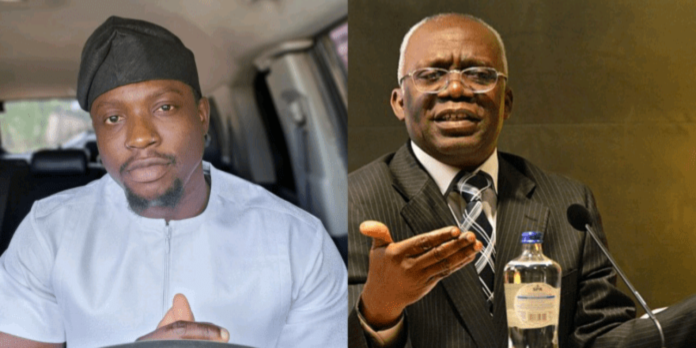
Following the outburst by Mr Martins VINCENT Otshe aka, VeryDarkBlackMan or VeryDarkMan) against Femi Falana, SAN, among others in re Bobrisky prison tales, Mr Falana had written to demand apology and retraction, claiming Mr Otshe’s outburst against him was defamatory. In response to Falana’s demand, Deji Adeyanju & Partners writing as Solicitors to Martins VINCENT Otshe, declared that their client (Mr Otshe) had done nothing more than share Mr Bobrisky’s voice note. According to Deji Adeyanju & Partners, their client had done nothing wrong against Falana whom as the Law Firm says, their client holds very high. It was in reaction to the letter by Deji Adeyanju & Partners, that I wrote as follows:

“𝚁𝙴: 𝚁𝙴𝚂𝙿𝙾𝙽𝚂𝙴 𝚃𝙾 𝙵𝙰𝙻𝙰𝙽𝙰 (𝚂𝙰𝙽) 𝙱𝚈 𝙳𝙴𝙹𝙸 𝙰𝙳𝙴𝚈𝙰𝙽𝙹𝚄 & 𝙿𝙰𝚁𝚃𝙽𝙴𝚁𝚂 𝙾𝙽 𝙱𝙴𝙷𝙰𝙻𝙵 𝙾𝙵 𝙼𝚁 𝙼𝙰𝚁𝚃𝙸𝙽𝚂 𝚅𝙸𝙽𝙲𝙴𝙽𝚃 𝙾𝚃𝚂𝙷𝙴 𝙸𝙽 𝚁𝙴 𝙱𝙾𝙱𝚁𝙸𝚂𝙺𝚈’𝚂 𝚅𝙾𝙸𝙲𝙴-𝙽𝙾𝚃𝙴 𝙿𝚁𝙸𝚂𝙾𝙽 𝚃𝙰𝙻𝙴𝚂

𝚆𝚒𝚝𝚑 𝚍𝚞𝚎 𝚛𝚎𝚜𝚙𝚎𝚌𝚝, 𝚝𝚑𝚎 𝚕𝚎𝚝𝚝𝚎𝚛 𝚋𝚢/𝚏𝚛𝚘𝚖 𝙳𝚎𝚓𝚒 𝙰𝚍𝚎𝚢𝚊𝚗𝚓𝚞 & 𝙿𝚊𝚛𝚝𝚗𝚎𝚛𝚜 𝚒𝚜 𝚌𝚑𝚊𝚜𝚒𝚗𝚐 𝚊𝚏𝚝𝚎𝚛 𝚜𝚑𝚊𝚍𝚘𝚠𝚜, 𝚕𝚎𝚊𝚟𝚒𝚗𝚐 𝚝𝚑𝚎 𝚜𝚞𝚋𝚜𝚝𝚊𝚗𝚌𝚎.

𝙸𝚗 𝚖𝚢 𝚘𝚙𝚒𝚗𝚒𝚘𝚗, 𝙼𝚛 𝙼𝚊𝚛𝚝𝚒𝚗𝚜 𝚅𝚒𝚗𝚌𝚎𝚗𝚝 𝙾𝚝𝚜𝚑𝚎 𝚍𝚒𝚍 𝚗𝚘𝚝 𝚓𝚞𝚜𝚝 𝚙𝚞𝚋𝚕𝚒𝚜𝚑 𝙱𝚘𝚋𝚛𝚒𝚜𝚔𝚢’𝚜 𝚟𝚘𝚒𝚌𝚎 𝚗𝚘𝚝𝚎, 𝙼𝚛 𝙾𝚃𝚂𝙷𝙴 𝚑𝚊𝚍 𝚙𝚛𝚌𝚎𝚎𝚍𝚎𝚍 𝚝𝚘 𝚘𝚗 𝚑𝚒𝚜 𝚘𝚠𝚗, 𝚒𝚗𝚍𝚎𝚙𝚎𝚗𝚍𝚎𝚗𝚝 𝚘𝚏 𝚊𝚗𝚍 𝚞𝚗𝚌𝚘𝚗𝚗𝚎𝚌𝚝𝚎𝚍 𝚝𝚘 𝙼𝚛 𝙱𝚘𝚋𝚛𝚒𝚜𝚔𝚢’𝚜 𝚟𝚘𝚒𝚌𝚎𝚗𝚘𝚝𝚎, 𝚞𝚝𝚝𝚎𝚛𝚎𝚍 𝚍𝚎𝚏𝚊𝚖𝚜𝚝𝚘𝚛𝚢 𝚜𝚝𝚊𝚝𝚎𝚖𝚎𝚗𝚝𝚜 𝚊𝚐𝚊𝚒𝚗𝚜𝚝 𝙼𝚛 𝙵𝚎𝚖𝚒 𝙵𝚊𝚕𝚊𝚗𝚊, 𝚂𝙰𝙽.

𝙰 𝚌𝚊𝚛𝚎𝚏𝚞𝚕 𝚊𝚝𝚝𝚎𝚗𝚝𝚒𝚘𝚗 𝚙𝚊𝚒𝚍 𝚝𝚘 𝚝𝚑𝚎 𝚜𝚊𝚒𝚍 𝙱𝚘𝚋𝚛𝚒𝚜𝚔𝚢 𝚟𝚘𝚒𝚌𝚎𝚗𝚘𝚝𝚎 𝚊𝚜 𝚙𝚞𝚋𝚕𝚒𝚜𝚑𝚎𝚍, 𝚠𝚘𝚞𝚕𝚍 𝚎𝚊𝚜𝚒𝚕𝚢 𝚜𝚑𝚘𝚠 𝚝𝚑𝚊𝚝 𝙼𝚛 𝙱𝚘𝚋𝚛𝚒𝚜𝚔𝚢 𝚍𝚒𝚍 𝚗𝚘𝚝 𝚍𝚎𝚏𝚊𝚖𝚎 𝙼𝚛 𝙵𝚊𝚕𝚊𝚗𝚊. 𝙼𝚛 𝙱𝚘𝚋𝚛𝚒𝚜𝚔𝚢’𝚜 𝚟𝚘𝚒𝚌𝚎 𝚗𝚘𝚝𝚎 𝚍𝚒𝚍𝚗’𝚝/𝚍𝚘𝚎𝚜𝚗’𝚝 𝚍𝚒𝚜𝚌𝚕𝚘𝚜𝚎 𝚊𝚗𝚢 𝚠𝚛𝚘𝚗𝚐𝚍𝚘𝚒𝚗𝚐 𝚘𝚗 𝚝𝚑𝚎 𝚙𝚊𝚛𝚝 𝚘𝚏 𝙼𝚛 𝙵𝚊𝚕𝚊𝚗𝚊, 𝚂𝙰𝙽. 𝙱𝚘𝚋𝚛𝚒𝚜𝚔𝚢 𝚑𝚊𝚍 𝚖𝚎𝚛𝚎𝚕𝚢 𝚜𝚊𝙸’𝚍 𝚝𝚑𝚊𝚝 𝙼𝚛 𝙵𝚊𝚕𝚣 𝚠𝚊𝚜 𝚌𝚘𝚗𝚝𝚊𝚌𝚝𝚎𝚍 𝚠𝚑𝚘 𝚕𝚊𝚝𝚎𝚛 𝚌𝚘𝚗𝚝𝚊𝚌𝚝𝚎𝚍 𝙼𝚛 𝙵𝚊𝚕𝚊𝚗𝚊 𝚠𝚑𝚘 𝚕𝚊𝚝𝚎𝚛 (𝚒𝚗 𝚊 𝚙𝚑𝚘𝚗𝚎 𝚌𝚘𝚗𝚟𝚎𝚛𝚜𝚊𝚝𝚒𝚘𝚗 𝚠𝚒𝚝𝚑 𝙱𝚘𝚋𝚛𝚒𝚜𝚔𝚢) 𝚊𝚍𝚟𝚒𝚜𝚎𝚍 𝚝𝚑𝚊𝚝 𝙱𝚘𝚋𝚛𝚒𝚜𝚔𝚢 𝚌𝚘𝚞𝚕𝚍 𝚊𝚙𝚙𝚕𝚢 𝚏𝚘𝚛 𝚙𝚊𝚛𝚍𝚘𝚗. 𝚃𝚑𝚒𝚜 𝚒𝚜𝚗’𝚝 𝚊𝚗𝚢𝚝𝚑𝚒𝚗𝚐 𝚍𝚎𝚏𝚊𝚖𝚊𝚝𝚘𝚛𝚢 𝚊𝚐𝚊𝚒𝚗𝚜𝚝 𝙼𝚛 𝙵𝚊𝚕𝚊𝚗𝚊 𝚋𝚎𝚌𝚊𝚞𝚜𝚎 𝚊𝚍𝚟𝚒𝚜𝚒𝚗𝚐 𝚊 𝚌𝚕𝚒𝚎𝚗𝚝 𝚝𝚘 𝚝𝚊𝚔𝚎 𝚜𝚝𝚎𝚙𝚜 𝚝𝚘 𝚐𝚎𝚝 𝚙𝚊𝚛𝚍𝚘𝚗, 𝚎𝚜𝚙𝚎𝚌𝚒𝚊𝚕𝚕𝚢 𝚞𝚗𝚍𝚎𝚛 𝚌𝚒𝚛𝚌𝚞𝚖𝚜𝚝𝚊𝚗𝚌𝚎𝚜 𝚜𝚞𝚌𝚑 𝚊𝚜 𝚝𝚑𝚎 𝚙𝚛𝚎𝚜𝚎𝚗𝚝, 𝚒𝚜 𝚙𝚊𝚛𝚝 𝚘𝚏 𝚊 𝚕𝚊𝚠𝚢𝚎𝚛’𝚜 𝚙𝚛𝚘𝚏𝚎𝚜𝚜𝚒𝚘𝚗𝚊𝚕 𝚠𝚘𝚛𝚔. 𝙵𝚞𝚛𝚝𝚑𝚎𝚛, 𝚊 𝚕𝚊𝚠𝚢𝚎𝚛 𝚜𝚙𝚎𝚊𝚔𝚒𝚗𝚐 𝚝𝚘 𝚊 𝚙𝚛𝚒𝚜𝚘𝚗𝚎𝚛, 𝚠𝚑𝚎𝚝𝚑𝚎𝚛 𝚘𝚗 𝚙𝚑𝚘𝚗𝚎 𝚘𝚛 𝚏𝚊𝚌𝚎𝚝𝚘𝚏𝚊𝚌𝚎, 𝚒𝚜𝚗’𝚝, 𝚠𝚒𝚝𝚑𝚘𝚞𝚝 𝚖𝚘𝚛𝚎, 𝚞𝚗𝚙𝚛𝚘𝚏𝚎𝚜𝚜𝚒𝚘𝚗𝚊𝚕 𝚘𝚛 𝚒𝚕𝚕𝚎𝚐𝚊𝚕. 𝚃𝚑𝚎 𝙿𝚛𝚒𝚜𝚘𝚗 𝚁𝚎𝚐𝚞𝚕𝚊𝚝𝚒𝚘𝚗𝚜 𝚊𝚕𝚕𝚘𝚠 𝚏𝚘𝚛 𝚊 𝚙𝚛𝚒𝚜𝚘𝚗𝚎𝚛’𝚜 𝚕𝚊𝚠𝚢𝚎𝚛 𝚝𝚘 𝚑𝚊𝚟𝚎 𝚌𝚘𝚖𝚖𝚞𝚗𝚒𝚌𝚊𝚝𝚒𝚘𝚗 𝚠𝚒𝚝𝚑 𝚝𝚑𝚎 𝚙𝚛𝚒𝚜𝚘𝚗𝚎𝚛, 𝚙𝚛𝚘𝚟𝚒𝚍𝚎𝚍 𝚜𝚎𝚝 𝚙𝚛𝚘𝚌𝚎𝚍𝚞𝚛𝚊𝚕 𝚛𝚎𝚚𝚞𝚒𝚛𝚎𝚖𝚎𝚗𝚝𝚜 𝚊𝚛𝚎 𝚖𝚎𝚝. 𝚃𝚑𝚎 𝚟𝚘𝚒𝚌𝚎 𝚗𝚘𝚝𝚎 𝚋𝚢 𝙼𝚛 𝙱𝚘𝚋𝚛𝚒𝚜𝚔𝚢 𝚍𝚘𝚎𝚜𝚗’𝚝 𝚍𝚒𝚜𝚌𝚕𝚘𝚜𝚎 𝚝𝚑𝚊𝚝 𝚜𝚎𝚝 𝚌𝚘𝚗𝚍𝚒𝚝𝚒𝚘𝚗𝚜 𝚠𝚎𝚛𝚎 𝚗𝚘𝚝 𝚖𝚎𝚝; 𝚜𝚘, 𝚠𝚎 𝚖𝚞𝚜𝚝 𝚙𝚛𝚎𝚜𝚞𝚖𝚎 𝚝𝚑𝚊𝚝 𝚜𝚞𝚌𝚑 𝚠𝚎𝚛𝚎 𝚖𝚎𝚝 𝚞𝚗𝚕𝚎𝚜𝚜 𝚊𝚗𝚢𝚘𝚗𝚎 𝚙𝚛𝚘𝚍𝚞𝚌𝚎𝚜 𝚎𝚟𝚒𝚍𝚎𝚗𝚌𝚎 𝚝𝚘 𝚝𝚑𝚎 𝚌𝚘𝚗𝚝𝚛𝚊𝚛𝚢. 𝙷𝚎𝚗𝚌𝚎, 𝚊𝚜𝚜𝚞𝚖𝚒𝚗𝚐 𝚒𝚝’𝚜 𝚝𝚛𝚞𝚎 𝚝𝚑𝚊𝚝 𝙼𝚛 𝙵𝚊𝚕𝚊𝚗𝚊 𝚜𝚙𝚘𝚔𝚎 𝚊𝚝 𝚊𝚕𝚕 𝚠𝚒𝚝𝚑 𝙼𝚛 𝙱𝚘𝚋𝚛𝚒𝚜𝚔𝚢, 𝚊𝚜 𝚛𝚎𝚙𝚛𝚎𝚜𝚎𝚗𝚝𝚎𝚍 𝚋𝚢 𝚝𝚑𝚎 𝚟𝚘𝚒𝚌𝚎 𝚗𝚘𝚝𝚎, 𝚝𝚑𝚎 𝚟𝚘𝚒𝚌𝚎 𝚗𝚘𝚝𝚎 𝚒𝚝𝚜𝚎𝚕𝚏 𝚌𝚘𝚗𝚝𝚊𝚒𝚗𝚜 𝚗𝚘𝚝𝚑𝚒𝚗𝚐 𝚝𝚘 𝚜𝚑𝚘𝚠 𝙼𝚛 𝙵𝚊𝚕𝚊𝚗𝚊 𝚍𝚒𝚍 𝚊𝚗𝚢𝚝𝚑𝚒𝚗𝚐 𝚞𝚗𝚙𝚛𝚘𝚏𝚎𝚜𝚜𝚒𝚘𝚗𝚊𝚕 𝚘𝚛 𝚊𝚐𝚊𝚒𝚗𝚜𝚝 𝙽𝚒𝚐𝚎𝚛𝚒𝚊𝚗 𝚕𝚊𝚠. 𝙾𝚗 𝚝𝚑𝚎 𝚌𝚘𝚗𝚝𝚛𝚊𝚛𝚢, 𝚊𝚗𝚍 𝚝𝚑𝚒𝚜 𝚒𝚜 𝚖𝚢 𝚘𝚙𝚒𝚗𝚒𝚘𝚗, 𝙱𝚘𝚋𝚛𝚒𝚜𝚔𝚢’𝚜 𝚌𝚊𝚜𝚎 𝚠𝚊𝚜 𝚘𝚗𝚎 𝚛𝚒𝚐𝚑𝚝𝚏𝚞𝚕𝚕𝚢 𝚍𝚎𝚜𝚎𝚛𝚟𝚒𝚗𝚐 𝚘𝚏 𝚝𝚑𝚎 𝚊𝚙𝚙𝚕𝚒𝚌𝚊𝚝𝚒𝚘𝚗 𝚘𝚛 𝚒𝚗𝚟𝚘𝚌𝚊𝚝𝚒𝚘𝚗 𝚘𝚏 𝚝𝚑𝚎 𝚙𝚛𝚘𝚟𝚒𝚜𝚒𝚘𝚗𝚜 𝚘𝚏 𝚂𝚎𝚌𝚝𝚒𝚘𝚗 174, 𝙲𝙵𝚁𝙽, 1999. 𝙰𝚌𝚌𝚘𝚛𝚍𝚒𝚗𝚐𝚕𝚢, 𝚊 𝚕𝚊𝚠𝚢𝚎𝚛 𝚠𝚑𝚘 𝚒𝚜 𝚜𝚊𝚒𝚍 𝚝𝚘 𝚑𝚊𝚟𝚎 𝚍𝚘𝚗𝚎 𝚗𝚘𝚝𝚑𝚒𝚗g 𝚋𝚎𝚢𝚘𝚗𝚍 𝚊𝚍𝚟𝚒𝚜𝚒𝚗𝚐 𝙼𝚛 𝙱𝚘𝚋𝚛𝚒𝚜𝚔𝚢 𝚝𝚘 𝚜𝚎𝚎𝚔 𝚙𝚊𝚛𝚍𝚘𝚗, 𝚌𝚊𝚗𝚗𝚘𝚝 𝚋𝚎 𝚜𝚊𝚒𝚍 𝚝𝚘 𝚑𝚊𝚟𝚎 𝚖𝚒𝚜𝚌𝚘𝚗𝚍𝚞𝚌𝚝𝚎𝚍 𝚑𝚒𝚖𝚜𝚎𝚕𝚏 𝚘𝚛 𝚝𝚘 𝚑𝚊𝚟𝚎 𝚐𝚒𝚟𝚎𝚗 𝚊𝚍𝚟𝚒𝚌𝚎 𝚊𝚐𝚊𝚒𝚗𝚜𝚝 𝚝𝚑𝚎 𝚕𝚊𝚠 𝚘𝚛 𝚝𝚘 𝚑𝚊𝚟𝚎 𝚝𝚛𝚒𝚎𝚍 𝚝𝚘 𝚙𝚎𝚛𝚟𝚎𝚛𝚝 𝚝𝚑𝚎 𝚕𝚊𝚠.

𝙸𝚝’𝚜 𝙼𝚛 𝙼𝚊𝚛𝚝𝚒𝚗𝚊𝚜 𝚅𝚒𝚗𝚌𝚎𝚗𝚝 𝙾𝚝𝚜𝚎 𝚠𝚑𝚘 𝚍𝚎𝚏𝚊𝚖𝚎𝚍 𝙼𝚛 𝙵𝚎𝚖𝚒 𝙵𝚊𝚕𝚊𝚗𝚊 𝚠𝚑𝚎𝚗 𝚑𝚎 (𝙼𝚛 𝙾𝚝𝚜𝚑𝚎) 𝚒𝚗 𝚏𝚊𝚕𝚜𝚎𝚕𝚢 𝚒𝚗𝚝𝚎𝚛𝚙𝚛𝚎𝚝𝚒𝚗𝚐 𝙼𝚛 𝙱𝚘𝚋𝚛𝚒𝚜𝚔𝚢’𝚜 𝚑𝚊𝚛𝚖𝚕𝚎𝚜𝚜 𝚠𝚘𝚛𝚍𝚜, 𝚊𝚗𝚍 𝚋𝚢 𝚝𝚑𝚎 𝚠𝚘𝚛𝚍𝚜 𝚑𝚎 𝚞𝚜𝚎𝚍 𝚒𝚗𝚍𝚎𝚙𝚎𝚗𝚍𝚎n𝚝 𝚘𝚏 𝚝𝚑𝚎 𝚟𝚘𝚒𝚌𝚎 𝚗𝚘𝚝𝚎, 𝚛𝚎𝚙𝚛𝚎𝚜𝚎𝚗𝚝𝚎𝚍 𝙼𝚛 𝙵𝚊𝚕𝚊𝚗𝚊 𝚊𝚜 𝚘𝚗𝚎 𝚠𝚑𝚘 𝚑𝚊𝚍 𝚊𝚝𝚝𝚎𝚖𝚙𝚝𝚎𝚍 𝚝𝚘 𝚜𝚞𝚋𝚟𝚎𝚛𝚝 𝚓𝚞𝚜𝚝𝚒𝚌𝚎 𝚘𝚛 𝚍𝚞𝚎 𝚙𝚛𝚘𝚌𝚎𝚜𝚜 𝚘𝚏 𝚕𝚊𝚠. 𝙸𝚗 𝚝𝚑𝚒𝚜 (𝚗𝚘𝚝 𝚒𝚗 𝙼𝚛 𝙱𝚘𝚋𝚛𝚘𝚜𝚔𝚢’𝚜 𝚟𝚘𝚒𝚌𝚎 𝚗𝚘𝚝𝚎) 𝚕𝚒𝚎𝚜 𝙼𝚛 𝙾𝚝𝚜𝚑𝚎’𝚜 𝚍𝚎𝚕𝚒𝚋𝚎𝚛𝚊𝚝𝚎 𝚍𝚎𝚏𝚊𝚖𝚊𝚝𝚘𝚛𝚢 𝚛𝚎𝚙𝚛𝚎𝚜𝚎𝚗𝚝𝚊𝚝𝚒𝚘𝚗𝚜 𝚊𝚐𝚊𝚒𝚗𝚜𝚝 𝚕𝚎𝚊𝚛𝚗𝚎𝚍 𝚜𝚒𝚕𝚔 𝙵𝚊𝚕𝚊𝚗𝚊. 𝙷𝚎𝚗𝚌𝚎 𝚝𝚑𝚎 𝚓𝚞𝚜𝚝𝚒𝚏𝚒𝚌𝚊𝚝𝚒𝚘𝚗 𝚏𝚘𝚛 𝙼𝚛 𝙵𝚊𝚕𝚊𝚗𝚊’𝚜 𝚍𝚎𝚖𝚊𝚗𝚍 𝚏𝚘𝚛 𝚛𝚎𝚝𝚛𝚊𝚌𝚝𝚒𝚘𝚗 𝚊𝚗𝚍 𝚊𝚙𝚘𝚕𝚘𝚐𝚢.
𝚁𝚎𝚜𝚙𝚎𝚌𝚝𝚏𝚞𝚕𝚕𝚢,
𝚂𝚢𝚕𝚟𝚎𝚜𝚝𝚎𝚛 𝚄𝚍𝚎𝚖𝚎𝚣𝚞𝚎.
08109024556.”

However, by way of rejoinder to mine, a respected learned friend who happens to be both a great bar leader and my bosom friend, Mr Paschal Ugwuanyi, wrote thus:

“If a lawyer applies to have a discussion with an inmate of a prison, on approval, the welfare officer stays close to the lawyer and the inmate to monitor the conversation or discussion as it lasts. Do we still assume that this procedure was followed while the alleged conversation between the Learned Silk and Bobrisky on telephone lasted? If it wasn’t followed, what is the implication? I think, we are assuming too much on this issue. I just wish to believe that the respected Learned Silk never put any call to Bobrisky while he was in the prison or that prior to allegedly making the call, he applied and got the permissions of the prison authority to put a call to Bobrisky. In my mind,those are the only available defences to Learned Silk and I rest my case on this issue.”

On his part, learned Ken Ahia, SAN had this to say:

“I agree with you [i.e., with Udems] on this . Secondly, the said Bobrisky could be mentioning Falana’s name for legitimacy of the demand he is making to a friend for support. Falana, did no wrong in advising a client on options available.”

Meanwhile, in reaction to Mr Ugwuanyi’s friendly rejoinder, I asked the following questions:

“𝙄 𝙝𝙖𝙫𝙚 𝙩𝙬𝙤 𝙦𝙪𝙚𝙨𝙩𝙞𝙤𝙣𝙨 𝙛𝙤𝙧 𝙮𝙤𝙪 [Mr Ugwuanyi]:
1️⃣. 𝙃𝙖𝙫𝙚 𝙮𝙤𝙪 𝙚𝙫𝙚𝙧 𝙧𝙚𝙘𝙚𝙞𝙫𝙚𝙙 𝙖 𝙥𝙝𝙤𝙣𝙚 𝙘𝙖𝙡𝙡 𝙛𝙧𝙤𝙢 𝙖 𝙥𝙚𝙧𝙨𝙤𝙣 𝙬𝙝𝙤 𝙞𝙨 𝙞𝙣 𝙥𝙧𝙞𝙨𝙤𝙣 𝙘𝙪𝙨𝙩𝙤𝙙𝙮 𝙚𝙞𝙩𝙝𝙚𝙧 𝙖𝙨 𝙖𝙣 𝙞𝙣𝙢𝙖𝙩𝙚 𝙤𝙧 𝙤𝙣 𝙧𝙚𝙢𝙖𝙣𝙙?
3️⃣. 𝙃𝙤𝙬 𝙢𝙖𝙣𝙮 𝙥𝙧𝙞𝙨𝙤𝙣 𝙤𝙛𝙛𝙞𝙘𝙞𝙖𝙡𝙨 𝙬𝙚𝙧𝙚 𝙘𝙡𝙤𝙨𝙚 𝙩𝙤 𝙮𝙤𝙪 𝙞𝙣 𝙮𝙤𝙪𝙧 𝙘𝙝𝙖𝙢𝙗𝙚𝙧𝙨 𝙤𝙧 𝙝𝙤𝙪𝙨𝙚 𝙤𝙧 𝙘𝙖𝙧 𝙬𝙝𝙚𝙣 𝙮𝙤𝙪 𝙧𝙚𝙘𝙚𝙞𝙫e𝙙 𝙩𝙝𝙚 𝙘𝙖𝙡𝙡 𝙖𝙣𝙙 𝙨𝙥𝙤𝙠𝙚 𝙩𝙤 𝙩𝙝𝙚 𝙥𝙚𝙧𝙨𝙤𝙣/inmate?”

Mr UGWUANYI’S RESPONSE:

“Udems I will answer your question by telling you that on few occasions inmates of prison called me on phone and introduced themselves as inmates of the prison, i promptly ended the call with a promise to visit them at the prison and i visited as promised. But the case at hand is not even about inmates of prison calling a lawyer,rather, it’s about a lawyer allegedly calling inmate of prison. I hope you have not disputed the mandatory procedure of a welfare officer of prison being close to lawyers while conversations between them and any inmates of the prison maybe going on. If you accept that this procedure is a mandatory procedure in every prison or Correctional Centers in the country,what do you say about the breach of the procedure?”

MY FURTHER COMMENTS, IN REACTION TO UGWUANYI’S:

“𝙔𝙤𝙪’𝙧𝙚 𝙬𝙧𝙤𝙣𝙜, 𝙨𝙞𝙧, with due respect, sir; 𝙩𝙝𝙚 𝙥𝙧𝙤𝙘𝙚𝙙𝙪𝙧𝙚 𝙮𝙤𝙪 𝙝𝙖𝙫𝙚 𝙨𝙚𝙩 𝙤𝙪𝙩 𝙞𝙨 𝙣𝙤𝙩 𝙩𝙝𝙚 𝙡𝙖𝙬, 𝙞𝙛 𝙮𝙤𝙪 𝙘𝙖𝙧𝙚 𝙖𝙩 𝙖𝙡𝙡 𝙖𝙗𝙤𝙪𝙩 𝙩𝙝𝙚 𝙞𝙣𝙛𝙡𝙪𝙚𝙣𝙘𝙚 𝙤𝙧 𝙞𝙢𝙥𝙖𝙘𝙩 𝙤𝙛 𝙄𝘾𝙏 𝙤𝙣 𝙡𝙖𝙬 𝙥𝙧𝙖𝙘𝙩𝙞𝙘𝙚 in Nigeria.

I have questions for you, sir: 𝙍𝙪𝙡𝙚 22 𝙤𝙛 𝙩𝙝𝙚 𝙍ukes of 𝙋rofessional 𝘾induct for Legal Practitioners in Nigeria, 2023, 𝙧𝙚𝙦𝙪𝙞𝙧𝙚𝙨 𝙮𝙤𝙪 [as a lawyer] 𝙩𝙤 𝙩𝙖𝙠𝙚 𝙞𝙣𝙨𝙩𝙧𝙪𝙘𝙩𝙞𝙤𝙣𝙨 𝙞𝙣 𝙮𝙤𝙪𝙧 𝙤𝙛𝙛𝙞𝙘𝙚. Now, I ask you,
(A). 𝙃𝙤𝙬 𝙢𝙖𝙣𝙮 𝙩𝙞𝙢𝙚𝙨 𝙝𝙖𝙫𝙚 𝙮𝙤𝙪 𝙩𝙖𝙠𝙚𝙣 𝙞𝙣𝙨𝙩𝙧𝙪𝙘𝙩𝙞𝙤𝙣𝙨 𝙞𝙣 𝙮𝙤𝙪𝙧 𝙤𝙛𝙛𝙞𝙘𝙚?

(B). 𝙃𝙤𝙬 𝙢𝙖𝙣𝙮 𝙩𝙞𝙢𝙚𝙨 𝙝𝙖𝙫𝙚 𝙮𝙤𝙪 𝙩𝙖𝙠𝙚𝙣 𝙞𝙣𝙨𝙩𝙧𝙪𝙘𝙩𝙞𝙤𝙣𝙨 𝙫𝙞𝙙𝙚 𝙕𝙤𝙤𝙢 𝙢𝙚𝙚𝙩𝙞𝙣𝙜𝙨, 𝙒𝙝𝙖𝙩𝙨𝘼𝙥𝙥 𝙫𝙞𝙙𝙚𝙤 𝙘𝙖𝙡𝙡𝙨 𝙤𝙧 𝙘𝙝𝙖𝙩𝙨, 𝙥𝙝𝙤𝙣𝙚 𝙘𝙖𝙡𝙡𝙨, 𝙚𝙢𝙖𝙞𝙡 𝙚𝙭𝙘𝙝𝙖𝙣𝙜𝙚𝙨, 𝙚𝙩𝙘? 𝙊𝙧, put differently, 𝙝𝙖𝙫𝙚 𝙩𝙝𝙚𝙧𝙚 𝙣𝙤𝙩 𝙗𝙚𝙚𝙣 𝙤𝙘𝙘𝙖𝙨𝙞𝙤𝙣𝙨 𝙮𝙤𝙪 𝙩𝙤𝙤𝙠 𝙞𝙣𝙨𝙩𝙧𝙪𝙘𝙩𝙞𝙤𝙣𝙨 𝙫𝙞𝙙𝙚 𝙕𝙤𝙤𝙢 𝙢𝙚𝙚𝙩𝙞𝙣𝙜𝙨, 𝙒𝙝𝙖𝙩𝙨𝘼𝙥𝙥 𝙫𝙞𝙙𝙚𝙤 𝙘𝙖𝙡𝙡𝙨 𝙤𝙧 𝙘𝙝𝙖𝙩𝙨, 𝙥𝙝𝙤𝙣𝙚 𝙘𝙖𝙡𝙡𝙨, 𝙚𝙢𝙖𝙞𝙡 𝙚𝙭𝙘𝙝𝙖𝙣𝙜𝙚𝙨, 𝙚𝙩𝙘, 𝙬𝙞𝙩𝙝𝙤𝙪𝙩 𝙖𝙣𝙮 𝙥𝙝𝙮𝙨𝙞𝙘𝙖𝙡 𝙢𝙚𝙚𝙩𝙞𝙣𝙜 with your client?

(C). 𝘿𝙤𝙚𝙨 𝙍𝙪𝙡𝙚 22 𝙚𝙣𝙫𝙞𝙨𝙖𝙜𝙚 𝙩𝙝𝙚 𝙡𝙖𝙩𝙩𝙚𝙧 𝙢𝙚𝙩𝙝𝙤𝙙𝙨 — 𝙕𝙤𝙤𝙢 𝙢𝙚𝙚𝙩𝙞𝙣𝙜𝙨, 𝙒𝙝𝙖𝙩𝙨𝘼𝙥𝙥 𝙫𝙞𝙙𝙚𝙤 𝙘𝙖𝙡𝙡𝙨 𝙤𝙧 𝙘𝙝𝙖𝙩𝙨, 𝙥𝙝𝙤𝙣𝙚 𝙘𝙖𝙡𝙡𝙨, 𝙚𝙢𝙖𝙞𝙡 𝙚𝙭𝙘𝙝𝙖𝙣𝙜𝙚𝙨, 𝙚𝙩𝙘??

(D). If no, then w𝙝𝙮 𝙙𝙤 𝙮𝙤𝙪 𝙞𝙣𝙙𝙪𝙡𝙜𝙚 𝙞𝙣 𝙬𝙝𝙖𝙩 𝙞𝙨 𝙣𝙤𝙩 𝙚𝙭𝙥𝙧𝙚𝙨𝙨𝙡𝙮 𝙥𝙧𝙞𝙫𝙞𝙙𝙚𝙙 𝙞𝙣 𝙩𝙝𝙚 𝙍𝙋𝘾?

(E). Meanwhile, 𝙖𝙧𝙚 𝙮𝙤𝙪 𝙣𝙤𝙩 𝙖𝙬𝙖𝙧𝙚 𝙩𝙝𝙚𝙨𝙚 habits [of use of ICT) 𝙝𝙖𝙫𝙚 𝙗𝙚𝙘𝙤𝙢𝙚 𝙥𝙖𝙧𝙩 𝙤𝙛 𝙢𝙤𝙙𝙚𝙧𝙣 𝙡𝙖𝙬 𝙥𝙧𝙖𝙘𝙩𝙞𝙘𝙚?

Dear Mr Ugwuanyi, sir, 𝙞𝙛 𝙮𝙤𝙪 𝙝𝙖𝙫𝙚 𝙣𝙚𝙫𝙚𝙧 𝙝𝙖𝙙 𝙖 phone 𝙙𝙞𝙨𝙘𝙪𝙨𝙨𝙞𝙤𝙣 𝙬𝙞𝙩𝙝 𝙖n 𝙞𝙣𝙢𝙖𝙩𝙚 𝙤𝙛 𝙖 𝙥𝙧𝙞𝙨𝙤𝙣, 𝙩𝙝𝙚𝙣, 𝙬𝙞𝙩𝙝 𝙙𝙪𝙚 𝙧𝙚𝙨𝙥𝙚𝙘𝙩, 𝙮𝙤𝙪’𝙧𝙚 𝙣𝙤𝙩 𝙮𝙚𝙩 𝙛𝙪𝙡𝙡𝙮 𝙘𝙤𝙣𝙨𝙘𝙞𝙤𝙪𝙨 𝙤𝙛 𝙖𝙣𝙙 𝙘𝙤𝙢pl𝙞𝙖𝙣𝙩 𝙬𝙞𝙩𝙝 𝙩𝙝𝙚 𝙛𝙚𝙖𝙩𝙪𝙧𝙚𝙨 𝙖𝙣𝙙 𝙙𝙚𝙢𝙖𝙣𝙙𝙨 𝙤𝙛 𝙩𝙝𝙚 𝙜𝙡𝙤𝙗𝙖𝙡𝙞𝙯𝙚𝙙 𝙚𝙘𝙤𝙣𝙤𝙢𝙮.
𝙄𝙩 𝙨𝙝𝙤𝙬𝙨 𝙮𝙤𝙪 may not have 𝙛𝙪𝙡𝙡𝙮 𝙞𝙣𝙘𝙤𝙧𝙥𝙤𝙧𝙖𝙩𝙚𝙙/integrated 𝙄𝘾𝙏 𝙞𝙣𝙩𝙤 𝙮𝙤𝙪𝙧 law 𝙥𝙧𝙖𝙘𝙩𝙞𝙘𝙚. If this is so, please permit me suggest to you that 𝙩𝙝𝙚 𝙛𝙖𝙘𝙩 𝙮𝙤𝙪 𝙙𝙤 𝙣𝙤𝙩 𝙙𝙤 these 𝙙𝙤𝙚𝙨𝙣’𝙩 𝙢𝙚𝙖𝙣 𝙩𝙝𝙤𝙨𝙚 𝙬𝙝𝙤 𝙝𝙖𝙫𝙚 𝙪𝙥𝙜𝙧𝙖𝙙𝙚𝙙 (𝙡𝙚𝙖𝙫𝙞𝙣𝙜 𝙮𝙤𝙪 𝙗𝙚𝙝𝙞𝙣𝙙) 𝙖𝙧𝙚 𝙙𝙤𝙞𝙣𝙜 𝙖𝙣𝙮𝙩𝙝𝙞𝙣𝙜 𝙬𝙧𝙤𝙣𝙜 , illegal or 𝙪𝙣𝙚𝙩𝙝𝙞𝙘𝙖𝙡? 𝙄 𝙨𝙖𝙮 𝙩𝙝𝙞𝙨 𝙬𝙞𝙩𝙝 𝙙𝙪𝙚 𝙧𝙚𝙨𝙥𝙚𝙘𝙩, 𝙨𝙞𝙧 .

𝙄𝙣 𝙢𝙮 𝙝𝙪𝙢𝙗𝙡𝙚 𝙤𝙥𝙞𝙣𝙞𝙤𝙣, 𝙨𝙞𝙧, 𝙩𝙝𝙚𝙧𝙚 𝙞𝙨 𝙖𝙗𝙨𝙤𝙡𝙪𝙩𝙚𝙡𝙮 𝙣𝙤𝙩𝙝𝙞𝙣𝙜 𝙬𝙧𝙤𝙣𝙜 𝙞𝙣 𝙖 𝙡𝙖𝙬𝙮𝙚𝙧 𝙨𝙥𝙚𝙖𝙠𝙞𝙣𝙜 𝙬𝙞𝙩𝙝 𝙖 𝙥𝙧𝙞𝙨𝙤𝙣 𝙞𝙣𝙢𝙖𝙩𝙚 𝙤𝙣 𝙥𝙝𝙤𝙣𝙚, 𝙖𝙛𝙩𝙚𝙧 𝙤𝙗𝙨𝙚𝙧𝙫𝙞𝙣𝙜 𝙙𝙪𝙚 𝙥𝙧𝙤𝙘𝙚𝙙𝙪𝙧𝙚𝙨 — 𝙞𝙩’𝙨 𝙞𝙢𝙢𝙖𝙩𝙚𝙧𝙞𝙖𝙡 𝙬𝙝𝙤 𝙥𝙪𝙩 𝙩𝙝𝙚 𝙘𝙖𝙡𝙡 𝙖𝙘𝙧𝙤𝙨𝙨. 𝙅𝙪𝙨𝙩 𝙖𝙨 𝙩𝙝𝙚𝙧𝙚 𝙞𝙨 𝙖𝙗𝙨𝙤𝙡𝙪𝙩𝙚𝙡𝙮 𝙣𝙤𝙩𝙝𝙞𝙣𝙜 𝙬𝙧𝙤𝙣𝙜 𝙬𝙞𝙩𝙝 𝙖 𝙡𝙖𝙬𝙮𝙚𝙧 𝙘𝙖𝙡𝙡𝙞𝙣𝙜 𝙖𝙣 𝙞𝙣𝙢𝙖𝙩𝙚 𝙤𝙣 𝙥𝙝𝙤𝙣𝙚 𝙩𝙤 𝙠𝙚𝙚𝙥 𝙖 𝙥𝙧𝙚-𝙖𝙧𝙧𝙖𝙣𝙜𝙚𝙙 𝙢𝙚𝙚𝙩𝙞𝙣𝙜 (𝙥𝙝𝙤𝙣𝙚 𝙘𝙤𝙣𝙫𝙚𝙧𝙨𝙖𝙩𝙞𝙤𝙣, 𝙡𝙖𝙬𝙮𝙚𝙧-𝙘𝙡𝙞𝙚𝙣𝙩 𝙞𝙣𝙩𝙚𝙧𝙫𝙞𝙚𝙬)! 𝙁𝙧𝙤𝙢 𝙖𝙫𝙖𝙞𝙡𝙖𝙗𝙡𝙚 𝙛𝙖𝙘𝙩𝙨, 𝙖𝙣𝙙 𝙘𝙤𝙣𝙨𝙞𝙙𝙚𝙧𝙞𝙣𝙜 𝙩𝙝𝙚 𝙘𝙞𝙧𝙘𝙪𝙢𝙨𝙩𝙖𝙣𝙘𝙚𝙨, 𝙞𝙣 𝙢𝙮 𝙤𝙥𝙞𝙣𝙞𝙤𝙣, 𝙈𝙧 𝙁𝙚𝙢𝙞 𝙁𝙖𝙡𝙖𝙣𝙖 𝙞𝙨 𝙖𝙗𝙨𝙤𝙡𝙪𝙩𝙚𝙡𝙮 𝙗𝙡𝙖𝙢𝙚𝙡𝙚𝙨𝙨. 𝙈𝙮 𝙫𝙞𝙚𝙬, 𝙥𝙡𝙚𝙖𝙨𝙚.

𝙉𝙤𝙬, 𝙈𝙧 𝙐𝙜𝙬𝙪𝙖𝙣𝙮𝙞, 𝙨𝙞𝙧, 𝙄 𝙩𝙚𝙡𝙡 𝙮𝙤𝙪 𝙖 𝙨𝙩𝙤𝙧𝙮
(1). .𝙈𝙧 𝘼𝙙𝙚𝙢𝙪𝙨𝙤𝙗𝙞 (𝙣𝙤𝙩 𝙝𝙞𝙨 𝙧𝙚𝙖𝙡 𝙣𝙖𝙢𝙚) 𝙛𝙡𝙚𝙬 𝙛𝙧𝙤𝙢 𝘽𝙧𝙖𝙯𝙞𝙡 𝙩𝙤 𝘿𝙪𝙗𝙖𝙞, 𝙖𝙣𝙙 𝙬𝙖𝙨 𝙞𝙣𝙩𝙚𝙧𝙘𝙚𝙥𝙩𝙚𝙙 𝙗𝙮 𝙩𝙝𝙚 𝘿𝙪𝙗𝙖𝙞 𝙥𝙤𝙡𝙞𝙘𝙚 𝙬𝙝𝙤 𝙖𝙧𝙧𝙚𝙨𝙩𝙚𝙙 𝙝𝙞𝙢 𝙤𝙣 𝙖𝙡𝙡𝙚𝙜𝙖𝙩𝙞𝙤𝙣𝙨 𝙤𝙛 𝙩𝙧𝙖𝙛𝙛𝙞𝙘𝙠𝙞𝙣𝙜 𝙞𝙣 𝙙𝙧𝙪𝙜𝙨, 𝙖𝙣𝙙 𝙡𝙖𝙩𝙚𝙧 𝙩𝙝𝙧𝙚𝙬 𝙝𝙞𝙢 𝙞𝙣𝙩𝙤 𝙥𝙧𝙞𝙨𝙤𝙣 𝙞𝙣 𝘿𝙪𝙗𝙖𝙞, 𝙖𝙬𝙖𝙞𝙩𝙞𝙣𝙜 𝙖𝙧𝙧𝙖𝙞𝙜𝙣𝙢𝙚𝙣𝙩 𝙤𝙧 𝙙𝙚𝙥𝙤𝙧𝙩𝙖𝙩𝙞𝙤𝙣 𝙩𝙤 𝙉𝙞𝙜𝙚𝙧𝙞𝙖 𝙛𝙤𝙧 𝙩𝙧𝙞𝙖𝙡.

(2). 𝙈𝙧 𝘼𝙙𝙚𝙢𝙪𝙨𝙤𝙗𝙞 𝙘𝙖𝙡𝙡𝙚𝙙 𝙢𝙚 𝙛𝙧𝙤𝙢 𝘿𝙪𝙗𝙖𝙞 𝙥𝙧𝙞𝙨𝙤𝙣. 𝘼𝙣𝙙 𝙄 𝙧𝙚𝙨𝙥𝙤𝙣𝙙𝙚𝙙 𝙩𝙝𝙖𝙩 𝙄 𝙬𝙖𝙨 𝙞𝙣 𝙘𝙤𝙪𝙧𝙩, 𝙬𝙤𝙪𝙡𝙙 𝙘𝙖𝙡𝙡 𝙝𝙞𝙢 𝙗𝙖𝙘𝙠 𝙡𝙖𝙩𝙚𝙧.

(3). 𝙄 𝙘𝙖𝙡𝙡𝙚𝙙 𝙝𝙞𝙢 𝙗𝙖𝙘𝙠 𝙖𝙛𝙩𝙚𝙧 𝙄 𝙡𝙚𝙛𝙩 𝙘𝙤𝙪𝙧𝙩 𝙖𝙣𝙙 𝙝𝙚 𝙩𝙤𝙤𝙠 𝙩𝙞𝙢𝙚 𝙩𝙤 𝙣𝙖𝙧𝙧𝙖𝙩𝙚 𝙝𝙞𝙨 𝙥𝙧𝙚𝙙𝙞𝙘𝙖𝙢𝙚𝙣𝙩. 𝙄 𝙡𝙞𝙨𝙩𝙚𝙣𝙚𝙙 𝙬𝙞𝙩𝙝 𝙧𝙖𝙥𝙩 𝙖𝙩𝙩𝙚𝙣𝙩𝙞𝙤𝙣, 𝙖𝙨𝙠𝙞𝙣𝙜 𝙣𝙚𝙘𝙚𝙨𝙨𝙖𝙧𝙮 𝙦𝙪𝙚𝙨𝙩𝙞𝙤n𝙨, 𝙖𝙛𝙩𝙚𝙧 𝙬𝙝𝙞𝙘𝙝 𝙄 𝙧𝙚𝙣𝙙𝙚𝙧𝙚𝙙 𝙣𝙚𝙘𝙚𝙨𝙨𝙖𝙧𝙮 𝙘𝙤𝙪𝙣𝙨𝙚𝙡.

(4). 𝙃𝙚 𝙬𝙖𝙨 𝙡𝙖𝙩𝙚𝙧 𝙛𝙡𝙤𝙬𝙣 𝙗𝙖𝙘𝙠 𝙩𝙤 𝙇𝙖𝙜𝙤𝙨. 𝙃𝙚 𝙘𝙖𝙡𝙡𝙚𝙙 𝙖𝙨 𝙨𝙤𝙤𝙣 𝙖𝙨 𝙝𝙚 𝙖𝙧𝙧𝙞𝙫𝙚𝙙, 𝙛𝙧𝙤𝙢 𝙩𝙝𝙚 𝙙𝙚𝙩𝙚𝙣𝙩𝙞𝙤𝙣 𝙛𝙖𝙘𝙞𝙡𝙞𝙩𝙮 𝙞𝙣 𝙄𝙠𝙚𝙟𝙖. 𝙄 𝙙𝙞𝙨𝙘𝙪𝙨𝙨𝙚𝙙 𝙬𝙞𝙩𝙝 𝙝𝙞𝙢. 𝙃𝙚 𝙗𝙧𝙞𝙚𝙛𝙚𝙙 𝙢𝙚 𝙩𝙤 𝙩𝙖𝙠𝙚 𝙪𝙥 𝙝𝙞𝙨 𝙘𝙖𝙨𝙚.. 𝙄 𝙥𝙧𝙚𝙥𝙖𝙧𝙚𝙙 𝙖𝙣𝙙 𝙖𝙥𝙥𝙚𝙖𝙧𝙚𝙙 𝙖𝙩 𝙩𝙝𝙚 𝙁𝙚𝙙𝙚𝙧𝙖𝙡 𝙃𝙞𝙜𝙝 𝘾𝙤𝙪𝙧𝙩, 𝙄𝙠𝙤𝙮𝙞 𝙛𝙤𝙧 𝙝𝙞𝙨 𝙖𝙧𝙧𝙖𝙞𝙜𝙣𝙢𝙚𝙣𝙩. 𝙏𝙝𝙚 𝙧𝙚𝙨𝙩 𝙞𝙨 𝙣𝙤𝙬 𝙝𝙞𝙨𝙩𝙤𝙧𝙮 𝙖𝙨 𝙝𝙚 𝙝𝙖𝙨 𝙨𝙞𝙣𝙘𝙚 𝙗𝙚𝙚𝙣 𝙙𝙞𝙨𝙘𝙝𝙖𝙧𝙜𝙚𝙙.

(5). 𝙉𝙊𝙏𝙀:

(𝙖). 𝙄 𝙙𝙞𝙙𝙣’𝙩 𝙫𝙞𝙨𝙞𝙩 𝙩𝙝𝙚 𝘿𝙪𝙗𝙖𝙞 𝙥𝙧𝙞𝙨𝙤𝙣𝙨 𝙬𝙝𝙚𝙧𝙚 𝙝𝙚 𝙬𝙖𝙨 𝙛𝙞𝙧𝙨𝙩 𝙠𝙚𝙥𝙩.

(𝙗) . 𝙄 𝙙𝙞𝙙𝙣’𝙩 𝙫𝙞𝙨𝙞𝙩 𝙩𝙝𝙚 𝙙𝙚𝙩𝙚𝙣𝙩𝙞𝙤𝙣 𝙛𝙖𝙘𝙞𝙡𝙞𝙩𝙮 𝙖𝙩 𝙄𝙠𝙚𝙟𝙖, 𝙇𝙖𝙜𝙤𝙨, 𝙗𝙚𝙛𝙤𝙧𝙚 𝙝𝙞𝙨 𝙖𝙧𝙧𝙖𝙞𝙜𝙣𝙢𝙚𝙣𝙩

𝙌𝙐𝙀𝙎𝙏𝙄𝙊𝙉𝙎 𝘼𝙍𝙄𝙎𝙄𝙉𝙂
(𝙞). 𝘼𝙢 𝙄 𝙜𝙪𝙞𝙡𝙩𝙮 𝙤𝙛 𝙥𝙧𝙤𝙛𝙚𝙨𝙨𝙞𝙤𝙣𝙖𝙡 𝙢𝙞𝙨𝙘𝙤𝙣𝙙𝙪𝙘𝙩?

(𝙞𝙞). 𝙁𝙧𝙤𝙢 𝙮𝙤𝙪𝙧 𝙥𝙤𝙨𝙩𝙪𝙡𝙖𝙩𝙞𝙤𝙣𝙨, 𝙖𝙧𝙚 𝙮𝙤𝙪 𝙨𝙖𝙮𝙞𝙣𝙜 𝙄 𝙨𝙝𝙤𝙪𝙡𝙙 𝙝𝙖𝙫𝙚 𝙚𝙣𝙙𝙚𝙙 𝙩𝙝𝙚 𝙘𝙖𝙡𝙡 𝙛𝙧𝙤𝙢 𝘿𝙪𝙗𝙖𝙞 𝙖𝙣𝙙 𝙩𝙤𝙡𝙙 𝙝𝙞𝙢 𝙄 𝙬𝙖𝙨 𝙘𝙤𝙢𝙞𝙣𝙜 𝙩𝙤 𝙫𝙞𝙨𝙞𝙩 𝙝𝙞𝙢 𝙞𝙣 𝙩𝙝𝙚 𝘿𝙪𝙗𝙖𝙞 𝙥𝙧𝙞𝙨𝙤𝙣𝙨? 𝘿𝙞𝙩𝙩𝙤 𝙬𝙝𝙚𝙣 𝙝𝙚 𝙘𝙖𝙡𝙡𝙚𝙙 𝙛𝙧𝙤𝙢 𝙄𝙠𝙚𝙟𝙖?

𝙎𝙞𝙢𝙞𝙡𝙖𝙧𝙡𝙮, 𝙚𝙫𝙚𝙧𝙮 𝙤𝙩𝙝𝙚𝙧 𝙢𝙤𝙣𝙩𝙝, 𝙄 𝙜𝙚𝙩 𝙘𝙖𝙡𝙡𝙨 𝙛𝙧𝙤𝙢 𝙥𝙧𝙞𝙨𝙤𝙣𝙨 𝙤𝙧 𝙥𝙤𝙡𝙞𝙘𝙚 𝙘𝙚𝙡𝙡𝙨 𝙛𝙧𝙤𝙢 𝙥𝙖𝙧𝙩𝙨 𝙤𝙛 𝙩𝙝𝙚 𝙘𝙤𝙪𝙣𝙩𝙧𝙮 𝙗𝙮 𝙥𝙚𝙤𝙥𝙡𝙚 𝙙𝙚𝙩𝙖𝙞𝙣𝙚𝙙 𝙤𝙧 𝙧𝙚𝙢𝙖𝙣𝙙𝙚𝙙 𝙞𝙣 𝙘𝙪𝙨𝙩𝙤𝙙𝙮 𝙪𝙥𝙤𝙣 𝙖𝙧𝙧𝙖𝙞𝙜𝙣𝙢𝙚𝙣𝙩. 𝙄 𝙪𝙨𝙪𝙖lly 𝙬𝙤𝙪𝙡𝙙 𝙙𝙞𝙨𝙘𝙪𝙨𝙨 𝙬𝙞𝙩𝙝 𝙩𝙝𝙚𝙢 𝙖𝙣𝙙 𝙡𝙖𝙩𝙚𝙧 𝙖𝙧𝙧𝙖𝙣𝙜𝙚 𝙬𝙞𝙩𝙝 𝙢𝙮/𝙖 𝙡𝙖𝙬𝙮𝙚𝙧 𝙞𝙣 𝙩𝙝𝙚 𝙖𝙛𝙛𝙚𝙘𝙩𝙚𝙙 𝙘𝙞𝙩𝙮 𝙤𝙧 𝙨𝙩𝙖𝙩𝙚 𝙩𝙤 𝙩𝙖𝙠𝙚 𝙪𝙥 𝙩𝙝𝙚 𝙢𝙖𝙩𝙩𝙚𝙧 𝙩𝙤 𝙚𝙣𝙨𝙪𝙧𝙚 𝙟𝙪𝙨𝙩𝙞𝙘𝙚 𝙞𝙨 𝙙𝙤𝙣𝙚. 𝙉𝙤𝙬, 𝙖𝙧𝙚 𝙮𝙤𝙪 𝙨𝙖𝙮𝙞𝙣𝙜 𝙩𝙝𝙖𝙩 𝙬𝙝𝙚𝙣𝙚𝙫𝙚𝙧 𝙄 𝙜𝙚𝙩 𝙨𝙪𝙘𝙝 𝙥𝙝𝙤𝙣𝙚 𝙘𝙖𝙡𝙡𝙨 𝙛𝙧𝙤𝙢 𝙥𝙧𝙞𝙨𝙤𝙣 𝙮𝙖𝙧𝙙, 𝙄 𝙨𝙝𝙤𝙪𝙡𝙙 (𝙞𝙣𝙨𝙩𝙚𝙖𝙙 𝙤𝙛 𝙜𝙤𝙞𝙣𝙜 𝙖𝙝𝙚𝙖𝙙 𝙩𝙤 𝙝𝙤𝙡𝙙 𝙩𝙝𝙚 𝙘𝙤𝙣𝙫𝙚𝙧𝙨𝙖𝙩𝙞𝙤𝙣𝙨 𝙖𝙛𝙩𝙚𝙧 𝙤𝙗𝙨𝙚𝙧𝙫𝙞𝙣𝙜 𝙣𝙚𝙘𝙚𝙨𝙨𝙖𝙧𝙮 𝙥𝙧𝙤𝙘𝙚𝙙𝙪re𝙨) 𝙚𝙣𝙙 𝙩𝙝𝙚 𝙘𝙖𝙡𝙡 𝙖𝙣𝙙 𝙩𝙚𝙡𝙡 𝙩𝙝𝙚 𝙞𝙣𝙢𝙖𝙩𝙚 𝙬𝙝𝙤 𝙞𝙨, 𝙨𝙖𝙮, 𝙞𝙣 𝙆𝙖𝙙𝙪𝙣𝙖, 𝙩𝙝𝙖𝙩 𝙄 𝙖𝙢 𝙘𝙤𝙢𝙞𝙣𝙜 𝙩𝙤 𝙫𝙞𝙨𝙞𝙩 𝙝𝙞𝙢 𝙩𝙝𝙚𝙧𝙚 𝙞𝙣 𝙆𝙖𝙙𝙪𝙣𝙖? 𝙒𝙝𝙖𝙩 𝙖𝙧𝙚 𝙮𝙤𝙪 𝙩𝙖𝙡𝙠𝙞𝙣𝙜 𝙖𝙗𝙤𝙪𝙩? 𝙒𝙝𝙖𝙩 𝙩𝙝𝙚𝙣 𝙖𝙧𝙚 𝙩𝙝𝙚 𝙜𝙖𝙞𝙣𝙨 𝙤𝙛 𝙜𝙡𝙤𝙗𝙖𝙡𝙞𝙯𝙖𝙩𝙞𝙤𝙣 𝙪𝙣𝙙𝙚𝙧 𝙬𝙝𝙞𝙘𝙝 𝙩𝙚𝙘𝙝𝙣𝙤𝙡𝙤𝙜𝙮-𝙙𝙧𝙞𝙫𝙚𝙣 𝙞𝙣𝙣𝙤𝙫𝙖𝙩𝙞𝙤𝙣𝙨 𝙖𝙧𝙚 𝙣𝙤𝙬 𝙩𝙝𝙚 𝙗𝙖𝙘𝙠𝙗𝙤𝙣𝙚 𝙖𝙣𝙙 𝙥𝙧𝙤𝙥𝙚𝙡𝙡𝙚𝙧𝙨 𝙤𝙛 𝙚𝙛𝙛𝙚𝙘𝙩𝙞𝙫𝙚 𝙡𝙖𝙬 𝙥𝙧𝙖𝙘𝙩𝙞𝙘𝙚?

𝘾𝙤𝙣𝙘𝙡𝙪𝙨𝙞𝙤𝙣:

(1) 𝙄𝙣 𝙢𝙤𝙨𝙩 𝙤𝙛 𝙩𝙝𝙚 𝙘𝙖𝙨𝙚𝙨, 𝙩𝙝𝙚 𝙞𝙣𝙢𝙖𝙩𝙚𝙨 𝙬𝙤𝙪𝙡𝙙 𝙚𝙫𝙚𝙣 (𝙖𝙩 𝙢𝙮 𝙞𝙣𝙨𝙩𝙖𝙣𝙘𝙚) 𝙜𝙞𝙫𝙚 𝙩𝙝𝙚 𝙥𝙝𝙤𝙣𝙚 𝙩𝙤 𝙖 𝙥𝙧𝙞𝙨𝙤𝙣 𝙬𝙖𝙧𝙙𝙚𝙣 𝙛𝙤𝙧 𝙢𝙚 𝙩𝙤 𝙨𝙥𝙚𝙖𝙠 𝙬𝙞𝙩𝙝 𝙩𝙝𝙚𝙢

(2). 𝙈𝙚𝙖𝙣𝙬𝙝𝙞𝙡𝙚, 𝙬𝙝𝙞𝙡𝙚 𝙮𝙤𝙪 𝙖𝙣𝙙 𝙄 𝙖𝙧𝙚 𝙝𝙚𝙧𝙚 𝙖𝙧𝙜𝙪𝙞𝙣𝙜, 𝙥𝙡𝙚𝙖𝙨𝙚 𝙣𝙤𝙩𝙚 𝙩𝙝𝙖𝙩 𝙈𝙧 𝙁𝙚𝙢𝙞 𝙁𝙖𝙡𝙖𝙣𝙖 𝙝𝙖𝙨 𝙖𝙣𝙣𝙤𝙪𝙣𝙘𝙚𝙙 𝙩𝙝𝙖𝙩 𝙩𝙝𝙚 𝙖𝙡𝙡𝙚𝙜𝙚𝙙 𝙥𝙝𝙤𝙣𝙚 𝙘𝙖𝙡𝙡 𝙖𝙣𝙙 𝙙𝙞𝙨𝙘𝙪𝙨𝙨𝙞𝙤𝙣 𝙗𝙚𝙩𝙬𝙚𝙚𝙣 𝙝𝙞𝙢𝙨𝙚𝙡𝙛 𝙖𝙣𝙙 𝙗𝙤𝙗𝙧𝙞𝙨𝙠𝙮 𝙣𝙚𝙫𝙚𝙧 𝙝𝙖𝙥𝙥𝙚𝙣𝙚𝙙. 𝙏𝙝𝙚𝙧𝙚 𝙝𝙖𝙨 𝙗𝙚𝙚𝙣 𝙣𝙤 𝙚𝙫𝙞𝙙𝙚𝙣𝙘𝙚 𝙩𝙤 𝙩𝙝𝙚 𝙘𝙤𝙣𝙩𝙧𝙖𝙧𝙮.

(3). 𝙄𝙣 𝙢𝙮 𝙤𝙥𝙞𝙣𝙞𝙤𝙣, 𝙚𝙫𝙚𝙣 𝙞𝙛 𝙩𝙝𝙚 𝙙𝙞𝙨𝙘𝙪𝙨𝙨𝙞𝙤𝙣 𝙝𝙖𝙥𝙥𝙚𝙣𝙚𝙙, 𝙈𝙧 𝙁𝙖𝙡𝙖𝙣𝙖 𝙙𝙞𝙙 𝙣𝙤𝙩𝙝𝙞𝙣𝙜 𝙬𝙧𝙤𝙣𝙜, 𝙟𝙪𝙙𝙜𝙞𝙣𝙜 𝙗𝙮 𝙖𝙫𝙖𝙞𝙡𝙖𝙗𝙡𝙚 𝙚𝙫𝙞𝙙𝙚𝙣𝙘𝙚. 𝙈𝙧 𝙈𝙖𝙧𝙩𝙞𝙣𝙨 𝙑𝙞𝙣𝙘𝙚𝙣𝙩 𝙊𝙩𝙨𝙝𝙚’𝙨 𝙬𝙚𝙧𝙚 𝙙𝙚𝙡𝙞𝙗𝙚𝙧𝙖𝙩𝙚 𝙢𝙖𝙡𝙞𝙜𝙣𝙖𝙣𝙩 𝙛𝙖𝙡𝙨𝙚 𝙧𝙚𝙥𝙧𝙚𝙨𝙚𝙣𝙩𝙖ti𝙤𝙣𝙨 𝙖𝙜𝙖𝙞𝙣𝙨𝙩 𝙩𝙝𝙚 𝙡𝙚𝙖𝙧𝙣𝙚𝙙 𝙨𝙞𝙡𝙠, Mr Falana.

(4). 𝙄𝙩’𝙨 𝙢𝙮 𝙧𝙚𝙨𝙥𝙚𝙘𝙩𝙛𝙪𝙡 𝙤𝙥𝙞𝙣𝙞𝙤𝙣 𝙩𝙝𝙖𝙩 𝘿𝙚𝙟𝙞 𝘼𝙙𝙚𝙮𝙖𝙣𝙟𝙪 & 𝙋𝙖𝙧𝙩𝙣𝙚𝙧𝙨 𝙖𝙧𝙚 𝙣𝙤𝙩 𝙮𝙚𝙩 𝙖𝙗𝙡𝙚 𝙩𝙤 𝙡𝙤𝙘𝙖𝙩𝙚 𝙬𝙝𝙚𝙧𝙚 𝙩𝙝𝙚 𝙙𝙚𝙛𝙖𝙢𝙖𝙩𝙞𝙤𝙣 𝙈𝙧 𝙁𝙖𝙡𝙖𝙣𝙖 𝙩𝙖𝙡𝙠𝙨 𝙖𝙗𝙤𝙪𝙩 𝙡𝙞𝙚𝙨 — 𝙩𝙝𝙖𝙩 𝙞𝙩’𝙨 𝙣𝙤𝙩 𝙞𝙣 𝘽𝙤𝙗𝙧𝙞𝙨𝙠𝙮’𝙨 𝙫𝙤𝙞𝙘𝙚 𝙣𝙤𝙩𝙚 𝙗𝙪𝙩 𝙞𝙣 𝙈𝙧 𝙊𝙩𝙨𝙝𝙚’𝙨 𝙪𝙣𝙣𝙚𝙘𝙚𝙨𝙨𝙖𝙧𝙮 𝙚𝙭𝙪𝙗𝙚𝙧𝙖𝙣𝙩 𝙥𝙪𝙗𝙡𝙞𝙘 𝙢𝙪𝙙𝙨𝙡𝙞𝙣𝙜𝙞𝙣𝙜 𝙖𝙣𝙙 𝙢𝙖𝙡𝙞𝙜𝙣𝙖𝙣𝙩 𝙛𝙖𝙡𝙨𝙚 𝙘𝙖𝙢𝙥𝙖𝙞𝙜𝙣 𝙖𝙜𝙖𝙞𝙣𝙨𝙩 𝙈𝙧 𝙁𝙖𝙡𝙖𝙣𝙖, 𝙎𝘼𝙉. 𝙄 𝙩𝙝𝙞𝙣𝙠 𝙞𝙩’𝙨 𝙩𝙝𝙚 𝙞𝙣𝙖𝙗𝙞𝙡𝙞𝙩𝙮 𝙤𝙛 𝘿𝙚𝙟𝙞 𝘼𝙙𝙚𝙮𝙖𝙣𝙟𝙪 & 𝙋𝙖𝙧𝙧𝙣𝙚𝙧𝙨 𝙩𝙤 𝙡𝙤𝙘𝙖𝙩𝙚 𝙩𝙝𝙚 𝙘𝙤𝙣𝙨𝙥𝙞𝙘𝙪𝙤𝙪𝙨, 𝙤𝙗𝙫𝙞𝙤𝙪𝙨 𝙙𝙚𝙛𝙖𝙢𝙖𝙩𝙤𝙧𝙮 𝙨𝙩𝙖𝙩𝙚𝙢𝙚𝙣𝙩𝙨 𝙗𝙮 𝙩𝙝𝙚𝙞𝙧 𝙘𝙡𝙞𝙚𝙣𝙩, 𝙩𝙝𝙖𝙩 𝙢𝙞𝙨𝙜𝙪𝙞𝙙𝙚𝙙 𝙩𝙝𝙚𝙞𝙧 𝙧𝙚𝙨𝙥𝙤𝙣𝙨𝙚 (𝙩𝙤 𝙁𝙖𝙡𝙖𝙣𝙖) 𝙬𝙝𝙞𝙘𝙝, 𝙄 𝙨𝙪𝙗𝙢𝙞𝙩 𝙬𝙞𝙩𝙝 𝙙𝙪𝙚 𝙧𝙚𝙨𝙥𝙚𝙘𝙩, 𝙛𝙖𝙞𝙡𝙚𝙙 𝙩𝙤 𝙖𝙙𝙙𝙧𝙚𝙨𝙨 𝙩𝙝𝙚 𝙧𝙚𝙖𝙡 𝙞𝙨𝙨𝙪𝙚𝙨 — 𝙞𝙨𝙨𝙪𝙚𝙨 𝙬𝙝𝙞𝙘𝙝 𝙞𝙛 𝙖𝙙𝙙𝙧𝙚𝙨𝙨𝙚𝙙, 𝙬𝙤𝙪𝙡𝙙 𝙝𝙖𝙫𝙚 𝙤𝙥𝙚𝙣𝙚𝙙 𝙩𝙝𝙚 𝙡𝙚𝙜𝙖𝙡 𝙚𝙮𝙚𝙨 𝙈𝙧 𝙊𝙩𝙨𝙝𝙚’𝙨 𝙨𝙖𝙞𝙙 said 𝙡𝙖𝙬𝙮𝙚𝙧𝙨 𝙩𝙤 𝙩𝙝𝙚 𝙘𝙧𝙮𝙞𝙣𝙜 𝙣𝙚𝙚𝙙 𝙩𝙤 𝙖𝙙𝙫𝙞𝙨𝙚 𝙩𝙝𝙚𝙞𝙧 𝙘𝙡𝙞𝙚𝙣𝙩 𝙩𝙤 both 𝙧𝙚𝙩𝙧𝙖𝙘𝙩 𝙖𝙣𝙙 𝙖𝙥𝙤𝙡𝙤𝙜𝙞𝙯𝙚 𝙖𝙨 𝙧𝙞𝙜𝙝𝙩𝙛𝙪𝙡𝙡𝙮 𝙙𝙚𝙢𝙖𝙣𝙙𝙚𝙙 𝙗𝙮 𝙈𝙧 𝙁𝙖𝙡𝙖𝙣𝙖, 𝙎𝘼𝙉.

HOW VERYDARKMAN DEFAMED FALANA IN THE VIDEO CLIP:

In the video clip, the VeryDarkMan is heard and seen saying that “Femi Falana spoke to Bobrisky to divert justice”. His words, in part:

“Falz the bad guy spoke to Bobrisky and contacted his father and his father Femi Falana spoke to Bobrisky in order to divert justice…. And the same Falz will come out and say he’s fighting against Nigerian Government, against injustice….”

How are the above words defamatory?

(A). OF FEMI FALANA: VeryDarkMan’s statement represented the learned silk (i) as one who had attempted to divert justice and (ii) as one who is a hypocrite.

(B). FALZ: By necessary, reasonable implication, VeryDarkMan, in the video clip, accused Falz of the following, among others: (1). Falz is a hypocrite; (2). Falz tried to divert justice; and (3). Falz is a homosexual.

Anyone who has watched VeryDarkMan speaking in the video clip would be as shocked as I am, that VeryDarkMan’s Lawyers would write a response-letter to suggest that VeryDarkMan has said nothing defamatory against Femi Falana and Falz. Unless VeryDarkMan believes in, and can prove, the truth of what he has said, it is surprising that VeryDarkMan has up till now not yet apologized. Assuming VeryDarkMan thinks he’s saying the truth, the REALITY is that he can’t rely on the said video clip for any form of support or justification for his vituperative and malignant outburst against Mr Falana. Perhaps he has other evidence outside the video clip. If not, and if he refuses, fails or neglects to apologise, then he is for bigger law-troubles unless Mr Falana decides to let the sleeping dog lie. Mine is not a piece of advice to Mr Falana, to sue or to not sue; I am merely analysing to contribute to putting the issues in proper perspectives.

Please, read Part 1 of this discussion: “The Femi Falana Angle in the Bobrisky Prison-tales Controversy” But Sylvester Udemezue [published 26 September 2024 in LawAndSocietyMagazine)
𝙍𝙚𝙨𝙥𝙚𝙘𝙩𝙛𝙪𝙡𝙡𝙮,
𝙎𝙮𝙡𝙫𝙚𝙨𝙩𝙚𝙧 𝙐𝙙𝙚𝙢𝙚𝙯𝙪𝙚
(𝙋𝙧𝙤𝙘𝙩𝙤𝙧 𝙤𝙛 𝙩𝙝𝙚 𝙍𝙚𝙖𝙡𝙞𝙩𝙮 𝙈𝙞𝙣𝙞𝙨𝙩𝙧𝙮)
08109024556.
𝙩𝙝𝙚𝙧𝙚𝙖𝙡𝙞𝙩𝙮𝙢𝙞𝙣𝙞𝙨𝙩𝙧𝙮@𝙜𝙢𝙖𝙞𝙡.𝙘𝙤𝙢.
(27/09/2024)


Analysing VeryDarkMan’s defence to his alleged defamation of Mr. Femi Falana (A Reaction to Deji Adeyanju & Partners)

By Sylvester Udemezue et al.

Following the outburst by Mr Martins VINCENT Otshe aka, VeryDarkBlackMan or VeryDarkMan) against Femi Falana, SAN, among others in re Bobrisky prison tales, Mr Falana had written to demand apology and retraction, claiming Mr Otshe’s outburst against him was defamatory. In response to Falana’s demand, Deji Adeyanju & Partners writing as Solicitors to Martins VINCENT Otshe, declared that their client (Mr Otshe) had done nothing more than share Mr Bobrisky’s voice note. According to Deji Adeyanju & Partners, their client had done nothing wrong against Falana whom as the Law Firm says, their client holds very high. It was in reaction to the letter by Deji Adeyanju & Partners, that I wrote as follows:

“𝚁𝙴: 𝚁𝙴𝚂𝙿𝙾𝙽𝚂𝙴 𝚃𝙾 𝙵𝙰𝙻𝙰𝙽𝙰 (𝚂𝙰𝙽) 𝙱𝚈 𝙳𝙴𝙹𝙸 𝙰𝙳𝙴𝚈𝙰𝙽𝙹𝚄 & 𝙿𝙰𝚁𝚃𝙽𝙴𝚁𝚂 𝙾𝙽 𝙱𝙴𝙷𝙰𝙻𝙵 𝙾𝙵 𝙼𝚁 𝙼𝙰𝚁𝚃𝙸𝙽𝚂 𝚅𝙸𝙽𝙲𝙴𝙽𝚃 𝙾𝚃𝚂𝙷𝙴 𝙸𝙽 𝚁𝙴 𝙱𝙾𝙱𝚁𝙸𝚂𝙺𝚈’𝚂 𝚅𝙾𝙸𝙲𝙴-𝙽𝙾𝚃𝙴 𝙿𝚁𝙸𝚂𝙾𝙽 𝚃𝙰𝙻𝙴𝚂

𝚆𝚒𝚝𝚑 𝚍𝚞𝚎 𝚛𝚎𝚜𝚙𝚎𝚌𝚝, 𝚝𝚑𝚎 𝚕𝚎𝚝𝚝𝚎𝚛 𝚋𝚢/𝚏𝚛𝚘𝚖 𝙳𝚎𝚓𝚒 𝙰𝚍𝚎𝚢𝚊𝚗𝚓𝚞 & 𝙿𝚊𝚛𝚝𝚗𝚎𝚛𝚜 𝚒𝚜 𝚌𝚑𝚊𝚜𝚒𝚗𝚐 𝚊𝚏𝚝𝚎𝚛 𝚜𝚑𝚊𝚍𝚘𝚠𝚜, 𝚕𝚎𝚊𝚟𝚒𝚗𝚐 𝚝𝚑𝚎 𝚜𝚞𝚋𝚜𝚝𝚊𝚗𝚌𝚎.

𝙸𝚗 𝚖𝚢 𝚘𝚙𝚒𝚗𝚒𝚘𝚗, 𝙼𝚛 𝙼𝚊𝚛𝚝𝚒𝚗𝚜 𝚅𝚒𝚗𝚌𝚎𝚗𝚝 𝙾𝚝𝚜𝚑𝚎 𝚍𝚒𝚍 𝚗𝚘𝚝 𝚓𝚞𝚜𝚝 𝚙𝚞𝚋𝚕𝚒𝚜𝚑 𝙱𝚘𝚋𝚛𝚒𝚜𝚔𝚢’𝚜 𝚟𝚘𝚒𝚌𝚎 𝚗𝚘𝚝𝚎, 𝙼𝚛 𝙾𝚃𝚂𝙷𝙴 𝚑𝚊𝚍 𝚙𝚛𝚌𝚎𝚎𝚍𝚎𝚍 𝚝𝚘 𝚘𝚗 𝚑𝚒𝚜 𝚘𝚠𝚗, 𝚒𝚗𝚍𝚎𝚙𝚎𝚗𝚍𝚎𝚗𝚝 𝚘𝚏 𝚊𝚗𝚍 𝚞𝚗𝚌𝚘𝚗𝚗𝚎𝚌𝚝𝚎𝚍 𝚝𝚘 𝙼𝚛 𝙱𝚘𝚋𝚛𝚒𝚜𝚔𝚢’𝚜 𝚟𝚘𝚒𝚌𝚎𝚗𝚘𝚝𝚎, 𝚞𝚝𝚝𝚎𝚛𝚎𝚍 𝚍𝚎𝚏𝚊𝚖𝚜𝚝𝚘𝚛𝚢 𝚜𝚝𝚊𝚝𝚎𝚖𝚎𝚗𝚝𝚜 𝚊𝚐𝚊𝚒𝚗𝚜𝚝 𝙼𝚛 𝙵𝚎𝚖𝚒 𝙵𝚊𝚕𝚊𝚗𝚊, 𝚂𝙰𝙽.

𝙰 𝚌𝚊𝚛𝚎𝚏𝚞𝚕 𝚊𝚝𝚝𝚎𝚗𝚝𝚒𝚘𝚗 𝚙𝚊𝚒𝚍 𝚝𝚘 𝚝𝚑𝚎 𝚜𝚊𝚒𝚍 𝙱𝚘𝚋𝚛𝚒𝚜𝚔𝚢 𝚟𝚘𝚒𝚌𝚎𝚗𝚘𝚝𝚎 𝚊𝚜 𝚙𝚞𝚋𝚕𝚒𝚜𝚑𝚎𝚍, 𝚠𝚘𝚞𝚕𝚍 𝚎𝚊𝚜𝚒𝚕𝚢 𝚜𝚑𝚘𝚠 𝚝𝚑𝚊𝚝 𝙼𝚛 𝙱𝚘𝚋𝚛𝚒𝚜𝚔𝚢 𝚍𝚒𝚍 𝚗𝚘𝚝 𝚍𝚎𝚏𝚊𝚖𝚎 𝙼𝚛 𝙵𝚊𝚕𝚊𝚗𝚊. 𝙼𝚛 𝙱𝚘𝚋𝚛𝚒𝚜𝚔𝚢’𝚜 𝚟𝚘𝚒𝚌𝚎 𝚗𝚘𝚝𝚎 𝚍𝚒𝚍𝚗’𝚝/𝚍𝚘𝚎𝚜𝚗’𝚝 𝚍𝚒𝚜𝚌𝚕𝚘𝚜𝚎 𝚊𝚗𝚢 𝚠𝚛𝚘𝚗𝚐𝚍𝚘𝚒𝚗𝚐 𝚘𝚗 𝚝𝚑𝚎 𝚙𝚊𝚛𝚝 𝚘𝚏 𝙼𝚛 𝙵𝚊𝚕𝚊𝚗𝚊, 𝚂𝙰𝙽. 𝙱𝚘𝚋𝚛𝚒𝚜𝚔𝚢 𝚑𝚊𝚍 𝚖𝚎𝚛𝚎𝚕𝚢 𝚜𝚊𝙸’𝚍 𝚝𝚑𝚊𝚝 𝙼𝚛 𝙵𝚊𝚕𝚣 𝚠𝚊𝚜 𝚌𝚘𝚗𝚝𝚊𝚌𝚝𝚎𝚍 𝚠𝚑𝚘 𝚕𝚊𝚝𝚎𝚛 𝚌𝚘𝚗𝚝𝚊𝚌𝚝𝚎𝚍 𝙼𝚛 𝙵𝚊𝚕𝚊𝚗𝚊 𝚠𝚑𝚘 𝚕𝚊𝚝𝚎𝚛 (𝚒𝚗 𝚊 𝚙𝚑𝚘𝚗𝚎 𝚌𝚘𝚗𝚟𝚎𝚛𝚜𝚊𝚝𝚒𝚘𝚗 𝚠𝚒𝚝𝚑 𝙱𝚘𝚋𝚛𝚒𝚜𝚔𝚢) 𝚊𝚍𝚟𝚒𝚜𝚎𝚍 𝚝𝚑𝚊𝚝 𝙱𝚘𝚋𝚛𝚒𝚜𝚔𝚢 𝚌𝚘𝚞𝚕𝚍 𝚊𝚙𝚙𝚕𝚢 𝚏𝚘𝚛 𝚙𝚊𝚛𝚍𝚘𝚗. 𝚃𝚑𝚒𝚜 𝚒𝚜𝚗’𝚝 𝚊𝚗𝚢𝚝𝚑𝚒𝚗𝚐 𝚍𝚎𝚏𝚊𝚖𝚊𝚝𝚘𝚛𝚢 𝚊𝚐𝚊𝚒𝚗𝚜𝚝 𝙼𝚛 𝙵𝚊𝚕𝚊𝚗𝚊 𝚋𝚎𝚌𝚊𝚞𝚜𝚎 𝚊𝚍𝚟𝚒𝚜𝚒𝚗𝚐 𝚊 𝚌𝚕𝚒𝚎𝚗𝚝 𝚝𝚘 𝚝𝚊𝚔𝚎 𝚜𝚝𝚎𝚙𝚜 𝚝𝚘 𝚐𝚎𝚝 𝚙𝚊𝚛𝚍𝚘𝚗, 𝚎𝚜𝚙𝚎𝚌𝚒𝚊𝚕𝚕𝚢 𝚞𝚗𝚍𝚎𝚛 𝚌𝚒𝚛𝚌𝚞𝚖𝚜𝚝𝚊𝚗𝚌𝚎𝚜 𝚜𝚞𝚌𝚑 𝚊𝚜 𝚝𝚑𝚎 𝚙𝚛𝚎𝚜𝚎𝚗𝚝, 𝚒𝚜 𝚙𝚊𝚛𝚝 𝚘𝚏 𝚊 𝚕𝚊𝚠𝚢𝚎𝚛’𝚜 𝚙𝚛𝚘𝚏𝚎𝚜𝚜𝚒𝚘𝚗𝚊𝚕 𝚠𝚘𝚛𝚔. 𝙵𝚞𝚛𝚝𝚑𝚎𝚛, 𝚊 𝚕𝚊𝚠𝚢𝚎𝚛 𝚜𝚙𝚎𝚊𝚔𝚒𝚗𝚐 𝚝𝚘 𝚊 𝚙𝚛𝚒𝚜𝚘𝚗𝚎𝚛, 𝚠𝚑𝚎𝚝𝚑𝚎𝚛 𝚘𝚗 𝚙𝚑𝚘𝚗𝚎 𝚘𝚛 𝚏𝚊𝚌𝚎𝚝𝚘𝚏𝚊𝚌𝚎, 𝚒𝚜𝚗’𝚝, 𝚠𝚒𝚝𝚑𝚘𝚞𝚝 𝚖𝚘𝚛𝚎, 𝚞𝚗𝚙𝚛𝚘𝚏𝚎𝚜𝚜𝚒𝚘𝚗𝚊𝚕 𝚘𝚛 𝚒𝚕𝚕𝚎𝚐𝚊𝚕. 𝚃𝚑𝚎 𝙿𝚛𝚒𝚜𝚘𝚗 𝚁𝚎𝚐𝚞𝚕𝚊𝚝𝚒𝚘𝚗𝚜 𝚊𝚕𝚕𝚘𝚠 𝚏𝚘𝚛 𝚊 𝚙𝚛𝚒𝚜𝚘𝚗𝚎𝚛’𝚜 𝚕𝚊𝚠𝚢𝚎𝚛 𝚝𝚘 𝚑𝚊𝚟𝚎 𝚌𝚘𝚖𝚖𝚞𝚗𝚒𝚌𝚊𝚝𝚒𝚘𝚗 𝚠𝚒𝚝𝚑 𝚝𝚑𝚎 𝚙𝚛𝚒𝚜𝚘𝚗𝚎𝚛, 𝚙𝚛𝚘𝚟𝚒𝚍𝚎𝚍 𝚜𝚎𝚝 𝚙𝚛𝚘𝚌𝚎𝚍𝚞𝚛𝚊𝚕 𝚛𝚎𝚚𝚞𝚒𝚛𝚎𝚖𝚎𝚗𝚝𝚜 𝚊𝚛𝚎 𝚖𝚎𝚝. 𝚃𝚑𝚎 𝚟𝚘𝚒𝚌𝚎 𝚗𝚘𝚝𝚎 𝚋𝚢 𝙼𝚛 𝙱𝚘𝚋𝚛𝚒𝚜𝚔𝚢 𝚍𝚘𝚎𝚜𝚗’𝚝 𝚍𝚒𝚜𝚌𝚕𝚘𝚜𝚎 𝚝𝚑𝚊𝚝 𝚜𝚎𝚝 𝚌𝚘𝚗𝚍𝚒𝚝𝚒𝚘𝚗𝚜 𝚠𝚎𝚛𝚎 𝚗𝚘𝚝 𝚖𝚎𝚝; 𝚜𝚘, 𝚠𝚎 𝚖𝚞𝚜𝚝 𝚙𝚛𝚎𝚜𝚞𝚖𝚎 𝚝𝚑𝚊𝚝 𝚜𝚞𝚌𝚑 𝚠𝚎𝚛𝚎 𝚖𝚎𝚝 𝚞𝚗𝚕𝚎𝚜𝚜 𝚊𝚗𝚢𝚘𝚗𝚎 𝚙𝚛𝚘𝚍𝚞𝚌𝚎𝚜 𝚎𝚟𝚒𝚍𝚎𝚗𝚌𝚎 𝚝𝚘 𝚝𝚑𝚎 𝚌𝚘𝚗𝚝𝚛𝚊𝚛𝚢. 𝙷𝚎𝚗𝚌𝚎, 𝚊𝚜𝚜𝚞𝚖𝚒𝚗𝚐 𝚒𝚝’𝚜 𝚝𝚛𝚞𝚎 𝚝𝚑𝚊𝚝 𝙼𝚛 𝙵𝚊𝚕𝚊𝚗𝚊 𝚜𝚙𝚘𝚔𝚎 𝚊𝚝 𝚊𝚕𝚕 𝚠𝚒𝚝𝚑 𝙼𝚛 𝙱𝚘𝚋𝚛𝚒𝚜𝚔𝚢, 𝚊𝚜 𝚛𝚎𝚙𝚛𝚎𝚜𝚎𝚗𝚝𝚎𝚍 𝚋𝚢 𝚝𝚑𝚎 𝚟𝚘𝚒𝚌𝚎 𝚗𝚘𝚝𝚎, 𝚝𝚑𝚎 𝚟𝚘𝚒𝚌𝚎 𝚗𝚘𝚝𝚎 𝚒𝚝𝚜𝚎𝚕𝚏 𝚌𝚘𝚗𝚝𝚊𝚒𝚗𝚜 𝚗𝚘𝚝𝚑𝚒𝚗𝚐 𝚝𝚘 𝚜𝚑𝚘𝚠 𝙼𝚛 𝙵𝚊𝚕𝚊𝚗𝚊 𝚍𝚒𝚍 𝚊𝚗𝚢𝚝𝚑𝚒𝚗𝚐 𝚞𝚗𝚙𝚛𝚘𝚏𝚎𝚜𝚜𝚒𝚘𝚗𝚊𝚕 𝚘𝚛 𝚊𝚐𝚊𝚒𝚗𝚜𝚝 𝙽𝚒𝚐𝚎𝚛𝚒𝚊𝚗 𝚕𝚊𝚠. 𝙾𝚗 𝚝𝚑𝚎 𝚌𝚘𝚗𝚝𝚛𝚊𝚛𝚢, 𝚊𝚗𝚍 𝚝𝚑𝚒𝚜 𝚒𝚜 𝚖𝚢 𝚘𝚙𝚒𝚗𝚒𝚘𝚗, 𝙱𝚘𝚋𝚛𝚒𝚜𝚔𝚢’𝚜 𝚌𝚊𝚜𝚎 𝚠𝚊𝚜 𝚘𝚗𝚎 𝚛𝚒𝚐𝚑𝚝𝚏𝚞𝚕𝚕𝚢 𝚍𝚎𝚜𝚎𝚛𝚟𝚒𝚗𝚐 𝚘𝚏 𝚝𝚑𝚎 𝚊𝚙𝚙𝚕𝚒𝚌𝚊𝚝𝚒𝚘𝚗 𝚘𝚛 𝚒𝚗𝚟𝚘𝚌𝚊𝚝𝚒𝚘𝚗 𝚘𝚏 𝚝𝚑𝚎 𝚙𝚛𝚘𝚟𝚒𝚜𝚒𝚘𝚗𝚜 𝚘𝚏 𝚂𝚎𝚌𝚝𝚒𝚘𝚗 174, 𝙲𝙵𝚁𝙽, 1999. 𝙰𝚌𝚌𝚘𝚛𝚍𝚒𝚗𝚐𝚕𝚢, 𝚊 𝚕𝚊𝚠𝚢𝚎𝚛 𝚠𝚑𝚘 𝚒𝚜 𝚜𝚊𝚒𝚍 𝚝𝚘 𝚑𝚊𝚟𝚎 𝚍𝚘𝚗𝚎 𝚗𝚘𝚝𝚑𝚒𝚗g 𝚋𝚎𝚢𝚘𝚗𝚍 𝚊𝚍𝚟𝚒𝚜𝚒𝚗𝚐 𝙼𝚛 𝙱𝚘𝚋𝚛𝚒𝚜𝚔𝚢 𝚝𝚘 𝚜𝚎𝚎𝚔 𝚙𝚊𝚛𝚍𝚘𝚗, 𝚌𝚊𝚗𝚗𝚘𝚝 𝚋𝚎 𝚜𝚊𝚒𝚍 𝚝𝚘 𝚑𝚊𝚟𝚎 𝚖𝚒𝚜𝚌𝚘𝚗𝚍𝚞𝚌𝚝𝚎𝚍 𝚑𝚒𝚖𝚜𝚎𝚕𝚏 𝚘𝚛 𝚝𝚘 𝚑𝚊𝚟𝚎 𝚐𝚒𝚟𝚎𝚗 𝚊𝚍𝚟𝚒𝚌𝚎 𝚊𝚐𝚊𝚒𝚗𝚜𝚝 𝚝𝚑𝚎 𝚕𝚊𝚠 𝚘𝚛 𝚝𝚘 𝚑𝚊𝚟𝚎 𝚝𝚛𝚒𝚎𝚍 𝚝𝚘 𝚙𝚎𝚛𝚟𝚎𝚛𝚝 𝚝𝚑𝚎 𝚕𝚊𝚠.

𝙸𝚝’𝚜 𝙼𝚛 𝙼𝚊𝚛𝚝𝚒𝚗𝚊𝚜 𝚅𝚒𝚗𝚌𝚎𝚗𝚝 𝙾𝚝𝚜𝚎 𝚠𝚑𝚘 𝚍𝚎𝚏𝚊𝚖𝚎𝚍 𝙼𝚛 𝙵𝚎𝚖𝚒 𝙵𝚊𝚕𝚊𝚗𝚊 𝚠𝚑𝚎𝚗 𝚑𝚎 (𝙼𝚛 𝙾𝚝𝚜𝚑𝚎) 𝚒𝚗 𝚏𝚊𝚕𝚜𝚎𝚕𝚢 𝚒𝚗𝚝𝚎𝚛𝚙𝚛𝚎𝚝𝚒𝚗𝚐 𝙼𝚛 𝙱𝚘𝚋𝚛𝚒𝚜𝚔𝚢’𝚜 𝚑𝚊𝚛𝚖𝚕𝚎𝚜𝚜 𝚠𝚘𝚛𝚍𝚜, 𝚊𝚗𝚍 𝚋𝚢 𝚝𝚑𝚎 𝚠𝚘𝚛𝚍𝚜 𝚑𝚎 𝚞𝚜𝚎𝚍 𝚒𝚗𝚍𝚎𝚙𝚎𝚗𝚍𝚎n𝚝 𝚘𝚏 𝚝𝚑𝚎 𝚟𝚘𝚒𝚌𝚎 𝚗𝚘𝚝𝚎, 𝚛𝚎𝚙𝚛𝚎𝚜𝚎𝚗𝚝𝚎𝚍 𝙼𝚛 𝙵𝚊𝚕𝚊𝚗𝚊 𝚊𝚜 𝚘𝚗𝚎 𝚠𝚑𝚘 𝚑𝚊𝚍 𝚊𝚝𝚝𝚎𝚖𝚙𝚝𝚎𝚍 𝚝𝚘 𝚜𝚞𝚋𝚟𝚎𝚛𝚝 𝚓𝚞𝚜𝚝𝚒𝚌𝚎 𝚘𝚛 𝚍𝚞𝚎 𝚙𝚛𝚘𝚌𝚎𝚜𝚜 𝚘𝚏 𝚕𝚊𝚠. 𝙸𝚗 𝚝𝚑𝚒𝚜 (𝚗𝚘𝚝 𝚒𝚗 𝙼𝚛 𝙱𝚘𝚋𝚛𝚘𝚜𝚔𝚢’𝚜 𝚟𝚘𝚒𝚌𝚎 𝚗𝚘𝚝𝚎) 𝚕𝚒𝚎𝚜 𝙼𝚛 𝙾𝚝𝚜𝚑𝚎’𝚜 𝚍𝚎𝚕𝚒𝚋𝚎𝚛𝚊𝚝𝚎 𝚍𝚎𝚏𝚊𝚖𝚊𝚝𝚘𝚛𝚢 𝚛𝚎𝚙𝚛𝚎𝚜𝚎𝚗𝚝𝚊𝚝𝚒𝚘𝚗𝚜 𝚊𝚐𝚊𝚒𝚗𝚜𝚝 𝚕𝚎𝚊𝚛𝚗𝚎𝚍 𝚜𝚒𝚕𝚔 𝙵𝚊𝚕𝚊𝚗𝚊. 𝙷𝚎𝚗𝚌𝚎 𝚝𝚑𝚎 𝚓𝚞𝚜𝚝𝚒𝚏𝚒𝚌𝚊𝚝𝚒𝚘𝚗 𝚏𝚘𝚛 𝙼𝚛 𝙵𝚊𝚕𝚊𝚗𝚊’𝚜 𝚍𝚎𝚖𝚊𝚗𝚍 𝚏𝚘𝚛 𝚛𝚎𝚝𝚛𝚊𝚌𝚝𝚒𝚘𝚗 𝚊𝚗𝚍 𝚊𝚙𝚘𝚕𝚘𝚐𝚢.
𝚁𝚎𝚜𝚙𝚎𝚌𝚝𝚏𝚞𝚕𝚕𝚢,
𝚂𝚢𝚕𝚟𝚎𝚜𝚝𝚎𝚛 𝚄𝚍𝚎𝚖𝚎𝚣𝚞𝚎.
08109024556.”

However, by way of rejoinder to mine, a respected learned friend who happens to be both a great bar leader and my bosom friend, Mr Paschal Ugwuanyi, wrote thus:

“If a lawyer applies to have a discussion with an inmate of a prison, on approval, the welfare officer stays close to the lawyer and the inmate to monitor the conversation or discussion as it lasts. Do we still assume that this procedure was followed while the alleged conversation between the Learned Silk and Bobrisky on telephone lasted? If it wasn’t followed, what is the implication? I think, we are assuming too much on this issue. I just wish to believe that the respected Learned Silk never put any call to Bobrisky while he was in the prison or that prior to allegedly making the call, he applied and got the permissions of the prison authority to put a call to Bobrisky. In my mind,those are the only available defences to Learned Silk and I rest my case on this issue.”

On his part, learned Ken Ahia, SAN had this to say:

“I agree with you [i.e., with Udems] on this . Secondly, the said Bobrisky could be mentioning Falana’s name for legitimacy of the demand he is making to a friend for support. Falana, did no wrong in advising a client on options available.”

Meanwhile, in reaction to Mr Ugwuanyi’s friendly rejoinder, I asked the following questions:

“𝙄 𝙝𝙖𝙫𝙚 𝙩𝙬𝙤 𝙦𝙪𝙚𝙨𝙩𝙞𝙤𝙣𝙨 𝙛𝙤𝙧 𝙮𝙤𝙪 [Mr Ugwuanyi]:
1️⃣. 𝙃𝙖𝙫𝙚 𝙮𝙤𝙪 𝙚𝙫𝙚𝙧 𝙧𝙚𝙘𝙚𝙞𝙫𝙚𝙙 𝙖 𝙥𝙝𝙤𝙣𝙚 𝙘𝙖𝙡𝙡 𝙛𝙧𝙤𝙢 𝙖 𝙥𝙚𝙧𝙨𝙤𝙣 𝙬𝙝𝙤 𝙞𝙨 𝙞𝙣 𝙥𝙧𝙞𝙨𝙤𝙣 𝙘𝙪𝙨𝙩𝙤𝙙𝙮 𝙚𝙞𝙩𝙝𝙚𝙧 𝙖𝙨 𝙖𝙣 𝙞𝙣𝙢𝙖𝙩𝙚 𝙤𝙧 𝙤𝙣 𝙧𝙚𝙢𝙖𝙣𝙙?
3️⃣. 𝙃𝙤𝙬 𝙢𝙖𝙣𝙮 𝙥𝙧𝙞𝙨𝙤𝙣 𝙤𝙛𝙛𝙞𝙘𝙞𝙖𝙡𝙨 𝙬𝙚𝙧𝙚 𝙘𝙡𝙤𝙨𝙚 𝙩𝙤 𝙮𝙤𝙪 𝙞𝙣 𝙮𝙤𝙪𝙧 𝙘𝙝𝙖𝙢𝙗𝙚𝙧𝙨 𝙤𝙧 𝙝𝙤𝙪𝙨𝙚 𝙤𝙧 𝙘𝙖𝙧 𝙬𝙝𝙚𝙣 𝙮𝙤𝙪 𝙧𝙚𝙘𝙚𝙞𝙫e𝙙 𝙩𝙝𝙚 𝙘𝙖𝙡𝙡 𝙖𝙣𝙙 𝙨𝙥𝙤𝙠𝙚 𝙩𝙤 𝙩𝙝𝙚 𝙥𝙚𝙧𝙨𝙤𝙣/inmate?”

Mr UGWUANYI’S RESPONSE:

“Udems I will answer your question by telling you that on few occasions inmates of prison called me on phone and introduced themselves as inmates of the prison, i promptly ended the call with a promise to visit them at the prison and i visited as promised. But the case at hand is not even about inmates of prison calling a lawyer,rather, it’s about a lawyer allegedly calling inmate of prison. I hope you have not disputed the mandatory procedure of a welfare officer of prison being close to lawyers while conversations between them and any inmates of the prison maybe going on. If you accept that this procedure is a mandatory procedure in every prison or Correctional Centers in the country,what do you say about the breach of the procedure?”

MY FURTHER COMMENTS, IN REACTION TO UGWUANYI’S:

“𝙔𝙤𝙪’𝙧𝙚 𝙬𝙧𝙤𝙣𝙜, 𝙨𝙞𝙧, with due respect, sir; 𝙩𝙝𝙚 𝙥𝙧𝙤𝙘𝙚𝙙𝙪𝙧𝙚 𝙮𝙤𝙪 𝙝𝙖𝙫𝙚 𝙨𝙚𝙩 𝙤𝙪𝙩 𝙞𝙨 𝙣𝙤𝙩 𝙩𝙝𝙚 𝙡𝙖𝙬, 𝙞𝙛 𝙮𝙤𝙪 𝙘𝙖𝙧𝙚 𝙖𝙩 𝙖𝙡𝙡 𝙖𝙗𝙤𝙪𝙩 𝙩𝙝𝙚 𝙞𝙣𝙛𝙡𝙪𝙚𝙣𝙘𝙚 𝙤𝙧 𝙞𝙢𝙥𝙖𝙘𝙩 𝙤𝙛 𝙄𝘾𝙏 𝙤𝙣 𝙡𝙖𝙬 𝙥𝙧𝙖𝙘𝙩𝙞𝙘𝙚 in Nigeria.

I have questions for you, sir: 𝙍𝙪𝙡𝙚 22 𝙤𝙛 𝙩𝙝𝙚 𝙍ukes of 𝙋rofessional 𝘾induct for Legal Practitioners in Nigeria, 2023, 𝙧𝙚𝙦𝙪𝙞𝙧𝙚𝙨 𝙮𝙤𝙪 [as a lawyer] 𝙩𝙤 𝙩𝙖𝙠𝙚 𝙞𝙣𝙨𝙩𝙧𝙪𝙘𝙩𝙞𝙤𝙣𝙨 𝙞𝙣 𝙮𝙤𝙪𝙧 𝙤𝙛𝙛𝙞𝙘𝙚. Now, I ask you,
(A). 𝙃𝙤𝙬 𝙢𝙖𝙣𝙮 𝙩𝙞𝙢𝙚𝙨 𝙝𝙖𝙫𝙚 𝙮𝙤𝙪 𝙩𝙖𝙠𝙚𝙣 𝙞𝙣𝙨𝙩𝙧𝙪𝙘𝙩𝙞𝙤𝙣𝙨 𝙞𝙣 𝙮𝙤𝙪𝙧 𝙤𝙛𝙛𝙞𝙘𝙚?

(B). 𝙃𝙤𝙬 𝙢𝙖𝙣𝙮 𝙩𝙞𝙢𝙚𝙨 𝙝𝙖𝙫𝙚 𝙮𝙤𝙪 𝙩𝙖𝙠𝙚𝙣 𝙞𝙣𝙨𝙩𝙧𝙪𝙘𝙩𝙞𝙤𝙣𝙨 𝙫𝙞𝙙𝙚 𝙕𝙤𝙤𝙢 𝙢𝙚𝙚𝙩𝙞𝙣𝙜𝙨, 𝙒𝙝𝙖𝙩𝙨𝘼𝙥𝙥 𝙫𝙞𝙙𝙚𝙤 𝙘𝙖𝙡𝙡𝙨 𝙤𝙧 𝙘𝙝𝙖𝙩𝙨, 𝙥𝙝𝙤𝙣𝙚 𝙘𝙖𝙡𝙡𝙨, 𝙚𝙢𝙖𝙞𝙡 𝙚𝙭𝙘𝙝𝙖𝙣𝙜𝙚𝙨, 𝙚𝙩𝙘? 𝙊𝙧, put differently, 𝙝𝙖𝙫𝙚 𝙩𝙝𝙚𝙧𝙚 𝙣𝙤𝙩 𝙗𝙚𝙚𝙣 𝙤𝙘𝙘𝙖𝙨𝙞𝙤𝙣𝙨 𝙮𝙤𝙪 𝙩𝙤𝙤𝙠 𝙞𝙣𝙨𝙩𝙧𝙪𝙘𝙩𝙞𝙤𝙣𝙨 𝙫𝙞𝙙𝙚 𝙕𝙤𝙤𝙢 𝙢𝙚𝙚𝙩𝙞𝙣𝙜𝙨, 𝙒𝙝𝙖𝙩𝙨𝘼𝙥𝙥 𝙫𝙞𝙙𝙚𝙤 𝙘𝙖𝙡𝙡𝙨 𝙤𝙧 𝙘𝙝𝙖𝙩𝙨, 𝙥𝙝𝙤𝙣𝙚 𝙘𝙖𝙡𝙡𝙨, 𝙚𝙢𝙖𝙞𝙡 𝙚𝙭𝙘𝙝𝙖𝙣𝙜𝙚𝙨, 𝙚𝙩𝙘, 𝙬𝙞𝙩𝙝𝙤𝙪𝙩 𝙖𝙣𝙮 𝙥𝙝𝙮𝙨𝙞𝙘𝙖𝙡 𝙢𝙚𝙚𝙩𝙞𝙣𝙜 with your client?

(C). 𝘿𝙤𝙚𝙨 𝙍𝙪𝙡𝙚 22 𝙚𝙣𝙫𝙞𝙨𝙖𝙜𝙚 𝙩𝙝𝙚 𝙡𝙖𝙩𝙩𝙚𝙧 𝙢𝙚𝙩𝙝𝙤𝙙𝙨 — 𝙕𝙤𝙤𝙢 𝙢𝙚𝙚𝙩𝙞𝙣𝙜𝙨, 𝙒𝙝𝙖𝙩𝙨𝘼𝙥𝙥 𝙫𝙞𝙙𝙚𝙤 𝙘𝙖𝙡𝙡𝙨 𝙤𝙧 𝙘𝙝𝙖𝙩𝙨, 𝙥𝙝𝙤𝙣𝙚 𝙘𝙖𝙡𝙡𝙨, 𝙚𝙢𝙖𝙞𝙡 𝙚𝙭𝙘𝙝𝙖𝙣𝙜𝙚𝙨, 𝙚𝙩𝙘??

(D). If no, then w𝙝𝙮 𝙙𝙤 𝙮𝙤𝙪 𝙞𝙣𝙙𝙪𝙡𝙜𝙚 𝙞𝙣 𝙬𝙝𝙖𝙩 𝙞𝙨 𝙣𝙤𝙩 𝙚𝙭𝙥𝙧𝙚𝙨𝙨𝙡𝙮 𝙥𝙧𝙞𝙫𝙞𝙙𝙚𝙙 𝙞𝙣 𝙩𝙝𝙚 𝙍𝙋𝘾?

(E). Meanwhile, 𝙖𝙧𝙚 𝙮𝙤𝙪 𝙣𝙤𝙩 𝙖𝙬𝙖𝙧𝙚 𝙩𝙝𝙚𝙨𝙚 habits [of use of ICT) 𝙝𝙖𝙫𝙚 𝙗𝙚𝙘𝙤𝙢𝙚 𝙥𝙖𝙧𝙩 𝙤𝙛 𝙢𝙤𝙙𝙚𝙧𝙣 𝙡𝙖𝙬 𝙥𝙧𝙖𝙘𝙩𝙞𝙘𝙚?

Dear Mr Ugwuanyi, sir, 𝙞𝙛 𝙮𝙤𝙪 𝙝𝙖𝙫𝙚 𝙣𝙚𝙫𝙚𝙧 𝙝𝙖𝙙 𝙖 phone 𝙙𝙞𝙨𝙘𝙪𝙨𝙨𝙞𝙤𝙣 𝙬𝙞𝙩𝙝 𝙖n 𝙞𝙣𝙢𝙖𝙩𝙚 𝙤𝙛 𝙖 𝙥𝙧𝙞𝙨𝙤𝙣, 𝙩𝙝𝙚𝙣, 𝙬𝙞𝙩𝙝 𝙙𝙪𝙚 𝙧𝙚𝙨𝙥𝙚𝙘𝙩, 𝙮𝙤𝙪’𝙧𝙚 𝙣𝙤𝙩 𝙮𝙚𝙩 𝙛𝙪𝙡𝙡𝙮 𝙘𝙤𝙣𝙨𝙘𝙞𝙤𝙪𝙨 𝙤𝙛 𝙖𝙣𝙙 𝙘𝙤𝙢pl𝙞𝙖𝙣𝙩 𝙬𝙞𝙩𝙝 𝙩𝙝𝙚 𝙛𝙚𝙖𝙩𝙪𝙧𝙚𝙨 𝙖𝙣𝙙 𝙙𝙚𝙢𝙖𝙣𝙙𝙨 𝙤𝙛 𝙩𝙝𝙚 𝙜𝙡𝙤𝙗𝙖𝙡𝙞𝙯𝙚𝙙 𝙚𝙘𝙤𝙣𝙤𝙢𝙮.
𝙄𝙩 𝙨𝙝𝙤𝙬𝙨 𝙮𝙤𝙪 may not have 𝙛𝙪𝙡𝙡𝙮 𝙞𝙣𝙘𝙤𝙧𝙥𝙤𝙧𝙖𝙩𝙚𝙙/integrated 𝙄𝘾𝙏 𝙞𝙣𝙩𝙤 𝙮𝙤𝙪𝙧 law 𝙥𝙧𝙖𝙘𝙩𝙞𝙘𝙚. If this is so, please permit me suggest to you that 𝙩𝙝𝙚 𝙛𝙖𝙘𝙩 𝙮𝙤𝙪 𝙙𝙤 𝙣𝙤𝙩 𝙙𝙤 these 𝙙𝙤𝙚𝙨𝙣’𝙩 𝙢𝙚𝙖𝙣 𝙩𝙝𝙤𝙨𝙚 𝙬𝙝𝙤 𝙝𝙖𝙫𝙚 𝙪𝙥𝙜𝙧𝙖𝙙𝙚𝙙 (𝙡𝙚𝙖𝙫𝙞𝙣𝙜 𝙮𝙤𝙪 𝙗𝙚𝙝𝙞𝙣𝙙) 𝙖𝙧𝙚 𝙙𝙤𝙞𝙣𝙜 𝙖𝙣𝙮𝙩𝙝𝙞𝙣𝙜 𝙬𝙧𝙤𝙣𝙜 , illegal or 𝙪𝙣𝙚𝙩𝙝𝙞𝙘𝙖𝙡? 𝙄 𝙨𝙖𝙮 𝙩𝙝𝙞𝙨 𝙬𝙞𝙩𝙝 𝙙𝙪𝙚 𝙧𝙚𝙨𝙥𝙚𝙘𝙩, 𝙨𝙞𝙧 .

𝙄𝙣 𝙢𝙮 𝙝𝙪𝙢𝙗𝙡𝙚 𝙤𝙥𝙞𝙣𝙞𝙤𝙣, 𝙨𝙞𝙧, 𝙩𝙝𝙚𝙧𝙚 𝙞𝙨 𝙖𝙗𝙨𝙤𝙡𝙪𝙩𝙚𝙡𝙮 𝙣𝙤𝙩𝙝𝙞𝙣𝙜 𝙬𝙧𝙤𝙣𝙜 𝙞𝙣 𝙖 𝙡𝙖𝙬𝙮𝙚𝙧 𝙨𝙥𝙚𝙖𝙠𝙞𝙣𝙜 𝙬𝙞𝙩𝙝 𝙖 𝙥𝙧𝙞𝙨𝙤𝙣 𝙞𝙣𝙢𝙖𝙩𝙚 𝙤𝙣 𝙥𝙝𝙤𝙣𝙚, 𝙖𝙛𝙩𝙚𝙧 𝙤𝙗𝙨𝙚𝙧𝙫𝙞𝙣𝙜 𝙙𝙪𝙚 𝙥𝙧𝙤𝙘𝙚𝙙𝙪𝙧𝙚𝙨 — 𝙞𝙩’𝙨 𝙞𝙢𝙢𝙖𝙩𝙚𝙧𝙞𝙖𝙡 𝙬𝙝𝙤 𝙥𝙪𝙩 𝙩𝙝𝙚 𝙘𝙖𝙡𝙡 𝙖𝙘𝙧𝙤𝙨𝙨. 𝙅𝙪𝙨𝙩 𝙖𝙨 𝙩𝙝𝙚𝙧𝙚 𝙞𝙨 𝙖𝙗𝙨𝙤𝙡𝙪𝙩𝙚𝙡𝙮 𝙣𝙤𝙩𝙝𝙞𝙣𝙜 𝙬𝙧𝙤𝙣𝙜 𝙬𝙞𝙩𝙝 𝙖 𝙡𝙖𝙬𝙮𝙚𝙧 𝙘𝙖𝙡𝙡𝙞𝙣𝙜 𝙖𝙣 𝙞𝙣𝙢𝙖𝙩𝙚 𝙤𝙣 𝙥𝙝𝙤𝙣𝙚 𝙩𝙤 𝙠𝙚𝙚𝙥 𝙖 𝙥𝙧𝙚-𝙖𝙧𝙧𝙖𝙣𝙜𝙚𝙙 𝙢𝙚𝙚𝙩𝙞𝙣𝙜 (𝙥𝙝𝙤𝙣𝙚 𝙘𝙤𝙣𝙫𝙚𝙧𝙨𝙖𝙩𝙞𝙤𝙣, 𝙡𝙖𝙬𝙮𝙚𝙧-𝙘𝙡𝙞𝙚𝙣𝙩 𝙞𝙣𝙩𝙚𝙧𝙫𝙞𝙚𝙬)! 𝙁𝙧𝙤𝙢 𝙖𝙫𝙖𝙞𝙡𝙖𝙗𝙡𝙚 𝙛𝙖𝙘𝙩𝙨, 𝙖𝙣𝙙 𝙘𝙤𝙣𝙨𝙞𝙙𝙚𝙧𝙞𝙣𝙜 𝙩𝙝𝙚 𝙘𝙞𝙧𝙘𝙪𝙢𝙨𝙩𝙖𝙣𝙘𝙚𝙨, 𝙞𝙣 𝙢𝙮 𝙤𝙥𝙞𝙣𝙞𝙤𝙣, 𝙈𝙧 𝙁𝙚𝙢𝙞 𝙁𝙖𝙡𝙖𝙣𝙖 𝙞𝙨 𝙖𝙗𝙨𝙤𝙡𝙪𝙩𝙚𝙡𝙮 𝙗𝙡𝙖𝙢𝙚𝙡𝙚𝙨𝙨. 𝙈𝙮 𝙫𝙞𝙚𝙬, 𝙥𝙡𝙚𝙖𝙨𝙚.

𝙉𝙤𝙬, 𝙈𝙧 𝙐𝙜𝙬𝙪𝙖𝙣𝙮𝙞, 𝙨𝙞𝙧, 𝙄 𝙩𝙚𝙡𝙡 𝙮𝙤𝙪 𝙖 𝙨𝙩𝙤𝙧𝙮
(1). .𝙈𝙧 𝘼𝙙𝙚𝙢𝙪𝙨𝙤𝙗𝙞 (𝙣𝙤𝙩 𝙝𝙞𝙨 𝙧𝙚𝙖𝙡 𝙣𝙖𝙢𝙚) 𝙛𝙡𝙚𝙬 𝙛𝙧𝙤𝙢 𝘽𝙧𝙖𝙯𝙞𝙡 𝙩𝙤 𝘿𝙪𝙗𝙖𝙞, 𝙖𝙣𝙙 𝙬𝙖𝙨 𝙞𝙣𝙩𝙚𝙧𝙘𝙚𝙥𝙩𝙚𝙙 𝙗𝙮 𝙩𝙝𝙚 𝘿𝙪𝙗𝙖𝙞 𝙥𝙤𝙡𝙞𝙘𝙚 𝙬𝙝𝙤 𝙖𝙧𝙧𝙚𝙨𝙩𝙚𝙙 𝙝𝙞𝙢 𝙤𝙣 𝙖𝙡𝙡𝙚𝙜𝙖𝙩𝙞𝙤𝙣𝙨 𝙤𝙛 𝙩𝙧𝙖𝙛𝙛𝙞𝙘𝙠𝙞𝙣𝙜 𝙞𝙣 𝙙𝙧𝙪𝙜𝙨, 𝙖𝙣𝙙 𝙡𝙖𝙩𝙚𝙧 𝙩𝙝𝙧𝙚𝙬 𝙝𝙞𝙢 𝙞𝙣𝙩𝙤 𝙥𝙧𝙞𝙨𝙤𝙣 𝙞𝙣 𝘿𝙪𝙗𝙖𝙞, 𝙖𝙬𝙖𝙞𝙩𝙞𝙣𝙜 𝙖𝙧𝙧𝙖𝙞𝙜𝙣𝙢𝙚𝙣𝙩 𝙤𝙧 𝙙𝙚𝙥𝙤𝙧𝙩𝙖𝙩𝙞𝙤𝙣 𝙩𝙤 𝙉𝙞𝙜𝙚𝙧𝙞𝙖 𝙛𝙤𝙧 𝙩𝙧𝙞𝙖𝙡.

(2). 𝙈𝙧 𝘼𝙙𝙚𝙢𝙪𝙨𝙤𝙗𝙞 𝙘𝙖𝙡𝙡𝙚𝙙 𝙢𝙚 𝙛𝙧𝙤𝙢 𝘿𝙪𝙗𝙖𝙞 𝙥𝙧𝙞𝙨𝙤𝙣. 𝘼𝙣𝙙 𝙄 𝙧𝙚𝙨𝙥𝙤𝙣𝙙𝙚𝙙 𝙩𝙝𝙖𝙩 𝙄 𝙬𝙖𝙨 𝙞𝙣 𝙘𝙤𝙪𝙧𝙩, 𝙬𝙤𝙪𝙡𝙙 𝙘𝙖𝙡𝙡 𝙝𝙞𝙢 𝙗𝙖𝙘𝙠 𝙡𝙖𝙩𝙚𝙧.

(3). 𝙄 𝙘𝙖𝙡𝙡𝙚𝙙 𝙝𝙞𝙢 𝙗𝙖𝙘𝙠 𝙖𝙛𝙩𝙚𝙧 𝙄 𝙡𝙚𝙛𝙩 𝙘𝙤𝙪𝙧𝙩 𝙖𝙣𝙙 𝙝𝙚 𝙩𝙤𝙤𝙠 𝙩𝙞𝙢𝙚 𝙩𝙤 𝙣𝙖𝙧𝙧𝙖𝙩𝙚 𝙝𝙞𝙨 𝙥𝙧𝙚𝙙𝙞𝙘𝙖𝙢𝙚𝙣𝙩. 𝙄 𝙡𝙞𝙨𝙩𝙚𝙣𝙚𝙙 𝙬𝙞𝙩𝙝 𝙧𝙖𝙥𝙩 𝙖𝙩𝙩𝙚𝙣𝙩𝙞𝙤𝙣, 𝙖𝙨𝙠𝙞𝙣𝙜 𝙣𝙚𝙘𝙚𝙨𝙨𝙖𝙧𝙮 𝙦𝙪𝙚𝙨𝙩𝙞𝙤n𝙨, 𝙖𝙛𝙩𝙚𝙧 𝙬𝙝𝙞𝙘𝙝 𝙄 𝙧𝙚𝙣𝙙𝙚𝙧𝙚𝙙 𝙣𝙚𝙘𝙚𝙨𝙨𝙖𝙧𝙮 𝙘𝙤𝙪𝙣𝙨𝙚𝙡.

(4). 𝙃𝙚 𝙬𝙖𝙨 𝙡𝙖𝙩𝙚𝙧 𝙛𝙡𝙤𝙬𝙣 𝙗𝙖𝙘𝙠 𝙩𝙤 𝙇𝙖𝙜𝙤𝙨. 𝙃𝙚 𝙘𝙖𝙡𝙡𝙚𝙙 𝙖𝙨 𝙨𝙤𝙤𝙣 𝙖𝙨 𝙝𝙚 𝙖𝙧𝙧𝙞𝙫𝙚𝙙, 𝙛𝙧𝙤𝙢 𝙩𝙝𝙚 𝙙𝙚𝙩𝙚𝙣𝙩𝙞𝙤𝙣 𝙛𝙖𝙘𝙞𝙡𝙞𝙩𝙮 𝙞𝙣 𝙄𝙠𝙚𝙟𝙖. 𝙄 𝙙𝙞𝙨𝙘𝙪𝙨𝙨𝙚𝙙 𝙬𝙞𝙩𝙝 𝙝𝙞𝙢. 𝙃𝙚 𝙗𝙧𝙞𝙚𝙛𝙚𝙙 𝙢𝙚 𝙩𝙤 𝙩𝙖𝙠𝙚 𝙪𝙥 𝙝𝙞𝙨 𝙘𝙖𝙨𝙚.. 𝙄 𝙥𝙧𝙚𝙥𝙖𝙧𝙚𝙙 𝙖𝙣𝙙 𝙖𝙥𝙥𝙚𝙖𝙧𝙚𝙙 𝙖𝙩 𝙩𝙝𝙚 𝙁𝙚𝙙𝙚𝙧𝙖𝙡 𝙃𝙞𝙜𝙝 𝘾𝙤𝙪𝙧𝙩, 𝙄𝙠𝙤𝙮𝙞 𝙛𝙤𝙧 𝙝𝙞𝙨 𝙖𝙧𝙧𝙖𝙞𝙜𝙣𝙢𝙚𝙣𝙩. 𝙏𝙝𝙚 𝙧𝙚𝙨𝙩 𝙞𝙨 𝙣𝙤𝙬 𝙝𝙞𝙨𝙩𝙤𝙧𝙮 𝙖𝙨 𝙝𝙚 𝙝𝙖𝙨 𝙨𝙞𝙣𝙘𝙚 𝙗𝙚𝙚𝙣 𝙙𝙞𝙨𝙘𝙝𝙖𝙧𝙜𝙚𝙙.

(5). 𝙉𝙊𝙏𝙀:

(𝙖). 𝙄 𝙙𝙞𝙙𝙣’𝙩 𝙫𝙞𝙨𝙞𝙩 𝙩𝙝𝙚 𝘿𝙪𝙗𝙖𝙞 𝙥𝙧𝙞𝙨𝙤𝙣𝙨 𝙬𝙝𝙚𝙧𝙚 𝙝𝙚 𝙬𝙖𝙨 𝙛𝙞𝙧𝙨𝙩 𝙠𝙚𝙥𝙩.

(𝙗) . 𝙄 𝙙𝙞𝙙𝙣’𝙩 𝙫𝙞𝙨𝙞𝙩 𝙩𝙝𝙚 𝙙𝙚𝙩𝙚𝙣𝙩𝙞𝙤𝙣 𝙛𝙖𝙘𝙞𝙡𝙞𝙩𝙮 𝙖𝙩 𝙄𝙠𝙚𝙟𝙖, 𝙇𝙖𝙜𝙤𝙨, 𝙗𝙚𝙛𝙤𝙧𝙚 𝙝𝙞𝙨 𝙖𝙧𝙧𝙖𝙞𝙜𝙣𝙢𝙚𝙣𝙩

𝙌𝙐𝙀𝙎𝙏𝙄𝙊𝙉𝙎 𝘼𝙍𝙄𝙎𝙄𝙉𝙂
(𝙞). 𝘼𝙢 𝙄 𝙜𝙪𝙞𝙡𝙩𝙮 𝙤𝙛 𝙥𝙧𝙤𝙛𝙚𝙨𝙨𝙞𝙤𝙣𝙖𝙡 𝙢𝙞𝙨𝙘𝙤𝙣𝙙𝙪𝙘𝙩?

(𝙞𝙞). 𝙁𝙧𝙤𝙢 𝙮𝙤𝙪𝙧 𝙥𝙤𝙨𝙩𝙪𝙡𝙖𝙩𝙞𝙤𝙣𝙨, 𝙖𝙧𝙚 𝙮𝙤𝙪 𝙨𝙖𝙮𝙞𝙣𝙜 𝙄 𝙨𝙝𝙤𝙪𝙡𝙙 𝙝𝙖𝙫𝙚 𝙚𝙣𝙙𝙚𝙙 𝙩𝙝𝙚 𝙘𝙖𝙡𝙡 𝙛𝙧𝙤𝙢 𝘿𝙪𝙗𝙖𝙞 𝙖𝙣𝙙 𝙩𝙤𝙡𝙙 𝙝𝙞𝙢 𝙄 𝙬𝙖𝙨 𝙘𝙤𝙢𝙞𝙣𝙜 𝙩𝙤 𝙫𝙞𝙨𝙞𝙩 𝙝𝙞𝙢 𝙞𝙣 𝙩𝙝𝙚 𝘿𝙪𝙗𝙖𝙞 𝙥𝙧𝙞𝙨𝙤𝙣𝙨? 𝘿𝙞𝙩𝙩𝙤 𝙬𝙝𝙚𝙣 𝙝𝙚 𝙘𝙖𝙡𝙡𝙚𝙙 𝙛𝙧𝙤𝙢 𝙄𝙠𝙚𝙟𝙖?

𝙎𝙞𝙢𝙞𝙡𝙖𝙧𝙡𝙮, 𝙚𝙫𝙚𝙧𝙮 𝙤𝙩𝙝𝙚𝙧 𝙢𝙤𝙣𝙩𝙝, 𝙄 𝙜𝙚𝙩 𝙘𝙖𝙡𝙡𝙨 𝙛𝙧𝙤𝙢 𝙥𝙧𝙞𝙨𝙤𝙣𝙨 𝙤𝙧 𝙥𝙤𝙡𝙞𝙘𝙚 𝙘𝙚𝙡𝙡𝙨 𝙛𝙧𝙤𝙢 𝙥𝙖𝙧𝙩𝙨 𝙤𝙛 𝙩𝙝𝙚 𝙘𝙤𝙪𝙣𝙩𝙧𝙮 𝙗𝙮 𝙥𝙚𝙤𝙥𝙡𝙚 𝙙𝙚𝙩𝙖𝙞𝙣𝙚𝙙 𝙤𝙧 𝙧𝙚𝙢𝙖𝙣𝙙𝙚𝙙 𝙞𝙣 𝙘𝙪𝙨𝙩𝙤𝙙𝙮 𝙪𝙥𝙤𝙣 𝙖𝙧𝙧𝙖𝙞𝙜𝙣𝙢𝙚𝙣𝙩. 𝙄 𝙪𝙨𝙪𝙖lly 𝙬𝙤𝙪𝙡𝙙 𝙙𝙞𝙨𝙘𝙪𝙨𝙨 𝙬𝙞𝙩𝙝 𝙩𝙝𝙚𝙢 𝙖𝙣𝙙 𝙡𝙖𝙩𝙚𝙧 𝙖𝙧𝙧𝙖𝙣𝙜𝙚 𝙬𝙞𝙩𝙝 𝙢𝙮/𝙖 𝙡𝙖𝙬𝙮𝙚𝙧 𝙞𝙣 𝙩𝙝𝙚 𝙖𝙛𝙛𝙚𝙘𝙩𝙚𝙙 𝙘𝙞𝙩𝙮 𝙤𝙧 𝙨𝙩𝙖𝙩𝙚 𝙩𝙤 𝙩𝙖𝙠𝙚 𝙪𝙥 𝙩𝙝𝙚 𝙢𝙖𝙩𝙩𝙚𝙧 𝙩𝙤 𝙚𝙣𝙨𝙪𝙧𝙚 𝙟𝙪𝙨𝙩𝙞𝙘𝙚 𝙞𝙨 𝙙𝙤𝙣𝙚. 𝙉𝙤𝙬, 𝙖𝙧𝙚 𝙮𝙤𝙪 𝙨𝙖𝙮𝙞𝙣𝙜 𝙩𝙝𝙖𝙩 𝙬𝙝𝙚𝙣𝙚𝙫𝙚𝙧 𝙄 𝙜𝙚𝙩 𝙨𝙪𝙘𝙝 𝙥𝙝𝙤𝙣𝙚 𝙘𝙖𝙡𝙡𝙨 𝙛𝙧𝙤𝙢 𝙥𝙧𝙞𝙨𝙤𝙣 𝙮𝙖𝙧𝙙, 𝙄 𝙨𝙝𝙤𝙪𝙡𝙙 (𝙞𝙣𝙨𝙩𝙚𝙖𝙙 𝙤𝙛 𝙜𝙤𝙞𝙣𝙜 𝙖𝙝𝙚𝙖𝙙 𝙩𝙤 𝙝𝙤𝙡𝙙 𝙩𝙝𝙚 𝙘𝙤𝙣𝙫𝙚𝙧𝙨𝙖𝙩𝙞𝙤𝙣𝙨 𝙖𝙛𝙩𝙚𝙧 𝙤𝙗𝙨𝙚𝙧𝙫𝙞𝙣𝙜 𝙣𝙚𝙘𝙚𝙨𝙨𝙖𝙧𝙮 𝙥𝙧𝙤𝙘𝙚𝙙𝙪re𝙨) 𝙚𝙣𝙙 𝙩𝙝𝙚 𝙘𝙖𝙡𝙡 𝙖𝙣𝙙 𝙩𝙚𝙡𝙡 𝙩𝙝𝙚 𝙞𝙣𝙢𝙖𝙩𝙚 𝙬𝙝𝙤 𝙞𝙨, 𝙨𝙖𝙮, 𝙞𝙣 𝙆𝙖𝙙𝙪𝙣𝙖, 𝙩𝙝𝙖𝙩 𝙄 𝙖𝙢 𝙘𝙤𝙢𝙞𝙣𝙜 𝙩𝙤 𝙫𝙞𝙨𝙞𝙩 𝙝𝙞𝙢 𝙩𝙝𝙚𝙧𝙚 𝙞𝙣 𝙆𝙖𝙙𝙪𝙣𝙖? 𝙒𝙝𝙖𝙩 𝙖𝙧𝙚 𝙮𝙤𝙪 𝙩𝙖𝙡𝙠𝙞𝙣𝙜 𝙖𝙗𝙤𝙪𝙩? 𝙒𝙝𝙖𝙩 𝙩𝙝𝙚𝙣 𝙖𝙧𝙚 𝙩𝙝𝙚 𝙜𝙖𝙞𝙣𝙨 𝙤𝙛 𝙜𝙡𝙤𝙗𝙖𝙡𝙞𝙯𝙖𝙩𝙞𝙤𝙣 𝙪𝙣𝙙𝙚𝙧 𝙬𝙝𝙞𝙘𝙝 𝙩𝙚𝙘𝙝𝙣𝙤𝙡𝙤𝙜𝙮-𝙙𝙧𝙞𝙫𝙚𝙣 𝙞𝙣𝙣𝙤𝙫𝙖𝙩𝙞𝙤𝙣𝙨 𝙖𝙧𝙚 𝙣𝙤𝙬 𝙩𝙝𝙚 𝙗𝙖𝙘𝙠𝙗𝙤𝙣𝙚 𝙖𝙣𝙙 𝙥𝙧𝙤𝙥𝙚𝙡𝙡𝙚𝙧𝙨 𝙤𝙛 𝙚𝙛𝙛𝙚𝙘𝙩𝙞𝙫𝙚 𝙡𝙖𝙬 𝙥𝙧𝙖𝙘𝙩𝙞𝙘𝙚?

𝘾𝙤𝙣𝙘𝙡𝙪𝙨𝙞𝙤𝙣:

(1) 𝙄𝙣 𝙢𝙤𝙨𝙩 𝙤𝙛 𝙩𝙝𝙚 𝙘𝙖𝙨𝙚𝙨, 𝙩𝙝𝙚 𝙞𝙣𝙢𝙖𝙩𝙚𝙨 𝙬𝙤𝙪𝙡𝙙 𝙚𝙫𝙚𝙣 (𝙖𝙩 𝙢𝙮 𝙞𝙣𝙨𝙩𝙖𝙣𝙘𝙚) 𝙜𝙞𝙫𝙚 𝙩𝙝𝙚 𝙥𝙝𝙤𝙣𝙚 𝙩𝙤 𝙖 𝙥𝙧𝙞𝙨𝙤𝙣 𝙬𝙖𝙧𝙙𝙚𝙣 𝙛𝙤𝙧 𝙢𝙚 𝙩𝙤 𝙨𝙥𝙚𝙖𝙠 𝙬𝙞𝙩𝙝 𝙩𝙝𝙚𝙢

(2). 𝙈𝙚𝙖𝙣𝙬𝙝𝙞𝙡𝙚, 𝙬𝙝𝙞𝙡𝙚 𝙮𝙤𝙪 𝙖𝙣𝙙 𝙄 𝙖𝙧𝙚 𝙝𝙚𝙧𝙚 𝙖𝙧𝙜𝙪𝙞𝙣𝙜, 𝙥𝙡𝙚𝙖𝙨𝙚 𝙣𝙤𝙩𝙚 𝙩𝙝𝙖𝙩 𝙈𝙧 𝙁𝙚𝙢𝙞 𝙁𝙖𝙡𝙖𝙣𝙖 𝙝𝙖𝙨 𝙖𝙣𝙣𝙤𝙪𝙣𝙘𝙚𝙙 𝙩𝙝𝙖𝙩 𝙩𝙝𝙚 𝙖𝙡𝙡𝙚𝙜𝙚𝙙 𝙥𝙝𝙤𝙣𝙚 𝙘𝙖𝙡𝙡 𝙖𝙣𝙙 𝙙𝙞𝙨𝙘𝙪𝙨𝙨𝙞𝙤𝙣 𝙗𝙚𝙩𝙬𝙚𝙚𝙣 𝙝𝙞𝙢𝙨𝙚𝙡𝙛 𝙖𝙣𝙙 𝙗𝙤𝙗𝙧𝙞𝙨𝙠𝙮 𝙣𝙚𝙫𝙚𝙧 𝙝𝙖𝙥𝙥𝙚𝙣𝙚𝙙. 𝙏𝙝𝙚𝙧𝙚 𝙝𝙖𝙨 𝙗𝙚𝙚𝙣 𝙣𝙤 𝙚𝙫𝙞𝙙𝙚𝙣𝙘𝙚 𝙩𝙤 𝙩𝙝𝙚 𝙘𝙤𝙣𝙩𝙧𝙖𝙧𝙮.

(3). 𝙄𝙣 𝙢𝙮 𝙤𝙥𝙞𝙣𝙞𝙤𝙣, 𝙚𝙫𝙚𝙣 𝙞𝙛 𝙩𝙝𝙚 𝙙𝙞𝙨𝙘𝙪𝙨𝙨𝙞𝙤𝙣 𝙝𝙖𝙥𝙥𝙚𝙣𝙚𝙙, 𝙈𝙧 𝙁𝙖𝙡𝙖𝙣𝙖 𝙙𝙞𝙙 𝙣𝙤𝙩𝙝𝙞𝙣𝙜 𝙬𝙧𝙤𝙣𝙜, 𝙟𝙪𝙙𝙜𝙞𝙣𝙜 𝙗𝙮 𝙖𝙫𝙖𝙞𝙡𝙖𝙗𝙡𝙚 𝙚𝙫𝙞𝙙𝙚𝙣𝙘𝙚. 𝙈𝙧 𝙈𝙖𝙧𝙩𝙞𝙣𝙨 𝙑𝙞𝙣𝙘𝙚𝙣𝙩 𝙊𝙩𝙨𝙝𝙚’𝙨 𝙬𝙚𝙧𝙚 𝙙𝙚𝙡𝙞𝙗𝙚𝙧𝙖𝙩𝙚 𝙢𝙖𝙡𝙞𝙜𝙣𝙖𝙣𝙩 𝙛𝙖𝙡𝙨𝙚 𝙧𝙚𝙥𝙧𝙚𝙨𝙚𝙣𝙩𝙖ti𝙤𝙣𝙨 𝙖𝙜𝙖𝙞𝙣𝙨𝙩 𝙩𝙝𝙚 𝙡𝙚𝙖𝙧𝙣𝙚𝙙 𝙨𝙞𝙡𝙠, Mr Falana.

(4). 𝙄𝙩’𝙨 𝙢𝙮 𝙧𝙚𝙨𝙥𝙚𝙘𝙩𝙛𝙪𝙡 𝙤𝙥𝙞𝙣𝙞𝙤𝙣 𝙩𝙝𝙖𝙩 𝘿𝙚𝙟𝙞 𝘼𝙙𝙚𝙮𝙖𝙣𝙟𝙪 & 𝙋𝙖𝙧𝙩𝙣𝙚𝙧𝙨 𝙖𝙧𝙚 𝙣𝙤𝙩 𝙮𝙚𝙩 𝙖𝙗𝙡𝙚 𝙩𝙤 𝙡𝙤𝙘𝙖𝙩𝙚 𝙬𝙝𝙚𝙧𝙚 𝙩𝙝𝙚 𝙙𝙚𝙛𝙖𝙢𝙖𝙩𝙞𝙤𝙣 𝙈𝙧 𝙁𝙖𝙡𝙖𝙣𝙖 𝙩𝙖𝙡𝙠𝙨 𝙖𝙗𝙤𝙪𝙩 𝙡𝙞𝙚𝙨 — 𝙩𝙝𝙖𝙩 𝙞𝙩’𝙨 𝙣𝙤𝙩 𝙞𝙣 𝘽𝙤𝙗𝙧𝙞𝙨𝙠𝙮’𝙨 𝙫𝙤𝙞𝙘𝙚 𝙣𝙤𝙩𝙚 𝙗𝙪𝙩 𝙞𝙣 𝙈𝙧 𝙊𝙩𝙨𝙝𝙚’𝙨 𝙪𝙣𝙣𝙚𝙘𝙚𝙨𝙨𝙖𝙧𝙮 𝙚𝙭𝙪𝙗𝙚𝙧𝙖𝙣𝙩 𝙥𝙪𝙗𝙡𝙞𝙘 𝙢𝙪𝙙𝙨𝙡𝙞𝙣𝙜𝙞𝙣𝙜 𝙖𝙣𝙙 𝙢𝙖𝙡𝙞𝙜𝙣𝙖𝙣𝙩 𝙛𝙖𝙡𝙨𝙚 𝙘𝙖𝙢𝙥𝙖𝙞𝙜𝙣 𝙖𝙜𝙖𝙞𝙣𝙨𝙩 𝙈𝙧 𝙁𝙖𝙡𝙖𝙣𝙖, 𝙎𝘼𝙉. 𝙄 𝙩𝙝𝙞𝙣𝙠 𝙞𝙩’𝙨 𝙩𝙝𝙚 𝙞𝙣𝙖𝙗𝙞𝙡𝙞𝙩𝙮 𝙤𝙛 𝘿𝙚𝙟𝙞 𝘼𝙙𝙚𝙮𝙖𝙣𝙟𝙪 & 𝙋𝙖𝙧𝙧𝙣𝙚𝙧𝙨 𝙩𝙤 𝙡𝙤𝙘𝙖𝙩𝙚 𝙩𝙝𝙚 𝙘𝙤𝙣𝙨𝙥𝙞𝙘𝙪𝙤𝙪𝙨, 𝙤𝙗𝙫𝙞𝙤𝙪𝙨 𝙙𝙚𝙛𝙖𝙢𝙖𝙩𝙤𝙧𝙮 𝙨𝙩𝙖𝙩𝙚𝙢𝙚𝙣𝙩𝙨 𝙗𝙮 𝙩𝙝𝙚𝙞𝙧 𝙘𝙡𝙞𝙚𝙣𝙩, 𝙩𝙝𝙖𝙩 𝙢𝙞𝙨𝙜𝙪𝙞𝙙𝙚𝙙 𝙩𝙝𝙚𝙞𝙧 𝙧𝙚𝙨𝙥𝙤𝙣𝙨𝙚 (𝙩𝙤 𝙁𝙖𝙡𝙖𝙣𝙖) 𝙬𝙝𝙞𝙘𝙝, 𝙄 𝙨𝙪𝙗𝙢𝙞𝙩 𝙬𝙞𝙩𝙝 𝙙𝙪𝙚 𝙧𝙚𝙨𝙥𝙚𝙘𝙩, 𝙛𝙖𝙞𝙡𝙚𝙙 𝙩𝙤 𝙖𝙙𝙙𝙧𝙚𝙨𝙨 𝙩𝙝𝙚 𝙧𝙚𝙖𝙡 𝙞𝙨𝙨𝙪𝙚𝙨 — 𝙞𝙨𝙨𝙪𝙚𝙨 𝙬𝙝𝙞𝙘𝙝 𝙞𝙛 𝙖𝙙𝙙𝙧𝙚𝙨𝙨𝙚𝙙, 𝙬𝙤𝙪𝙡𝙙 𝙝𝙖𝙫𝙚 𝙤𝙥𝙚𝙣𝙚𝙙 𝙩𝙝𝙚 𝙡𝙚𝙜𝙖𝙡 𝙚𝙮𝙚𝙨 𝙈𝙧 𝙊𝙩𝙨𝙝𝙚’𝙨 𝙨𝙖𝙞𝙙 said 𝙡𝙖𝙬𝙮𝙚𝙧𝙨 𝙩𝙤 𝙩𝙝𝙚 𝙘𝙧𝙮𝙞𝙣𝙜 𝙣𝙚𝙚𝙙 𝙩𝙤 𝙖𝙙𝙫𝙞𝙨𝙚 𝙩𝙝𝙚𝙞𝙧 𝙘𝙡𝙞𝙚𝙣𝙩 𝙩𝙤 both 𝙧𝙚𝙩𝙧𝙖𝙘𝙩 𝙖𝙣𝙙 𝙖𝙥𝙤𝙡𝙤𝙜𝙞𝙯𝙚 𝙖𝙨 𝙧𝙞𝙜𝙝𝙩𝙛𝙪𝙡𝙡𝙮 𝙙𝙚𝙢𝙖𝙣𝙙𝙚𝙙 𝙗𝙮 𝙈𝙧 𝙁𝙖𝙡𝙖𝙣𝙖, 𝙎𝘼𝙉.

HOW VERYDARKMAN DEFAMED FALANA IN THE VIDEO CLIP:

In the video clip, the VeryDarkMan is heard and seen saying that “Femi Falana spoke to Bobrisky to divert justice”. His words, in part:

“Falz the bad guy spoke to Bobrisky and contacted his father and his father Femi Falana spoke to Bobrisky in order to divert justice…. And the same Falz will come out and say he’s fighting against Nigerian Government, against injustice….”

How are the above words defamatory?

(A). OF FEMI FALANA: VeryDarkMan’s statement represented the learned silk (i) as one who had attempted to divert justice and (ii) as one who is a hypocrite.

(B). FALZ: By necessary, reasonable implication, VeryDarkMan, in the video clip, accused Falz of the following, among others: (1). Falz is a hypocrite; (2). Falz tried to divert justice; and (3). Falz is a homosexual.

Anyone who has watched VeryDarkMan speaking in the video clip would be as shocked as I am, that VeryDarkMan’s Lawyers would write a response-letter to suggest that VeryDarkMan has said nothing defamatory against Femi Falana and Falz. Unless VeryDarkMan believes in, and can prove, the truth of what he has said, it is surprising that VeryDarkMan has up till now not yet apologized. Assuming VeryDarkMan thinks he’s saying the truth, the REALITY is that he can’t rely on the said video clip for any form of support or justification for his vituperative and malignant outburst against Mr Falana. Perhaps he has other evidence outside the video clip. If not, and if he refuses, fails or neglects to apologise, then he is for bigger law-troubles unless Mr Falana decides to let the sleeping dog lie. Mine is not a piece of advice to Mr Falana, to sue or to not sue; I am merely analysing to contribute to putting the issues in proper perspectives.

Please, read Part 1 of this discussion: “The Femi Falana Angle in the Bobrisky Prison-tales Controversy” By Sylvester Udemezue [published 26 September 2024 in LawAndSocietyMagazine)
𝙍𝙚𝙨𝙥𝙚𝙘𝙩𝙛𝙪𝙡𝙡𝙮,
𝙎𝙮𝙡𝙫𝙚𝙨𝙩𝙚𝙧 𝙐𝙙𝙚𝙢𝙚𝙯𝙪𝙚
(𝙋𝙧𝙤𝙘𝙩𝙤𝙧 𝙤𝙛 𝙩𝙝𝙚 𝙍𝙚𝙖𝙡𝙞𝙩𝙮 𝙈𝙞𝙣𝙞𝙨𝙩𝙧𝙮)
08109024556.
𝙩𝙝𝙚𝙧𝙚𝙖𝙡𝙞𝙩𝙮𝙢𝙞𝙣𝙞𝙨𝙩𝙧𝙮@𝙜𝙢𝙖𝙞𝙡.𝙘𝙤𝙢.
(27/09/2024)
Nigeria @ 64 and locusts who took over

By Suyi Ayodele

While the world at large mourns the turn of events for Eniayéndàmú, his new caregivers are least bothered. While men of honour and goodwill agree that Eniayéndàmú deserves better treatment from his new minders than he gets, the victim itself shows no sign that he wants to get out of the woods. When the poor are content with poverty, it is difficult to preach prosperity to them. That is the lot of Eniayéndàmú.

That is why at over six decades, Eniayéndàmú, with a beard that is as long as the tail of a monkey, crawls where his mates do marathons. Everything nature has deposited in him to make him great in life has turned out to be a curse. Every nourishment that would have allowed him to grow and compete with his contemporaries all over the world has been appropriated by his caregivers. This is why he remains prostrate amid wealth. His is a great calamity! And more calamitous is the fact that there is no hope of a better tomorrow as the worst of caregivers oversee Eniayéndàmú’s affairs.

Today is October 1. Exactly 64 years ago, the British Union Jack was lowered for the Nigerian Flag of green-white-green to be hoisted. In our elementary classes, we were told that the two green stripes on our Flag stand for the “natural wealth of the country.” The white stripe, our General Studies teachers said, represents “peace and unity.” Fantastic concepts by the first set of caregivers. Nigeria is indeed blessed with natural resources. We have no reason to be poor. But the late Primate of Anglican Communion, Bishop Abiodun Adetiloye, explained why we are poor amid wealth. He said God gave us locusts as leaders to manage our resources. Locusts, by nature, don’t leave anything to harvest on the field! This is why our leaders upon leaders pillage our natural resources to no end

The designer of our National Flag, Pa Taiwo Akinkunmi, added the white stripe in the middle as a symbol of “peace and unity. The old man died on August 29, 2023, at the ripe age of 87. He witnessed 63 years of birthday anniversaries of the nation he helped to nurture. I don’t know if the man was happy seeing how the peace and unity he conceived in his design became our albatross; how Nigerians of all tribes were turned against one another by leaders who only thrive in disunity, chaos and insecurity. Nigeria is 64 years old today, we can ask how many of us are at peace and how united are we as a nation? At 64, the Nation question, which formed part of our secondary school debates and symposia about 40 years ago remains unresolved. A friend told me that there are only two tribes: the good and the bad people. But in Nigeria of today, we still think along the argument of which region or ethnic group is domineering or short-changed. The world has indeed troubled us!

How did we get here? How did we allow the locusts in power at all levels of our political administration, divide us such that the poor in the land cannot come together to chart a new plan for Nigeria? How did we arrive at this terrible juncture such that when those who stole the nation blind come visiting with their palliatives, we gather in our thousands to hail them? How do we explain that while Herbert Macaulay established the National Council of Nigeria and Cameroons (NCNC) in 1944, which later changed National convention of Nigerian Citizens, and appointed Nnamdi Azikiwe as his Secretary-General and deputy, but today, an Okechukwu Mbanefo cannot become a councillor in Kosofe Local Government? And how an Obajusigbe Adeyemi cannot own a shop in Upper Iweka, Onitsha, Anambra State? Why is it that the same North where the late Ahmadu Bello appointed a Sunday Awoniyi of Mopa, Kogi State, as his Private Secretary, can no longer tolerate an Adewale Ibiyemi as a clerical offiofficer in Sokoto Civil Service Commission?

Today, our present eaters of vegetation would gather in stadiums across the state capitals and local government headquarters to take the National Salute in celebration of our independence. In the Federal Capital Territory (FCT), Abuja, our new husband, President Bola Ahmed Tinubu, would mount the rostrum while members of the nation’s Armed Forces would march past to give him the traditional National Salute. In Government Houses and various banquet halls, there would be wining and dining, dancing and clinking of glasses. Various event centres would be decorated, and balloons would be inflated to give an ambience of a nation in joyous mood. A look across those cosmetic environments, poverty, squalor and deprivation walk on all fours.

On the highways, amidst the celebrations, Nigerians would be kidnapped in their hundreds. In villages across the North-East and North-West, thousands of peasant farmers would be attacked and killed by bandits. In Benue, Plateau and Niger States, this very day of independence, villagers and other ordinary citizens would be at the mercy of terrorists, bandits and cattle rustlers. In the South-West countryside, felonious herdsmen would make meat of farmers on their farms. But in the FCT and all state capitals, our unfeeling caregivers would hug and backslap one another, mouthing “happy independence.”  But why has this sordid fate befallen Eniayéndàmú’?

The fault is not entirely our leaders’. Our misfortune as a nation is a shared one – the leaders and the led are guilty. How many Nigerians have summoned the courage to question their political leaders? How many of us have the courage to interrogate how a man who could barely feed his family suddenly turned a multi-millionaire in less than six months after he was appointed as a minister, or commissioner, or elected as a senator or a member of a state House of Assembly? Who defends these figures if not the same poor masses? I have come to realise that most Nigerians lament and condemn their leaders only when they are not benefiting directly from the largesse stolen from our collective patrimony. Once their kinsmen are in power, and bits of the national cake drop for them to pick, most Nigerians don’t care. Once it is our son, we build a wall of protection round him.

The Edo State governorship election took place on September 21. The results were announced, and a winner declared on September 22. With all that we witnessed while the exercise lasted, many elites still hail the outcome. To some, it would not matter how it happened “as long as Governor Obaseki did not produce his successor from his own political party.” To many, the election was about settling age-long personal scores and how the winner emerged is immaterial. I asked a hitherto old ‘human rights activist’, who played a major role in the electioneering, how he felt about the outcome. In all sincerity, he said that he was “personally scandalised”. Then he added a caveat: “But I am happy that Obaseki has been taught a lesson he will never forget.” I probed further if his being “scandalised” and being “happy” are not too sharp opposites. He simply said: “My brother, this is politics.” Yeah, it is all about politics. I learnt long ago that an average Nigerian keeps his morality and decency in a locked safe while venturing into politics, those virtues are not needed in that sector! Little wonder our Eniayéndàmú is still crawling at 64. No nation with the mentality of “anything goes in politics” can ever develop.

Because “anything goes in politics”, our leaders steal us blind and give us palliatives to assuage our hunger. A friend, on his Facebook page, while summing up the Edo governorship election, said that prostitutes are far ahead of an average Nigerian voter in intelligence. He explained that while a prostitute charges her customers each time they come knocking at her door, the Nigerian voters charge politicians only once in four years. This is why people collect as low as N10,000 to vote for a particular candidate or political party. How do we explain a man who bought fuel at N1,200 per litre, drove his car to a voting centre on the election day and changed his mind about the party and candidate he had left his house to vote for because another political party handed him N10,000. The money he collected can only fetch him 8.3 litres of fuel at N1, 200/litre! Who would he blame if the one he voted for did not perform in office?

TIPS