Home Blog Page 1125

CBN Orders Closure Of Money Transfer Operators’ Naira Accounts

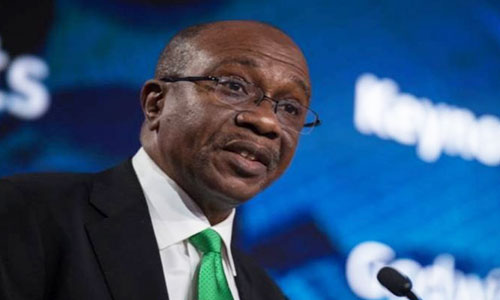
The Central Bank of Nigeria (CBN) has instructed deposit money banks (DMBs) to close all naira accounts of international money transfer operators (IMTOs).

The directive was contained in a circular released on Friday and jointly signed by Bello Hassan, CBN’s director of banking supervision; and Musa Jimoh, the bank’s director of payments system management.

“DMBs are to close all naira accounts for IMTOs. This is to ensure that diaspora remittances are received by beneficiaries in foreign currency only (cash and/or transfers to domiciliary accounts of recipients),” the circular read.

“DMBs are permitted to open new Opex accounts for the purpose of the IMTO operations, such as salary payments and other operating expenses excluding diaspora remittance receipts.

“DMBs must ensure that proper audit of IMTO accounts is done to forestall further use of naira accounts for diaspora remittances purposes.”

To deepen foreign exchange liquidity, the CBN had specified that beneficiaries of diaspora remittances through IMTOs would receive their proceeds in foreign currency (US dollar) through the bank of their choice.

Then, they have the option of receiving the funds in foreign currency cash (US Dollar) or deposited into their domiciliary account.

In a circular on Wednesday, the apex bank had cautioned IMTOs who continue to pay remittances in local currency (naira).

It added that violators could lose their operational licences if they persist in disobeying its directive

NNPC Appoints Gamawa EITI Implementation Programme Manager

  • Set to Deepen Compliance with EITI Standards

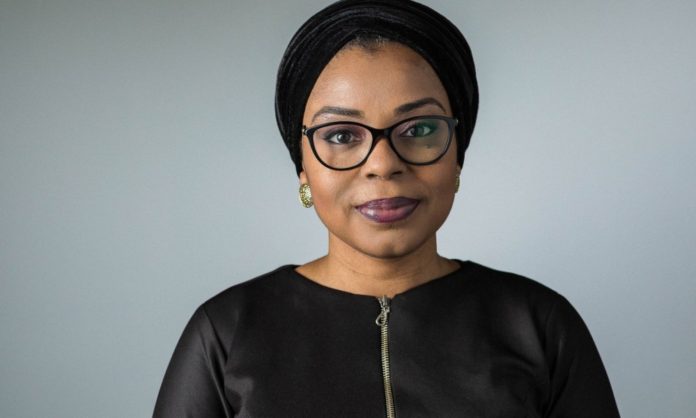
In a continued effort to deepen its compliance with the transparency standards dictated by the Extractive Industries Transparency Initiative (EITI) as a supporting company, the Nigerian National Petroleum Corporation (NNPC) has announced the appointment of Ms Murjanatu Ibrahim Gamawa as EITI Implementation Programme Manager to help drive speedy attainment of the EITI requirements across its operations.

A press release by the group General Manager, Group Public Affairs Division, Dr Kennie Obateru, stated that Ms Gamawa’s appointment, which will take effect from January 2021, was a practical step towards entrenching the culture of transparency in the Corporation.

Ms Gamawa, a petroleum geologist, was until her appointment, the EITI Country Manager in charge of coordinating the implementation of EITI standards across Anglophone Africa.

She also worked at the Nigeria Extractive Industries Transparency Initiative (NEITI) as a petroleum analyst and team lead of the Oil and Gas Team.

Gamawa’s wealth of experience across the Oil and Gas industry and in EITI mandate implementation is expected to boost the Corporation’s compliance strategy and roadmap.

Theleadnewsreport

Appalachian Coal Country: A Diary of the Peripatetic, By Osmund Agbo

The day started off slow which was not quite unusual for the work flow after a major American holiday. Since Thanksgiving was celebrated on a Thursday, the team had a restful three-day weekend and so it took a while getting everyone’s ‘mojo’ back that Monday morning.

Towards the later part of that day however, patients started filing in, one after another and somewhere around 11a.m, the office finally picked up full steam. Being my first day, the manager gave a working tour as well as made a good faith effort to explain the nuances of the patient population we served. “This is Eastern Kentucky”, she said, in a tone that came across as a subtle warning to be prepared for a surprise that she knew was sure to come. But having dusted multiple gigs across many states and with more than 10 years of medical practice under my belt, I didn’t feel the need for the later. Or so I thought! Soon after, Beverly, the medical assistant ushered me into this well-lit exam room and quickly followed with a brief introduction.

Perched precariously on the side of the couch was Mr. McCoy. His frail and scraggly presence stood in sharp contrast to the barely 29 years of his earthly habitation. Unkempt, disheveled and edentulous. A single molar protruding from the middle of his tobacco-stained gum bore testimony to the set of teeth that once populated that part of his anatomy. The air reeked of a body separated from soap and water for weeks-on-end.

Hello Mr. McCoy!

How are you doing today? I greeted, reaching out to him in a COVID-19-inspired elbow bump.

“Great. Thank you, doc,”, he answered (though he sounded more like ‘phankiya dac’).

His eyes darted around the room suspiciously but hardly made any contact with mine. Tyler I was told had been with the practice for five years. He started smoking before he turned 10 and even though was only in his late 20s, had already developed serious breathing issues. He also drank heavily and did cocktails of illicit drugs that he shopped across state lines. He had been in and out of incarceration, caught attempting to re-sell in the black market in order to finance his many other addictions.

Tyler was the only child of two young parents who met in high school. Following graduation, his dad got hired in the local coal mine and the two love birds decided soon after to tie the knots. Baby Tyler came a little over a year later, during which time both parents were already possessed by the demons of alcohol and drugs. By age six, he was orphaned and so was raised by his maternal grandparents.

At first, he told his story pretty detached as though it was about someone else but towards the end, I looked up to see tears dripping down both sides of his cheek. Tyler’s story apparently was not atypical in that part of the country. Drug abuse in Eastern Kentucky is so rampant to the extent that an entire generation of young people had been lost. These addicts leave their children to be catered for by old grandparents and sometimes even great-grandparents.https://googleads.g.doubleclick.net/pagead/ads?guci=2.2.0.0.2.2.0.0&client=ca-pub-1921891160475578&output=html&h=280&slotname=8290026788&adk=139935529&adf=1202403484&pi=t.ma~as.8290026788&w=678&fwrn=4&fwrnh=100&lmt=1608585827&rafmt=1&psa=1&format=678×280&url=https%3A%2F%2Fsundiatapost.com%2Fappalachian-coal-country-a-diary-of-the-peripatetic-by-osmund-agbo%2F&flash=0&fwr=0&fwrattr=true&rpe=1&resp_fmts=3&wgl=1&adsid=ChEIgKyB_wUQjfSF4bPAzc6dARI9AMwtUBDNkvg3j_NADZODVLLIbsPdNYR5uv2h7T79cIMSocAY5AtBPW2EE-f5x1bTV2BmRHkXsp7oxaf7rg&uach=WyJXaW5kb3dzIiwiMTAuMCIsIng4NiIsIiIsIjg3LjAuNDI4MC44OCIsW11d&tt_state=W3siaXNzdWVyT3JpZ2luIjoiaHR0cHM6Ly9hZHNlcnZpY2UuZ29vZ2xlLmNvbSIsInN0YXRlIjowfSx7Imlzc3Vlck9yaWdpbiI6Imh0dHBzOi8vYXR0ZXN0YXRpb24uYW5kcm9pZC5jb20iLCJzdGF0ZSI6MH1d&dt=1608585810166&bpp=53&bdt=5077&idt=5320&shv=r20201203&cbv=r20190131&ptt=9&saldr=aa&abxe=1&cookie=ID%3D165541476dfc769b-2255179f8ca600f4%3AT%3D1608308777%3ART%3D1608308777%3AR%3AS%3DALNI_Mbt4GgN2RhUgjnVOjU6rjHi0z6MxQ&prev_fmts=1080×280%2C678x280%2C678x280%2C678x280%2C0x0%2C326x250%2C678x280&nras=1&correlator=1966068907819&frm=20&pv=1&ga_vid=927262698.1601492507&ga_sid=1608585812&ga_hid=45924402&ga_fc=0&u_tz=60&u_his=1&u_java=0&u_h=768&u_w=1366&u_ah=728&u_aw=1366&u_cd=24&u_nplug=3&u_nmime=4&adx=160&ady=3296&biw=1349&bih=600&scr_x=0&scr_y=919&eid=42530671%2C21068768&oid=3&psts=AGkb-H85qJoMeHv8HNSag3dD5UY812C_JMDXEdjdAEODcFH2iA19bvzATaDoMToD6Zua%2CAGkb-H_Vr2JU_RMV3i-740oMrvB_8TUS8eUBA3u9DN7kp6373LtnlyZ1i4bfXQiEjtl58Q%2CAGkb-H9sPDchWjGLX9FKrmp0Npq5OUqjp0ovQJ0aclNOvazOGxgbaDGYNk-a7CYoUA-J6g&pvsid=439524206881804&pem=524&rx=0&eae=0&fc=896&brdim=0%2C0%2C0%2C0%2C1366%2C0%2C1366%2C728%2C1366%2C600&vis=1&rsz=%7C%7CoeEbr%7C&abl=CS&pfx=0&fu=8320&bc=31&ifi=6&uci=a!6&btvi=6&fsb=1&xpc=T5PmBelRIR&p=https%3A//sundiatapost.com&dtd=17502https://googleads.g.doubleclick.net/pagead/ads?guci=2.2.0.0.2.2.0.0&client=ca-pub-1921891160475578&output=html&h=406&slotname=9919714845&adk=3766324631&adf=1003948667&pi=t.ma~as.9919714845&w=678&cr_col=4&cr_row=2&fwrn=2&lmt=1608585895&rafmt=9&psa=1&format=678×406&url=https%3A%2F%2Fsundiatapost.com%2Fappalachian-coal-country-a-diary-of-the-peripatetic-by-osmund-agbo%2F&flash=0&crui=image_stacked&fwr=0&wgl=1&adsid=ChEIgKyB_wUQjfSF4bPAzc6dARI9AMwtUBDNkvg3j_NADZODVLLIbsPdNYR5uv2h7T79cIMSocAY5AtBPW2EE-f5x1bTV2BmRHkXsp7oxaf7rg&uach=WyJXaW5kb3dzIiwiMTAuMCIsIng4NiIsIiIsIjg3LjAuNDI4MC44OCIsW11d&tt_state=W3siaXNzdWVyT3JpZ2luIjoiaHR0cHM6Ly9hZHNlcnZpY2UuZ29vZ2xlLmNvbSIsInN0YXRlIjowfSx7Imlzc3Vlck9yaWdpbiI6Imh0dHBzOi8vYXR0ZXN0YXRpb24uYW5kcm9pZC5jb20iLCJzdGF0ZSI6MH1d&dt=1608585810219&bpp=11&bdt=5128&idt=5558&shv=r20201203&cbv=r20190131&ptt=9&saldr=aa&abxe=1&cookie=ID%3D165541476dfc769b-2255179f8ca600f4%3AT%3D1608308777%3ART%3D1608308777%3AR%3AS%3DALNI_Mbt4GgN2RhUgjnVOjU6rjHi0z6MxQ&prev_fmts=1080×280%2C678x280%2C678x280%2C678x280%2C0x0%2C326x250%2C678x280%2C678x280&nras=1&correlator=1966068907819&frm=20&pv=1&ga_vid=927262698.1601492507&ga_sid=1608585812&ga_hid=45924402&ga_fc=0&u_tz=60&u_his=1&u_java=0&u_h=768&u_w=1366&u_ah=728&u_aw=1366&u_cd=24&u_nplug=3&u_nmime=4&adx=160&ady=3304&biw=1349&bih=600&scr_x=0&scr_y=913&eid=42530671%2C21068768&oid=3&psts=AGkb-H85qJoMeHv8HNSag3dD5UY812C_JMDXEdjdAEODcFH2iA19bvzATaDoMToD6Zua%2CAGkb-H_Vr2JU_RMV3i-740oMrvB_8TUS8eUBA3u9DN7kp6373LtnlyZ1i4bfXQiEjtl58Q%2CAGkb-H9sPDchWjGLX9FKrmp0Npq5OUqjp0ovQJ0aclNOvazOGxgbaDGYNk-a7CYoUA-J6g&pvsid=439524206881804&pem=524&rx=0&eae=0&fc=896&brdim=0%2C0%2C0%2C0%2C1366%2C0%2C1366%2C728%2C1366%2C600&vis=1&rsz=%7C%7CoeEbr%7C&abl=CS&pfx=0&fu=8320&bc=31&ifi=7&uci=a!7&btvi=7&fsb=1&xpc=en8J9rO4sL&p=https%3A//sundiatapost.com&dtd=84998

In the heydays of the coal boom, Eastern Kentucky ate and breathed coal. The local economy was wholly dependent on that one commodity and one would see generations of one family working in same coal mine. Dozens of companies also operated in the area years after years but today, only a handful of them could be seen.https://googleads.g.doubleclick.net/pagead/ads?guci=2.2.0.0.2.2.0.0&client=ca-pub-1921891160475578&output=html&h=280&slotname=8290026788&adk=139935529&adf=1881830054&pi=t.ma~as.8290026788&w=678&fwrn=4&fwrnh=100&lmt=1608585895&rafmt=1&psa=1&format=678×280&url=https%3A%2F%2Fsundiatapost.com%2Fappalachian-coal-country-a-diary-of-the-peripatetic-by-osmund-agbo%2F&flash=0&fwr=0&fwrattr=true&rpe=1&resp_fmts=3&wgl=1&adsid=ChEIgKyB_wUQjfSF4bPAzc6dARI9AMwtUBDNkvg3j_NADZODVLLIbsPdNYR5uv2h7T79cIMSocAY5AtBPW2EE-f5x1bTV2BmRHkXsp7oxaf7rg&uach=WyJXaW5kb3dzIiwiMTAuMCIsIng4NiIsIiIsIjg3LjAuNDI4MC44OCIsW11d&tt_state=W3siaXNzdWVyT3JpZ2luIjoiaHR0cHM6Ly9hZHNlcnZpY2UuZ29vZ2xlLmNvbSIsInN0YXRlIjowfSx7Imlzc3Vlck9yaWdpbiI6Imh0dHBzOi8vYXR0ZXN0YXRpb24uYW5kcm9pZC5jb20iLCJzdGF0ZSI6MH1d&dt=1608585810230&bpp=6&bdt=5138&idt=6152&shv=r20201203&cbv=r20190131&ptt=9&saldr=aa&abxe=1&cookie=ID%3D165541476dfc769b-2255179f8ca600f4%3AT%3D1608308777%3ART%3D1608308777%3AR%3AS%3DALNI_Mbt4GgN2RhUgjnVOjU6rjHi0z6MxQ&prev_fmts=1080×280%2C678x280%2C678x280%2C678x280%2C0x0%2C326x250%2C678x280%2C678x280%2C678x406&nras=1&correlator=1966068907819&frm=20&pv=1&ga_vid=927262698.1601492507&ga_sid=1608585812&ga_hid=45924402&ga_fc=0&u_tz=60&u_his=1&u_java=0&u_h=768&u_w=1366&u_ah=728&u_aw=1366&u_cd=24&u_nplug=3&u_nmime=4&adx=160&ady=3420&biw=1349&bih=600&scr_x=0&scr_y=1300&eid=42530671%2C21068768&oid=3&psts=AGkb-H85qJoMeHv8HNSag3dD5UY812C_JMDXEdjdAEODcFH2iA19bvzATaDoMToD6Zua%2CAGkb-H_Vr2JU_RMV3i-740oMrvB_8TUS8eUBA3u9DN7kp6373LtnlyZ1i4bfXQiEjtl58Q%2CAGkb-H9sPDchWjGLX9FKrmp0Npq5OUqjp0ovQJ0aclNOvazOGxgbaDGYNk-a7CYoUA-J6g&pvsid=439524206881804&pem=524&rx=0&eae=0&fc=896&brdim=0%2C0%2C0%2C0%2C1366%2C0%2C1366%2C728%2C1366%2C600&vis=1&rsz=%7C%7CoeEbr%7C&abl=CS&pfx=0&fu=8320&bc=31&ifi=8&uci=a!8&btvi=8&fsb=1&xpc=zHXSxZ5irZ&p=https%3A//sundiatapost.com&dtd=85728

Between 2005 and 2015, US coal production fell precipitously and Eastern Kentucky alone had since lost about 13,000 mining jobs. Consequently, unemployment rate in the area rose to between 9-12 percent. Majority of energy analyst believe this to be due to the triple effect of; competition from the cheaper and cleaner natural gas made more available by fracking technology, Growth in wind and solar energy and tougher environmental regulations that obtains today in the United States.

Poverty in Eastern Kentucky has become so crippling and pervasive that a good chunk of the population is totally dependent on government assistance for survival. According to US Census Bureau 2008 through 2012 Survey, the town’s poverty rate was 44% above the national average with a household income of $12,361 per year compared to the national average of $53,915 at the time. More than one-third of teenagers drop out of high school and just 5% of the residents possess a university degree. Per certain report, five of the ten poorest counties in America run in a line through the area that include Lee county whose capital city is Beattyville.

The Eastern Kentucky story is emblematic of the boom and burst history of monolithic economies. It is also a microcosm of the present-day economic realities of Nigeria, a country millions of miles away from the Appalachian Mountains but whose faith is no different.

Following the discovery of crude oil in 1956, Africa ‘s most populous nation got intoxicated with the new found wealth. The leaders were so blinded that they failed to see the need for diversification and became wholly dependent on oil. A once promising agrarian economy became obsessed with the Petro-dollar to the detriment of non-oil sectors. Investment were barely made in the areas of critical infrastructure or human capital development. The country went on a spending spree and invited the world to celebrate with her in a cultural jamboree called FESTAC “77. In fact, the then military leader boasted that Nigeria’s problem was not money but how to spend it.

Today, with the precipitous fall in oil price, a once vibrant Africa’s largest economy is on a free fall. In the third quarter of 2020, the nation slid into its second recession in four years and Nigeria has become such a basket case that has to borrow, just to meet some basic financial responsibilities.

Between January and June 2020, a total of N1.21 trillion was spent in servicing the national debt which as at June 2020 stood at a whopping N31. 01 trillion ($85.9 billion), according to the debt management office (DMO). This number will likely get worse. If only Nigeria had in the very least taken agriculture seriously, maybe today we wouldn’t have a need to import ship loads of basic essentials into the country.

In the case of Eastern Kentucky, if only she had diversified her local economy and was less depended on coal. If the local leadership had emphasized on higher education that produced a more skilled work force. I doubt any of those measure could have stopped the hemorrhaging from loss of coal jobs but at least may have provided the skill set needed to make a transition to a different kind of opportunity.

As I made the two-hour drive from Hazard to Lexington, my mind was cast on the breathtaking beauty of Eastern Kentucky. The scenic rolling hills covered in thick shrubs. I was mesmerized by the picturesque landscape peppered with tiny houses and trailer packs. Every few miles you would spot a hillbilly with overgrown beard driving up hill in a rundown pickup truck. This is a place rich in music heritage and in the years gone by boasted of a large number of nationally acclaimed country music superstars, from Bill Ray Cyrus to the Judds and Loretta Lyn. But that’s all that is left of the glory of the Coal country. Sadly, here in the homeland is also where America lost the war on Poverty and Drugs.

•Dr. Agbo, a public sffairs analyst is the coordinator of African Centre for Transparency and Convener of Save Nigeria Project. Email: [email protected]

sundiatapost

COVID-19 second wave: Churches should be shut if necessary, says Ituah Ighodalo

Ituah Ighodalo, senior pastor of Trinity House Church, says the government should not hesitate to shut down churches during the second wave of COVID-19 infections if there is a need to.

Ighodalo said this when he featured on Arise TV “Morning Show”, on Monday.

As part of measures to reduce the spread of COVID-19, schools, churches, recreational centres and other public places were shut down in March after the country confirmed its first infection but they were later reopened.

But owing to the second wave of infections, some states including Lagos, Kaduna and Benue have put new measures in place to reduce the risks of transmission.

Asked if the government should shut down churches again, Ighodalo replied that if church gatherings would cause a rise in infections, then they should be closed.

“If we need to. There is nothing sacrosanct about a religious house; a religious house is a gathering of people wanting to worship God,” Ighodalo said.

“If that gathering and that intimacy in the gathering will lead to the spread of germs or disease, God, because you want to worship Him, would not say that the physical things that you need to do should not be done.

“So, if we need to shut down the churches, why not? Churches were shut down several months ago. We didn’t die, we survived. The churches learnt to go online, on Zoom. Christianity benefited from it because we now began to use more technology to offer our evangelism and our worship of God and we quite enjoyed it.

“The Zoom meetings are not as intimate but we have managed to reduce things to house fellowships and life must go on.”

The cleric, however, disagreed with the notion that worship centres are part of public places that have led to the rise in COVID-19 infections in the country.

Ighodalo said though a few churches might have violated measures put in place to curb the disease, he noted that most of them have tried to follow laid down protocol.

“To speak to the issue as to whether churches are the ones who have not allowed COVID-19 cases to go down or who are the ones going against COVID-19 protocols, I regret to say I don’t quite agree,” he said.

“I think the government has bigger fishes to fry –If you go to any of the markets, any of the bus stops, any of the busy places, people don’t even wear masks. So, those gatherings of people are much more than the gathering in any church from time to time.

“In fairness to most churches, they have tried, a few no doubt have flouted the rules here and there but most of them have tried to keep to the COVID-19 protocols. So, it is not fair to say that it is the big churches that are flouting COVID guidelines.”

He also asked churches not to feel singled out as whatever decision the government takes to prevent the spread of the disease is not a form of persecution against them.

“No church should feel the government is against them. No, we are a social gathering. The same government is against night clubs, event centres and so on. It is nothing personal and I don’t take it personally. I think we are in a moment of crisis and if the churches need to pay some price and go through some situations, let’s do it,” he said.

thecable

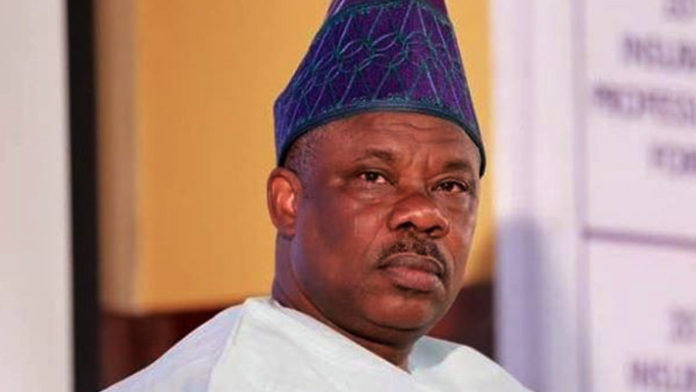
EXCLUSIVE: Bank documents expose how notorious gunrunner Ibikunle Amosun withdrew N7.2 billion in cash from Ogun State treasury

Mr. Amosun frittered away vast public resources while in office — buoyed by the same confidence in weak institutions that allowed him to get away with brazen arms smuggling.

disregarded decency and caution in handling public safety and finance throughout his eight-year stint as Ogun State governor.

Shortly after he left office as governor in May 2019, Mr. Amosun was exposed as a gunrunner in a series of articles by Premium Times. Over a year and a half later, he has not been brought to justice. Instead, he has remained a close ally of President Muhammadu Buhari, a relationship that has continued to shield him from being brought to book for complicating Nigeria’s perennial insecurity.

No sooner after he assumed office in May 2011 than the Gateway State descended into chaos. Armed robbery, abduction-for-ransom, cultism and political assassinations became rampant across the state.

But as residents were reeling from the disarray which they blamed on the governor’s “ineptitude,” Mr. Amosun was busy inflicting a generational assault on the state’s treasury, according to state financial records reviewed by Peoples Gazette.

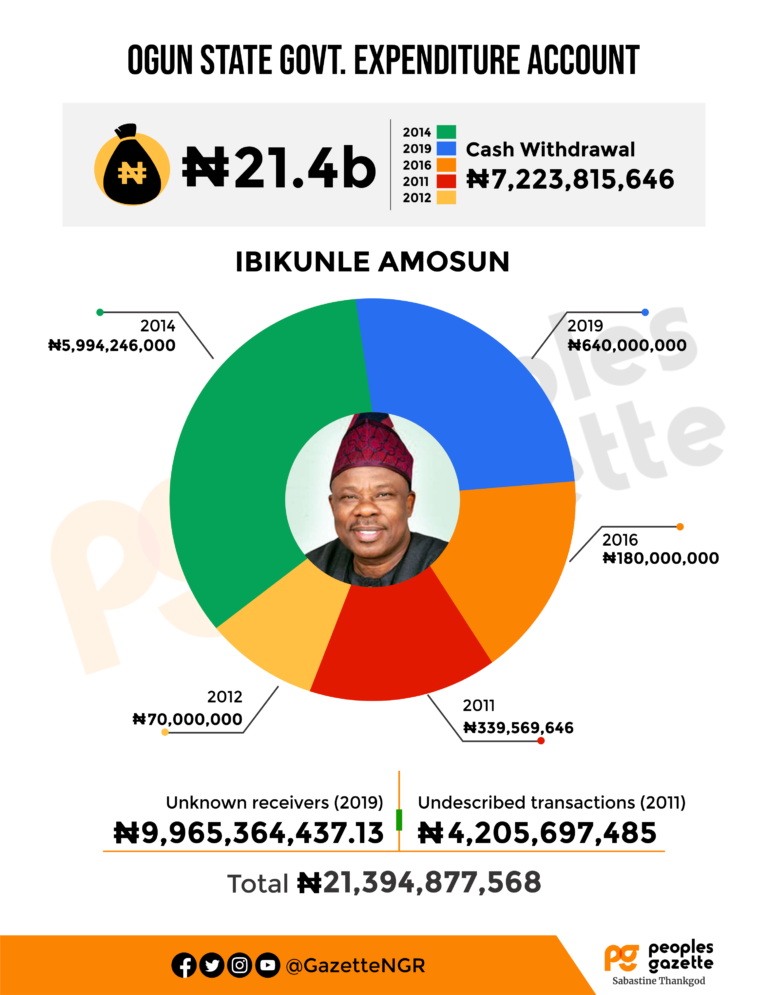
The records showed that Mr. Amosun withdrew N900 million in 90 transactions at N10 million each on September 26, 2014.

On September 29, 2014, alone, Mr. Amosun collected N1.2 billion in 120 cash transactions at N10 million each from the state treasury.

The next day on September 30, 2014, Mr. Amosun again withdrew N600 million in cash over 60 transactions at N10 million each.

The transactions were pulled from Ogun State Government Expenditure Account by Taiwo Adeoluwa, Mr. Amosun’s cabinet secretary throughout his two-term tenure. In some other cases, the transactions were carried out on Mr. Amosun’s behalf by Olusegun Olaleye, then permanent secretary of the state’s finance ministry.

Mr. Amosun rejected multiple requests seeking comments from the Gazette about the transactions, but they came around the presidential primaries of the then-opposition All Progressives Congress.

Mr. Amosun supported then-candidate Muhammadu Buhari at the primaries and he has long been seen as one of those who provided a financial buffer for the Nigerian president. Nigerian politicians are generally known to bribe their way through primaries — using cash inducement to amass just enough number of delegates.

Cash and guns

Mr. Amosun’s questionable cash withdrawals appeared to have begun immediately after he assumed office in 2011 when Mr. Adeoluwa started drawing N10 million in cash transactions from the state’s bankers.

Although bank documents reviewed by the Gazette showed Mr. Amosun withdrew over N4.2 billion from Ogun State, only a fraction of that amount (N70 million) was identifiable as cash withdrawal. More than N4.1 billion bank withdrawals could not be traced because their descriptions were retroactively wiped out, an unethical and potentially criminal practice that has been common amongst Nigerian treasury looters and their collaborators in the banking sector.

The Gazette identified 716 transactions amounting to N7.22 billion that were drawn in cash public treasury by Mr. Amosun in 2011, 2012, 2014, 2016 and 2019. Over N14 billion in bank withdrawals could not be traced to specific descriptions in 2011 and 2019.

Our review did not cover transactions for 2013, 2015, 2017 and 2018 due to opaque financial records available for those years.

Mr. Amosun failed to clarify the transactions when confronted with the bank documents by the Gazette, apparently confident that anti-graft officials and other relevant law enforcement bodies would be too timid to go after him due to his friendship with the president.

Since he was exposed for smuggling arms into Nigeria in mid-2019, security agencies have been reluctant to hold Mr. Amosun to account. The Nigerian Senate also failed to investigate or sanction him for moving over 1,000 AK-47 rifles into Nigeria without permission.

On December 2, the Gazette exposed how Mr. Amosun transferred N12.5 million to Mr. Buhari for unknown reasons. The presidency in a statement denied our report, saying the funds were destined for a project which Mr. Amosun carried out for Ogun State but in the president’s name.

A spokesman for the EFCC did not return a request seeking comments about how Mr. Amosun squandered state funds between 2011 and 2019.

An anti-corruption campaigner Arisekola Bakare told the Gazette that Mr. Amosun has not been held to account for his mismanagement of Ogun State funds because he was succeeded by a man who was his long-time business associate.

“It is true that Governor Dapo Abiodun and Senator Amosun are now political enemies,” Mr. Bakare said from Sagamu. “But they were once friends and Abiodun received billions worth of public contracts when Amosun was governor.”

“Amosun is being protected at the federal level by President Buhari,” Mr. Bakare said. “While at the state level he is being protected by Governor Abiodun who is afraid of opening a can of worms that could expose both of them as fraudulent politicians.”

Download bank documents reflecting Mr. Amosun’s suspicious cash withdrawals in 2011201220142016 and 2019.

Peoplesgazatte

Nigerian Government Should Remove Arabic Language From Naira Notes — Agbakoba, SAN

A former President of the Nigerian Bar Association (NBA), Olisa Agbakoba, has urged the Nigerian government to remove the Arabic language on the Nigerian naira notes.

Agbakoba wondered why Arabic inscription is on the naira when Nigeria is not an Islamic state.

The Senior Advocate of Nigeria asked the government to replace it with the country’s indigenous languages.

He said, “I don’t think Arabic should be on the naira. We are not an Arabic country. I don’t know why that sign should be there.

“I asked similar questions when I was a member of the National Judicial Council when the question about the understanding of the Sharia Law came up, and I opposed the then CJN, Aloma Mukhtar that I didn’t see how it should be a requirement for judges of Islamic origin to understand Arabic. I’m a Roman Catholic, does it mean that a Catholic judge must speak Latin? I think these are the sort of things we need to get rid of for a united, independent nation. We are not an Arabic nation.

“So, it will be nice to get rid of all the Arabic inscriptions and symbols, or are we trying to say we are Arabic? I don’t get the point. If it were Hausa or Igbo or Yoruba language, it makes more sense, but Arabic is not part of our language. We should replace it with our language.”

Speaking further, Agbakoba said although the country’s electoral processes are not perfect, marked improvements have been recorded in a series of recent elections conducted by Independent National Electoral Commission (INEC).

“It’s a long journey. To strengthen the democratic process, many things are required. The first thing would be to strengthen the constitution. In fairness, since the last 20 years, the process has improved particularly under Attahiru Jega and Mahmood Yakubu, but I still need to see a substantial amendment to the electoral process.

“INEC is doing far too many things, that is why it has not been very competent. It is the biggest printer of papers in Nigeria, but that should not be the job of INEC. The job of INEC is like the referee in a football match. So, we need to interrogate its roles and ask whether it can do the multiple roles it is doing, and if not, what can we remove from it to make them more efficient? I think the duty of INEC should be to go and count the votes on the election day.

“The second thing is for it to be independent. We have not seen INEC be independent with the way it defends cases in court. INEC should not be defending cases in court. If both of us are contesting a senatorial seat, if I lose and I go to court, the role of INEC is to bring all the papers it used in conducting the election. INEC should not be filing any papers as a defence.

“When we sat in the Mohammed Uwais panel on Electoral Reform, we said INEC’s position must be neutral. If anybody questions INEC’s work in respect of vote counting, let the court decide it, not INEC. During the Buhari – Atiku case, INEC came and vigorously defended the elections. That’s not for INEC to do. It means it’s not neutral. Let the court listen to all, ask INEC to bring the papers and then decide,” he said.

thenigerialawyer

BREAKING: NIN: NIMC Shutdown Office In Lagos, Cites COVID-19

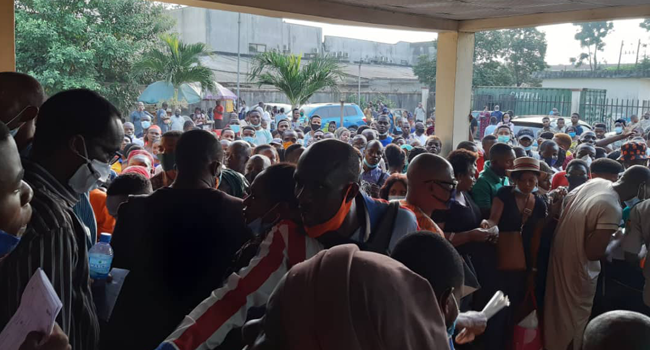
The National Identity Management Commission (NIMC) has shut down its office in the Alausa area of Lagos State due to the coronavirus (COVID-19) pandemic.

It was gathered that NIMC shut down its system and asked people to return to their respective destinations.

It would be recalled that the Federal Government recently gave Nigerians two-week ultimatum for the registration and linking of National Identity Number (NIN) to mobile numbers, otherwise risk their SIM cards being blocked.

Thepleadge

From Dapchi to Kankara: “Slap” on Buhari’s face, By Ehichioya Ezomon

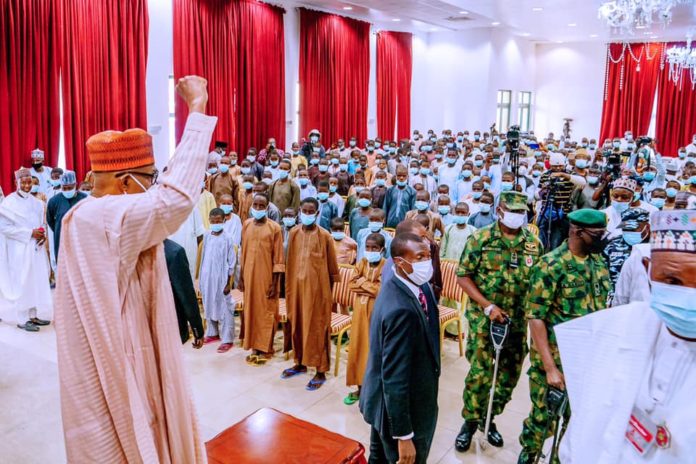
The title of a Shakespeare play, “All’s well that ends well,” aptly captures the sigh of relief that trails the December 17, 2020, safe return of 340 students of the Government Science Secondary School (GSSS), Kankara, Katsina State, North-West of Nigeria.

Yes, “sigh of relief,” and not “excitement” that would normally pervade the families of the “lucky” schoolboys and official circles, because gaining freedom for the boys is government’s responsibility in its duty to “protect life and property” of the citizens.
Had the government failed in that regard, it would’ve become “one abduction too many” and official dereliction of duty, for allowing the harrowing incident to happen in the first place.
So, President Muhammadu Buhari, and his government, deserves a pat on the back for not allowing “body language” to define his presidency, but demonstrating commitment to his sacred oath.
Recall that a week earlier, armed bandits, which Boko Haram claimed were its foot-soldiers, seized the schoolboys from their boarding facilities at 11:30 p.m., and ferried them into the wild.
It’s the second widely-publicised seizure of schoolchildren in two years on Buhari’s watch that rode to power in 2015, on the promise to rescue the 276 students of the Government Girls’ Secondary School (GGSS) in Chibok, Borno State, abducted in April 2014.
That abduction gave birth to #BringBackOurGirls movement, and partly aborted the Peoples Democratic Party (PDP) government of President Goodluck Jonathan that, in denial, took it weeks to acknowledge the tragedy, and failed to rescue the schoolgirls.
Then retired Gen. Buhari-led opposition All Progressives Congress (APC) took advantage of that failure, and campaigned to free the schoolgirls if voted into power in the 2015 general election.
Indeed, the new government formed by Buhari regained over 100 of the schoolgirls, leaving scores still in captivity. But the government had its litmus test in 2018 when Boko Haram abducted 110 students of the GGSS in Dapchi, Yobe State, with 104 returned, five died in transit, and one student, Leah Sharibu, still being held.
The worry in the Kankara schoolboys’ abduction is the ease of the armed bandits’ operation, and escape on motorbikes barely hours after Buhari’s arrival in his hometown of Daura in the state.
The Sultan of Sokoto, Alhaji Muhammad Sa’ad Abubakar III, on the heels of the Zabarmari farmers’ massacre in Borno State in November 2020, summed up the bandits’ audacious adventure in Kankara as “a slap on President Buhari’s face.”
That categorisation is euphemistic, as the schoolboys’ abduction strikes at the ability and capability of the Buhari government to perform the most basic of its duties: To protect life and property.
If the schoolboys – whose dishevelled appearances, while being conveyed from the captors’ den, brought tears to the eye – could be snatched at will, and “under President Buhari’s nose,” who’s free from the bandits and criminal elements roaming the country?
Sa’ad Abubakar, head of the Jama’atu Nasril Islam (JNI), is the one asking the questions most Nigerians have sought answers to, as religious, tribal and commercial armed bandits occupy Nigeria.
The posers, in a statement by the JNI Secretary-General, Dr. Khalid Abubakar Aliyu, which noted lapses in Nigeria’s security system that need urgent and serious attention, include the following:
* How can one explain the movement of the bandits in their hundreds on motor cycles without being detected? * What happens to intelligence gathering that this heinous plan was not uncovered before it was hatched?
* How comes the bandits took their time, gathered the schoolboys, heaped them on bikes and whisked them away without being rounded up by the security agencies?
* Are the bandits this bold as to further test the resolve of the Government or smite the face of the Commander-in-Chief by bringing it up to his door step in his presence?
* How long shall the masses continue to live in fear? * For how long shall the Federal and State Governments continue to issue empty condemnations whenever tragedies stroke?
* Is the government and the security agencies so overwhelmed and thus cannot secure the citizens? * Are there insurmountable challenges or acts of sabotage that the Government is hiding from the public?
* Is it that the political will isn’t there to locate the enemy’s actual enclave, the focal point of their strength and to devote all available means to rout them out or incapacitate them? * What really is the challenge or Nigerians don’t deserve to know from the government they elected?
Sa’ad Abubakar’s “treatise” also touched on the implications of the abduction of schoolchildren, which’s to disrupt and/or stop Western education – the focal preachment of Boko Haram’s insurgency – that the abductors repeated on the fateful day.
The Sultan’s words: “If there is any worse outcome than the abduction itself, it is the fact that this is the most potent action to frustrate school enrolment in Northern Nigeria.
“As no parent will forthwith be comfortable to send their children or wards to boarding school despite the many enrolment campaign efforts by the Government.
“And it will even be callous for anyone to call on the traumatised parents to expose their beloved children to these unprotected environments to be used as fodder by bandits and insurgents at will.”
Another worry: The abductors reportedly asked the schoolboys, “Where are the girls?” Believing it’s an all-female school or a co-educational institution, their mission was to snatch the females for sex slaves, forced marriage or be deployed as suicide bombers.
The Sultan referenced swirling “insinuations that for pecuniary benefits, some top echelon among the security operatives don’t want the insecurity to end.”
He urged President Buhari to “listen to the calls from Nigerians to revamp the security architecture and address the nation,” and thus rest speculations of security involvement in crime and criminality.
Referring to the abductions of schoolgirls in Chibok and Dapchi in Borno and Yobe, the Sultan said the Kankara schoolboys saga “is an indicator that the powers that be don’t read the present through the spectacle of the past.”
Sultan Sa’ad Abubakar III has said it all: These times don’t call for circumlocution, equivocation or dancing about the subject of insecurity nationwide. It’s time to call a spade by its name.
The Buhari government hasn’t significantly improved beyond its initial routing of the Boko Haram terrorists from their occupied local government areas in the North-East in 2015/2016.
Despite official pontificating of “degrading” the insurgents, Boko Haram has merely splintered, but remains deadly, and penetrates the North-West under the cover of armed banditry.
It’s time the Buhari administration did the right things: Rijig the security system. Devolve policing to States. Take security breaches serious, as it did in the Kankara abduction. Accept criticisms. Timely explain security happenings, to avoid speculations and spread of “fake news,” as hallmarked by #EndSARS protests. Strengthen the “Safe School Initiatives” with intelligence gathering.
The government shouldn’t forget how it came to power: To protect life and property, which the Jonathan government failed to uphold in the seizure of 276 students of the GGSS in Chibok in April 2014.
Thus, the PDP lacks the locus to incessantly call for Buhari’s resignation on grounds of “cluelessness and incompetence” of his administration – the exact charge, which the PDP exhibited in its 16-year reign that caused it the governance of the country it had boasted it would control for at least unbroken 60 years.

▪︎Mr Ehichioya Ezomon writes from Lagos (+2348033078357)

Human rights lawyer, expectant wife, slaughtered by suspected herdsmen

▪︎Benue under my watch will not succumb to terrorists, Ortom warns

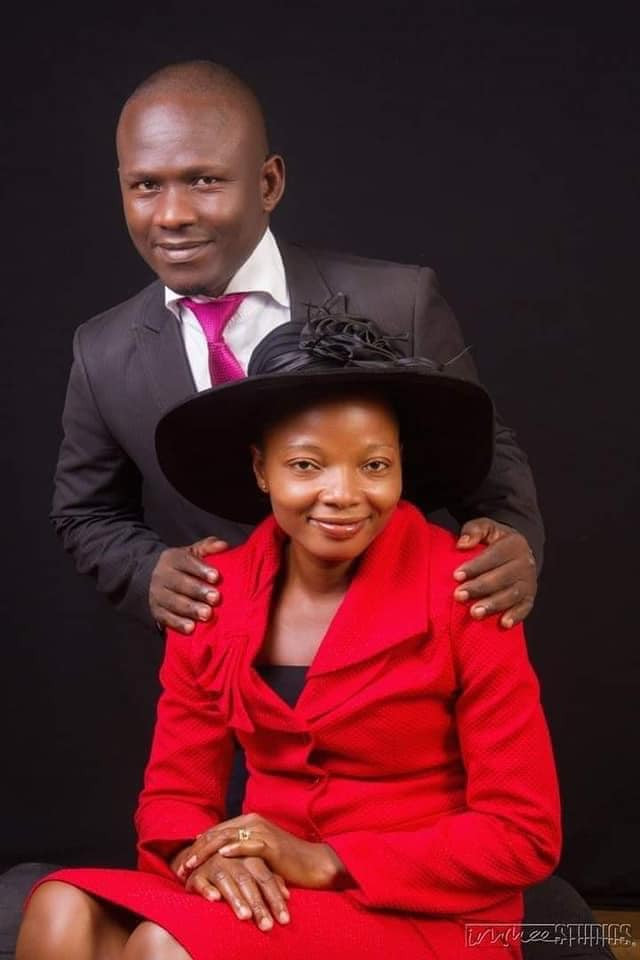
A human rights activist and lawyer, Moses Udam and his pregnant wife have been brutally murdered by suspected Fulani herdsmen in Agboughul community, Benue State.

Udam and his wife, Nkechi, were slaughtered on Tuesday night, at their residence in the middle of the night while asleep by the suspected herdsmen who attacked their community.

Another person identified as elder Nyikyor Mazugu, was also murdered, and three other people are currently receiving treatment for severe injuries sustained as a result of the attack.

Reacting to the gruesome attack, the Benue State Governor, Samuel Ortom, warned that Benue State under his watch would not succumb to attacks by ”terrorists, whose sole target is occupation of the state and destruction of lives and property.”

The Governor, who gave the warning on Wednesday while addressing journalists when he visited the scene of the herders’ attack, stated that “the pattern of the attacks and killings was unfortunate and bore the handwriting of mindless jihadists who had set out to overrun the state.”

“These terrorist herdsmen, who most of them are not Nigerians, found their way into Nigeria and are killing people.

“This will not be allowed under my watch. We will continue to work with security people and ensure we stop this.

“Because livestock agro-ranger are doing well these herdsmen have decided to target them. This is not right,” Ortom said.

The Governor further asked the Federal Government to step up plans and strategies, to stamp out terrorism and armed herdsmen who have been terrorising Benue State since 2009. (PSN)

She Livestreamed the Shooting of Peaceful Protesters in Lagos. Now in Exile, DJ Switch Is Still Fighting for the Future of Nigeria

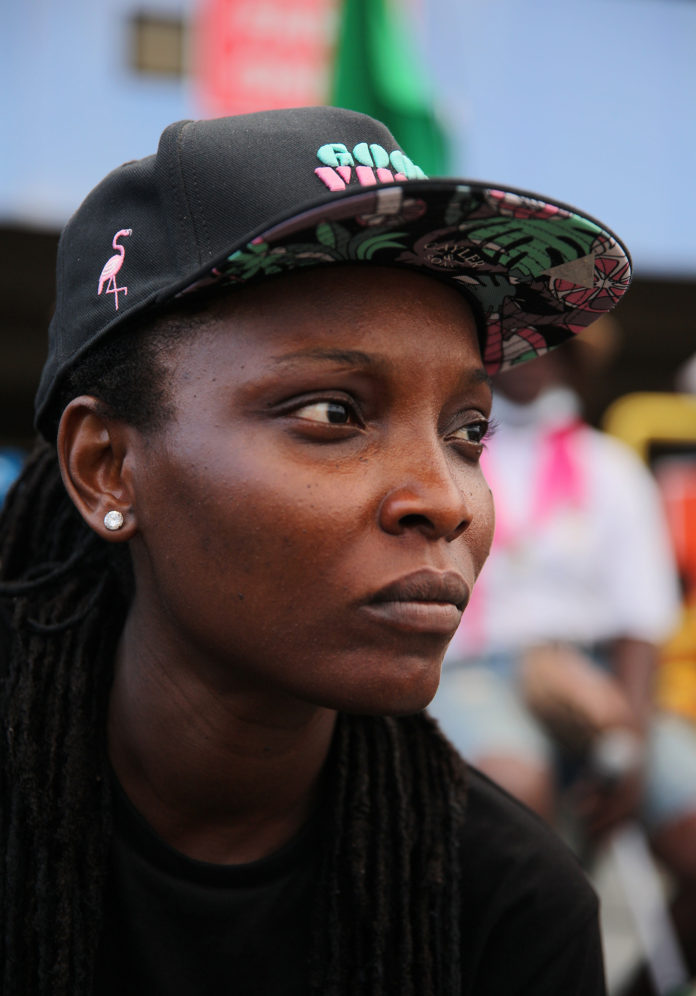
LAGOS, NIGERIA - OCTOBER 20: Obianuju Catherine Udeh, professionally known as DJ Switch, attends a protest against brutality at the Lekki toll gate on October 20, 2020 in Lagos, Nigeria. The Nigerian government had imposed a 24-hour curfew to tamp down on sustained protests against the now-defunct Special Anti-Robbery Squad (SARS), a police division accused of abuse, extortion and extra-judicial killings. Witnesses said security forces later opened fire to disperse the crowd, killing several people. (Photo by Adetona Omokanye/Getty Images)

DJ Switch attends a protest against brutality at the Lekki toll gate on Oct. 20, 2020. Witnesses said security forces later opened fire to disperse the crowd, killing several people.

Obianuju Catherine Udeh, better known as DJ Switch, doesn’t think of herself as social media savvy. “The people that follow me know this, sometimes I’ll post a picture and forget to post another thing for several days,” says the 36-year-old Nigerian musician. But just under two months ago, it was her livestream on social media that changed her life—and that of many Nigerians.

At the time, Nigeria had been in the news for nearly two weeks as anti-police brutality protests swept the country. The leaderless #endSARS movement led to thousands taking to the streets of Lagos, Abuja and Ogbomosho, calling for an end to the SARS police unit. As the movement gathered force, DJ Switch, a Lagos resident, shared more social media posts encouraging her followers—she has more than 900,000 on Instagram and more than 220,000 on Twitter—to march in the streets in peaceful protests. “I remember taking a picture on one of the days to say to my fans: if you have the opportunity to come out, do it, if you can’t, just do it online, but whatever you do, you must speak up, because this affects all of us.”

On the evening of Oct. 20, things took a drastic turn. As she was peacefully protesting with others at the Lekki toll gate in a Lagos suburb, shots rang out over the crowd. She recalls seeing soldiers followed by policemen arriving and opening fire. As she crouched down to take cover and felt a bullet shell fall next to her, she instinctively pulled out her phone and started livestreaming the unfolding events on Instagram. “At that moment, I believed we would all die,” she says. “I thought, let me put this online, let people see what’s happening, and let them see where we died.”

With a group of protesters, DJ Switch ran from the scene to escape the tear gas fired on the crowd, gathering bullet shells on the way as evidence of what had happened. In the rush to leave the scene, she sustained facial injuries, but says “it’s nothing compared to the people who actually gave their lives for us.” She and fellow protesters found refuge in a nearby hospital and then a church, waiting until dawn broke.

An Amnesty International investigation later confirmed that the Nigerian army and police killed at least 12 peaceful protesters on Oct. 20 at two locations in Lagos. DJ Switch says to her knowledge, up to 15 people were killed at the Lekki shooting alone. (Nigerian authorities have denied that the army shot at protesters). The rights group has also said that at least 56 people died across the country since protests began, with security forces using excessive force in multiple cases in an attempt to control or stop the protests.

It wasn’t until DJ Switch plugged in her phone on Oct. 21 to recharge it that she realized her livestream of the violence had gone viral and been watched by 150,000 people. In the days that followed, she wanted to go back out and join the protests, but her management advised her not to do so because of safety concerns. As the days went by, DJ Switch found the continued denials from the government and the military of their involvement in the shootings “heartbreaking and demoralizing.” She then recorded a second video on Oct. 23, posted to her Instagram page, where she recounted her experience of the shootings and showed fragments of the shells that she had picked up. “There began my troubles, and me having to be where I am today,” she says.

The weeks since have been tumultuous for DJ Switch, who has left Nigeria for fears of her safety and is currently traveling between undisclosed locations. “It’s a rollercoaster ride, but I believe it’s worth it,” she says. She hasn’t been sleeping properly and has been living out of a backpack, switching between four t-shirts. Despite the uncertainty, she’s determined to uphold the truth about what happened at Lekki that night. “I know that I want to make sure that I do everything I can to get justice for those people, and it’s beyond justice now. I’m looking at a full on reform if it’s the last thing I do.”

Reform is what the #endSARS movement has been calling for since its inception in 2017, when a hashtag on social media started trending calling for the disbandment of the Special Anti-Robbery Squad police unit. Formed in the early 1990s, the mostly-plain-clothed unit was originally created to tackle an increase in armed robbery and violent crime, although in the 2000s, abuses of power became more commonplace, often targeting young men. Amnesty International reported at least 82 cases of torture, ill-treatment and extra-judicial execution between January 2017 and May 2020. Although the Nigerian government has repeatedly promised to reform the unit, citizens and rights groups say no meaningful change has happened, and officers still act with impunity. During the last wave of demonstrations, protesters called for five core demands to be met, including justice for victims and families affected by police brutality, as well as psychological evaluation and retraining for all SARS officers before they are redeployed to other units.

DJ Switch, who was born in Nigeria’s Delta State and has lived in Lagos for the last seven years, says she witnessed firsthand the brutality perpetrated by SARS officers. “I didn’t need convincing,” she says of her decision to join the protests in early October. “I could not pass up the opportunity to also put my voice out there.”

While celebrities around the world amplified the message of the protests, DJ Switch was among the most well-known figures to join the protests in Nigeria. In 2009, she was part of a group that won a reality music competition, and in 2013, she was the inaugural winner of another talent competition, the Glo X-Factor, as a solo act. Earlier this year, she received renewed attention from a musical appearance on Big Brother Naija, a Nigerian reality television series, based on the Big Brother television franchise. “I never thought anybody would appreciate the way I played, but because of the way that Nigerians lifted me up, a lot of opportunities were coming my way, and doors were opening,” she says, reflecting on the positive reception to her Big Brother Naija appearance. “I don’t know where these things stand now. Everything I worked for in my career and have been trying to build just caught fire.”

DJ Switch says she tends to say what’s on her mind. “I already know that even if I have to die in poverty, I will never speak a lie about something I witnessed,” she says. “I’ve always hated injustice, I’m naturally stubborn.” But her second video detailing her experience appeared to incur the wrath of the Nigerian government, who have consistently denied that they ordered the shootings at Lekki. DJ Switch says she and her management received “credible information” that the Nigerian security agencies were monitoring her, and that there were potentially threats to her safety. She also says that an official in the government of President Muhammudu Buhari phoned her manager and was “spitting fire and brimstone” after she shared her video. Together with her management, she took the decision to flee the country. Other protesters have also been targeted too; in early November, a high court judge ordered Nigeria’s central bank to freeze the accounts of 20 people linked with the protests. Immigration officials also blocked one activist from leaving the country, and temporarily confiscated the passport of a lawyer who was helping activists, preventing her from traveling too.

Despite no longer being in Nigeria, DJ Switch is still speaking out. In early November, she spoke via video to the Canadian Parliament about her experiences, and later that month, she did a televised interview with CNN, calling Nigeria a “dictatorship with a democratic face.” In response, a senior Nigerian army general denied that DJ Switch was being targeted, and claimed that she was making her allegations for “pecuniary gains and to chase clout.” Following the interview, Nigeria’s Minister of Information and Culture accused CNN and DJ Switch of promoting “fake news”, and on Dec. 9, Nigerian President Muhammadu Buhari said that he was “disgusted by the international media coverage of the #endSARS protests,” naming CNN and the BBC.

DJ Switch says she doesn’t see a need to respond to or entertain the baseless allegations. She voices the concerns of many young Nigerians, whose frustrations go beyond the police force and who are focusing attention on corruption and government accountability in the aftermath of the Lekki shootings. In recent weeks, she’s been dedicating her time and energy to gathering evidence and on Thursday, she will speak at a virtual event hosted by Amnesty, to accompany the International Criminal Court’s 19th Assembly of States Parties.“Very soon, we will be presenting our cases in courts that matter, in courts that have the power to bring justice to powerful people. That is where my focus is.”

She never expected to be seen the inadvertent hero of a national movement, nor to have to put her life and career on hold. “It’s a country that chooses to kill its people. That is not a democracy by a longshot,” she says. “Leaders are supposed to be the guardians of Nigerians, to help us achieve the dreams we have. Now my dreams seem to have just blown up into smoke.” DJ Switch still speaks proudly of her love for music and songwriting, but the future of Nigeria now takes priority.

“I want to be grateful that I’m alive, but at the same time, I feel awkward that I’m alive,” she says, calling those who died in the protests the real heroes that Nigerians need to keep fighting for. “I will not waste this second chance to live by being a coward or hiding, even if it rips my dreams to shreds.”


TIPS