Home Blog Page 1023

Bata, American Gods and the Legal Protection of Africa’s Heritage

By Ese Grage

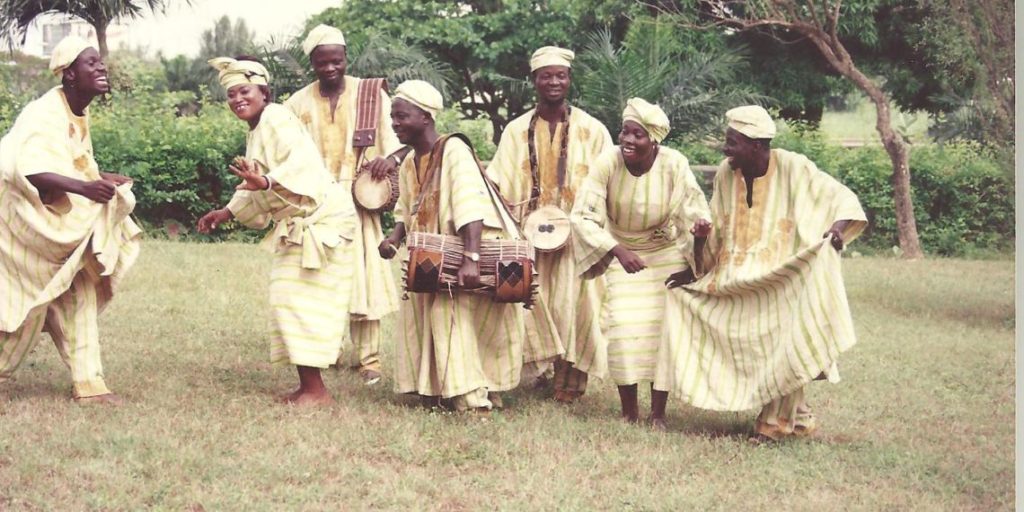
Bata is a Yoruba dance made popular by Alaafin Sango, an 18th Century monarch of the Oyo Empire. For most Africans, Sango needs little introduction. He is known in contemporary mythology as the axe-wielding Yoruba god of thunder and war, if you’re thinking of Thor, the similarities between these two end with the axe and the lightning bolts.
Sango or ‘Chango’ as he is known in the South Americas, has been a subject of many romantic tales on and off the screen, notable of which is the 1999 Nollywood epic titled ‘Sango’.
Sango recently made a debut in Season 3 of the Hollywood series ‘American Gods’, cast as a complex character who played a major role in the lives of the ancestors of the series’ protagonist; Shadow Moon. Sango is described as a “fiery, silver-tongued Orisha” who has a significant connection to Shadow and his unexplored past.
It is also significant that Sango is played by the award-winning American rapper of Yoruba descent, Wale Victor Akintimehin aka ‘Wale’. Sango’s journey to America started in the area now known as southwest Nigeria and it is fitting for a Yoruba descendant to play the part. As a matter of historical reference, a proportionally large number of Yorubas were taken as slaves to the Americas.
Sango was a prolific warrior famed for fighting to the accompaniment of a heavy percussive ensemble. Sango’s preference for Bata has lasted for many generations as the dance is the primary medium through which Sango devotees pay homage to the deity till date. To the African, Bata is much more than a dance, Bata is a bridge to the past, a medium that carries in the twists and turns of elegant footwork a story too complex for words.
In Season 3 episode 4, during a music torture session that brings her to tears, Bilquis communicates with Orisha Oshun through bata dance. To her captors, she had ‘lost it’, but during her interaction with Oshun, Bilquis rediscovers herself and realizes what she needs to do. This marks a major plot twist in the story. This scene demonstrates one of the uses of dance in the African context.


To the African, dance is more than just a movement of the body, it is spirit, it is culture, and it is a path to a higher dimension of awareness. Wherever the Yoruba slaves were taken, they took their gods, their culture and their dance. This cultural migration led to many unintended results, one of which was the birth of the popular Latin American dance- Salsa.
The West African history of Salsa was recently the subject of a public interest law suit filed by the Intellectual Property Lawyers Association Nigeria tracing the history of Salsa to its cultural ancestor, Bata dance.
According to news reports, the suit which was filed in a Nigerian customary Court seeks the judicial recognition of the umbilical cord drawn from Bata dance to Salsa. One of Africa’s biggest challenges is that we did not get to write our history. It is therefore very encouraging that the IP Lawyers are fighting for the preservation and celebration of African history and culture.


One must also recognize the efforts of organizations like the World Intellectual Property Organization (WIPO) towards the protection and preservation of the know-how, skills and practices developed, sustained and passed on from generation to generation within communities across the world, especially in Africa. That is a conversation for another day.
We often complain of how the story of Africa has been largely told by others. Recent trends show a resurgence in the demand for African stories. From Black Panther to Lion King, African stories are rich, authentic and relatable. We now have a unique opportunity to weave the narrative of the future as the world once again turns to this ‘dark continent’.
In the end, this conversation is not just about Sango, or Bata or the Yoruba, but about Africa and the need to protect our heritage so that we can tell our stories.

Instagram: @ese2g
Email: [email protected]

Human vs. National Security

installation by French artist JR peers over the U.S.-Mexico border at Tecate, California. Source: Guillermo Arias/AFP/Getty Images

Mahendra P. Lama

What comes first Human or National Security? This has been an enlivening yet never ending debate. In the case of national security, threats are mainly perceived as external challenges to a nation’s sovereignty, which in turn is largely based on the integrity of its geographical whole. The state is a referent and determining object in national security, an impregnable fortress. Therefore, national security becomes too sensitive an issue. It overwhelms and marginalizes all other critical human-centric securities including food, environmental, and energy. In fact, it is often used to justify all that which brings conflict, violence, dislocation and underdevelopment.
 
On the other hand, advocates of human security vehemently confront the orthodox account of security. They question its adequacy in understanding and assessing the actual nature and scale of threats to human beings. From a human security perspective, human beings are the primary referents, not the state. This challenge became much more resounding after the end of the cold war with the changing nature of threats and instabilities among human populations.
 
Human security advocates now highlight the complexities of sources of insecurity among human populations in various situations and locations. They respond to crucial queries like ‘what makes people feel secure?’ in a much more convincing manner. The basics of human security are primarily ensured by meeting common aspirations that people cherish most. These include food for the family, adequate shelter, good health, schooling for the children, protection from violence, and freedom from pervasive threats to people’s rights and safety—their ability, that is, to live a life free of fear. They argue that these non-traditional security parameters actually determine the state of human and then national security.  However, in this situation the state-society relationship is separated from ‘international relations’, and the domestic realm becomes more exclusive to human security.
 
South Asia has been a theater of major security concerns and vulnerabilities at regional, federal, and local levels. The nature and content of these insecurities are diverse and mostly relate to non-traditional paradigms. They include political demands pursued through terrorism and insurgency; forced and voluntary migration resulting from socio-political conflicts; environmental displacement caused by natural disasters and development projects; as well as poverty, starvation, and farmer suicides. At the heart of these security concerns are livelihood and nutritional concerns, decreasing access to public utilities, human rights violations, skewed distribution of natural resources, harmful development and technological interventions, natural disasters, inimical production structures and market-based reforms. These are not at all recognized in the orthodox framework of security.

South Asian strategic thinkers have always sidelined and trampled any attempt to change the traditional contours of security discourse that would bring human aspects to the forefront. This is attributed to the very nature of post-colonial state formation, strategic and military alliances, and territoriality-based diplomatic engagements. All these have oriented national security issues more to external parameters, and ignored internal dynamics. In the process, citizens’ insecurity has often been neglected, sacrificed by the state in the name of larger military security interests. Thus human security as an internal agenda and military security as a national agenda subject themselves to two distinct treatments by the same state.

Human security advocates…argue that non-traditional security parameters actually determine the state of human and then national security.  

Since these ‘other threats’ to security do not impinge upon sovereignty directly, they have tended to be treated as problems of nation building that involve socio-political contingencies and development dynamics. They were consciously kept out of any national security debates or agendas.
 
For instance, despite hunger deaths, suicides by farmers, and conflicts triggered by deprivations, the larger question of food security and protection of borders and boundaries for sovereignty could never be linked. Could this mean that food provisioning can be neglected, but not the national borders? Here the most fundamental question is: for whose security are the national borders to be protected? Where do individual and community insecurity and national insecurity meet? The simmering tension persists.

Manipur, India: sit-in protest in Churachandpur district, September 2015

Nevertheless, there have been conscious attempts by scholars, institutions, civil society organs, and even by some governmental agencies across India to ‘import’ and link the emerging international discourse on the changing contours of security to the complex realities in South Asia. Consequently, the overarching matrices of security are fast changing. The notion of nationalism based on territoriality is diminishing. Security has assumed wider connotations going beyond borders. The uniformity and singleness that seemingly prevail in the perception and handling of borders at the national level are now steadily diluted and blunted. Local and micro understanding, and multi-faceted interactions in the border areas, are becoming vital. Security dimensions are becoming more local than national.
 
Demystifying Linkages
In some situations, these human insecurities have resulted in protracted violence, insurgencies, and terrorism, and attracted cross border sympathies and affiliations. This in turn has injected threats into both ‘internal’ and ‘national’ security. There are instances galore, ranging from the Kuki-Naga clashes in Manipur to the Khalistan Movement of 1980s and to LTTE (Liberation Tigers of Tamil Eelam, more commonly the Tamil Tigers) clashes with the Army in northeastern provinces of Sri Lanka that ended in 2009. In India, over 160 districts of 13 States have been affected by Naxalite influence and violence making it the “single biggest internal security challenge.” This also means that under a particular situation of human insecurity “our own people” become a threat to “internal security” and “national security.” However, here also a ‘human security dimension’ is distinguished from ‘national security’ by the State.
 
Another example is the communal riots of Gujarat in 2002 and the Kargil war fought against Pakistani forces in 1999. Both these incidents killed and displaced a large number of people, destroyed property, and caused huge losses to the exchequer. Both created serious human insecurity. Yet the treatment by the state was distinctly different and discriminatory. The central security forces including the army were used in both situations, and both had the potential to conflagrate into major national security crises. Both were covered extensively by the media and widely discussed in Parliament. In fact, the former nearly toppled the then National Democratic Alliance government. 

…the overarching matrices of security are fast changing. The notion of nationalism based on territoriality is diminishing. Security has assumed wider connotations going beyond borders. 

Despite these striking similarities, the Gujarat riots remained an ‘internal security’ concern, popularly called a “law and order” problem, while the Kargil war was considered a ‘national security’ problem. Is it because the first took place essentially within the country and the second, had a major external dimension? Or is it because the first was more geographically localized and the second had a national appeal? In fact, both were localized problems with potential for further spread and conflagration. Both had strong national appeal. The Kargil war also had a high content of human insecurity, which was possibly overshadowed by the “externality” and “national security” concerns. Could it be a problem of political denial and power-risk to declare an internal human security-related problem as a national security problem? 
 
Similarly, why are extreme left violence and conflicts like those stirred by the Maoist movement an internal law and order problem, and at the same time, insurgencies in the North East region (like those in Mizoram, Nagaland, and Manipur) were and have been considered to be in the ambit of national security, not law and order? Had the Maoists in Nepal during their violent activity there between 1996 and 2006 joined their counterparts across the open border in India, would that have transformed the Maoist problem from being one of internal to national security? The former is a non-traditional and the latter a traditional security threat. What stops us from recognizing the former also as a national security threat?
 
What is the distance between ‘internal’ and ‘national’ here? Where is the meeting point? They have all the elements of convergence, yet in the State’s thinking they are hardly related. What makes these two concepts deviate? Are there any substantive factors that keep the two concepts mutually exclusive and tightly compartmentalized? Or is it only a difference of perception, based on a mindset? Or, a conscious state policy to treat some as national security and others as internal security issues because of the federal structure, democratic polity, and colonial practices? The answer to these questions lies with a resolution to the inexplicable issues and paradoxes of orthodox vs. non-orthodox security. This solution could also, perhaps, begin to unwind the monopolization and domino effect of orthodox security thinking over human security discourse.

Credit: 21global

How To Conduct Paternity/Maternity Test (DNA Test) On A Child With/Without Consent Of Parents.

How To Conduct Paternity/Maternity Test (DNA Test) On A Child With/Without Consent Of Parents. Daily Law Tips (Tip 507) by Onyekachi Umah, Esq., LLM. ACIArb(UK)

“Deoxyribonucleic acid” (DNA) test is not alien to Nigeria and Nigerians. When there is dispute relating to paternity or maternity, scientific tests like DNA test becomes necessary. DNA is often used to determine roots of a child. However, it is only in rare cases that father/mother and disputants will both agree and seek for DNA test in Nigeria. So, the problem to be solved here is, how to legally conduct DNA test on a child in Nigeria, even where spouse/parents disagrees with such.

“DNA test” is used here to represent all types and kinds of scientific test and blood test for determination of paternity/maternity. The first step is to engage the services of a legal practitioner. A legal practitioner upon receipt of brief of his client can proceed to file proper processes in a High Court seeking for paternity/Maternity test. The Court upon hearing applications and counters/objections (if any), may grant an order for DNA paternity/maternity test to be carried out on a child, blood and other samples to be taken from the child and any other party.

Where the child is less than 18 years old, the Court must also state who must carry out the said medical test. Once a court orders for DNA test to be carried out, the test result must be sent to the court alone and NOT to any other person. Any other person that desires to have such test result must first apply to court. Cost of DNA test must be paid by the person that sought for such test.

After test for determination of paternity or maternity is sent to court, the court will declare the biological father/mother of the child as the authentic/real father/mother based on the evidence before it. Where any party before the court does or fails to do anything to frustrate or deny consent for DNA test, the court would assume that the DNA test was performed and that the result is not in favour of such uncomplying party.

Note that, even after a court orders for DNA test to be performed,

1. Consent to obtain sample must be sought and obtained from child that is 16 years old and above.

2. Consent of child that is less than 16 years old is not needed before sample can be taken rather the consent of the adult that has care and control of the child must be sought and obtained.

3. Where a child is 18 years old or more but is not mentally stable, the consent of the person having his care and control must be sought and obtained as well as that of the medical practitioner taking care of such child.

“DNA test has to do with the use of genetic analysis, scientifically, to determine the paternity of a child, i.e, whose male spermatozoa fertilized the egg of a female, and, I think, this is usually applicable and relevant where there is dispute as to the paternity of a child, or where there is disputing claims or uncertainty as to the paternity of an individual, See the case of Olayinka Vs Adeparusi & Anor (2011) LPELR 8691 CA, where this Court, per Denton West JCA held: “… If a party is claiming paternity, it is trite that a Court of law should be allowed to determine same on proof of evidence relating to paternity, which could only be done by referral for a DNA test of the parties involved. After such test the Court has a duty to declare, the actual father of the child in dispute in consonance with the evidence at its disposal. DNA, that is, “Deoxyribonucleic acid” is a molecule that contains the genetic code of any organism. It is hereditary and has become a euphemism for scientific analysis of genetic Constitution, to determine one’s roots. Per MBABA ,J.C.A ( Pp. 18-20)

My authorities are:

1. Sections 63, 64, 65, 66, 277 and 278 of the Child Rights Act, 2003.

2. The decision of the Court of Appeal in the case of ANOZIA v. NNANI & ANOR (2015) LPELR-24277(CA)

3.Chris Admin, “Thisday Newspaper Reports Supreme Court’s Judgement On Paternity” <https://learnnigerianlaws.com/thisday-newspaper-reports-supreme-courts-judgement-on-paternity/> (LearnNigerianLaws.com, 10 March 2020) accessed 16 February 2021

Sabi Law Projects:

#SabiLaw

#DailyLawTips

#SabiBusinessLaw

#SabiElectionLaws

#SabiHumanRignts

#SabiLawOnBeatFm

#SabiLawLectureSeries

#CriminalJusticeMonday

#SabiLawVideoChallenge

Speak with the writer, ask questions or make inquiries on this topic or any other via [email protected], [email protected] or +2348037665878 (whatsapp).

To receive free Daily Law Tips, join our free Telegram group, via this link: https://t.me/LearnNigerianLaws

To keep up to date on all our free legal awareness projects of Sabi Law Foundation, follow us via

Facebook Page:@LearnNigerianLaws, Instagram: @LearnNigerianLaws, Twitter: @LearnNigeriaLaw and YouTube: Learn Nigerian Laws

Please share this publication for free till it gets to those that need it most. Save a Nigerian today! NOTE: Sharing, modifying or publishing this publication without giving credit to the author or Sabi Law Foundation is a criminal breach of copyright and will be prosecuted. This publication is the writer’s view not a legal advice and does not create any form of relationship. You may reach the writer for more information.

This publication is powered by www.LearnNigerianLaws.com {A Free Law Awareness Program of Sabi Law Foundation, supported by the law firm of Bezaleel Chambers International (BCI).} Sabi Law Foundation is a Not-For-Profit and Non-Governmental Legal Awareness Organization based in Nigeria.

Age At Which Courts Cannot Order For “DNA Test” In Nigeria.

Age At Which Courts Cannot Order For “DNA Test” In Nigeria.* Daily Law Tips (Tip 518) by Onyekachi Umah, Esq., LLM. ACIArb(UK)

Scientific test like “Deoxyribonucleic acid” test (DNA test) is often used to determine paternity and maternity. Also, courts can be approached to order for DNA test to be performed on a person that is even 18 years old in Nigeria. However, there is an age at which a person cannot be ordered to subject self to DNA test.

First of all, “DNA test has to do with the use of genetic analysis, scientifically, to determine the paternity of a child, i.e, whose male spermatozoa fertilized the egg of a female, and, I think, this is usually applicable and relevant where there is dispute as to the paternity of a child, or where there is disputing claims or uncertainty as to the paternity of an individual, See the case of Olayinka Vs Adeparusi & Anor (2011) LPELR 8691 CA, where this Court, per Denton West JCA held: “… If a party is claiming paternity, it is trite that a Court of law should be allowed to determine same on proof of evidence relating to paternity, which could only be done by referral for a DNA test of the parties involved. After such test the Court has a duty to declare, the actual father of the child in dispute in consonance with the evidence at its disposal. DNA, that is, “Deoxyribonucleic acid” is a molecule that contains the genetic code of any organism. It is hereditary and has become a euphemism for scientific analysis of genetic Constitution, to determine one’s roots.” Per AKINBAMI ,J.C.A

Now on the issue of possible age limit for ordering DNA test on a person, the court further stated that; “I doubt whether that form of proof can be ordered or is necessary to determine the paternity of a 57 years old man, who does not complain about his parenthood, just to please or indulge a self acclaimed predator, who emerges to distabilize family bonds and posts as a biological father!. I think it is only the 2nd Respondent (a mature adult) that can waive his rights and/or seek to compel his parents (or those laying claim to him) to submit to DNA test to prove his root. Of course, where one is a minor (not mature adult) and his paternity is in issue, the Court can order the conduct of DNA test, in the overall interest of the child, to ascertain where he belongs.” Per MBABA ,J.C.A ( Pp. 18-20, paras. E-B)

My authorities are:

1. Sections 63, 64, 65, 66, 277 and 278 of the Child Rights Act, 2003.

2. The decision of the Court of Appeal in the case of ANOZIA v. NNANI & ANOR (2015) LPELR-24277(CA)

3. Onyekachi Umah, “How To Conduct Paternity/Maternity Test (DNA Test) On A Child With/Without Consent Of Parents” (LearnNigerianLaws.com, 18 February 2020) <https://learnnigerianlaws.com/how-to-conduct-paternity-maternity-test-with-without-consent-of-parents/> accessed 3 March 2020.

4. Chris Admin, “Thisday Newspaper Reports Supreme Court’s Judgement On Paternity” <https://learnnigerianlaws.com/thisday-newspaper-reports-supreme-courts-judgement-on-paternity/> (LearnNigerianLaws.com, 10 March 2020) accessed 16 February 2021

Sabi Law Projects:

#SabiLaw

#DailyLawTips

#SabiBusinessLaw

#SabiElectionLaws

#SabiHumanRignts

#SabiLawOnBeatFm

#SabiLawLectureSeries

#CriminalJusticeMonday

#SabiLawVideoChallenge

Speak with the writer, ask questions or make inquiries on this topic or any other via [email protected], [email protected] or +2348037665878 (whatsapp).

To receive free Daily Law Tips, join our free Telegram group, via this link: https://t.me/LearnNigerianLaws

To keep up to date on all our free legal awareness projects of Sabi Law Foundation, follow us via

Facebook Page:@LearnNigerianLaws, Instagram: @LearnNigerianLaws, Twitter: @LearnNigeriaLaw and YouTube: Learn Nigerian Laws

Please share this publication for free till it gets to those that need it most. Save a Nigerian today! NOTE: Sharing, modifying or publishing this publication without giving credit to the author or Sabi Law Foundation is a criminal breach of copyright and will be prosecuted. This publication is the writer’s view not a legal advice and does not create any form of relationship. You may reach the writer for more information.

This publication is powered by www.LearnNigerianLaws.com {A Free Law Awareness Program of Sabi Law Foundation, supported by the law firm of Bezaleel Chambers International (BCI).} Sabi Law Foundation is a Not-For-Profit and Non-Governmental Legal Awareness Organization based in Nigeria.

Appointment of Court of Appeal Justices: FJSC’s List Versus PCA’s List

This article by Yemi Gbolade discusses the issue of the recruitment process for Judges vis-a-vis that which was adopted recently to shortlist candidates for the position of Justices of the Court of Appeal, insisting that the process which was followed is flawed, because the list painstakingly compiled by President of the Court of Appeal was jettisoned in favour of that which was compiled by the FJSC and hijacked by Politicians

Introduction

In the last one week, a list of candidates shortlisted for appointment as Justices of the Court of Appeal has dominated the social media. The list contains 20 names of Judges as priority candidates, and an addendum of 20 others as reserved list. The list indicates that those shortlisted are to appear before the National Judicial Council (NJC) for interview. The list, allegedly compiled by the Federal Judicial Service Commission (FJSC), has received ponderous condemnation from the general public, civil society groups and ethnic nationalities, on grounds ranging from allegations of politicisation, ethnicisation, nepotism and religious bias.

As far back as December last year, the Nation newspaper had carried out an investigation and reported that the on-going process of appointment of Justices to the Court of Appeal had been hijacked by Politicians. It was further stated in the report that sources in legal and judicial circles privy to the process, described the list prepared at the FJSC as being dominated by candidates nominated or sponsored by Politicians, with scant regard for competence, excellence or hard-work. The exercise, said to have been shrouded in secrecy from the beginning, was believed to be marred by lack of transparency and merit.

FJSC’s List and NJC Guidelines for Appointment of Judges

The FJSC’s list, now in circulation, is said to have been prepared under the guise of the principle of Federal Character and geographical spread. Under the NJC Guidelines for Appointment of Judges, Federal Character is the least factor for consideration for appointment of judicial officers. It is dwarfed by such considerations as professional expertise and competence, quality of judgements, performance, demonstration of judicial skill and sound knowledge of law. The Guidelines only make Federal Character a permissive consideration, with a caveat that the principle should not be used as a cover to politicise or compromise judicial appointments. For the avoidance of doubt, Rule 3 (6) provides that in carrying out provisional shortlist, Federal Character or geographical spread shall be taken into consideration, “where possible, without compromising the independence of the Judiciary or allowing politics to permeate or influence the appointment”.

Considering the names that appeared in the FJSC’s list, the influence of politics and application of quota system became clearly dominant. First, as alleged by the Middle Belt and Southern Elders Forum, the names of candidates from the North consists of only Muslim Judges. No single Christian Judge, featured in the list. Describing the list as appalling, the forum noted, “it is quite surprising that, of the 20 candidates on preferred list, all the candidates picked from the North exclude Christians and with three Khadis on board for a court that needs experts in various areas of law, including customary law.” The forum, while threatening a law suit, firmly asserted “we cannot accept that a multi-ethnic and religious country is being treated in this way. It is therefore, demanded that the National Judicial Council (NJC) should trash the FJSC list immediately for the original list prepared by the President of the Court of Appeal.” This is embarrassing enough.

Second, the list is most uninspiring. Many of the Judges are relatively unknown. And, regrettably, some of those in the list, whose names ring bell, can easily be associated with one political case or another, in which the current government had received favourable judgements or convictions of perceived political enemies. It is, therefore, clear that the FJSC’s list might have been a veiled attempt designed to reward such Judges. A particular Judge on the priority list, is known to have failed the security test in the last exercise. The list, in effect, reads more like a sop to judicial patronage than to legal proficiency, and a disingenuous abdication to wholesale quota rather than merit. The list, on this score, stands discredited.

The PCA’s List

On the other hand, it is said that there exists, a particular list of the President of the Court of Appeal, Justice Dongban-Mensem (PCA), which was compiled in strict compliance to the NJC Guidelines. Documents of nominated candidates were dutifully screened. Committees of eminent Justices of the Court of Appeal were set up to scrutinise the candidates on the basis of their qualifications, quality of their judgements, performance, judicial skill, knowledge of law and needs of the court. The candidates were accordingly rated. The shortlisted candidates that emerged through this rigorous exercise were said to have been presented to FJSC, but for some politically-motivated reasons, rejected in a very controversial manner. It is baffling that the highly revered PCA was somehow unable to stand by her list, and had to bow to the FJSC’s questionable antics of the political manipulations and horse-trading.

It is a sad commentary that unity of purpose or synergy is lacking between the Court of Appeal and the FJSC, over an exercise as important as appointment of Justices of the Court of Appeal. The existence of two divergent lists in the exercise, demonstrates a scenario of a house divided against itself. It also depicts the existence of differences that became irreconcilable between the Court of Appeal President and FJSC. This requires the urgent dispassionate intervention of the National Judicial Council, given its pre-eminent position as the topmost supervisory body of courts and judicial body in Nigeria. It is hoped that the NJC would not wholly surrender to FJSC’s shenanigans, and shirk her own supervisory and regulatory responsibilities to the entire judiciary.

It is also curious, as can be observed from the list circulating all around, that only members of the Bench were nominated for appointment to the Court of Appeal, to the exclusion of the Bar and Academia. By recommending only members of the Bench for appointment, the FJSC has obviously acted in bad faith, and in contravention of Rule 3(1) (b) of the NJC Guidelines. One way by which the scope of the capacity of our appellate courts, particularly, the Court of Appeal and the Supreme Court can be broadened, is to inject senior members of Bar including those in the Academia to the courts.

Role of the Judiciary

The Judiciary, it bears repetition, is an important arm of government. It exclusively plays the prominent role of settling disputes among citizens and governments. It determines the rights of individuals and governments. It is also saddled with the constitutional responsibility of providing essential checks on both the executive and legislative arms. The art of dispensing justice, is also undoubtedly a sacred power with grave responsibilities. Every decision of a Judge has consequences. Every error, even an unintentional one, can have serious negative effects for the parties and the society at large. The Nigerian Judiciary at this critical stage of its history needs justices who are honest, hard-working, conscientious, brave, patient, cultivated, intellectually curious and gifted with an intuitive sense of justice; men and women who carry the gravitas of judicial officers with all the boldness, dignity and nobility possible. Only a process of selection and appointment devoid of politicisation, ethnicity, and nepotism can secure this.

Recruitment Process

Every Nigerian, including members of the NJC, knows that the quality of judgements coming from Nigerian courts are no longer as unimpeachable as in the past. The NJC should indeed, be disturbed that increasingly, the intellectual capacity of Judges in Nigeria is dwindling, with jurists of global standard – in character and learning – remaining in abysmal short supply. The first step towards filling this yearning gap, is the enthronement of the recruitment process of Judges that would lead to the appointment of brilliant and qualified jurists, where a 60:40 ratio in favour of merit is maintained. This is strongly recommended.

A solid Judiciary that enjoys public confidence is an essential feature of any successful democracy. Several studies have shown that countries with strong rule of law credentials, tend to be more economically stable. Most theories of judicial independence also highlight the significance of a credible judicial selection system, as a key and indispensable element of judicial independence. Therefore, it is extremely important to design judicial selection mechanisms that produce Judges whose independence, integrity, and impartiality are not in doubt. Judges are the ultimate guardians of the law and must be appointed in a manner that engenders public confidence. Ultimately, Judges are at the very heart of our legal order, and their decisions can have a long-lasting societal impact. Only Judges that are a product of fair appointment processes can apply the law fairly, rationally, predictably, consistently, and impartially.

Conclusion

It is in the light of the foregoing that the National Judicial Council is called upon to subject both the PCA’s and FJSC’s lists to a careful scrutiny, with a view to producing the best Justices for the Court of Appeal. The criteria for choosing good Judges, are not difficult to identify. Merit should be the sole criterion. Surely, various factors such as intellectual capacity, personal qualities, ability to understand and deal with issues fairly, amenability to team work etc, can feed into the merit of a candidate.

Yemi Gbolade, Legal Practitioner, Lagos

Credit: thisdaylive

Records: In Mass Atrocities report 2020, Global Rights says 4,556 killed in Nigeria, including security agents

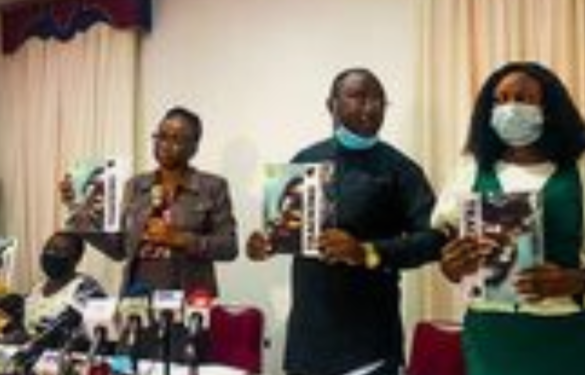
Global Rights officials presenting the report

The year 2020 was a brutal year for most, as the coronavirus pandemic disrupted nations and systems across the world. COVID-19 heralded the largest and most fatal global health crisis in recent times, with incredible infection rates, and an unprecedented loss of lives in almost every nation. Nigeria, Africa’s most populous country, continued its own trajectory of grief and loss, contending not only with the global health pandemic, but also with its endemic insecurity that has spiralled exponentially in the past decade.

Our tracking of mass atrocities across Nigeria for 2020, (indicated through casualties of violent attacks, clashes, terrorism, kidnappings, and extrajudicial killings) informs that at least four thousand, five hundred and fifty-six (4,556) lives were lost between January and December 2020. A glaring spike of almost 43% in the number of casualties in comparison to the 2019 figure of Three thousand, one hundred and eighty-eight (3188). Of the above number, three thousand, eight hundred and fifty-eight (3,858) were civilians, while 698 were state security agents. For the second year running, for every 5.5 deaths  recorded, at least 1 of them was of a security officer.

The state with the highest number of fatalities remained Borno state in the North East, closely followed by Kaduna state, in the North West. Interestingly, the state with the lowest number of fatalities was also in the North – Gombe state with one (1) victim. The Southern parts of the country fared better – at least numerically. The southern states also contended with their own security challenges which led to the establishment of the controversial Western Nigeria Security Network (WNSN) – codenamed Operation Amotekun.

It is important to note that these killings must be contextualized within the larger triggers of violence inherent in the Nigerian state. So, while our report has focused on the killings and kidnaps across the country, it acknowledges other forms of violence and atrocities by state and non-state actors. It is equally important to note that the swiftest method for determining a nation’s propensity for violence, is to measure how it’s most vulnerable are faring. In 2020, Nigeria’s most indigent and vulnerable groups fared poorly. For instance, in spite of the pandemic and its accompanying lockdowns, and need for social distancing, some state governments, particularly Lagos and Kaduna, and the Federal Capital Territory Administration, did not hesitate to demolish slum communities without prior notice to make room for ‘development’ projects, and walked away unperturbed about the humanitarian crisis that they had created, or how they had further jeopardized the public health crisis the nation was confronted with.

Rather than seek to protect unaccompanied and vulnerable minors in the wake of the pandemic, some northern state governors, hurriedly proscribed the informal Almajiranci system of education, which has for decades been notorious for engendering various forms of child abuse, rounded up Almajiri children and expelled these vulnerable class of children to their ‘states of origin’ as part of their response to curbing the spread of covid19. Several of these children eventually tested positive for covid19.

The brutality of security forces enforcing the lockdowns clearly were not commensurate to the threat ‘erring’ citizens posed. At least 33 persons were extrajudicially killed in relation to the enforcement of lockdowns. Sexual and Gender Based Violence (SGBV) also spiked exponentially throughout the country, especially during the lockdowns. In that span of time, the most vulnerable – mainly children, women, underaged domestic workers, and disabled persons found themselves at mercy of their abusers with whom they were confined, without access to clearly thought-out state interventions. Hunger. That one word summed up the experience of most Nigerians during the pandemic lockdown phases. Many were unable to access their livelihoods, or, had lost their jobs and became indigent. Most were also unable to access the muchtouted government sponsored “palliatives” and conditional cash transfers, and clamoured for the lockdowns to end, stating that they would “rather die of covid19 than of hunger”.

In August 2019, Nigeria’s government unexpectedly closed its land borders intending to combat the illegal smuggling of goods from other countries, in particular – illicit small arms and light weapons, through the nation’s porous borders. In addition, the government stated that it intended to prevent the indiscriminate importation of food products and force-boost local food production. While that sounded good on paper, the deeper context was of a country in which agriculture was lagging not only because of poor technology for propagation, transportation, and storage; but also because of insecurity in its food basket states,  which had forced a large number of farmers to abandon their farms, and was at the precipice of a food crisis; thereby engendering  an  increase  in  hunger  and unemployment. The effects of this decision are manifested through the rise of inflation rate (12.88%), unemployment rate (27.1%) and a spike in crime and insecurity. Also, the border closure did not seem to have impacted the proliferation of arms and light weapons. What was more tragic was the discovery of several warehouses across the nation in late October and early November, where palliative food packages meant to have been distributed during the lockdowns, had been hoarded with many of them already expired. These discoveries led to massive looting by indigent citizens who were already at their wits end, and had been triggered by the #EndSARS protests’ tragic disruption.

The #EndSARS protests were a watershed moment in Nigeria. The protests had been ignited by the massive human rights violations by security forces; in particular, the Special Anti-robbery Response Squad (SARS). The movement which had began as a digital hashtag 7 years previously, against the highhandedness of the squad, especially against young Nigerians, finally reached its tipping point and
spilled over into the streets in major cities across Nigeria. The protests were later disrupted by counter-protesters and security forces with fatalities. The brutality against the #EndSARS protesters was not the only threat to the nation’s civic space. Several protesters in other peaceful protests were arrested or brutalized by security forces. The government also sought to restrict civic freedoms through laws and policies. For example, the Internet Falsehood and Manipulation Bill 2019, a.k.a Social Media Bill,  which sought to punish dissenting voices; the ‘Control of Infectious Diseases’ Bill under the guise of the Covid-19 pandemic; and the sly passage of an amended Companies and Allied Matters Act, 2020, which fulfils the objectives of previous attempts of civil society regulatory bills– all which seek to give despotic powers to government. The pillaging, better known as “banditry” in NorthWestern Nigeria continued unabated and comingled with kidnappings. The attacks on communities in Southern Kaduna bore elements of pillage and kidnapping coupled with arson, and resulted in several displacement. Katsina, Zamfara and Sokoto suffered similar fate, with new informal IDP camps across Northern Nigeria, with scores of thousands of Nigerians forced to seek refuge in neighbouring Niger Republic. The landscape of organized crime in Nigeria remained relatively unchanged with its traditional actors: the terrorist groups Boko Haram, and The Islamic State in West Africa or the Islamic State’s West Africa Province (ISWAP) continued to hold sway in the North-East with hybrid spread to the NorthWest and North-Central, other forms ‘herdsmen’ bandits/pillagers, gang marauders, kidnap syndicates, an assortment of cult-gangs, continued across other parts of the country, and at its southern borders -pirate groups on the Gulf of Guinea. The internal security response system landscape also remained largely the same with the armed forces taking the lead on security issues in most parts of the country – especially in the North and Middle Belt regions of the country. The police force continued to handle the softer law enforcement issues, but have remained overwhelmed. The calls for reforms trailed both the military and police formations. For the military formations, the calls for the retirement and replacement of the service chiefs, all of who had served beyond their statutory retirement age, continued to echo through the year,

The year 2020 was a brutal year for most, as the coronavirus pandemic disrupted nations and systems across the world. COVID-19 heralded the largest and most fatal global health crisis in recent times, with incredible infection rates, and an unprecedented loss of lives in almost every nation. Nigeria, Africa’s most populous country, continued its own trajectory of grief and loss, contending not only with the global health pandemic, but also with its endemic insecurity that has spiralled exponentially in the past decade. Our tracking of mass atrocities across Nigeria for 2020, (indicated through casualties of violent attacks, clashes, terrorism, kidnappings, and extrajudicial killings) informs that at least four thousand, five hundred and fifty-six (4,556) lives were lost between January and December 2020. A glaring spike of almost 43% in the number of casualties in comparison to the 2019 figure of Three thousand, one hundred and eighty-eight (3188). Of the above number, three thousand, eight hundred and fifty-eight (3,858) were civilians, while 698 were state security agents. For the second year running, for every 5.5 deaths  recorded, at least 1 of them was of a security officer. The state with the highest number of fatalities remained Borno state in the North East, closely followed by Kaduna state, in the North West. Interestingly, the state with the lowest number of fatalities was also in the North – Gombe state with one (1) victim. The Southern parts of the country fared better – at least numerically. The southern states also contended with their own security challenges which led to the establishment of the controversial Western Nigeria Security Network (WNSN) – codenamed Operation Amotekun.

It is important to note that these killings must be contextualized within the larger triggers of violence inherent in the Nigerian state. So, while our report has focused on the killings and kidnaps across the country, it acknowledges other forms of violence and atrocities by state and non-state actors. It is equally important to note that the swiftest method for determining a nation’s propensity for violence, is to measure how it’s most vulnerable are faring. In 2020, Nigeria’s most indigent and vulnerable groups fared poorly. For instance, in spite of the pandemic and its accompanying lockdowns, and need for social distancing, some state governments, particularly Lagos and Kaduna, and the Federal Capital Territory Administration, did not hesitate to demolish slum communities without prior notice to make room for ‘development’ projects, and walked away unperturbed about the humanitarian crisis that they had created, or how they had further jeopardized the public health crisis the nation was confronted with.

Rather than seek to protect unaccompanied and vulnerable minors in the wake of the pandemic, some northern state governors, hurriedly proscribed the informal Almajiranci system of education, which has for decades been notorious for engendering various forms of child abuse, rounded up Almajiri children and expelled these vulnerable class of children to their ‘states of origin’ as part of their response to curbing the spread of covid19. Several of these children eventually tested positive for covid19.

The brutality of security forces enforcing the lockdowns clearly were not commensurate to the threat ‘erring’ citizens posed. At least 33 persons were extrajudicially killed in relation to the enforcement of lockdowns. Sexual and Gender Based Violence (SGBV) also spiked exponentially throughout the country, especially during the lockdowns. In that span of time, the most vulnerable – mainly children, women, underaged domestic workers, and disabled persons found themselves at mercy of their abusers with whom they were confined, without access to clearly thought-out state interventions. Hunger. That one word summed up the experience of most Nigerians during the pandemic lockdown phases. Many were unable to access their livelihoods, or, had lost their jobs and became indigent. Most were also unable to access the muchtouted government sponsored “palliatives” and conditional cash transfers, and clamoured for the lockdowns to end, stating that they would “rather die of covid19 than of hunger”.

In August 2019, Nigeria’s government unexpectedly closed its land borders intending to combat the llegal smuggling of goods from other countries, in particular – illicit small arms and light weapons, through the nation’s porous borders. In addition, the government stated that it intended to prevent the indiscriminate importation of food products and force-boost local food production. While that sounded good on paper, the deeper context was of a country in which agriculture was lagging not only because of poor technology for propagation, transportation, and storage; but also because of insecurity in its food basket states,  which had forced a large number of farmers to abandon their farms, and was at the precipice of a food crisis; thereby engendering  an  increase  in  hunger  and unemployment. The effects of this decision are manifested through the rise of inflation rate (12.88%), unemployment rate (27.1%) and a spike in crime and insecurity. Also, the border closure did not seem to have impacted the proliferation of arms and light weapons. What was more tragic was the discovery of several warehouses across the nation in late October and early November, where palliative food packages meant to have been distributed during the lockdowns, had been hoarded with many of them already expired. These discoveries led to massive looting by indigent citizens who were already at their wits end, and had been triggered by the #EndSARS protests’ tragic disruption.

The #EndSARS protests were a watershed moment in Nigeria. The protests had been ignited by the massive human rights violations by security forces; in particular, the Special Anti-robbery Response Squad (SARS). The movement which had began as a digital hashtag 7 years previously, against the highhandedness of the squad, especially against young Nigerians, finally reached its tipping point and spilled over into the streets in major cities across Nigeria. The protests were later disrupted by counter-protesters and security forces with fatalities. The brutality against the #EndSARS protesters was not the only threat to the nation’s civic space. Several protesters in other peaceful protests were arrested or brutalized by security forces. The government also sought to restrict civic freedoms through laws
and policies. For example, the Internet Falsehood and Manipulation Bill 2019, a.k.a Social Media Bill,  which sought to punish dissenting voices; the ‘Control of Infectious Diseases’ Bill under the guise of the Covid-19 pandemic; and the sly passage of an amended Companies and Allied Matters Act, 2020, which fulfils the objectives of previous attempts of civil society regulatory bills– all which seek to give despotic powers to government. The pillaging, better known as “banditry” in NorthWestern Nigeria continued unabated and comingled with kidnappings. The attacks on communities in Southern Kaduna bore elements of pillage and kidnapping coupled with arson, and resulted in several displacement. Katsina, Zamfara and Sokoto suffered similar fate, with new informal IDP camps across Northern Nigeria, with scores of thousands of Nigerians forced to seek refuge in neighbouring Niger Republic. The landscape of organized crime in Nigeria remained relatively unchanged with its traditional actors: the terrorist groups Boko Haram, and The Islamic State in West Africa or the Islamic State’s West Africa Province (ISWAP) continued to hold sway in the North-East with hybrid spread to the NorthWest and North-Central, other forms ‘herdsmen’ bandits/pillagers, gang marauders, kidnap syndicates, an assortment of cult-gangs, continued across other parts of the country, and at its southern borders -pirate groups on the Gulf of Guinea. The internal security response system landscape also remained largely the same with the armed forces taking the lead on security issues in most parts of the country – especially in the North and Middle Belt regions of the country. The police force continued to handle the softer law enforcement issues, but have remained overwhelmed. The calls for reforms trailed both the military and police formations. For the military formations, the calls for the retirement and replacement of the service chiefs, all of who had served beyond their statutory retirement age, continued to echo through the year, as it had in recent years. The call for police reforms also rang through the year cumulating in the #EndSARS movement. The launch of regional security apparatus in the South West, and promise of the same in the South East also point to attempts at reforms.

▪︎ To Read the Full Report – visit http://www.nigeriamourns.org/2020-mass-atrocities-report/?fbclid=IwAR3KiRpYU2-RWHirUF-OpTJYeWMZVyvUzEfcZRCi2G-9QBEo4lJ-E6tN0O0


KLM, Emirates To Compensate Passengers Over Delays, Cancellations

The Nigerian Civil Aviation Authority (NCAA) has assured passengers whose flights were cancelled or delayed by Emirates and KLM airlines they would be compensated.

The airlines have over the last two weeks failed to fly passengers out of Nigeria.

They recently introduced a new measure as part of moves to curb the importation of coronavirus.

They had mandated intending passengers to do a rapid diagnostic test four hours before boarding.

Following the unavailability of logistics by the Nigerian authorities to do the test as requested by both airlines, the airlines refused to fly passengers out of Nigeria but they have continually brought in passengers into the country.

Speaking on Monday in Abuja at the weekly briefing by the members of the Presidential Task Force on COVID-19, the Director General of NCAA, Captain Musa Nuhu, said talks were ongoing with the airlines and the countries.

He said: “We have been having some issues with two airlines; namely Emirates and KLM who have not been flying passengers out of Nigeria for two weeks. They have only been flying passengers into Nigeria.

“Shortly before this, they requested to conduct rapid test four hours before departure and at that point in time, we were not ready with the logistics for the request from the countries.

“Shortly after that, they stopped and for a couple of days, some passengers really went through difficult times without notice of cancellation of their flight.

“The Minister of Aviation and NCAA had discussions with the airlines, state authorities concerning the unfavourable treatment of Nigerians and they are certainly going to compensate all passengers whose flight were cancelled or delayed with short notice.”

He continued: “Discussion is ongoing with the airlines, state authorities and both ministry of foreign affairs and NCAA on ways to resolve the issues.

“We will go back to the authorities of this country and also the airlines with a deadline to give further information to help the PTF resolve this issue once and for all in the very near future.

“So, once we get the information, then the PTF will take its own decision on what actions to take on the issue of not flying passengers out of Nigeria.”

He also said countries where Ebola cases have been reported have been put on alert and advised on safety measures.

Credit: thenigerialawyer

Petitioner Slumps While Narrating Ordeal In Hands Of SARS

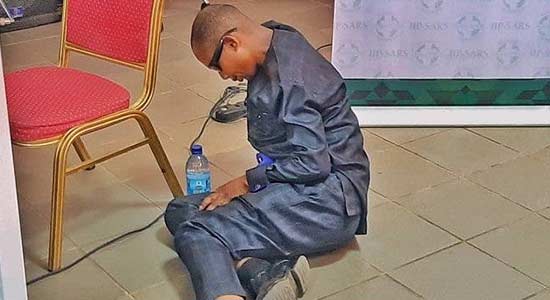
A petitioner before the National Human Rights Commission (NHRC) independent investigative panel on violations of rights by defunct Special Anti-Robbery Squad (SARS) and other police units, on Monday, slumped while narrating his ordeals in the hands of SARS operatives in Anambra State to the panel.

The petitioner, Timothy Ogbeye, slumped when a member of the panel was asking him a question after he testified in one of the two petitions he has before the panel, marked 2020/IIP-SARS/ABJ/120.

The development forced Garba Tetengi SAN, who stood in for the chairman of the panel, Justice Suleiman Galadima (retd), to adjourned further hearing of the petition till March 24, 2021, following a request made to that effect by counsel for the petitioner, Akinola Apanisile.

He was thereafter taken from the panel to the hospital after being revived.

Ogbeye had alleged his unlawful arrest and detention, threat to life, assault, torture, inhuman and degrading treatment and right to his property against the respondents in the petition.

Ogbeye had joined Inspector Oriyomi Aregbelo; Uche Onnonogbo; Andrew James and Patrick Agbazue, all of the defunct SARS, Awkuzu, Anambra State, as well the officer in charge, defunct SARS, Anambra State, Commissioner of Police, Anambra State and Inspector-General of Police as respondents.

While narrating his ordeals in the hands of the SARS operatives, the petitioner, who said he was a car dealer, informed that he was going to pay for granites with the sum of N1.5million in his car on January 22, 2020, when a colleague called him that some people wanted to buy a car from his car stand.

According to him, he had to return to the stand and started negotiating with the supposed buyers only for them to start beating him in the process.

Ogbeye informed that the supposed buyers who later turned to be policemen arrested him and his younger brother and took five cars, including a Toyota Venza from his stand.

“They took us to Kwali where I met a man who sold a car to me in 2019. He told me that the officer in charge of SARS at Awkuzu gave out all the cars seized by SARS to his people.

“He told me that the officer gave one of the cars to his wife. He told me not to worry as long as he gave me all documents to the vehicle he sold to me,” he told the panel.

The petitioner alleged that the police personnel dumped the car he was going to pay for granites in which he had N1.5m in a ditch and it became a complete write-off.

According to him, after five days, he and his brother were taken to Anambra State, where he alleged he was asked to pay N2 million to be set free, adding that he refused to pay the money.

He further alleged as a result of his refusal to pay the money, the was severely tortures by SARS operatives and paraded as an armed robber by the police.

“They asked me to list the names of animals I know in Nigeria. I listed snake, dog and others. They then asked me to crawl like a snake, bake like a dog. They asked the name of my wife and I told them.

“They ordered me to do practice how I sleep with my wife till I discharge. Instead of discharging, it was blood that came of me,” he alleged.

Ogbeye informed that his lawyer filed a suit before the court, adding that despite the court’s orders to produce him and later to release him, the SARS operatives refused to comply with the court orders.

He stated that it took the intervention of DIG Celestine Okoye, who heard about his (Ogboye’s) ordeals before he released four months after.

He told the panel, “I have been sick since. Even now, I was coming from Maitama Hospital where I was asked to go to Garki Hospital.”

Ogbeye, however, told the panel that he wanted a N10million compensation for the violation of his rights.

Credit:thenigerialawyer

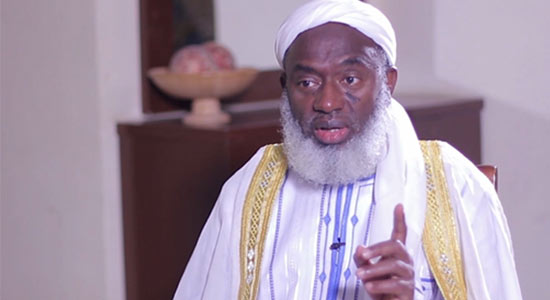
FG Knows Hideouts Of Killer-Herdsmen, Bandits — Sheikh Ahmad Gumi

The Islamic cleric and peace negotiator, Sheikh Ahmad Gumi, has said that the Federal Government knows the hiding place of the herdsmen and bandits involved in clashes with farmers, kidnappings and other criminal activities.

Sheikh Gumi said that the government was only now playing safe because it realised that the former approach of attacking the bandits frontally was not working.

The Islamic cleric said this on Channels TV “Politics Today” on Monday, when asked why he can locate and hold dialogue with the bandits, while government authorities cannot find them.

Gumi said: “They (government) know. They see them (bandits) by aerial view. But the military has learned its lesson.

“The first approach they had— when they go in and start killing— they realised is the wrong way and that they were producing a monster. They are now careful.

“The only element I am adding now is ‘look, don’t just wait and watch, go in and negotiate’.”

Gumi also said Fulani herders feel their existence is being threatened, so they cross borders to defend their kinsmen each time they are attacked.

He also noted that the Fulani bandits were not Boko Haram, noting, however, that “We have to be very careful.

“If the pressure is too much, I am afraid they can be influenced by Boko Ham. We have seen the signs that Boko Haram is going to infiltrate them.”

Credit:thenigerialawyer

Panic in Crypto Market as Over $140 Billion Is Wiped Off

Over $140 billion in value evaporated into thin air, as Bitcoin also lost as much as $7,000, according to data retrieved from Coin360.

The crypto market recently lost much of its weekend’s stellar gains, as significant selling pressure pushed the value of crypto assets lower across the market spectrum, amid record sell-offs and sudden panic among retail and institutional traders.

At press time, over $140 billion in value evaporated into thin air, taking into consideration the world’s most popular crypto, Bitcoin, the dominant player in the crypto market, lost as much as $7,000, according to data retrieved from Coin360.

The global crypto market value is $1.57 trillion, an 8.98% decrease over the last day.

The total crypto market volume over the last 24 hours is $232.12 billion, which makes a 63.54% increase.

  • The total volume in DeFi is currently $21.16 billion, 9.12% of the total crypto market daily volume.
  • The volume of all stable coins is now $185.65 billion, which is 79.98% of the total crypto market 24-hour volume.
  • Bitcoin’s price is currently $52,260.20.
  • Bitcoin’s dominance is currently 61.56%, a decrease of 0.03% over the day.
  • For the day, 426,586 trades were liquidated.
  • The largest single liquidation order happened on Huobi-BTC valued at $20.66 million.

Other leading crypto assets that include Ethereum, Litcoin, Chainlink, Binance coin and Stellar lost more than 8% in value.

Despite the expected market correction ongoing in the crypto community, some crypto traders remain upbeat that cryptocurrencies are fast emerging as a hedge for risks such as faster fiat inflation, and set to win more attention from the corporate world.

However, crypto pundits anonymously interviewed by Nairametrics are saying that a market correction was long overdue after the sudden bullish move. The bearish trend prevailing at the bitcoin market is largely attributed to a significant amount of profit-taking in play, on the account that Bitcoin’s realized profits are at record highs.

Credit: thepodium

TIPS