The controversy surrounding the forthcoming Nigerian Bar Association (NBA) elections has taken a new turn, with the African Bar Association (AFBA) strongly defending the intervention of the Attorney General of the Federation (AGF) and criticising Amnesty International for what it described as an unwarranted intrusion into a dispute over the governance of Nigeria’s foremost professional legal body.
In a statement issued from Nairobi on Saturday, AFBA rejected Amnesty International’s characterisation of the Attorney General’s intervention as executive interference, insisting that the comments attributed to the Chief Law Officer of the Federation were intended to encourage dialogue and a lawful, peaceful resolution of disagreements arising from the NBA electoral process.
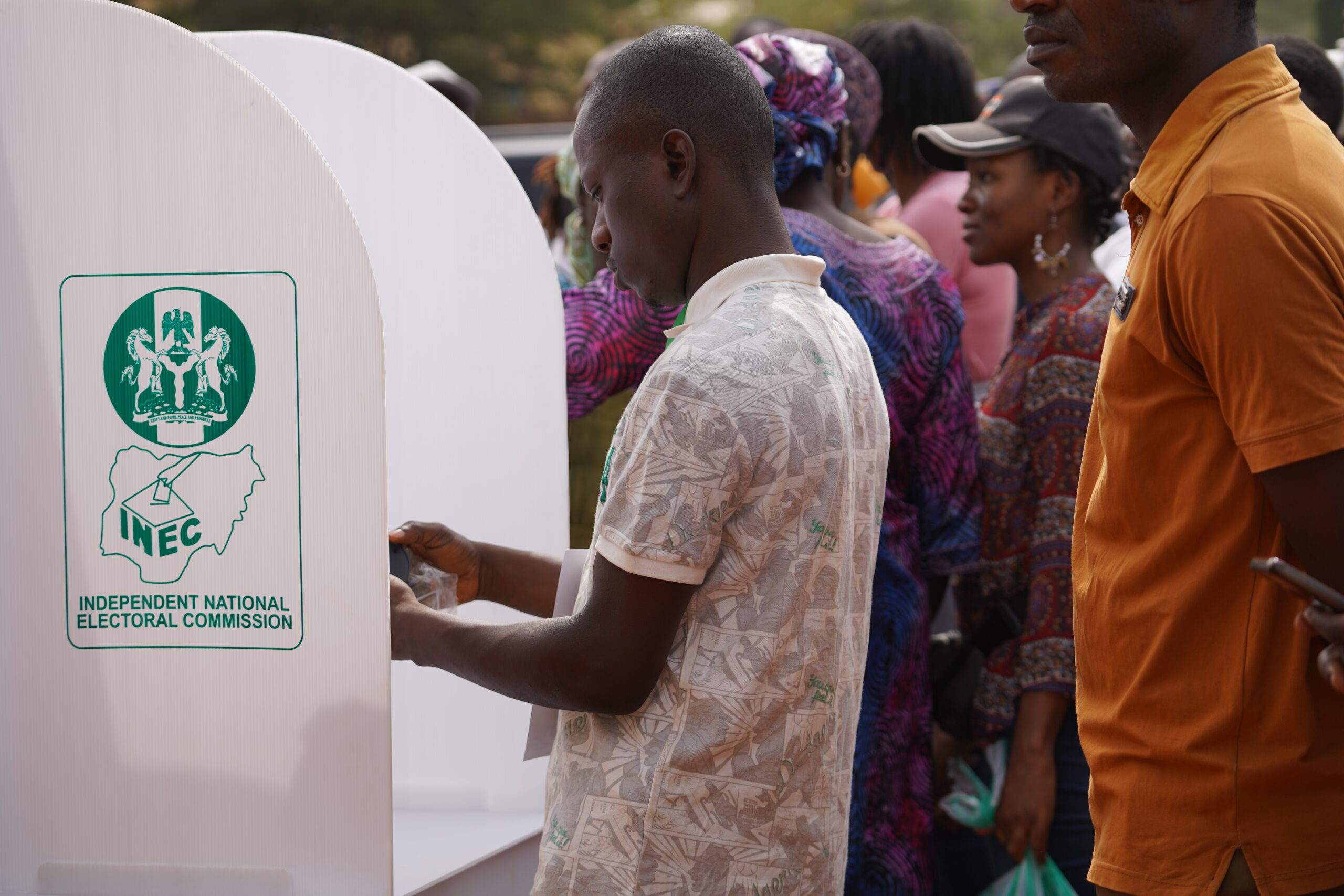
The latest exchange comes amid continuing debates over the conduct of the NBA elections and the extent to which external actors should engage in disputes involving the internal governance of an independent professional association.
AFBA in the statement signed by its Director, Publicity and Protocol, Nicholas Sumba maintained that while the Nigerian Bar Association must preserve its institutional independence, efforts aimed at encouraging adherence to the rule of law and peaceful dispute resolution should not automatically be construed as attempts to undermine that independence.
“The Attorney General’s intervention, as publicly communicated, amounted to suggestions intended to facilitate an amicable, lawful and institutional resolution of a dispute affecting Nigeria’s foremost professional legal association,” the Association said.
“It neither constituted coercion nor usurpation of the NBA’s autonomy but reflected the legitimate interest of the Chief Law Officer of the Federation in promoting respect for the rule of law and institutional stability.”
AFBA said it was therefore “profoundly disappointed” by Amnesty International’s public criticism of the Attorney General, describing the organisation’s position as “both unwarranted and misplaced.”
According to the Association, Amnesty International has earned international respect for its work in promoting and protecting human rights through research, advocacy and campaigns against human rights abuses. However, it argued that internal electoral disagreements within a professional association do not ordinarily fall within that mandate unless they involve demonstrable violations of constitutionally or internationally protected rights.
“By entering a debate that principally concerns institutional governance and professional self-regulation, Amnesty International risks extending its public advocacy beyond the sphere of its recognised competence,” AFBA stated.
“It may inadvertently politicise issues that are better addressed through established legal and institutional processes and undermine the organisation’s perceived impartiality on matters that genuinely implicate human rights.”
The Association reaffirmed its commitment to the independence of the legal profession, the rule of law and the peaceful resolution of disputes through constitutional and institutional mechanisms.
It urged all stakeholders, including candidates, members of the Bar, senior lawyers and NBA leadership, to approach the electoral process with restraint, fidelity to the NBA Constitution and respect for established dispute-resolution mechanisms.
AFBA also called on Amnesty International to exercise institutional restraint and remain focused on its internationally recognised mandate of protecting and promoting fundamental human rights.
According to the Association, preserving the clarity of Amnesty’s mandate would strengthen its credibility and effectiveness in addressing the serious human rights challenges confronting Nigeria, Africa and the wider international community.
The statement concluded by reaffirming AFBA’s commitment to constructive engagement with institutions working to advance justice, democracy and the rule of law while maintaining that questions relating to professional self-governance should be resolved within appropriate legal and institutional frameworks.
The statement was signed by Nicholas Sumba, AFBA’s Director of Publicity and Protocol.
### Why This Matters
The exchange reflects broader tensions over the delicate balance between the autonomy of professional bodies, the advisory role of public institutions and the advocacy role of civil society organisations.
While some lawyers have viewed the Attorney General’s comments as an attempt to encourage dialogue and institutional stability, others—including Amnesty International—have argued that any intervention by the country’s chief law officer in the affairs of an independent Bar Association risks creating the perception of executive influence over a body whose independence is fundamental to the rule of law.
With the NBA national elections scheduled for 18 July 2026, the debate underscores the importance of ensuring that disputes are resolved transparently, constitutionally and in a manner that preserves public confidence in both the electoral process and the independence of the legal profession.