Thirty-five years ago, Hussaini Isah dug for gold with calloused hands and quiet hope.
Back then, the forests of Zamfara whispered opportunity, not fear.
Today, his world is different. He still digs—but now under the shadow of guns, not sunrise.
“It was hard work,” he said softly, “but it fed us. Now, it’s life or death.”
Across northern Nigeria, gold has turned from blessing to blood. The once-peaceful fields of Zamfara and Kaduna now glitter with violence.
Each speck of gold unearthed funds bullets that echo across the savannah.
The Billion-Dollar Drain
Nigeria loses over $9 billion yearly to illegal mining. Much of it vanishes through the North-West—straight into the hands of terrorists.
In Zamfara’s gold belt, Kachalla Mati, the successor to slain warlord Halilu Sububu, rules the mines. He reportedly earns ₦300 million weekly, trading gold for guns.
The gold travels through Niger and Mali, then on to Dubai— where it’s laundered into the global market, gleaming and guiltless.
Every gram carries the weight of lost lives.
The Rise of the Bandit Miners
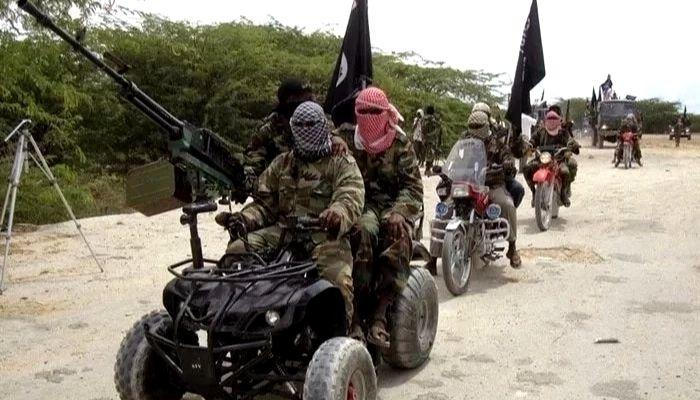
Banditry began with rustled cattle and ransom kidnappings. But since 2022, gold has become the new oil of terror.
The Nigerian military attacks their camps. Yet, the bandits always return—stronger, richer, and deadlier.
Between 2018 and 2023, more than 4,758 people died in Zamfara and Kaduna.
That’s more than deaths from Boko Haram in the North-East.
Gold, portable and priceless, has become the perfect weapon.
“We Dig, They Gain”
When Isah bends to work, he knows who truly profits. Armed men arrive, guns cocked, and demand their share.
“They beat us,” he said. “Sometimes, they kill.”
Another miner, Kabiru Dahiru, described their rule like a mafia. Each worker carries a paper “pass” signed by a bandit boss. Without it, they risk abduction—or worse.
“The ticket keeps us alive,” Dahiru said.
Bandits rarely dig themselves. They force miners to extract gold, then seize the treasure.
For every ten bags of gold-laced sand, locals keep one—if they’re lucky.
Gold Trails and Dark Deals
From Anka and Maru to Birnin Gwari, the gold travels in whispers. At Gusau’s Pollo Market, traders pile the metal in grams, digo by digo.
Before insecurity, the market made ₦250 million weekly. Now, much of that gold moves underground—straight to the black market.
Bandit leader Mati admitted the trade openly.
“We sell some here,” he said, “but most goes abroad. Sometimes, directly to Dubai.”
Each week, his group extracts gold worth up to ₦300 million. That’s enough to buy sixty brand-new AK-47 rifles.
The Golden Highway of Death
To reach the mining towns, you drive through silence and fear. The Kaduna–Birnin Gwari highway, once deadly, now feels uneasy calm.
Abandoned villages whisper stories of lives erased. Shrubs cover burnt homes where families once gathered at dusk.
In Anka, soldiers guard a fragile peace. Thousands displaced by attacks now live in makeshift camps.
“They killed twenty-six people that day,” said Aisha Abubakar, eyes glassy with grief.
“Four of them were my brothers.”
The Shadow Traders
Not all villains carry guns. Some wear smiles and gold dust on their palms.
Middlemen, often respected locals, buy gold for “unknown” clients. They weigh, pay, and transport the loot—sometimes for bandits themselves.
“They use agents,” said Rabiu Bawa, a vigilante commander. “We know some of them.”
Experts call it a war economy—a chain linking miners, traders, smugglers, and gunrunners.
Weapons slip through porous borders in Katsina and Niger. Each transaction feeds another round of terror.
From Gold to Guns
Inside this hidden economy, gold is currency and weapon. Bandits use it to buy rifles, bullets, and power.
“We don’t pay cash,” Mati said. “We give gold, they give guns.”
His “partners” in Algeria and Mali deliver weapons worth their weight in metal.
A single AK-47 costs ₦5 million—about 39 grams of gold.
In May, Mati bragged that forty new rifles had arrived. He refused to show them.
Security experts say such exchanges keep the violence alive. The more gold they mine, the deadlier they become.
The War Nobody Sees
Nigeria now ranks fifth on the Global Terrorism Index. Four of the top five countries sit in the gold-rich Sahel.
Weapons flow from Libya, Sudan, and Algeria—straight into bandit hands. Even corrupt security agents sell guns for quick cash.
Locally-made rifles fill the gap, costing as low as ₦500,000. Bullets are sold in “mudus,” at nearly ₦1 million per bowl.
“Even ammo is easy to get,” said security analyst Dr. Kabiru Adamu.
Hope in the Dust
The government has banned illegal mining and launched reforms. But in Zamfara’s forests, the bandits still call the shots.
Isah no longer digs under their command. He fled to Giwaye, a safer village near Anka.
“The gold here is little,” he smiled faintly, “but at least, I’m free.”
For him, freedom is worth more than gold.
Every gram mined in the North carries a story—of hunger, fear, and resilience.
Until Nigeria reclaims its gold, bandits will keep digging.
And the earth will keep bleeding.
This article was adapted from one originally published by Daily Trust on Saturday, 25 October 2025.