Johnson Agu
A storm appears to be gathering in Nigeria’s political space, long before campaigns have even begun.
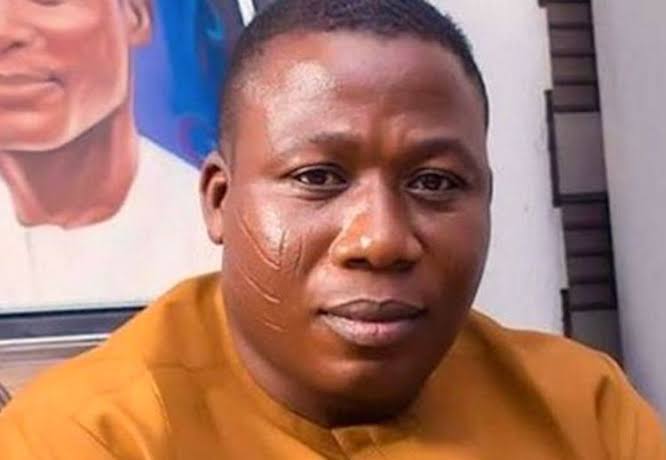
At its centre is Sunday Adeyemo, the once-feared Yoruba nationalist agitator now facing fierce backlash over remarks widely interpreted as threats against voters and opposition figures ahead of the 2027 elections.
What began as a viral video has spiralled into a broader reckoning about political intimidation, shifting loyalties, and the shrinking space for democratic participation in Nigeria.
From Liberation Icon to Political Enforcer?
In a widely circulated clip, Sunday Adeyemo issued a blunt warning: that, opposition candidates like Atiku Abubakar and Peter Obi should not campaign in the South-West.
Supporters, he said, should “wear trainers” if they intend to campaign—because they would be made to run.
He followed it with an emphatic endorsement of President Bola Ahmed Tinubu, declaring the region would deliver “100 percent” votes and even suggesting support beyond constitutionally mandated terms.
The message landed with force, and alarm.
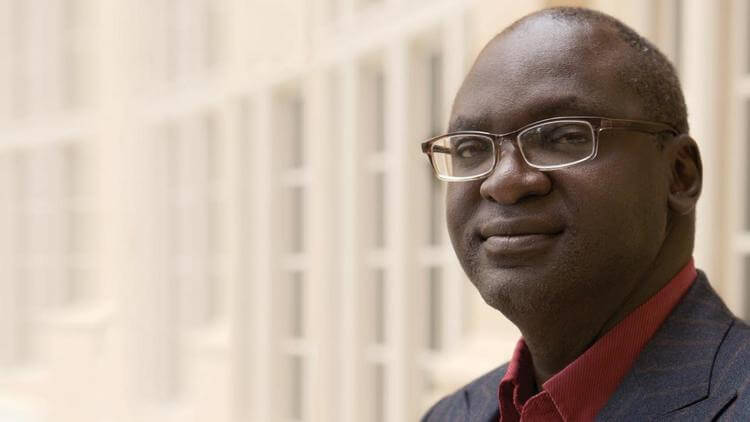
“This is not campaigning,” said governance analyst Terna Iorfa. “This is about setting the tone—telling people where they stand before the race even begins.”
A Warning From Within Yorubaland
The backlash has not only come from opposition voices, it is also rising from within Yoruba socio-political circles.
A group, Ìgbìnmó Májékóbájé Ilé-Yorùbá, accused Sunday Adeyemo of abandoning his original mission and turning his influence against the very people he once claimed to defend.
In a sharply worded statement, the group alleged that he is now intimidating Yoruba citizens over political differences while remaining silent on worsening insecurity in parts of Kwara State.
“They are taking our people daily,” the group said in essence, pointing to kidnappings and killings across rural communities. “Yet he directs his energy at threatening voters.”
The group urged him to redirect his focus toward armed groups terrorising communities rather than political opponents.
The Shift That Changed Everything
Just five years ago, Sunday Adeyemo was a symbol of resistance. At the height of insecurity in the South-West, he openly challenged political leaders, including Bola Tinubu, and accused Yoruba elites of failing to protect their people.
He once described prominent figures, including the Ooni of Ife, Oba Adeyeye Enitan Ogunwusi, as compromised.
He even publicly criticised Enoch Adeboye for not supporting the Yoruba nation agitation. Today, that rhetoric has all but vanished.
Instead, the once-fiery separatist now appears as a vocal defender of the political establishment he once opposed.
To critics, the transformation is stark—and troubling.
“Preach Peace, Not Threats”
Prominent voices across Nigeria’s political and civic space have condemned the remarks.
Veteran journalist Dele Momodu issued a direct appeal: “Support any candidate of your choice peacefully… but do not threaten your fellow citizens.”
Activist and former presidential candidate Omoyele Sowore was more defiant: “I will go anywhere in this country to campaign. Let’s see who stops me.”
The Obidient Movement, aligned with Peter Obi, framed the issue as constitutional: “Anybody can campaign anywhere in Nigeria.”
A Pattern of Political Intimidation
Observers say the controversy is not isolated; it fits into a broader pattern.
During the 2023 elections, figures like Musiliu Akinsanya were accused of issuing similar warnings to voters. More recently, Mustapha Adekunle Olanrewaju faced scrutiny over threats tied to future elections.
The pattern is clear: non-state actors increasingly attempting to shape electoral outcomes—not through persuasion, but fear. “This is how democratic space shrinks,” said Terna Iorfa. “Not always through violence—but through signals that make people step back.”
Democracy Under Pressure
The data underscores the concern. Voter turnout in Nigeria has steadily declined—from 43.7% in 2015 to under 30% in 2023.
At the same time, election observers documented at least 135 critical incidents during the last polls, including intimidation and disruption. For analysts, the trend reflects something deeper than apathy. It reflects fear.
“Elections don’t start on election day,” Iorfa said. “They start when people begin to ask: is it safe to participate?”
Silence From Power
Perhaps most telling is what has not been said. So far, there has been no clear public distancing from Sunday Adeyemo’s remarks by the ruling All Progressives Congress or the presidency.
In Nigeria’s political culture, such silence rarely goes unnoticed.
“People are always watching who speaks—and who doesn’t,” Iorfa noted.
The Bigger Question
As Nigeria inches toward another election cycle, the controversy raises a fundamental question:
Who controls the political space—the voters, or those who claim to speak for them? For now, the battle is not yet at the ballot box.
It is in the atmosphere. In the words people hear. And in the quiet calculations they make afterward.