Lagos, Nigeria — A Nigerian mother who sparked nationwide debate after criticizing a nursery school textbook has been invited for questioning by police, raising concerns about free expression, child safety, and the limits of online criticism.
Mary Udoka, a mother of two, drew widespread attention after posting a now-deleted video on Instagram condemning a passage in a children’s book she described as violent and inappropriate for young learners.
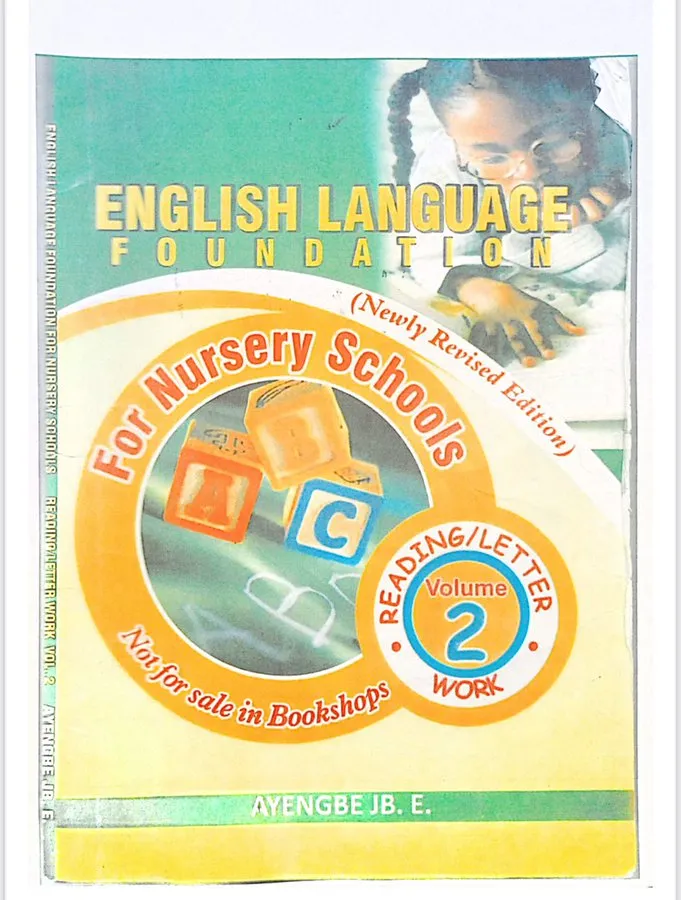
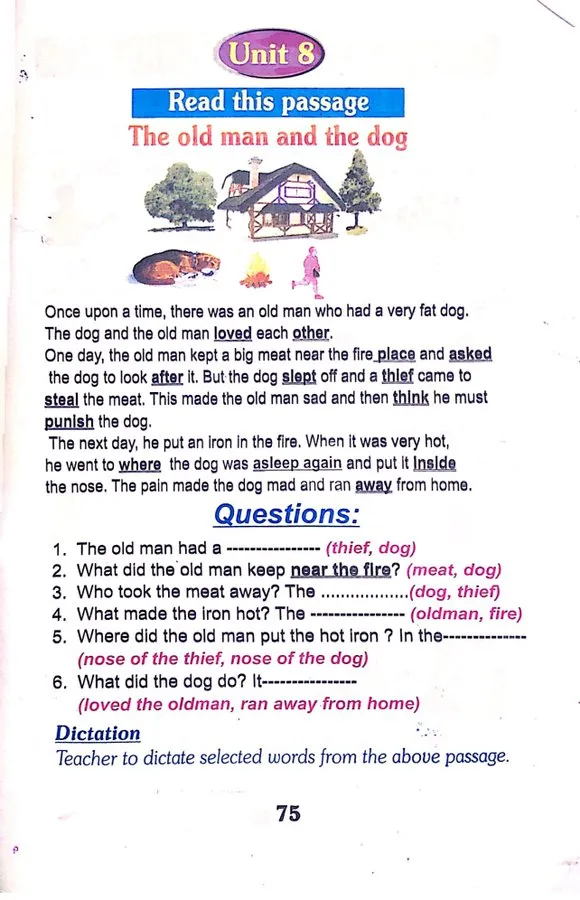
The book, English Language Foundation for Nursery School, authored by Ebhohimen Ayengbe, includes a story titled “The Old Man and the Dog,” which recounts a scene in which a dog is brutally punished for failing to guard food.
Udoka questioned whether such content was suitable for children under five.
Police Invitation Sparks Debate
Her lawyer, Inibehe Effiong, confirmed that she had been invited by the Nigeria Police Force.
In a statement, Effiong said his client would honour the invitation but challenged the basis for police involvement.
Read Also: FG targets ‘toxic’ learning materials, bans unapproved textbooks nationwide from 2026
“We will be reporting… not because we believe that Mary Queen committed any crime,” he said, adding that the author of the book should justify what he described as harassment.
As of the time of reporting, police authorities had not publicly clarified why Udoka was invited.
Petitions Filed, Government Responds
The controversy has since moved beyond social media.
Effiong disclosed that formal petitions had been submitted to both the Lagos State Government and the Nigerian Educational Research and Development Council, urging an urgent review of the textbook.
According to him, the Lagos State Government has issued a preliminary response indicating that the book is not officially approved for use in schools within the state.
Mother Alleges Threats
In a follow-up video, Udoka claimed she removed her original post after receiving threats and repeated calls.
“My life is being threatened,” she said, alleging that people around her were being questioned by police over the video.
She maintained that her actions were driven solely by concern as a parent.
“I read something… that did not sit well with me,” she said. “I just want to ask a question.”
Author Pushes Back
Ayengbe has rejected the criticism, describing it as misleading and unfair.
“Nobody is asking me anything,” he said in a separate video, arguing that Udoka should have contacted him directly rather than going public.
He defended the story as a simplified folk tale designed to teach basic vocabulary, insisting there was nothing inappropriate about its content.
“It’s not a criminal book,” he added.
Wider Concerns Over Learning Materials
A review of the passage has raised additional concerns, including grammatical inconsistencies and questions about age-appropriate content.
Education experts generally advise that early learning materials avoid disturbing themes and prioritize clear, simple language—standards critics say may not have been met in this case.
The incident has ignited broader public debate over the vetting of educational materials, parental rights, and the role of authorities when disputes spill into the public domain.
As the case unfolds, it is likely to test not only Nigeria’s educational oversight systems but also the boundaries between citizen criticism and state response in the digital age.